The Joint

On the residential edge of the Bywater, The Joint has built a reputation as one of New Orleans' most serious barbecue addresses, drawing locals and out-of-towners to 701 Mazant Street for slow-smoked fare that sits at the intersection of Southern pit tradition and Louisiana seasoning. The setting is deliberately unfussy, the approach is wood-and-time, and the lines outside on weekends tell their own story.
Pearl is the En Primeur Club membership app — saves, bookings, and concierge access live there. Same editors, same standards.
- Address
- 701 Mazant St, New Orleans, LA 70117
- Phone
- +1 504 949 3232
- Website
- alwayssmokin.com
- Directions
- Get directions
 Saves & bookings on Pearl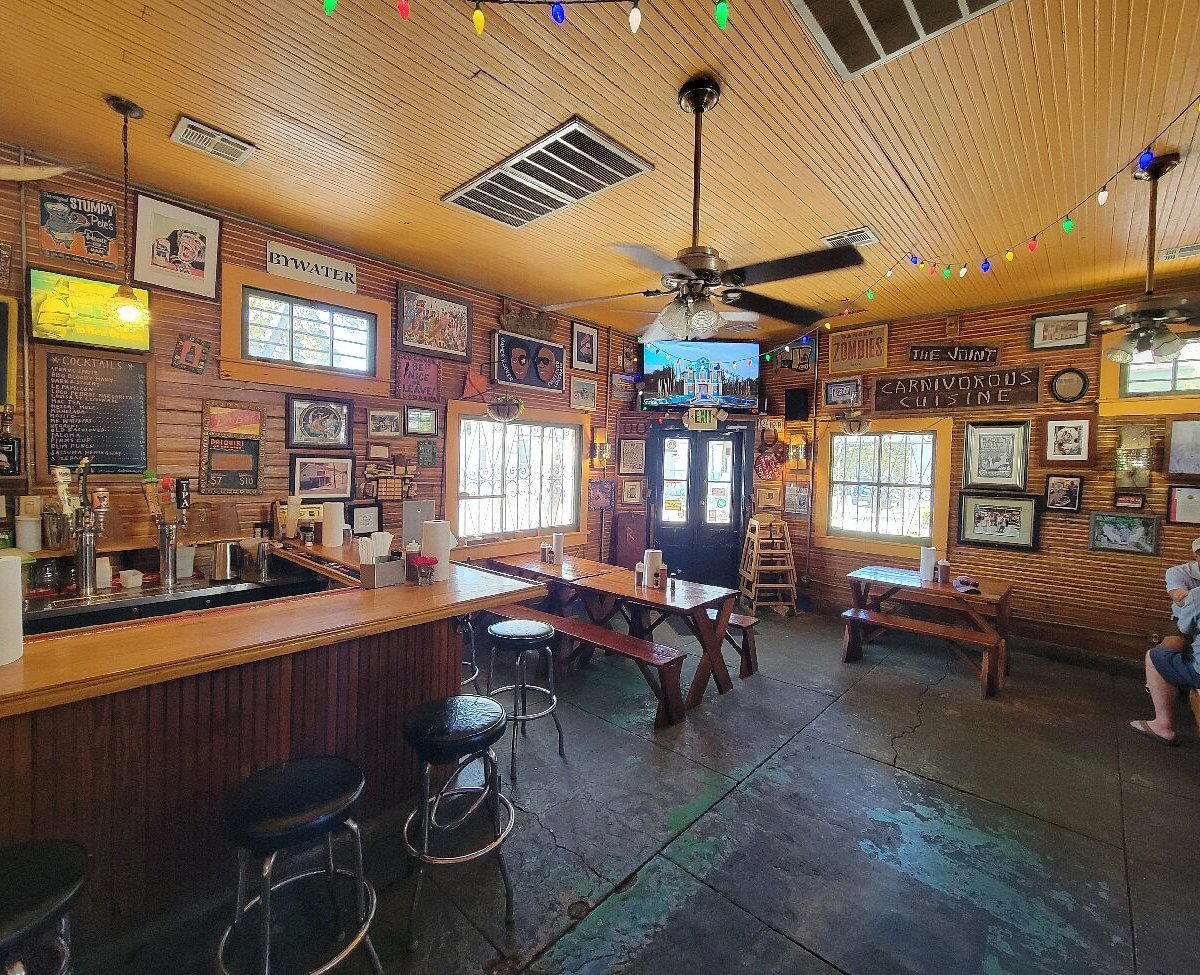
Where the Bywater Meets the Pit
Approach 701 Mazant Street on a Saturday and the smell arrives before the building does. The Bywater neighborhood, long the quieter, more residential counterpart to the French Quarter's noise and Marigny's music, has spent the last decade developing a dining identity of its own, one built less on white-tablecloth tradition and more on craft, conviction, and the kind of cooking that doesn't require a prix-fixe format to justify itself. The Joint is a restaurant serving Louisiana BBQ in New Orleans's Bywater neighborhood. The exterior gives nothing away: a low-slung structure on a corner lot, no valet, no velvet rope, no signage that announces itself as a destination. That studied absence of pretension is itself a signal worth reading.
Barbecue in New Orleans has always occupied an interesting position. The city's culinary identity is so thoroughly defined by Creole and Cajun traditions, the roux-based foundations of Commander's Palace, the refined Cajun register of Emeril's, the contemporary Louisiana cooking at Re Santi e Leoni, that slow-smoked pit barbecue can feel like an import. In practice, the city has absorbed and adapted the tradition, and The Joint represents that adaptation at a neighborhood scale. This is not Texas brisket served wholesale, nor is it Memphis-style with token Louisiana seasoning. The kitchen works in the intersection, and the result reads as local in a way that matters to the people who live nearby.
An Occasion Defined by the Smoke, Not the Setting
There is a category of celebration meal that doesn't require a reservation three months out or a sommelier hovering tableside. For milestone lunches, informal birthdays, or the kind of gathering where the food is genuinely the point rather than the occasion's backdrop, New Orleans has always had its own answer. In a city where fine dining options like Saint-Germain and Bayona serve the formal end of that spectrum, The Joint occupies the other pole: the meal you remember because the food was serious, not because the room was beautiful.
That positioning matters when thinking about occasion dining in New Orleans specifically. The city has a different relationship to celebration than most American cities, here, a significant meal is as likely to happen at a counter or a folding table as at a set-dressed dining room. The lines that form outside the restaurant on weekend afternoons are a version of that ethos. People wait because the product justifies waiting, and the waiting itself becomes part of the occasion's texture.
Compared to the more composed, table-service experience at Zasu, or the long-established formal register of Commander's Palace nearby, the restaurant asks something different of its guests: willingness to let the smoke do the talking. That's a reasonable trade for what arrives on the tray.
The Barbecue Scene Context
American barbecue has undergone a significant critical reassessment over the past fifteen years. What was once treated as regional comfort food has been placed alongside fine dining as a serious culinary tradition, a shift visible in the national attention paid to pitmasters, the proliferation of long-form food journalism dedicated to smoke and wood choice, and the inclusion of barbecue destinations in travel itineraries that once skipped them entirely. Cities like Austin built international reputations on this reassessment. New Orleans, with its existing culinary density, absorbed the shift more quietly, but the restaurant at 701 Mazant has been part of the city's barbecue conversation for long enough that its address has become shorthand for where serious smoke lives in this city.
For visitors already planning meals around nationally recognized rooms, Le Bernardin in New York City, The French Laundry in Napa, Lazy Bear in San Francisco, or Smyth in Chicago, the restaurant represents a deliberate change of register. Where those rooms operate through precision and ceremony, a great barbecue counter operates through patience and heat. Both are valid. Both can anchor a travel itinerary. The distinction is in what kind of meal the occasion calls for.
The broader American dining scene has increasingly validated this view. Properties like Blue Hill at Stone Barns in Tarrytown, Single Thread Farm in Healdsburg, and Addison in San Diego have made the case for place-specific, ingredient-driven dining at the highest register. The restaurant makes a parallel case at a different price point: that cooking defined by a specific technique, a specific neighborhood, and a specific set of inputs has its own authority. The two arguments aren't in competition.
Planning Your Visit to the Bywater
Its address in the Bywater puts it at the far end of most visitors' usual New Orleans geography. The French Quarter and Marigny tend to anchor itineraries, with the Bywater treated as a detour rather than a destination. That framing undersells the neighborhood. The Bywater has developed a distinct dining and bar identity over the last decade, and arriving for lunch at the restaurant offers a reasonable entry point into that character. The walk or short ride from the Marigny passes converted shotgun houses, independent coffee operations, and a streetscape that reflects the neighborhood's particular mix of long-term residents and newer arrivals.
Timing matters. Weekday lunch tends to be one manageable visit, with weekend afternoons drawing longer waits. For visitors building a New Orleans itinerary around a larger trip through American dining rooms, including stops at Providence in Los Angeles, Frasca Food & Wine in Boulder, The Inn at Little Washington, or Atomix in New York City, the restaurant works well as a midday anchor, leaving evenings for the city's more formal options.
For comparison-minded visitors, the contrast with European barbecue and smoke traditions, such as the wood-fire approach at Atelier Moessmer Norbert Niederkofler in Brunico, underscores how specifically American, and specifically Southern, the idiom at the restaurant remains. The technique is unglamorous. The results are not.
Comparable Options
Comparable venues nearby, for context on price, style, and recognition.
| Venue | Cuisine | Price | Notes |
|---|---|---|---|
| The JointThis venue — the venue you are viewing | Louisiana BBQ | $$ | Not listed |
| Morrow's | New Orleans-Korean Fusion | $$ | Marigny |
| Café Reconcile | New Orleans Soul Food | $$ | Central City |
| Red Dog Diner | American Comfort Diner | $$ | Garden District |
| Cowbell | American Gastropub Burgers | $$ | Carrollton |
| Neyow's Creole Café | Creole | $$ | Mid-City |
Recognition history
Dated appearances from independent guides and award organizations, with the underlying list record or original source where available.
Diners, Drive-Ins and Dives Featured Restaurant
Diners, Drive-Ins and Dives · 2026 Diners, Drive-Ins and Dives Featured Restaurants
Continue exploring
More in New Orleans
Restaurants in New Orleans
Browse all →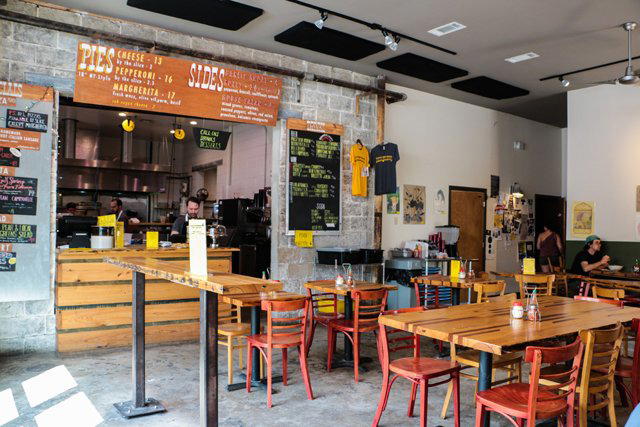
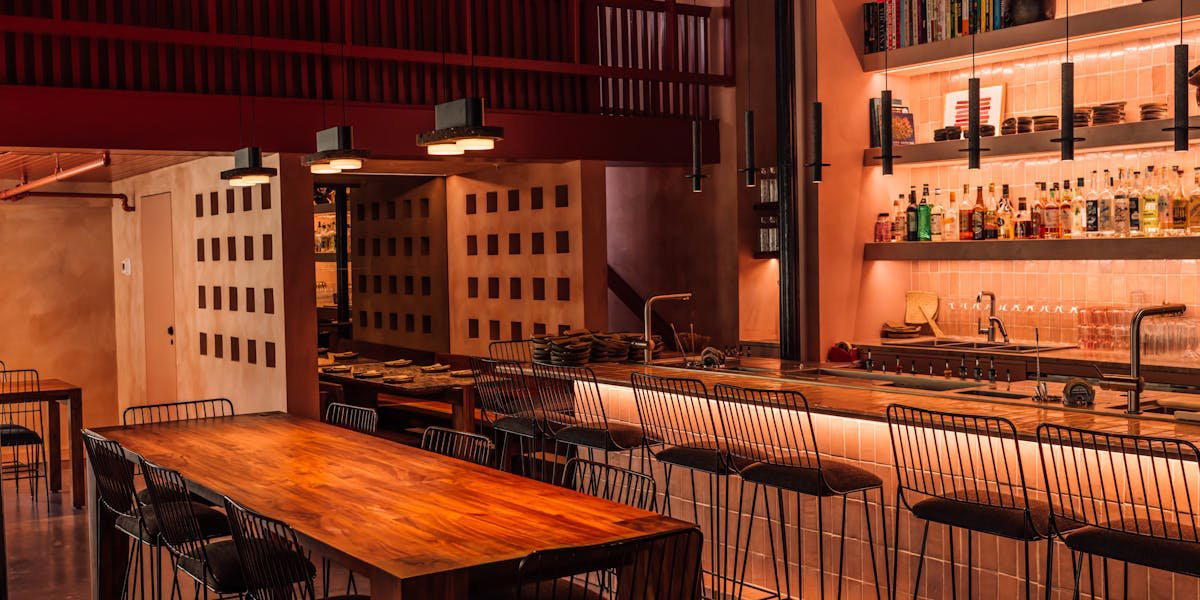
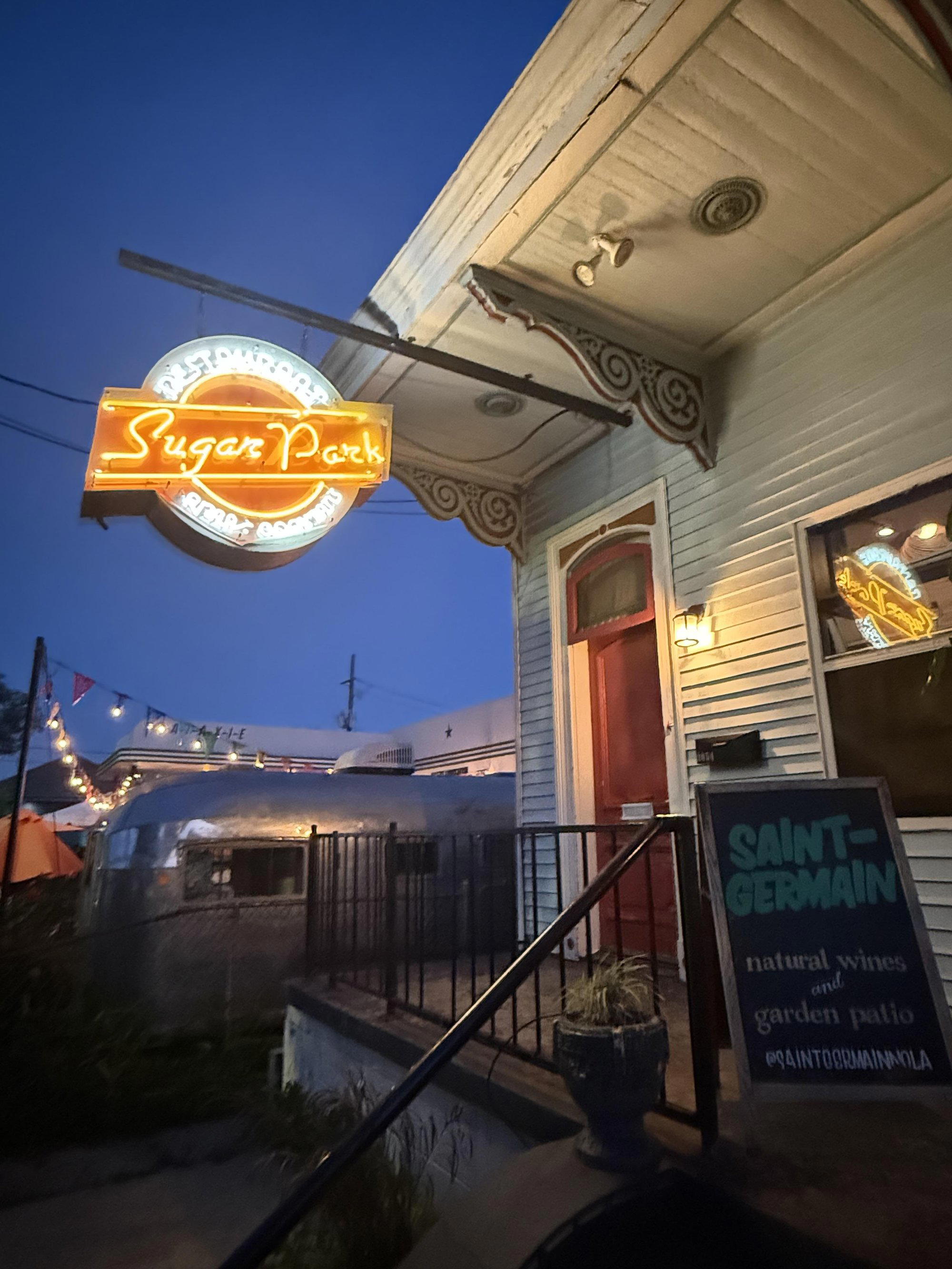
Bars in New Orleans
Browse all →
At a Glance
- Rustic
- Casual
- Casual Hangout
- Family
- Group Dining
- Late Night
- Standalone
- Open Kitchen
- Beer Program
Current opening hours
- Monday
- 11:30 AM–9 PM
- Tuesday
- 11:30 AM–9 PM
- Wednesday
- 11:30 AM–9 PM
- Thursday
- 11:30 AM–9 PM
- Friday
- 11:30 AM–10 PM
- Saturday
- 11:30 AM–10 PM
- Sunday
- Closed
Hours can change for holidays and private events. Last verified .
Unpretentious and quaint with casual counter-service ordering, outdoor patio seating, and a friendly neighborhood atmosphere.