Café Reconcile
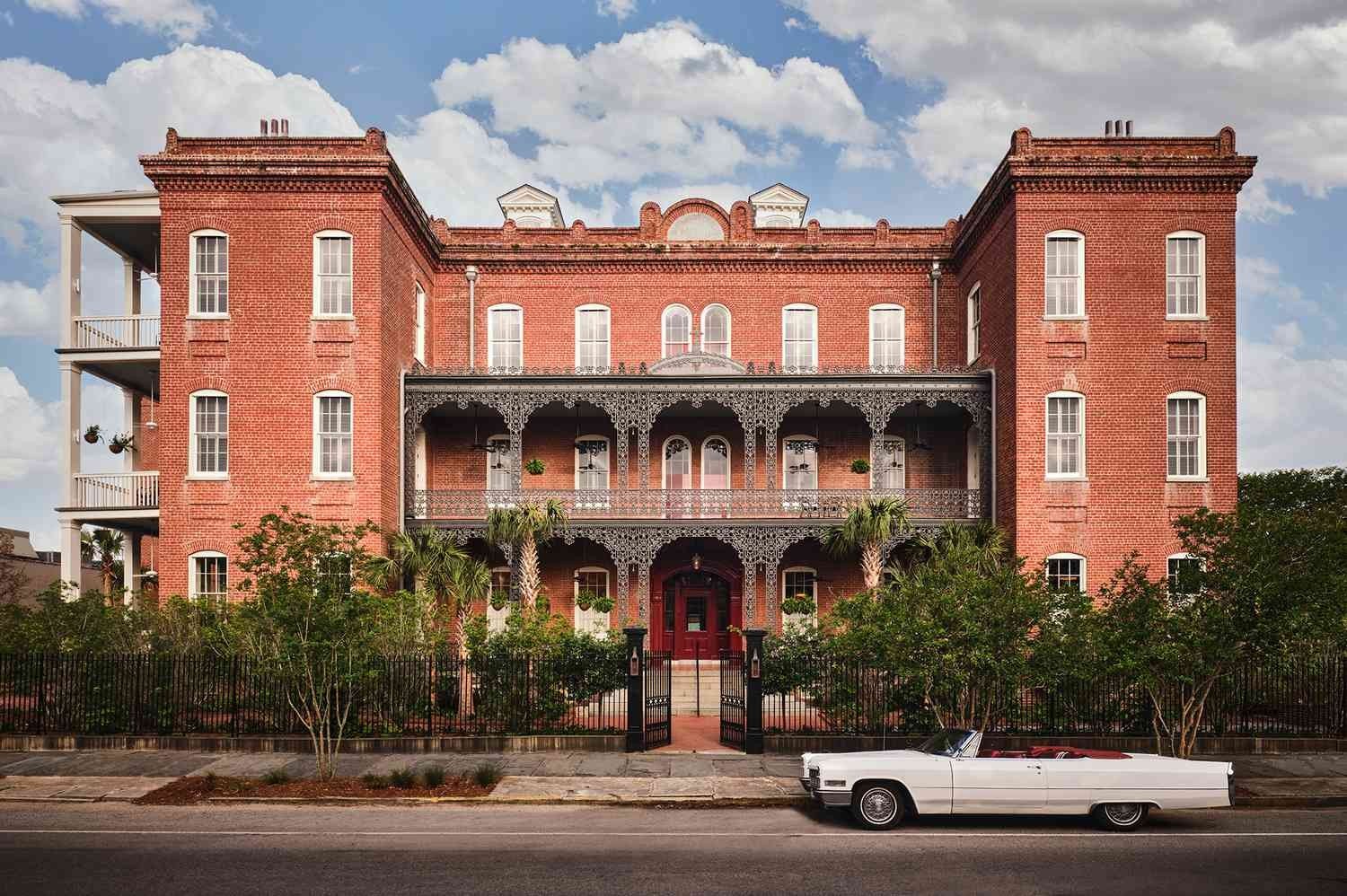
Café Reconcile serves New Orleans Soul Food at lunch in a casual, conversational historic building, with local sourcing and dishes like fried chicken and blackened catfish.
Pearl is the En Primeur Club membership app — saves, bookings, and concierge access live there. Same editors, same standards.
- Address
- 1631 Oretha Castle Haley Blvd, New Orleans, LA 70113
- Phone
- +15045681157
- Website
- cafereconcile.org
- Directions
- Get directions
 Saves & bookings on Pearl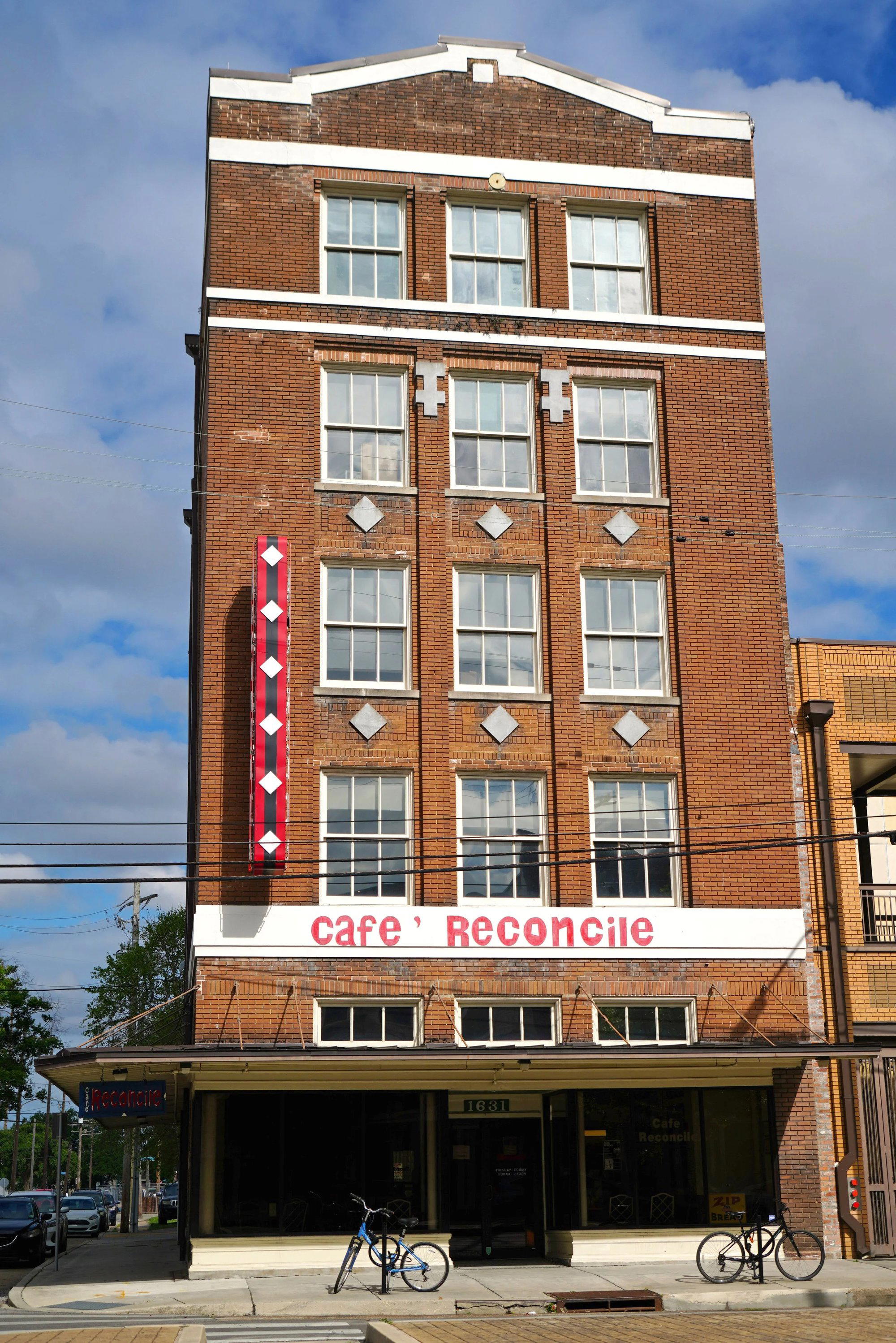
Oretha Castle Haley Boulevard and the Tradition It Carries
On Oretha Castle Haley Boulevard, the physical approach tells you something about New Orleans that the French Quarter does not. The buildings here are lower, the street wider, and the foot traffic less scripted by tourism. Arriving at Café Reconcile, you encounter a space that belongs to this street in a deliberate way, not as a restaurant that happened to open in an underserved area, but as one that exists specifically because of it.
That framing matters before you look at anything on the plate. In New Orleans, where food is rarely separable from the social structures that produced it, a restaurant's relationship to its neighborhood is itself a form of editorial content. Café Reconcile operates within a different kind of institution: a workforce development program, channeling the city's deep culinary heritage into a structured pathway toward employment.
Where New Orleans Cooking Functions as Curriculum
New Orleans cuisine is among the more codified regional food traditions in the United States. The layering of West African, French, Spanish, Caribbean, and Indigenous influences produced techniques and flavor profiles that remain identifiable across centuries: the holy trinity of onion, celery, and bell pepper as an aromatic foundation; roux-based gravies that carry the weight of a dish; rice as a structural element rather than a side. These are not historical curiosities. They are living practices, transmitted through households and institutions and, in some cases, through programs that treat the kitchen as a classroom.
Café Reconcile sits inside that transmission process. The menu draws on the Creole and soul food registers that define New Orleans home cooking at its most direct, the kind of food that appears at Sunday tables and second-line gatherings rather than on tasting menus. Compared to the contemporary Creole refinements at Re Santi e Leoni or the refined prix-fixe format at Saint-Germain, the cooking here operates in a different register, one that prizes familiarity and cultural continuity.
That distinction is worth holding. American cities have produced a tier of mission-driven restaurants that attempt to fuse social purpose with culinary ambition, sometimes successfully, sometimes at the expense of one or the other. The model the restaurant represents treats the food itself as the vehicle for dignity rather than novelty. The dishes communicate competence in a tradition, which is precisely what a workforce development program needs its graduates to demonstrate.
The Broader Context: Mission Dining in American Cities
The restaurant belongs to a small but meaningful category of American restaurants where the dining experience and the social mission are structurally inseparable. These are not charity operations with a restaurant attached. They are full-service establishments where the quality of the food reflects directly on the program's credibility with employers and the community. The stakes of a plate arriving correctly seasoned and properly timed are higher here than at most restaurants.
Across the country, comparable models have earned serious attention. Operations like Homeboy Industries in Los Angeles and La Cocina in San Francisco have demonstrated that mission-led food businesses can produce genuine quality without positioning the mission as the primary selling point to diners. The food earns the visit; the context deepens it. In New Orleans, where the culinary tradition is dense enough to support an entire hospitality economy, a program grounded in that tradition carries particular weight. The city's food culture has always been a vehicle for community identity, and a restaurant that teaches that culture to young people who might otherwise lack access to professional pathways is continuous with that history, not adjacent to it.
For visitors oriented toward the city's fine dining circuit, whether working through Emeril's or building an itinerary around broader New Orleans restaurants recommendations, the restaurant offers a useful counterpoint. The difference between this and the tasting menu formats at, say, Zasu is not simply price or formality. It is a different argument about what New Orleans cooking is for and who it belongs to.
Placing Café Reconcile in the City's Dining Conversation
New Orleans dining has become increasingly legible to the national audience that follows Le Bernardin, The French Laundry, or Smyth as markers of American dining ambition. Restaurants like Blue Hill at Stone Barns, Providence, or Addison compete in a tier defined by produce sourcing, tasting menu architecture, and national press attention. The restaurant does not compete there, and the comparison is not the point. It operates in a register that places value on different things: accessibility, cultural fidelity, and the practical transmission of culinary skill to the next generation of New Orleans hospitality workers.
What that means for a visitor is a lunch or breakfast that functions as a window into the city's food culture at a register closer to its source. The Creole and soul food traditions on the plate here connect to the same roots that inform the kitchens at Commander's Palace or Bayona, without the intervening layers of refinement, plating convention, or tasting-menu narrative. For a reader tracking American regional cooking from programs like Single Thread or Frasca Food and Wine to their regional contexts, this kind of grounding is instructive.
The restaurant has been part of that corridor long enough to function as a neighborhood institution. The block it occupies carries meaning for Central City residents that no amount of restaurant criticism can fully translate, but a visitor willing to engage with that context will find the meal more legible as a result.
Know Before You Go
- Address: 1631 Oretha Castle Haley Blvd, New Orleans, LA 70113
- Neighborhood: Central City
- Service format: Café and training restaurant; lunch-focused service
- Price range: Approximately $15 per person
- Booking: Recommended
- Getting there: 1631 Oretha Castle Haley Blvd, New Orleans, LA 70113
- Context: Operated as a nonprofit workforce development program since 2000; the dining room is a working training environment
The Essentials
Comparable venues nearby, for context on price, style, and recognition.
| Venue | Cuisine | Price | Notes |
|---|---|---|---|
| Café ReconcileThis venue — the venue you are viewing | Central City, New Orleans Soul Food | $$ | Not listed |
| Killer Poboys at Erin Rose | Not listed | $$ | French Quarter, Internationally Inspired New Orleans Po'boys |
| Crabby Jack's | Jefferson, Cajun Po'boys & Fried Seafood | $$ | Not listed |
| The Company Burger | Freret, Classic American Burgers | $$ | Not listed |
| BABs | Bywater, Modern American Bistro | $$ | Not listed |
| Jeri Nims Soda Shop | Arts District, Classic American Diner | $$ | Not listed |
Continue exploring
More in New Orleans
Restaurants in New Orleans
Browse all →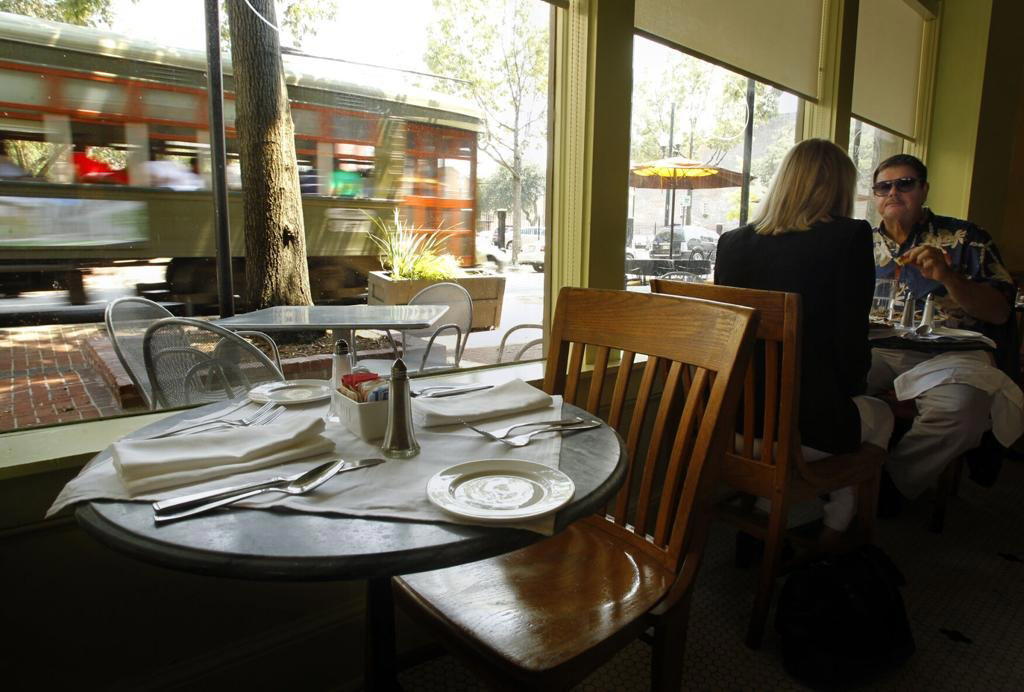
Bars in New Orleans
Browse all →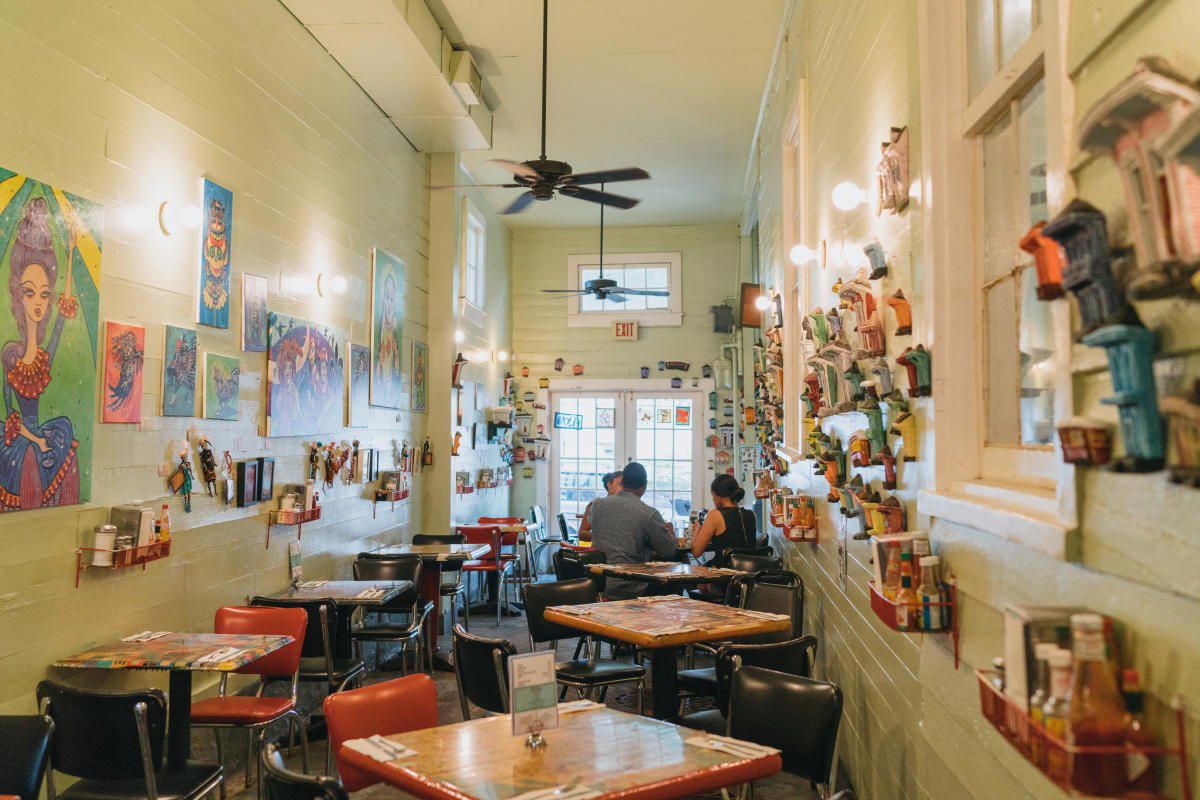

At a Glance
- Cozy
- Rustic
- Casual Hangout
- Family
- Historic Building
- Local Sourcing
Current opening hours
- Monday
- Closed
- Tuesday
- 11 AM–2:30 PM
- Wednesday
- 11 AM–2:30 PM
- Thursday
- 11 AM–2:30 PM
- Friday
- 11 AM–2:30 PM
- Saturday
- Closed
- Sunday
- Closed
Hours can change for holidays and private events. Last verified .
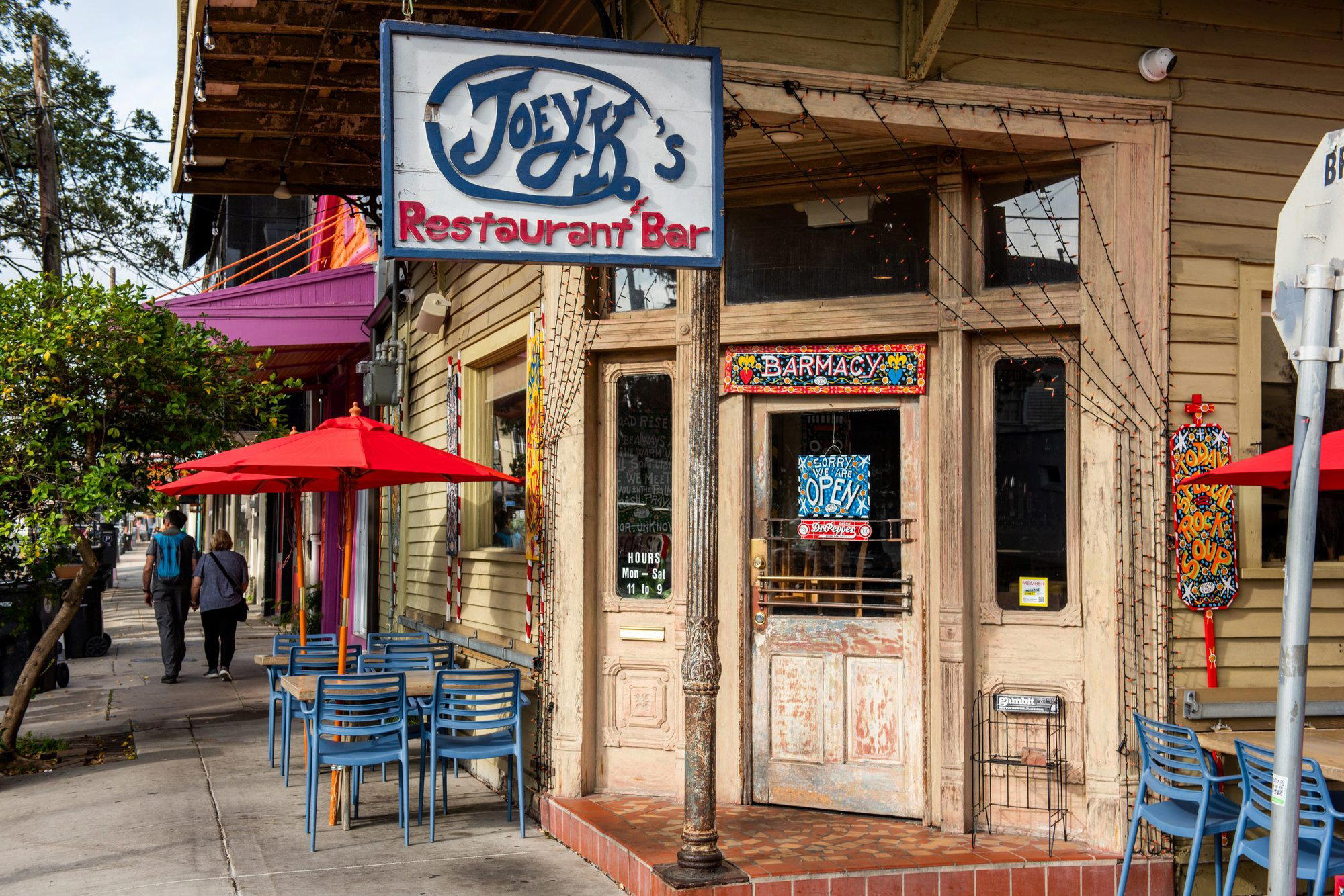
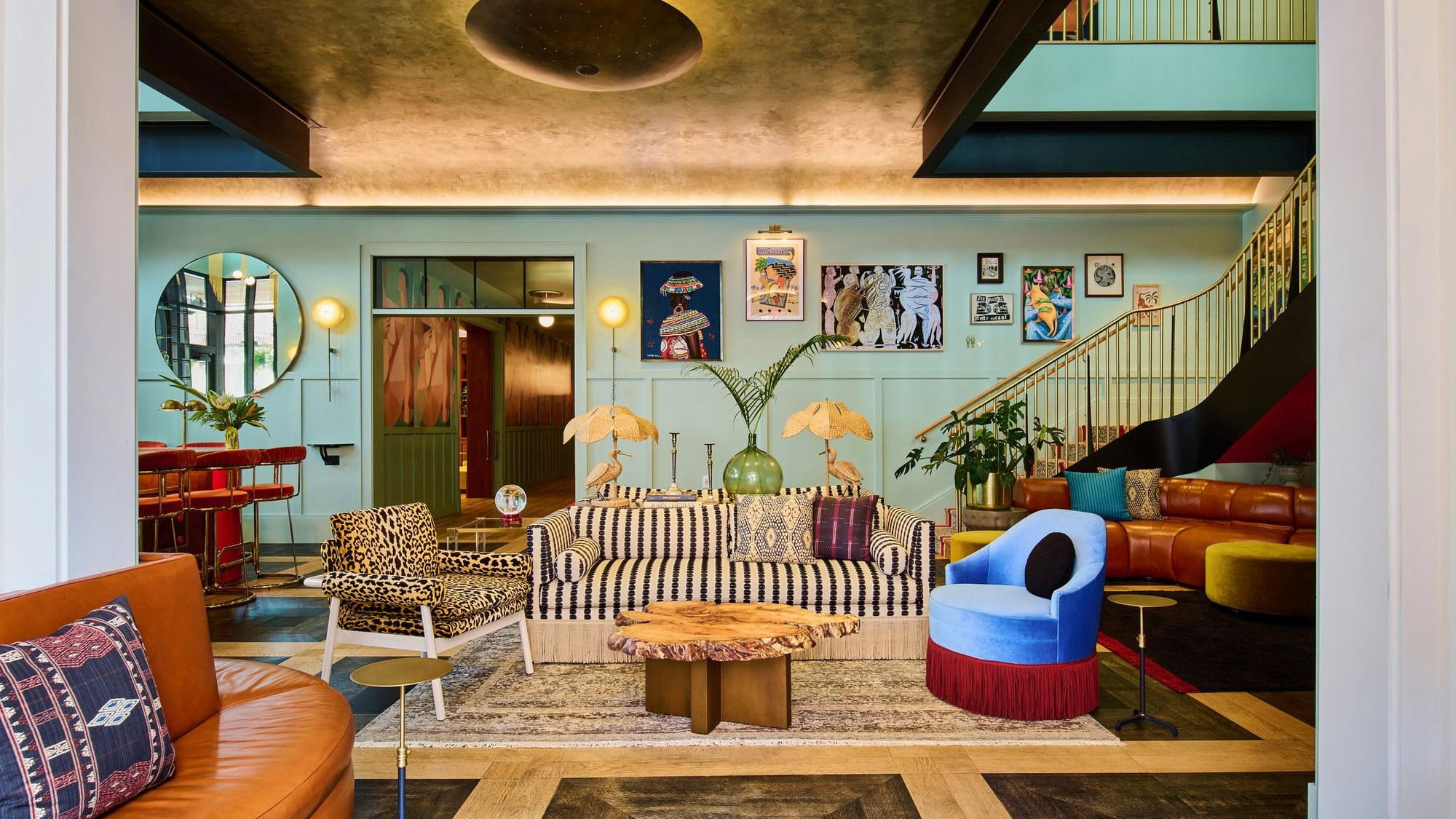
Airy, sunny corner space with friendly, warm atmosphere and contemporary decor in an older building.