Red Dog Diner
Red Dog Diner on Magazine Street sits in one of New Orleans' most character-rich dining corridors, where the Uptown neighborhood's appetite for honest, grounded cooking runs deep. The diner format places it in a different register from the white-tablecloth Creole institutions that define the city's formal dining reputation, but that contrast is precisely the point.
Pearl is the En Primeur Club membership app — saves, bookings, and concierge access live there. Same editors, same standards.
- Address
- 3122 Magazine St, New Orleans, LA 70115
- Phone
- +15042948790
- Website
- reddogdiner.com
- Directions
- Get directions
 Saves & bookings on Pearl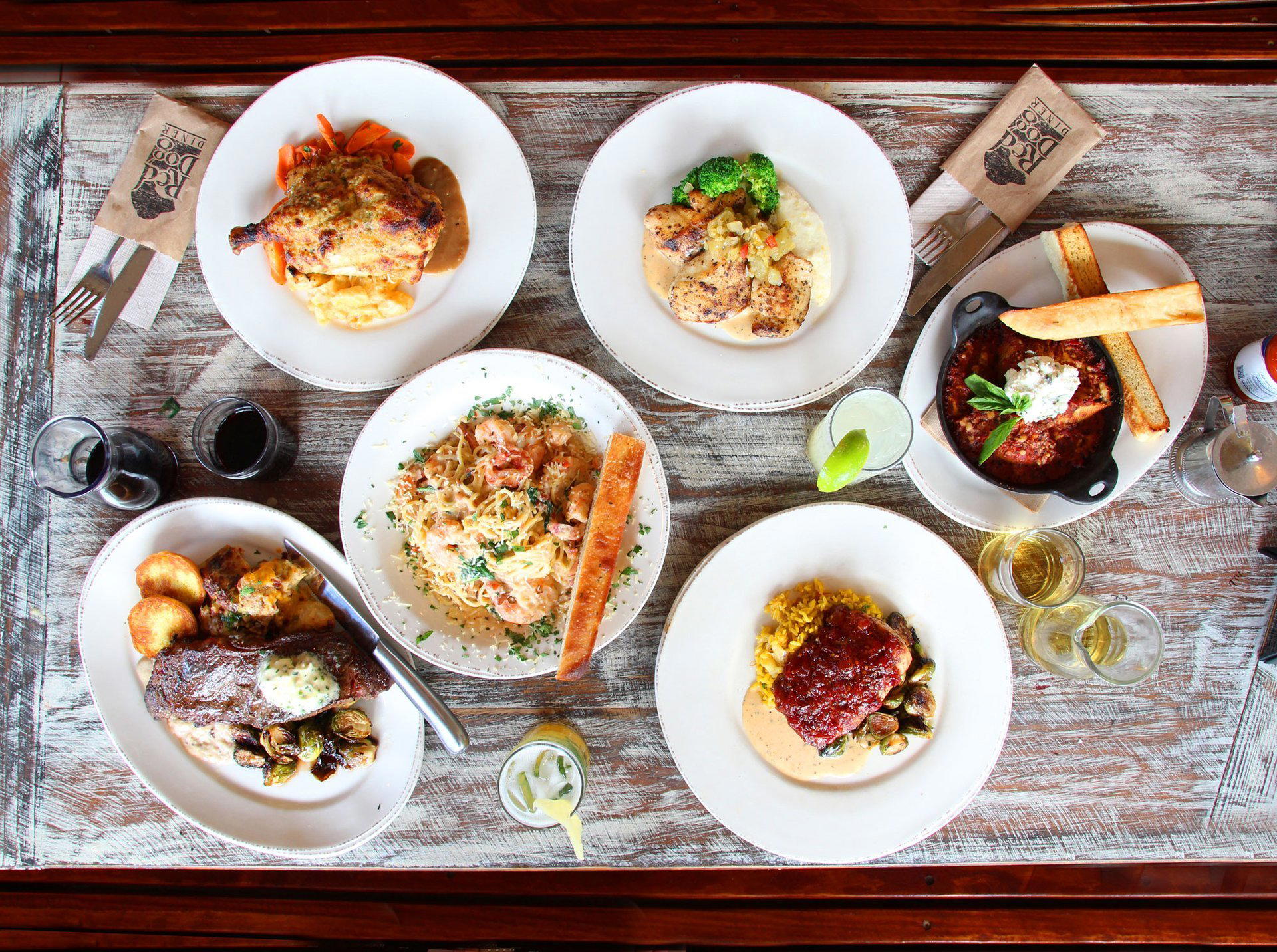
Magazine Street and the Diner Tradition in New Orleans
New Orleans has always maintained two parallel dining tracks: the grand Creole houses of the French Quarter and Garden District, and the neighborhood spots that locals actually eat in week after week. Magazine Street, running through Uptown from the CBD toward Audubon Park, belongs firmly to the second category. The 3100 block, where Red Dog Diner occupies number 3122, sits in a stretch of the street defined less by destination dining and more by the kind of places people return to out of habit and affection. Understanding Red Dog Diner means understanding that context first.
The diner format in American cities has gone through something of a reconsideration over the past decade. In San Francisco, places like Lazy Bear represent the high-production end of the casual-communal dining spectrum, while at the other end, the all-day diner has quietly become one of the more durable formats precisely because it resists trend cycles. New Orleans, with its deep investment in ritual eating, has always had an appetite for both ends of that spectrum.
The Uptown Setting
Approaching 3122 Magazine Street, you are already in one of the city's more walkable and neighborhood-scaled corridors. The street has the quality of a place that functions for residents rather than for tourists: dry cleaners and wine shops sit alongside restaurants, and the foot traffic is mixed in age and purpose. Red Dog Diner occupies this zone without the kind of exterior spectacle that signals a destination restaurant. It reads, from the street, as a place that is comfortable in its own register.
This is significant in a city where dining rooms like Saint-Germain and Re Santi e Leoni have pushed contemporary dining toward higher price points and tighter formats. The Magazine Street corridor offers a counterweight: places where the architecture of the meal is simpler, and where regularity of visit matters more than occasion.
The Sustainability Framing in New Orleans Diners
Across American cities, the diners and casual all-day spots that have survived and adapted over the past decade tend to share a particular operational logic: sourcing relationships that prioritize proximity, menus that shift with what is available rather than what is fixed, and waste reduction as a practical rather than purely ideological concern. New Orleans is a useful city in which to apply this lens. The Gulf Coast supply chain, when treated seriously, puts extraordinary seasonal ingredients within reach of even modest-format restaurants. Oysters, redfish, and seasonal vegetables from Louisiana's agricultural parishes can all be sourced through relatively short supply chains compared to what a similar restaurant in, say, Chicago or New York would require. At venues like Alinea in Chicago or Le Bernardin in New York City, the sourcing conversation operates at a different scale and cost structure entirely.
In that context, a neighborhood diner on Magazine Street has structural advantages. Smaller menus mean less food waste. Closer sourcing relationships mean fewer logistics layers. The diner format, historically associated with consistency rather than creativity, has in recent years become a vehicle for exactly the kind of low-footprint, high-rotation cooking that sustainability-conscious operators favor. The restaurant fits naturally into that category because its casual, walk-in-friendly format and neighborhood location align with the practical economics of accessible dining.
This contrasts with the full-service Creole institutions the city is better known for abroad. Emeril's operates on a different scale and with a different sourcing infrastructure. Bayona, with its New American approach in the French Quarter, brings a more curated sourcing sensibility to a white-tablecloth format. The diner sits at a different point on that spectrum, where the practical economics of sustainability, sourcing proximity, and menu discipline converge with accessibility.
Red Dog Diner in the Broader American Dining Conversation
The diner as a format has attracted renewed critical attention in cities where high-end dining has become increasingly concentrated and expensive. At The French Laundry in Napa, Single Thread Farm in Healdsburg, or Blue Hill at Stone Barns in Tarrytown, the farm-to-table sourcing conversation happens at price points that exclude most diners. The interesting development across American cities is how that same sourcing seriousness has migrated down-market into formats that are structurally more accessible. New Orleans, with its food culture as deep and democratic as any American city's, is a natural environment for that migration.
Magazine Street's dining corridor includes places at multiple price points and formats. Zasu, at the American Contemporary tier with a mid-range price point, represents one version of that middle ground. The restaurant, as a diner-format operation, occupies a distinct register from those contemporary restaurant formats even when the underlying sourcing philosophies might converge.
Other American cities have seen similar dynamics play out. Providence in Los Angeles, Addison in San Diego, and Atomix in New York City all operate at the high-production end of the sourcing-conscious dining conversation. Bacchanalia in Atlanta and The Inn at Little Washington represent regional versions of that same sensibility. The point is not that a Magazine Street diner competes with those restaurants, but that the category-wide shift toward sourcing transparency and waste consciousness has created new expectations even in formats that operate far below those price points.
Planning a Visit
The restaurant sits at 3122 Magazine Street in the Uptown neighborhood, accessible by the St. Charles Avenue streetcar with a short walk, or directly along the Magazine Street bus line. The address places it in a part of the street with on-street parking available on most evenings, though Magazine Street congestion during weekend afternoons warrants planning ahead. As with many neighborhood diners in cities like New Orleans, walk-in availability is more likely here than at formal reservation-driven restaurants the city is known for internationally. The Uptown location means it sits at a useful distance from the French Quarter, making it a natural stopping point for visitors staying in or moving through the Garden District.
Cost and Credentials
Comparable venues nearby, for context on price, style, and recognition.
| Venue | Cuisine | Price | Notes |
|---|---|---|---|
| Red Dog DinerThis venue — the venue you are viewing | Garden District, American Comfort Diner | $$ | Not listed |
| Baronne Bistro | Arts District, Cajun & Creole Comfort | $$ | Not listed |
| The High Hat Cafe | Not listed | $$ | Freret, Southern Delta & Louisiana Comfort Food |
| Coop's Place | French Quarter, Authentic Cajun & Creole | $$ | Not listed |
| Mahony's Po-boys | East Riverside, New Orleans Po-boys | $$ | Not listed |
| Cowbell | Carrollton, American Gastropub Burgers | $$ | Not listed |
Continue exploring
More in New Orleans
Restaurants in New Orleans
Browse all →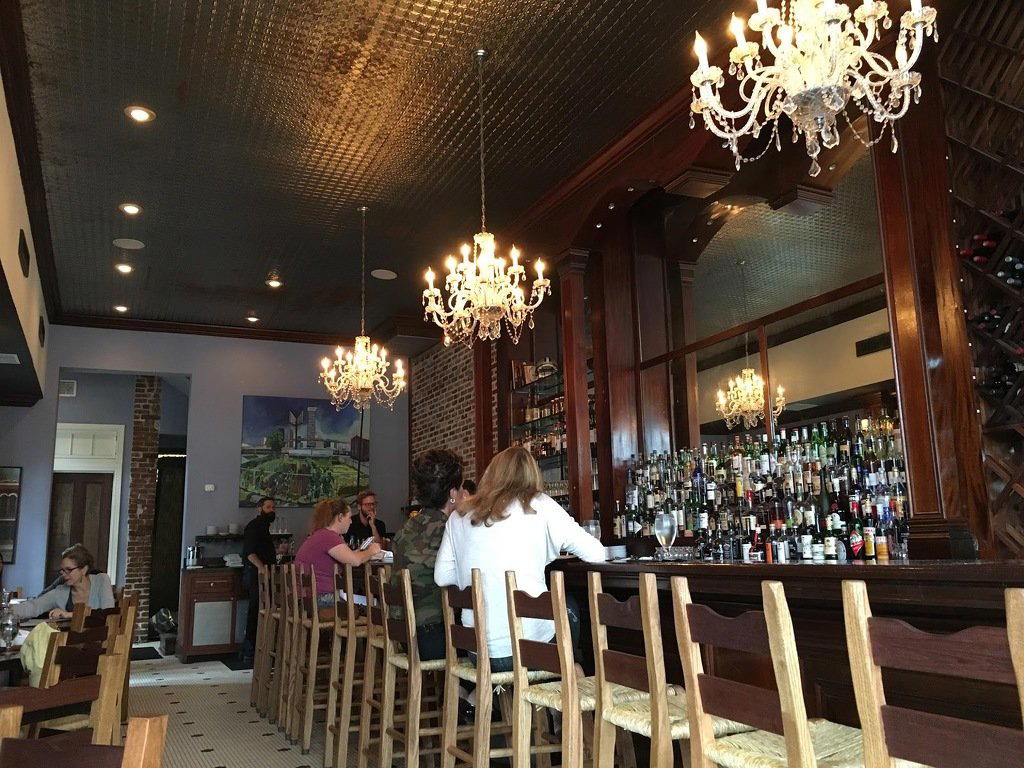
Bars in New Orleans
Browse all →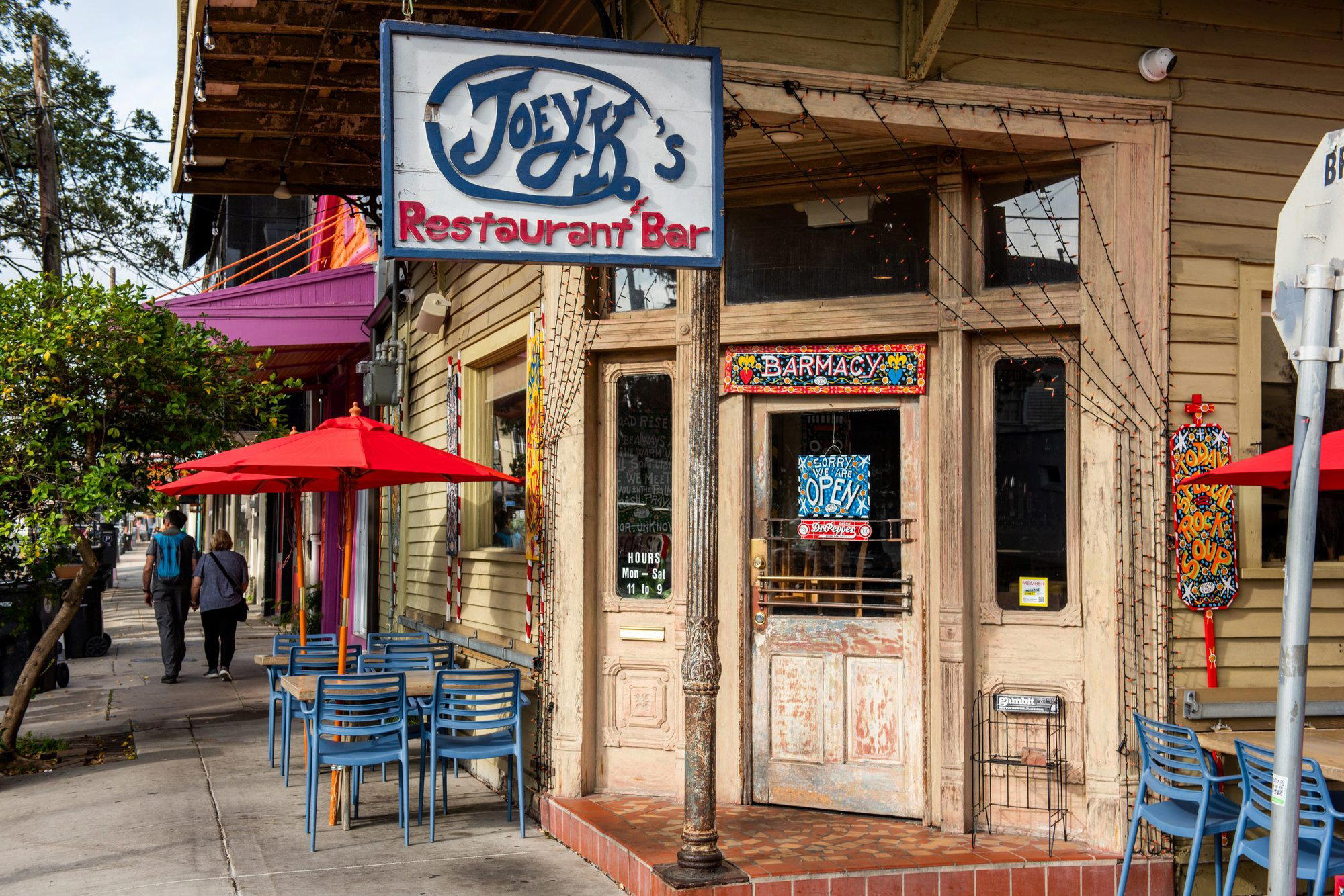
At a Glance
- Cozy
- Rustic
- Lively
- Brunch
- Casual Hangout
- Family
- Open Kitchen
- Craft Cocktails
Current opening hours
- Monday
- 8 AM–3 PM
- Tuesday
- Closed
- Wednesday
- Closed
- Thursday
- 8 AM–9 PM
- Friday
- 8 AM–9 PM
- Saturday
- 8 AM–9 PM
- Sunday
- 8 AM–9 PM
Hours can change for holidays and private events. Last verified .
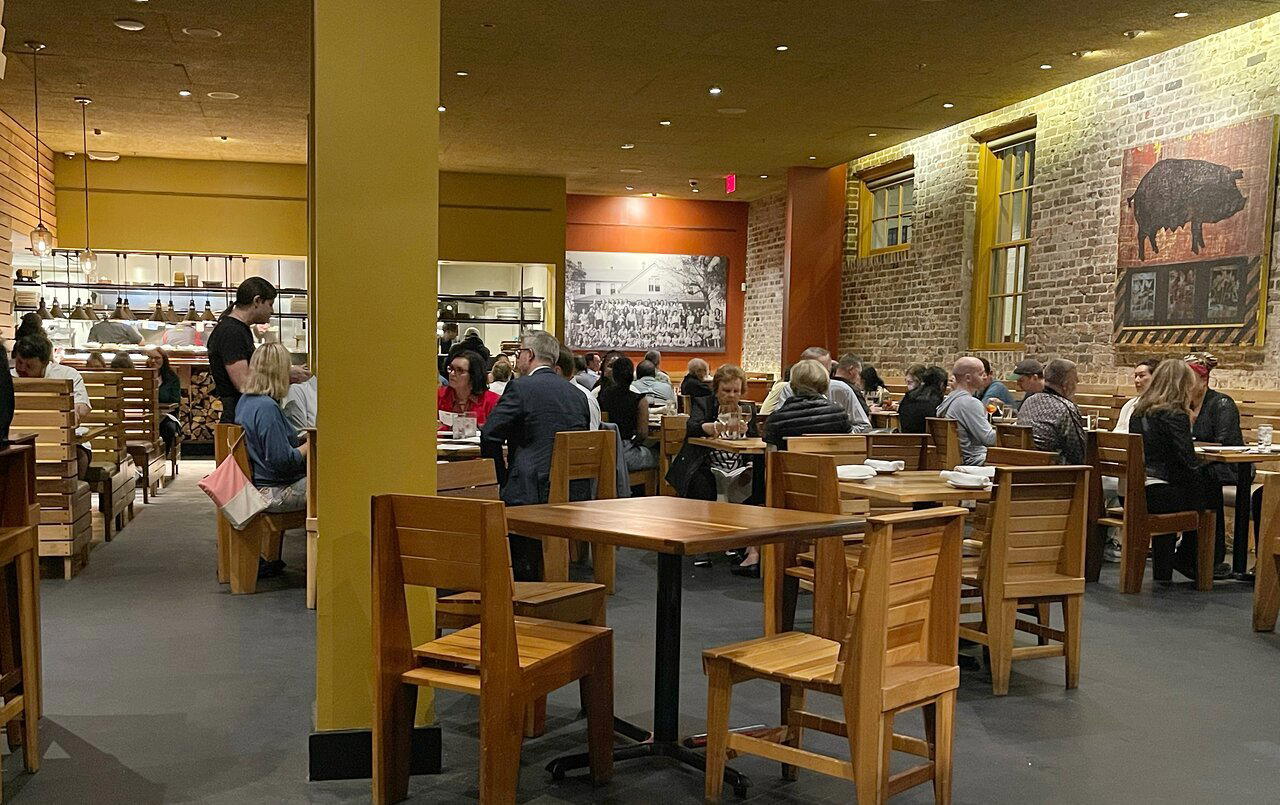
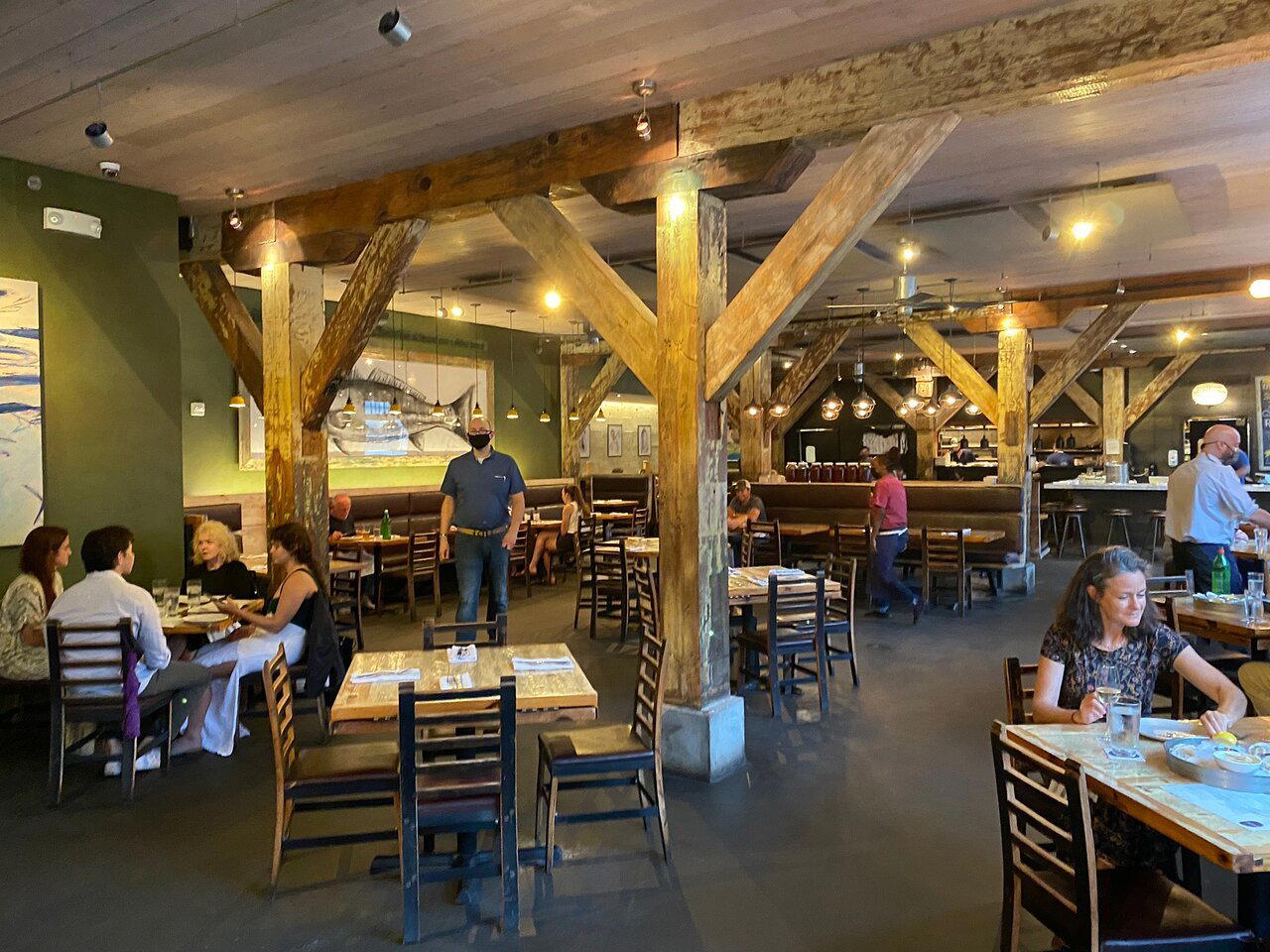
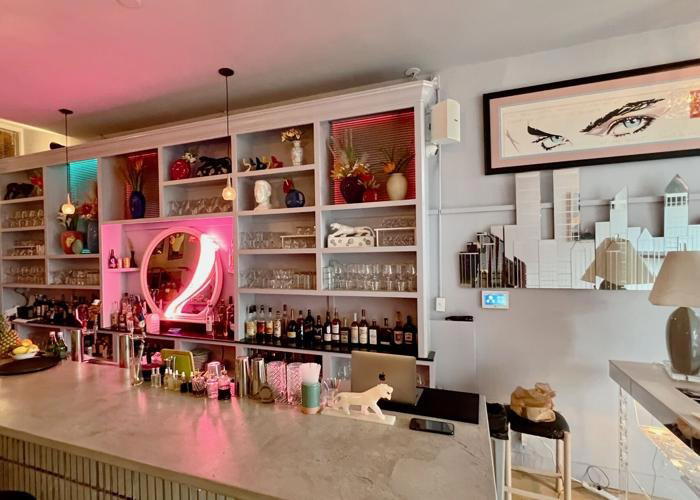
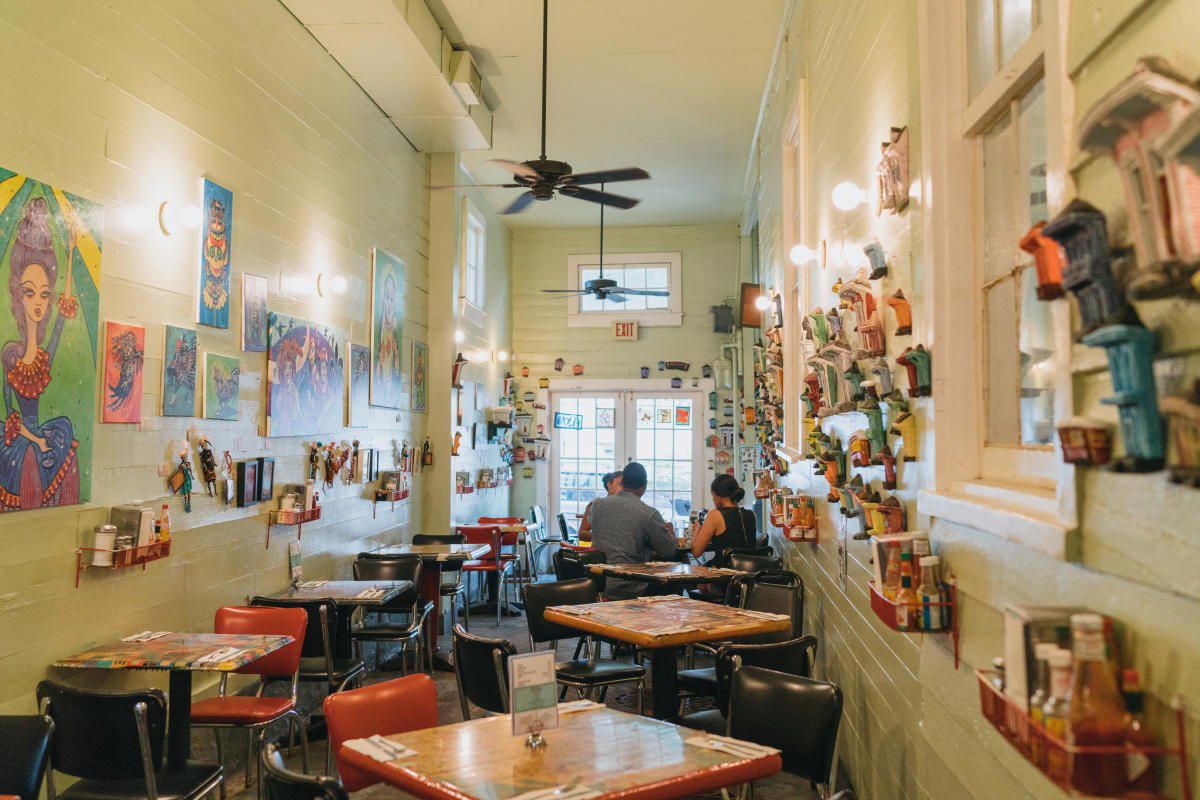
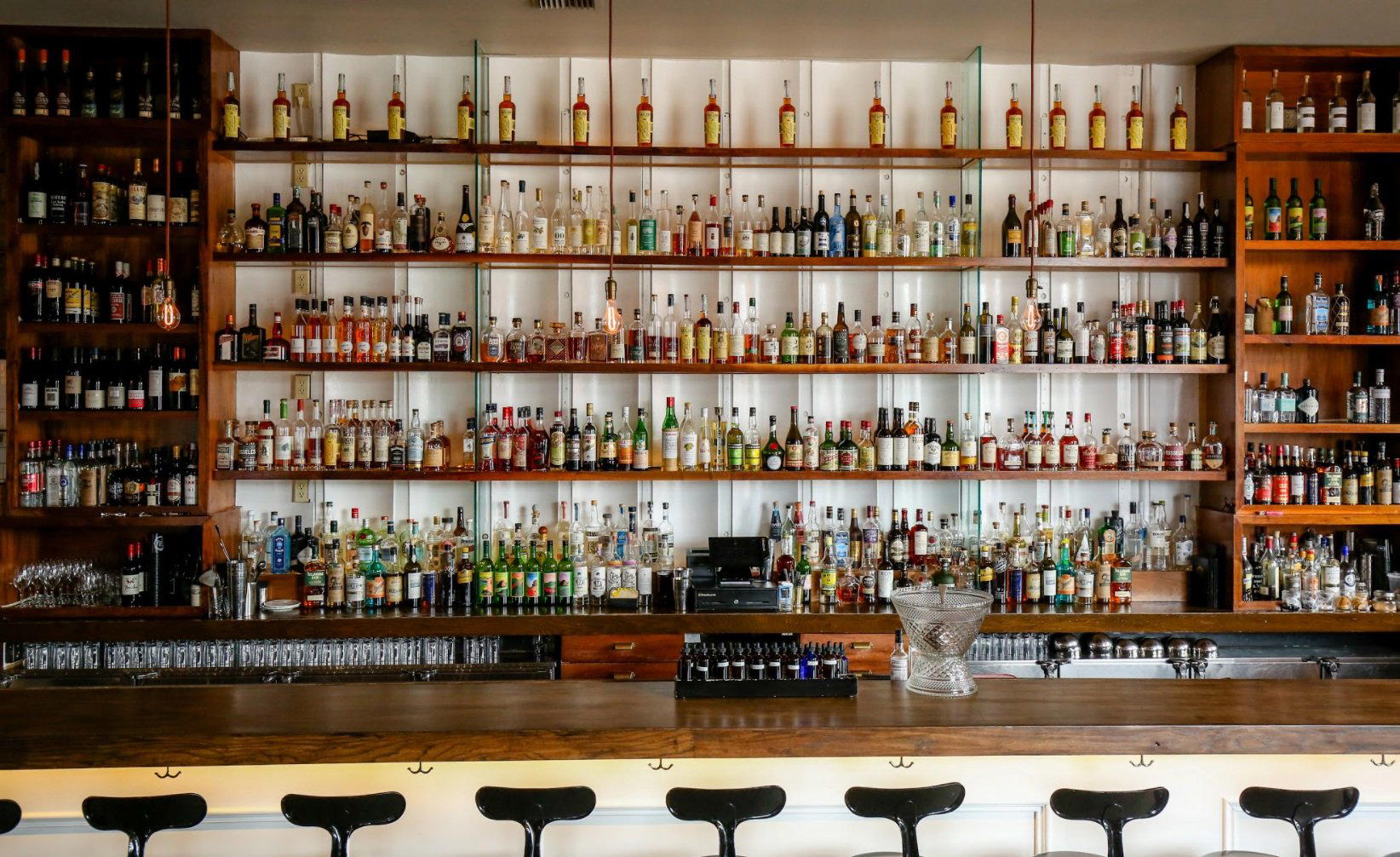
Cozy rustic atmosphere with cute indoor setup, back alley bar, and comfortable lived-in space.