Lunchbox
Lunchbox sits on Forest Avenue in Staten Island's Port Richmond corridor, a stretch that reflects the borough's working-class food culture more honestly than most Manhattan dining rooms. For context on the broader New York dining scene, see our full New York City restaurants guide.
- Address
- 1612 Forest Avenue, Staten Island, NY 10302
- Directions
- Get directions
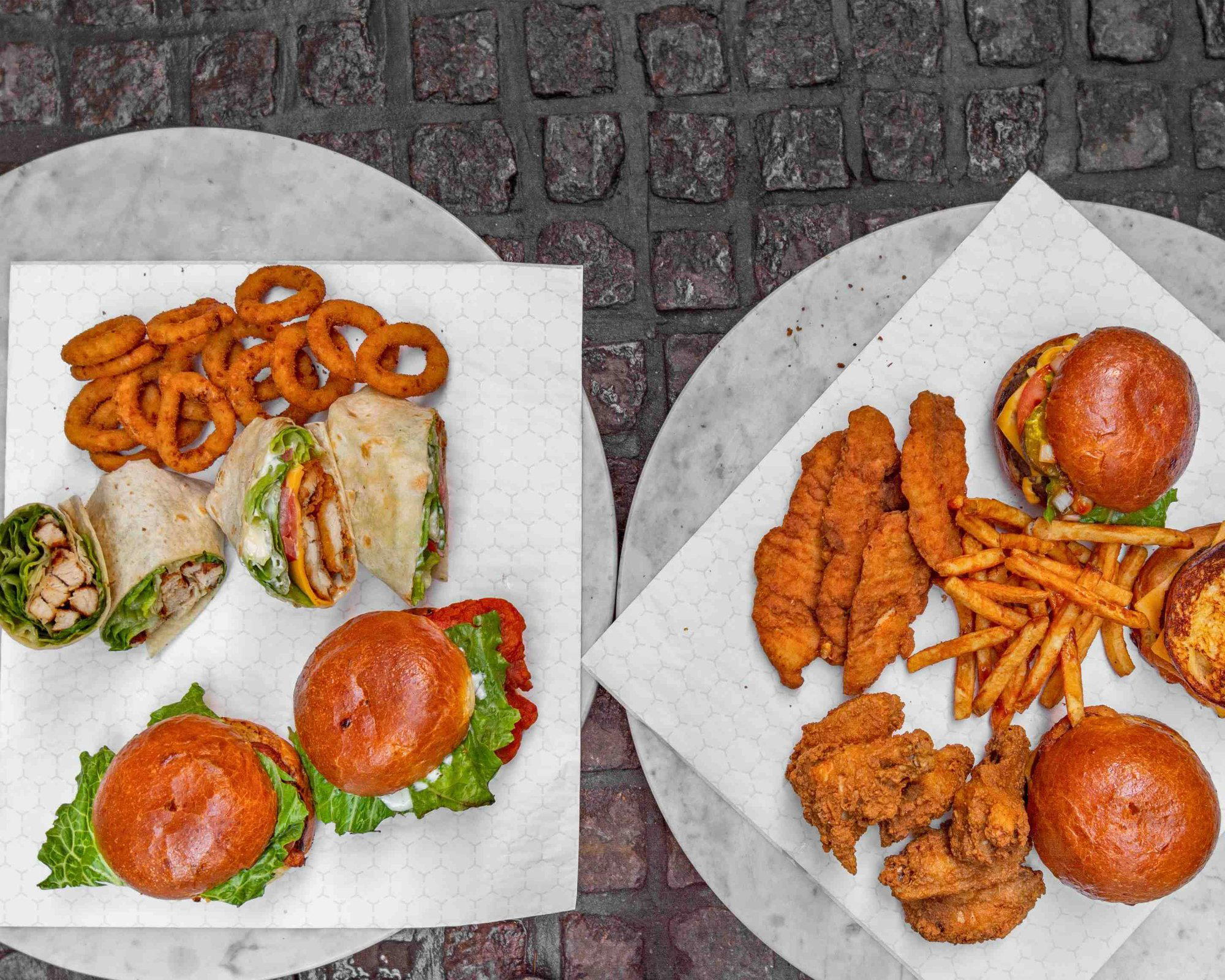
Forest Avenue and the Staten Island Food Corridor
Staten Island's Forest Avenue runs through Port Richmond like a index of the borough's actual eating habits rather than its aspirational ones. The strip carries bodegas, Filipino bakeries, Mexican taquerias, and neighborhood lunch spots that serve construction workers, school staff, and local families with no interest in press coverage or reservation platforms. Lunchbox, at 1612 Forest Avenue, occupies this context rather than working against it. The address alone signals something about the venue's relationship to its community: Forest Avenue at this stretch is not a dining destination in the way that the West Village or Astoria are dining destinations. It is a place where people eat because they live and work nearby.
That distinction matters when placing any Staten Island restaurant within the broader New York food conversation. The borough's dining identity has long been defined by Italian-American red-sauce institutions in the South Shore and a scatter of underreported immigrant-community kitchens across the North Shore. Port Richmond in particular carries a significant Mexican and Central American population, and the food infrastructure around it reflects that. A lunch-format venue in this corridor is making an implicit statement about audience, price point, and sourcing priorities that a comparable concept in Tribeca simply cannot replicate.
Where Ingredient Sourcing Sits in the Neighborhood Format
The editorial angle worth applying to any neighborhood lunch spot in New York's outer boroughs is sourcing geography. In Manhattan's higher price tiers, ingredient provenance has become a marketing category of its own. At Blue Hill at Stone Barns in Tarrytown, the farm is the restaurant's founding premise, with produce grown on-site and the menu rebuilt around what the land yields each season. At Single Thread Farm in Healdsburg, the sourcing chain runs from the property's own farm through a Japanese-influenced kaiseki structure. These operations make sourcing visible, documented, and part of the premium proposition.
Neighborhood lunch counters operate on a different logic. Sourcing at this tier tends to be pragmatic: local wholesale suppliers, restaurant-depot staples, and, in communities with active immigrant food networks, direct access to produce and proteins that larger distributors do not carry. Port Richmond's proximity to the North Shore's Bangladeshi and Mexican communities means that a well-connected kitchen on Forest Avenue can access ingredients that Manhattan restaurants would need to import or substitute. This is not a romantic argument about authenticity; it is a supply-chain observation. Community-embedded kitchens often source more locally, by default, than their more celebrated counterparts downtown.
The broader American lunch-counter tradition that venues like Lunchbox inherit is one built around efficiency and value rather than provenance documentation. Compare this to the sourcing-explicit formats at Smyth in Chicago or Addison in San Diego, where ingredient origin appears on the menu itself. The question for a neighborhood lunch spot is not whether sourcing matters, but whether the kitchen's procurement relationships produce food that reflects the community's actual palate rather than an imported one.
The Staten Island Dining Context
New York's dining conversation almost always defaults to Manhattan, with occasional nods to Flushing, Astoria, and Sunset Park for outer-borough credibility. Staten Island receives the least editorial attention of any borough, which creates an information gap for anyone trying to understand what eating on the island actually looks like. The high-end anchors of the New York scene, including Le Bernardin, Eleven Madison Park, Masa, Per Se, and Atomix, operate in a different ecosystem entirely, one where the editorial infrastructure of awards, tasting menus, and reservation systems does most of the positioning work.
Lunchbox does not operate in that ecosystem. Its positioning is neighborhood-first, and its price point reflects a casual lunch-counter model focused on foot traffic and word of mouth. That is not a flaw in the business model; it is a deliberate or default orientation toward the immediate community over the broader dining public.
For comparison, consider how neighborhood-anchored lunch formats in other American cities have developed their own critical profiles over time. Emeril's in New Orleans began as a neighborhood anchor before accumulating a national profile. Frasca Food and Wine in Boulder built its reputation on regional sourcing within a community-facing format. The trajectory from neighborhood staple to editorially recognized venue typically requires a combination of sourcing visibility, format discipline, and sustained quality signaling. Whether Lunchbox is on any version of that path is not something the available record can determine.
What Traveling Diners Should Know
For anyone traveling specifically to eat in New York, the practical takeaway is simple: Lunchbox is a casual, walk-in-friendly lunch counter at 1612 Forest Avenue, Staten Island, NY 10302. That makes advance planning difficult in the conventional sense. The venue's address on Forest Avenue is confirmed, and the neighborhood context described above is accurate, but specifics about the menu, format, or current operation require direct verification on the ground.
Travelers who have already covered the major Manhattan anchors and want to understand the borough's food culture beyond the tourist circuit may find the Forest Avenue corridor worth a half-day. The North Shore's immigrant food infrastructure is one of the more underreported aspects of New York's actual eating culture. For a broader map of where to eat across the city's five boroughs, the full New York City restaurants guide covers the range from Michelin-starred tasting menus to neighborhood institutions.
For context on how ingredient-sourcing-led formats work at the higher end of the American dining spectrum, Lazy Bear in San Francisco, Providence in Los Angeles, The French Laundry in Napa, and The Inn at Little Washington each demonstrate what it looks like when provenance documentation becomes central to the dining proposition. Internationally, Atelier Moessmer Norbert Niederkofler in Brunico and Dal Pescatore in Runate represent the European version of the same argument: that where food comes from is as legible on the plate as how it is prepared.
Getting There: 1612 Forest Avenue, Staten Island, NY 10302. Accessible via Staten Island Railway to the West Brighton or Elm Park station, followed by a short walk along Forest Avenue. Reservations: No booking platform or phone number is publicly listed; walk-in is the default approach. Budget: No price data is available; the price is about $15 per person. Hours should be checked locally before visiting.
Budget and Context
Comparable venues nearby, for context on price, style, and recognition.
| Venue | Cuisine | Price | Notes |
|---|---|---|---|
| LunchboxThis venue — the venue you are viewing | Not listed | $$ | Not listed |
| Hole in the Wall | Not listed | $$ | Financial District-Battery Park City, Australian-Inspired Gastropub |
| Cowgirl SeaHorse | Not listed | $$ | Chinatown-Two Bridges, Tex-Mex & Southern Comfort |
| Cowgirl | West Village, Southern Tex-Mex | $$ | Not listed |
| Yellow Magnolia Café | Not listed | $$ | Prospect Park, Modern American Vegetable-Centric |
| Carnegie Diner & Cafe | Hell's Kitchen, Classic American Diner | $$ | Not listed |
Continue exploring
More in New York City
Restaurants in New York City
Browse all →
Bars in New York City
Browse all →
Hotels in New York City
Browse all →





At a Glance
- Casual Hangout
Casual and functional atmosphere suited for fast lunches and grab-and-go.