Fanny
Our verdict
Fanny occupies a specific corner of Brooklyn's Graham Avenue dining scene, where the neighborhood's evolving restaurant identity intersects with the broader shift in how New York's outer boroughs position themselves relative to Manhattan fine dining. Located at 425 Graham Ave in Williamsburg-adjacent East Williamsburg, the restaurant draws on a Brooklyn tradition of serious cooking in deliberately unpretentious surroundings.

Graham Avenue and the Outer-Borough Shift
Brooklyn's restaurant identity has changed measurably over the past decade. What began as a relief valve for Manhattan-priced dining has matured into a scene with its own critical weight, its own regulars, and in several cases, its own Michelin attention. Graham Avenue sits at the edge of that transformation, a corridor that connects Williamsburg's more saturated dining blocks with the quieter residential stretches of East Williamsburg, where the economics of running a serious kitchen are still workable without the cover counts that come with a Bedford Avenue address.
Fanny, at 425 Graham Ave, occupies that transitional geography. Restaurants in this tier of Brooklyn real estate tend to operate with tighter margins and smaller teams than their counterparts in, say, the West Village or Tribeca, which typically means the cooking has to carry more of the weight. The neighbourhood doesn't send diners through the door on ambient foot traffic alone. That structural reality has historically produced focused, identity-driven restaurants in pockets like this one, places that survive not on novelty but on consistency and a clear sense of what they are doing.
How Brooklyn's Mid-Tier Has Evolved
The broader arc for restaurants in Williamsburg and its surrounding blocks follows a recognizable pattern. Early-wave openings in the 2010s leaned into industrial aesthetics, natural wine lists, and menus that signalled their locality without necessarily delivering on it. The mid-2010s brought a second cohort more disciplined in execution: smaller menus, more deliberate sourcing, kitchens that had trained in serious restaurants rather than arrived directly from the pop-up circuit.
By the early 2020s, the question for any independent in this geography was whether the post-pandemic reshaping of New York dining, higher ingredient costs, compressed staffing pools, a shift in how diners allocate their spending between two or three significant meals rather than a dozen casual ones, had accelerated or slowed that maturation. The evidence across Brooklyn suggests it accelerated it. Restaurants that couldn't define what made them worth a deliberate trip, rather than a convenient local choice, closed or pivoted. Those that survived tended to have a clearer editorial voice in their cooking.
This evolution matters for understanding where Fanny sits. Graham Avenue is not a destination block the way that certain stretches of Court Street in Carroll Gardens or Smith Street in Cobble Hill have become. That means any restaurant operating there is, by definition, asking for a deliberate visit rather than a walk-in. The positioning that implies, intentional, specific, not relying on the block's ambient energy, aligns with a broader Brooklyn trend toward restaurants that function more like small institutions than neighbourhood fillers.
Placing Fanny in New York's Wider Restaurant Conversation
New York's restaurant hierarchy is rarely a single ladder. It is better understood as several parallel tracks operating at different price points and with different ambitions. At one end, Manhattan's flagship tasting-menu counters, Le Bernardin, Atomix, Eleven Madison Park, Masa, and Per Se, compete in a global reference frame, pricing against international peers and drawing international visitors. Brooklyn's serious independent restaurants operate in a different register: local credibility, neighbourhood loyalty, and a cooking identity grounded in what the borough's supply chain and diner base actually support.
That distinction is not a hierarchy of quality, it is a difference in function. Some of the most disciplined cooking in New York in recent years has come from precisely this category of outer-borough independent, where the absence of a corporate infrastructure or investor backing forces a kind of editorial clarity that larger operations sometimes lose. The analogy holds across American cities: Smyth in Chicago, Lazy Bear in San Francisco, and Providence in Los Angeles each established serious reputations from positions that were not, at the outset, the obvious centres of gravity in their respective cities.
Nationally, the template of a destination-calibre independent in an unexpected geography has strong precedents. The French Laundry in Napa, Single Thread Farm in Healdsburg, Blue Hill at Stone Barns in Tarrytown, Frasca Food and Wine in Boulder, and Addison in San Diego all demonstrate that geography off the main circuit does not preclude serious critical standing. In New York's case, the outer boroughs have increasingly made the same argument at a neighbourhood scale. Emeril's in New Orleans and The Inn at Little Washington represent the same principle in other American cities: intention and consistency matter more than address.
Internationally, the comparison extends further. Atelier Moessmer Norbert Niederkofler in Brunico and Dal Pescatore in Runate both operate far from major urban centres and have built reputations on the clarity of their culinary identity rather than the convenience of their location. The lesson for any restaurant on a block like Graham Avenue is the same: the trip has to be worth making on the cooking's own terms.
For a broader view of where Fanny fits within New York's full restaurant spectrum, see our full New York City restaurants guide.
Know Before You Go
Address: 425 Graham Ave, Brooklyn, NY 11211
Neighbourhood: East Williamsburg / Graham Avenue corridor, Brooklyn
Getting There: Graham Avenue is accessible via the L train (Grand Street stop) and the G train (Broadway stop), placing it within a short walk of two subway lines.
Practical Note: Restaurant specifics on this block can shift seasonally.
Frequently asked questions
What do people recommend at Fanny?
Do I need a reservation for Fanny?
What do critics highlight about Fanny?
How does Fanny fit into the East Williamsburg dining neighbourhood versus central Williamsburg?
Peers You’d Cross-Shop
| Venue | Cuisine | Price | Awards | Notes |
|---|---|---|---|---|
| FannyThis venue (the venue you are viewing) | Classic American Deli | Not listed | Not listed | Not listed |
| Le Bernardin | French Seafood Fine Dining | $300–500 | 3 Michelin Stars · World's 50 Best #13 | French, Seafood |
| Atomix | Modern Korean Tasting Menu | $300–500 | 2 Michelin Stars · World's 50 Best #7 | Modern Korean, Korean |
| Per Se | French Fine Dining Tasting Menu | $300–500 | 3 Michelin Stars · World's 50 Best #40 | French, Contemporary |
| Masa | Traditional Japanese Omakase | $500+ | 2 Michelin Stars · World's 50 Best #27 | Sushi, Japanese |
| Eleven Madison Park | Contemporary Plant-Based Fine Dining | $300–500 | 3 Michelin Stars · World's 50 Best #4 | French, Vegan |
Continue exploring
More in New York City
Restaurants in New York City
All restaurants in New York City →
Bars in New York City
All bars in New York City →






Details
- Classic
- Well Known
- Lively
- Casual Hangout
- Solo
- After Work
- Standalone
- A La Carte
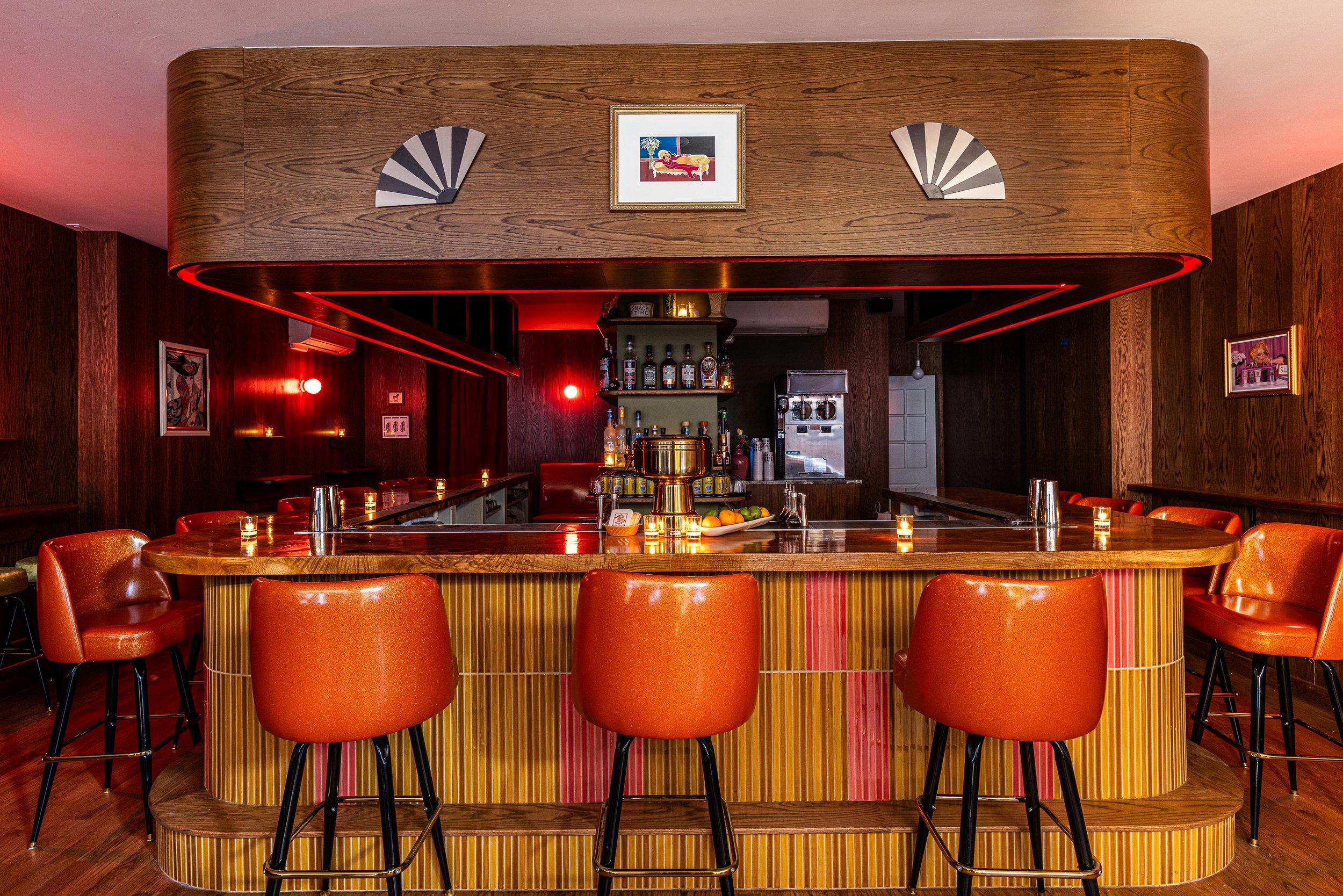
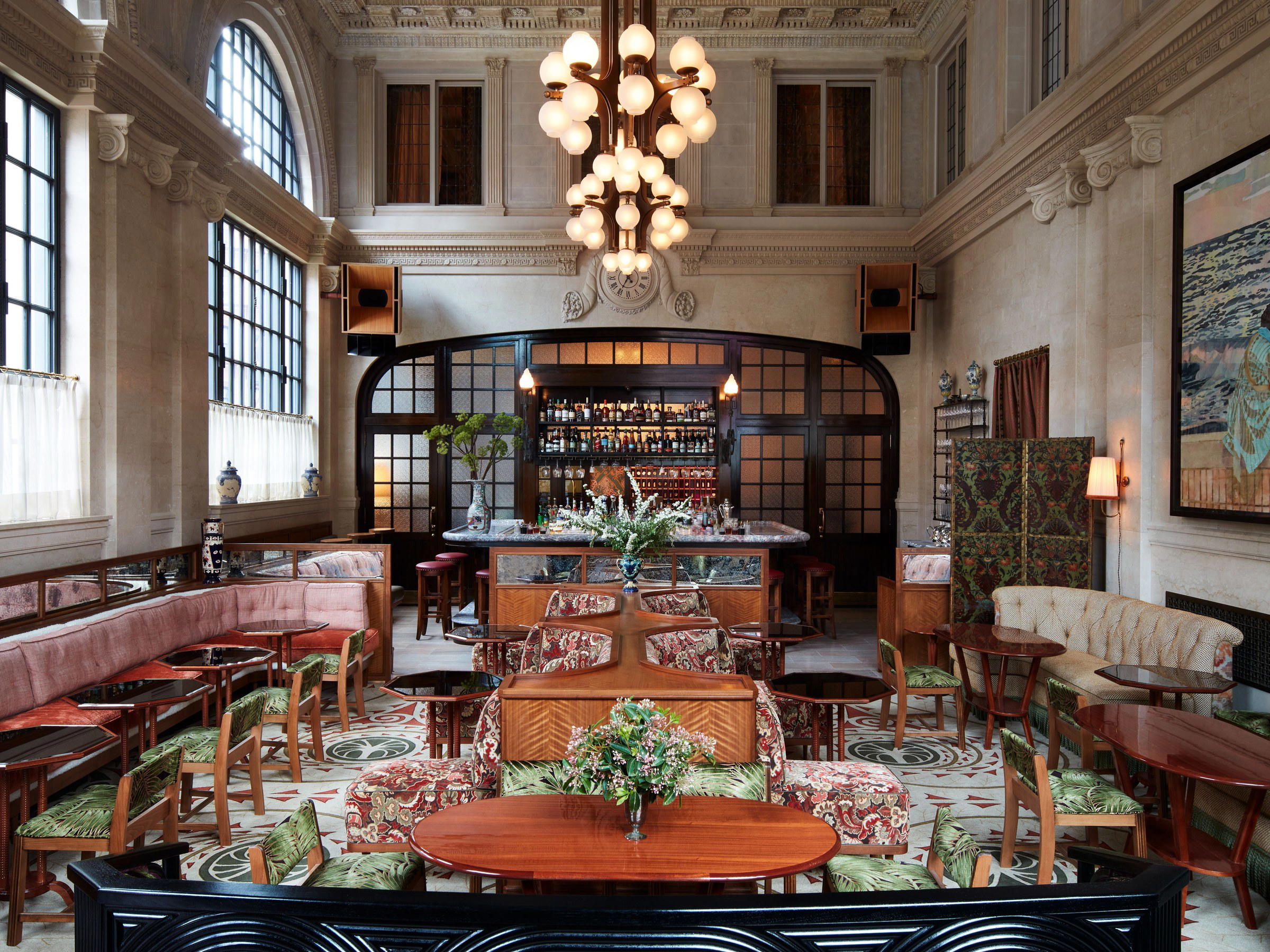
Casual, unpretentious neighborhood atmosphere with a focus on authenticity and local culture.