The Hart

The Hart sits in the tradition of London's serious public houses, where British classics anchor the menu and the room carries the particular weight of well-worn timber and unhurried conversation. It occupies a different register from the city's Michelin-chasing Modern British rooms, offering pub cooking as a complete proposition rather than a stepping stone. For visitors calibrating their London dining across registers, it represents the lower-pressure, higher-comfort end of the spectrum.
Pearl is the En Primeur Club membership app — saves, bookings, and concierge access live there. Same editors, same standards.
- Address
- 56 Blandford Street, London, Greater London, W1U 7JA, GBR
- Phone
- +44 20 3468 1647
- Website
- thehartw1.com
- Directions
- Get directions
 Saves & bookings on Pearl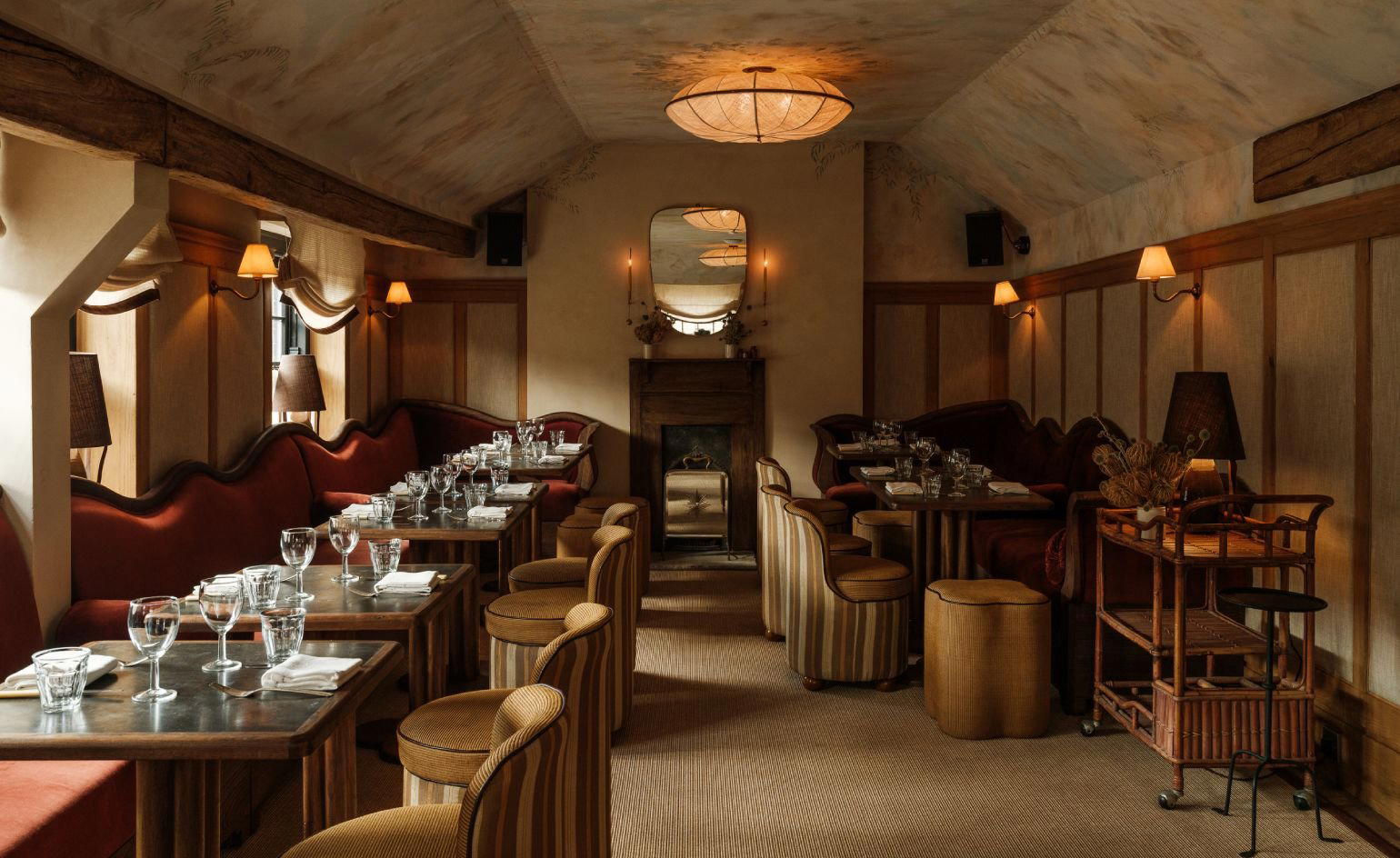
The Public House as a Serious Format
London's pub dining scene has split into two fairly distinct tiers over the past decade. The gastropub tier, led by kitchens with trained chefs and printed wine lists, converges increasingly with restaurant dining in everything except the room. Below that sits a more honest category: the public house that does pub classics without apology, where the atmosphere is the product as much as the food, and where the measure of a good visit is less about what arrived on the plate and more about how long you stayed. The Hart sits in this second tradition and serves Modern British Gastropub fare in London at about £40 per person.
Across London's broader dining scene, rooms like CORE by Clare Smyth or Dinner by Heston Blumenthal represent the formal Modern British proposition at its most technically serious. Restaurant Gordon Ramsay and Sketch, The Lecture Room and Library operate in the ££££ bracket where a meal is an event requiring planning. The Hart occupies the opposite position on that spectrum: a venue where a reservation is recommended, and where the room absorbs you rather than performing at you.
What the Room Feels Like
The sensory register of a well-run British public house is specific and not easily replicated. There is the low-frequency hum of a room in sustained use: timber surfaces that have absorbed years of conversation, glass-on-bar percussion, the particular mid-afternoon quality of light through windows that were never designed to let in much of it. Carpet that would be wrong anywhere else feels correct here. The smell is of something cooking that you can identify without a menu: roasting, or something in a pan with butter and herbs.
The Hart carries these qualities in the tradition of London's enduring public houses, where the atmosphere is architectural as much as social. London has lost a significant number of genuinely old pubs to conversion in the past two decades, which gives the survivors a cumulative cultural weight. When a room like this functions well, the experience is one of calibrated informality: you are not required to perform attentiveness to the service, and the food arrives in the rhythm of a pub rather than the rhythm of a tasting menu.
This is a different kind of attention to sensory detail than you find at The Ledbury or at comparably serious rooms in other cities, from Le Bernardin in New York City to Alain Ducasse at Louis XV in Monte Carlo. In those rooms, the sensory experience is curated at a granular level. In the public house, it accumulates rather than being designed, which is its own form of integrity.
British Pub Classics as a Culinary Register
British pub cooking has a genuine canon. Pies with short or suet pastry. Roast meats served on Sunday with the structural components that the format demands. Fish and chips where the batter carries its own argument about temperature and drainage. Sausages with mash and a gravy that has been reduced long enough to mean something. These are dishes with rules, and a pub that handles them with care is operating in a tradition with as much internal logic as any other cuisine.
The restaurant works within this British/pub classics format, which places it in a peer group that includes serious pub kitchens across the country. The Highland Laddie in Leeds and Corner Shop in Glasgow operate in similarly grounded registers in their respective cities, and Franc in Canterbury shows how the approachable, unfussy format translates outside London. What distinguishes the London pub is less the menu and more the density of context: the city's public houses operate inside a social history that gives them a specific gravity that newer formats cannot replicate.
For visitors coming from cities with different casual-dining cultures, whether from San Francisco or New Orleans or from technically-led formats like Atomix in New York, the British pub represents a category with its own interior logic rather than a lesser version of restaurant dining. Eating at the restaurant is an exercise in understanding what the format demands and rewards, which is a legitimate reason to seek it out.
Placing The Hart in a London Visit
A considered London dining itinerary typically builds across registers. Two or three meals at the summit of the city's Modern British and European fine-dining tier, one or two at mid-range neighbourhood restaurants, and at least one session in a public house that is operating with some integrity. The restaurant fits the last category.
The practical case for including a pub like this in a London visit is not about value relative to fine dining, though the price differential is real. It is about completeness of experience. London's food culture cannot be fully understood from its Michelin-starred rooms alone; the public house is as constitutive of that culture as anything that has appeared in the past thirty years of the city's restaurant expansion. To visit only the formal tier is to visit a partial version of the city.
Practical Notes
The restaurant operates as a public house serving British classics, which means the format is less structured than a restaurant visit. Reservations are recommended, and the dress code is smart casual. The rhythm is walk-in, order at or from the bar, and stay as long as the pint lasts. For visitors used to planning London dining weeks in advance at the city's sought-after fine-dining addresses, the lack of friction is itself notable.
A Tight Comparison
Comparable venues nearby, for context on price, style, and recognition.
| Venue | Cuisine | Price |
|---|---|---|
| The HartThis venue — the venue you are viewing | Marylebone, Modern British Gastropub | $$ |
| Hereford Road | Bayswater, Seasonal British Gastropub | $$ |
| The Fox and Pheasant | West Brompton, British Gastropub | $$ |
| The Lampery | Fenchurch, Modern British | $$ |
| Linnea | Kew, Seasonal British Neighborhood Fare | $$ |
| The Plough At Norwood Green | Southall Green, British Gastropub | $$ |
Recognition history
Dated appearances from independent guides and award organizations, with the underlying list record or original source where available.
Michelin Plate
Michelin · 2026 Michelin Plate
Continue exploring
More in London
Restaurants in London
Browse all →
Bars in London
Browse all →
Hotels in London
Browse all →


At a Glance
- Cozy
- Classic
- Lively
- Casual Hangout
- Group Dining
- After Work
- Open Kitchen
- Historic Building
- Extensive Wine List
- Farm To Table
- Local Sourcing
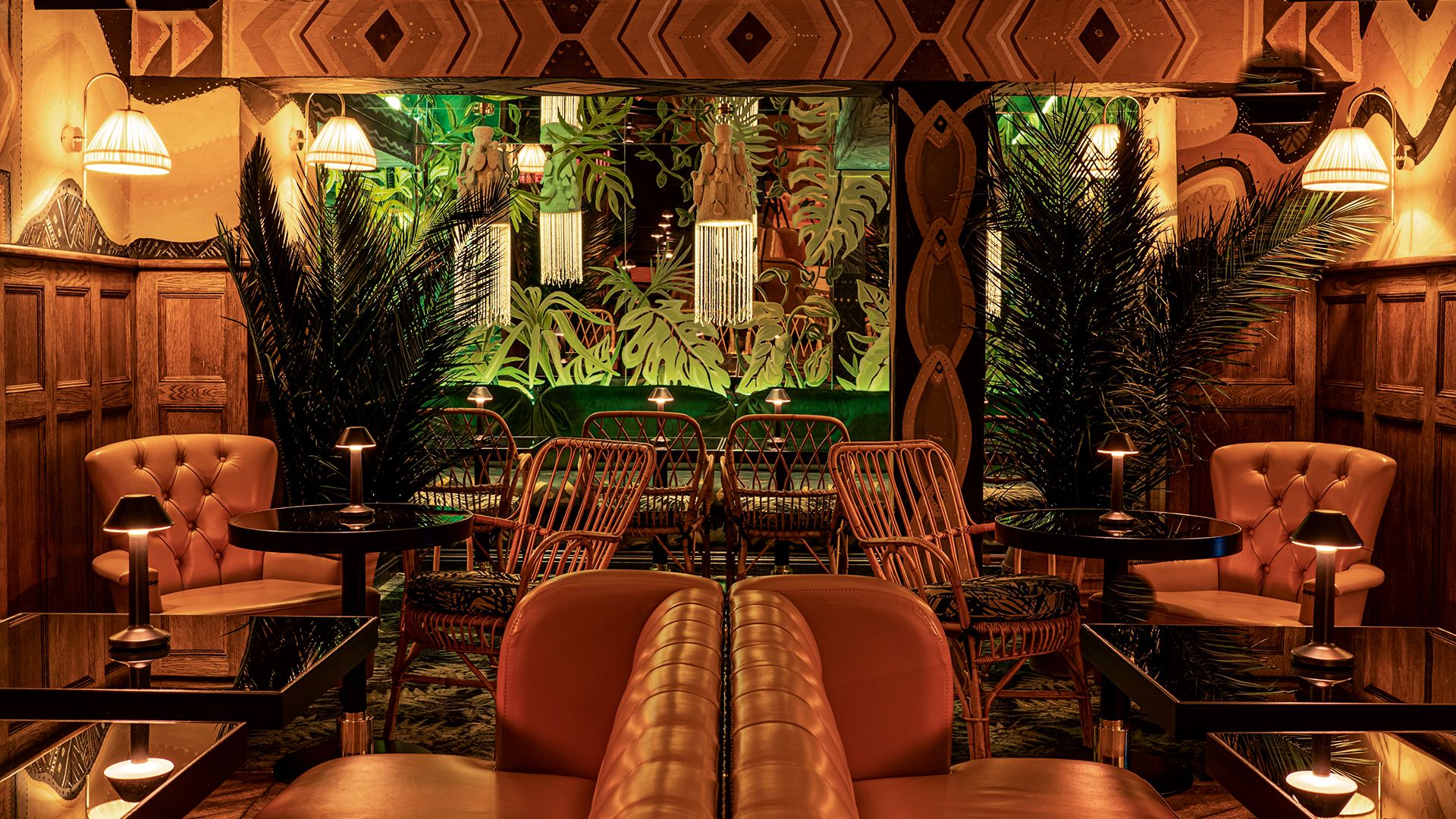
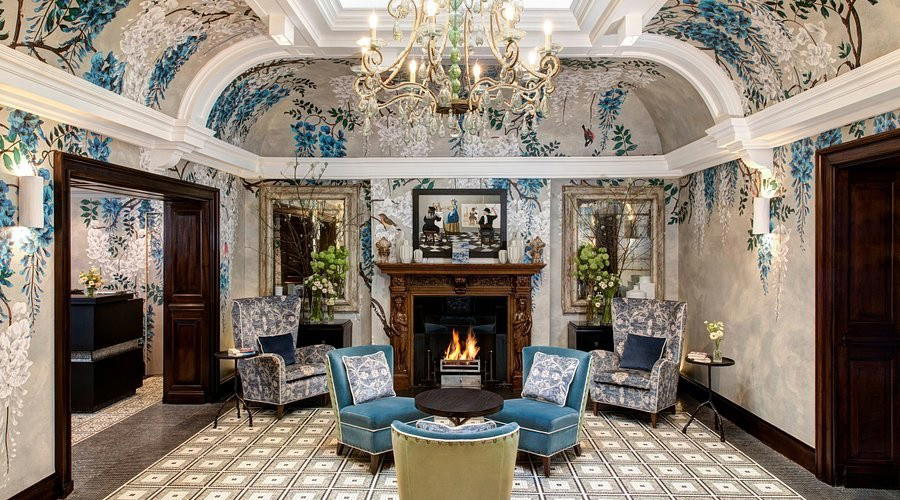
Fiendishly cosy with wintry respite, dimly lit stairwells, bright inviting dining areas, hand-aged panelling, scalloped banquettes, glowing gas fires, and nostalgic yet fresh interiors.