The Grill by Tom Booton


The Grill by Tom Booton belongs to London’s grand-hotel dining conversation, where Mayfair polish now has to compete with ingredient-led cooking rather than silver-service nostalgia. Recognition in the National Restaurant Awards Top 100 (2025) gives it a current signal in a city crowded with hotel restaurants, brasseries, counters and tasting-menu rooms.
Pearl is the En Primeur Club membership app — saves, bookings, and concierge access live there. Same editors, same standards.
- Address
- The Dorchester, Park Lane, Mayfair, London, W1K 1QA
- Phone
- 0207 6298888
- Website
- dorchestercollection.com
 Saves & bookings on Pearl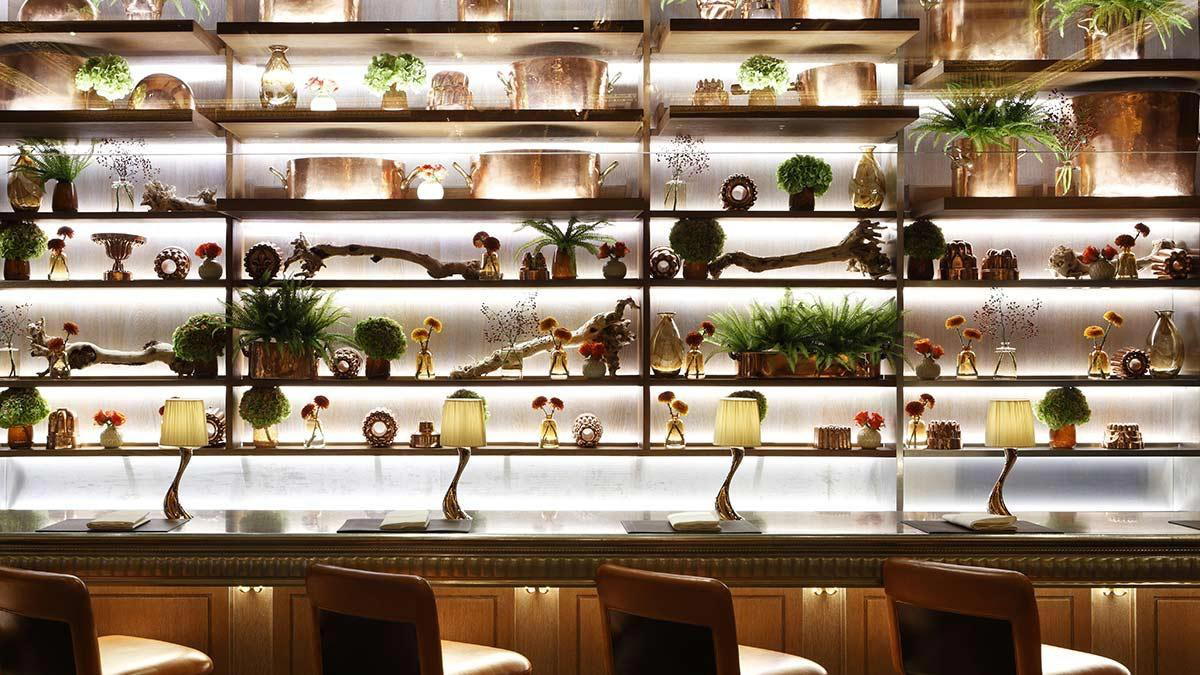
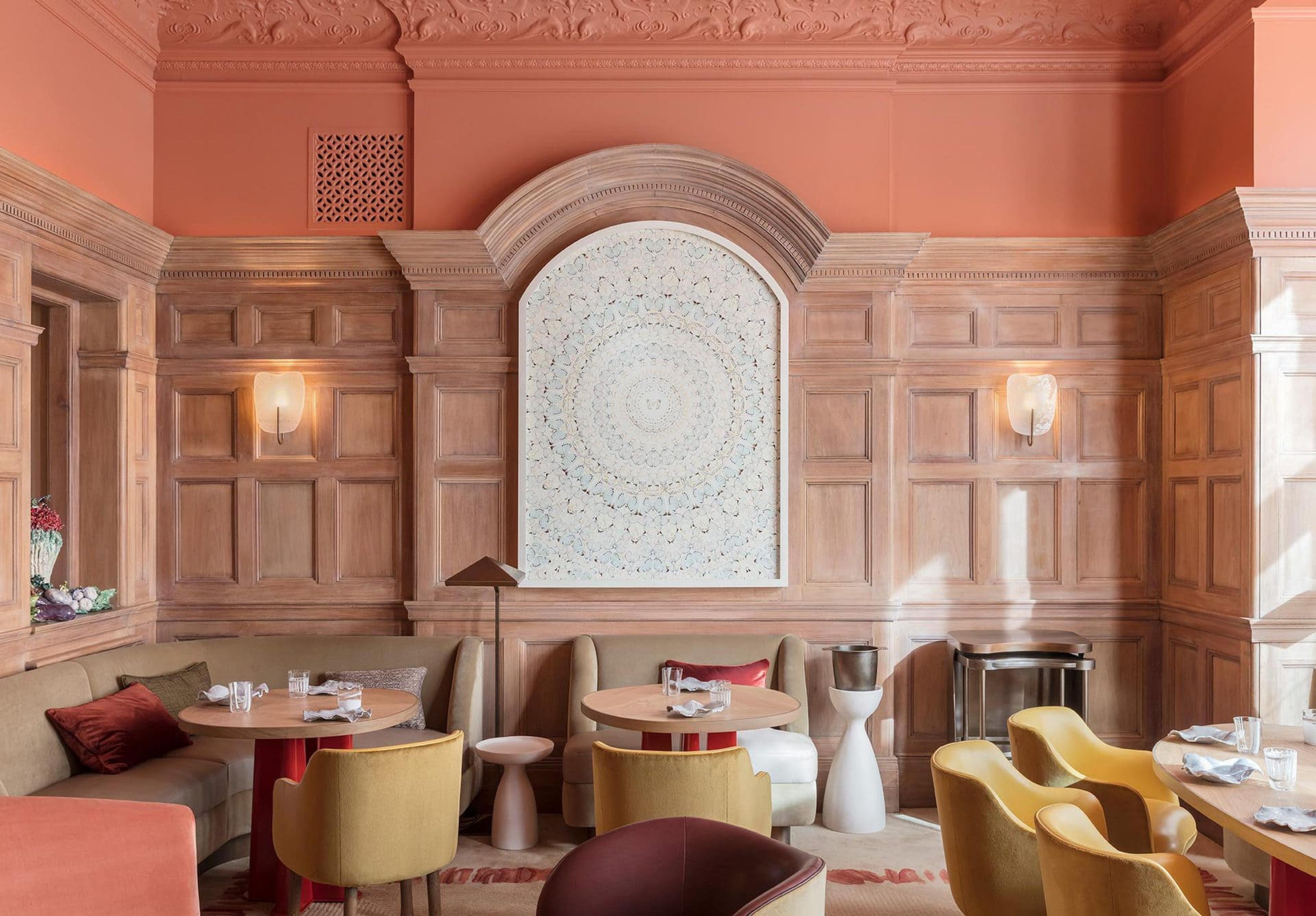
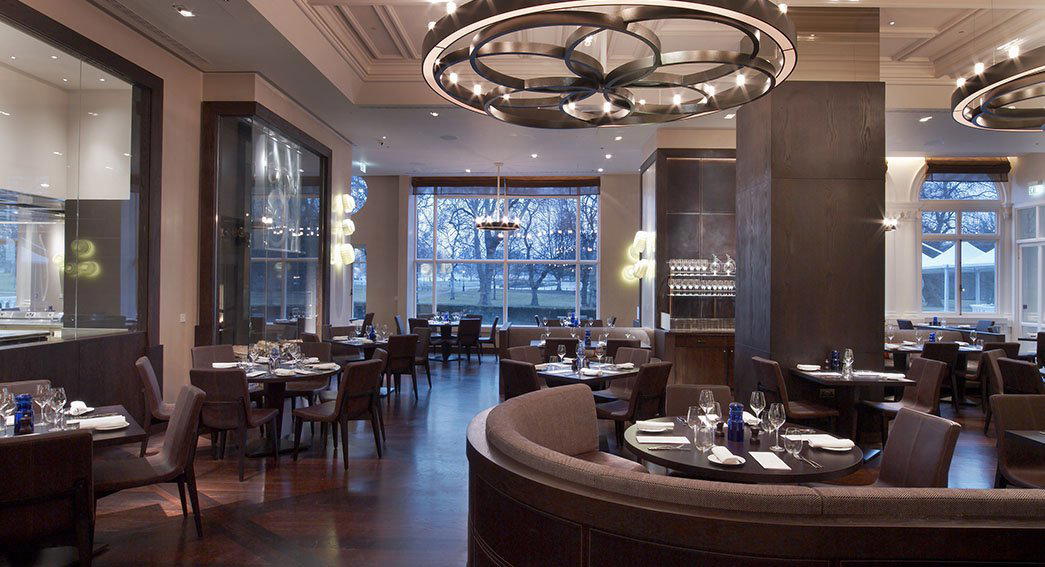
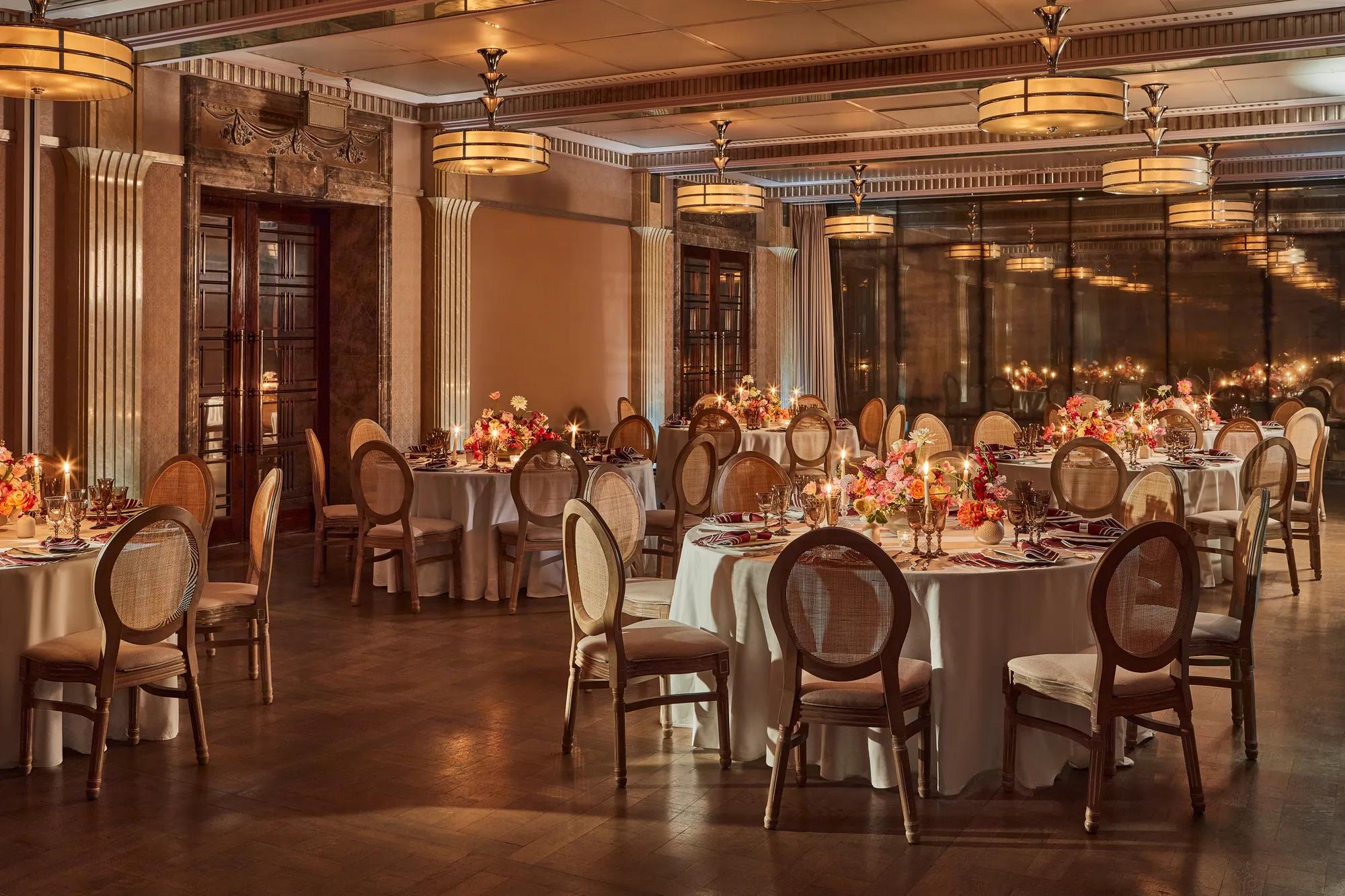
Arriving at a grand London hotel dining room sets expectations before the menu does: polished floors, controlled lighting, the hush of Mayfair hospitality, and the particular rhythm of a room designed for both residents and Londoners. The Grill by Tom Booton works inside that tradition, but the interesting question is not whether a hotel grill can feel expensive. It is whether the format can still feel relevant in a city where diners now read provenance, seasonality and kitchen authorship as closely as service cues.
London’s hotel restaurants have changed sharply over the past decade. The old model, built around anonymous luxury and broad international menus, now competes with chef-led rooms, open-fire cooking, produce-led British restaurants and casual places that treat sourcing as the central argument. Mayfair still has formal dining gravity, but the pressure now comes from all sides: neighbourhood modern European rooms such as 10 Greek Street (Modern European), smaller precision-led kitchens such as 104 (Modern Cuisine), and more relaxed London dining rooms including 101 Pimlico Road and 116 at The Athenaeum. Against that spread, a Park Lane grill has to justify itself through clarity rather than ceremony alone.
A Mayfair grill judged by sourcing, not nostalgia
The modern British grill format has useful bones: direct heat, prime cuts, shellfish, sauces, pies, vegetables treated with intent, and enough range to let different diners order at different levels of appetite. Its weakness is predictability. In London, too many luxury grills lean on heritage language while serving food that could belong to any international hotel. The sharper version asks where the produce comes from, how much intervention it needs, and whether the plate carries a British seasonal logic rather than a generic luxury code.
The Grill by Tom Booton sits in that second conversation. The name signals authorship, but the broader point is the shift in London hotel dining from status-room formality toward ingredient-led identity. National Restaurant Awards Top 100 recognition in 2025 matters here because it places the room inside a current restaurant conversation, not only a hotel amenity conversation. That distinction is useful in London: a restaurant can have a polished room and still be judged against independent kitchens, counter formats and neighbourhood restaurants with sharper buying habits.
Mayfair also changes the sourcing question. The neighbourhood has the purchasing power to bring in high-grade meat, fish and vegetables, but money alone does not produce a persuasive meal. The difference lies in restraint: whether British produce is allowed to read as itself, whether sauces support rather than mask, and whether the menu avoids the old luxury habit of adding prestige ingredients for their own sake. That is the lens through which this dining room works well.
Where it sits inside London's hotel-restaurant hierarchy
The Dorchester contains several dining personalities, and that internal contrast helps define the grill. Alain Ducasse at The Dorchester occupies the contemporary French luxury end of the building’s restaurant spectrum; China Tang, The Promenade and The Spatisserie serve different social and culinary functions. The Grill by Tom Booton has a narrower job: to translate the British grill into a present-tense Mayfair restaurant, with enough polish for the hotel setting and enough food focus to avoid becoming background scenery.
That position is not minor. London’s grand hotels are no longer judged only by rooms, bars and afternoon tea. Their restaurants are measured against the city beyond the lobby, from Peckham pizzerias such as 081 Pizzeria Peckham to regional dining rooms that pull Londoners out of the capital, including 1 York Place in Bristol, 10 Tib Lane in Manchester, “8” By Andrew Sheridan in Liverpool, 11th and Social in Norwich, 1215 in Egham and 'Seasgair' by Michel Roux Jr in Fort William. The comparison is not about style matching; it is about expectation. Diners now carry regional seriousness and casual precision back into Mayfair.
For international readers, the London context also matters. The city’s dining habits move quickly between informality and ceremony: a lunch counter one day, a hotel grill the next, a sake bar abroad such as Jōdo Saké Bar in Los Angeles or a compact Japanese specialist such as Onigiri Time in Pasadena on another trip. The restaurant belongs to the formal end of that spectrum, but its credibility depends on keeping the food legible, seasonal and grounded rather than letting the room do all the work.
How to read the room before choosing it
This is a London choice for diners who want grand-hotel structure without surrendering the meal to old-fashioned pomp. It suits a business lunch, a Mayfair dinner, a hotel-based celebration, or a visitor who wants British grill cooking interpreted through a current restaurant lens. It is less suited to anyone seeking a loud room, a chef’s-counter format, or a casual neighbourhood bill. The stronger case is ingredients plus setting: produce-led British cooking inside one of the capital’s formal hospitality addresses.
The practical decision is therefore simple. Choose it when the occasion needs polish and the food still has to carry weight. For a broader map of the city’s dining range, use Our full London restaurants guide; for the surrounding travel context, see Our full London hotels guide, Our full London bars guide, Our full London wineries guide and Our full London experiences guide. The restaurant is not trying to be the city’s scrappiest modern British address. Its role is more exacting: to make a Mayfair hotel grill feel accountable to the way London eats now.
In Context: Similar Options
Comparable venues by cuisine and price in the same metro.
| Venue | Cuisine | Price | Notes |
|---|---|---|---|
| The Grill by Tom BootonThis venue — the venue you are viewing | Modern British grill at The Dorchester | $$$$ | Not listed |
| Simpsons in The Strand | Traditional British Fine Dining | $$$$ | Strand |
| Afternoon Tea at The Connaught | Modern British Afternoon Tea | $$$$ | Mayfair |
| Alyn Williams at the Westbury | Modern British Fine Dining | $$$$ | Mayfair |
| Afternoon Tea at The Milestone Hotel | Traditional British Afternoon Tea | $$$$ | Kensington Palace Gardens |
| Skylon | Modern British Fine Dining | $$$$ | South Bank |
Recognition history
Dated appearances from independent guides and award organizations, with the underlying list record or original source where available.
AA Rosettes 3 Rosettes
AA Rosettes
National Restaurant Awards Top 100 #83
National Restaurant Awards
Continue exploring
More in London
Restaurants in London
Browse all →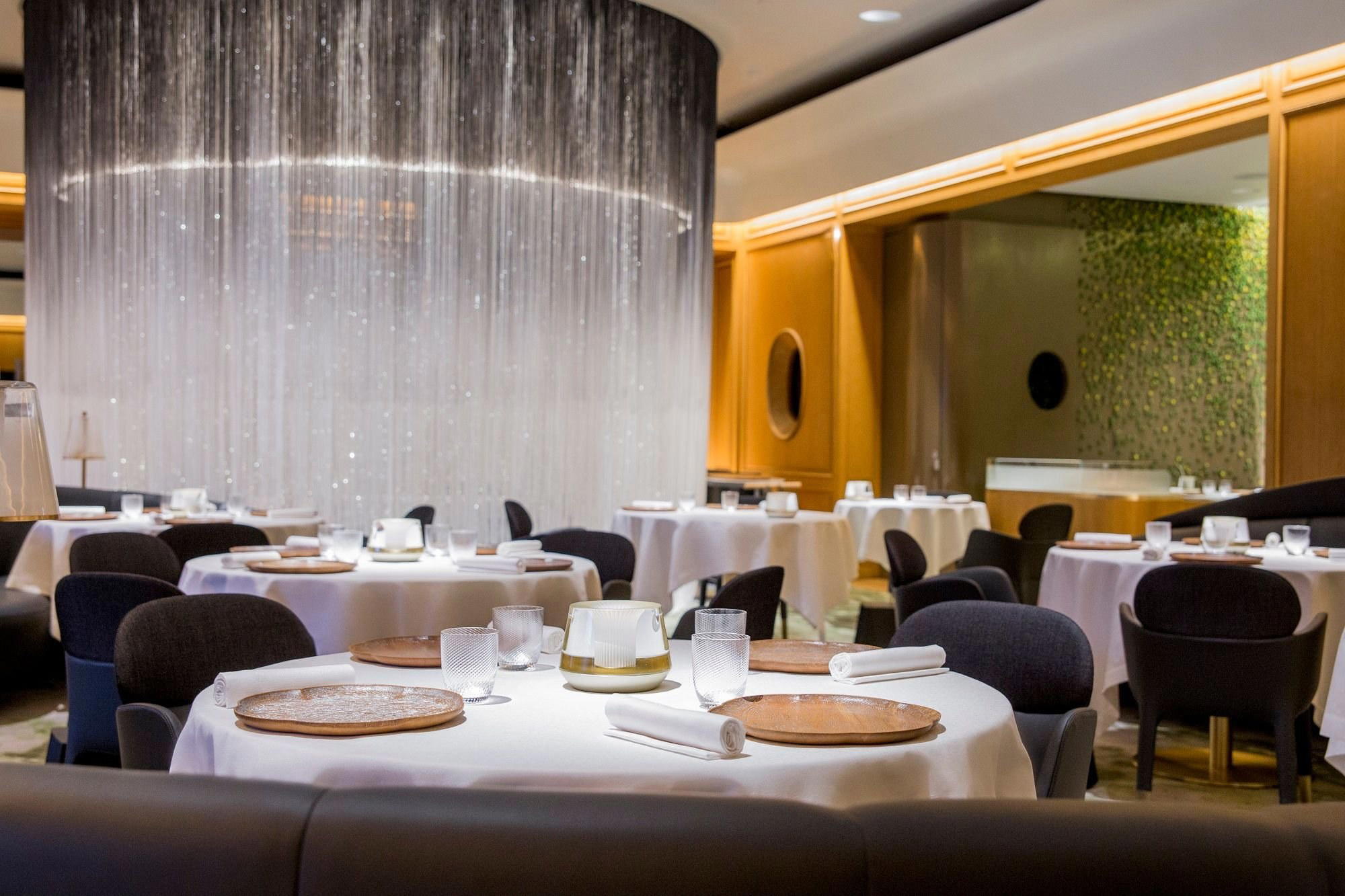
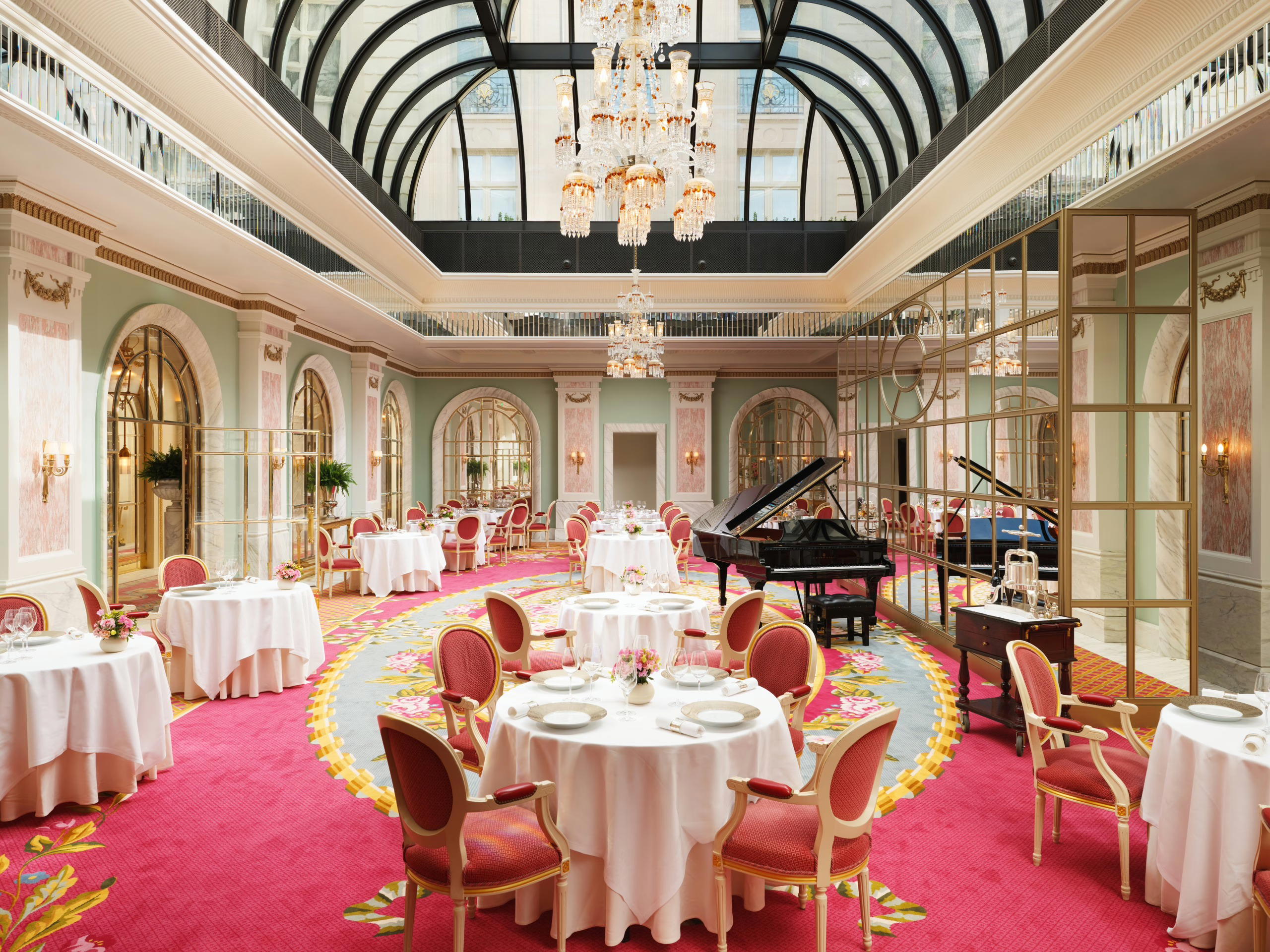
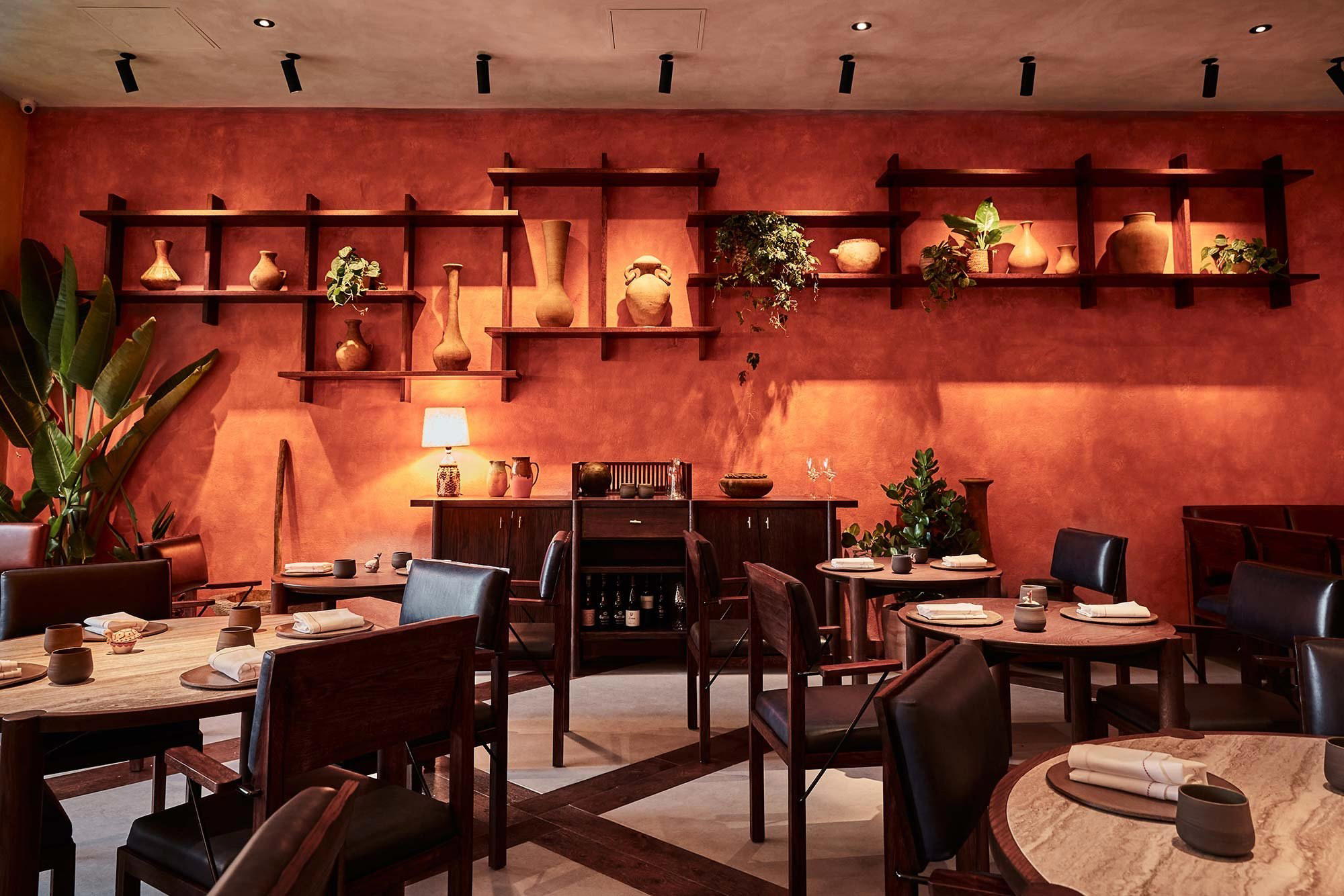
Bars in London
Browse all →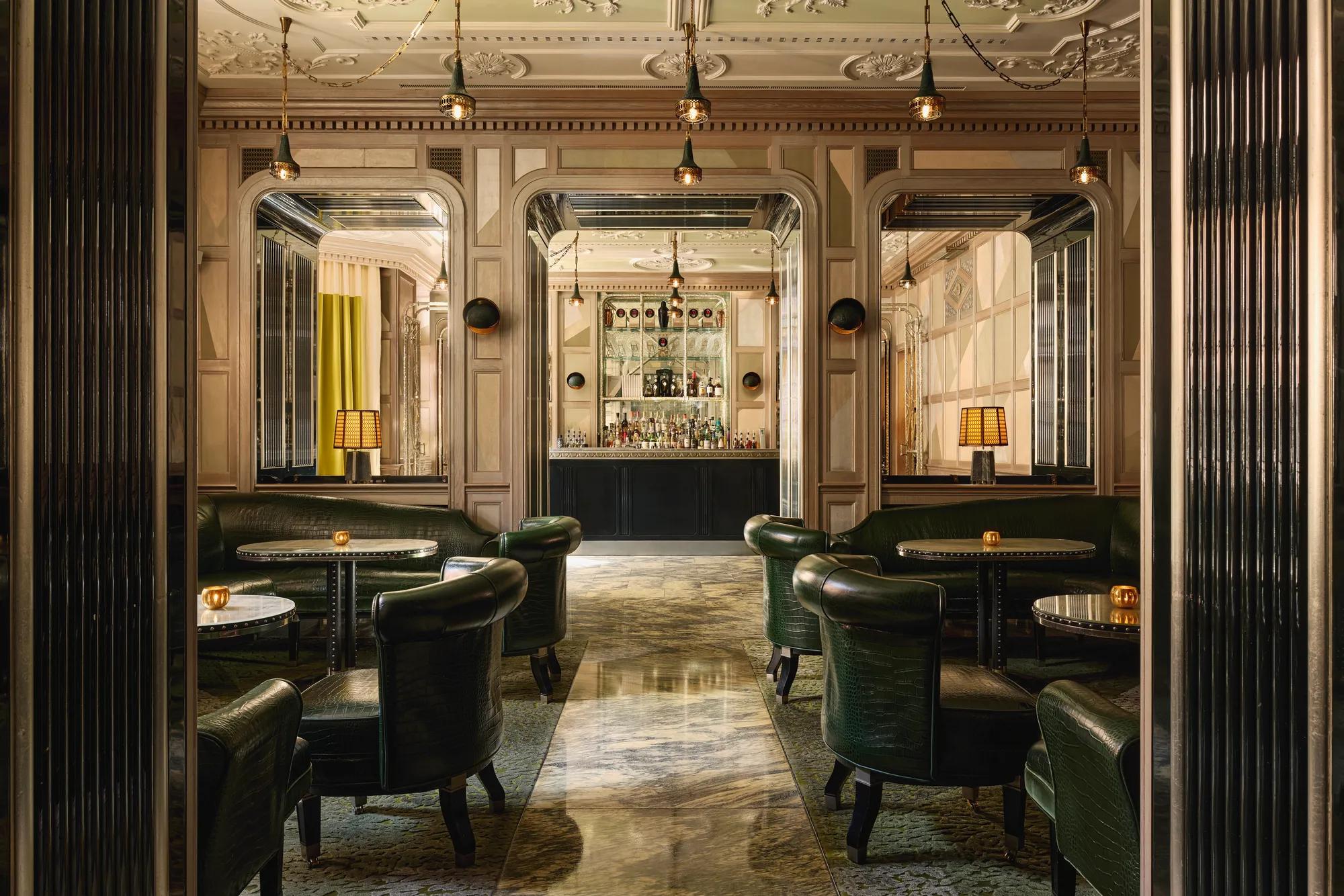
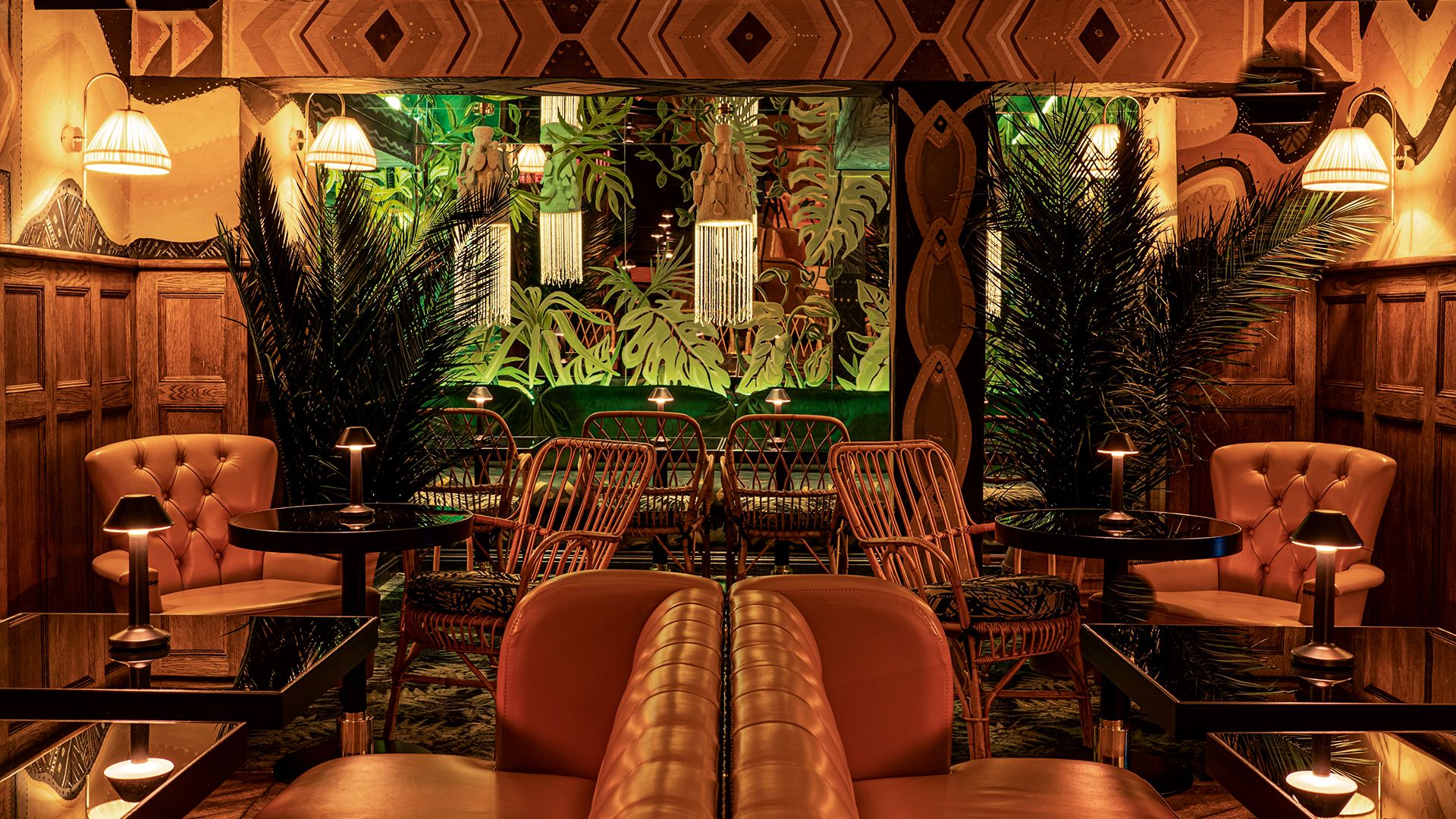
Hotels in London
Browse all →
Wineries in London
Browse all →
At a Glance
- Elegant
- Sophisticated
- Classic
- Modern
- Well Known
- Ornate
- Special Occasion
- Business Dinner
- Celebration
- Date Night
- Group Dining
- Brunch
- Hotel Restaurant
- Private Dining
- Design Destination
- Historic Building
- Extensive Wine List
- Sommelier Led
- Craft Cocktails
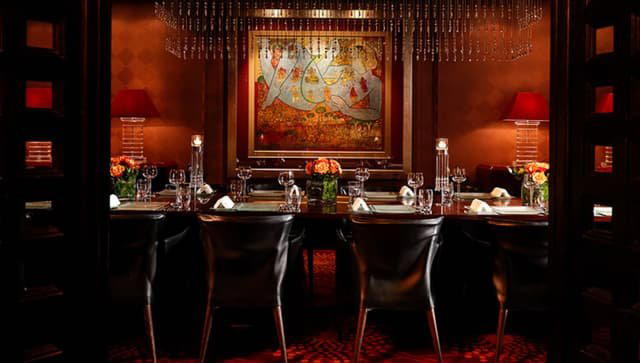
A polished hotel grill room with wood-panelled warmth, soft lighting and plush finishes, combining classic Mayfair grandeur with a more relaxed, lively and youthful energy befitting Tom Booton’s modern British menu.