Afternoon Tea at The Connaught
Afternoon tea at The Connaught in Mayfair operates within one of London's most disciplined hotel rituals: a formal, unhurried service in a setting where the architecture does as much work as the pastry kitchen. Situated at 16 Carlos Place, the experience sits in a comparable set defined by ceremony rather than spectacle, drawing a clientele that expects the room to match the occasion.
Pearl is the En Primeur Club membership app — saves, bookings, and concierge access live there. Same editors, same standards.
- Address
- The Connaught, Jean George at The Connaught The Connaught, 16 Carlos Pl, London W1K 2AL, United Kingdom
- Phone
- +442071078861
- Website
- the-connaught.co.uk
- Directions
- Get directions
 Saves & bookings on Pearl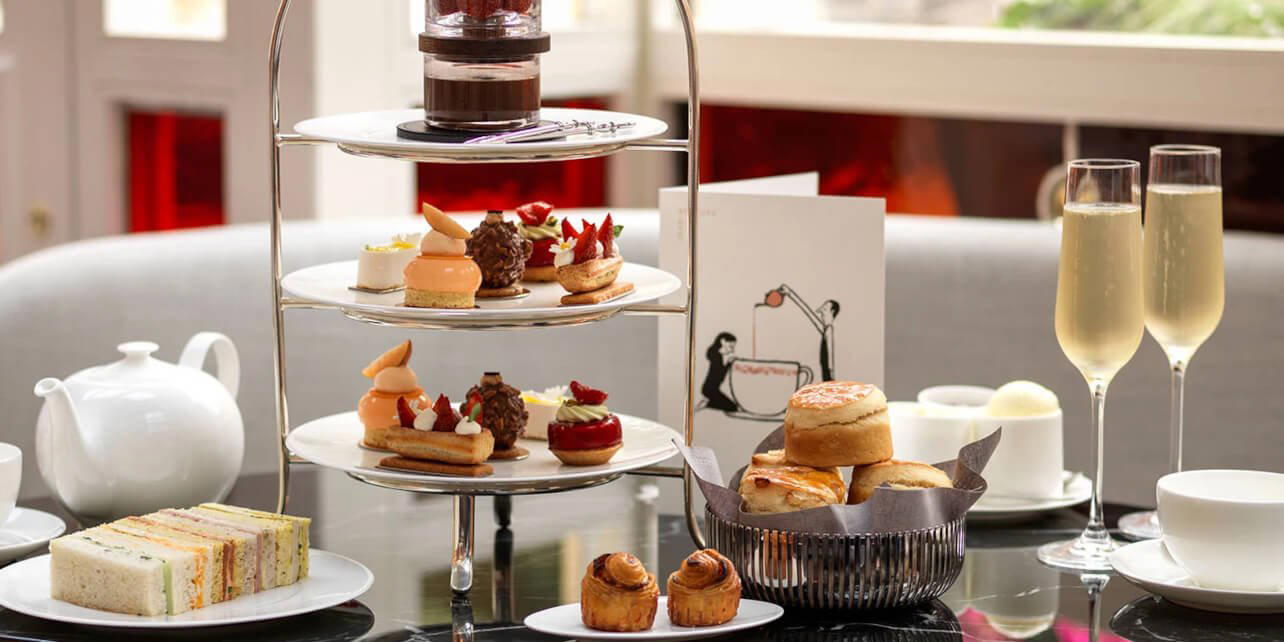
The Room Before the First Scone
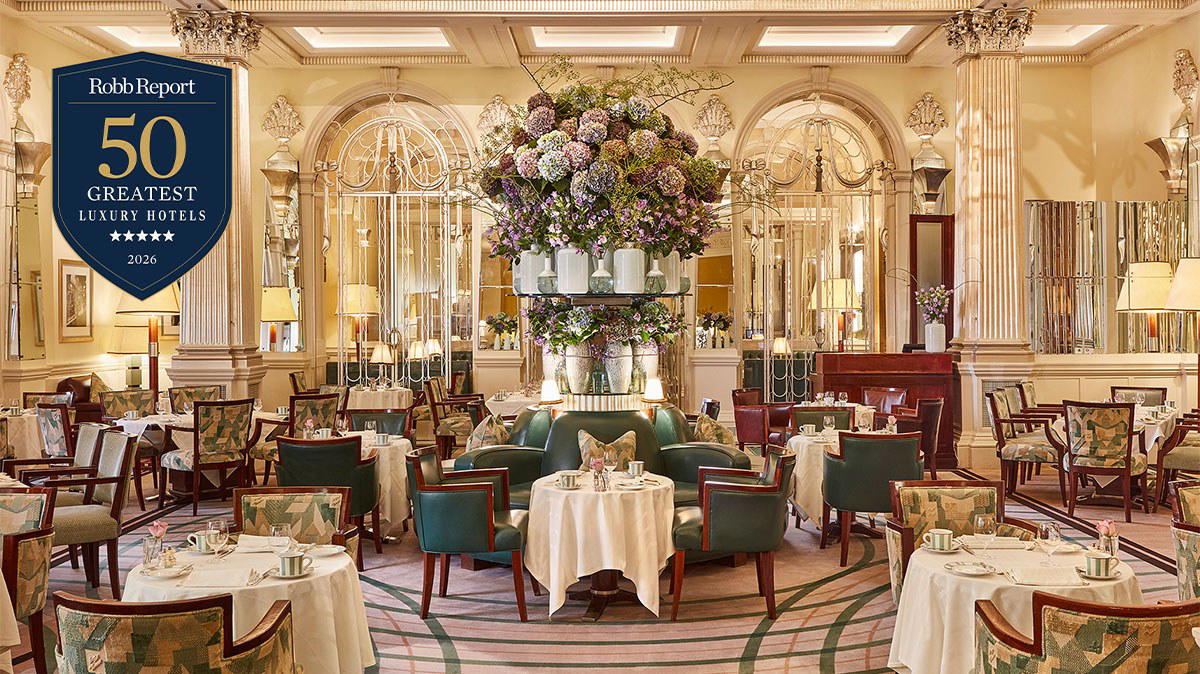
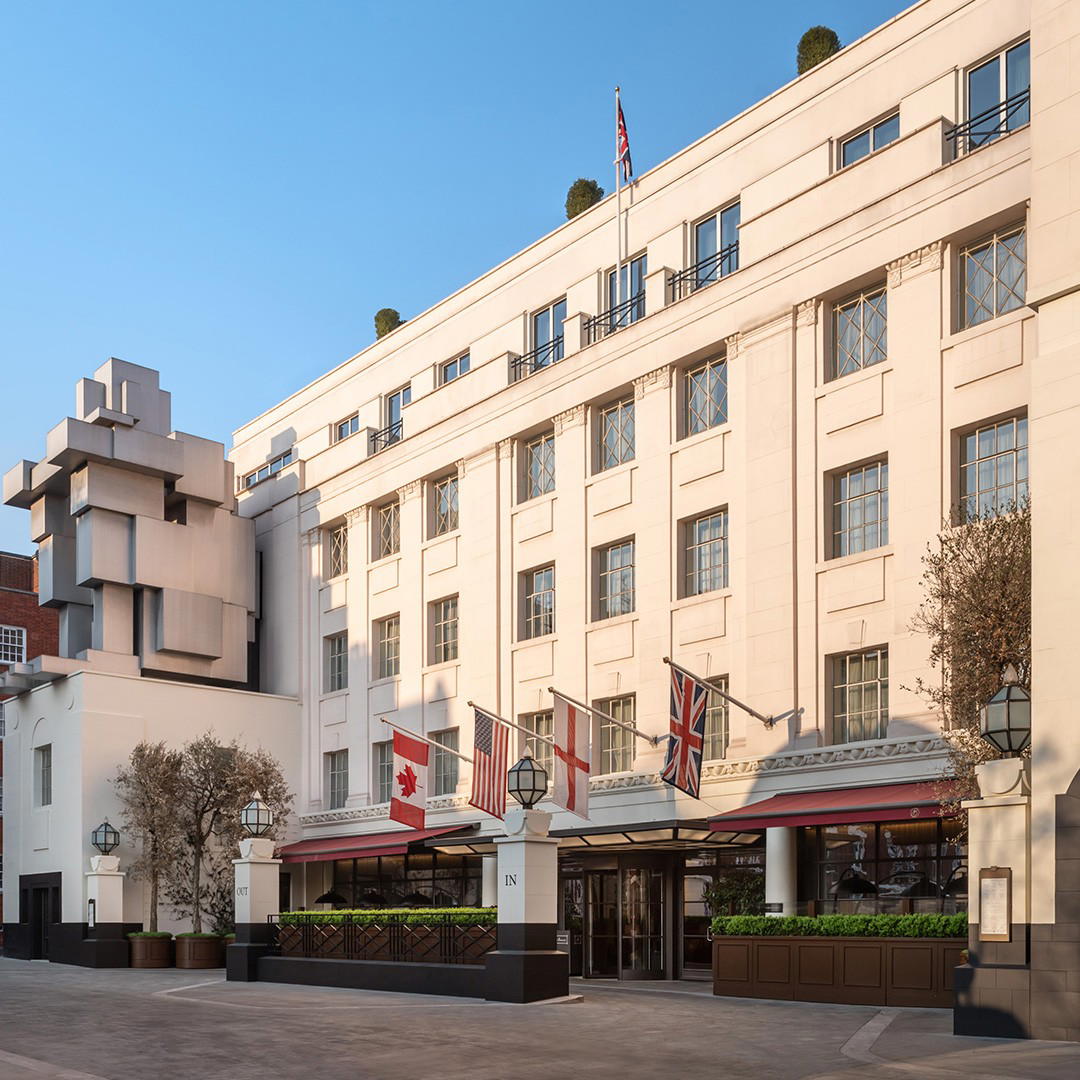
Afternoon Tea at The Connaught is a Modern British Afternoon Tea in Mayfair, London, priced at about $110 per person. Carlos Place in Mayfair is not a thoroughfare. It is a destination, a short curve of Georgian facades that deposited visitors at The Connaught's entrance long before afternoon tea was a marketable category. Arriving here on a weekday afternoon, the transition from street to lobby is immediate and deliberate: the noise of Grosvenor Square drops away, the floor is marble, and the pace of the staff signals that time here runs on a different clock. This is the physical grammar of formal hotel tea in London, and The Connaught writes it with fewer flourishes than its competitors, which is itself a statement.
One cohort competes on theatrical production: themed menus, novelty presentation, social-media-calibrated colour palettes. A smaller, more conservative cohort holds to a format that could be broadly recognised in 1965 as well as today: tiered stands, seasonal finger sandwiches, warm scones served with clotted cream and preserves, and a tea list that rewards knowledge rather than punishes the uninitiated. The Connaught afternoon tea belongs to the second cohort. The room, the service cadence, and the clientele composition all reflect that positioning.
The Structure of the Ritual
Afternoon tea as a dining format has always been defined more by sequence and pacing than by any single dish. The convention, as it settled in British grand hotels across the late nineteenth and early twentieth centuries, runs in a particular order: savouries first, then scones, then pastries and cakes. That sequencing is not arbitrary. It mirrors the logic of a full meal compressed into a smaller register, with salt and protein giving way to fat and sweetness in controlled increments. Hotels that disrupt the order for visual effect tend to lose the thread of why the ritual works.
At The Connaught, the format respects this sequence. The service is conducted at the kind of pace that allows a full conversation to run between courses, which is partly what a formal afternoon tea is for. The room used for the service connects to the broader hotel architecture rather than functioning as a self-contained event space, and that continuity matters: the experience reads as part of a working luxury hotel rather than a production staged separately from one. For comparison, some of London's most theatrically ambitious tea services take place in rooms that exist solely for that purpose, optimised for turnover and visual coherence rather than the particular pleasure of sitting inside a building with genuine age and use behind it.
The Connaught sits alongside Claridge's, The Ritz, and The Savoy in the tier of London hotels where afternoon tea is a fixture rather than a seasonal programme. Each has a distinct character. The Ritz operates its Palm Court service with the structured formality in the city, requiring a jacket for gentlemen and running its service to a fixed-duration model. Claridge's leans on Art Deco surroundings and a slightly broader modern pastry register. The Connaught's version is quieter than both, and that quietness is the editorial point. In a market where many operators are adding noise, holding a lower volume is a deliberate competitive choice.
Jean-Georges at The Connaught and What It Signals
The Connaught's dining programme sits under the Jean-Georges partnership, which also runs the hotel's main restaurant. Jean-Georges's involvement at hotel dining level is significant in one specific way: it brings a kitchen culture that takes pastry and the savoury-sweet interface seriously, which matters for afternoon tea more than it might for a steakhouse or a bar. The level of technique applied to a finger sandwich or a mille-feuille is a kitchen-culture question before it is a recipe question, and a kitchen trained in Vongerichten's French-influenced discipline tends to produce pastry work with more precision than the average hotel operation. Readers who want a comparable frame of reference in fine dining terms might look at Sketch, The Lecture Room and Library or CORE by Clare Smyth for what London kitchens operating at sustained high-technique levels produce when the discipline filters into every element of a meal.
For those mapping London's broader fine dining circuit, the city's full range of high-commitment kitchens extends well beyond Mayfair. The Ledbury, Dinner by Heston Blumenthal, and Restaurant Gordon Ramsay each represent a different axis of London's restaurant culture. For readers who want to extend a trip beyond the capital, Le Manoir aux Quat'Saisons in Oxford, Waterside Inn in Bray, and L'Enclume in Cartmel represent what serious British dining looks like outside London's zone. Further afield, Moor Hall in Aughton, Gidleigh Park in Chagford, Hand and Flowers in Marlow, hide and fox in Saltwood, Midsummer House in Cambridge, Opheem in Birmingham, and Restaurant Andrew Fairlie in Auchterarder each anchor a distinct regional dining story. For international comparison, Le Bernardin in New York City and Atomix in New York City illustrate how formal tasting-format dining operates at the highest level outside the UK.
Planning Your Visit
The Connaught sits at 16 Carlos Place, London W1K 2AL, a short walk from Bond Street Underground station. Mayfair's grid is walkable, and the hotel is equidistant from Berkeley Square and Grosvenor Square, which makes it logical to combine a tea visit with the neighbourhood's galleries and quieter streets. Afternoon tea at The Connaught requires advance booking. Dress expectations at The Connaught align with the room's character: the hotel has historically maintained a smart dress expectation, and arriving in casual clothing is likely to feel at odds with both the space and the other guests.
Cost and Credentials
Comparable venues nearby, for context on price, style, and recognition.
| Venue | Cuisine | Price | Notes |
|---|---|---|---|
| Afternoon Tea at The ConnaughtThis venue — the venue you are viewing | Mayfair, Modern British Afternoon Tea | $$$$ | Not listed |
| Whiteley’s Kitchen | Bayswater, Vegetable-led Modern British | $$$$ | Not listed |
| 2018 OAD New to the List Dinner | Mayfair, Modern British Fine Dining | $$$$ | Not listed |
| Thirty Four | Mayfair, Modern British Steakhouse | $$$$ | Not listed |
| Purple Dragon | Not listed | $$$$ | Belgravia, Family-friendly British classics |
| Whiteleys Kitchen | Bayswater, Hyper-seasonal modern British | $$$$ | Not listed |
Continue exploring
More in London
Restaurants in London
Browse all →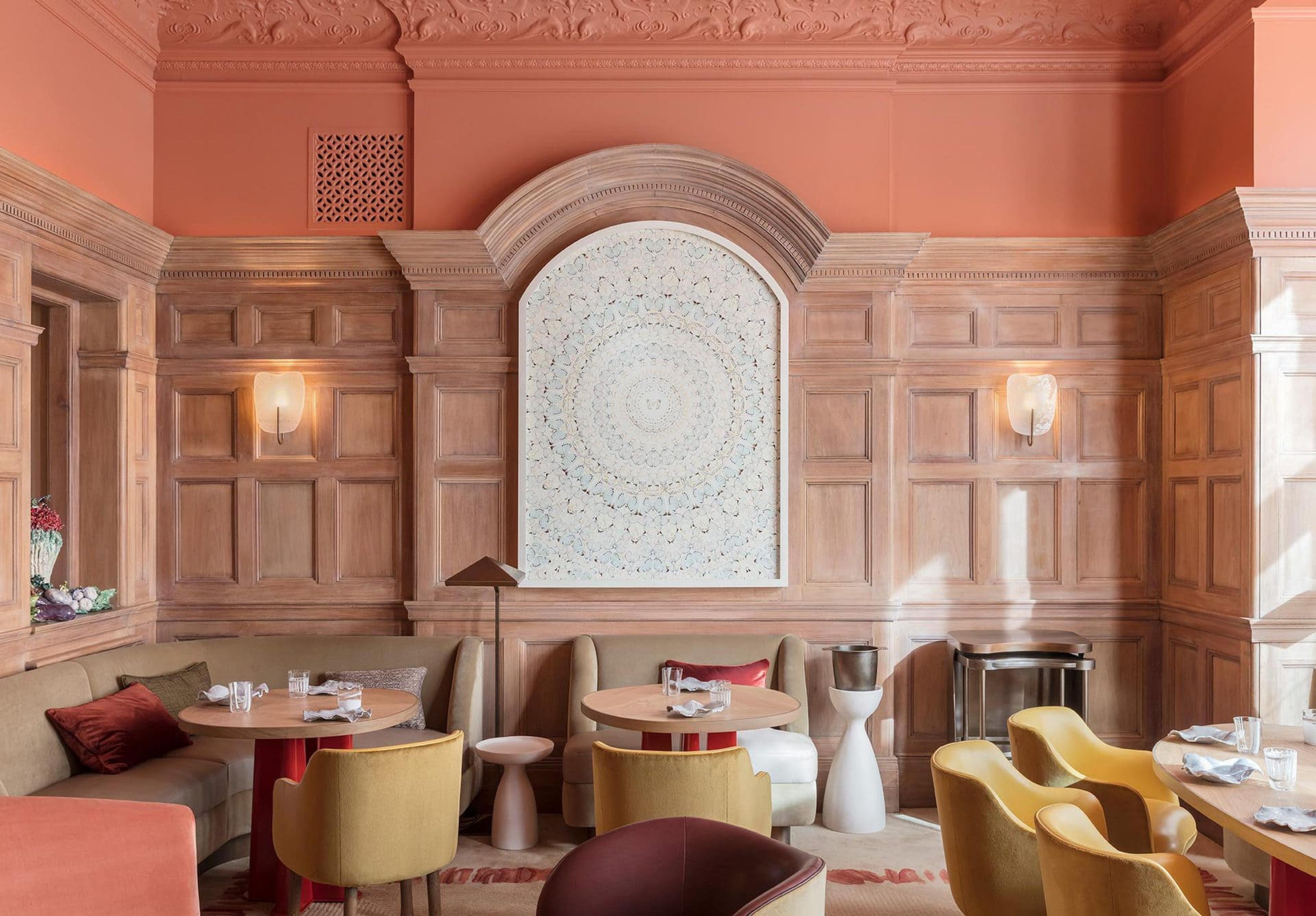
Bars in London
Browse all →
Hotels in London
Browse all →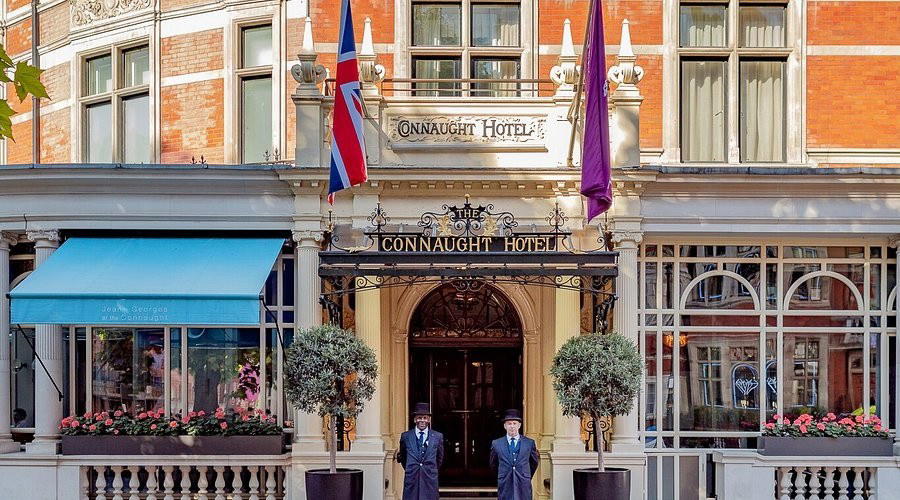


At a Glance
- Elegant
- Sophisticated
- Classic
- Intimate
- Special Occasion
- Celebration
- Hotel Restaurant
- Historic Building
- Extensive Wine List
- Street Scene
Current opening hours
- Monday
- 8 AM–8 PM
- Tuesday
- 8 AM–8 PM
- Wednesday
- 8 AM–8 PM
- Thursday
- 8 AM–8 PM
- Friday
- 8 AM–8 PM
- Saturday
- 9 AM–8 PM
- Sunday
- 9 AM–7 PM
Hours can change for holidays and private events. Last verified .
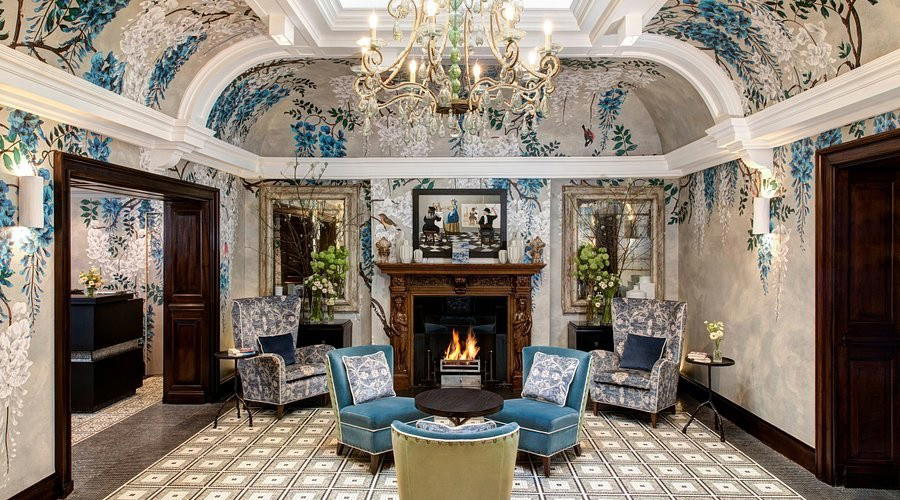
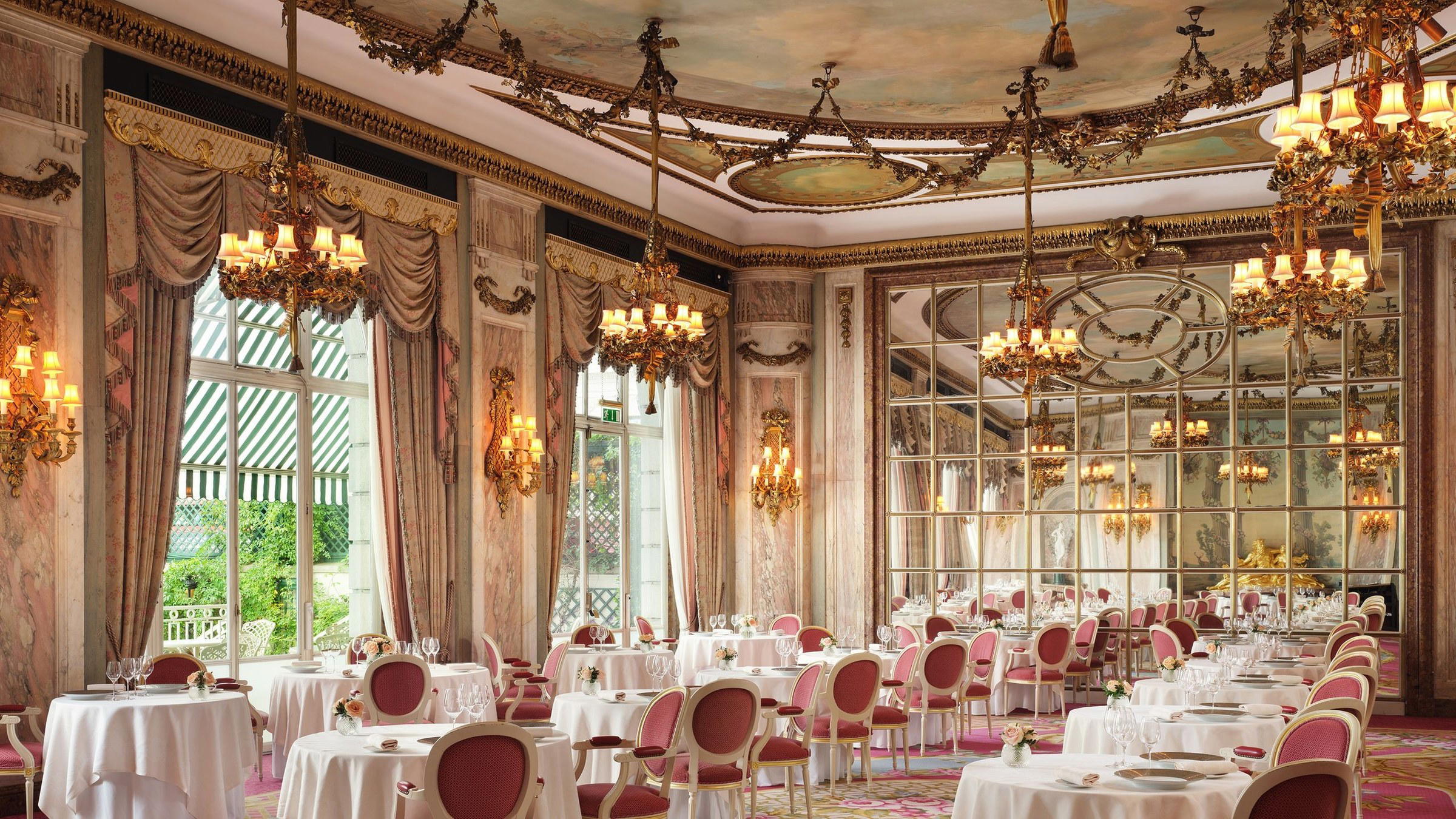
Light, atmospheric, bright and lively setting with curated art, stained-glass windows overlooking Mount Street, cosy, refined, quiet sophistication and relaxing.