Alyn Williams at the Westbury
Set within the Westbury Hotel in Mayfair, Alyn Williams at the Westbury operates in one of London's most competitive fine-dining corridors, where hotel restaurants must work harder to assert identity. The kitchen takes a produce-led approach informed by ethical sourcing and seasonal discipline, placing it alongside a cohort of Modern British addresses that treat ingredient provenance as a structural commitment rather than a menu footnote.
Pearl is the En Primeur Club membership app — saves, bookings, and concierge access live there. Same editors, same standards.
- Address
- 1-2 Coach and Horses Yard, London W1S 2EH, United Kingdom
- Phone
- 020 7629 7755
- Website
- resdiary.com
- Directions
- Get directions
 Saves & bookings on Pearl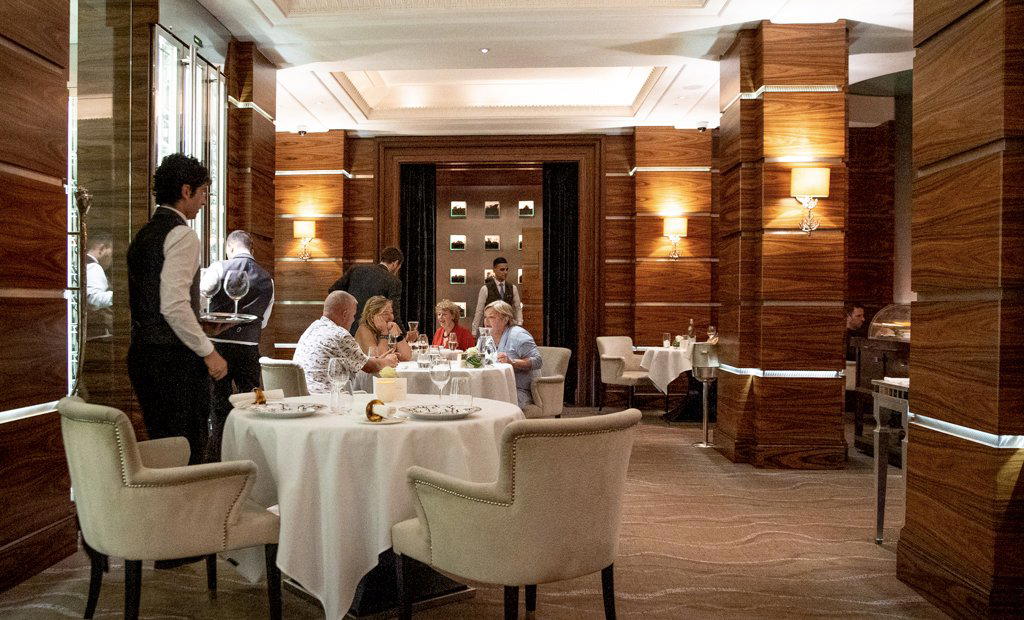
Mayfair's Hotel Dining and the Pressure to Earn Its Place
Bond Street and its immediate surrounds contain some of the highest-value restaurant real estate in Europe, and the competition is unsparing. Hotel restaurants in this pocket of Mayfair sit in a particular bind: they inherit foot traffic and a captive audience, but that convenience can work against critical credibility. The addresses that earn genuine recognition in this corridor tend to do so by treating the dining room as the primary purpose of the building, not an amenity attached to it. Alyn Williams at the Westbury, on Coach and Horses Yard just off Conduit Street, operates in exactly that context. The Westbury's address puts it within a short walk of some of London's most demanding fine-dining rooms, and the kitchen's standing has been built against that comparable set rather than against lower-stakes hotel dining comparators.
The Physical Room and Its Character
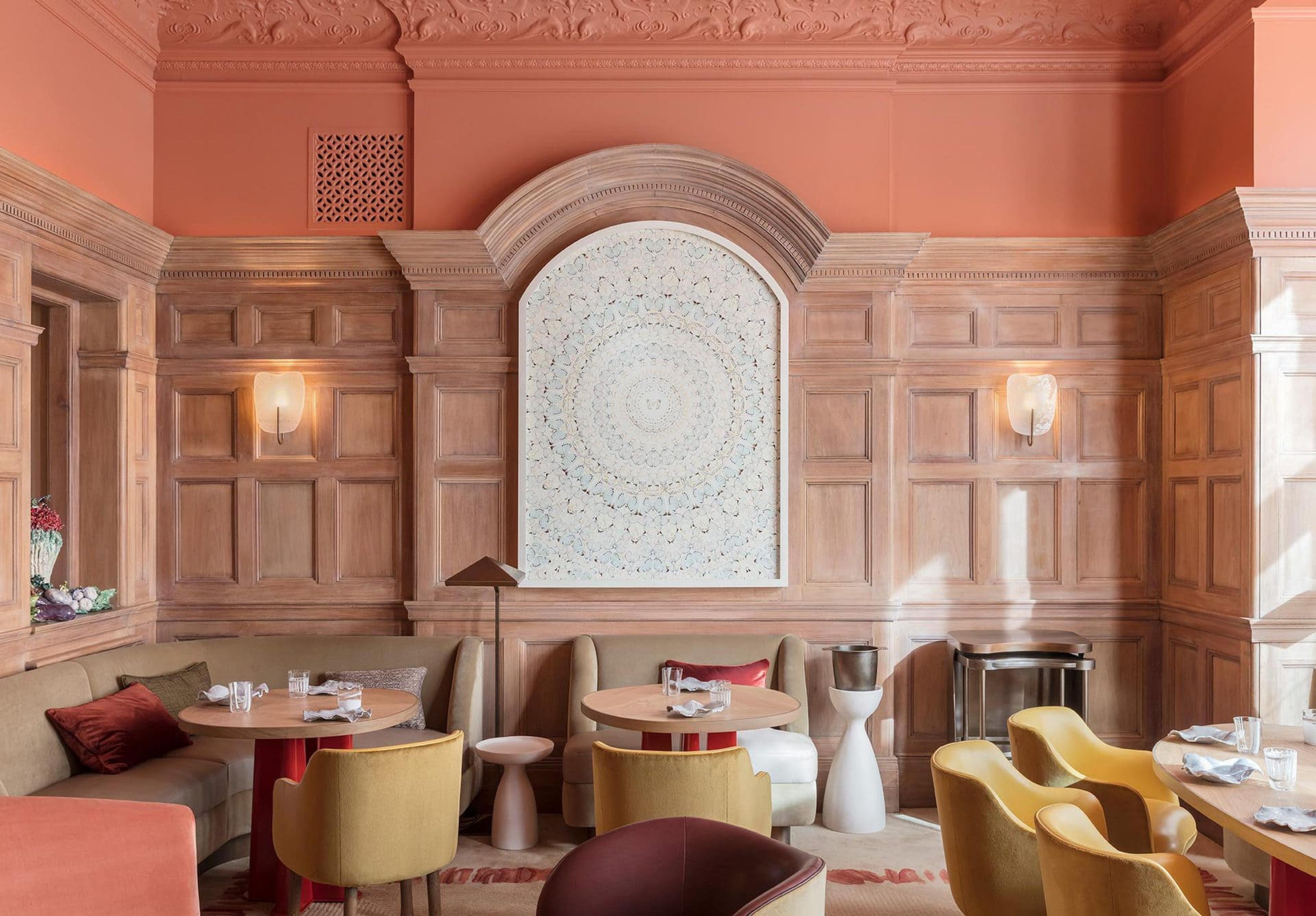
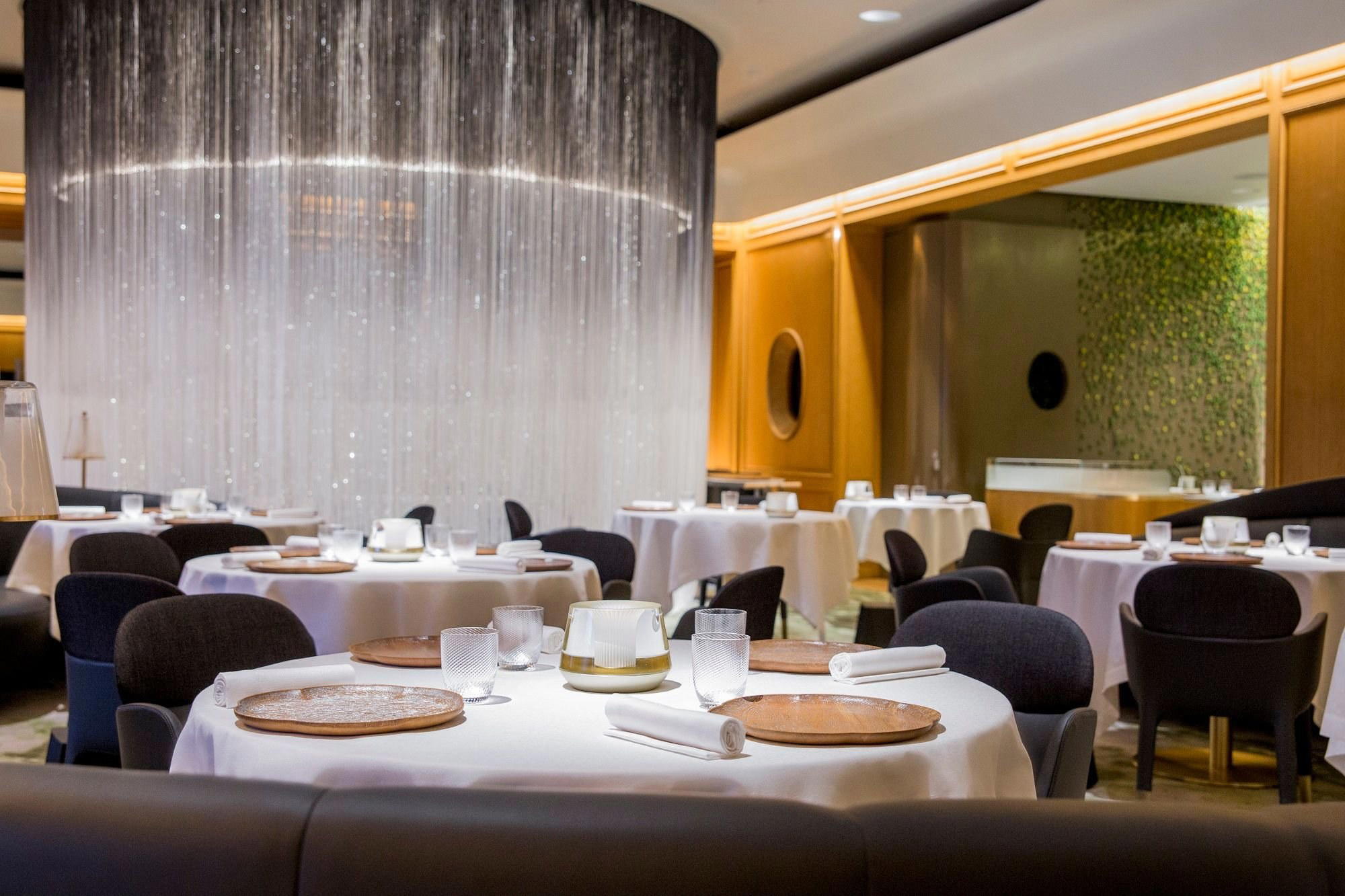
The entrance off Coach and Horses Yard signals restraint before you reach the dining room. The yard itself is a narrow, low-traffic cut-through that strips away any of the theatricality associated with a Mayfair address, and arriving through it sets a particular expectation: the room is for eating, not for being seen arriving. Inside, the Westbury's dining space follows the register that has become common among serious London hotel restaurants, considered rather than showy, with enough formality to signal the price tier without the stiffness that older hotel dining rooms carried for decades. The room works as a backdrop rather than a statement, which is the appropriate call when the sourcing philosophy and the cooking are meant to carry the weight.
Sourcing as Structure, Not Marketing
Among London's Modern British tier, the conversation around ethical sourcing has split into two distinct modes. In the first, provenance is a marketing layer: farms are named on menus, but the selection process is opaque and the commitment is seasonal at leading. In the second, sourcing is a structural decision that shapes the menu from the planning stage outward, constraining what can be offered based on what can be sourced responsibly. Alyn Williams at the Westbury has been associated with the latter approach, where ingredient supply chains carry genuine scrutiny and where waste reduction is treated as a kitchen discipline rather than an afterthought.
This places the restaurant in a cohort of British fine-dining addresses that have made environmental consciousness a culinary commitment. L'Enclume in Cartmel operates its own farm to close the supply loop almost entirely. Moor Hall in Aughton works within a walled-garden framework that shapes its seasonal menu architecture. These are country-house formats with direct land access, which gives them advantages a central London kitchen cannot replicate. What urban fine-dining rooms like this one can do instead is apply equivalent rigour to supplier selection, whole-animal and whole-vegetable utilisation, and menu planning that reduces what gets discarded. The discipline is the same; the constraints are different.
Internationally, the standard for ethical sourcing in fine dining has been pushed by addresses like Le Bernardin in New York City, where seafood provenance and fishing-method transparency have long been central to menu construction, and by Atomix in New York City, which applies similar rigour to Korean ingredient sourcing within a tasting-menu format. The London fine-dining scene has moved steadily in the same direction, and hotel restaurants that operate at this level are increasingly expected to meet the same standard.
Where It Sits in the London Fine-Dining Map
London's highest-recognised fine-dining rooms cluster around a handful of sub-categories. At the three-Michelin-star tier, CORE by Clare Smyth has built its reputation around a distinctly British produce sensibility, and Restaurant Gordon Ramsay maintains its position through classical French technique with British sourcing. Sketch, The Lecture Room and Library and The Ledbury sit in the same tier, each with a distinct identity that separates them from a generic fine-dining category. At the two-star level, Dinner by Heston Blumenthal operates through an archival approach to British culinary history that gives it a conceptual framework most hotel restaurants do not attempt.
Alyn Williams at the Westbury competes within this map rather than above or below it. Its Mayfair location places it physically alongside some of these addresses, and the kitchen's approach to Modern British cooking through an ethical-sourcing lens gives it a clear identity within the competitive set. Diners choosing between addresses in this tier are typically weighing menu philosophy, sourcing commitment, and format as much as pure technical reputation.
For UK fine-dining context outside London, the scene is anchored by addresses like The Fat Duck in Bray, Gidleigh Park in Chagford, Hand and Flowers in Marlow, and hide and fox in Saltwood, each operating with different format logic and different relationships to their local sourcing environments. The central London hotel-restaurant format that restaurant occupies is its own distinct category, with its own set of advantages and constraints.
Planning a Visit
The restaurant sits at 1-2 Coach and Horses Yard, W1S 2EH, within the Westbury Hotel. Bond Street and Oxford Circus are both within a ten-minute walk, making the location as accessible by tube as any Mayfair address. For Mayfair fine dining at this level, booking well in advance is standard practice. The format and pricing align with the London hotel fine-dining tier, where multi-course tasting menus are the primary offering and pricing reflects the sourcing commitments built into the kitchen's supply chain.
Cuisine Context
Comparable venues nearby, for context on price, style, and recognition.
| Venue | Cuisine | Price | Notes |
|---|---|---|---|
| Alyn Williams at the WestburyThis venue — the venue you are viewing | Modern British Fine Dining | $$$$ | Not listed |
| Origin City | Modern British Nose-to-Tail Fine Dining | $$$$ | Smithfield |
| Marcus | Contemporary British Fine Dining | $$$$ | Belgravia |
| Purple Dragon | Family-friendly British classics | $$$$ | Belgravia |
| The Portrait by Richard Corrigan | Modern British Fine Dining | $$$$ | Charing Cross |
| Peggy Porschen Afternoon Tea @ The Lanesborough | British Afternoon Tea with Peggy Porschen Pastries | $$$$ | Belgravia |
Continue exploring
More in London
Restaurants in London
Browse all →
Bars in London
Browse all →
Hotels in London
Browse all →

At a Glance
- Sophisticated
- Elegant
- Intimate
- Classic
- Date Night
- Business Dinner
- Special Occasion
- Celebration
- Hotel Restaurant
- Private Dining
- Extensive Wine List
- Sommelier Led
- Corkage Allowed
- Local Sourcing
Understated luxury with warm, elegant décor and well-spaced tables in a windowless dining room that exudes quiet confidence and refined sophistication.