Amura at Mount Nelson
Amura at Mount Nelson puts seafood inside Cape Town’s hotel-dining tradition, where coastal supply and polished service matter more than spectacle. The appeal is clearest for travellers who want a seafood-led meal in the city without turning dinner into a destination chase across the peninsula.

Pearl is the En Primeur Club membership app — saves, bookings, and concierge access live there. Same editors, same standards.
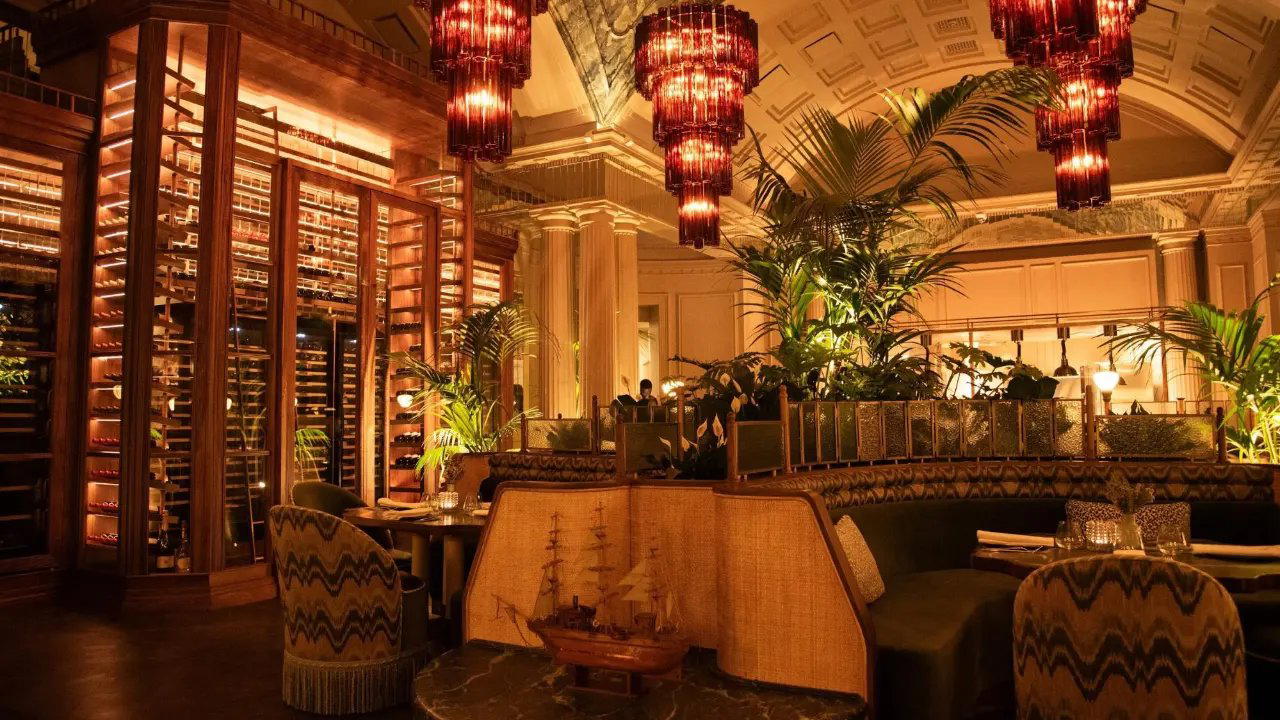
Arriving for seafood in Cape Town carries a different expectation from arriving for it inland. The city sits between cold Atlantic currents and warmer False Bay influences, and that geography shapes how diners read a menu before a plate arrives: freshness is assumed, but judgment starts with restraint. Amura at Mount Nelson belongs to that quieter category of Cape Town dining, where the setting gives seafood a composed frame rather than a theatrical one.
The stronger seafood rooms in coastal cities rarely win by piling on luxury signals. They win by understanding the catch as a moving target: weather, harbour rhythms, quota realities, and the limits of what should travel from boat to table. In Cape Town, that means seafood restaurants have to make peace with seasonality and supply rather than pretend the ocean is a fixed pantry. A seafood designation here carries weight because the city’s diners know the difference between coastal cooking and generic fish service.
Seafood in Cape Town rewards restraint over display
Cape Town’s seafood culture has several registers. There is the harbour-side model built around immediacy, the wine-country lunch model that treats fish as a partner to Chenin Blanc and Chardonnay, and the hotel-dining model, where the room, pacing, and service structure matter as much as sourcing. Amura at Mount Nelson sits in the last group. That positioning changes the reader’s expectations: the meal is less about chasing a shack-style plate near the water and more about seeing how seafood behaves in a polished urban dining room.
That distinction matters. A hotel setting can either soften seafood into safe, international cooking or give it a calmer stage. The stronger version keeps the produce legible: sauces support rather than bury, garnishes do not turn the plate into a postcard, and the kitchen resists the temptation to make every course feel ceremonial. With no public award framework attached to this restaurant, the useful trust signal is the format itself: seafood in a city where coastal supply is central to the dining conversation, delivered inside one of Cape Town’s established hotel environments.
For travellers mapping a broader Cape Town itinerary, the restaurant makes sense as part of a city rather than a standalone trophy booking. The useful contrast is between categories, not named rivals: central hotel dining, waterfront seafood, wine-estate lunches, and neighbourhood restaurants all solve different problems. A seafood dinner here belongs to the composed, city-based end of that spectrum. For wider planning, Our full Cape Town restaurants guide is the better lens, while Our full Cape Town hotels guide, Our full Cape Town bars guide, Our full Cape Town wineries guide, and Our full Cape Town experiences guide help place dinner within the rest of the trip.
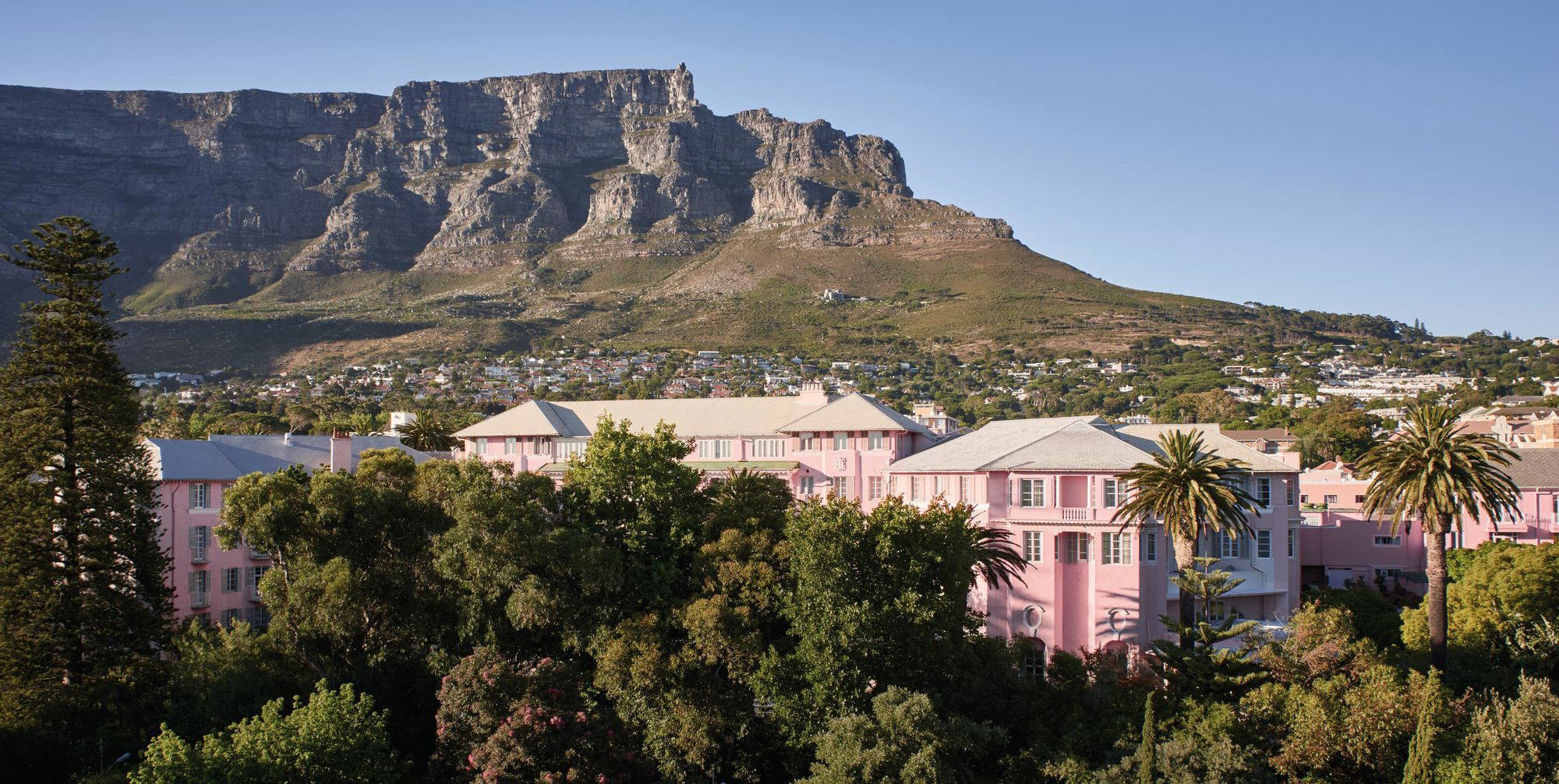
The Mount Nelson context changes the brief
Hotel restaurants in Cape Town have to serve several audiences at once: international guests coming off long-haul travel, local diners who know the city’s seafood habits, and visitors who want a controlled room after a day split between mountain, coast, and city traffic. That mix tends to favour clarity. Seafood becomes the anchor because it is readable, flexible, and deeply tied to place without needing heavy explanation.
The name Amura at Mount Nelson also creates a useful distinction from Amura elsewhere in the guide. Here, the Cape Town context is doing part of the work. A seafood restaurant in this city is not simply a cuisine tag; it is a claim about proximity to a coastal food culture with high expectations and little patience for vague luxury language. Diners should judge the experience by how cleanly that claim is handled.
For readers building a South Africa dining route, the wider country view helps. Cape Town central dining has a different tempo from the wine-country tables at Babel Restaurant in Paarl or Babylonstoren in Simondium, and it is a different proposition from coastal hotel dining at Amelia's at The Plettenberg in Plettenberg Bay. Inland, the brief shifts again at Aduna Bistro in Johannesburg or safari-country dining such as African Boma in Thornybush Game Reserve. Those links are useful not as direct comparisons, but as proof that South African dining changes sharply with geography.
How to read the meal within a larger itinerary
The smartest use of the restaurant is as a seafood-led city meal when the day does not call for a long drive or a heavily programmed tasting format. Cape Town rewards diners who alternate ambition with ease: one night in a formal room, one lunch in wine country, one evening built around bars or neighbourhood restaurants. In that rhythm, this restaurant works as the controlled seafood entry, especially for travellers who value a hotel setting and a clearer service environment.
Nearby planning can branch in several directions. Restaurant-led travellers may want to scan 1800, 95 at Parks, Alice Restaurant, and Arlecchino (Italian) for other city options. Longer food routes can extend to 96 Winery Road Restaurant in Raithby. For a broader seafood frame beyond South Africa, 12 Ristorante, Seafood in Cesenatico and 14 Avenue, Seafood in La Baule show how coastal dining shifts when the reference points become the Adriatic or Atlantic France rather than the Cape.
The verdict is simple: choose this for seafood in a composed Cape Town hotel setting, not for a bare-bones harbour experience or a chef-driven tasting spectacle. The room’s value lies in its balance of coastal identity and urban polish. In a city where the sea is close enough to set high standards, that is a sharper proposition than another generic luxury dinner.
- Plankton risotto with squid and aioli
- Tuna rib
- Garum-cured scallop
- Marine ‘chorizo’ made entirely of seafood
- Dry-aged seabass with pil-pil sauce
- Mussel caramel with brown butter and seaweed
Comparable Venues Nearby
Comparable venues nearby, for context on price, style, and recognition.
| Venue | Cuisine | Price | Notes |
|---|---|---|---|
| Amura at Mount NelsonThis venue — the venue you are viewing | Marine-inspired Spanish seafood fine dining | $$$$ | Not listed |
| Azure Restaurant | Contemporary Cape Seafood | $$$$ | Atlantic Seaboard |
| Greenhouse, Constantia | Modern South African Fine Dining | $$$$ | Constantia |
| Greenhouse Restaurant Constantia | Modern African Fine Dining | $$$$ | Constantia |
| Belly of the beast | South African Seasonal Tasting Menu | $$$$ | City Bowl |
| Amura | Contemporary Spanish-influenced seafood fine dining | $$$$ | City Bowl |
Continue exploring
More in Cape Town
Restaurants in Cape Town
Browse all →
Bars in Cape Town
Browse all →
Hotels in Cape Town
Browse all →
At a Glance
- Romantic
- Elegant
- Sophisticated
- Modern
- Trendy
- Date Night
- Celebration
- Special Occasion
- Business Dinner
- Group Dining
- Design Destination
- Hotel Restaurant
- Open Kitchen
- Wine Cellar
- Historic Building
- Craft Cocktails
- Sommelier Led
- Extensive Wine List
- Zero Proof
- Sustainable Seafood
- Local Sourcing
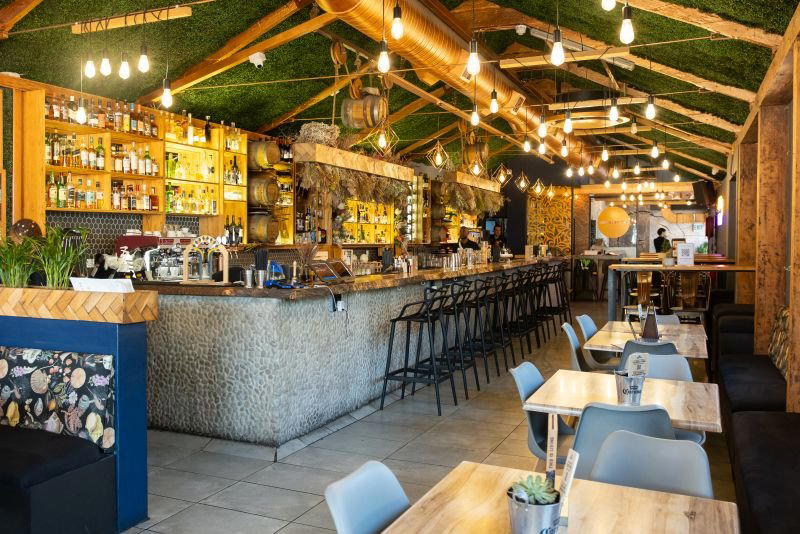
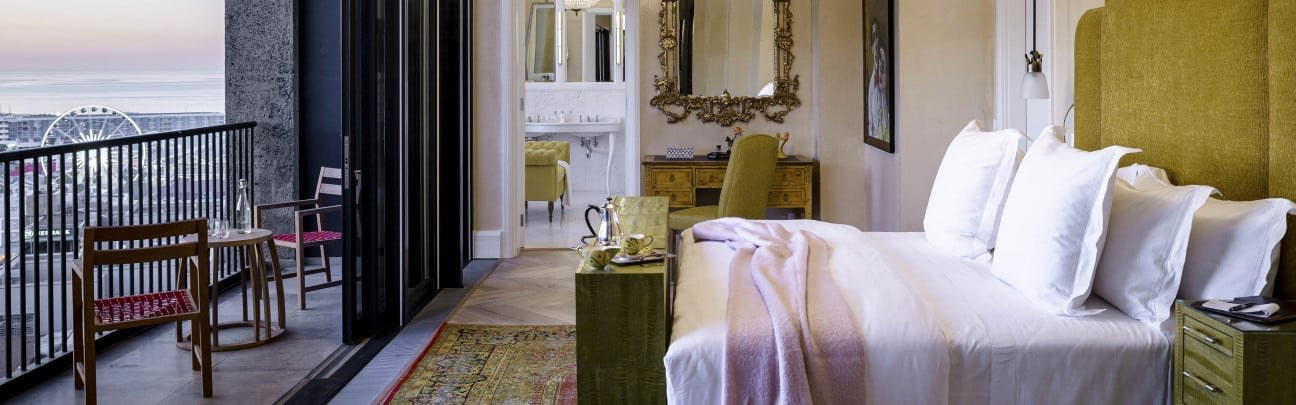
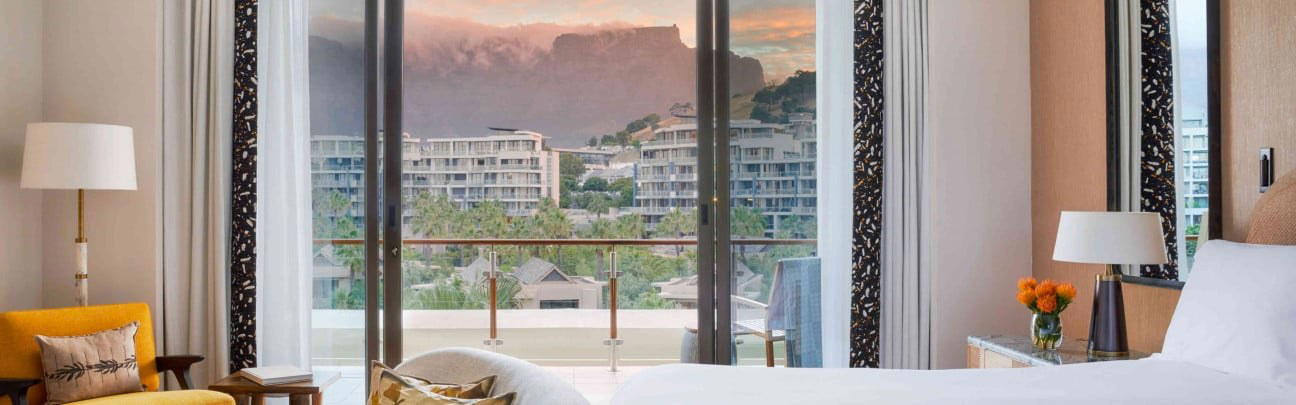
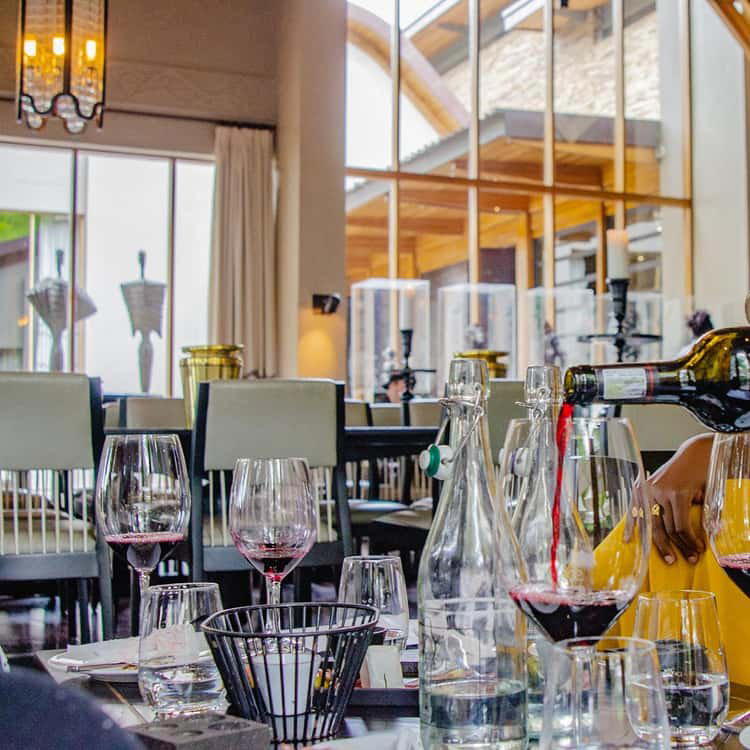
A casually luxurious, design‑driven dining room with seascape‑inspired interiors, lively earth tones, bronze and rattan textures, controlled soundscape and unhurried pacing, creating an elegant yet relaxed setting ideal for long lunches and lingering dinners.