
Takasaki’s burger scene sits far from Tokyo’s imported-diner clichés, and The Good Bear Burger makes the case for a local, small-room version of the craft. Its Tabelog Hamburger 100 selections in 2022, 2024, and 2026 put it in a national conversation, while the compact counter-and-table format keeps the experience closer to a neighborhood lunch than a destination dining production.
Pearl is the En Primeur Club membership app — saves, bookings, and concierge access live there. Same editors, same standards.
- Address
- 群馬県高崎市貝沢町740-1 パリスコート 102
- Phone
- +81273626777
- Website
- tabelog.com
 Saves & bookings on Pearl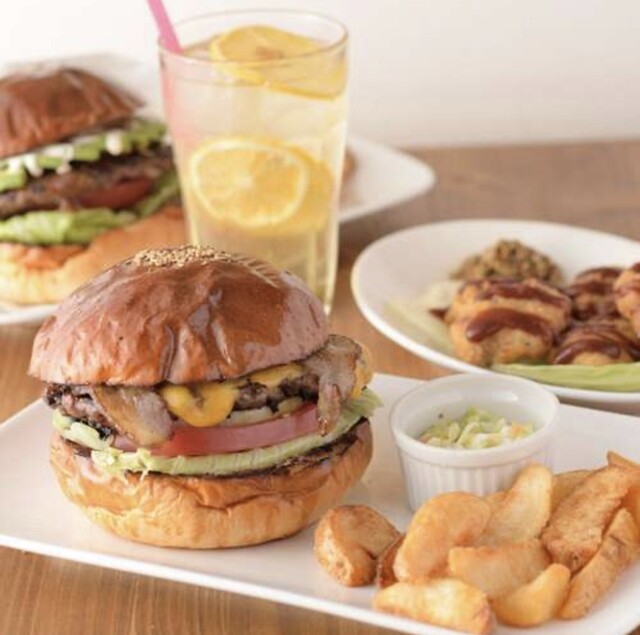
Wood, counter seats, and the scale of a small local room set the tone before the first order lands. In Takasaki, where serious eating is more often associated with soba, ramen, grilled meat, and regional izakaya cooking than with burger culture, the appeal of a specialist hamburger shop is not novelty. It is focus: a narrow category treated with the same selectiveness diners already expect from noodles, beef, and counter-led cooking.
The Good Bear Burger belongs to that narrower Japanese burger tier where sourcing and construction matter more than diner nostalgia. The national signal is clear enough: selection for Tabelog Hamburger 100 in 2022, 2024, and 2026, with a Tabelog score of 3.66. Those marks place it outside the casual chain conversation and inside the small group of burger shops that Japanese diners treat as destination specialists.
A compact burger counter in a city better known for noodles and beef
Takasaki’s dining identity rewards specificity. The city has strong casual formats, from soba counters to ramen shops, and its more expensive end includes beef-focused rooms such as Beef Laboratory. Against that spread, a hamburger address at this level occupies a useful middle ground: less formal than a beef tasting room, more intentional than a grab-and-go sandwich stop.
That context matters because Japan’s serious burger culture has developed differently from the American model. The better shops tend to borrow discipline from Japanese small-restaurant formats: limited seating, precise service rhythm, attention to bread-to-filling balance, and a willingness to let the main ingredient define the meal rather than bury it under excess. The result is not a copy of a U.S. roadside burger. It is a Japanese interpretation of a familiar form, judged by structure, temperature, texture, and consistency.
The room’s 13-seat configuration reinforces that reading. Three counter seats and a handful of tables keep the format intimate without turning it into a chef’s-counter performance. That scale also explains why the place works for different dining modes: solo diners can treat it as a focused meal, families have enough table space to make it practical, and small groups can use it without the ceremony attached to Takasaki’s higher-budget restaurants.
Sourcing is the point, but restraint is the discipline
Ingredient-led burger cooking is easy to misunderstand. It is not simply about a larger patty or a heavier build. In Japan, the better version often depends on proportion: beef, bun, vegetables, sauce, and heat all have to arrive in alignment. When a burger shop earns repeat inclusion in a national hamburger selection, the implication is not that it has the loudest menu. It is that the fundamentals hold up under scrutiny from diners who compare specialist shops across prefectures.
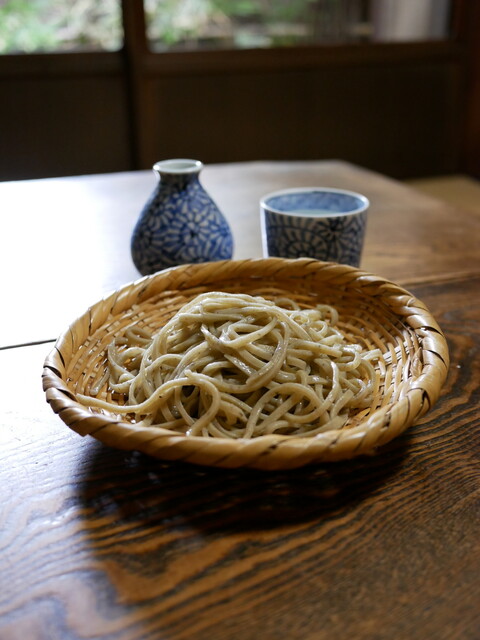
The Good Bear Burger’s category is listed simply as hamburger, which is useful in itself. There is no need to inflate the premise. The broader Takasaki comparison makes the point sharper: Bommi Sobakiri speaks to the city’s soba culture at a similar casual-spend level, while Chuka Soba Narugami Shokudo and Jikaseimen Kuromatsu show how noodle specialists compete on detail rather than breadth. A burger shop has to meet that same local expectation. The cooking cannot coast on foreignness.
The sourcing angle also explains why this kind of restaurant travels well for visitors. A city’s burger shops often reveal what diners value when the cuisine is not protected by tradition. In Takasaki, the answer is practicality with standards: a concise format, no smoking inside, takeout and delivery options, and enough recognition to separate it from anonymous casual dining. The category may be hamburger, but the underlying logic is closer to Japan’s specialist-food culture than to fast casual convenience.
How to read it against Takasaki's dining map
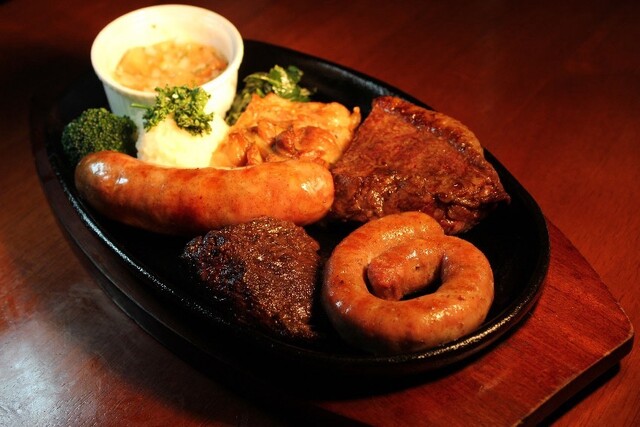
For a visitor building a Takasaki itinerary, this is the sort of stop that gives the city more range. It can sit between a noodle lunch and a higher-budget dinner, or replace a formal meal when time is short. The comparison set is instructive: BRAZIL GRILL points toward meat in a more expansive, social register, while the burger format keeps the decision tighter and more repeatable.
The practical case is equally plain. The shop is close to Takasakitonyamachi Station, has limited on-site parking with paid parking nearby, accepts major credit cards and several QR payments, and does not operate like a reservation-driven dining room. That makes timing more important than ceremony, especially because small seating counts and specialist recognition can compress demand. The smarter approach is to treat it as a targeted meal rather than a fallback.
Within a broader Takasaki plan, it pairs naturally with the city’s other focused casual rooms. Readers mapping the area should start with our full Takasaki restaurants guide, then decide whether the day calls for noodles, soba, beef, or a burger specialist. For overnight planning, our full Takasaki hotels guide is the cleaner companion; for after-dinner drinking and broader trip structure, use our full Takasaki bars guide, our full Takasaki wineries guide, and our full Takasaki experiences guide.
For readers comparing category signals beyond Gunma, the useful thread is specialization. Beef-focused cooking in Kamakura, Tokyo seafood-and-grill rooms, Osaka cafés, Kumamoto drinking rooms, Vietnamese cooking in Kawasaki, Sapporo curry specialists, Los Angeles sake bars, and Pasadena onigiri counters all show how single-format dining can carry serious editorial weight when the execution is disciplined. Useful reference points include -Grilled beef Sukiyaki- KAMAKURA TANUKIAN 鎌倉 たぬき庵 in Kamakura. 鮪と炭火焼き うお炭 秋葉原店 in Tokyo.cafe in Osaka.know in Kumamoto, (Shoku) Vietnam in Kawasaki, [Curry Senmon Ten] Maruyama Kyoju. in Sapporo, Jōdo Saké Bar in Los Angeles, and Onigiri Time in Pasadena.
The editorial read is simple: this is not Takasaki’s formal dining statement, and it does not need to be. It is a compact, award-recognized specialist in a city that takes casual categories seriously. For travelers who judge a place by how well it handles everyday food, that is often the more revealing meal.
In Context: Similar Options
Comparable venues by cuisine and price in the same metro.
| Venue | Cuisine | Price | Notes |
|---|---|---|---|
| The Good Bear BurgerThis venue — the venue you are viewing | American-style Burger Shop | $$ | Not listed |
| Chuka Soba Narugami Shokudo | Japanese Ramen | $ | Nakaizumimachi |
| Teuchi Soba Maizuru | Handmade soba & izakaya | $$ | Takasaki |
| BRAZIL GRILL | Traditional Brazilian Churrasco Grill | $$ | Sayamachi / central Takasaki |
| ファン・ダルクオーレ | Chinese-Italian Fusion Fine Dining | $$$$ | Minami Takasaki |
| Yakitori Ko no Ji | Traditional Yakitori | $$ | . Takasaki |
Recognition history
Dated appearances from independent guides and award organizations, with the underlying list record or original source where available.
Tabelog 100 #7 · No. 7
Tabelog · Tabelog 100 - Hamburger - 2026
Continue exploring
More in Takasaki
Restaurants in Takasaki
Browse all →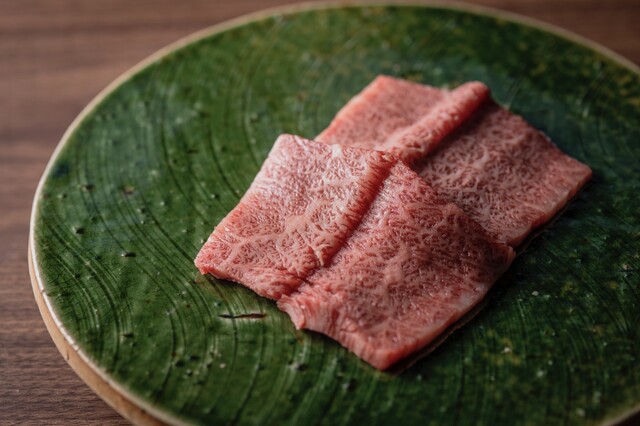
Hotels in Takasaki
Browse all →
Wineries in Takasaki
Browse all →
At a Glance
- Cozy
- Modern
- Trendy
- Casual Hangout
- Family
- Solo
- After Work
- Standalone
- Design Destination
- Beer Program
- Local Sourcing
A small, stylish space with warm wood interiors and a relaxed, cozy feel, suited to both solo diners and families; non-smoking inside with a casual neighborhood-burger-shop atmosphere.