
Yakitori Ko no Ji gives Takasaki a serious counterpoint to the city’s broader casual dining map: a 16-seat counter focused on grilled chicken skewers and izakaya drinking culture, priced in the JPY 4,000–4,999 dinner band. Its Tabelog 100 Yakitori EAST selections in 2023, 2024, and 2025 place it in a regional conversation that extends beyond Gunma.
Pearl is the En Primeur Club membership app — saves, bookings, and concierge access live there. Same editors, same standards.
- Address
- 106-5 Tamachi, Takasaki, Gunma 370-0824, Japan
- Phone
- +81 27-322-7873
- Website
- instagram.com
 Saves & bookings on Pearl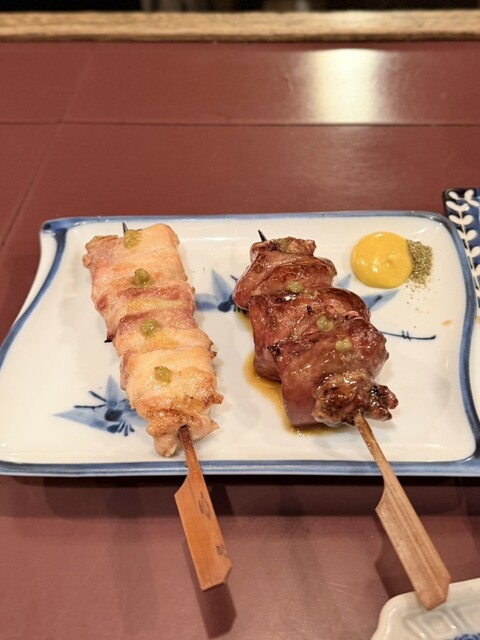
The room is built around the counter, which matters in yakitori more than décor ever will. Skewers are not simply carried from a hidden kitchen; the format makes heat, timing, smoke, and pacing visible. In Takasaki, where dining often shifts between station-area ramen, soba, grilled meat, and izakaya drinking, this kind of compact yakitori counter gives the city a sharper evening register: small capacity, direct cooking, and a meal structured by the grill rather than by a long printed menu.
Yakitori’s seriousness comes from sourcing discipline as much as technique. The cuisine looks simple from a distance, but the hierarchy is built on bird selection, portioning, tare management, charcoal control, and how each skewer is sequenced against drink. Yakitori Ko no Ji sits in that tradition as a 16-counter-seat operation classified around grilled chicken skewers and izakaya service, with sake, shochu, and wine forming the drinking spine. Its inclusion in Tabelog 100 Yakitori EAST in 2023, 2024, and 2025 gives the address a credential that matters in Japan’s review-driven dining culture, especially outside the Tokyo gravitational field.
A yakitori counter where sourcing discipline sets the meal's rhythm
Ingredient sourcing is the quiet test of yakitori. A serious counter has to make varied parts of the chicken feel coherent without flattening them into the same seasoning profile. That requires a kitchen comfortable with contrast: lean and fatty cuts, skin and muscle, salt and tare, quick heat and slower rendering. The value is not in theatrical plating; it is in whether the grill can turn a narrow ingredient vocabulary into a paced dinner that holds attention.
That is why the izakaya label should not be read as casual in the careless sense. In Japan, many of the country’s strongest drinking restaurants operate inside formats that look modest on paper. The counter, the grill, and the alcohol list do the work. Sake and shochu are natural partners for yakitori because they allow salt, smoke, and fat to stay in focus; wine signals a broader drinking lane without changing the underlying grammar of the meal.
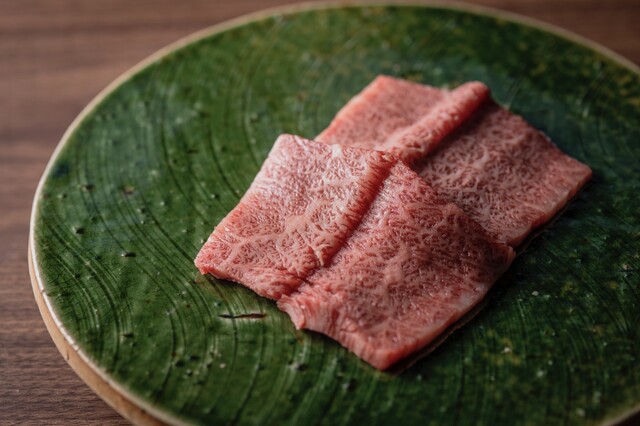
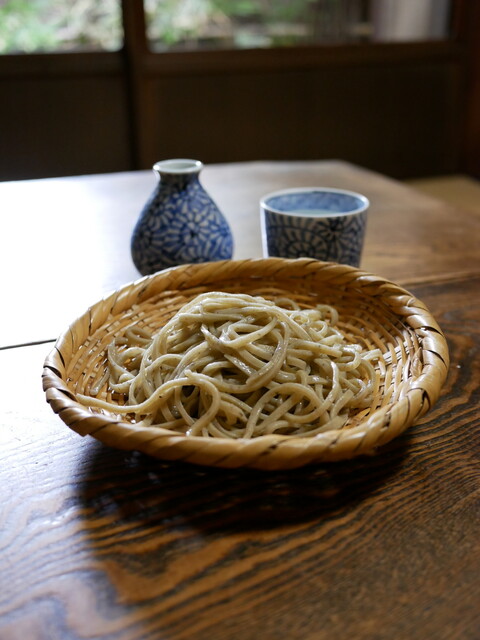
Takasaki’s restaurant map makes this more interesting. The city is not a single-cuisine destination; it rewards eaters who move across formats. Ramen specialists such as Chuka Soba Narugami Shokudo and Jikaseimen Kuromatsu define one kind of precision, while soba rooms such as Bommi Sobakiri represent another. Grilled-meat addresses, including Beef Laboratory and BRAZIL GRILL, show how protein-focused dining can range from casual abundance to more controlled specialist cooking. Against that backdrop, yakitori occupies a middle ground: less formal than a long-course restaurant, more exacting than a standard tavern.
Why the Tabelog 100 signal matters outside Tokyo
Japan’s yakitori conversation is often pulled toward metropolitan counters, but regional recognition changes the calculation. A Tabelog 100 Yakitori EAST selection places a restaurant into a list built around category rather than general popularity. For a Takasaki counter, repeated selection across three consecutive years is a meaningful trust signal because it suggests consistency in a cuisine where small variations in sourcing, grill management, and service tempo are quickly exposed.
The price band also matters. Dinner at JPY 4,000–4,999 positions the restaurant below the city’s higher-ticket dining tier, such as Potoro, and above quick-service formats like Jikaseimen Kuromatsu. That middle bracket is often where yakitori is at its strongest: expensive enough to support careful purchasing and skilled grilling, not so formal that the izakaya roots disappear. The counter-only setup reinforces that reading. This is not a room designed for sprawling groups or ceremony; it is built for close-range eating, drinking, and watching the grill dictate the pace.
There is a useful caution here for travelers building a Takasaki itinerary. The appeal is not breadth. A 16-seat counter with no private rooms and an adult-oriented drinking format belongs to a narrower category than a family restaurant, hotel dining room, or sightseeing-adjacent lunch stop. Readers comparing dinner options across the full Takasaki restaurants guide should treat it as a specialist evening choice rather than a flexible default.
How to place it in a wider Japan itinerary
For travelers using Takasaki as part of a broader Japan trip, the draw is contrast. Tokyo, Osaka, Sapporo, Kamakura, Kawasaki, and Kumamoto all have deep dining ecosystems, but regional counters can reveal how national formats behave away from larger-city pressure. A grilled-beef stop such as -Grilled beef Sukiyaki- KAMAKURA TANUKIAN 鎌倉 たぬき庵 in Kamakura, a charcoal-focused Tokyo address such as. 鮪と炭火焼き うお炭 秋葉原店 in Tokyo, or a casual Osaka stop like.cafe in Osaka each expresses a different register of Japanese dining. Takasaki’s yakitori scene is quieter, but the counter format gives it directness.
That same comparison works across cuisine types..know in Kumamoto, (Shoku) Vietnam in Kawasaki, and [Curry Senmon Ten] Maruyama Kyoju. in Sapporo show how Japanese cities absorb outside influences and everyday formats into local routines. Overseas Japanese-leaning venues such as Jōdo Saké Bar in Los Angeles and Onigiri Time in Pasadena can echo parts of that vocabulary, but a small counter in Gunma operates under different expectations: fewer gestures, tighter proximity, and more dependence on grill-side execution.
The practical read is narrow but clear. Yakitori Ko no Ji is for adults who want a counter meal centered on chicken, smoke, and drinks, not a broad-menu restaurant built to satisfy every preference at the table. In a city where dining choices stretch from noodles to beef to soba, that specificity is the point. For trip planning beyond dinner, EP Club’s Takasaki coverage also maps the surrounding hospitality and leisure context through the Takasaki hotels guide, Takasaki bars guide, Takasaki wineries guide, and Takasaki experiences guide.
Fast Comparison
Comparable venues by cuisine and price in the same metro.
| Venue | Cuisine | Price | Notes |
|---|---|---|---|
| Yakitori Ko no JiThis venue — the venue you are viewing | Traditional Yakitori | $$ | Not listed |
| Takasaki Geijutsu Yasai to Italian Pizza Maro | Neapolitan-style Italian Pizzeria | $$ | Takasaki |
| Jikaseimen Kuromatsu | Japanese Ramen | $ | Yanagawamachi, Takasaki |
| The Good Bear Burger | American-style Burger Shop | $$ | Kaizawamachi, Takasaki |
| Teuchi Soba Maizuru | Handmade soba & izakaya | $$ | Takasaki |
| Bommi Sobakiri | Traditional Japanese soba noodle shop | $ | .null |
Recognition history
Dated appearances from independent guides and award organizations, with the underlying list record or original source where available.
Tabelog 100 #29 · No. 29
Tabelog · Tabelog 100 - Yakitori - EAST - 2025
Continue exploring
More in Takasaki
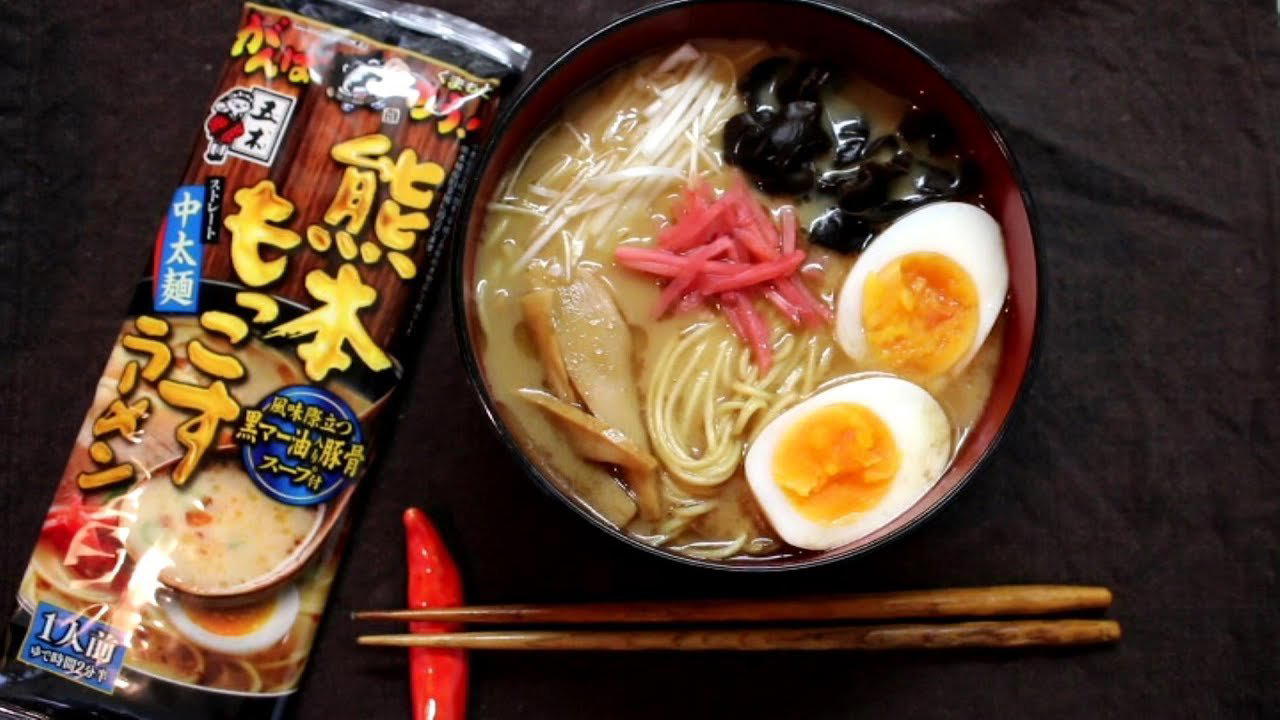
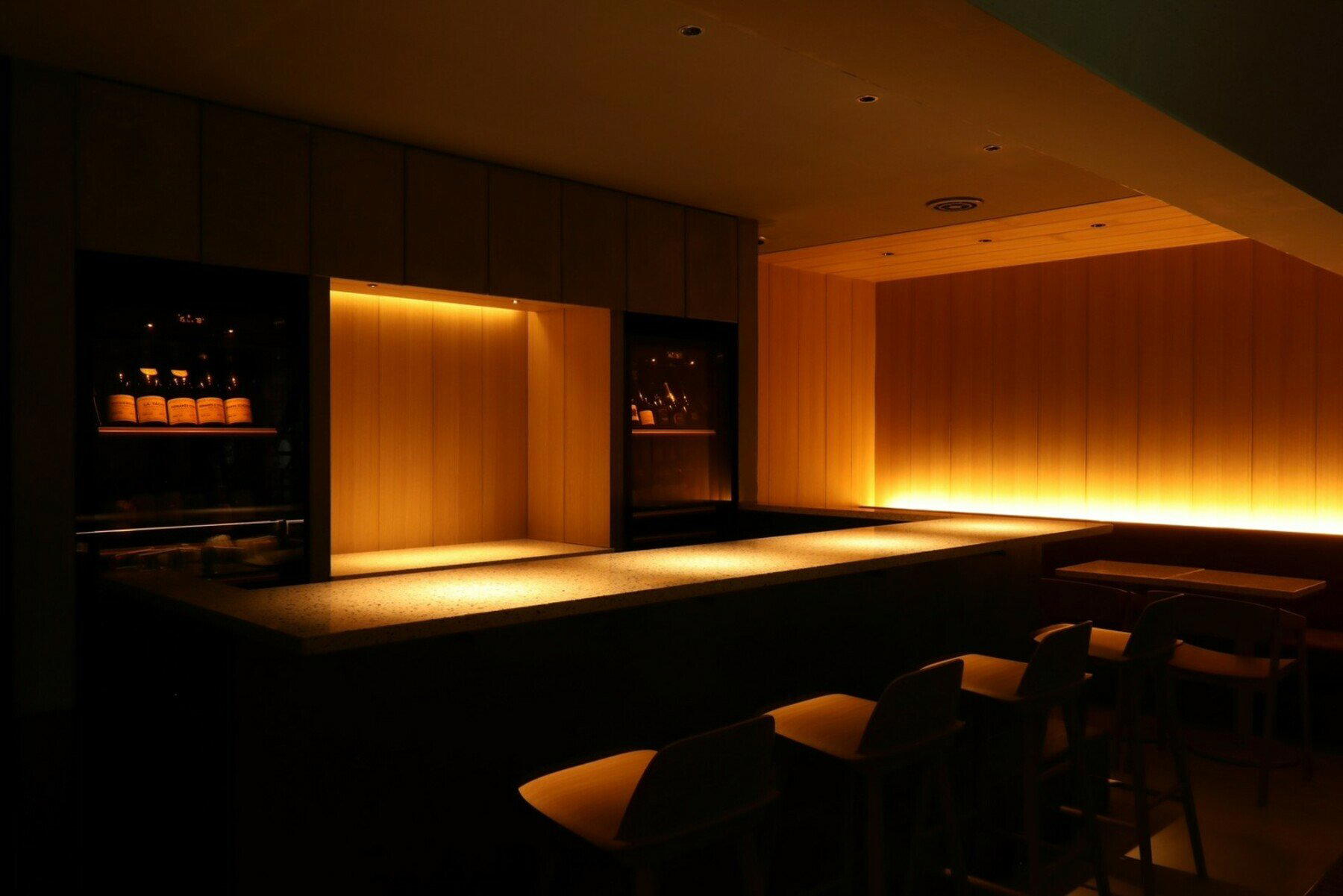
Restaurants in Takasaki
Browse all →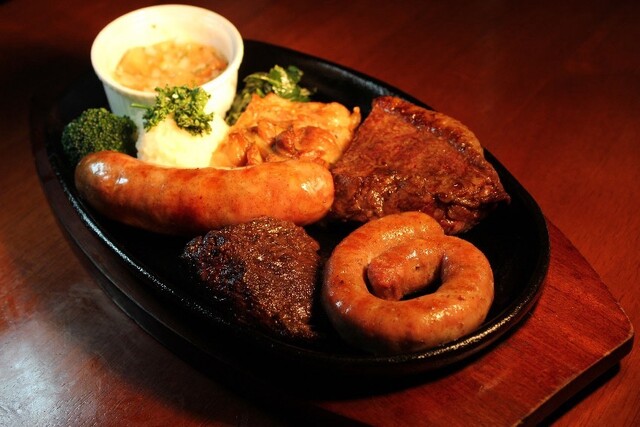
Hotels in Takasaki
Browse all →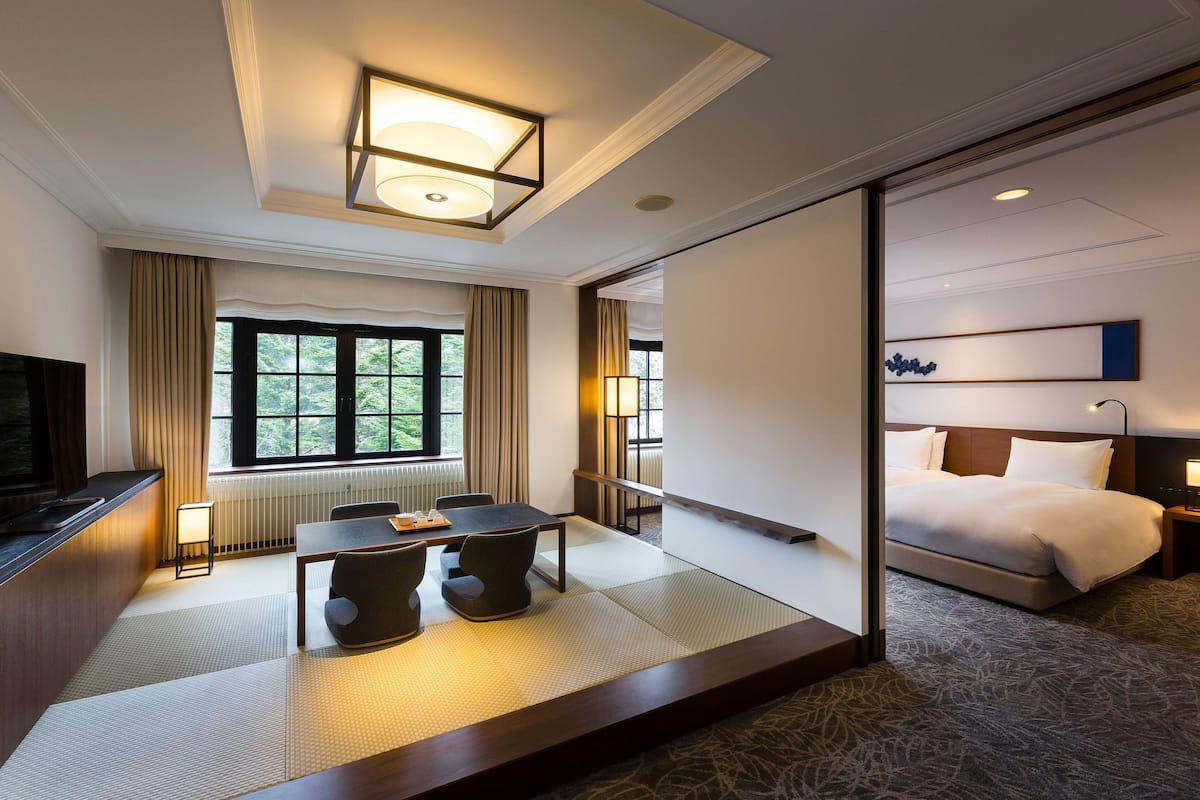
Wineries in Takasaki
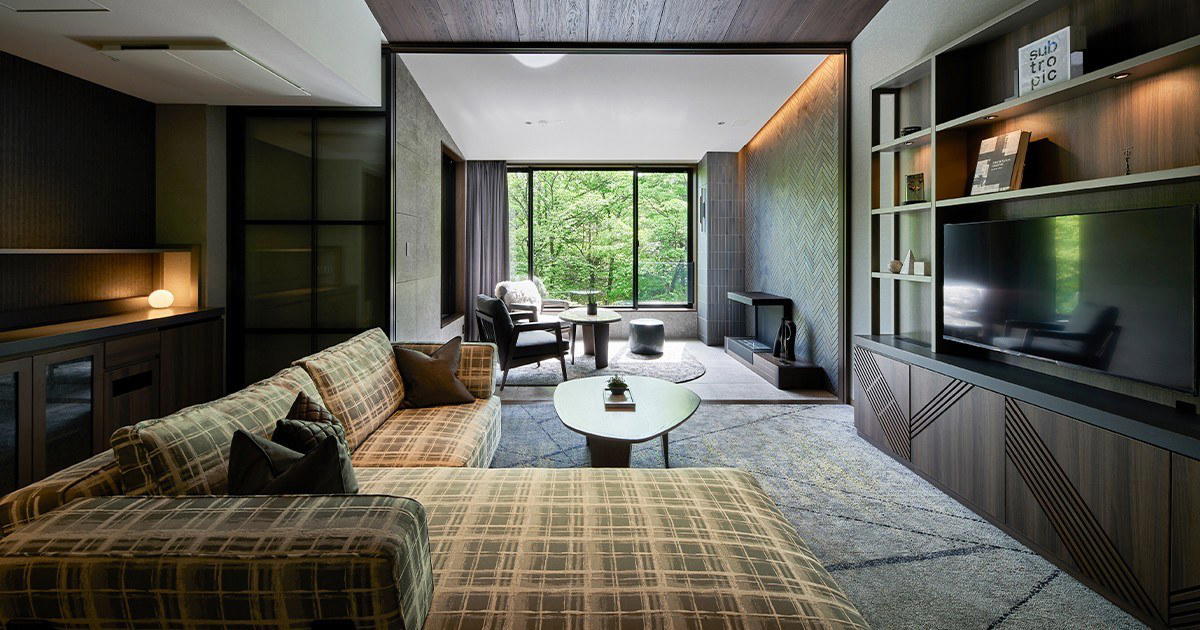
Browse all →
At a Glance
- Cozy
- Lively
- After Work
- Casual Hangout
- Group Dining
- Solo
- Standalone
- Beer Program
- Sake Program
Current opening hours
- Monday
- Closed
- Tuesday
- 5–10 PM
- Wednesday
- 5–10 PM
- Thursday
- Closed
- Friday
- 5–10 PM
- Saturday
- 5–10 PM
- Sunday
- Closed
Hours can change for holidays and private events. Last verified .
Typical small Japanese yakitori shop atmosphere: casual, bustling, and cozy, with guests focused on skewers and drinks rather than formal dining.