The Gold Mirror
Among San Francisco's Italian institutions, The Gold Mirror occupies a specific register: a neighborhood dining room with decades of accumulated loyalty, pitched against the city's newer wave of Italian cooking. Where contemporaries lean into wood-fired formats and regional Italian sourcing, The Gold Mirror maintains a more traditional table, drawing regulars who value continuity over novelty.
Pearl is the En Primeur Club membership app — saves, bookings, and concierge access live there. Same editors, same standards.
- Address
- 800 Taraval St, San Francisco, CA 94116
- Phone
- (415) 564-0401
- Website
- thegoldmirrorsf.com
- Directions
- Get directions
 Saves & bookings on Pearl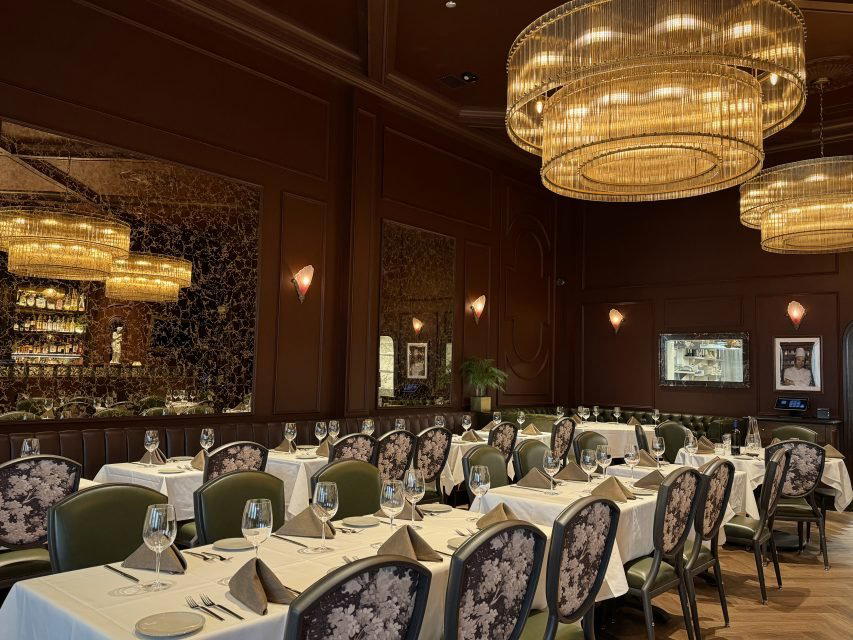
Red Sauce, Long Memory: Italian Tradition in San Francisco
San Francisco has been rewriting its Italian dining identity for the better part of two decades. The city that once defined Italian-American cooking on the West Coast now hosts a dense tier of regionally specific Italian restaurants, from Cotogna's wood-fired Venetian-influenced plates to Belotti Ristorante e Bottega's Piedmontese precision. Amid that ongoing revision, older Italian institutions occupy a different position: they are not competing on trend, they are competing on trust. The Gold Mirror is a Classic Italian Trattoria in San Francisco, with a reputation built on accumulated decades.
Understanding The Gold Mirror requires understanding the arc of Italian cooking in San Francisco specifically. The city's Italian heritage runs deep, the North Beach neighborhood was shaped by Ligurian and Sicilian immigrants from the late nineteenth century onward, and the Italian-American table that emerged from that community became a civic institution in its own right. Long before Che Fico or Fiorella brought younger interpretations of the form, places like The Gold Mirror were the reference points, dining rooms where the measure of quality was consistency across years, not novelty within a season.
The Room and What It Tells You
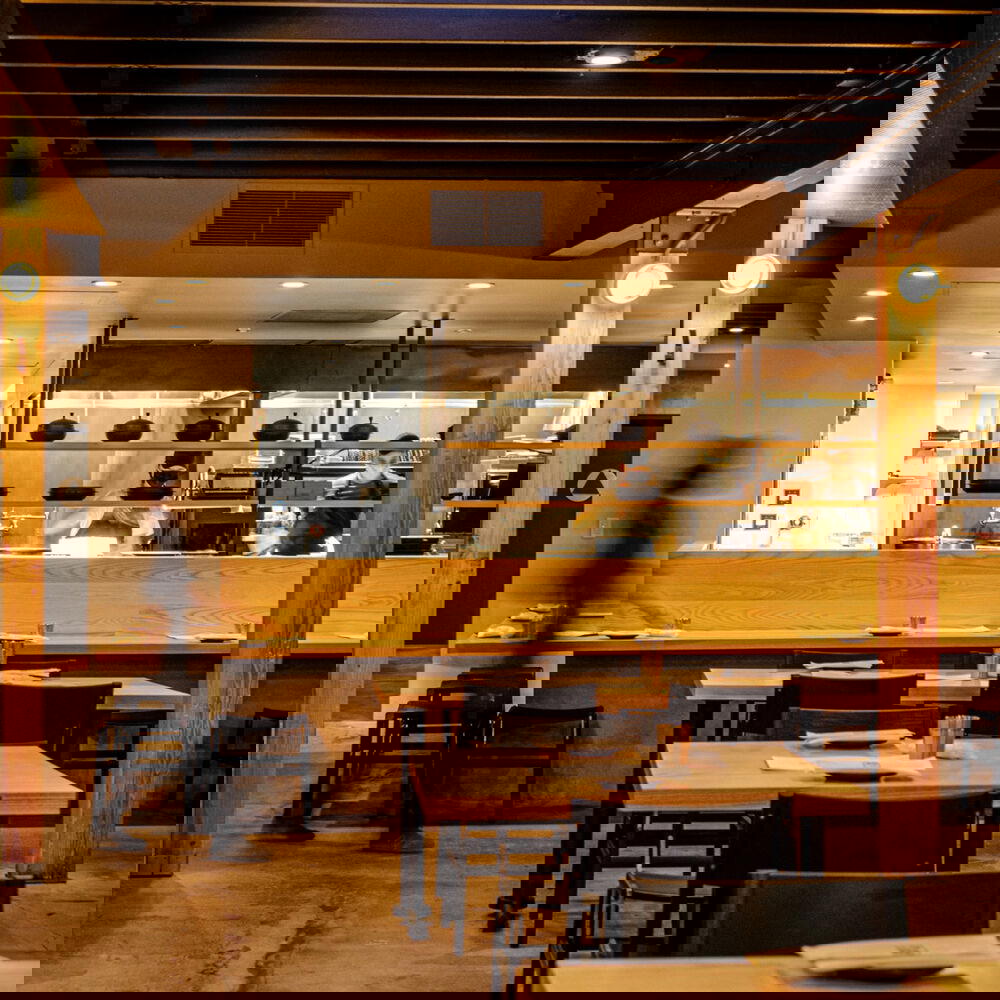
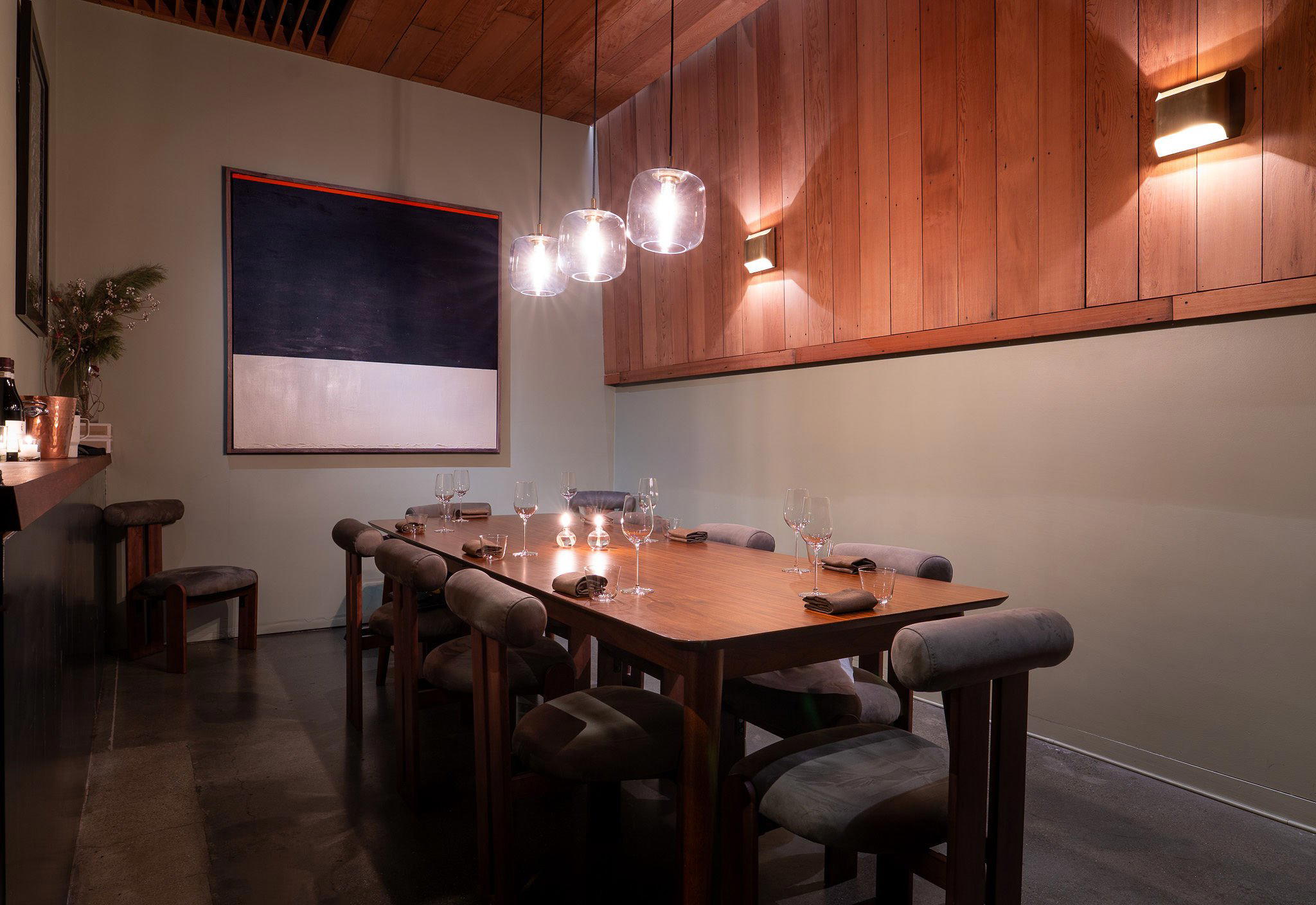
Walk into the restaurant and the visual language is immediately legible: this is a restaurant shaped by a different era of dining, when the obligation of an Italian restaurant was to feel like a warm, unhurried room rather than a statement of culinary identity. The mirrors that give the place its name do more than reflect light, they signal a particular tradition of Italian-American hospitality in which generosity of atmosphere was considered as important as the food itself. That tradition is increasingly scarce in a city that has tilted sharply toward the spare and the architectural in its restaurant interiors.
This is not nostalgia for its own sake. Across the country, certain older Italian-American dining rooms have proven remarkably durable precisely because they offer something the newer wave does not: the comfort of predictability. The regulars who return to places like The Gold Mirror are not eating against a trend, they are eating against a memory, and the kitchen's job is to honor that. It is a different contract than the one between a tasting-menu restaurant and its guests, but it is no less demanding.
Where The Gold Mirror Sits in the San Francisco Italian Tier
San Francisco's Italian restaurants now occupy a wide range of registers. At the upper end, Cotogna and Belotti operate within the contemporary Italian framework, sourcing-driven, regionally specific, priced accordingly. Below that, a middle tier of neighborhood-facing trattorias like Beretta offers a more accessible but still modern interpretation of Italian cooking. The restaurant occupies a distinct position from both: it belongs to the tradition of the Italian-American neighborhood restaurant, a category that carries its own codes, generous portions, familiar preparations, a dining room that functions as much as a social institution as a culinary one.
That position is not a consolation prize. Internationally, the durability of the Italian-American tradition is visible in cities far from Italy itself. In Hong Kong, 8½ Otto e Mezzo Bombana demonstrates how Italian cooking can hold serious authority in an entirely different cultural context; in Kyoto, cenci shows how Italian culinary logic can be filtered through a completely different culinary tradition. The restaurant's version of that transplantation is specifically Californian and specifically San Franciscan, shaped by the city's immigrant history and the neighborhood loyalty that grew from it.
Within California's broader fine-dining circuit, the restaurant occupies a different register than destination restaurants like Single Thread Farm in Healdsburg or The French Laundry in Napa, both of which demand advance planning and premium pricing. It also differs fundamentally in format from nationally recognized Italian-influenced programs at institutions like Le Bernardin in New York City or Alinea in Chicago. The restaurant's comparable set is local and specific: it competes for the loyalty of the San Francisco diner who wants a reliable Italian room rather than a curated tasting experience.
The Cultural Weight of the Italian-American Table
The Italian-American dining tradition that restaurant represents is worth examining on its own terms, separate from contemporary debates about authenticity. The cooking that emerged from Italian immigration to California was not a degraded copy of Italian regional cuisine, it was a distinct synthesis, shaped by the ingredients available on the West Coast, the tastes of a community establishing itself in a new country, and the particular economics of running a restaurant in a pre-luxury dining era. Dishes that would be dismissed by a regional Italian purist carry genuine cultural weight as records of that synthesis.
That context matters when reading a place like The Gold Mirror. Comparing it unfavorably to a regionally specific contemporary Italian restaurant misses the point in both directions. The relevant question is not whether the restaurant matches the sourcing credentials of a newer restaurant, but whether it executes its own tradition with integrity and consistency. That is the lens through which its regulars assess it, and it is the appropriate editorial lens as well.
Planning Your Visit
For readers approaching the restaurant fresh, a few practical orientations are worth setting. The restaurant draws a neighborhood clientele with long-standing habits, which means the dining room can feel closed-off to newcomers on busy evenings. Arriving with some awareness of the room's social texture, this is a place where regulars are known and acknowledged, helps calibrate expectations. Booking ahead for weekend evenings is advisable, as the room fills with repeat visitors rather than walk-in traffic.
Just the Basics
Comparable venues nearby, for context on price, style, and recognition.
| Venue | Cuisine | Price | Notes |
|---|---|---|---|
| The Gold MirrorThis venue — the venue you are viewing | Not listed | $$$ | Not listed |
| MONTESACRO Marina | Marina, Roman Pinseria | $$$ | Not listed |
| Tosca Cafe | North Beach, Modern Italian-American | $$$ | Not listed |
| Bar Coto | Not listed | $$$ | Jackson Square, Casual Italian Cafe & Aperitivo Bar |
| Sociale | Not listed | $$$ | Presidio Heights, Northern Italian Rustic Trattoria |
| Cesario's | Nob Hill, Northern Italian Comfort Food | $$ | Not listed |
Continue exploring
More in San Francisco
Restaurants in San Francisco
Browse all →
Bars in San Francisco
Browse all →
Hotels in San Francisco
Browse all →






At a Glance
- Classic
- Cozy
- Intimate
- Family
- Group Dining
- Casual Hangout
- Historic Building
- Craft Cocktails
- Local Sourcing
Current opening hours
- Monday
- Closed
- Tuesday
- Closed
- Wednesday
- 4–9 PM
- Thursday
- 4–9 PM
- Friday
- 4–9 PM
- Saturday
- 4–9 PM
- Sunday
- 4–9 PM
Hours can change for holidays and private events. Last verified .
Old-school Italian with medieval-inspired decor, warm family atmosphere, and bustling energy like walking back in time.