Cesario's
Cesario's occupies a Nob Hill address at 601 Sutter Street where the neighborhood's old-money discretion sets the tone before you've touched the door. The restaurant draws a notably loyal clientele, the kind that returns on rhythm rather than occasion, suggesting a kitchen that has quietly earned its place in San Francisco's competitive dining scene. For the city's regulars, it represents a reliable counterpoint to the tasting-menu theater dominating the upper tier.
Pearl is the En Primeur Club membership app — saves, bookings, and concierge access live there. Same editors, same standards.
- Address
- 601 Sutter St, San Francisco, CA 94102
- Phone
- +14154419898
- Website
- italiansf.com
- Directions
- Get directions
 Saves & bookings on Pearl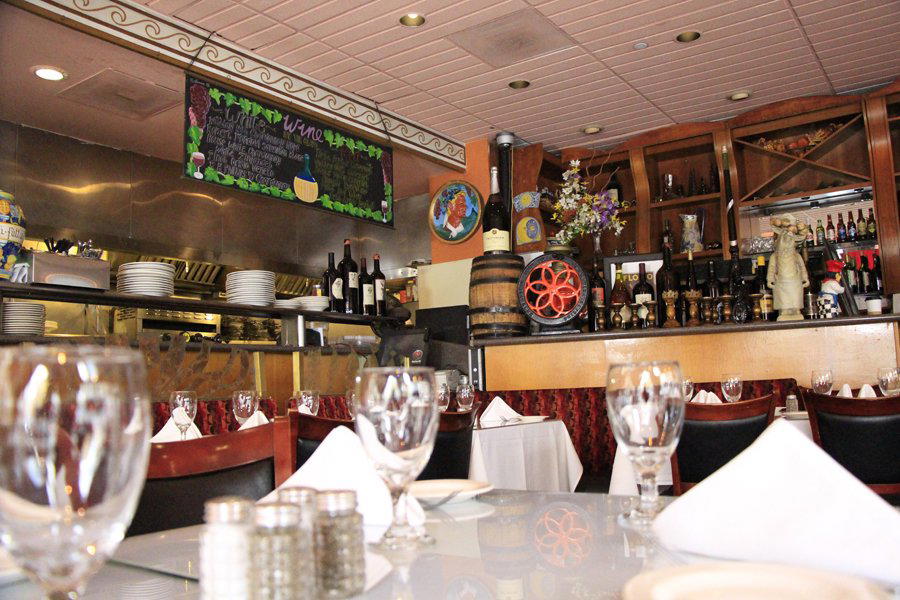
What Brings Regulars Back to Nob Hill
San Francisco's restaurant culture has bifurcated sharply in recent years. At one end sits the tasting-menu tier, Lazy Bear, Atelier Crenn, Benu, Quince, and Saison, where the format is fixed, the pacing is orchestrated, and the transaction is fundamentally theatrical. At the other end, a narrower set of addresses has maintained something quieter: rooms where the return visitor is the assumed guest, not the exception. Cesario's at 601 Sutter Street sits in that second category, occupying a Nob Hill position that carries its own editorial weight. This is not a neighborhood that tolerates novelty for its own sake. The regulars who have claimed tables here over repeated visits have done so because the restaurant delivers on a consistent set of terms, and that consistency, in a city where kitchens pivot constantly, is its own form of ambition.
The Nob Hill Setting and What It Signals
Nob Hill has always operated on different frequencies from SoMa's experimental kitchens or the Mission's casual intensity. The neighborhood's dining character tilts toward discretion: rooms that do not need to announce themselves, addresses that accumulate loyalty rather than chase new attention. Cesario's address on Sutter Street places it squarely in that tradition. The surrounding blocks carry the kind of settled confidence that discourages overstatement, grand hotels, private clubs, and a residential density that skews toward people who have been eating well in this city for decades. For a restaurant, that geography is both an asset and a standard to meet. The regulars it attracts are not driven by social media cycles or opening-week curiosity. They return because the room and the table have earned a place in their rotation.
Across the United States, the restaurants that sustain this kind of loyalty tend to share certain structural features: a format that does not require explanation on each visit, a staff culture that prioritizes recognition over performance, and a kitchen that understands its audience well enough to avoid the kind of constant reinvention that flatters the chef at the expense of the guest. Le Bernardin in New York City and The Inn at Little Washington have each built decades of clientele loyalty on precisely this model. In San Francisco, where the ambient pressure toward format experimentation is high, maintaining that kind of stable offer carries genuine competitive value.
Reading the Room: What Loyal Diners Know
The regulars' perspective on any restaurant is a different document from the first-time visitor's experience. First-timers read the menu as a list of options. Regulars read it as a map of the kitchen's actual strengths, the dishes that appear regardless of season, the preparations that remain consistent across months, the small choices that signal what the kitchen does with genuine confidence versus what it rotates to signal range. At addresses like Cesario's, this kind of accumulated knowledge separates a visitor who had a pleasant dinner from one who has genuinely eaten there.
This pattern plays out at the upper tier of American dining as well. At Smyth in Chicago, Frasca Food and Wine in Boulder, and Addison in San Diego, the guest who returns four times a year is operating with information that no review or guide can fully transmit. They know the leading seats in the room, the right time to arrive, and which elements of the menu reflect the kitchen's core identity rather than seasonal obligation. Building that guest, rather than chasing first-time traffic, requires a restaurant to hold its nerve against the pressure to constantly refresh.
San Francisco's Broader Context
San Francisco remains among the more demanding dining cities in North America for sustained operation. The cost structure is steep, the labor market is tight, and the guest base is literate enough about food that mediocrity surfaces quickly in the conversation. The restaurants that have built durable positions here, whether at the Michelin-recognized end of the market or in the middle tiers, have generally done so by committing to a clear identity rather than trying to occupy multiple registers simultaneously.
For context, the city's confirmed tasting-menu leaders operate at price points and booking windows that place them in direct conversation with destinations like The French Laundry in Napa, Single Thread Farm in Healdsburg, and, nationally, Providence in Los Angeles, Blue Hill at Stone Barns in Tarrytown, Atomix in New York City, and Emeril's in New Orleans. The restaurant operates outside that specific conversation, which is not a criticism, it is a description of a different competitive set, one defined less by trophy-shelf recognition and more by the kind of reliability that keeps a loyal clientele in steady rotation.
Internationally, the model of neighborhood loyalty over destination status has produced particularly durable restaurant careers, including at places like Atelier Moessmer Norbert Niederkofler in Brunico, where regional rootedness has proved more defensible than chasing broader recognition. The principle translates across different contexts: a restaurant that knows exactly who it is cooking for, and does so with consistency, tends to outlast restaurants chasing a broader audience.
Planning Your Visit
The restaurant is located at 601 Sutter Street, San Francisco, CA 94102, in the Nob Hill district, within walking distance of the major cable car lines and a short ride from Union Square. Given the neighborhood's character, the expectation on arrival skews toward smart casual at minimum, though the surrounding hotel and club environment suggests that dressing up is neither required nor out of place. The restaurant is recommended for reservations and typically runs smart casual service at about $35 per person.
Same-City Peers
Comparable venues nearby, for context on price, style, and recognition.
| Venue | Cuisine | Price | Notes |
|---|---|---|---|
| Cesario'sThis venue — the venue you are viewing | Northern Italian Comfort Food | $$ | Not listed |
| Caffé Sport | Authentic Sicilian Seafood | $$ | North Beach |
| Barbara Pinseria | Roman-Inspired Italian Pinsa & Cocktails | $$ | North Beach |
| Bocconcino | Tuscan-Inspired Italian Trattoria | $$ | North Beach |
| Il Borgo | Authentic Italian Trattoria | $$ | Hayes Valley |
| Magic Flute | California-Italian Trattoria | $$ | Presidio Heights |
Continue exploring
More in San Francisco
Restaurants in San Francisco
Browse all →
Bars in San Francisco
Browse all →
Hotels in San Francisco
Browse all →
At a Glance
- Cozy
- Classic
- Intimate
- Date Night
- Casual Hangout
- Special Occasion
- Standalone
- Extensive Wine List
Current opening hours
- Monday
- 11:30 AM–10 PM
- Tuesday
- 11:30 AM–10 PM
- Wednesday
- 11:30 AM–10 PM
- Thursday
- 11:30 AM–10 PM
- Friday
- 11:30 AM–10 PM
- Saturday
- 11:30 AM–10 PM
- Sunday
- 11:30 AM–10 PM
Hours can change for holidays and private events. Last verified .
Warm, cozy, and intimate with immaculate decor reminiscent of 1950s San Francisco, featuring close-together tables and a charming classic atmosphere.