Belotti Ristorante e Bottega

A Michelin Plate honoree for 2024 and 2025, Belotti Ristorante e Bottega occupies a quiet stretch of College Avenue in Oakland's Rockridge neighborhood, carrying the kind of regional Italian seriousness rarely found at its price point. The dual ristorante-and-bottega format positions it between a full-service dining room and a specialty provisions shop, making it a useful anchor for understanding how Italian food culture has taken root across the Bay Area.
Pearl is the En Primeur Club membership app — saves, bookings, and concierge access live there. Same editors, same standards.
- Address
- 5403 College Ave, Oakland, CA 94618
- Phone
- (510) 788-7890
- Website
- belottirb.com
- Directions
- Get directions
 Saves & bookings on Pearl
College Avenue and the Italian Dining Tradition It Carries
The stretch of College Avenue that runs through Oakland's Rockridge district has, over the past two decades, become one of the more interesting corridors for serious neighborhood dining in the Bay Area. It is not the city's flashiest address, and that is precisely the point. The restaurants that have earned sustained recognition here tend to operate on the logic of the neighborhood trattoria: a manageable menu, honest sourcing, and a format that rewards repeat visits over spectacle. Belotti Ristorante e Bottega, at 5403 College Ave, fits that pattern and has refined it across consecutive Michelin Plate recognitions in 2024 and 2025.
The Michelin Plate designation is worth contextualizing. It sits below the starred tiers but represents Michelin's explicit acknowledgment of good cooking, distinguishing it from the broader population of uninspected or unrecognized restaurants. For a neighborhood Italian at the $$ price range, back-to-back Plate recognition places Belotti in a specific competitive tier: above the casual red-sauce standard, well below the $$$$ Italian luxury of Cotogna or the three-starred contemporary precision of Quince, and operating in a middle register where value-to-craft ratios tend to be most instructive for the interested diner.
The Ristorante-Bottega Format and What It Signals
Dual format embedded in Belotti's name is not decorative. Across northern Italy, the bottega tradition runs alongside the ristorante one: a retail space selling provisions, pasta, and prepared goods that functions both as a neighborhood resource and as a statement about how a kitchen thinks about ingredients. When this model travels to the United States, it tends to signal a restaurant positioning itself against the commodified end of Italian-American dining. It is a declaration that the pantry matters as much as the pass.
Bay Area Italian has increasingly split along this fault line. On one side sit the high-volume, crowd-pleasing pasta programs at restaurants like Fiorella and Beretta, which prioritize accessibility and throughput. On the other, more craft-focused programs at Flour + Water and Che Fico have built audiences around fermentation, regional specificity, and sourcing transparency. Belotti occupies a different position still: it draws on the bottega tradition to anchor its identity in Italian provisions culture rather than in any particular regional or technique-forward narrative.
This is also how Italian dining in diaspora cities has evolved globally. The conversation at 8 1/2 Otto e Mezzo Bombana in Hong Kong happens at the luxury end; cenci in Kyoto represents a more philosophical cross-cultural negotiation. Belotti's contribution is quieter: it makes a case for Italian ingredient culture as a daily practice, not an occasion.
How the Venue Has Evolved: From Neighborhood Opening to Sustained Recognition
The editorial angle that Belotti's trajectory most rewards is not origin story but durability. Earning a Michelin Plate in a single year is achievable; earning it twice, consecutively, while operating at the $$ price range in a market as expensive and competitive as the Bay Area, is a more useful signal about the kitchen's consistency and the operation's stability.
The Rockridge location has always positioned Belotti as an Oakland restaurant first, even as its recognition has drawn cross-bay diners from San Francisco. This matters because Oakland's dining culture has, over the same period, shifted from being San Francisco's less-glamorous neighbor to producing restaurants with independent reputations. Belotti's sustained recognition is part of that broader repositioning, even if the restaurant itself has remained focused on its immediate neighborhood rather than playing to a wider audience.
What a Plate-level Italian at this price tier also signals, over two consecutive Michelin cycles, is that the format has not been abandoned or diluted in the pursuit of scale. Some neighborhood restaurants that earn early recognition respond by expanding seating, adding prix-fixe tiers, or chasing a different category of diner. The evidence here suggests Belotti has remained in its lane. That kind of restraint is harder to sustain than it looks, particularly as comparable Bay Area Italian programs push toward the $$$$ end of the market.
Placing Belotti in the Bay Area Italian Context
Italian cooking in the Bay Area has always had a slightly different character than its counterparts in New York or Chicago. The proximity to California's agricultural systems has meant that even mid-range Italian programs tend to work with produce quality that would be exceptional elsewhere. This shapes the cooking in ways that do not necessarily read as innovation but show up as ingredient clarity. A tomato sauce tastes different when the tomatoes are picked closer and used faster; a pasta dish with local greens carries a kind of freshness that is structural, not decorative.
For readers planning a broader Bay Area dining itinerary, Belotti represents the kind of stop that complements the larger-budget, higher-concept restaurants rather than competing with them. If the evening includes Quince or a reservation further afield at Single Thread Farm in Healdsburg or The French Laundry in Napa, a lunch or early dinner at Belotti reads as a palate calibration, not a compromise. The $$ price point also makes it a more useful guide to everyday Bay Area Italian than a starred room would be.
For comparison across the national Italian dining spectrum, the gap between what a Michelin Plate Italian delivers at $$ in Oakland and what a four-star tasting room delivers at places like Le Bernardin in New York City or Alinea in Chicago is not just price. It is a completely different theory of what a restaurant is for. Belotti's model is closer to the European neighborhood anchor: present, consistent, embedded in daily life rather than reserved for it.
Planning Your Visit
Belotti is located at 5403 College Ave in Oakland's Rockridge neighborhood, accessible from San Francisco via BART to the Rockridge station, with College Avenue a short walk from the exit. The $$ Checking availability in advance, particularly for parties of three or more, is the practical approach. The bottega component also makes it worth arriving with time to browse provisions before or after a meal.
For those building a fuller itinerary, EP Club's guides to San Francisco restaurants, San Francisco hotels, San Francisco bars, San Francisco wineries, and San Francisco experiences provide the broader context. Further afield, Emeril's in New Orleans and Providence in Los Angeles offer reference points for thinking about how regional American dining has developed alongside and apart from San Francisco's particular culinary trajectory.
Cuisine Lens
| Venue | Cuisine | Price | Awards |
|---|---|---|---|
| Belotti Ristorante e BottegaThis venue — the venue you are viewing | Italian | $$ | Michelin Plate (2025); Michelin Plate (2024) |
| Lazy Bear | Progressive American, Contemporary | $$$$ | Michelin 2 Star |
| Benu | French - Chinese, Asian | $$$$ | Michelin 3 Star |
| Atelier Crenn | Modern French, Contemporary | $$$$ | Michelin 3 Star |
| Quince | Italian, Contemporary | $$$$ | Michelin 3 Star |
| Saison | Progressive American, Californian | $$$$ | Michelin 2 Star |
Recognition history
Dated appearances from independent guides and award organizations, with the underlying list record or original source where available.
Michelin Plate
Michelin · 2026 Michelin Plate
Michelin Plate
Michelin
Michelin Plate
Michelin
Continue exploring
More in San Francisco
Restaurants in San Francisco
Browse all →
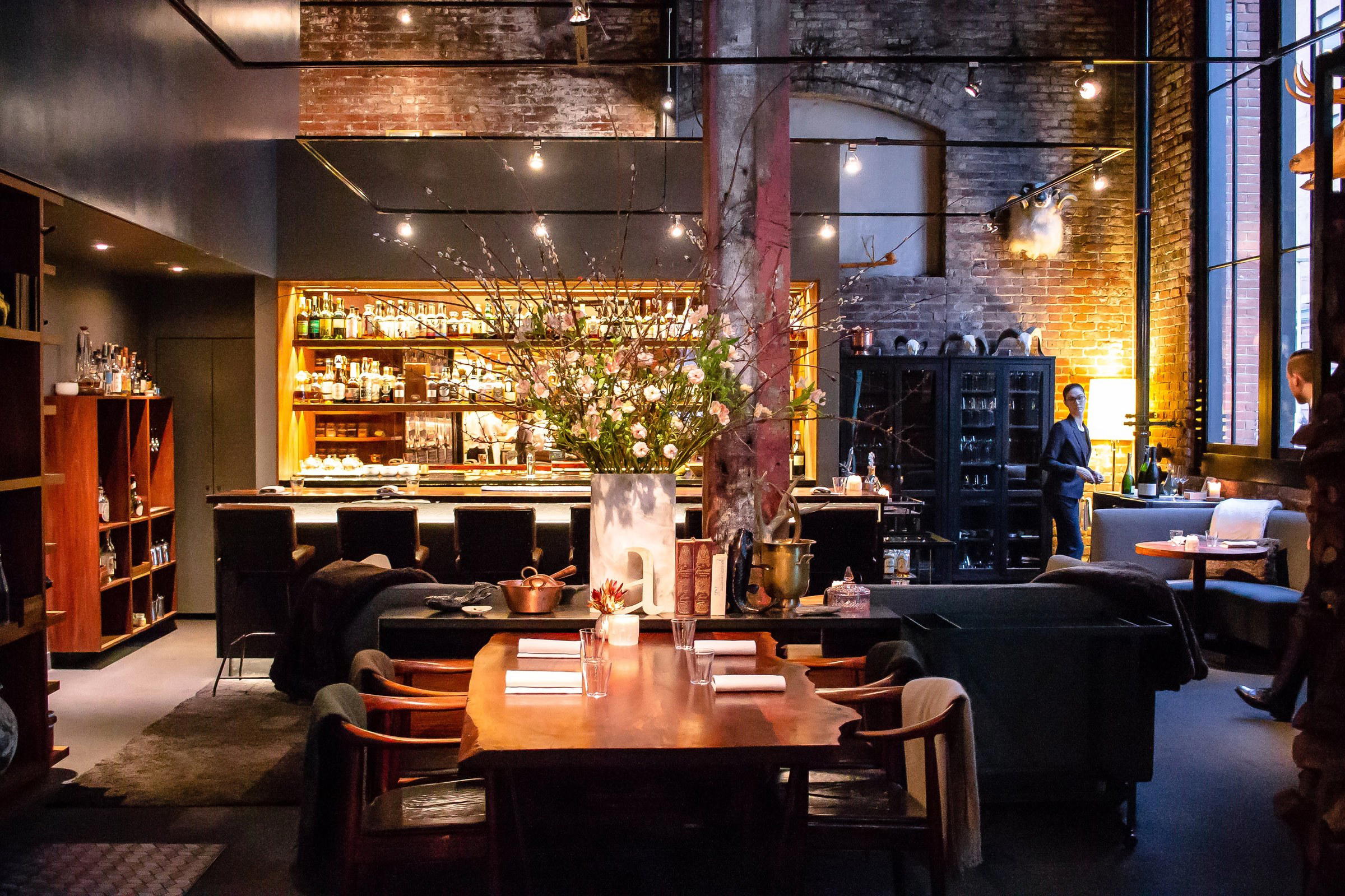
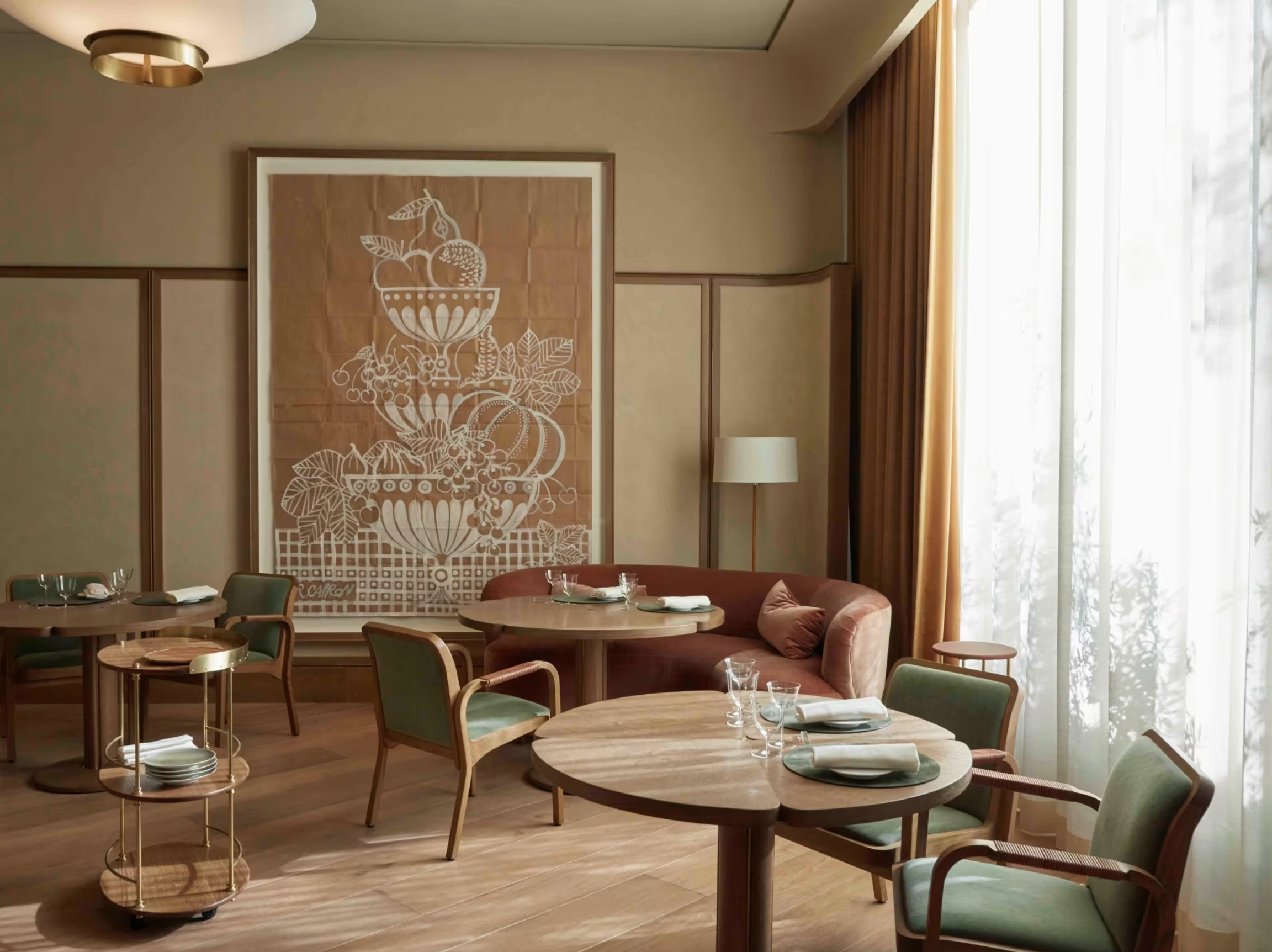
Bars in San Francisco
Browse all →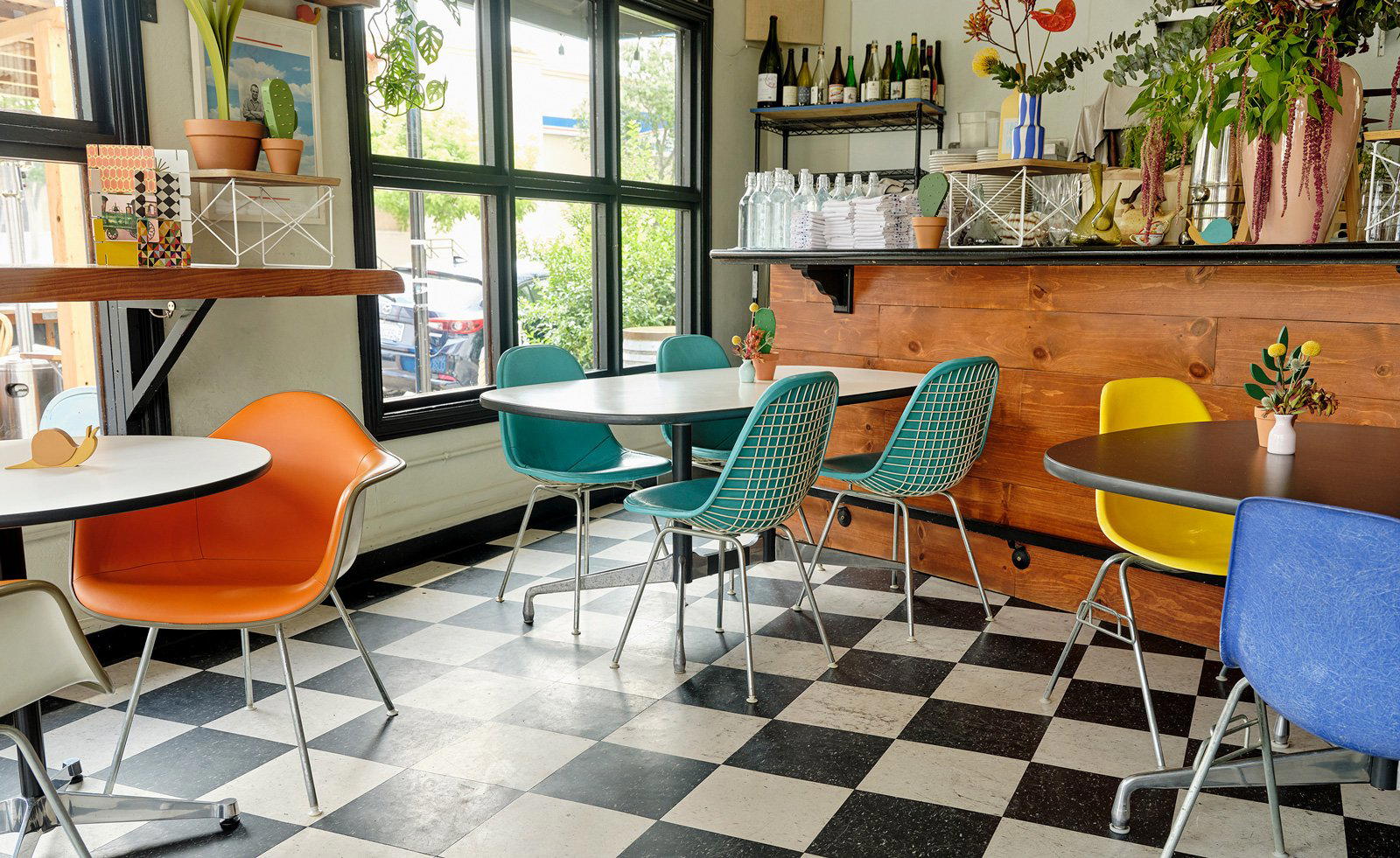

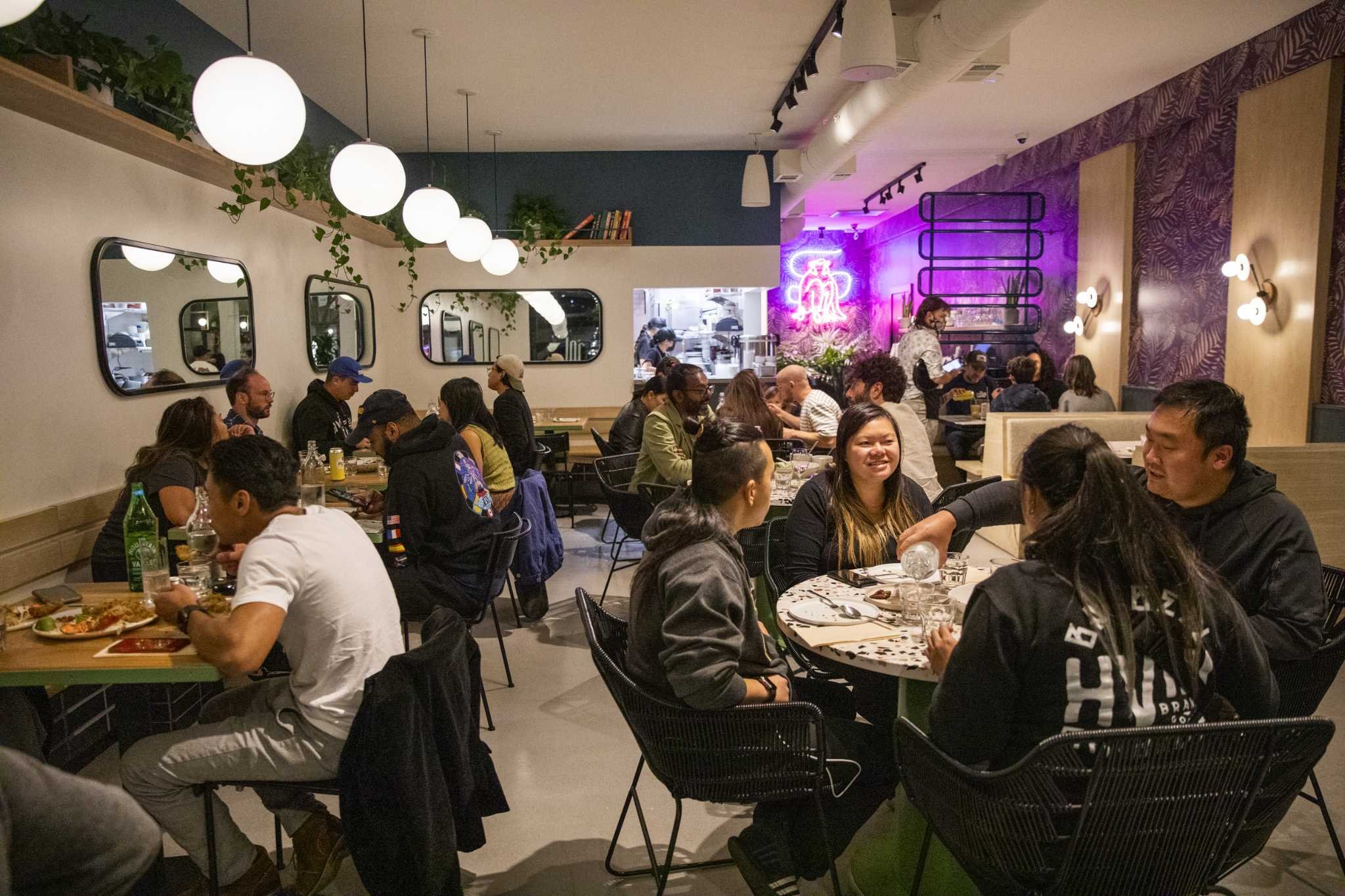
Hotels in San Francisco
Browse all →







At a Glance
- Cozy
- Intimate
- Classic
- Date Night
- Special Occasion
- Open Kitchen
- Extensive Wine List
Current opening hours
- Monday
- 11 AM–10 PM
- Tuesday
- 11 AM–10 PM
- Wednesday
- 11 AM–10 PM
- Thursday
- 11 AM–10 PM
- Friday
- 11 AM–10 PM
- Saturday
- 11 AM–10 PM
- Sunday
- Closed
Hours can change for holidays and private events. Last verified .
Cozy trattoria-style with a warm, unpretentious family feel, though it can get cramped, crowded, and noisy during peak times.
Know Before You Go
- Getting there
- 5403 College Ave, Oakland, CA 94618