The Godfather
The Godfather occupies a well-worn address on Clairemont Mesa Boulevard, a stretch of San Diego that trades in neighborhood loyalty over destination dining. The room carries the particular weight of a place that has fed the same families across multiple generations, situating it in a category of Italian-American restaurants where consistency and ritual matter more than novelty.
Pearl is the En Primeur Club membership app — saves, bookings, and concierge access live there. Same editors, same standards.
- Address
- 7878 Clairemont Mesa Blvd, San Diego, CA 92111
- Phone
- +18585601747
- Website
- godfatherrestaurant.com
- Directions
- Get directions
 Saves & bookings on Pearl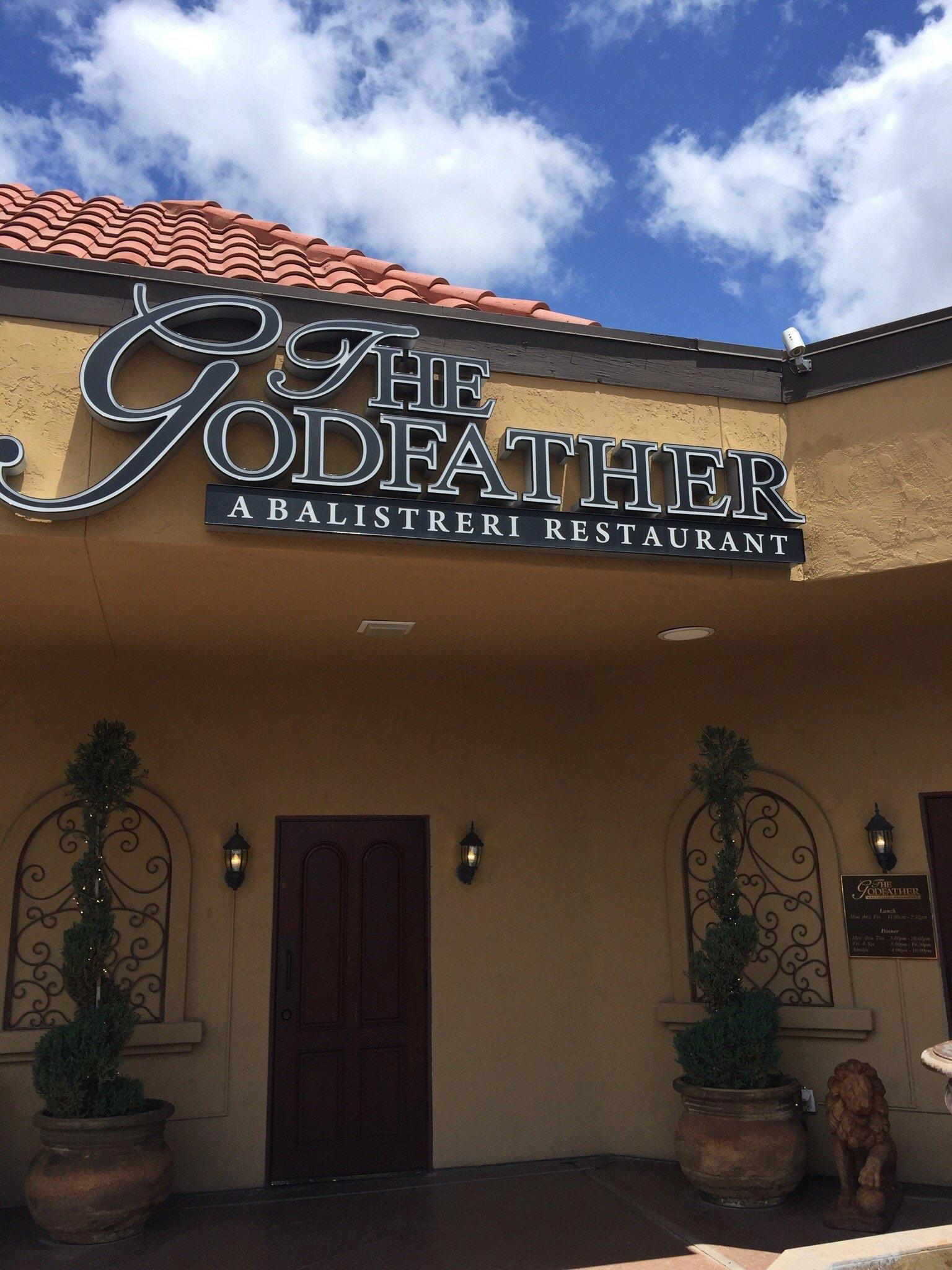
Clairemont Mesa and the Neighborhood Italian Tradition
San Diego's dining conversation tends to concentrate downtown, in Little Italy, or along the coast, which means the inland corridors of Clairemont Mesa rarely get the editorial attention they deserve. That gap is worth correcting. The Godfather is a Classic Italian Steakhouse in San Diego, with. At 7878 Clairemont Mesa Boulevard, it occupies the kind of address that suburban Italian-American restaurants have claimed across American cities since the mid-twentieth century: a strip-facing room, a name borrowed from the mythology of the old country, and a clientele that measures quality not by trend cycles but by whether the food holds up across years of visits. This is a different kind of dining tradition from what you find at Addison (French, Contemporary) or Soichi (Japanese), and understanding that distinction is the starting point for understanding what The Godfather is for.
The Italian-American restaurant as a format has a specific ritual grammar. Portions lean generous, the room runs warm in both temperature and atmosphere, and the menu is organized around a logic of abundance rather than restraint. Red-sauce cooking, which forms the backbone of this category across American cities, is a cuisine defined by accumulated technique passed through institutional kitchens rather than through the tasting-menu lineage you find at places like Le Bernardin in New York City or Alinea in Chicago. The standard for success here is not novelty or refinement but fidelity: to the dish as it should taste, to the guest who has been coming for a decade, to the rhythm of a meal that unfolds without theater.
The Ritual of the Meal
Italian-American dining at this tier follows a pacing that differs substantially from the tasting-menu format that now dominates premium American restaurant culture. There is no prescribed sequence handed down by the kitchen, no amuse-bouche logic, no sommelier narration between courses. The meal is yours to assemble. You arrive, you order, and the kitchen moves at the speed of a room feeding many tables rather than choreographing a few. That informality is not a deficit, it is the format's defining feature, and regulars at neighborhood Italian restaurants tend to understand this intuitively. The ritual is in the repetition: the same booth, the same starter, the same conversation about whether the veal or the pasta was better this time.
This contrasts sharply with the structured progression at destination restaurants such as Lazy Bear in San Francisco or Single Thread Farm in Healdsburg, where the kitchen controls timing and sequence entirely. At a neighborhood Italian room, the guest holds more agency, and the kitchen's job is to respond rather than to lead. Both are legitimate dining philosophies, but they reward different kinds of attention.
Where The Godfather Sits in San Diego's Dining Ecosystem
San Diego's restaurant market has expanded considerably at both the premium and the casual ends over the past decade, which has clarified the middle ground where neighborhood independents like The Godfather operate. The city now has a credible fine-dining tier anchored by Addison, which holds Michelin recognition, and a serious Japanese counter scene that includes Soichi. At the other end, casual Californian formats, Mexican-influenced cooking, and seafood-forward options dominate the everyday category.
The restaurant's Clairemont Mesa address places it in a residential and commercial inland neighborhood that is distinct from the tourist-facing dining districts. Compare this with 1450 El Prado in Balboa Park or the aviation-themed 94th Aero Squadron near Montgomery Field, both of which draw from a destination-visit logic tied to their surroundings. The restaurant's gravitational pull is different: it is fed by the neighborhood around it, which means its longevity is a function of local loyalty rather than foot traffic or novelty-seeking visitors.
Across American cities, this category of Italian-American independent, neither white-tablecloth nor fast-casual, has thinned in recent decades as real estate pressures and changing dining habits squeezed the middle. The ones that survive tend to do so through exactly the kind of consistent execution and repeat-customer base that defines the format. For a broader picture of where the restaurant sits among San Diego's restaurant options, see our full San Diego restaurants guide.
Italian-American Cooking and Its comparable set Nationally
The red-sauce Italian-American tradition occupies a specific and sometimes underestimated position in American food culture. It is distinct from modern Italian fine dining, the kind practiced at 8½ Otto e Mezzo Bombana internationally, and distinct too from the farm-to-table American formats at Blue Hill at Stone Barns in Tarrytown or Bacchanalia in Atlanta. It shares more with the neighborhood-restaurant traditions found at longstanding American institutions: the kind of place where Emeril's in New Orleans draws from Southern Italian influence, or where the comfort-food seriousness of The Inn at Little Washington in Washington began before it became a destination property.
The standard markers that refine Italian-American cooking within its own category are consistency of sauce, quality of pasta preparation, and the generosity that the format promises. Diners who approach this category looking for the editorial precision of Atomix in New York City or the produce-obsession of Providence in Los Angeles are benchmarking against the wrong comparable set. The relevant comparison is internal to the tradition: is the execution faithful, is the welcome consistent, does the room feel like it belongs to its neighborhood?
Planning Your Visit
Visitors should verify current operating status and reservation policies directly before traveling to 7878 Clairemont Mesa Blvd, San Diego, CA 92111. Clairemont Mesa Boulevard is accessible by car from Interstate 805 and Interstate 163; street and lot parking are standard for the corridor.
Logistics at a Glance
| Factor | The restaurant | Addison | Soichi |
|---|---|---|---|
| Cuisine tier | Neighborhood Italian-American | Fine dining, French Contemporary ($$$$) | Omakase Japanese ($$$$) |
| Booking requirement | Recommended | Advance reservation required | Advance reservation required |
| Meal format | A la carte, guest-paced | Tasting menu, kitchen-paced | Omakase counter, chef-paced |
| Location type | Inland suburban corridor | Del Mar resort setting | Ocean Beach neighborhood |
Cost and Credentials
Comparable venues nearby, for context on price, style, and recognition.
| Venue | Cuisine | Price |
|---|---|---|
| The GodfatherThis venue — the venue you are viewing | Kearny Mesa, Classic Italian Steakhouse | $$ |
| Arrivederci | Uptown, Authentic Italian Trattoria | $$ |
| La Pizzeria Arrivederci | Uptown, Authentic Italian Pizza & Pasta | $$ |
| Pizza Nova | Peninsula, Wood-Fired Italian Pizza | $$ |
| Old Venice | Peninsula, Classic Italian | $$ |
| Cacio E Pepe Trattoria Romana | North Park, Roman Trattoria | $$ |
Continue exploring
More in San Diego
Restaurants in San Diego
Browse all →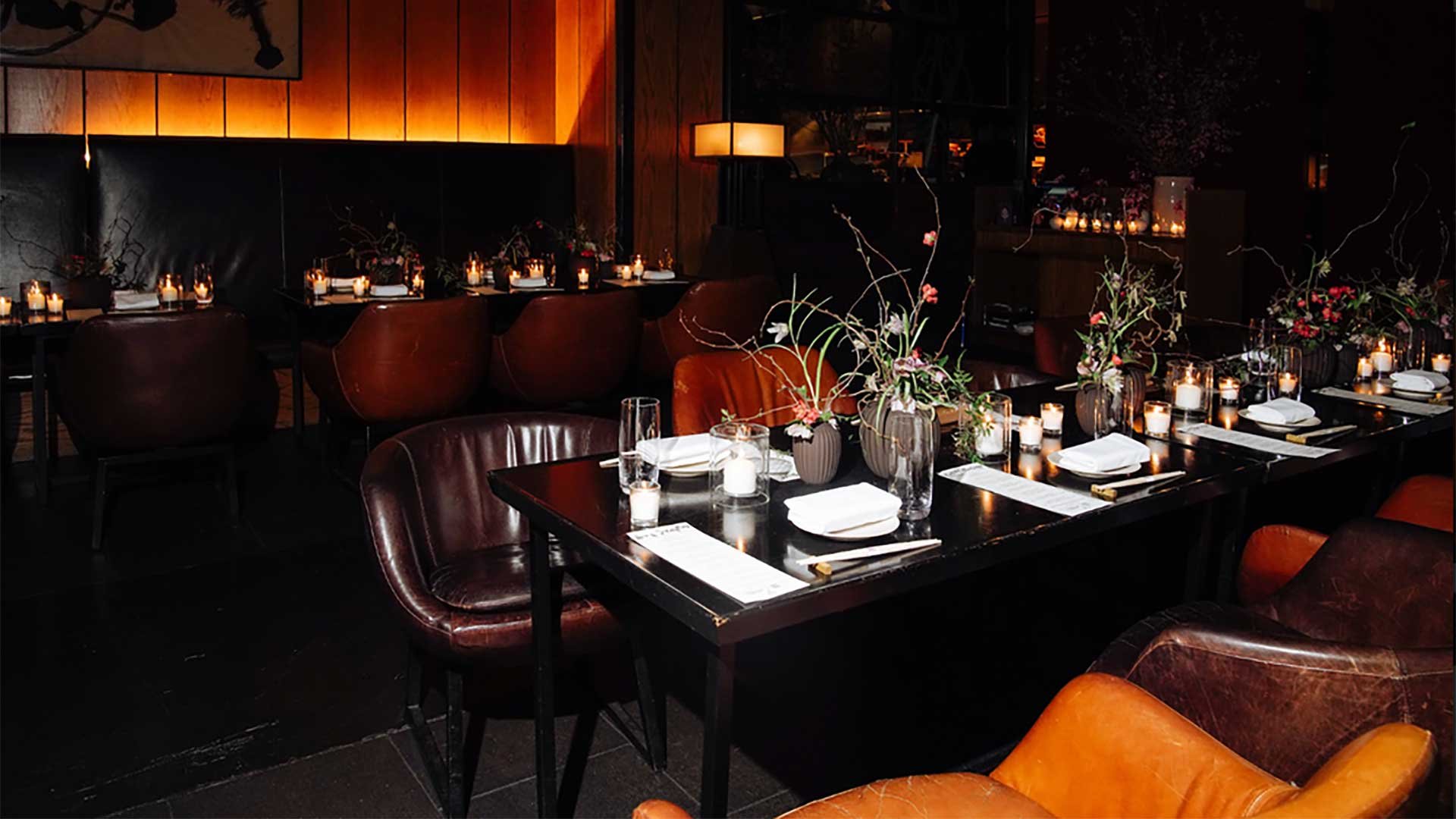
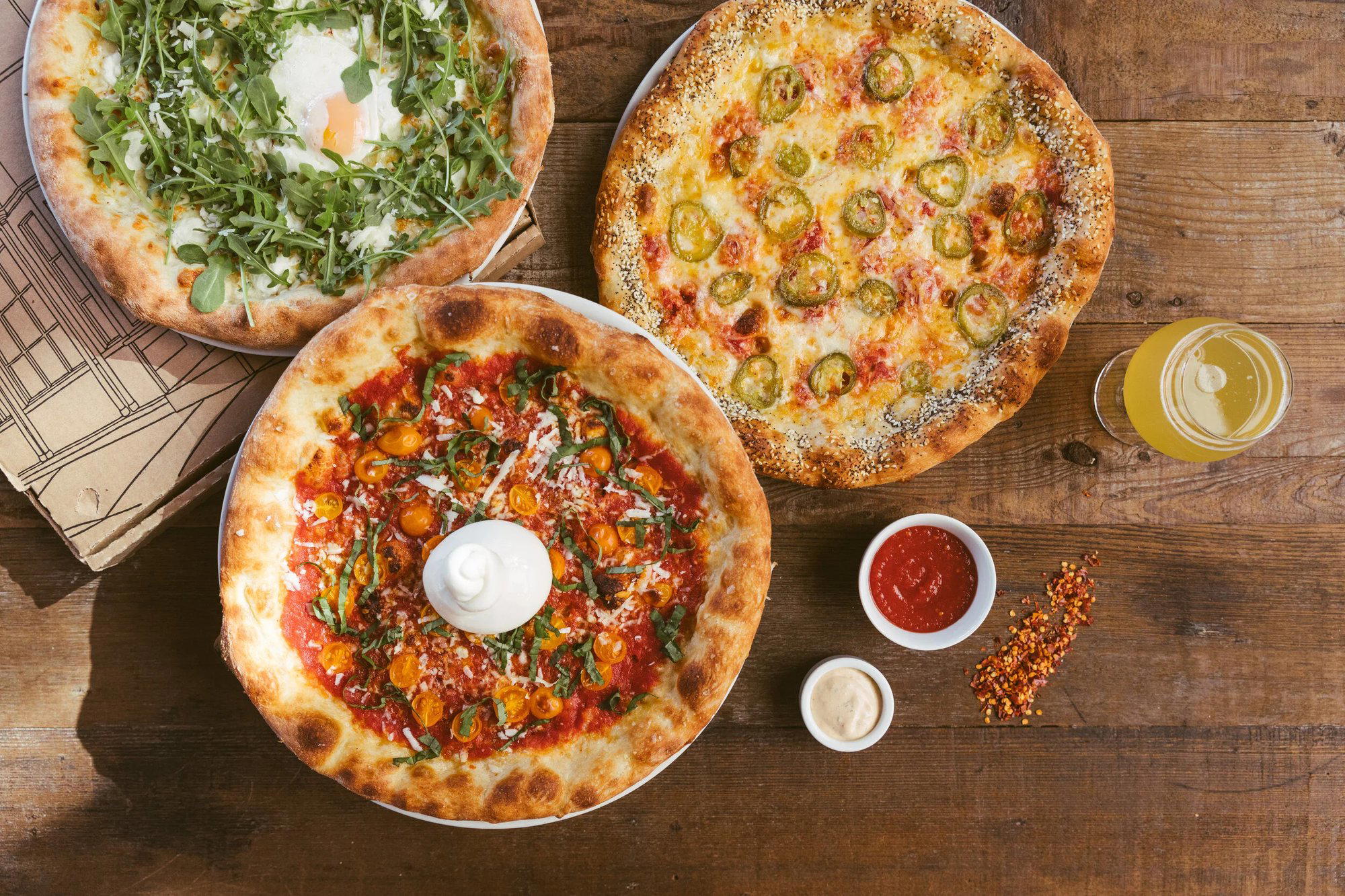
Bars in San Diego
Browse all →
At a Glance
- Classic
- Elegant
- Cozy
- Sophisticated
- Date Night
- Family
- Celebration
- Business Dinner
- Historic Building
- Extensive Wine List
Current opening hours
- Monday
- Closed
- Tuesday
- 11:30 AM–2 PM, 5–9:30 PM
- Wednesday
- 11:30 AM–2 PM, 5–9:30 PM
- Thursday
- 11:30 AM–2 PM, 5–9:30 PM
- Friday
- 11:30 AM–2 PM, 4:30–10 PM
- Saturday
- 4:30–10 PM
- Sunday
- 4–9 PM
Hours can change for holidays and private events. Last verified .
Dimly lit dining room with dark wood paneling, white tablecloths, and an elegant, relaxing old-school Italian atmosphere.