Panama 66
Our verdict
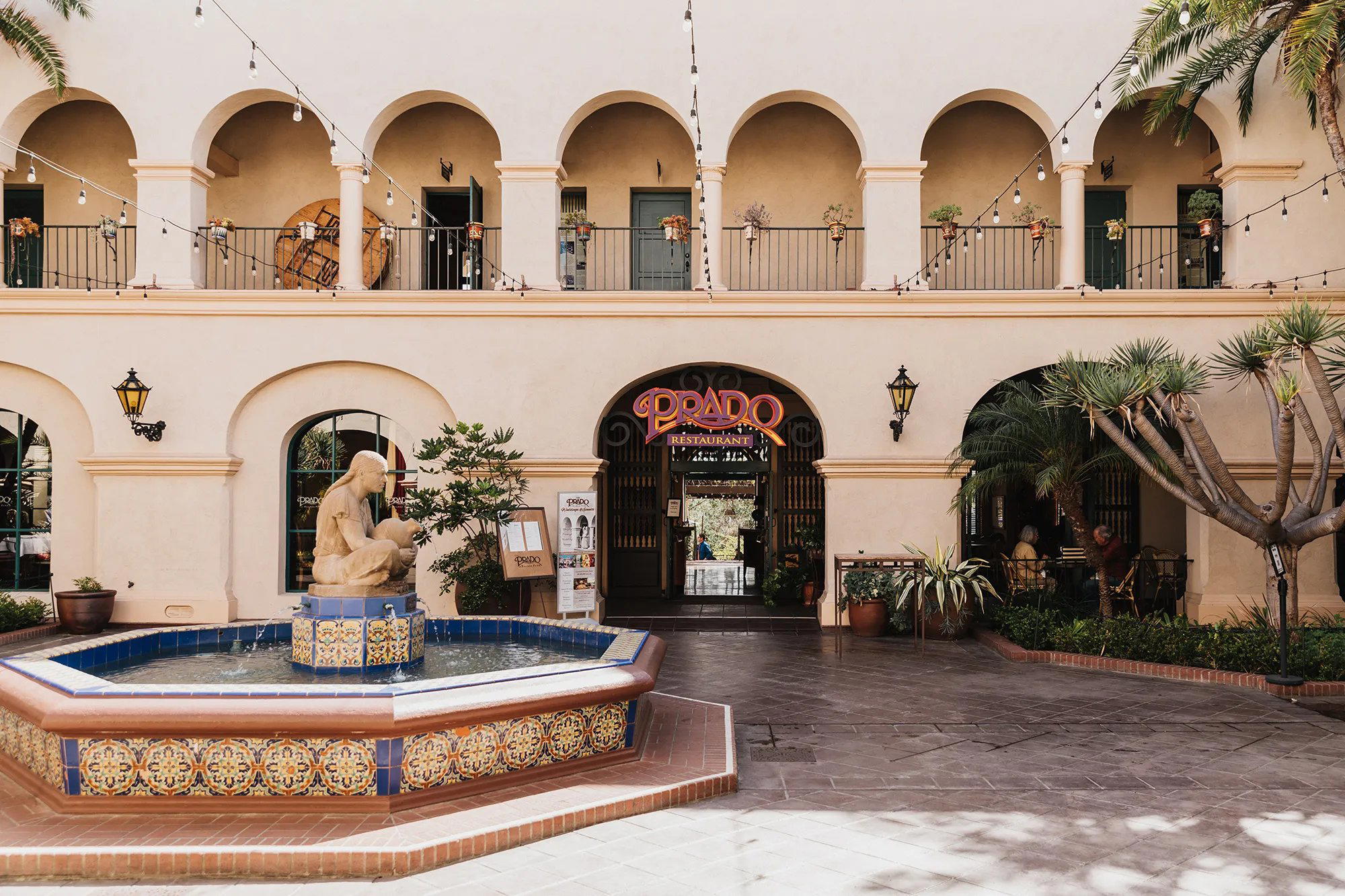
Located at the heart of Balboa Park's El Prado promenade in San Diego, 1450 El Prado sits within one of California's most architecturally significant cultural corridors. The venue's address places it among museums, gardens, and Spanish Colonial Revival buildings that define the park's 1915 Panama-California Exposition heritage. Full dining details are not yet listed, but the setting alone positions it within San Diego's broader park-dining conversation.

Pearl is the En Primeur Club membership app, where members save venues, book tables and use the concierge.
Dining Along the El Prado Promenade: What the Address Tells You
Balboa Park's El Prado promenade is one of San Diego's more demanding settings for a restaurant to occupy. The Spanish Colonial Revival architecture that lines the walkway was built for the 1915 Panama-California Exposition, and the buildings have carried cultural and civic weight ever since. Restaurants that open here are not choosing a neighbourhood in the conventional sense; they are positioning themselves inside a civic institution, with everything that implies about foot traffic patterns, visitor demographics, and the expectations guests bring through the door. The address 1450 El Prado places this venue squarely in that context, adjacent to museums, the botanical garden, and the park's central axis.
That positioning matters for how you read the dining proposition here. Park-adjacent dining across the United States tends to split between two models: the high-turnover café format serving museum visitors on timed schedules, and the more considered sit-down operation that draws locals who treat the park as a destination rather than a backdrop. San Diego's Balboa Park has historically supported both, and the tension between those two modes shapes what any restaurant at this address can credibly offer. The ingredient sourcing story, the pace of service, and the price calibration all read differently depending on which model a kitchen commits to.
Where Ingredient Sourcing Fits the Southern California Context
Southern California's proximity to some of the country's most productive agricultural land gives any San Diego kitchen a sourcing advantage that restaurants in other major American cities have to work considerably harder to replicate. The San Diego County farm network, the Chula Vista growing corridor, and the broader reach into the Central Valley put seasonal, close-sourced produce within a relatively short supply chain of kitchens operating anywhere in the city. This is the same regional advantage that restaurants like Single Thread Farm in Healdsburg have built entire identities around in Northern California, and that places like Blue Hill at Stone Barns in Tarrytown pursue through estate-level integration on the East Coast.
The Balboa Park location adds a layer to the sourcing question that purely urban San Diego addresses do not have. The park itself contains the San Diego Botanic Garden's satellite collections, and the surrounding Balboa Park Cultural District has historically attracted operators with a degree of civic and environmental consciousness. Venues that lean into the park's identity tend to signal that orientation through their food sourcing choices, whether or not they make those choices explicit on the menu.
Reading 1450 El Prado Against the San Diego Dining Scene
San Diego's restaurant landscape has developed a more clearly differentiated tier structure over the past several years. At the upper end, a small group of kitchens competes on sourcing specificity, chef credentials, and format discipline in ways that align them with national reference points like Le Bernardin in New York City, Providence in Los Angeles, or The French Laundry in Napa. Below that, a broader mid-market operates across cuisine categories with varying degrees of sourcing transparency and format ambition.
Park-adjacent dining in American cities generally occupies a middle tier in that structure, though there are exceptions. Bacchanalia in Atlanta and Lazy Bear in San Francisco both demonstrate that strong sourcing programs and deliberate format choices can position a restaurant well above what its immediate surroundings might suggest. The question for any venue at 1450 El Prado is where on that spectrum its kitchen operates, and which visitor demographic it is primarily serving: the museum-going tourist passing through, the Balboa Park local using the promenade as a routine destination, or the citywide dining audience that treats any address as fair game if the food warrants the trip.
Other San Diego venues worth understanding as reference points in this broader scene include 94th Aero Squadron San Diego, which illustrates how a distinctive physical setting can anchor a restaurant's identity independently of its cuisine category, and A L'Ouest, which applies French-California framing to a San Diego context in a way that speaks to the city's European culinary influences. For the full scope of what the city's dining scene offers across cuisines and price points, our San Diego restaurants guide maps the competitive set in more detail.
Internationally, the ingredient-to-table sourcing model that has reshaped American fine dining has parallels in operations as varied as Atomix in New York City, which treats Korean ingredient sourcing as a precision exercise, and The Inn at Little Washington, where the sourcing story is inseparable from the estate's own agricultural production. Alinea in Chicago and Emeril's in New Orleans show how different that commitment can look depending on the cuisine tradition a kitchen is working within. Even internationally, places like 8 1/2 Otto e Mezzo Bombana in Hong Kong demonstrate that ingredient provenance has become a global marker of serious kitchen intent rather than a regional American preoccupation.
How does 1450 El Prado's Balboa Park location affect when to visit?
Balboa Park operates on a dense event calendar, with the park's museum free days, outdoor concerts, and cultural festivals drawing large crowds to the El Prado corridor on specific dates. Visiting on a weekday or outside major park event windows will generally mean easier parking and a quieter approach to the restaurant. The park's central location makes it accessible from most San Diego neighbourhoods, but driving and parking logistics are worth planning in advance, particularly on weekends.
A Pricing-First Comparison
A quick peer list to put this venue’s basics in context.
| Venue | Cuisine | Price | Awards | Notes |
|---|---|---|---|---|
| 1450 El PradoThis venue (the venue you are viewing) | American Gastropub | $20–30 | Not listed | Not listed |
| Addison | Modern California Fusion Fine Dining | $300–500 | 3 Michelin Stars · World's 50 Best #31 | French, Contemporary |
| Callie | Modern Mediterranean | $50–100 | Michelin Bib Gourmand · Wine Spectator Best of Award of Excellence | Greek, Mediterranean Cuisine, Californian-Mediterranean |
| Sushi Tadokoro | Traditional Edomae-Style Omakase | $50–100 | Michelin Plate | Sushi, Japanese |
| Trust | Modern American Wood-Fired Small Plates | $30–50 | Michelin Plate | New American, American |
| Soichi | Modern Japanese Omakase | $150–200 | 1 Michelin Star | Japanese |
Continue exploring
More in San Diego
Restaurants in San Diego
All restaurants in San Diego →
Bars in San Diego
All bars in San Diego →
Details
- Lively
- Scenic
- Trendy
- Casual Hangout
- Brunch
- Live Music
- Garden
- Open Kitchen
- Craft Cocktails
- Beer Program
- Local Sourcing
- Garden
- Street Scene
- A La Carte
- Craft Beer
- Cocktails
- Vegetarian Friendly
- Vegan Options
- Gluten Free Options
Current opening hours
- Monday
- 11 AM–6 PM
- Tuesday
- 11 AM–6 PM
- Wednesday
- 4–10 PM
- Thursday
- 11 AM–10 PM
- Friday
- 11 AM–10 PM
- Saturday
- 10 AM–10 PM
- Sunday
- 10 AM–8 PM
Hours can change for holidays and private events. Hours as of .
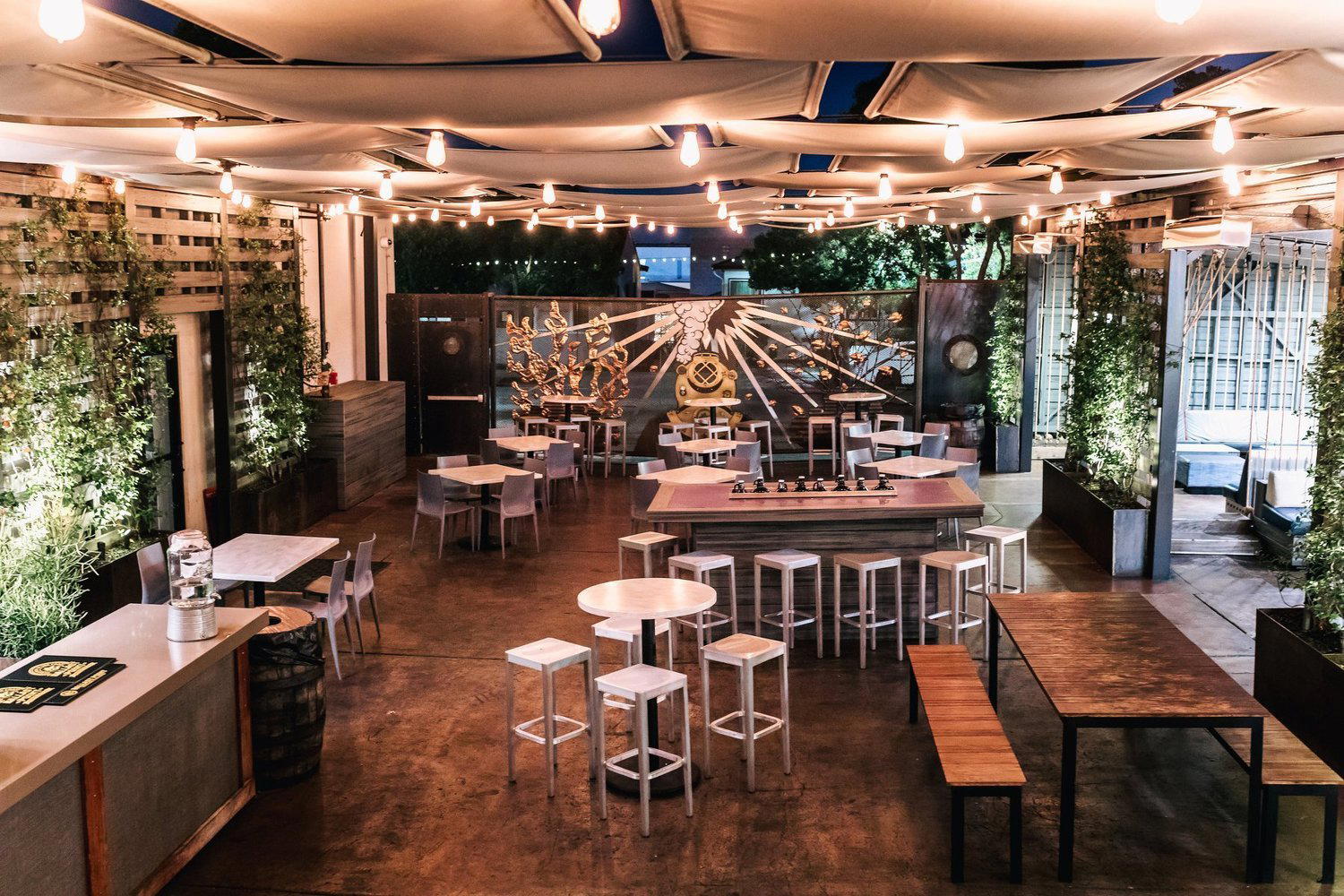
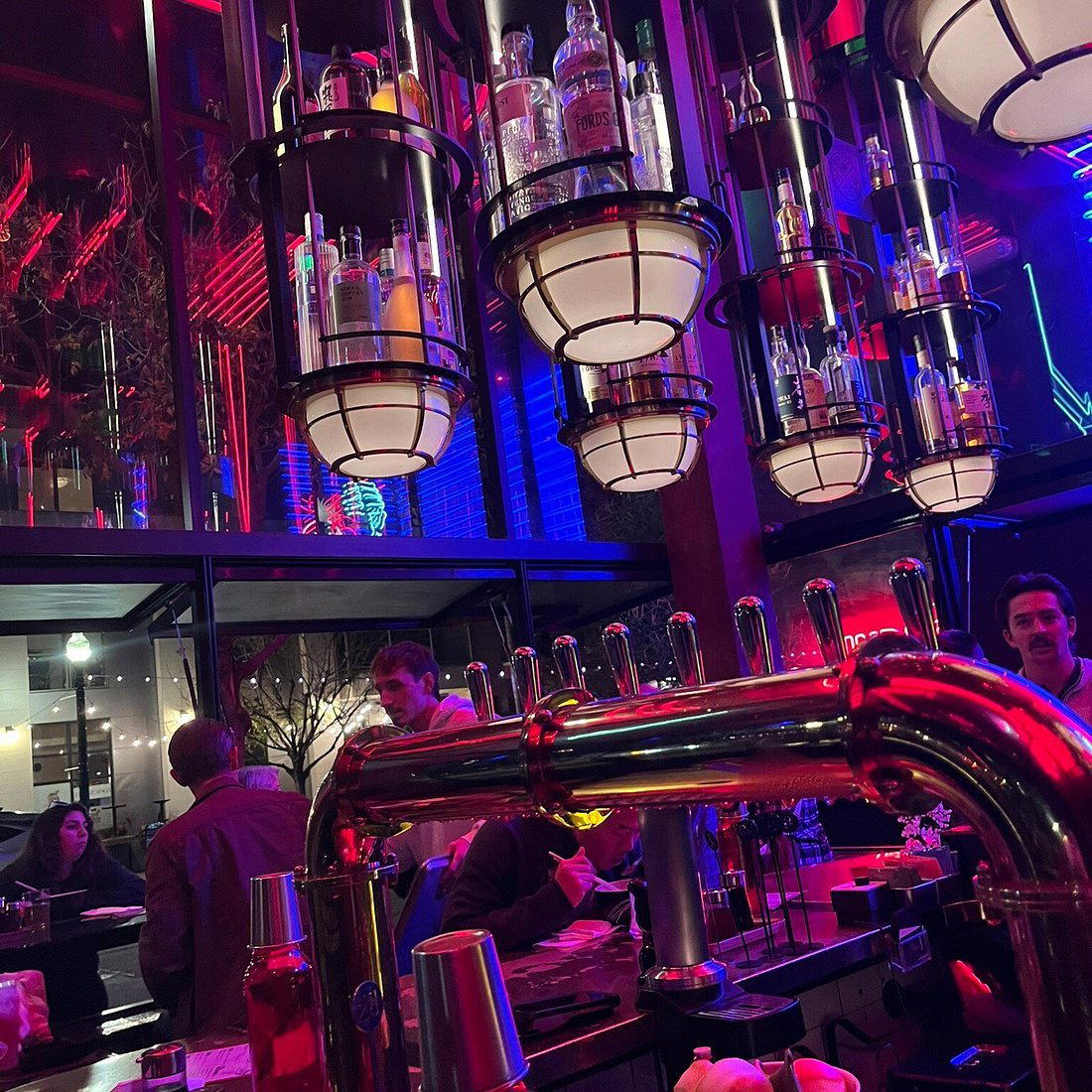
Lively outdoor courtyard atmosphere with live music, shaded seating, and park views.