Estancia La Jolla Hotel & Spa




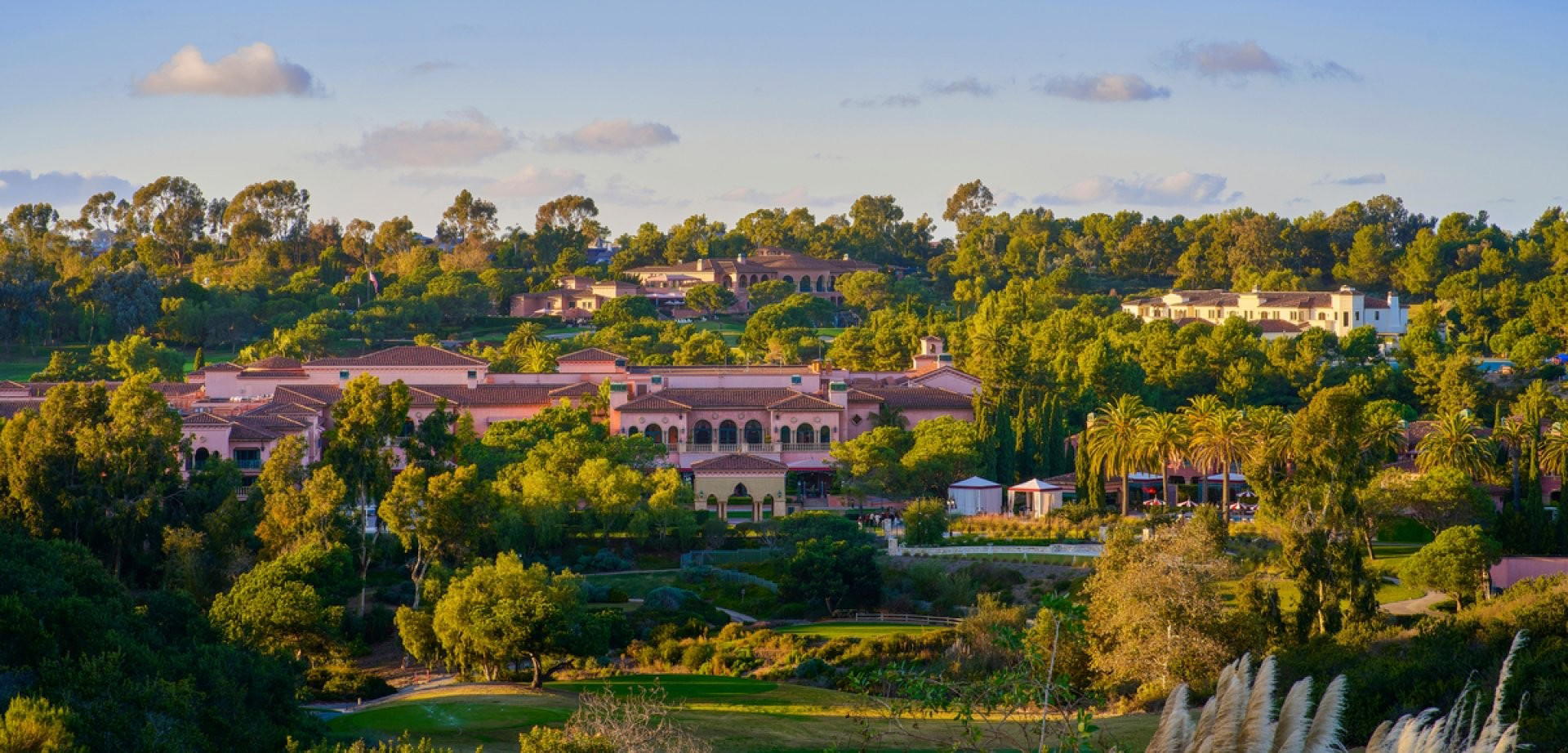
Set on nearly 10 acres along La Jolla's North Torrey Pines Road, Estancia La Jolla Hotel & Spa traces its roots to an 1880s equestrian estate, with salvaged brickwork and rancho-style architecture threading history through every courtyard. Its 210 guest rooms, signature restaurant Mustangs & Burros, and a wine program recognised by Star Wine List 2026 position it among San Diego's more historically grounded luxury retreats.
Pearl is the En Primeur Club membership app — saves, bookings, and concierge access live there. Same editors, same standards.
- Address
- 9700 N Torrey Pines Rd, La Jolla, CA 92037
- Phone
- +1 858-412-0500
- Website
- estancialajolla.com
- Directions
- Get directions
 Saves & bookings on Pearl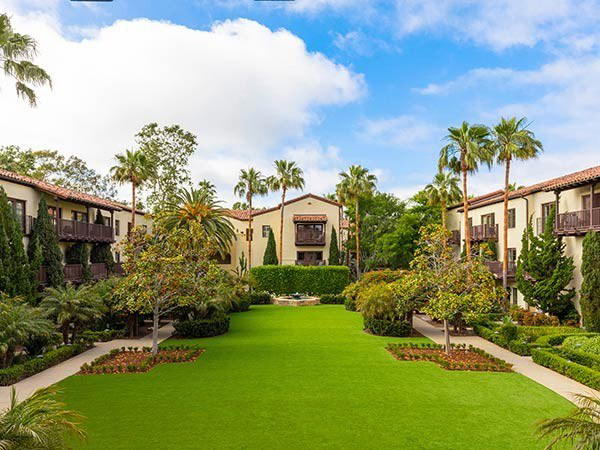
Where an Equestrian Past Shapes a Modern Retreat
North Torrey Pines Road runs quietly through one of San Diego County's more considered corridors, shaded by mature trees and flanked by the kind of low-density development that keeps the Pacific horizon visible without requiring a cliffside perch. Estancia La Jolla Hotel & Spa is a 4-star hotel in La Jolla, San Diego, with 210 rooms and a smart casual dress code. That restraint is the point. The property sits at the quieter northern end of La Jolla's resort range, deliberately separated from the village's commercial energy, and it draws a guest who has made a deliberate choice to prioritise a sense of place over street-level activation.
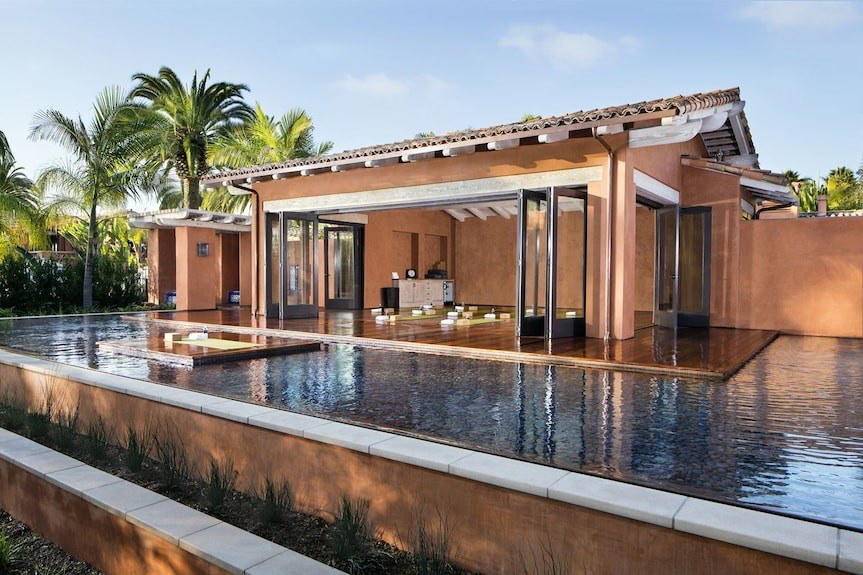
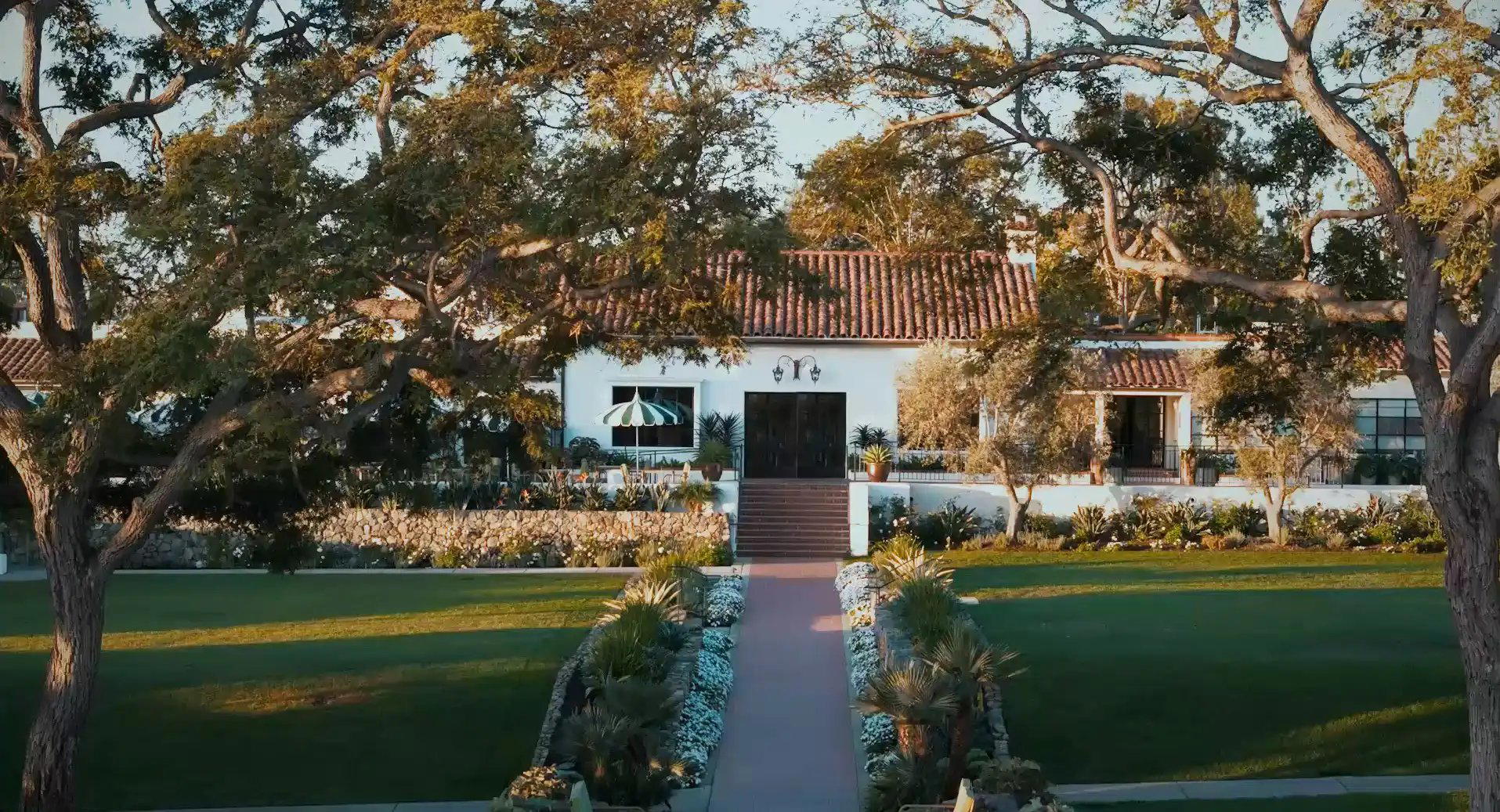
The physical environment at Estancia anchors itself in a narrative that most California hotels can only approximate: the land genuinely hosted an equestrian estate in the 1880s, and the development decision was made to build with that history rather than around it. Bricks salvaged from the original structures were incorporated into the new construction, giving the garden pathways, courtyard walls, and low-rise buildings a density of material that poured-concrete alternatives cannot replicate. The effect is cumulative rather than theatrical. By the time a guest has walked one of the flower-lined pathways to the traditional rose garden or crossed one of the Mediterranean-style courtyard oases, the historical layering reads less as design concept and more as simple fact about the ground underfoot.
The Wine Program and What It Signals About the Property's Ambitions
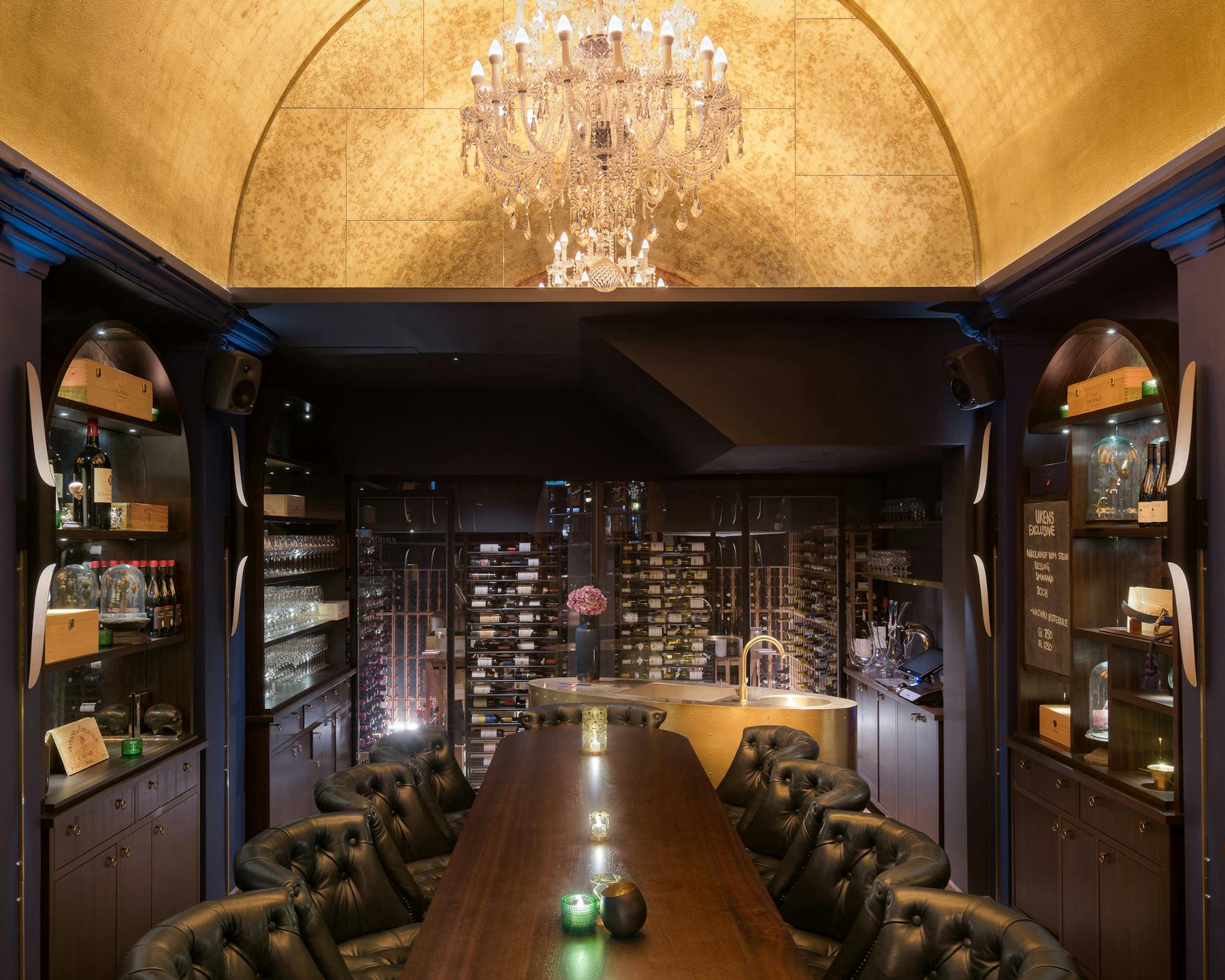
Among San Diego's luxury hotel tier, wine programs vary considerably in seriousness. Estancia La Jolla's recognition by Star Wine List in 2026 places it in a smaller cohort of California properties where the cellar is treated as editorial content rather than amenity checkbox. Star Wine List assessments weight list depth, producer diversity, and the presence of a considered by-the-glass selection. An acknowledgment at that level, in a market that includes properties with substantially larger food-and-beverage budgets, signals that the Estancia team has made deliberate sourcing decisions rather than defaulting to a distributor's standard hotel package.
This connects directly to how the broader category of historically-rooted California resort hotels approaches food and beverage. Properties like Auberge du Soleil in Napa or SingleThread Farm Inn in Healdsburg have demonstrated that wine programming can function as a defining credential for a property, not merely a supporting amenity. Estancia's 2026 Star Wine List recognition suggests a similar orientation, even if the scale and market position differ. For guests whose travel decisions are informed partly by what a hotel puts in the glass, it is a meaningful data point.
The Estate Suites include a complimentary bottle of Trinitas Cellars Petite Syrah as a welcome amenity, which reinforces the wine-forward positioning while making a specific California producer choice rather than a generic sparkling wine gesture. Trinitas Cellars operates out of Napa Valley and focuses on small-production bottlings. That specificity, rather than a house-brand or anonymous varietal, reflects sourcing intentionality at the suite level.
Mustangs & Burros and the Tack Room Tradition
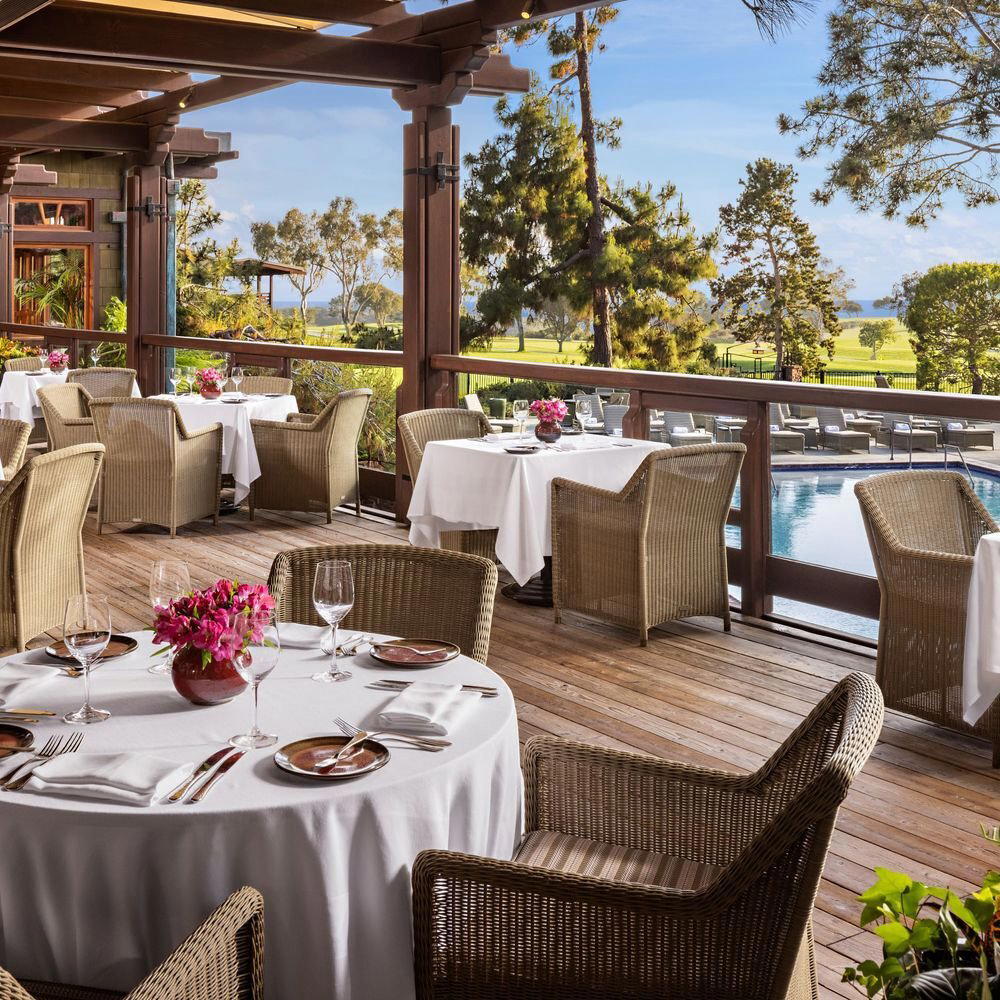
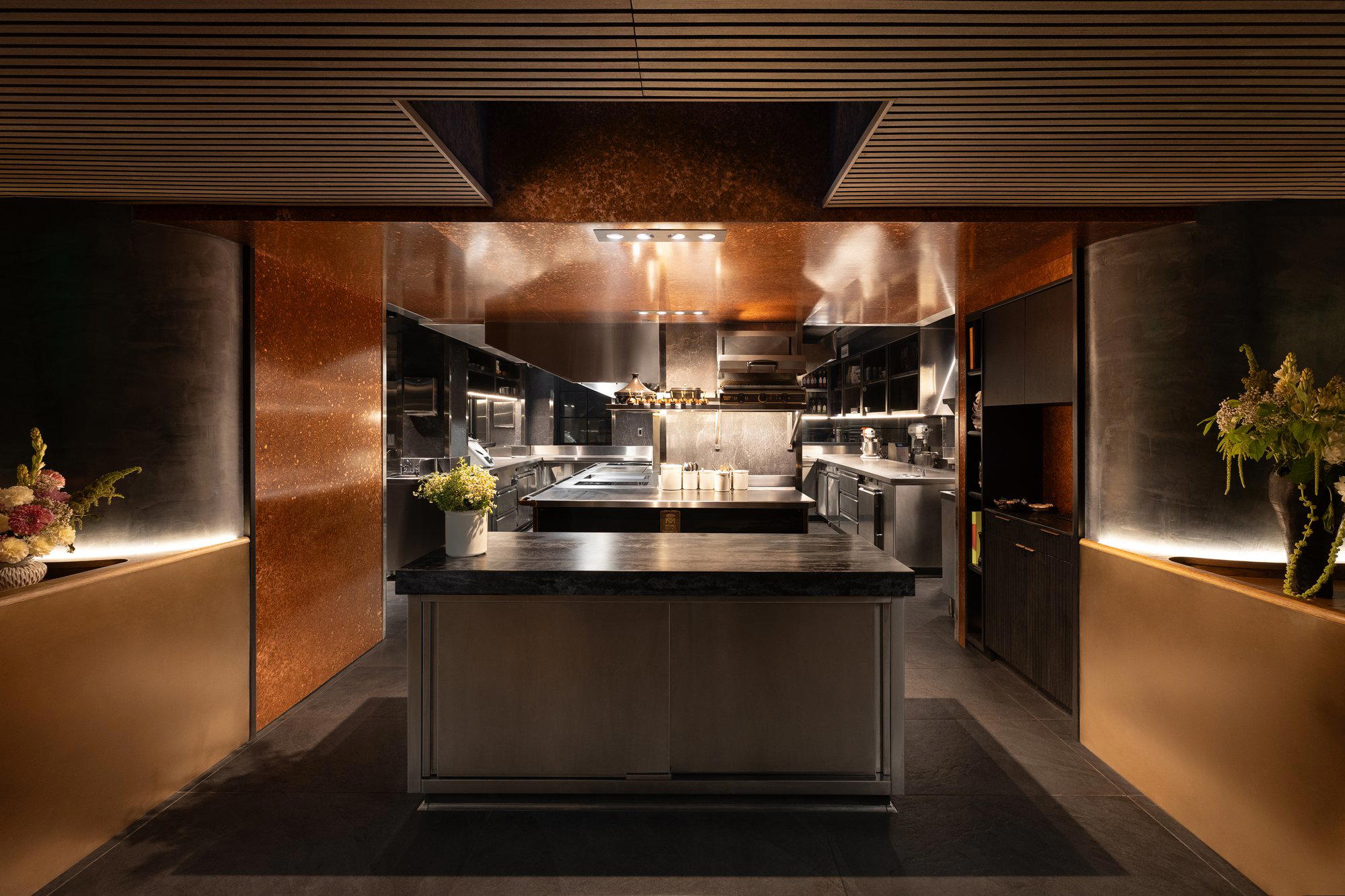
The property's signature restaurant, Mustangs & Burros, was designed to reference the estate's original tack room, the working space where saddles, bridles, and equipment were stored and maintained. Tack rooms in working equestrian operations tend toward the functional and material-heavy: wood, leather, iron hardware, and the kind of honest construction that prioritises durability. The restaurant design channels that aesthetic rather than romanticising it, which places Mustangs & Burros in a different register from hotels that layer equestrian imagery onto otherwise generic dining rooms.
California's proximity to agricultural production, from the Central Valley's output to the coastal growing regions between Santa Barbara and Baja California, gives San Diego-area hotel restaurants access to ingredient supply chains that most American hotel dining rooms cannot replicate. The county's own agricultural output, including avocados, citrus, and specialty produce from inland valleys, sits at the doorstep.
210 Rooms Across a Rancho Framework
Room count of 210 places Estancia in a mid-size tier for California luxury resorts. At Estancia, each room looks onto the property's gardens or courtyards, and many include private balconies or patios, a practical feature in a climate where San Diego's average 266 sunny days per year makes outdoor space genuinely usable rather than aspirational.
Room typology runs from Estate, Veranda, and Deluxe configurations through to 10 Estate Suites at 640 square feet each. The suite category includes a separate bedroom and sitting area, in-room cooling stocked with sodas, sparkling water, and coconut water, and nightly turndown service delivered with bedside biscotti and herbal tea. These are the concrete details that distinguish suite-tier accommodation from standard rooms, and they reflect a particular hospitality philosophy: nightly ritual over scalable efficiency. Properties that still maintain individual turndown programs of this kind are operating with a staffing model that most contemporary hotel groups have moved away from, which makes it a meaningful differentiator in the current market.
For travellers whose first encounter with this kind of layered design comes through properties like Troutbeck in Amenia or Cosmopolitan Hotel and Restaurant in San Diego's own Old Town, Estancia occupies a recognisable position in a broader American tradition of hospitality properties built around preserved or reconstructed historical character.
Position Within the La Jolla and San Diego Hotel Market
La Jolla's luxury hotel supply is geographically compact but stylistically diverse. Hotel del Coronado and Beach Village at The Del occupy Coronado's beachfront position with a scale and Victorian legacy that makes them a different proposition entirely. Downtown-oriented properties like Andaz San Diego, Granger Hotel Gaslamp Quarter, and Alma San Diego Downtown serve a different itinerary entirely, one built around walkability and nightlife access rather than natural surroundings. Hotel Indigo San Diego-Gaslamp Quarter occupies a similar Gaslamp position.
Estancia's particular value proposition sits at the intersection of historical narrative, garden-scale grounds, and proximity to specific natural attractions. Torrey Pines State Reserve, one of the rarest ecosystems on the California coast, is within reach of the property. The same corridor gives access to Torrey Pines Golf Course, a public facility that hosts PGA Tour events, and the Torrey Pines Gliderport, where paragliding and hang gliding operations run with consistent coastal updrafts. For guests whose San Diego itinerary includes time outdoors rather than primarily in restaurants and bars, the North Torrey Pines location is an asset rather than a compromise.
La Jolla's village, with its concentration of galleries and boutiques, is a short drive south. The coves along La Jolla's coastline, used for swimming, snorkelling, and watching the resident California sea lion colony, are similarly accessible. Estancia's guest who wants urban activation can reach it; Estancia's guest who wants none of it does not need to encounter any.
In a national context, the property occupies a recognisable type: the historically-anchored American resort that has maintained a clear design identity while building out amenity depth. Compare the approach at properties like Post Ranch Inn in Big Sur or the land-scale ambitions of Amangiri in Canyon Point, and Estancia reads as the more accessible middle tier: historically grounded, garden-framed, and positioned for a guest who wants legible luxury without architectural theatre.
At that review count, outlier responses have limited statistical weight, which makes the aggregate a reasonable signal about baseline reliability.
Estancia La Jolla Hotel & Spa sits at 9700 North Torrey Pines Road, La Jolla, California 92037. The property's low signage and set-back position on the road mean first-time arrivals should watch for the entrance carefully. Access to Torrey Pines State Reserve, the Gliderport, and Torrey Pines Golf Course makes the location well-suited to guests building an itinerary around the coastal natural corridor rather than downtown San Diego. The village of La Jolla is a short drive south for dining and retail outside the property. Guests considering the suite tier should note the Trinitas Cellars wine amenity and the nightly turndown ritual.
Style and Standing
Comparable venues nearby, for context on price, style, and recognition.
| Venue | Cuisine | Price | Awards | Notes |
|---|---|---|---|---|
| Estancia La Jolla Hotel & SpaThis venue — the venue you are viewing | Hacienda-style resort with rancho-inspired architecture and lush gardens | $$$$ | 4-Star | Not listed |
| Rancho Bernardo Inn | Naturally refined Spanish Colonial resort with manicured grounds and personalized hospitality | $$$$ | 4-Star | Rancho Bernardo |
| Andaz San Diego, by Hyatt | Lifestyle boutique hotel blending historic charm with modern design | $$$$ | 5-Star | Downtown |
| The US Grant, A Luxury Collection Hotel | Historic luxury Beaux Arts hotel with modern updates | $$$$ | 4-Star | Downtown |
| Lakehouse Hotel and Resort | Lakeside resort with modern comforts and resort-style rooms. | $$$ | 4-Star | San Marcos |
| Shore House at The Del, LXR Hotels & Resorts | Exclusive seaside villas offering privacy and luxury within a historic beach resort. | $$$$ | 5-Star | Coronado |
Recognition history
Dated appearances from independent guides and award organizations, with the underlying list record or original source where available.
Conde Nast Selected for 2026 Condé Nast Traveler Best Hotels in California
Conde Nast
Forbes Recommended
Forbes
Star Wine List
Star Wine List
Forbes Recommended
Forbes
Michelin Selected
Michelin
At a Glance
- Romantic
- Elegant
- Scenic
- Cozy
- Sophisticated
- Romantic Getaway
- Wellness Retreat
- Weekend Escape
- Infinity Pool
- Destination Spa
- Garden
- Wi Fi
- Pool
- Spa
- Fitness Center
- Room Service
- Concierge
- Business Center
- Valet Parking
- EV Charging
- Garden
- Wi Fi
- Pool
- Spa
- Fitness Center
- Room Service
- Concierge
- Business Center
- Valet Parking
- EV Charging
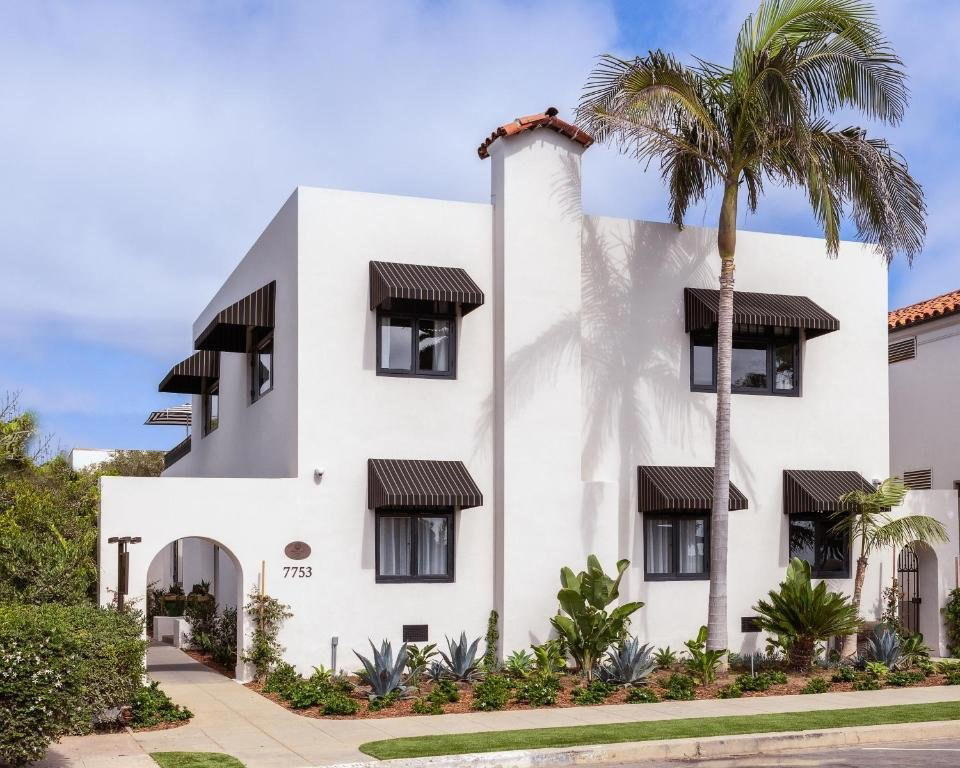
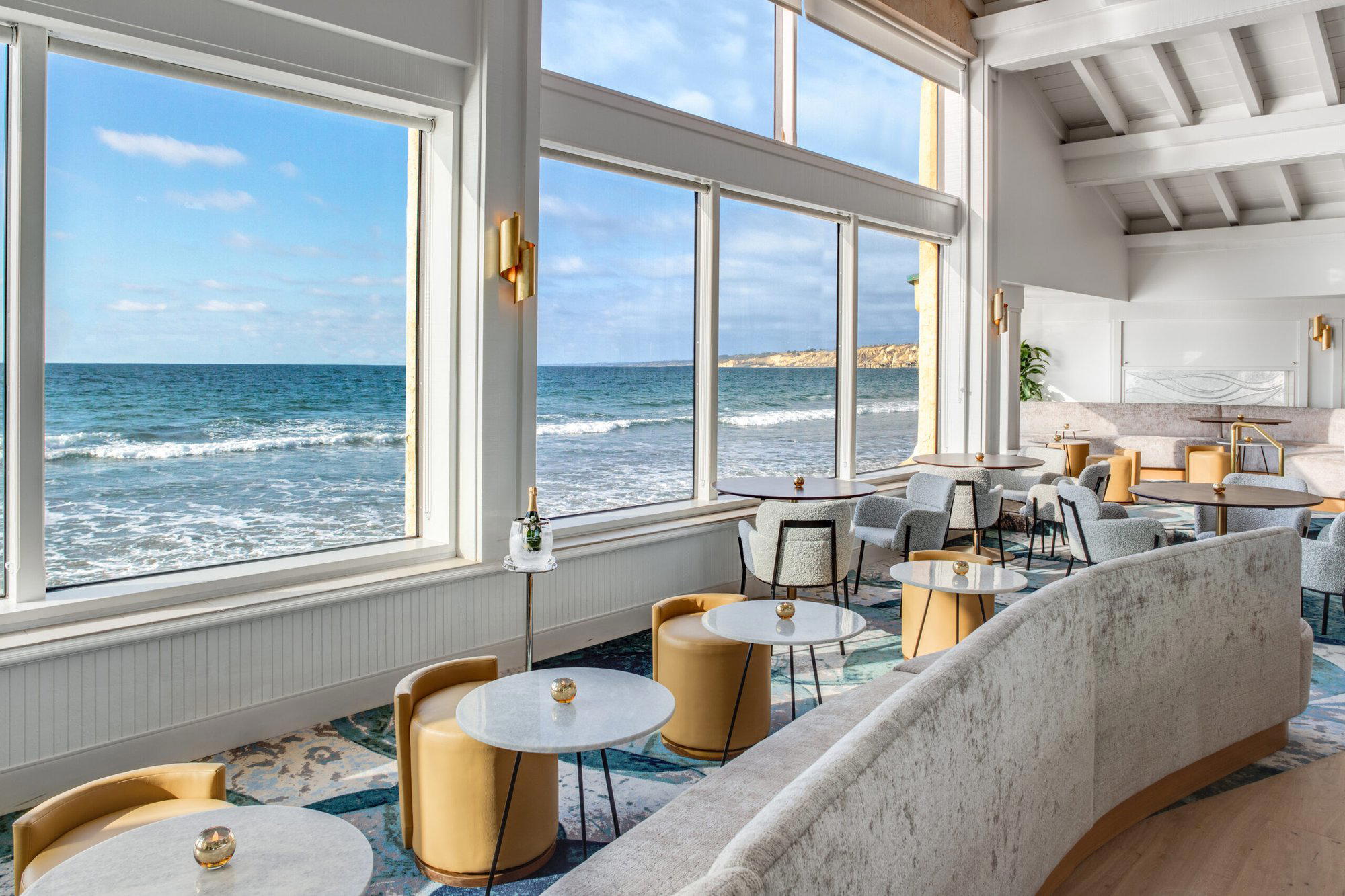
Warm, sun-drenched rancho-inspired atmosphere with quiet courtyards, adobe fireplaces, and soothing neutral decor evoking Spanish heritage and beach serenity.