Lucien

1 Michelin Star
Our verdict
Lucien on Girard Avenue brings a seasonal tasting menu format to La Jolla, combining Californian produce with French and Japanese techniques. The format sits within the American fine dining tasting menu tradition, where the kitchen's editorial voice, not à la carte choice, sets the pace. For San Diego's coastal dining scene, it represents a distinct option within a neighbourhood better known for casual ocean-facing spots.

Pearl is the En Primeur Club membership app, where members save venues, book tables and use the concierge.
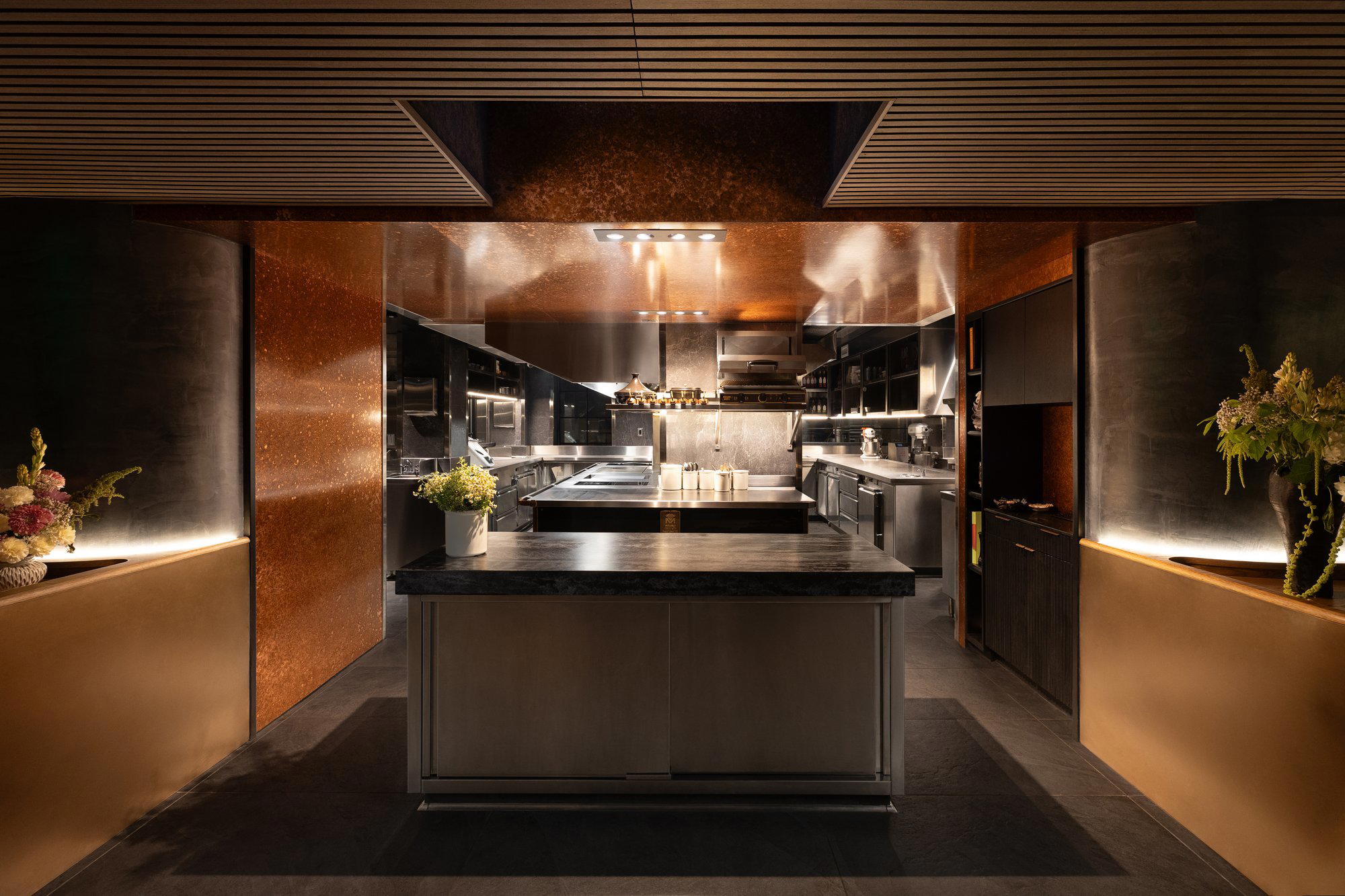
A Tasting Counter in a Village That Rarely Does Tasting Menus
La Jolla runs on a different frequency from San Diego's broader dining scene. Girard Avenue has the bones of a prosperous seaside village: independent boutiques, pavement-width terraces, the kind of mid-century storefronts that coastal California preserved almost by accident. What it has rarely produced is the format that now defines serious American fine dining, the fully committed, chef-directed tasting menu, where the room defers to the kitchen rather than the other way around. Lucien, at 7863 Girard Ave, occupies that relatively open lane.
The tasting menu format has a specific logic in the American context. It asks the diner to trade menu sovereignty for a more concentrated editorial experience: the kitchen decides what is ready, what is in season, what the sequence should be. At its most disciplined, the result resembles something closer to a concert than a restaurant service. The format spread from the French brigade model, through rooms like The French Laundry in Napa and Le Bernardin in New York City, and has since been reinterpreted across American cities in ways that graft local ingredient culture onto classical European structures. Lucien's stated approach, Californian seasonal produce filtered through French and Japanese technique, follows the same logic, applied to a neighbourhood that has historically favoured the à la carte model.
Where the Technique Comes From
The French-Japanese axis in American tasting menus is not an arbitrary pairing. French brigade training supplies the structural rigour: sauce work, mise en place discipline, sequencing logic. Japanese technique adds restraint, precision knife work, and an attention to temperature and texture that French classicism can sometimes obscure under reduction and butter. When both traditions operate on Californian ingredients, produce whose seasonality is more forgiving than the northeast but whose quality ceiling is as high as anywhere in the country, the combination tends toward a particular kind of cooking: clean, precise, ingredient-forward, with classical architecture made less visible by the quality of what it frames.
Across the American tasting menu spectrum, this synthesis has produced some of the format's more interesting results. Atomix in New York City works a Korean-French axis with comparable seriousness. Smyth in Chicago anchors French-influenced precision to Midwestern produce. On the West Coast, Single Thread Farm in Healdsburg brings Japanese kaiseki structure to Northern California's agricultural output. Lucien operates within this broader current, smaller in scale and profile than those reference points, but drawing from the same technical conversation.
Within La Jolla specifically, Lucien sits in a small tier of restaurants where the kitchen is the explicit focus rather than the view, the occasion, or the social scene. A.R. Valentien at the Lodge at Torrey Pines has worked New American contemporary cooking at the $$$ price point for years, with a commitment to local sourcing that gives it a similar ingredient-first orientation. Nine-Ten at the Grande Colonial brings a comparable contemporary sensibility to the neighbourhood. The broader Girard corridor, which includes Beaumont's, Beeside Balcony, Bernini's Bistro, and Bistro du Marché, tends toward accessible European bistro formats and casual American dining rather than the tasting menu commitment Lucien represents.
At the San Diego county level, the most direct comparison point is Addison, which holds a Michelin star and operates at a higher price and formality tier. Addison's position demonstrates that the San Diego market can sustain formal tasting menu formats; the question for Lucien is where it sits relative to that ceiling and to the more accessible restaurants that define La Jolla's everyday dining character.
The Seasonal Tasting Menu as a Format
The seasonal tasting menu format carries specific obligations that the à la carte model does not. Menus must change frequently enough that repeat visitors encounter genuinely different cooking rather than seasonal relabelling. The sequence must function as a coherent arc, not a succession of dishes that happen to arrive in order, but a progression with internal logic, where early courses prepare the palate for what follows. Pacing, portion architecture, and the relationship between savoury and sweet all matter more than they do when a diner is selecting individual plates.
American tasting menus have increasingly absorbed Japanese kaiseki influence at the structural level, even when the techniques and ingredients remain European. The kaiseki model, where each course responds to season, material, and the emotional register of what precedes and follows it, provides a vocabulary that French multi-course formats do not always supply. Lazy Bear in San Francisco and Providence in Los Angeles are among the California rooms that have absorbed this influence most visibly.
For context on how the tasting menu format operates at its most demanding anywhere in the country, Blue Hill at Stone Barns in Tarrytown and The Inn at Little Washington represent the long-form American tradition, rooted in place, ingredient-obsessive, and structured around the kitchen's agricultural relationships rather than classical menus. Atelier Moessmer Norbert Niederkofler in Brunico offers a European reference point for how hyper-regional ingredient focus reshapes what the tasting format can do. Even at the more accessible end of the format, Emeril's in New Orleans brought a comparable chef-driven editorial philosophy to a broader audience, the commitment to kitchen authorship over menu democracy remains the defining variable.
Planning Your Visit
Lucien's address on the upper stretch of Girard Avenue places it within walking distance of the village's core, in a building that sits above street level, suite 308 suggests a multi-tenant address rather than a standalone storefront, which is consistent with the format's tendency toward understated presentation. The tasting menu format typically requires advance booking, and in a neighbourhood where the dining calendar compresses around weekends and summer coastal traffic, planning ahead is practical advice rather than a formality. Visitors who want to extend the evening into La Jolla's broader dining and drinking scene will find the Girard corridor offers options across multiple formats and price points. The full range is mapped in our full La Jolla restaurants guide.
Frequently asked questions
How do I find Lucien?
Lucien is located at 7863 Girard Ave #308, La Jolla, CA 92037, La Jolla.
How does Lucien's French-Japanese tasting menu approach differ from other La Jolla restaurants?
La Jolla's dining scene leans heavily toward ocean views and occasion dining, but Lucien positions the kitchen itself as the primary focus, executing a Californian tasting menu that applies French structural technique alongside Japanese precision. That combination, rigorous sauce work and the kind of restrained, product-forward plating associated with Japanese culinary philosophy, sits in a small tier of San Diego-area restaurants operating at this level of format commitment. The address on the upper stretch of Girard Avenue, above street level at number 308, also keeps the setting deliberately low-key relative to the cooking ambitions.
What should I eat at Lucien?
Lucien operates a set seasonal tasting menu, so the kitchen makes that decision for you, there is no à la carte selection. The culinary direction draws on both French technique and Japanese precision applied to Californian seasonal produce, meaning the menu shifts with what the kitchen is working with at any given time. The format suits diners who prefer to surrender to a single, composed progression rather than build a meal course by course.
Budget Reality Check
Comparable venues nearby, for context on price, style, and recognition.
| Venue | Cuisine | Price | Awards | Notes |
|---|---|---|---|---|
| LucienThis venue (the venue you are viewing) | California Fine Dining | $300–500 | 1 Michelin Star | Not listed |
| Marisi | Italian Hearth Cooking | $50–100 | Wine Spectator Award of Excellence | La Jolla, Italian Hearth Cooking |
| PopUp Bagels | Bagels & Schmears | Not listed | Not listed | La Jolla, Artisan Bagels & Schmears |
| Whisknladle | Farm-to-Table American | Not listed | Not listed | La Jolla Village, Farm-to-Table American |
| Bistro du Marché | La Jolla Village, Classic French Bistro | Not listed | Not listed | Not listed |
| Nine-Ten | Modern California Fine Dining | Not listed | Michelin Plate · Star Wine List | La Jolla, Modern California Fine Dining |
Recognition history
Dated appearances from independent guides and award organizations, with the underlying list record or original source where available.
Michelin 1 Star
Michelin
Continue exploring
More in La Jolla
Restaurants in La Jolla
All restaurants in La Jolla →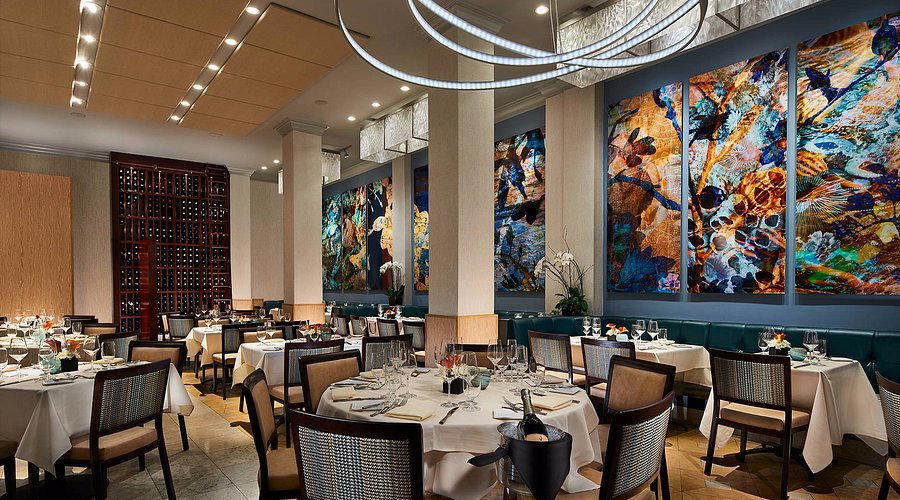
Bars in La Jolla
Browse all →



Details
- Intimate
- Elegant
- Sophisticated
- Modern
- Special Occasion
- Date Night
- Celebration
- Business Dinner
- Private Event
- Open Kitchen
- Private Dining
- Standalone
- Extensive Wine List
- Local Sourcing
- Farm To Table
- Sustainable Seafood
- Tasting Menu
- A La Carte
- Wine
Current opening hours
- Monday
- Closed
- Tuesday
- 5–10 PM
- Wednesday
- 5–10 PM
- Thursday
- 5–10 PM
- Friday
- 5–10 PM
- Saturday
- 5–10 PM
- Sunday
- Closed
Hours can change for holidays and private events. Hours as of .
Intimate and fancy fine-dining atmosphere with a refined, ingredient-focused feel and an open kitchen centered around a wood-fired hearth.