Soichi


Soichi holds back-to-back Michelin stars (2024 and 2025), making it among the more closely watched Japanese restaurants in San Diego. Situated on Adams Avenue in Normal Heights, it operates in a quieter residential register than the downtown dining corridor, pairing precise Japanese technique with a drinks programme that takes sake seriously.
Pearl is the En Primeur Club membership app — saves, bookings, and concierge access live there. Same editors, same standards.
- Address
- 2121 Adams Ave, San Diego, CA 92116
- Phone
- (619) 677-2220
- Website
- soichisushi.com
- Directions
- Get directions
 Saves & bookings on Pearl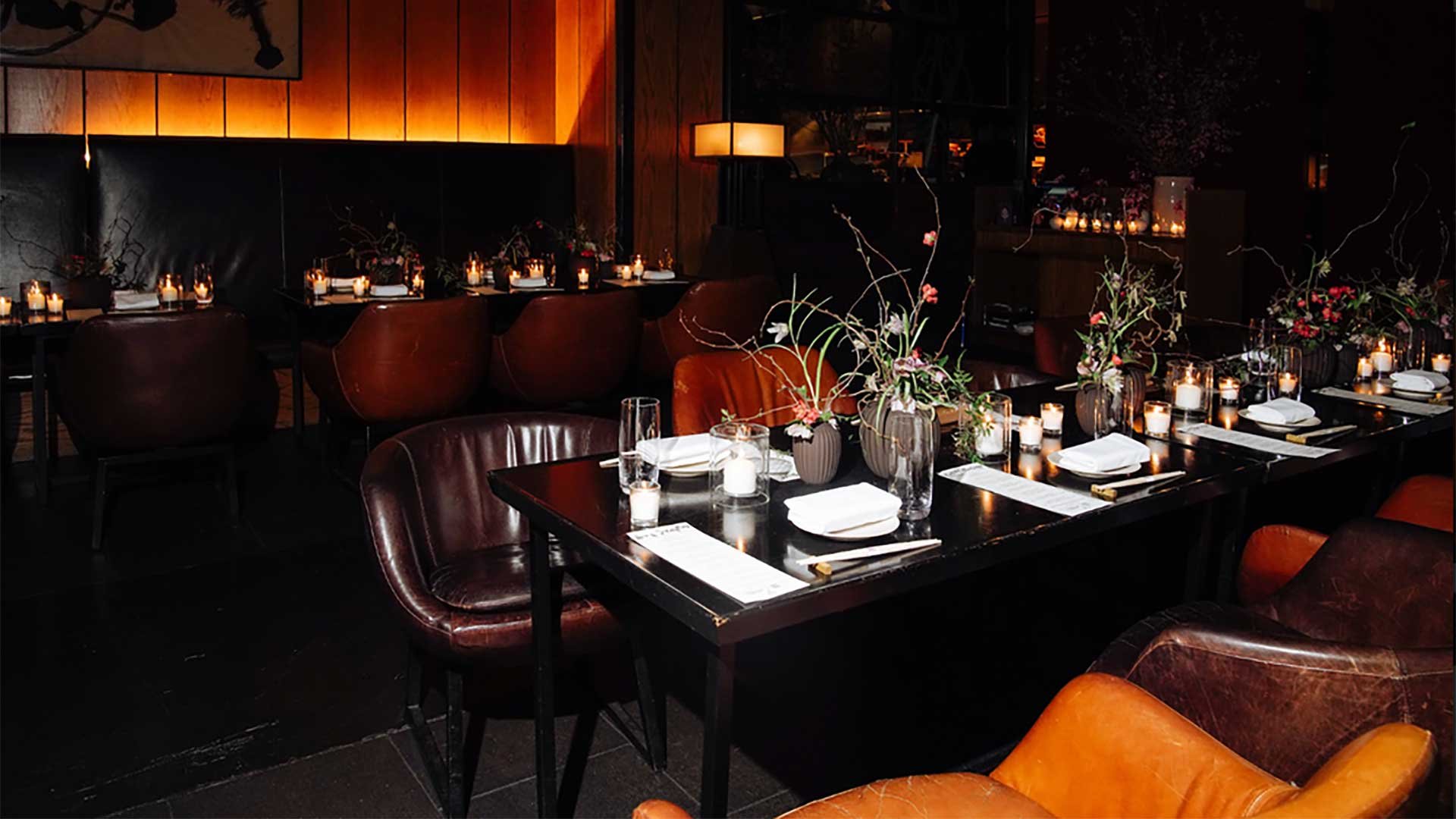
Normal Heights, Japanese Precision, and the Question of Sake
San Diego's Japanese dining scene has long been anchored by the coastal neighbourhoods, where proximity to the fish market shaped menus and expectations alike. The more interesting development in recent years has been the emergence of serious Japanese cooking further inland, in residential corridors that carry none of the tourist infrastructure of the Gaslamp or the self-conscious cool of Little Italy. Adams Avenue in Normal Heights is that kind of street: coffee shops, record stores, an unhurried pace. It is not where you expect to find a Michelin-starred kitchen, which is precisely why Soichi's address has become a talking point among the city's closer observers.
That displacement from the expected postcode is not the only thing that separates Soichi from San Diego's broader Japanese offer. The more substantive distinction is how the restaurant frames the relationship between food and drink. In many Japanese restaurants operating at this price tier, the beverage programme is an afterthought, a short sake list appended to a menu built around fish sourcing and knife work. At Soichi, the two are treated as a single system. Understanding that integration is one productive way to approach a meal here.
How Sake Works at This Level
Sake pairing at a Michelin-credentialed counter operates on different logic than wine pairing at a comparable Western restaurant. The categories matter in ways that a short list cannot convey: junmai daiginjo with its polished rice and clean fruit registers differently against delicate fish preparations than a richer, earthier yamahai would alongside aged or fermented elements. The leading Japanese counters in the country treat this as a progression, moving through temperature, weight, and fermentation style across the meal in a way that mirrors how a sommelier would work through a tasting menu's arc.
Within San Diego's Japanese tier, this level of beverage intentionality is rare. Compare the city's options at the $$$ mark, such as Hidden Fish or Cloak & Petal, and you find strong food programmes with drinks lists that play a supporting rather than structural role. Soichi's Michelin recognition in 2024 and 2025 signals that inspectors found something operating at a different register. Awards at this level assess the whole experience, and beverage integration consistently factors into the assessments of Japanese counters specifically.
For guests who have eaten at starred Japanese counters in Tokyo, the reference points are places like Myojaku or Azabu Kadowaki, where drinks and food exist in genuine dialogue. San Diego sits far from that competitive set geographically, but Soichi's consecutive Michelin recognitions suggest it is narrowing the conceptual gap.
The Room and What It Asks of You
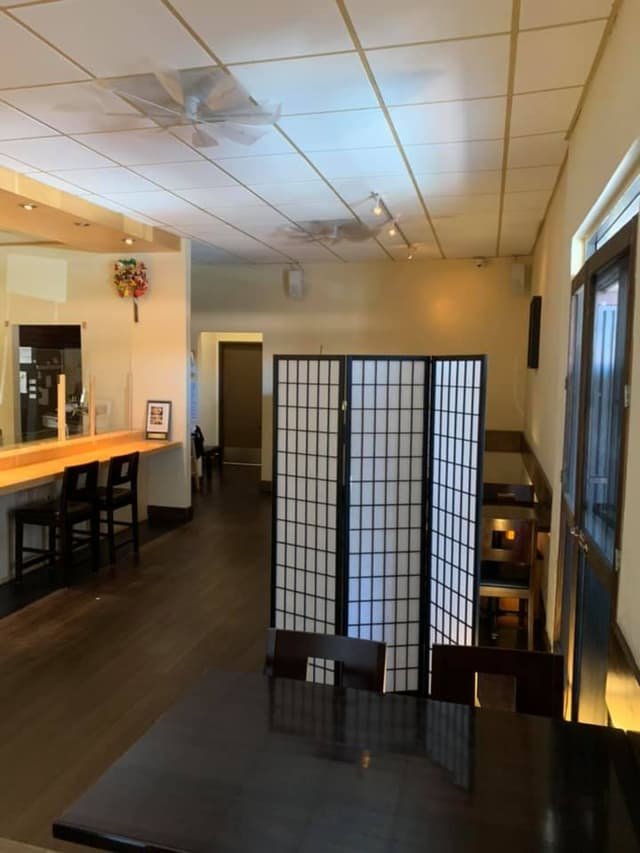
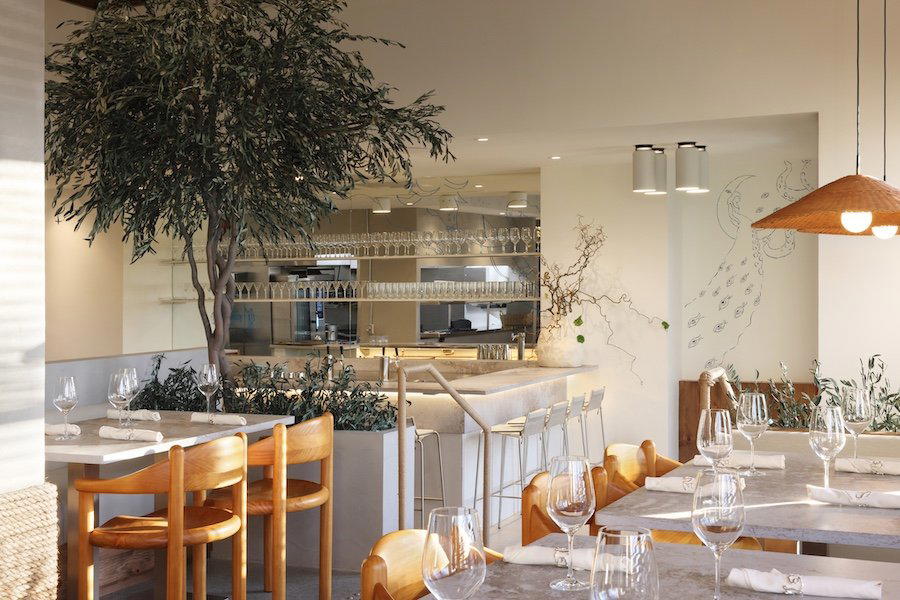
Adams Avenue does not prepare you for what is inside. The street's domestic scale, the kind of block where parking is never quite as difficult as you expect, gives way to a room that asks for attention rather than spectacle. Counter-format Japanese restaurants at the Michelin level tend to run on restraint: limited seats, controlled acoustics, a physical closeness to the kitchen that makes the meal feel less like dining out and more like being taken into a craft process.
That intimacy carries obligations in both directions. The kitchen performs at close range; guests are expected to engage, to slow down, and to be present for each course as it arrives. It is a format that rewards people who eat this way and is frankly less suited to those who want a large table, ambient noise, and the freedom to ignore what is happening on their plate. San Diego has many excellent restaurants that fit that second description, from the convivial energy of something like 94th Aero Squadron to the considered tasting menu format at Addison, the city's sole two-Michelin-star address. Soichi sits in a different register from all of them.
Google's 4.7 rating across 433 reviews is a useful data point here, not because aggregate ratings capture the full picture of a restaurant at this level, but because consistency at that score across a meaningful volume of responses indicates an operation that rarely fails its guests. Starred counters with erratic quality tend to polarise; Soichi's score is unusually stable.
Situating Soichi in the California Omakase Tier
California's Michelin market has expanded significantly in recent years, and the state now hosts a range of starred Japanese addresses that compete for the same informed traveller. At the northern end of the state, Single Thread Farm in Healdsburg and Lazy Bear in San Francisco represent the tasting-menu tier with Japanese-influenced craft embedded in broader Californian frameworks. The French Laundry in Napa operates in an entirely different culinary language. None of these are direct comparators for Soichi, which is operating as a Japanese counter rather than a California tasting menu.
The more useful comparison set is the handful of single-starred Japanese counters distributed across California's major cities: tight spaces, chef-driven omakase formats, beverage programmes with genuine sake depth. In that peer group, Soichi's two consecutive recognitions mark it as an address that the guide has assessed twice and found consistent. Consistency across years is harder than a single strong performance, and it is the metric that matters most for a restaurant relying on repeat bookings and word-of-mouth within a community of serious eaters.
Beyond California, the national tier of Japanese fine dining in the United States includes addresses like Le Bernardin in New York City, though that is a French seafood house, or Alinea in Chicago, which operates in a modernist mode far removed from Japanese counter tradition. Emeril's in New Orleans represents yet another strand of American fine dining. Soichi's distinctiveness within this broader national picture comes from placing Japanese counter discipline inside a Southern California city that has not historically been regarded as a Japanese fine dining destination. That is changing, and Soichi is part of the reason.
Planning a Visit
Soichi sits at the $$$$ price tier, which in San Diego's context puts it in the same bracket as Addison and a small number of other tasting-format addresses. Reservations at counters with this level of Michelin recognition book quickly in most cities, and the intimate format means seat count is inherently limited; planning several weeks ahead is advisable. The Adams Avenue address in Normal Heights is accessible by car, and the residential neighbourhood means parking is generally more manageable than downtown venues.
Guests interested in exploring San Diego's broader Japanese dining offer below the Michelin tier will find value in Menya Ultra for ramen, while the city's wider range of Japanese-influenced formats extends from casual to premium across several neighbourhoods.
A Quick Peer Check
Comparable venues nearby, for context on price, style, and recognition.
| Venue | Cuisine | Price | Awards | Notes |
|---|---|---|---|---|
| SoichiThis venue — the venue you are viewing | Modern Japanese Omakase | $$$$ | Michelin 1 Star | Not listed |
| Callie | Modern Mediterranean | $$$ | Bib Gourmand | Downtown |
| Hidden Fish | Omakase Sushi | $$$$ | Michelin Plate | Kearny Mesa |
| Cloak & Petal | Modern Japanese Sushi | $$$ | Michelin Plate | Downtown |
| Cesarina | Handmade Italian Pasta Trattoria | $$ | Bib Gourmand | Peninsula |
| Nobu San Diego | New Style Japanese Peruvian | $$$$ | Not listed | Downtown |
Recognition history
Dated appearances from independent guides and award organizations, with the underlying list record or original source where available.
Michelin 1 Star
Michelin
Opinionated About Dining Top Restaurants in North America Recommended
Opinionated About Dining
Michelin 1 Star
Michelin
Michelin 1 Star
Michelin
Continue exploring
More in San Diego
Restaurants in San Diego
Browse all →
Bars in San Diego
Browse all →
At a Glance
- Intimate
- Elegant
- Cozy
- Sophisticated
- Date Night
- Special Occasion
- Celebration
- Chefs Counter
- Open Kitchen
- Sake Program
- Local Sourcing
Current opening hours
- Monday
- Closed
- Tuesday
- Closed
- Wednesday
- 4:30–9:30 PM
- Thursday
- 4:30–9:30 PM
- Friday
- 4:30–9:30 PM
- Saturday
- 4:30–9:30 PM
- Sunday
- 4:30–9:30 PM
Hours can change for holidays and private events. Last verified .
Cozy and authentic Japanese atmosphere with warm wabi-sabi aesthetic, small sushi bar counter, and engaging chef interaction.