La Pizzeria Arrivederci
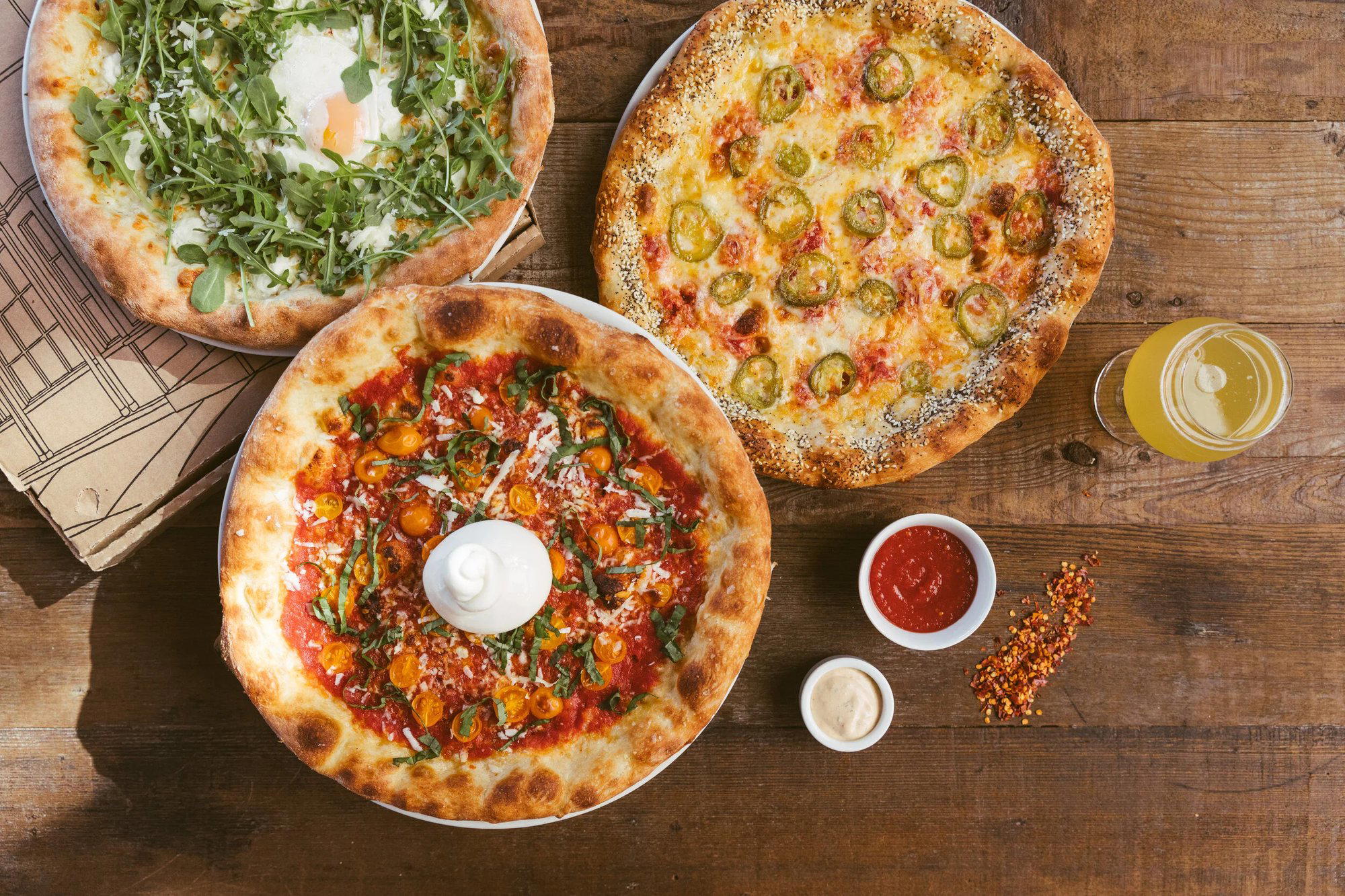
On Fourth Avenue in Hillcrest, La Pizzeria Arrivederci sits within one of San Diego's most walkable dining corridors, where Italian-rooted cooking competes against a field of Japanese precision counters and New American tasting menus. The pizzeria format occupies a distinct position in that mix: neighborhood-scaled, ingredient-focused, and operating at a price point well below the city's fine-dining tier. For visitors mapping San Diego's Italian options, this address is a practical starting point.
Pearl is the En Primeur Club membership app — saves, bookings, and concierge access live there. Same editors, same standards.
- Address
- 3789 Fourth Ave, San Diego, CA 92103
- Phone
- +16195420293
- Website
- arrivederciristorante.com
- Directions
- Get directions
 Saves & bookings on Pearl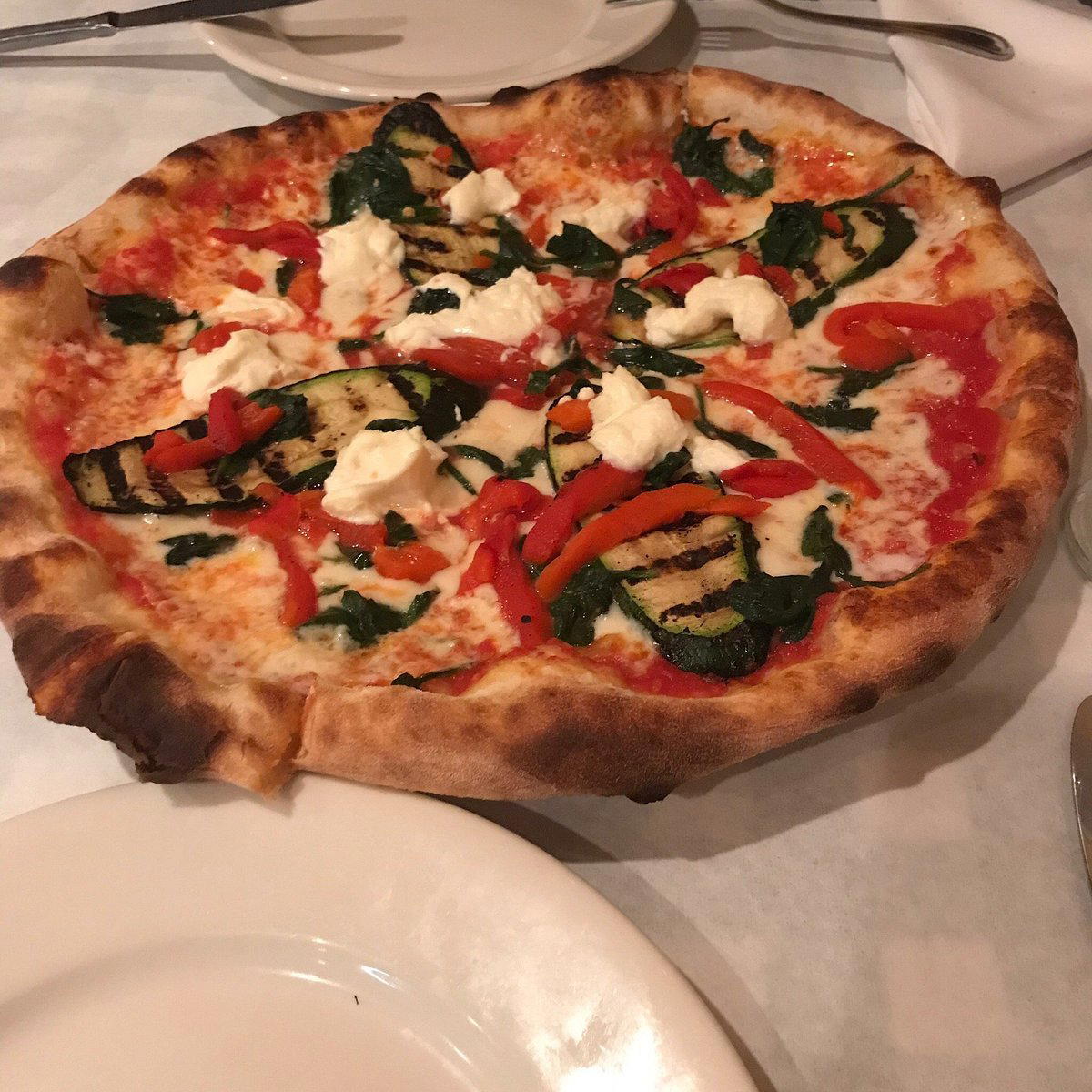
Hillcrest and the Case for Neighborhood Pizza
Fourth Avenue in Hillcrest runs through one of San Diego's most consistently active dining corridors. The neighborhood has built its food reputation on independent operators rather than imported concepts, and the stretch between University and Robinson carries that character in both directions. Pizzerias occupy a specific role in this kind of street: they anchor the middle of the market, offering something casual enough for a weeknight but serious enough to draw regulars who know the difference between a thoughtful dough and a production-line crust. La Pizzeria Arrivederci at 3789 Fourth Ave sits inside that dynamic, in a neighborhood where Italian cooking competes quietly alongside Japanese counters, Mediterranean-Californian hybrids, and the occasional tasting-menu room.
San Diego's broader restaurant scene includes high-investment tasting formats, places like Addison (French, Contemporary) at the ceiling of the city's fine-dining tier, alongside accessible neighborhood operators who work closer to the street. The pizzeria category sits firmly in the latter group, where the editorial question is less about chef pedigree and more about sourcing discipline and dough consistency. Those two things, more than any tasting-menu ambition, define whether a neighborhood pizza room earns repeat visits.
Pizza as an Environmental Argument
The sustainability conversation in American dining has largely concentrated on fine-dining formats: tasting menus built around farm partnerships, à la carte programs sourcing from named regional producers, restaurants like Blue Hill at Stone Barns in Tarrytown or Single Thread Farm in Healdsburg that have made supply-chain transparency a central part of their identity. What gets less attention is how a well-run pizzeria can make the same argument on a different scale.
Pizza's structure is inherently low-waste when managed carefully. A good dough program uses trimmings. A thoughtful topping rotation minimizes surplus. Wood-fired or high-heat deck ovens, when run at volume, use energy more efficiently per cover than the fragmented cooking processes of a complex tasting kitchen. These are not romantic claims about artisanal virtue; they are operational realities. The environmental footprint of a pizza-focused kitchen is, in most cases, considerably smaller than that of a multi-course European format working across proteins, reductions, and imported specialty ingredients. Across the American restaurant industry, operators from Lazy Bear in San Francisco to Providence in Los Angeles have made sourcing ethics central to their public positioning. The neighborhood pizzeria rarely gets credit for a similar structural efficiency, but it deserves some of it.
Southern California's ingredient geography makes this argument easier to execute. San Diego County sits within reach of some of the country's most productive agricultural land, and the region's year-round growing season means that seasonal topping rotations are a practical reality rather than a marketing gesture. A pizzeria working with local tomatoes, regional olive oil, and domestic flour has a shorter supply chain than most European fine-dining concepts operating in American cities, including celebrated rooms like Le Bernardin in New York City or Alinea in Chicago that rely heavily on imported product.
The Hillcrest Competitive Set
Within San Diego's dining map, La Pizzeria Arrivederci operates in a comparable set defined by neighborhood scale and mid-market pricing, a different register entirely from the Japanese precision of Soichi (Japanese) or the prix-fixe architecture of 1450 El Prado. The relevant comparisons are other independent Italian operators in San Diego's urban core, not the city's Michelin-adjacent fine-dining rooms.
That positioning matters for how a visitor or local regular should think about the visit. It is a neighborhood room, and the criteria for assessing it should match that category: consistency, ingredient quality relative to price, and the kind of operational care that keeps a place full on a Tuesday. Hillcrest's dining corridor also includes places like 94th Aero Squadron, which serves a different demographic entirely.
Italian-American Cooking and the California Reframe
Italian-American pizza has spent the last decade being reexamined by a generation of operators who took Neapolitan technique seriously, then asked what it would look like with California produce. The result is a hybrid that doesn't sit cleanly in either tradition: it's not strictly Neapolitan, not New York-style, and not the thin-crust Roman format that has gained traction in certain coastal markets. San Diego's version of this reframe tends to track the broader California preference for lighter preparations and ingredient-forward simplicity, a sensibility that aligns naturally with the sustainability logic outlined above.
The Italian dining tradition more broadly, from the kind of multi-region Italian cooking that informs places like 8 1/2 Otto e Mezzo Bombana (Hong Kong) in Hong Kong to the Southern Italian street-food roots of pizza itself, has always had a built-in efficiency argument. Cucina povera, the cooking of scarcity, is inherently low-waste. That lineage is worth keeping in mind when assessing a neighborhood pizzeria: the format has a historical relationship with resourcefulness that precedes any contemporary sustainability branding.
Planning the Visit
La Pizzeria Arrivederci is located at 3789 Fourth Ave in Hillcrest, a walkable neighborhood accessible from most of San Diego's central districts. Fourth Avenue has good street parking in the evenings and sits close enough to the Hillcrest transit corridor for visitors relying on public transport. The address puts it within easy reach of Balboa Park, which makes it a practical option before or after an afternoon at the park's museums. The restaurant is open daily from 5 to 9 PM, and reservations are recommended. Visitors who want to map the restaurant against San Diego's broader Italian and neighborhood dining options will find useful comparative context in our full San Diego restaurants guide.
A Lean Comparison
Comparable venues nearby, for context on price, style, and recognition.
| Venue | Cuisine | Price | Notes |
|---|---|---|---|
| La Pizzeria ArrivederciThis venue — the venue you are viewing | Uptown, Authentic Italian Pizza & Pasta | $$ | Not listed |
| Mattarello Cooking | Uptown, Handmade Italian Pasta | $$ | Not listed |
| Cafe Luna | Not listed | $$ | Carmel Mountain Ranch, Traditional Italian |
| Pezzi del mio Cuore | Not listed | $$ | Midway-Pacific Highway, Authentic Italian Comfort Food |
| Pizzeria Luigi | Not listed | $$ | Greater Golden Hill, New York-Style Pizza |
| Sorrento Ristorante | Not listed | $$ | Downtown, Authentic Italian Trattoria & Pizzeria |
Continue exploring
More in San Diego
Restaurants in San Diego
Browse all →
Bars in San Diego
Browse all →



At a Glance
- Cozy
- Casual
- Intimate
- Rustic
- Casual Hangout
- Group Dining
- Date Night
- Family
- Standalone
- Terrace
- Beer Program
- Local Sourcing
Current opening hours
- Monday
- 5–9 PM
- Tuesday
- 5–9 PM
- Wednesday
- 5–9 PM
- Thursday
- 5–9 PM
- Friday
- 5–9 PM
- Saturday
- 5–9 PM
- Sunday
- 5–9 PM
Hours can change for holidays and private events. Last verified .
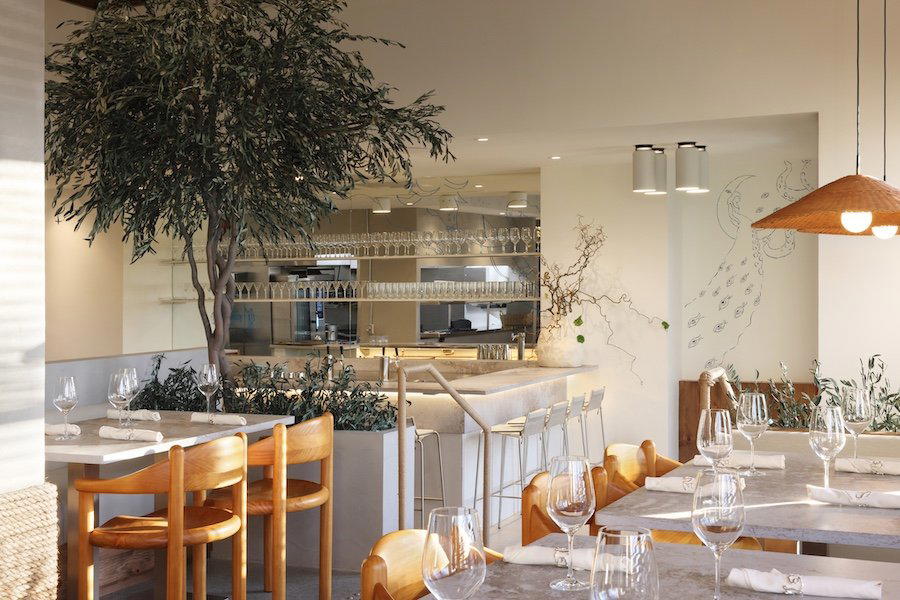
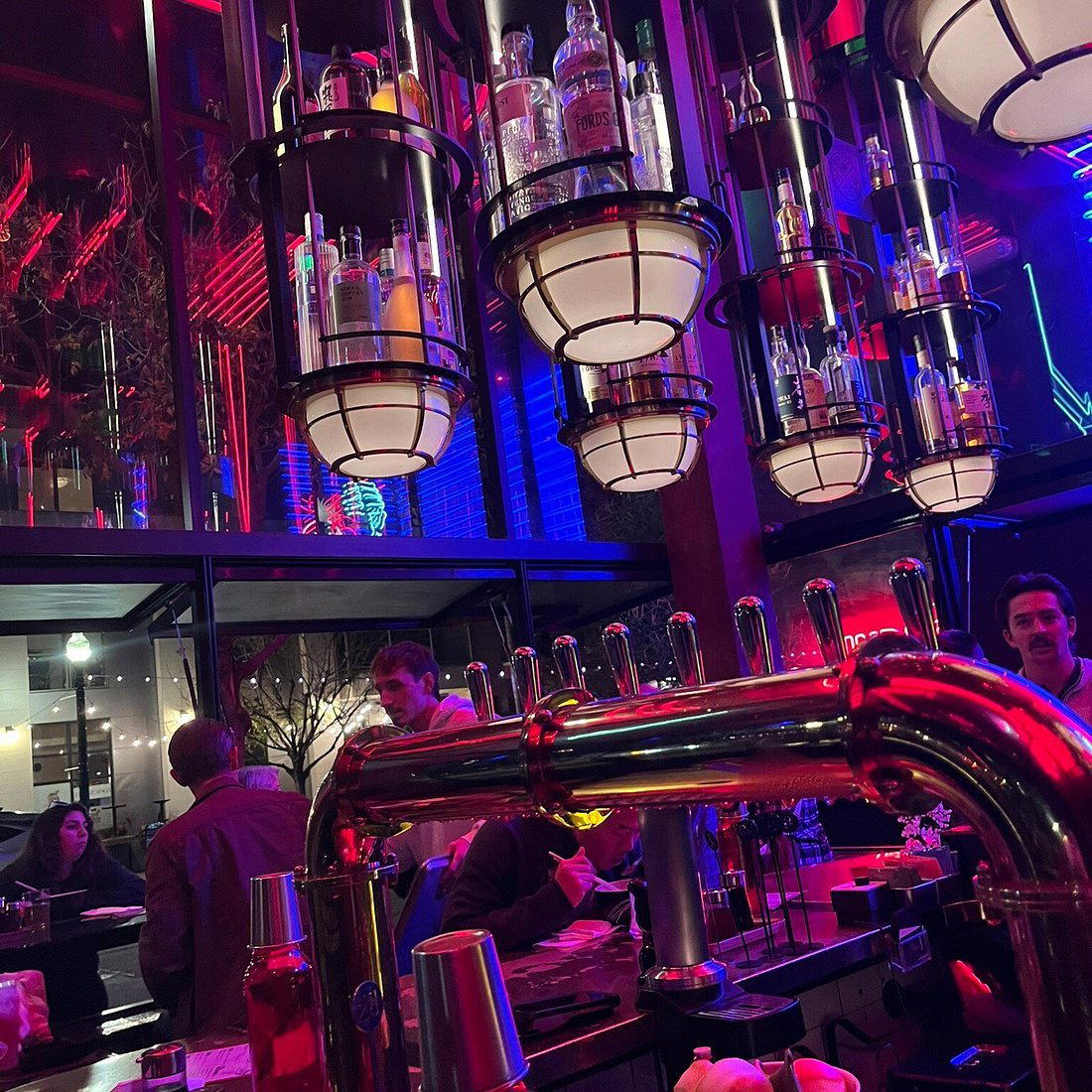
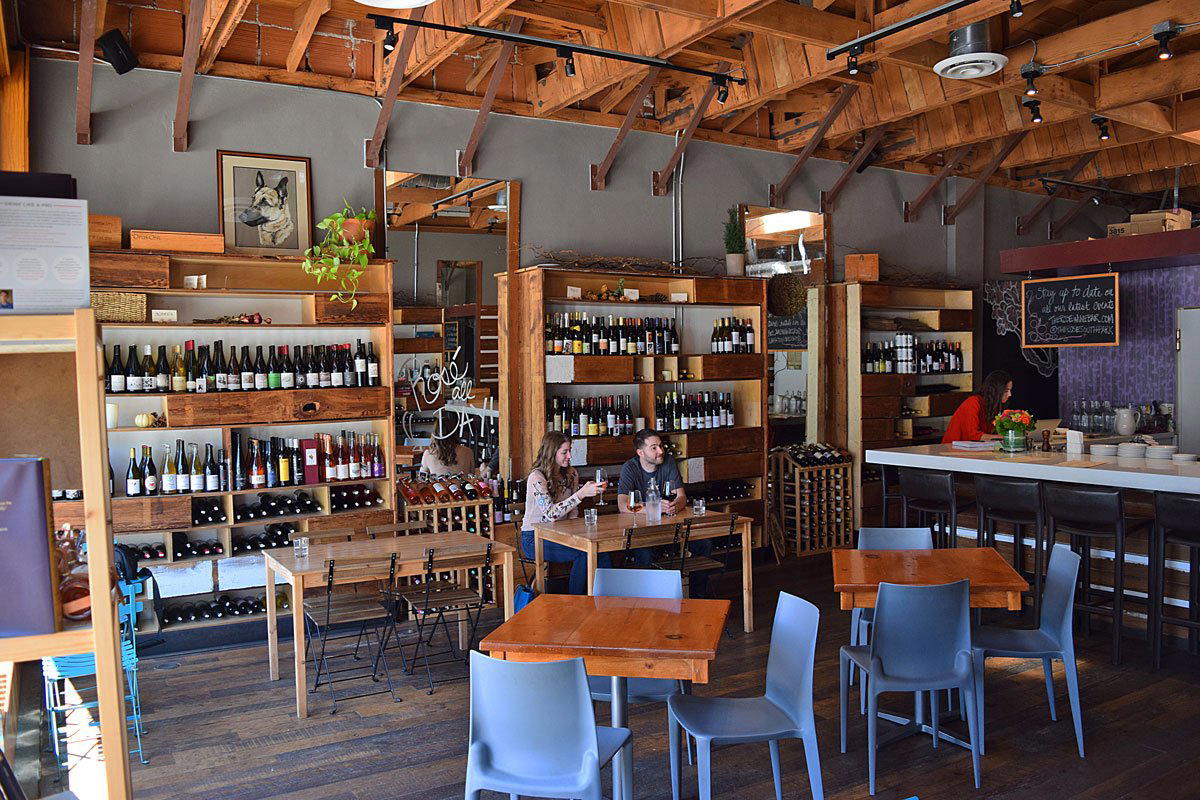
Warm, cozy, and intimate atmosphere with rustic Italian charm that transports diners to Tuscany and Campania; small tables close together create a convivial neighborhood feel with friendly Italian staff.