Cacio E Pepe Trattoria Romana
Our verdict
On North Park's University Avenue, Cacio E Pepe Trattoria Romana plants a Roman flag in a San Diego dining scene better known for Pacific Rim influences and Baja crossover. The menu reads as a study in restraint: a handful of Roman pasta classics, grilled proteins, and the kind of wine list that doesn't need to be long to be useful. It is the sort of place that rewards repeat visits more than first impressions.
The menu
What to order
- Bucatini Cacio E Pepe
- Carbonara
- Pappardelle Ragu
North Park and the Case for Roman Simplicity
San Diego's dining character has long been shaped by geography: Baja California produce, Pacific seafood, and a Mexican culinary inheritance that runs deeper than any trend cycle. Against that backdrop, a trattoria committed to the Roman canon occupies an unusual position. University Avenue in North Park has become the corridor where the city's more idiosyncratic restaurant ideas take root, sitting at a remove from the Gaslamp Quarter's higher-volume tourist traffic and the polished ambition of venues like Addison in Del Mar. It is precisely the kind of street where a restaurant can build a neighbourhood following without needing to compete on spectacle.
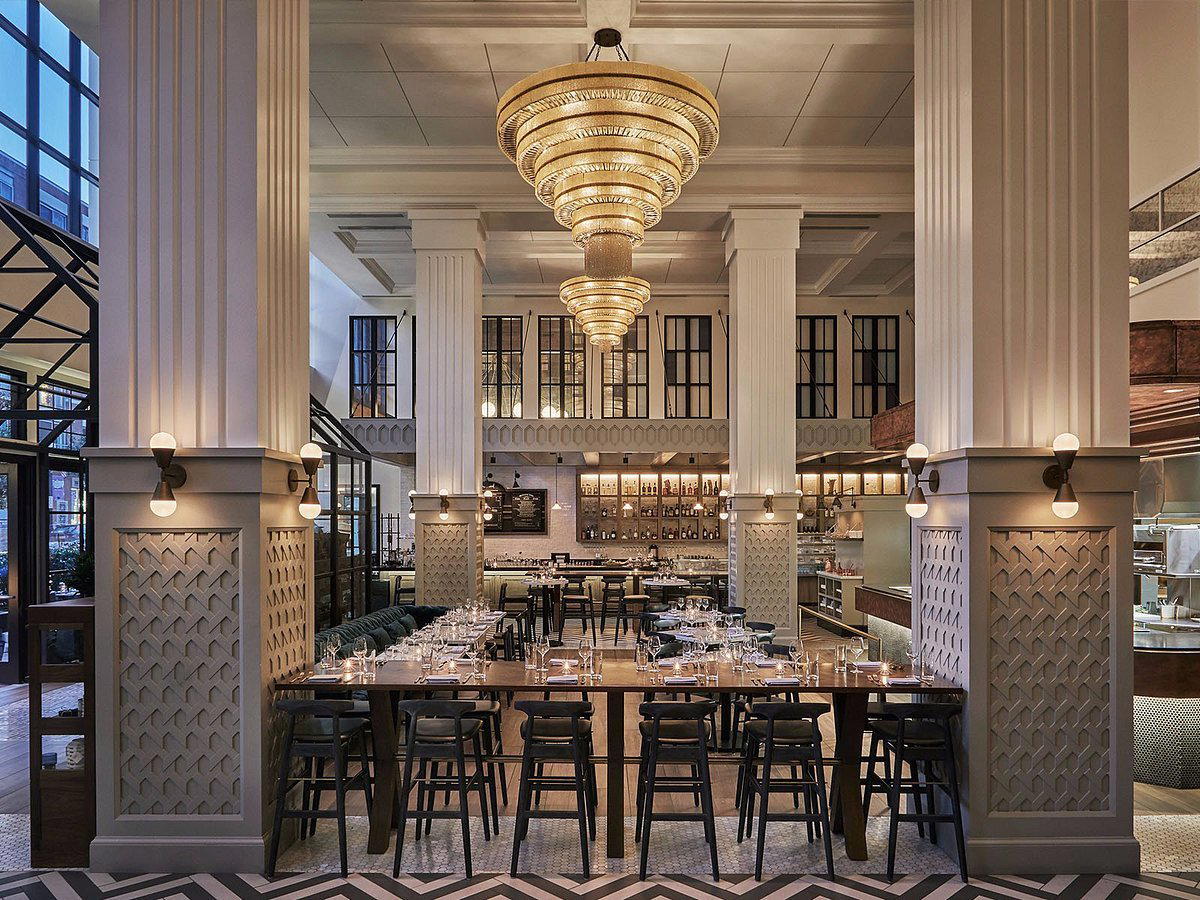
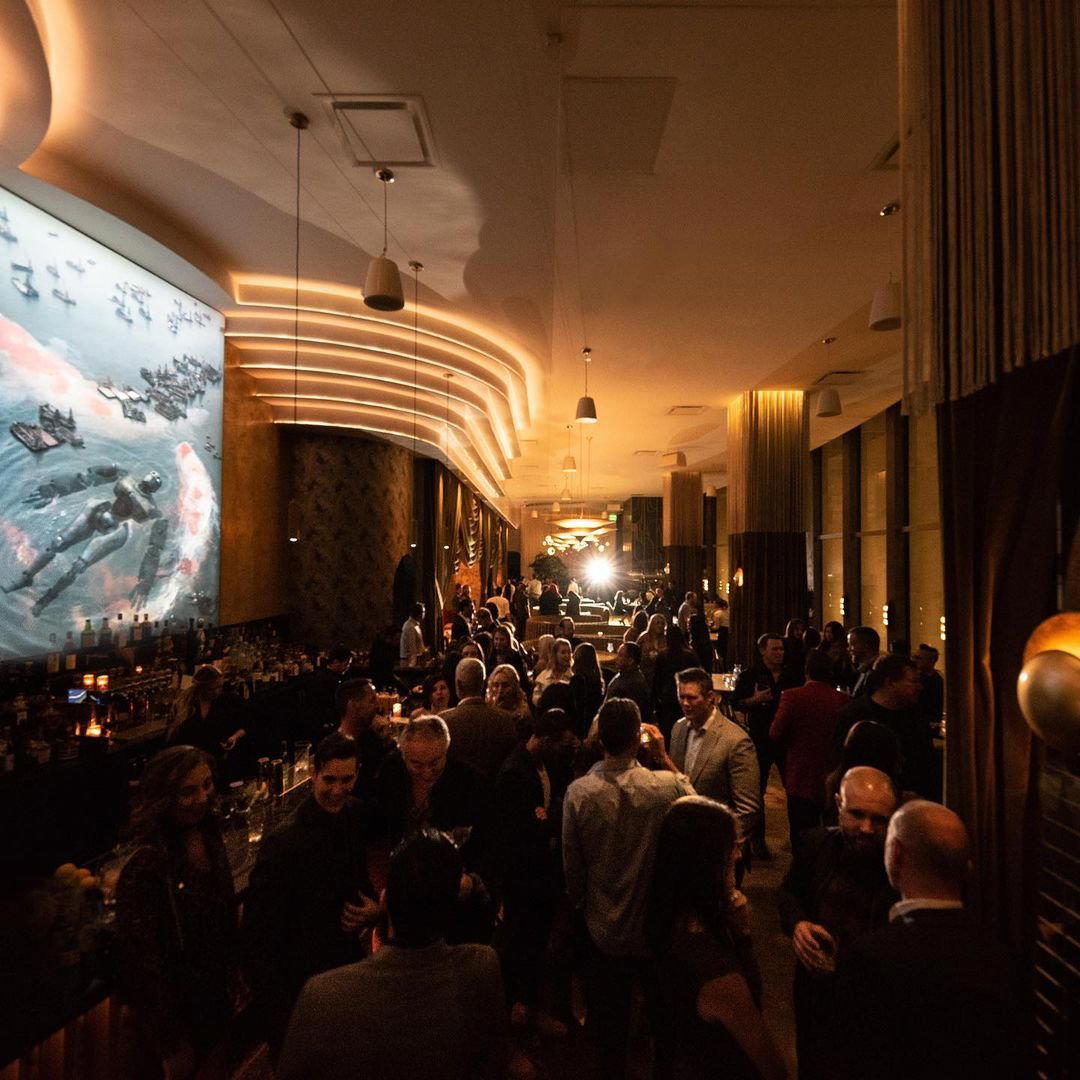
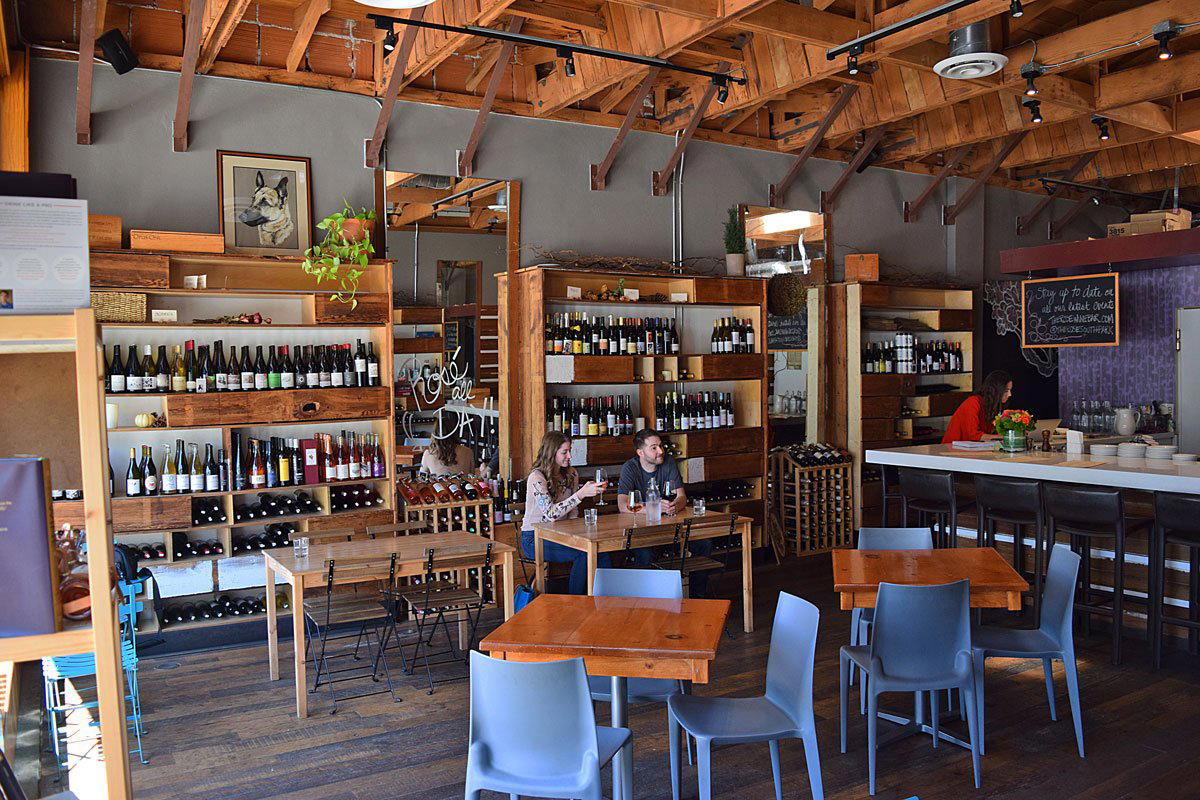
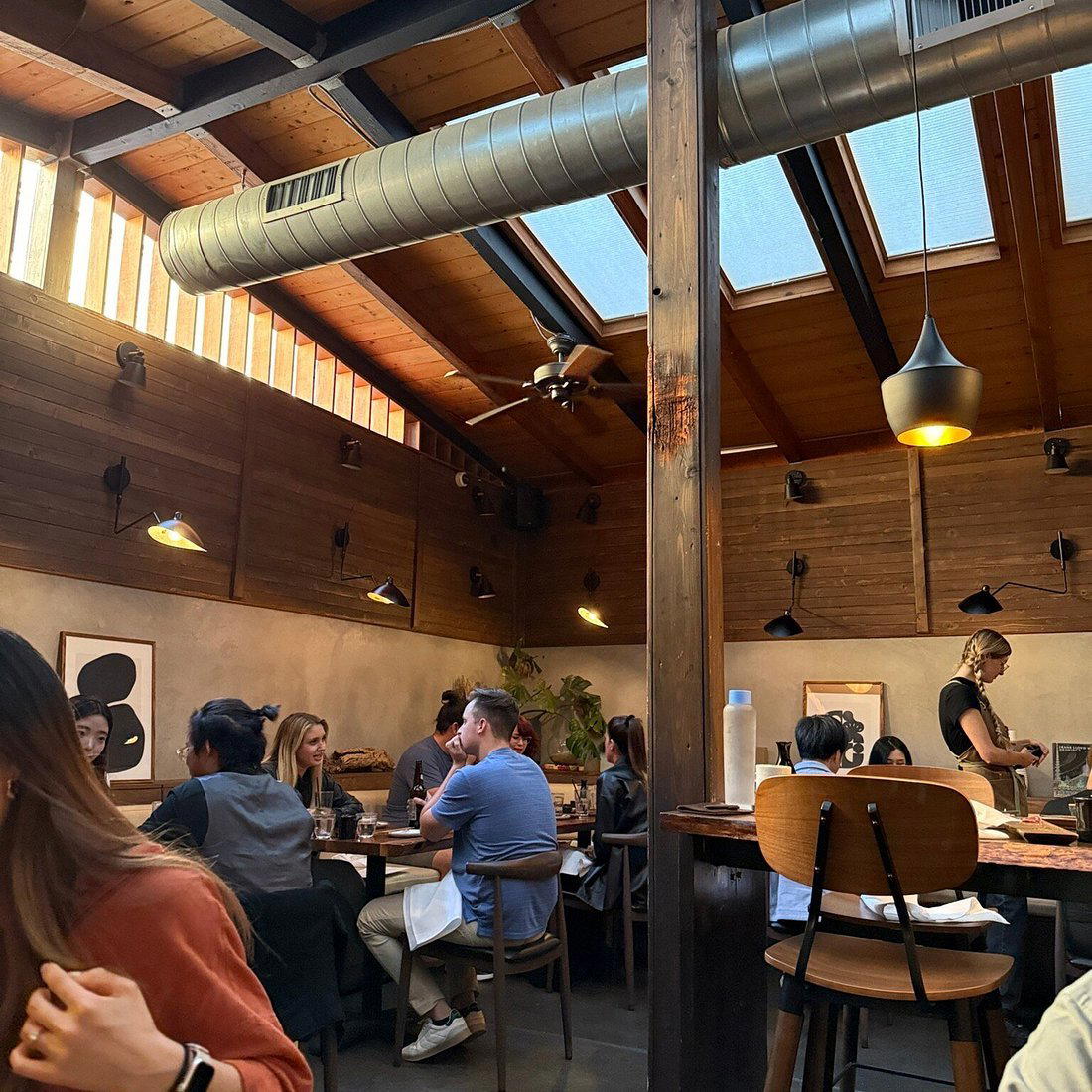
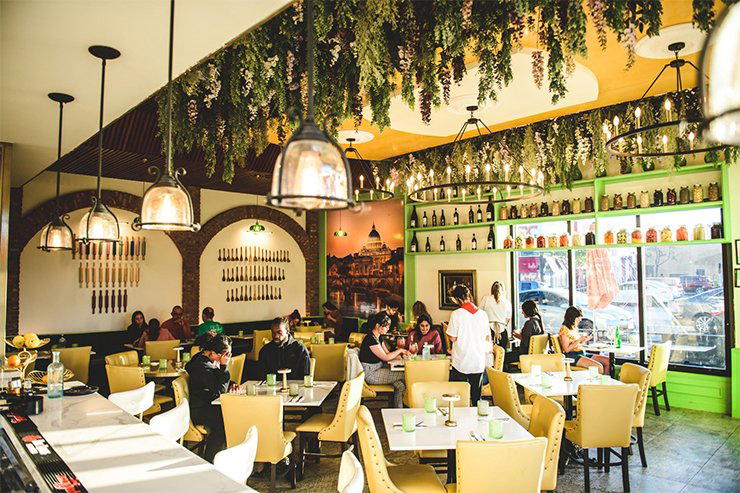
Cacio E Pepe Trattoria Romana operates at 2835 University Avenue, in a stretch of North Park that reads as genuinely local rather than destination-groomed. The physical approach signals what's inside: no marquee design statement, no elaborate branding exercise. What Roman trattoria culture has always understood is that the room should recede so the food can advance. That logic holds here.
What the Menu Reveals About Its Intentions
The editorial angle worth pressing on is not the cooking itself but the menu architecture, because that structure tells you everything about what kind of restaurant this is and who it is cooking for. Roman trattoria menus are among the most disciplined in Italian regional cooking. They do not sprawl. The category headings are predictable by design: antipasti, primi, secondi, contorni, dolci. What separates a serious Roman kitchen from a casual one is not the categories but the internal logic within them.
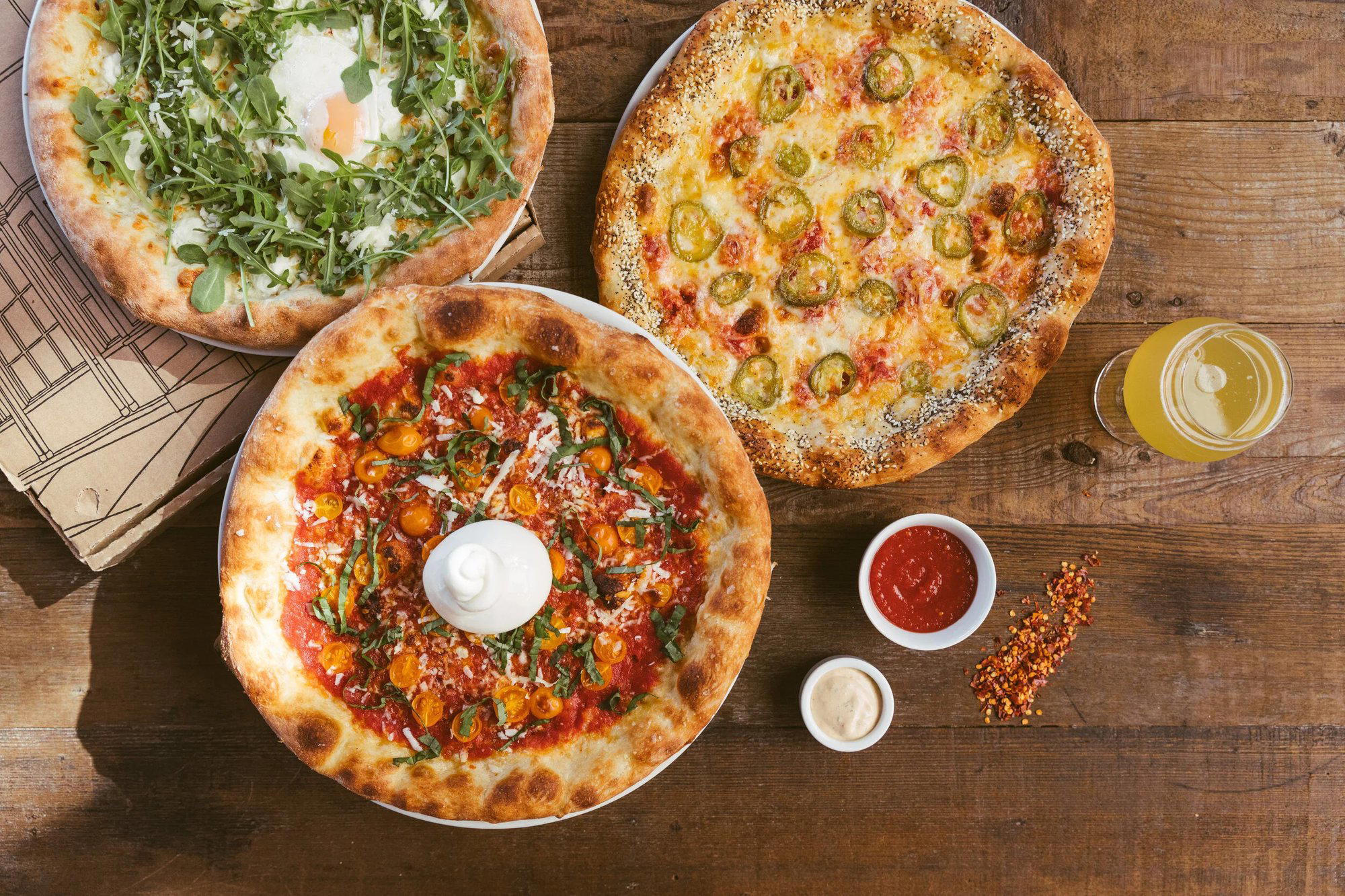
In Rome's canonical trattorias, the pasta section carries the most weight. Cacio e pepe, carbonara, amatriciana, and gricia are the four pillars of the Roman pasta tradition, and each depends on technique rather than ingredient complexity. Cacio e pepe in particular, the dish that gives this restaurant its name, is made from three ingredients: pasta, Pecorino Romano, and black pepper. Its execution depends entirely on emulsification, heat control, and the quality of the cheese. There is nowhere to hide, which is why Roman chefs treat it as a benchmark. A restaurant willing to put that dish at the top of its identity is making a statement about confidence in craft over novelty.
The secondi section in a Roman trattoria typically anchors to proteins cooked without elaborate sauce architecture: abbacchio, saltimbocca, trippa, coda alla vaccinara. These are dishes that require patience and knowledge of Roman butchery and braising traditions rather than modernist technique. For a San Diego diner accustomed to the broader Californian idiom, where seasonal produce often drives the plate, the Roman model can read as austere. That austerity is the point. It is the same discipline that governs venues operating in entirely different registers, from Le Bernardin in New York City to Frasca Food and Wine in Boulder: define your culinary territory clearly, then execute within it without apology.
How This Sits Within San Diego's Italian Moment
San Diego has not historically been an Italian dining city in the way New York or Chicago commands that designation. The city's Italian restaurants have tended toward red-sauce comfort or upscale Italian-American hybrids rather than regional specificity. A Roman-focused kitchen represents a narrower, more demanding proposition. It asks the diner to accept that restraint and repetition are features, not limitations.
The city's more technically ambitious dining sits in a different tier altogether. Soichi, the Japanese counter in Ocean Beach, operates on omakase principles where the chef's judgment governs every decision. That format and this one share almost nothing in approach, but they are related in one meaningful way: both ask the diner to trust that less on the menu does not mean less in the kitchen. Elsewhere in the city's mid-range, venues like 1450 El Prado and 777 G St work within broader American or continental frameworks. The Roman specialization at Cacio E Pepe Trattoria Romana places it outside those comparison sets entirely.
North Park itself has matured into one of the city's more reliable dining districts, with a concentration of independent operators and a local demographic that supports restaurants running on repeat business rather than tourist volume. That neighbourhood context matters for a trattoria. Roman dining culture is built on regulars, on the idea that a table in a specific trattoria becomes, over time, something close to an extension of one's own kitchen. That relationship between neighbourhood and restaurant is harder to cultivate on a waterfront tourist strip than it is on University Avenue.
Where This Fits Across the Broader Italian Dining Spectrum
For context on where serious Italian regional cooking sits nationally, the reference points are instructive. The French Laundry in Napa and Blue Hill at Stone Barns in Tarrytown represent one end of the American fine-dining spectrum, where European culinary heritage is filtered through haute ambition and tasting-menu formats. Atelier Moessmer Norbert Niederkofler in Brunico shows what happens when Italian regional identity is taken to a three-Michelin-star level of interpretive abstraction. The Roman trattoria tradition is the counterargument to all of that: it insists that regionality and accessibility are not in conflict, and that a bowl of pasta made correctly is sufficient reason to return.
For readers building a broader San Diego itinerary, our full San Diego restaurants guide maps the city's dining spread across neighbourhoods and price tiers. Venues such as 94th Aero Squadron serve a completely different function in the city's dining ecosystem, oriented around setting and occasion. Cacio E Pepe Trattoria Romana is not an occasion restaurant in that sense. It is a frequency restaurant, the kind of place that gets better as you understand it better.
Know Before You Go
- Address: 2835 University Ave, San Diego, CA 92104
- Neighbourhood: North Park
- Format: Trattoria romana, Roman regional Italian
- Price tier: Information not currently listed; expect mid-range trattoria pricing consistent with the North Park neighbourhood
- Reservations: Contact details not currently listed; walk-in availability likely varies by day and time
- Hours: Not currently listed; verify directly before visiting
Frequently asked questions
Where exactly is Cacio E Pepe Trattoria Romana?
Cacio E Pepe Trattoria Romana is located at 2835 University Ave, San Diego, CA 92104, San Diego.
Is Cacio E Pepe Trattoria Romana focused on a specific Italian regional cuisine?
The name signals a deliberate commitment to Roman cooking rather than a broadly pan-Italian menu. Cacio e pepe sits alongside tonnarello cacio e pepe, carbonara, and amatriciana as the core of the Roman pasta canon, dishes defined by restraint and technique rather than ingredient complexity. In San Diego, where most Italian restaurants operate within a wider Italian-American framework, a Rome-specific focus is a narrower and more specific positioning.
What's the signature dish at Cacio E Pepe Trattoria Romana?
The name settles it: cacio e pepe, a Roman pasta built from three ingredients, Pecorino Romano, coarsely cracked black pepper, and starchy pasta water. The dish has no cream, no butter, and no shortcuts; execution depends entirely on technique and ingredient quality. At a trattoria that puts the dish in its own name, it functions as both the identity statement and the standard by which the kitchen is measured.
Can I walk in to Cacio E Pepe Trattoria Romana?
The restaurant is located at 2835 University Ave in San Diego's North Park neighbourhood, where foot traffic is consistent and neighbourhood trattorias often operate on a mix of walk-ins and informal reservations. Booking details are not currently listed so arriving early or calling ahead is the practical approach until confirmed availability information is published.
In Context: Similar Options
| Venue | Cuisine | Price | Awards | Notes |
|---|---|---|---|---|
| Cacio E Pepe Trattoria RomanaThis venue (the venue you are viewing) | Roman Trattoria | Not listed | Not listed | Not listed |
| Addison | Modern California Fusion Fine Dining | $300–500 | 3 Michelin Stars · World's 50 Best #31 | French, Contemporary |
| Callie | Modern Mediterranean | $50–100 | Michelin Bib Gourmand · Wine Spectator Best of Award of Excellence | Not listed |
| Trust | Modern American Wood-Fired Small Plates | $30–50 | Michelin Plate | Not listed |
| Sushi Tadokoro | Traditional Edomae-Style Omakase | $50–100 | Michelin Plate | Not listed |
| Soichi | Modern Japanese Omakase | $150–200 | 1 Michelin Star | Japanese |