356 Korean BBQ & Bar
356 Korean BBQ & Bar runs casual service with seated bar and communal tables, a casual dress code, and a loud room at 1640 Camino Del Rio N in San Diego.

Pearl is the En Primeur Club membership app, where members save venues, book tables and use the concierge.
Fire, Table, Ritual: Korean BBQ in San Diego's Mission Valley Corridor
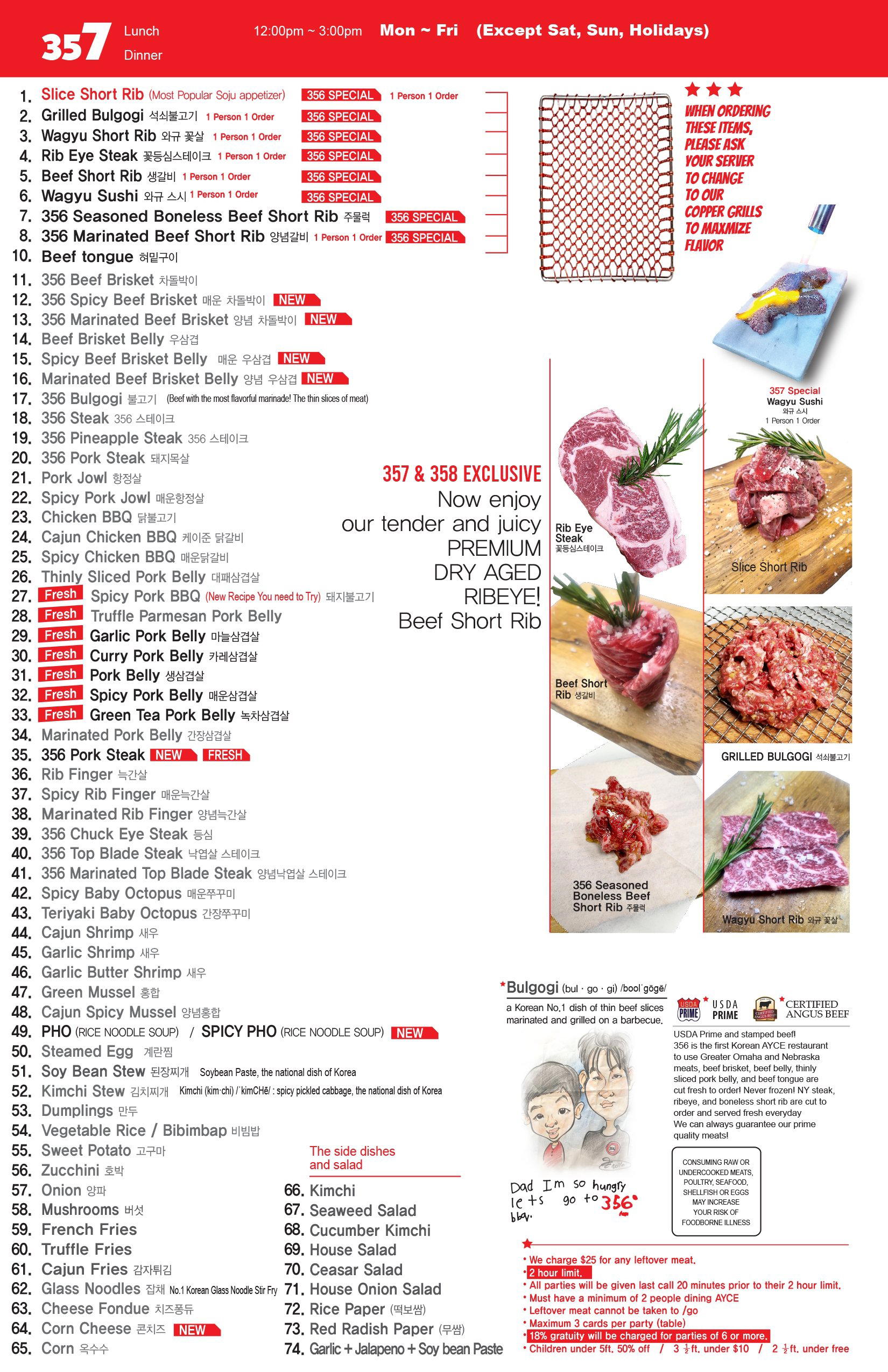
The smell reaches you before the menu does. Live-fire Korean BBQ operates on a sensory logic that most dining formats don't: the cooking happens at the table, smoke rises through ventilation hoods overhead, and the meal unfolds as a series of decisions rather than a sequence of courses. At 356 Korean BBQ & Bar on Camino Del Rio North, that format plays out within Mission Valley, a part of San Diego built around access rather than atmosphere, where the dining tends to be functional and the competition is rarely about refinement. The fact that a Korean BBQ and bar concept has planted itself here says something about where the format sits in San Diego's broader eating culture: not a specialty import confined to Kearny Mesa's Koreatown corridor, but a mainstream mode of eating that now reaches across the city's commercial zones.
The Format and What It Demands of the Diner
Korean BBQ as a dining structure is one of the more participatory formats in contemporary restaurant culture. The diner controls char level, timing, and the ratio of protein to banchan. Thin-cut beef, pork belly, and marinated short rib (galbi) represent the backbone of most menus in this category; the quality differential between operations comes down to the sourcing of those cuts, the calibration of the tabletop grill, and the depth of the banchan spread that surrounds them. High-end Korean BBQ operations in Los Angeles, Seoul, and New York have spent the last decade applying precision sourcing and imported technique to a format that was already well-established, creating a bifurcation between the workhorse neighborhood operation and the premium counter. San Diego's Korean BBQ scene sits largely in the former register, with Kearny Mesa hosting the highest concentration of serious operators. Mission Valley, where 356 is positioned, draws from a broader residential and commercial catchment rather than a culturally specific dining cluster.
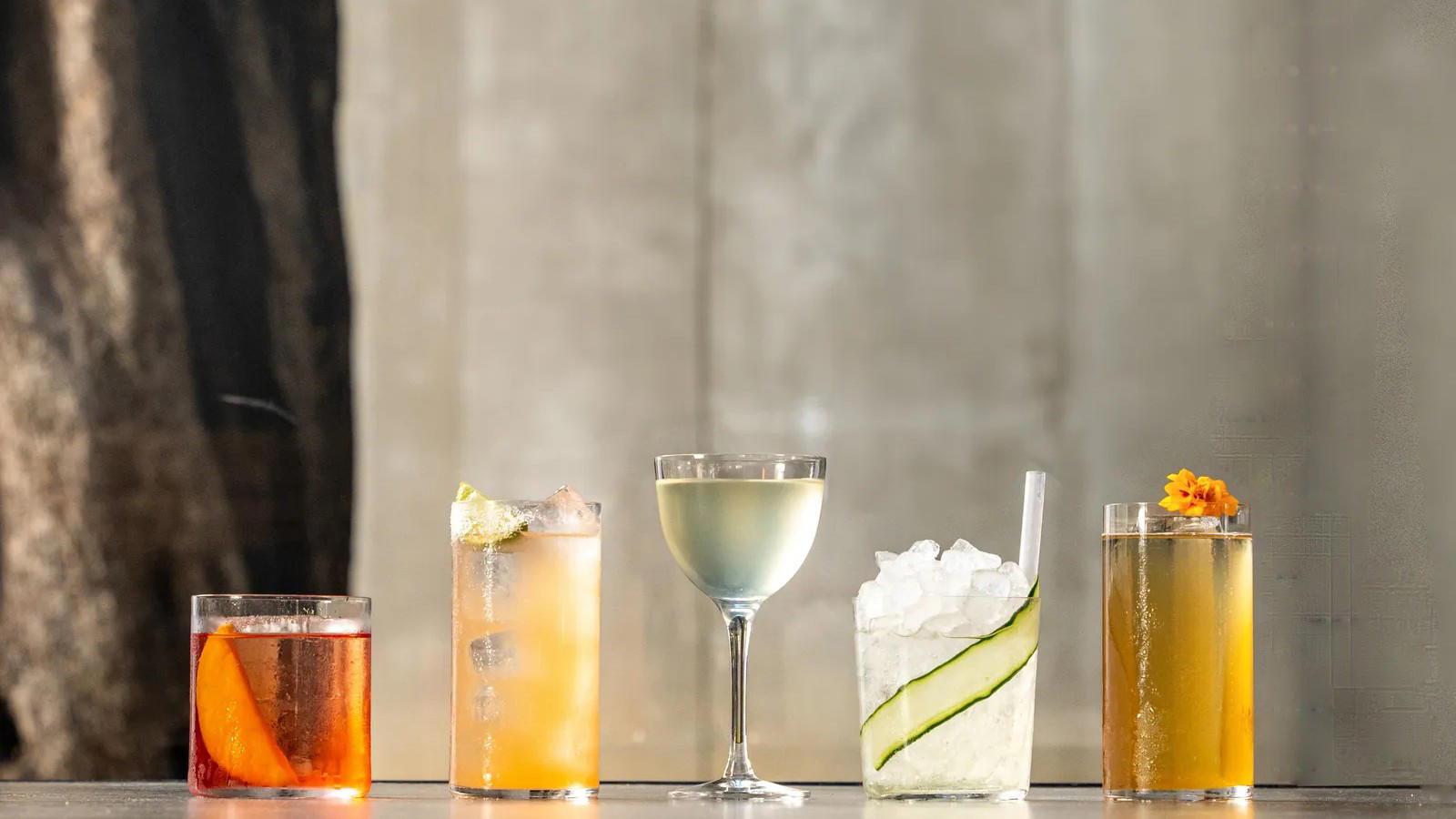
The bar component at 356 pushes the concept further than most Korean BBQ houses in the city. Pairing grilled meat with soju, Korean beer, or makgeolli is the traditional logic; a full bar program layered onto that base introduces a cocktail dimension that aligns the venue with the kind of hybrid format increasingly common in American cities. Operations like Kumiko in Chicago and Superbueno in New York City have demonstrated how pairing a distinct culinary identity with a serious drinks program creates a more durable proposition than either element alone. The bar-and-kitchen hybrid is now a recognizable category in American dining, and Korean BBQ is a format well-suited to it: the meal is long, social, and built around the table rather than the plate.
Local Context: Where San Diego's Korean BBQ Scene Sits
San Diego's Korean dining is concentrated most densely in Kearny Mesa, where restaurants like Don Gu and Dae Jang Geum have operated for years as anchors for the local Korean-American community. That cluster rewards repeat visitors who know the ordering conventions and are comfortable navigating menus that don't always default to English. Mission Valley's demographic is different: the area draws office workers, hotel guests from the cluster of mid-range properties nearby, and Mission Hills and North Park residents crossing the valley for convenience. A Korean BBQ operation in this context is making a different argument than one in Kearny Mesa; it is positioning the format as accessible and approachable without requiring the cultural familiarity that a more community-embedded restaurant assumes.
For San Diego's cocktail-focused dining scene, the bar dimension at 356 puts it in conversation with venues operating in a different register. Raised by Wolves and Youngblood represent the city's more program-driven bar culture, while operations like 1450 El Prado and 7290 Navajo Rd anchor neighborhood drinking in their respective areas. 356's proposition is different from all of them: the bar exists in support of a meal format, not as the primary draw.
Technique Meeting Place: The Editorial Angle on Imported Method
Korean BBQ's global spread has followed a consistent pattern: the cooking method travels first, then the ingredient logic gets adapted to local supply chains. In California, that means access to well-regarded domestic beef, Pacific-rim seafood, and a produce culture that makes banchan sourcing more locally viable than in most American cities. The technique, honed over centuries in Korean culinary tradition, applies direct live heat to thin-cut or marinated proteins with a precision that rewards attentive grilling. What changes market to market is what goes on the grill and what comes alongside it. San Diego's position on the Pacific coast, with proximity to both Asian ingredient suppliers and California agricultural networks, gives Korean BBQ operators here a workable supply chain for both traditional components and locally sourced additions. The intersection of a Korean format with California ingredient availability is a real editorial point, not a marketing one: it describes how a transplanted cooking method adapts to a specific place.
Comparable bar-forward operations in other American cities worth tracking as reference points include Bar Leather Apron in Honolulu, where Pacific-rim ingredient logic meets precise cocktail technique, and Jewel of the South in New Orleans, which applies historical American bar tradition to a contemporary format. Further afield, Julep in Houston and ABV in San Francisco show how bar programs anchored to a culinary or cultural identity outperform generic cocktail menus in longevity. The Parlour in Frankfurt on the Main illustrates that the bar-anchored dining concept has reach well beyond the American context.
Planning a Visit: What to Know Before You Go
356 Korean BBQ & Bar sits at 1640 Camino Del Rio North in Mission Valley, a location that is accessible by car with parking available in the surrounding commercial zone. Mission Valley is served by the San Diego Trolley's Green Line, which connects the area to downtown and other parts of the city, making it reachable without a car for those based along that corridor. Korean BBQ is a format that rewards groups of three or more, since the range of proteins and banchan makes more sense when shared across multiple diners. The bar dimension means solo diners or pairs have a workable option that doesn't require committing to a full spread. For a broader view of where 356 fits within San Diego's dining and drinking scene, the full San Diego restaurants guide maps the city's key operators across neighborhoods and formats.
Recognition Snapshot
| Venue | Price | Awards |
|---|---|---|
| 356 Korean BBQ & BarThis venue (the venue you are viewing) | Not listed | Not listed |
| Raised by Wolves | $30–50 | World's 50 Best #19 · Top 500 Bars Best Bars #442 |
| Youngblood | $50–100 | World's 50 Best #49 |
| Realm of the 52 Remedies | $20–30 | World's 50 Best #93 · James Beard Award Semi Finalist |

Continue exploring
More in San Diego
Bars in San Diego
All bars in San Diego →
Restaurants in San Diego
All restaurants in San Diego →

Details
- Lively
- Industrial
- Trendy
- Group Outing
- Casual Hangout
- Seated Bar
- Communal Tables
Current opening hours
- Monday
- 12–11 PM
- Tuesday
- 12–11 PM
- Wednesday
- 12–11 PM
- Thursday
- 12–11 PM
- Friday
- 12–11:30 PM
- Saturday
- 12–11:30 PM
- Sunday
- 12–11 PM
Hours can change for holidays and private events. Last verified .
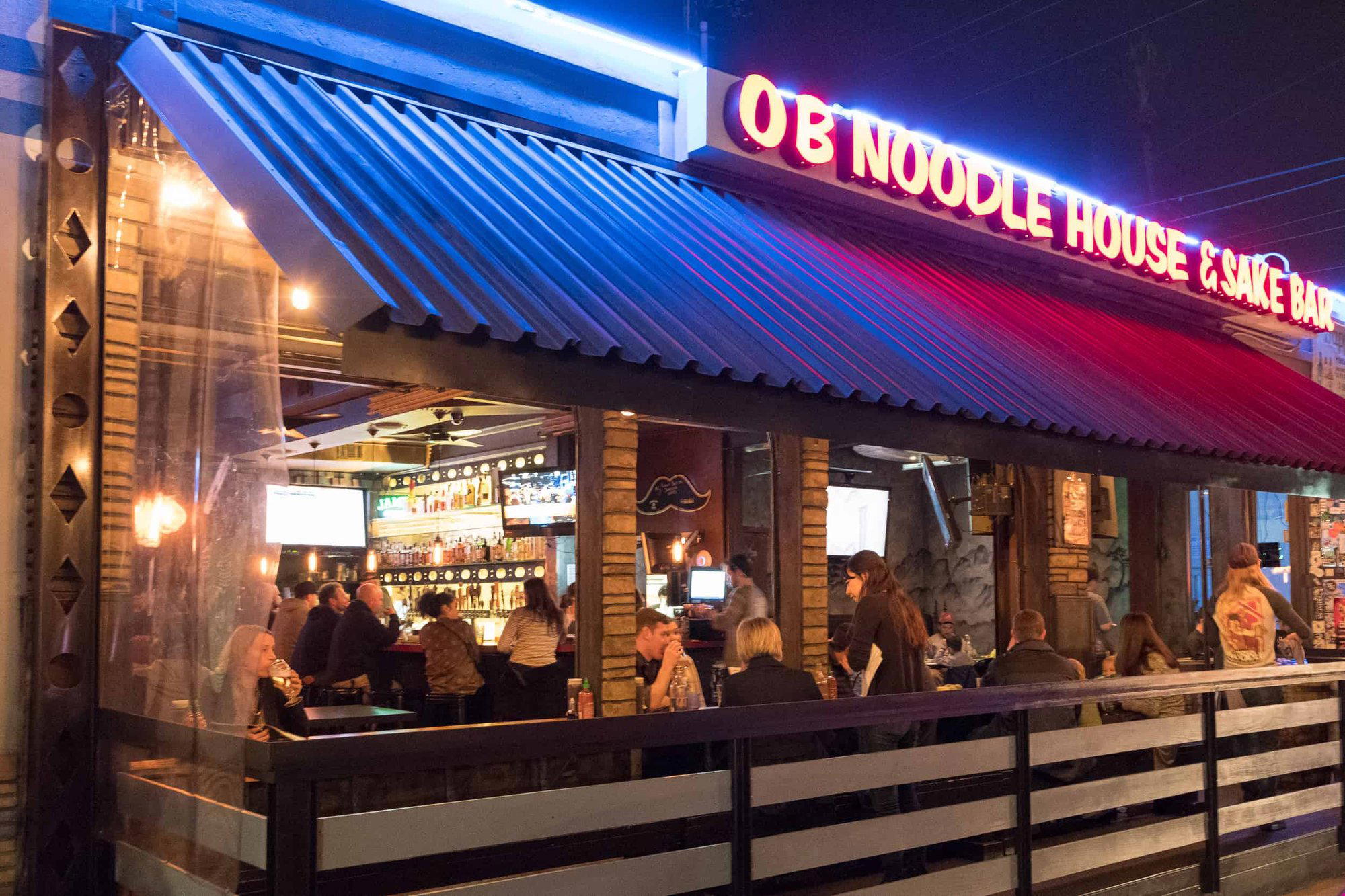
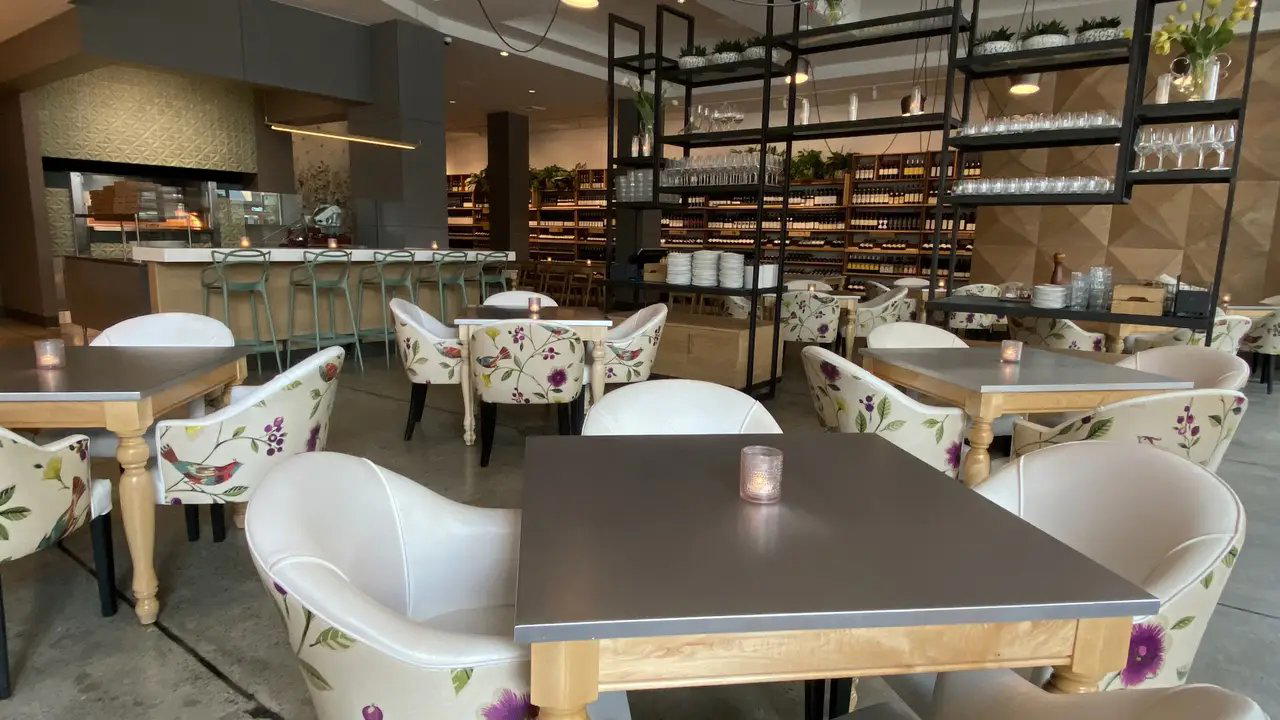
Industrial decor with loud rock music creating an energetic vibe for young crowds