The Frisky Oyster
On Greenport's harborfront, The Frisky Oyster trades on the North Fork's deep shellfish culture and the kind of informal coastal confidence that defines the East End at its most assured. The room draws from a scene where Long Island Sound produce sets the agenda, and the kitchen interprets that tradition with enough ambition to distinguish it from the village's more workmanlike options.
Pearl is the En Primeur Club membership app — saves, bookings, and concierge access live there. Same editors, same standards.
- Address
- 27 Front St, Greenport, NY 11944
- Phone
- +16314774265
- Website
- thefriskyoyster.com
- Directions
- Get directions
 Saves & bookings on Pearl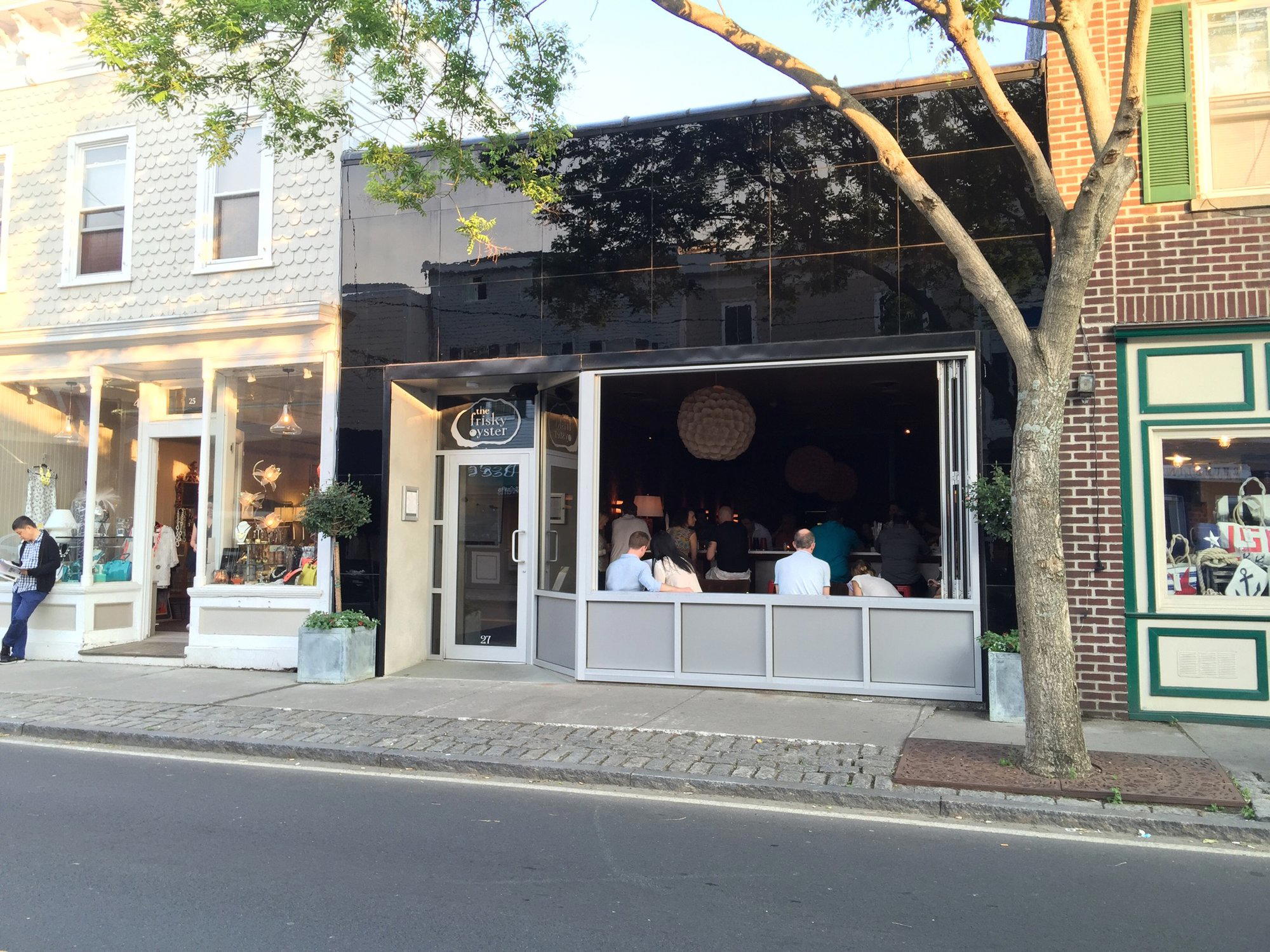
Greenport's Shellfish Culture and Where The Frisky Oyster Sits Within It
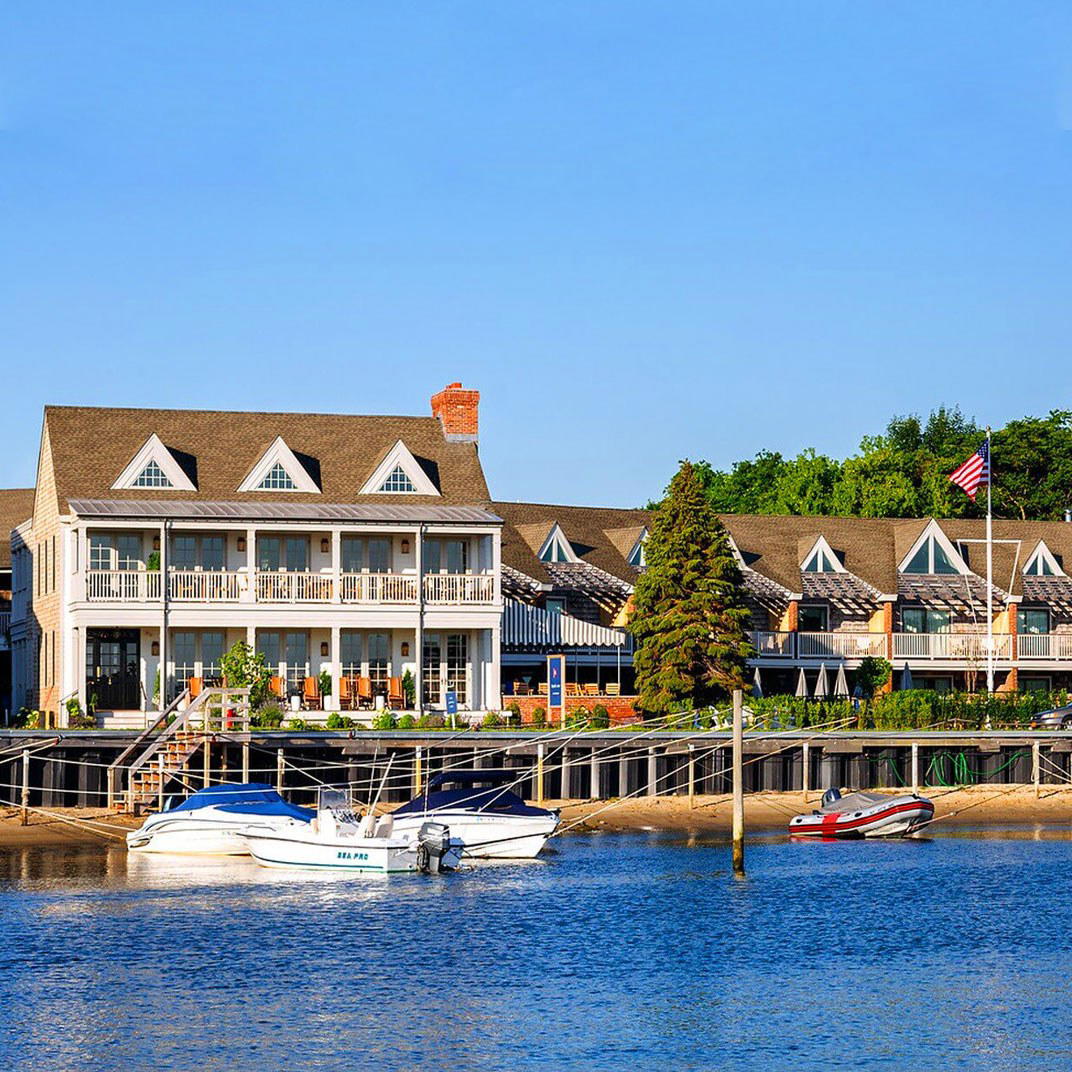
Front Street in Greenport runs close enough to the water that you arrive with salt air already on you. The village occupies the eastern tip of the North Fork, a narrow peninsula that juts into Long Island Sound and Peconic Bay, and its dining scene has always been organized around that geography. Oysters, littlenecks, and fin fish pulled from nearby beds are not imported theatre here — they are the default ingredient set. In that context, a restaurant with oyster in its name is not making a marketing decision so much as a declaration of place.
The North Fork's shellfish identity runs deeper than a single season. The region's beds, particularly around Peconic Bay, have supplied New York City restaurant kitchens for well over a century, long before the East End became a weekend destination for Manhattan professionals. What changed in the last two decades is that the produce stayed local rather than traveling south: a critical mass of serious kitchens opened in Greenport and Southold that could absorb what the bay was giving. Little Creek Oyster Farm & Market represents one end of that spectrum — farm-direct and minimal. The Frisky Oyster has historically sat at the other end: more composed, more kitchen-forward, operating closer to the ambitions of a destination dining room than a raw bar.
That positioning matters because it defines what kind of visit this is. Greenport is not a city with a deep bench of high-concept restaurants. The comparison set is Noah's and a handful of other Front Street and Main Street operations, not the constellation of Michelin-chasing kitchens you encounter in Tarrytown or the Hudson Valley. For more on how those venues relate to one another, the full Greenport restaurants guide maps the scene in detail.
The Cultural Roots of Coastal American Cooking on the North Fork
Coastal American cooking sits in a complicated position in the national dining conversation. At its highest registers, Le Bernardin in New York City, Providence in Los Angeles, seafood-led tasting menus have absorbed French technique so thoroughly that the cuisine operates in its own formal tier. Farther down the register, the New England and Mid-Atlantic shore traditions have their own grammar: raw bars, chowders, broiled local fish served simply, the produce doing most of the work. The Frisky Oyster has always operated between those poles, in the space where American coastal cooking is treated as a serious subject without the formality of a tasting counter.
That middle register is where the North Fork's dining culture has concentrated its energy. The peninsula does not have the density of chef-driven ambition you find in, say, a Healdsburg or a Napa Valley, where properties like Single Thread Farm and The French Laundry pull destination diners from across the country. What Greenport offers instead is a more grounded version of seasonal cooking: the ingredient chain is short, the produce is genuinely local, and the restaurants that work leading here are the ones that understand that the bay's output needs editing and framing rather than transformation. That is a different skill set from what you see at Alinea in Chicago or Lazy Bear in San Francisco, and it deserves to be evaluated on its own terms.
Oysters specifically carry a cultural weight in American coastal dining that goes beyond protein. The ritual of eating them, the choice of preparation, the accompanying condiments, the pace, indexes a diner's relationship to the coast. Raw bars in American port towns function partly as communal spaces where that relationship is acknowledged collectively. A restaurant that foregrounds oysters is, in part, curating that experience and the values attached to it: locality, seasonality, a certain studied informality. Along the East End, where farms like those supplying Little Creek have made the provenance of a specific bed a point of pride and differentiation, that ritual has become more specific and more demanding of the kitchen.
Seasonal Timing and What the North Fork Rewards
The North Fork's appeal is concentrated between late spring and early autumn, when the Sound and Bay are at full production and the village fills with visitors arriving by ferry from Shelter Island or by car along Route 48 from the west. Summer weekends push every Front Street restaurant close to capacity; a Thursday dinner in June is a meaningfully different experience from a Saturday night in August. Visitors who plan around shoulder season, May and late September, typically find shorter waits, more attentive service, and better access to the kitchen's attention.
The seasonal logic also applies to what the kitchen can source. Peconic Bay scallops, which have developed a specific regional reputation among New York City chefs in the way that certain oyster appellations have, are available in a narrow window from roughly November through March. A visit timed to that window changes the arithmetic of what the kitchen can do. That kind of seasonal specificity is what separates a destination dining decision from a casual drop-in, and it is the kind of intelligence that the better farm-to-table operations on the East End have helped educate their customers to care about. Comparable producer-driven thinking informs the programs at Blue Hill at Stone Barns in Tarrytown and Addison in San Diego, though at scales and price points that sit well above what Greenport operates.
How The Frisky Oyster Fits the Broader American Restaurant Conversation
Beyond the North Fork, the conversation around regional American cooking has expanded substantially. Operations like Bacchanalia in Atlanta, The Inn at Little Washington, and Brutø in Denver have demonstrated that serious American cooking with a strong sense of place does not require a coastal metropolis as its backdrop. The same argument applies to Greenport at a smaller scale: the village's leading kitchens are making a case that the North Fork has enough identity and enough ingredient depth to anchor genuine destination dining. Internationally, the comparison extends further, the commitment to place that you see in the leading coastal American kitchens shares a logic with what drives the serious conversation around venues like Atomix in New York City, Causa in Washington, D.C., and even 8 1/2 Otto e Mezzo Bombana in Hong Kong, the idea that a kitchen earns authority through specificity rather than breadth.
For Greenport, that translates practically: The Frisky Oyster draws visitors who have already decided the North Fork merits a trip, not diners who wandered in from the ferry. The restaurant's place in the village is secure enough that it functions as a reference point for the dining scene, part of what makes Front Street worth walking.
Planning Your Visit
27 Front Street puts the restaurant in Greenport's pedestrian core, within walking distance of the ferry terminal and the village's main commercial strip. Given the restaurant's profile and the compressed nature of the North Fork dining season, advance planning is sensible: weekend tables in summer fill quickly, and the local crowd knows the calendar. Contacting the restaurant directly before traveling is advisable, particularly for groups or visits timed to a specific seasonal ingredient window. For guests combining the visit with a broader North Fork itinerary, the village is accessible by Long Island Rail Road to Greenport station, which places the restaurant within a short walk of the platform.
How The Frisky Oyster Greenport compares with similar nearby venues.
| Venue | Cuisine |
|---|---|
| Vine Street Café | American |
Continue exploring
More in Greenport
Restaurants in Greenport
Browse all →

Bars in Greenport
Browse all →

Hotels in Greenport
Browse all →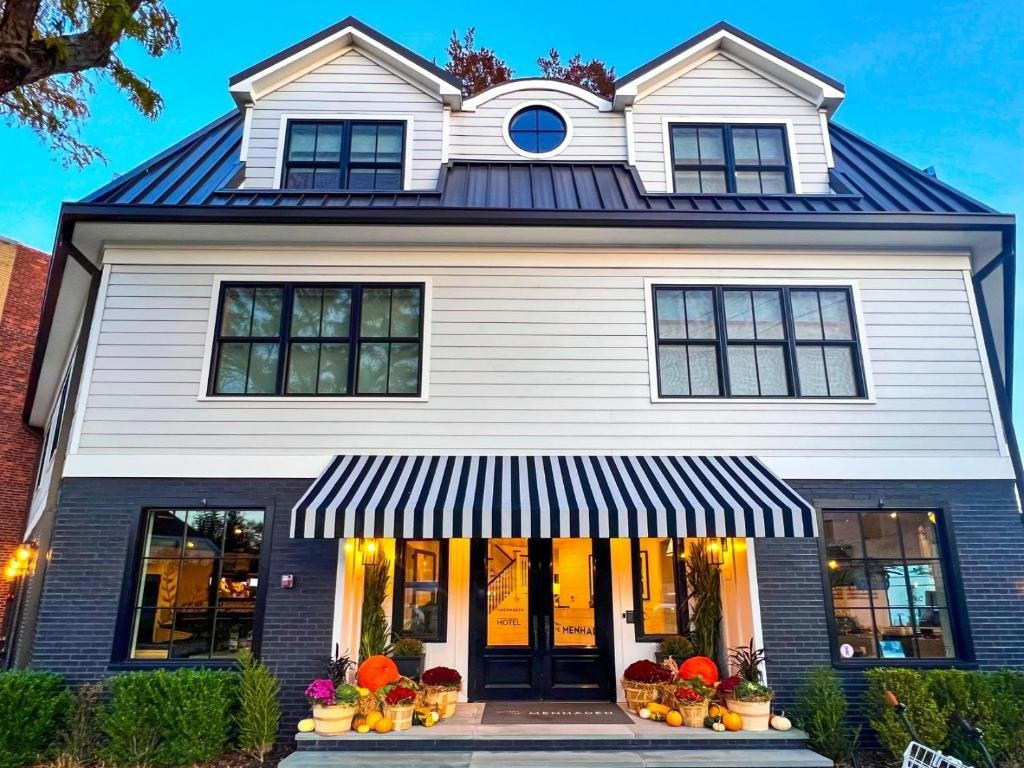

At a Glance
- Elegant
- Sophisticated
- Cozy
- Date Night
- Special Occasion
- Open Kitchen
- Extensive Wine List
- Local Sourcing
- Street Scene
Current opening hours
- Monday
- Closed
- Tuesday
- Closed
- Wednesday
- Closed
- Thursday
- 5–10 PM
- Friday
- 5–11 PM
- Saturday
- 5–11 PM
- Sunday
- 5–9 PM
Hours can change for holidays and private events. Last verified .
Sophisticated metropolitan atmosphere with stylish dining room, busy bar, and rising energy with DJ after 9pm.
Know Before You Go
- Getting there
- 27 Front St, Greenport, NY 11944