Lobster Landing
Where the Shore Sets the Terms Clinton sits on the Connecticut shoreline between New Haven and Old Saybrook, part of a coastal corridor where fishing activity and restaurant culture have overlapped for generations. The town's working waterfront character shapes the kind of seafood operation that thrives here: direct, unpretentious, rooted in what the water provides rather than what a kitchen concept demands. Lobster Landing, at 152 Commerce St, is a casual seafood restaurant in Clinton, Connecticut, led by chef Christophe Bellanca. You arrive at a structure that reads less like a dining destination and more like a point of transaction between sea and plate, which is precisely the point. Connecticut's shoreline restaurants occupy a distinct tier in the broader New England seafood conversation. They sit between the high-volume summer tourist traps of Cape Cod and the more formally constructed seafood programs found at urban addresses like Le Bernardin in New York City or Providence in Los Angeles. Strong examples among them earn their reputation not through technical elaboration but through sourcing discipline and a refusal to overcomplicate what arrives from the dock. That positioning is exactly where Lobster Landing lands. The Catch as the Argument In New England coastal dining, the editorial question is almost always about proximity: how close is the kitchen to the source, and how much does the menu respect that closeness? Along the Connecticut shoreline, Long Island Sound provides a specific harvest, distinct in character from the cold Atlantic hauls associated with Maine or the Outer Banks. Lobster from these waters, alongside clams, oysters, and finfish native to the Sound, carry a regional identity that a kitchen either honors or buries under preparation. Lobster Landing's name is not ambiguous about its orientation. Lobster on this part of the coast means a supply chain measured in short distances, often sourced from local trap operations rather than wholesale distribution networks that stretch across state lines. That sourcing logic, common to the better coastal shacks of Connecticut and Rhode Island, is what separates a genuine port-to-plate operation from a seafood-branded restaurant that happens to be near water. Chef Christophe Bellanca's presence here is worth contextualizing against the wider American seafood scene. In cities, the chefs building reputations around seafood sourcing tend to operate in explicitly fine-dining frameworks: think the farm-to-table rigor at Blue Hill at Stone Barns in Tarrytown or the ingredient-driven precision of Single Thread Farm in Healdsburg. The Connecticut shoreline operates on different logic: the sourcing credential is embedded in the geography, and the kitchen's job is to stay out of the way of what the water already provides. 4.5 Stars and What That Number Represents At that volume, a rating reflects sustained performance across a broad cross-section of visitors, not a curated sample of enthusiasts. It is harder to maintain than a high score on a smaller review base, because it must hold through off-season visits, midweek service, and the full range of table expectations. For a coastal seafood address operating in a seasonal market, consistency at that scale indicates operational discipline rather than occasional brilliance. Comparable seafood-focused operations along the New England coast that carry similar review profiles tend to share certain characteristics: a menu that does not overreach, a clear identity around one or two anchor proteins, and service that matches the setting rather than performing formality the room cannot support. For contrast, consider how the upper tier of American seafood dining operates: Scales in Portland and The Cliff in Durants each represent a different register of seafood-forward programming. The comparison is not competitive so much as clarifying: different price points, formats, and sourcing ambitions serve different reader decisions. The restaurant operates in the direct, accessible tier, where the quality argument is made through freshness and restraint rather than tasting menus and wine programs. Planning a Visit to Clinton Clinton is accessible by car from New Haven in under 30 minutes and from Hartford in roughly an hour, placing it in practical range for a day trip or an overnight paired with the shoreline's wider offerings. The restaurant's address on Commerce St puts it close to the water, which is consistent with the sourcing orientation the menu implies. The restaurant is walk-in friendly and priced at about $20 per person. For visitors building a fuller Clinton itinerary, the town supports a day of exploration beyond the table. The shoreline corridor also functions as a useful counterpoint before or after visiting other dining programs in the region. If your travel arc includes Alinea in Chicago, Lazy Bear in San Francisco, or The French Laundry in Napa, Connecticut's coastal addresses offer a useful reset: a reminder that the argument for quality in American food does not always require elaboration. Sometimes the supply chain is the technique.
Pearl is the En Primeur Club membership app — saves, bookings, and concierge access live there. Same editors, same standards.
- Address
- 152 Commerce St, Clinton, CT 06413
- Phone
- +1 860-669-2005
- Website
- lobsterlandingct.com
- Directions
- Get directions
 Saves & bookings on Pearl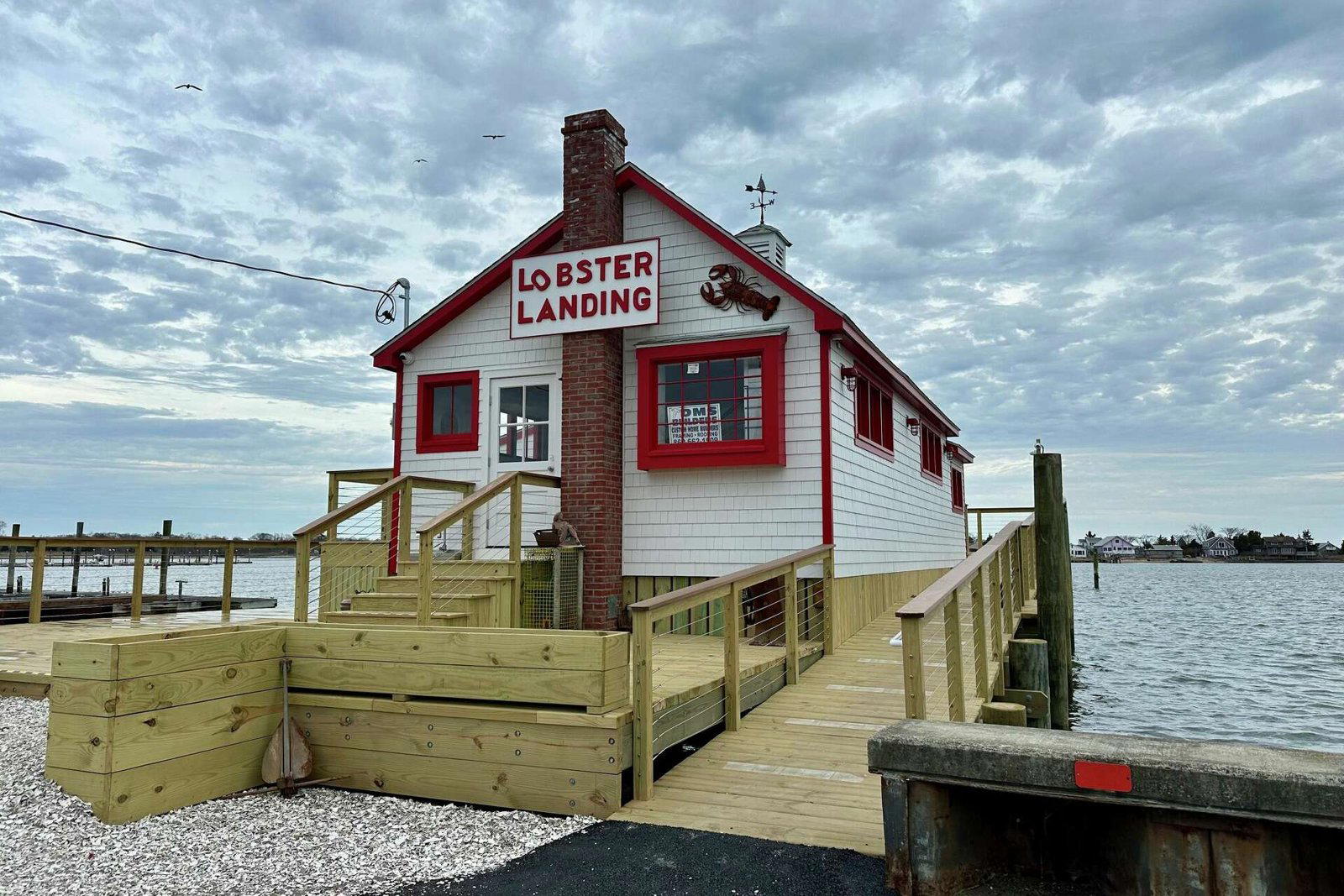
Where the Shore Sets the Terms
Clinton sits on the Connecticut shoreline between New Haven and Old Saybrook, part of a coastal corridor where fishing activity and restaurant culture have overlapped for generations. The town's working waterfront character shapes the kind of seafood operation that thrives here: direct, unpretentious, rooted in what the water provides rather than what a kitchen concept demands. Lobster Landing, at 152 Commerce St, is a casual seafood restaurant in Clinton, Connecticut, led by chef Christophe Bellanca. You arrive at a structure that reads less like a dining destination and more like a point of transaction between sea and plate, which is precisely the point.
Connecticut's shoreline restaurants occupy a distinct tier in the broader New England seafood conversation. They sit between the high-volume summer tourist traps of Cape Cod and the more formally constructed seafood programs found at urban addresses like Le Bernardin in New York City or Providence in Los Angeles. Strong examples among them earn their reputation not through technical elaboration but through sourcing discipline and a refusal to overcomplicate what arrives from the dock. That positioning is exactly where Lobster Landing lands.
The Catch as the Argument
In New England coastal dining, the editorial question is almost always about proximity: how close is the kitchen to the source, and how much does the menu respect that closeness? Along the Connecticut shoreline, Long Island Sound provides a specific harvest, distinct in character from the cold Atlantic hauls associated with Maine or the Outer Banks. Lobster from these waters, alongside clams, oysters, and finfish native to the Sound, carry a regional identity that a kitchen either honors or buries under preparation.
Lobster Landing's name is not ambiguous about its orientation. Lobster on this part of the coast means a supply chain measured in short distances, often sourced from local trap operations rather than wholesale distribution networks that stretch across state lines. That sourcing logic, common to the better coastal shacks of Connecticut and Rhode Island, is what separates a genuine port-to-plate operation from a seafood-branded restaurant that happens to be near water.
Chef Christophe Bellanca's presence here is worth contextualizing against the wider American seafood scene. In cities, the chefs building reputations around seafood sourcing tend to operate in explicitly fine-dining frameworks: think the farm-to-table rigor at Blue Hill at Stone Barns in Tarrytown or the ingredient-driven precision of Single Thread Farm in Healdsburg. The Connecticut shoreline operates on different logic: the sourcing credential is embedded in the geography, and the kitchen's job is to stay out of the way of what the water already provides.
4.5 Stars and What That Number Represents
At that volume, a rating reflects sustained performance across a broad cross-section of visitors, not a curated sample of enthusiasts. It is harder to maintain than a high score on a smaller review base, because it must hold through off-season visits, midweek service, and the full range of table expectations. For a coastal seafood address operating in a seasonal market, consistency at that scale indicates operational discipline rather than occasional brilliance.
Comparable seafood-focused operations along the New England coast that carry similar review profiles tend to share certain characteristics: a menu that does not overreach, a clear identity around one or two anchor proteins, and service that matches the setting rather than performing formality the room cannot support.
For contrast, consider how the upper tier of American seafood dining operates: Scales in Portland and The Cliff in Durants each represent a different register of seafood-forward programming. The comparison is not competitive so much as clarifying: different price points, formats, and sourcing ambitions serve different reader decisions. The restaurant operates in the direct, accessible tier, where the quality argument is made through freshness and restraint rather than tasting menus and wine programs.
Planning a Visit to Clinton
Clinton is accessible by car from New Haven in under 30 minutes and from Hartford in roughly an hour, placing it in practical range for a day trip or an overnight paired with the shoreline's wider offerings. The restaurant's address on Commerce St puts it close to the water, which is consistent with the sourcing orientation the menu implies. The restaurant is walk-in friendly and priced at about $20 per person. For visitors building a fuller Clinton itinerary, the town supports a day of exploration beyond the table.
The shoreline corridor also functions as a useful counterpoint before or after visiting other dining programs in the region. If your travel arc includes Alinea in Chicago, Lazy Bear in San Francisco, or The French Laundry in Napa, Connecticut's coastal addresses offer a useful reset: a reminder that the argument for quality in American food does not always require elaboration. Sometimes the supply chain is the technique.
In Context: Similar Options
Comparable venues nearby, for context on price, style, and recognition.
| Venue | Cuisine | Price | Notes |
|---|---|---|---|
| Lobster LandingThis venue — the venue you are viewing | Classic New England Seafood Shack | $$ | Not listed |
| Oyster Club | New England Seafood Raw Bar | $$$ | Mystic |
| Rowayton Seafood | New England Seafood | $$$ | Rowayton |
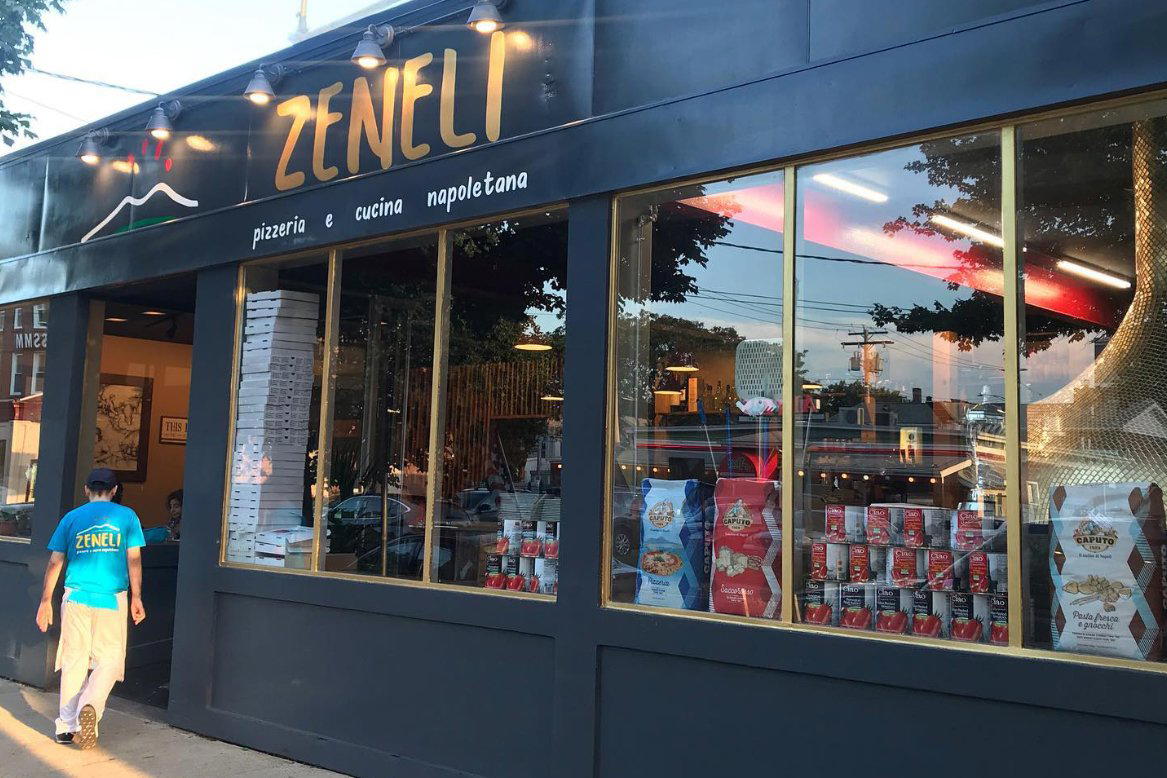
| Zeneli Pizzeria e Cucina Napoletana | Authentic Neapolitan Pizza | $$ | Wooster Street |
| ION Restaurant | Modern Vegan Comfort Food | $$ | Downtown |
| PRIME BGR | Gourmet Burgers & Craft Beer Gastropub | $$ | Downtown New Haven |
Continue exploring
More in Clinton
Restaurants in Clinton
Browse all →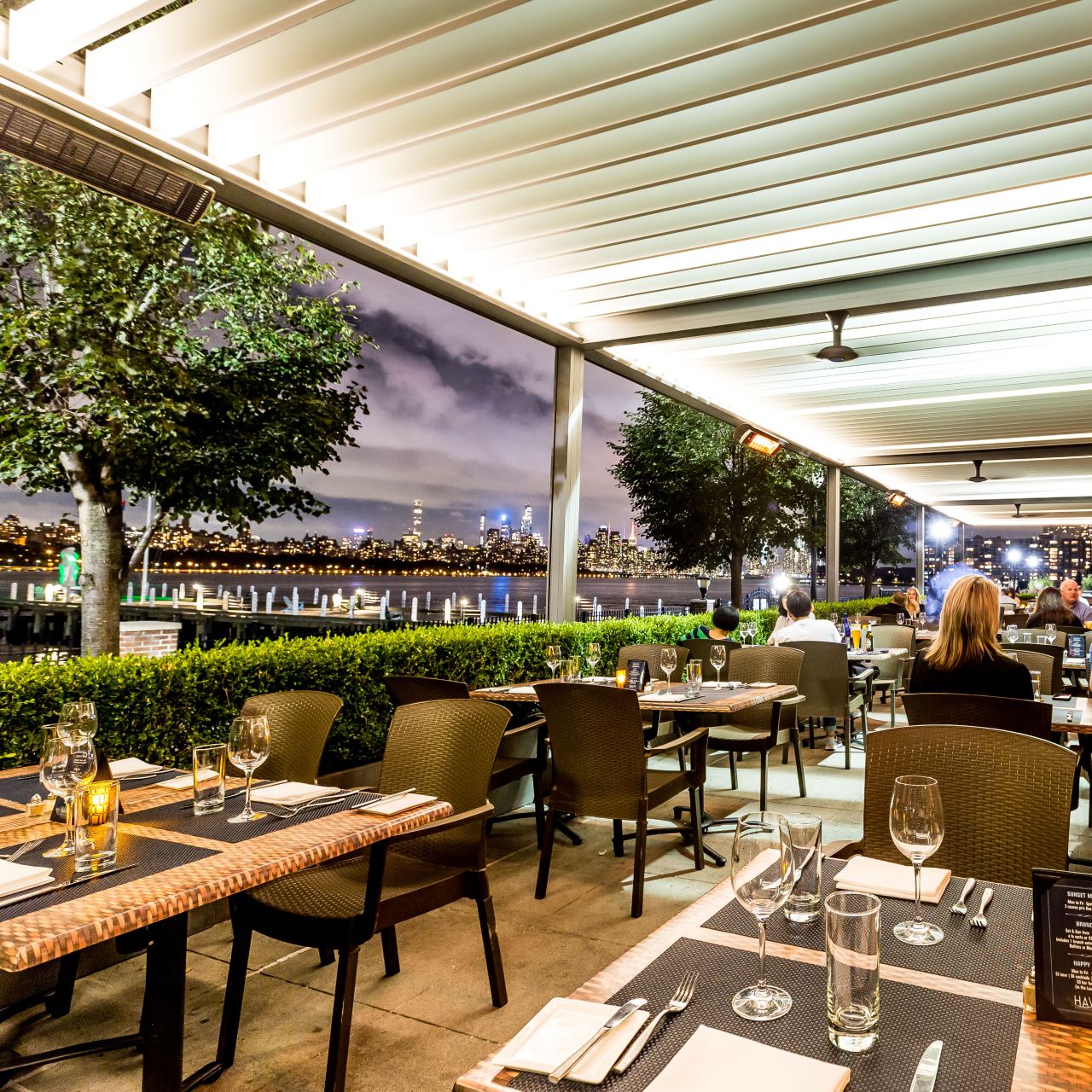
Bars in Clinton
Browse all →


Hotels in Clinton
Browse all →


At a Glance
- Rustic
- Scenic
- Cozy
- Casual Hangout
- Waterfront
- Byob
- Sustainable Seafood
- Waterfront
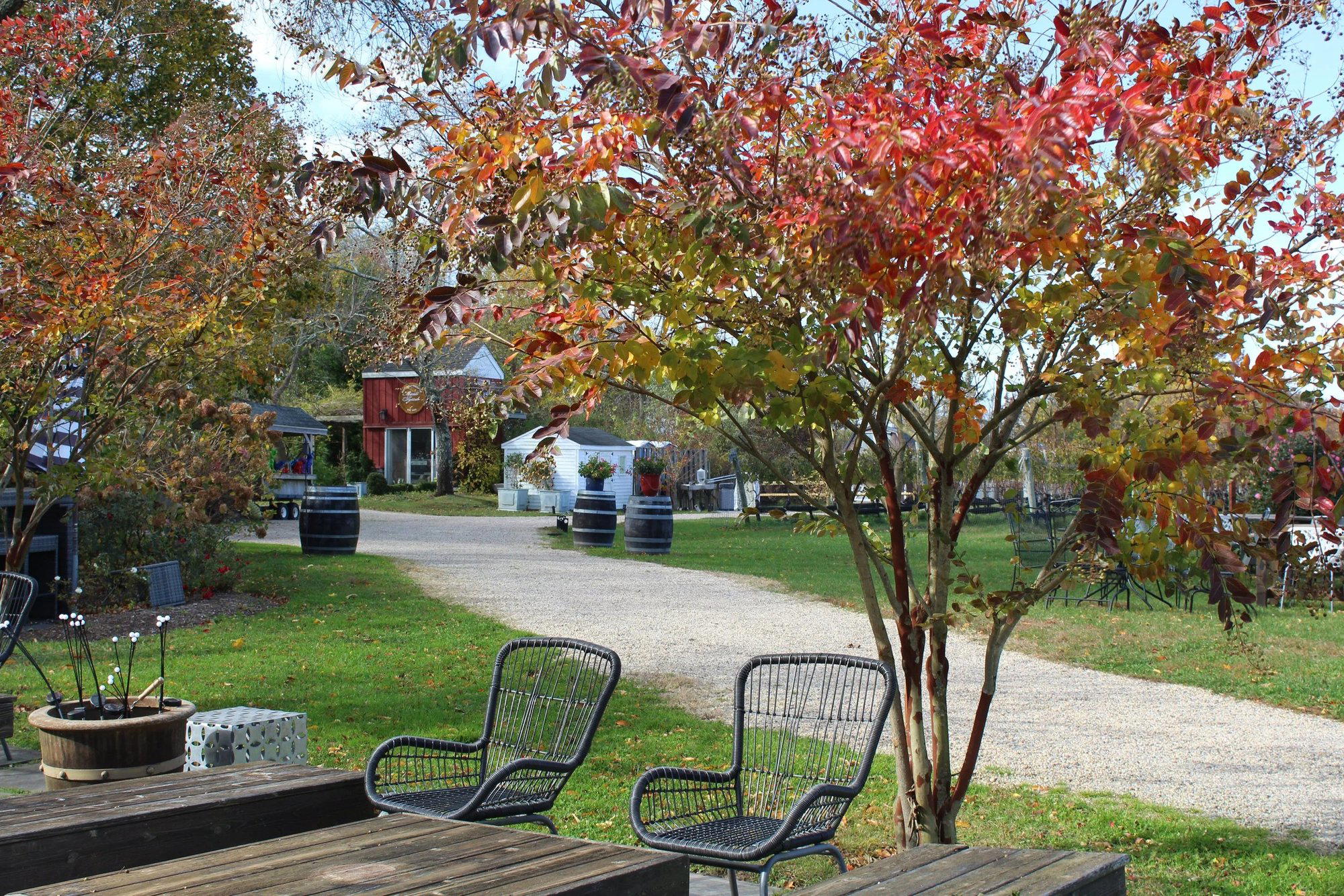
Casual outdoor picnic tables under a tent with harbor views, plastic chairs, and a no-frills shack atmosphere.