Grano Arso
Grano Arso sits on Main Street in Chester Center, Connecticut, a village whose compact scale puts serious drinking within walking distance of almost everything. The bar program draws on technique-led craft traditions that have reshaped small-town Connecticut dining rooms over the past decade, making it a reference point for the region's quieter but increasingly confident cocktail scene.

Pearl is the En Primeur Club membership app — saves, bookings, and concierge access live there. Same editors, same standards.
- Address
- 6 Main St, Chester, CT 06412
- Phone
- (860) 322-3143
- Hours
- Mon ClosedTue–Thu 5–8:30 PMFri–Sat 4:30–9 PMSun Closed
- Website
- granoct.com
- Directions
- Get directions
- Booking
- Book on OpenTable
A Village Bar With a Considered Drink Program
Chester Center is the kind of Connecticut River Valley town that rewards the traveler willing to leave the interstate. The village runs a few blocks along Main Street, the architecture is Federal and Colonial, and the pace is unhurried in a way that makes a well-built cocktail feel like a more consequential event than it might in a louder city room. Grano Arso occupies a position on that same Main Street corridor, at number 6, where the streetscape is narrow enough that the transition from outside to inside feels immediate rather than ceremonial.
Connecticut's lower Connecticut River Valley has developed a quiet but durable hospitality identity over the past fifteen years. Towns like Chester, Deep River, and Essex have attracted operators who left larger markets and brought with them the sourcing discipline and program depth that once required a trip to New Haven or Hartford. The result is a tier of small-room venues where the drink list is treated with the same attention as the kitchen, and where the absence of a large-city audience pushes operators toward specificity rather than volume. Grano Arso sits inside that pattern.
How the Cocktail Program Fits the Regional Moment
American craft bartending has moved through several distinct phases since the mid-2000s revival. The first wave prioritized rediscovery: pre-Prohibition recipes, hand-cut ice, house-made bitters. The second pushed toward technical complexity: fat-washing, clarification, centrifuge-processed spirits. The current moment, more interesting in many ways, is about restraint and editorial clarity. The leading programs now make fewer promises and keep them more precisely. Kumiko in Chicago exemplifies this in its Japanese-influenced minimalism; Jewel of the South in New Orleans anchors its program in historical fidelity to a specific city tradition. Both approaches ask the same underlying question: what does this bar believe, and how does the drink list prove it?
In a small Connecticut village, that question carries additional weight. Without the foot traffic of an urban bar district, a program has to convert first-time visitors into return visitors on the strength of the experience itself. The bars that succeed in this format tend to have clear points of view: a commitment to a specific spirit category, a relationship with a local producer, or a structural approach to the menu that gives a guest navigational confidence. Compare this to ABV in San Francisco, which built its identity around a wine-and-spirits hybrid format that suited a specific neighborhood's habits, or Canon in Seattle, which built one of the deepest whiskey libraries in the country as its organizing principle. Format clarity is not optional at this scale; it is the product.
Chester Center in the Connecticut Cocktail Conversation
The Connecticut River Valley does not register on most national bar rankings, which are dominated by New York, Chicago, Los Angeles, and a handful of other metropolitan markets. That invisibility is partly structural: the venues are small, the press coverage is regional, and the trade publications that generate award nominations tend to concentrate on cities where the pool of entrants is largest. But the absence of national recognition should not be read as an absence of seriousness. Some of the most technically coherent small-room programs in New England operate in precisely this kind of low-profile context.
For comparison, Bar Leather Apron in Honolulu built a nationally recognized program in a market that is not a traditional cocktail city, precisely because the operators were deliberate about technique and program identity from the outset. Julep in Houston did something similar in a city whose drinking culture had historically been beer-and-whiskey-dominant. The lesson in both cases is that geography is not destiny. A bar in a smaller or less obvious market can develop genuine authority if the program is specific enough and the execution is consistent.
Chester is not Honolulu or Houston, but the dynamic is analogous. The town draws a mix of weekenders from New York and Hartford, year-round locals, and visitors moving through the River Valley arts corridor. That audience is varied enough to support a drink program with range, and specific enough in its preferences to reward quality over novelty.
When positioning a small-market bar program against national reference points, the relevant comparison is not scale but approach. Bitter and Twisted in Phoenix operates in a market that was long underestimated and built its recognition through program depth and consistent execution over several years. Allegory in Washington, D.C. used a strong narrative concept as an organizing framework for its menu, giving guests a reason to engage with the list beyond simple preference. Superbueno in New York City found its footing through a specific cultural and culinary identity that made the program legible in a crowded market. Bar Kaiju in Miami similarly built around a coherent concept in a city where differentiation is difficult.
Each of these examples demonstrates that the bars which accumulate genuine reputations do so through a recognizable point of view, not through breadth alone. For a venue operating on a Main Street in a small Connecticut town, that principle applies with additional force. The audience is smaller and the margin for drift is narrower. The Parlour in Frankfurt is a useful international reference: a bar that built credibility in a mid-sized European city through technical consistency and a clearly defined program identity, rather than relying on the ambient authority of a major capital.
Planning a Visit to Chester Center
Chester Center is accessible from New Haven in under an hour by car, and from Hartford in roughly forty minutes. The town itself is walkable, with the Main Street strip covering most points of interest within a few minutes on foot. Visitors typically pair an evening in Chester with a broader River Valley itinerary that might include Essex, East Haddam's Goodspeed Opera House, or the Connecticut River Museum. For a fuller picture of where Grano Arso fits within the local dining and drinking options, our full Chester Center restaurants guide covers the broader scene with neighborhood-level detail. Given the limited seating that characterizes most small-room operations in this format, arriving with a reservation or calling ahead is advisable, particularly on weekends from late spring through autumn, when the River Valley draws its largest visitor numbers.
| Venue | Cuisine | Price | Awards |
|---|---|---|---|
| Grano ArsoThis venue — the venue you are viewing | This venue | Not listed | Not listed |
| Julep | World's 50 Best | Not listed | Not listed |
| Kumiko | World's 50 Best | Not listed | Not listed |
| ABV | Cocktail Bar | $20–30 | World's 50 Best #39 · Eater Cocktail Bar Guide |
| Bisous | World's 50 Best | $20–30 | World's 50 Best #30 · James Beard Award Semi Finalist |
| Canon | World's 50 Best | Not listed | Not listed |
Continue exploring
More in Chester Center
Bars in Chester Center
Browse all →
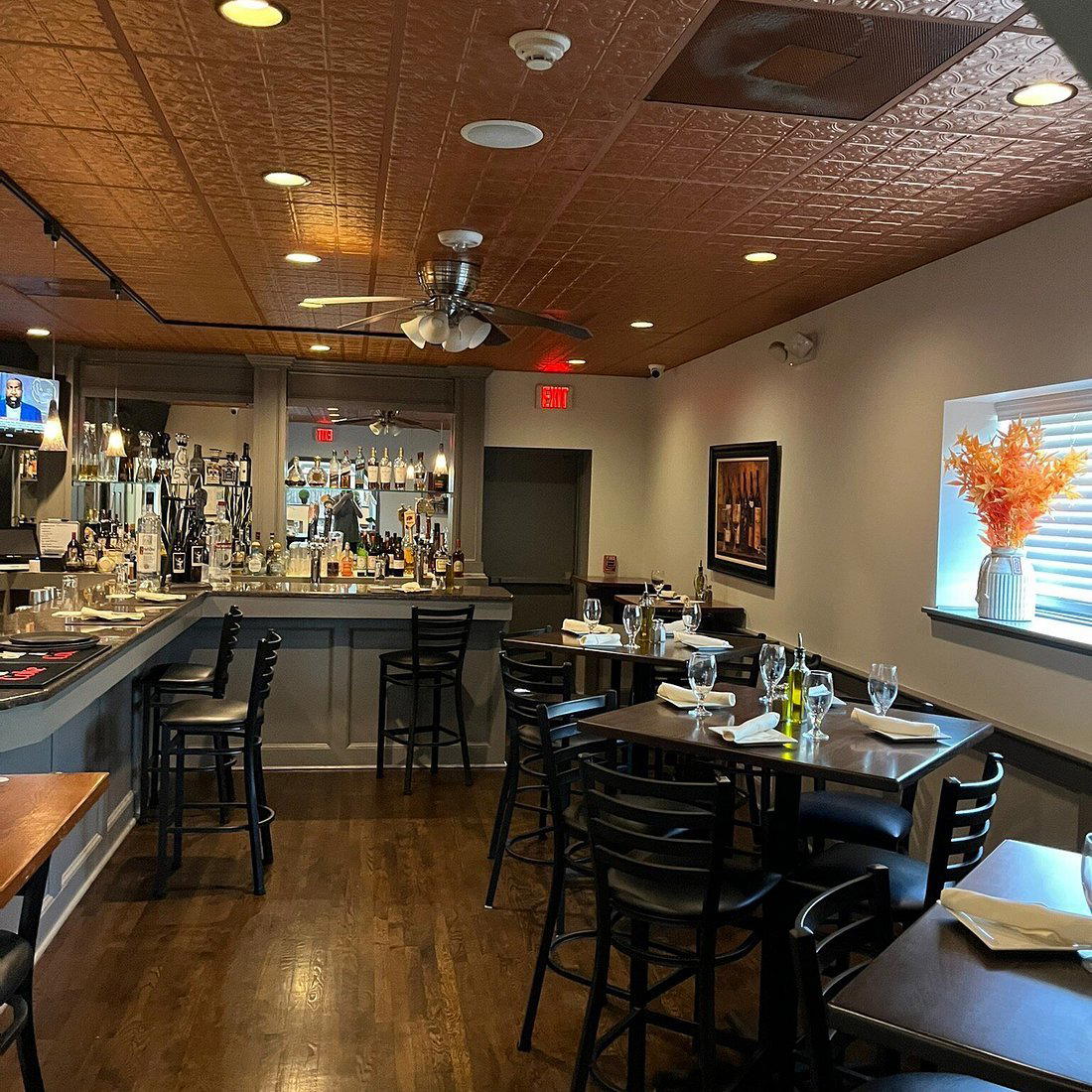
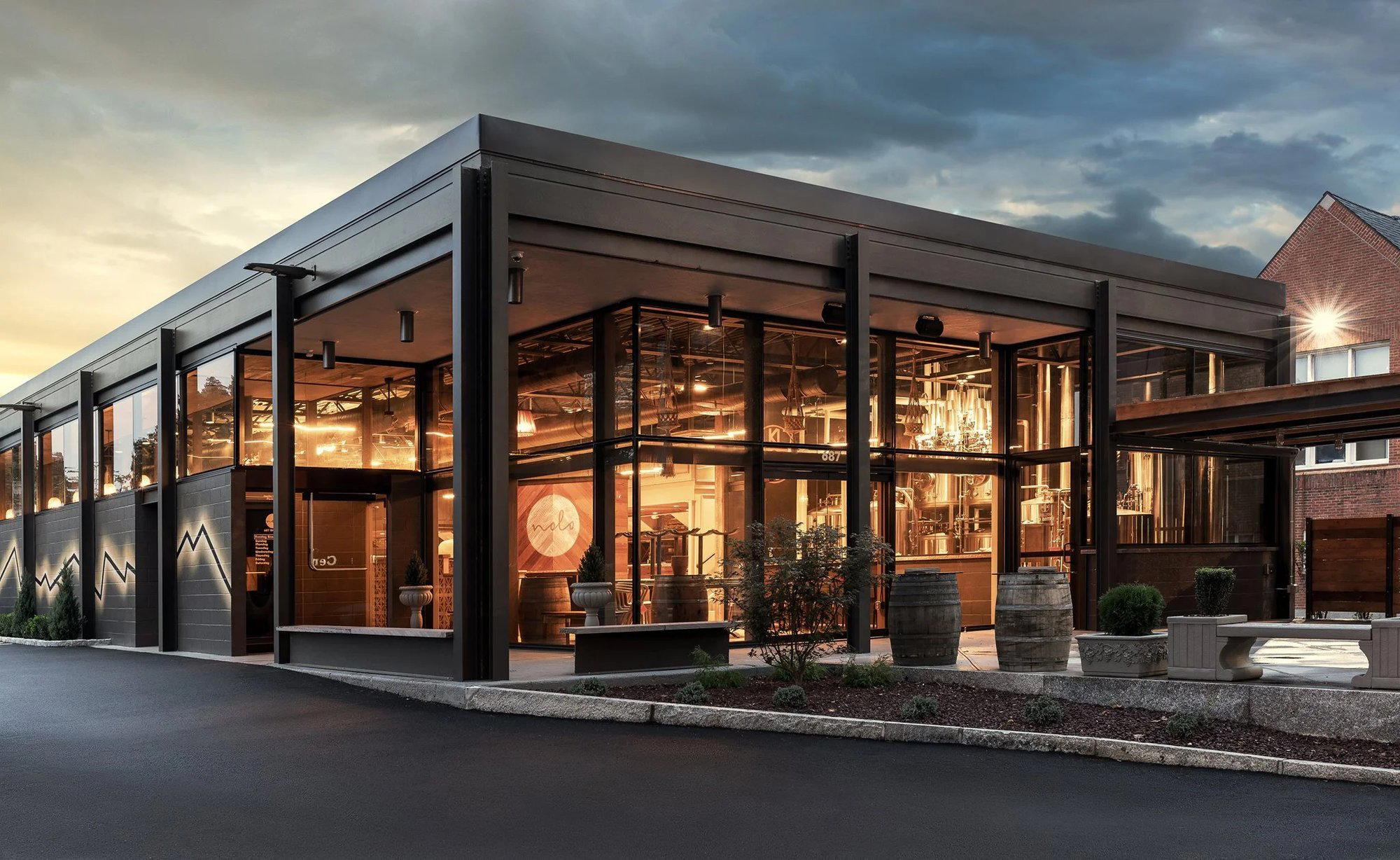
Restaurants in Chester Center
Browse all →
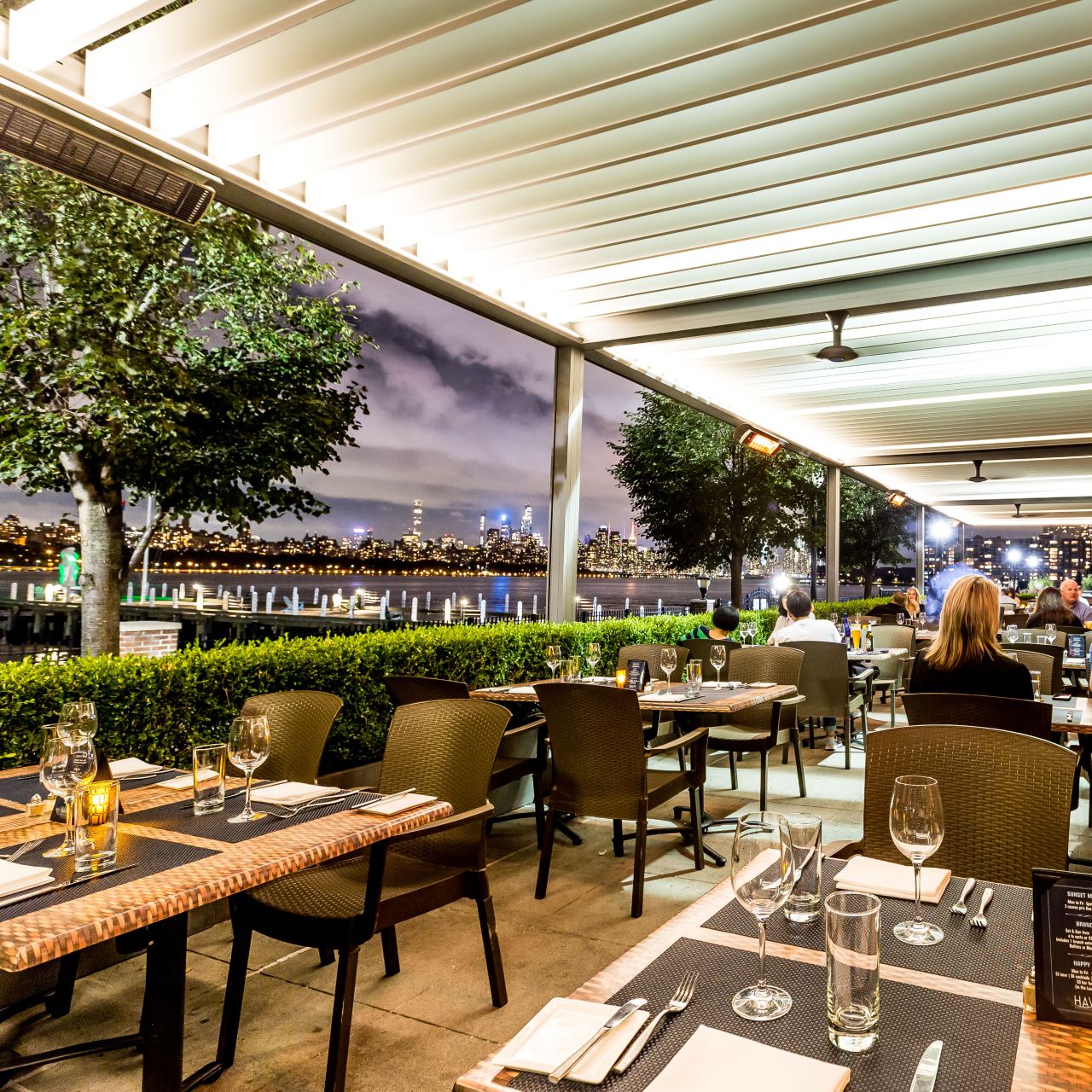

Hotels in Chester Center
Browse all →

Details
- Cozy
- Elegant
- Intimate
- Sophisticated
- Date Night
- Special Occasion
- Casual Hangout
- Speakeasy
- Historic Building
- Seated Bar
- Lounge Seating
- Booth Seating
- Private Rooms
- Craft Cocktails
- Conventional Wine
- Craft Beer
Current opening hours
- Monday
- Closed
- Tuesday
- 5–8:30 PM
- Wednesday
- 5–8:30 PM
- Thursday
- 5–8:30 PM
- Friday
- 4:30–9 PM
- Saturday
- 4:30–9 PM
- Sunday
- Closed
Hours can change for holidays and private events. Last verified .
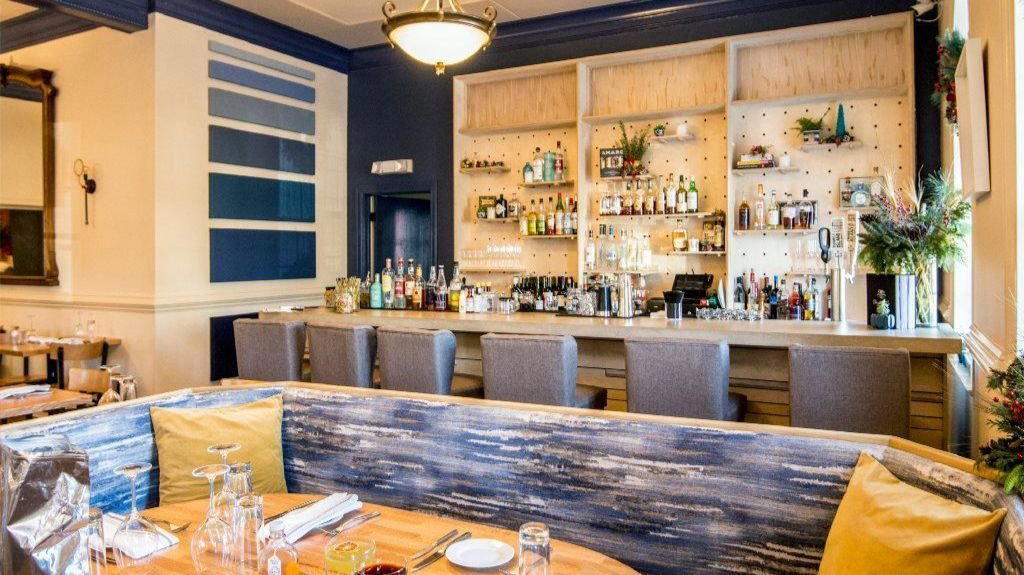
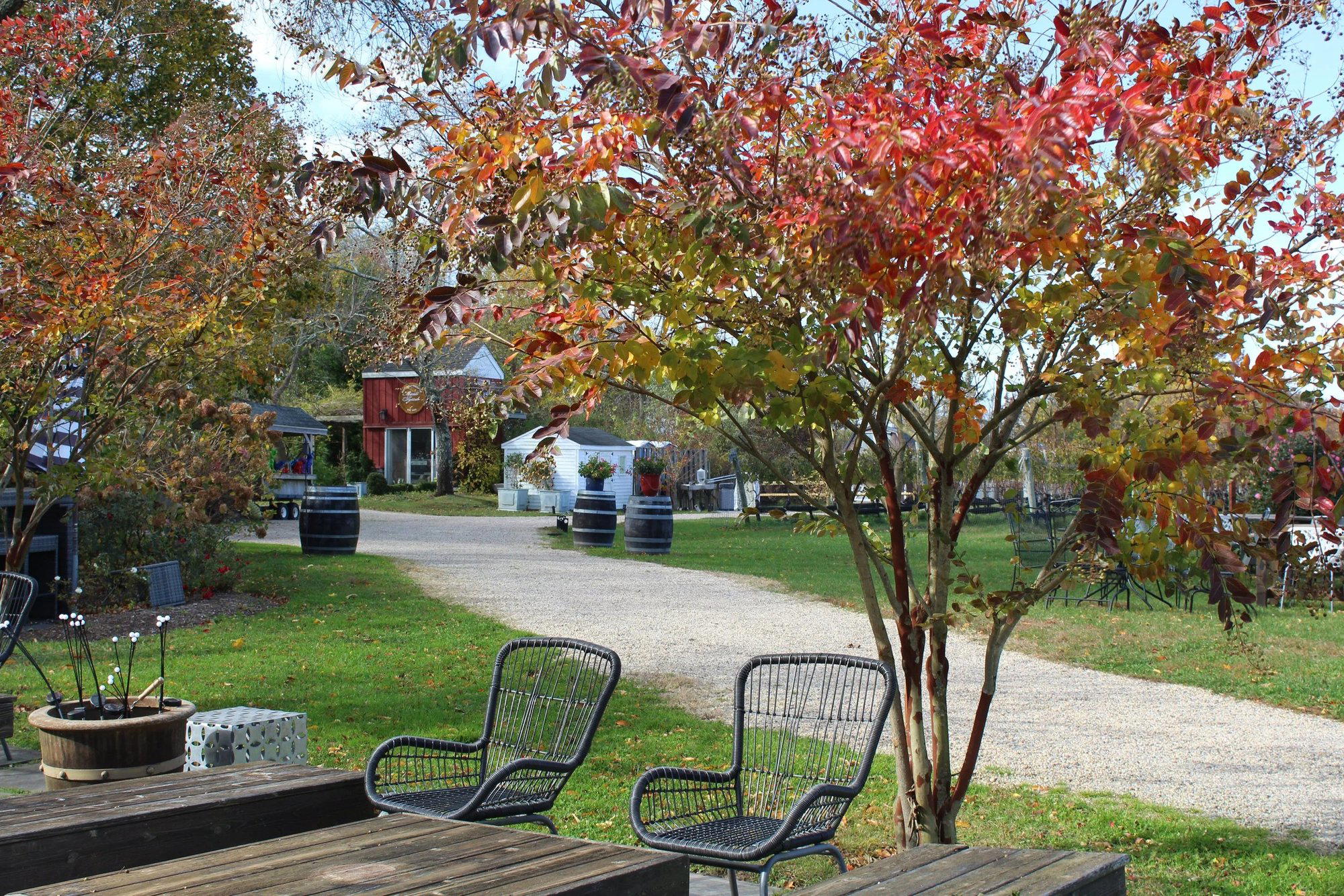
Warm, cozy atmosphere with stylish seating, blue velvet banquettes in the speakeasy lounge, and lustrous gold accents in the vaulted wine room.