Little Creek Oyster Farm & Market
On the working waterfront of Greenport, Little Creek Oyster Farm & Market at 211 Carpenter Street puts the North Fork's shellfish culture front and center. This is a farm-direct operation where the supply chain is measured in yards rather than miles, placing it squarely in the tradition of East End producers who sell what they harvest. For visitors to Greenport, it reads as a market, a tasting stop, and a lesson in Long Island's oyster geography all at once.
Pearl is the En Primeur Club membership app — saves, bookings, and concierge access live there. Same editors, same standards.
- Address
- 211 Carpenter St, Greenport, NY 11944
- Phone
- +1 631 477 6992
- Website
- littlecreekoysters.com
- Directions
- Get directions
 Saves & bookings on Pearl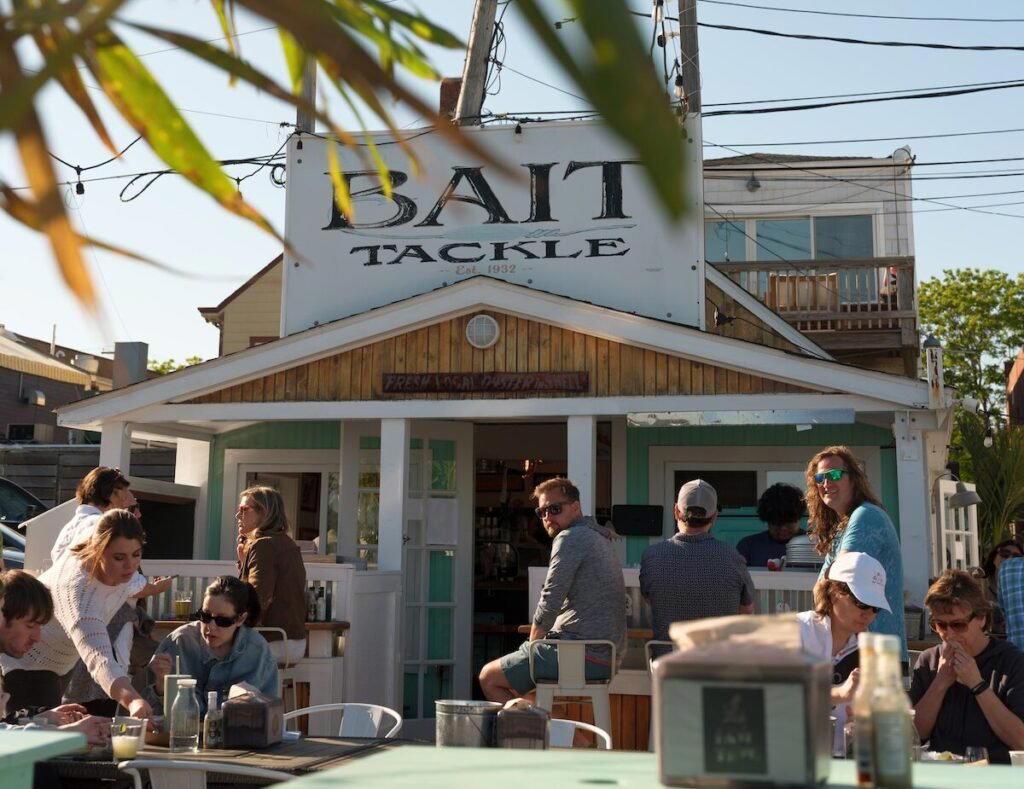
The North Fork's Oyster Counter, in Context
Greenport's waterfront has a specific character that separates it from the Hamptons circuit to the south: it is a working town first and a destination second. The fishing docks, the ferry terminal to Shelter Island, the marine yards, the grain silos visible from the harbor, all of these sit alongside the wine bars and weekend restaurants without apology. Little Creek Oyster Farm and Market, at 211 Carpenter Street, belongs to that working-waterfront logic. It is a farm-to-market operation in a literal sense, with the production end of the business tied to the water the building overlooks.
The North Fork has spent the past two decades building a serious identity around agricultural directness, first through its wine producers, then through farm stands and CSA programs, and more recently through shellfish. The oyster operations that have taken root along this stretch of Long Island Sound and Peconic Bay are part of a national pattern: small-scale aquaculture positioned as a premium local product, sold close to the point of harvest. Little Creek sits inside that pattern, and in Greenport specifically, it functions as one of the more visible expressions of it. For visitors working through a Greenport restaurants guide, the farm-market format here is worth understanding on its own terms rather than as a conventional dining stop.
What a Farm-Market Format Actually Means
The distinction between a restaurant and a farm market matters practically. A farm-market operation like this one is oriented around the product itself, not around a plated experience built by a kitchen team. The supply chain compression is the point: shellfish grown in local waters, sold at a counter where provenance is the primary credential. That directness tends to produce a specific kind of atmosphere, closer to a working fish market than to a dining room, with the attendant pleasures of immediacy and transparency about where the food comes from.
In the broader American oyster market, the reputation of a specific growing body of water has become a meaningful differentiator. Oysters from the Peconic Bay system carry flavor profiles shaped by salinity levels, water temperature, and the mineral character of the local tidal flows, none of which are available anywhere else. Farm-direct sales operations like Little Creek exist partly because that specificity of terroir has commercial value when communicated directly to the consumer, unfiltered by a restaurant menu or a wholesale distribution chain.
The Drinks Dimension: What Oyster Country Pours
Any honest account of how oysters are consumed in the context of a farm market on the East End has to reckon with drinks. The classic pairing register for raw shellfish runs from bone-dry Muscadet to fino sherry to cold lager, and on the North Fork, local white wines, particularly those made from Sauvignon Blanc and Chardonnay, have developed enough of a track record to be taken seriously in that company. The proximity to the North Fork's wine corridor means that the drinks conversation here can be genuinely local on both sides of the plate.
The cocktail programs at serious American bars have been moving steadily toward a similar kind of ingredient specificity over the past decade. Operations like Kumiko in Chicago and Jewel of the South in New Orleans have built reputations around sourcing depth and a clear point of view on what goes into a glass, and that same orientation, applied to the oyster-and-drink pairing question, is relevant here even if the format is entirely different. At a farm market with shellfish this direct, the drink alongside it earns proportionally more attention than it might in a conventional restaurant setting. Programs like those at Bar Leather Apron in Honolulu, ABV in San Francisco, and Allegory in Washington, D.C. reflect how seriously the American bar scene takes the relationship between drink and context. The equivalent question at a waterfront oyster counter is simpler but no less worth asking: what are you drinking, and does it belong there?
For reference, the broader American cocktail scene offers some useful benchmarks on this directness of approach. Julep in Houston, Superbueno in New York City, Bar Kaiju in Miami, Bar Next Door in Los Angeles, Bitter and Twisted in Phoenix, and The Parlour in Frankfurt each represent a commitment to a specific drinks identity within their respective settings. The lesson that transfers to the oyster farm context is that a focused, place-specific drinks selection tends to serve the food better than a generic one.
Greenport's Position on the North Fork Circuit
Greenport is the easternmost village of note on the North Fork before the land gives way to Orient and the ferry points, and it functions as a logical base for anyone spending two or more days in the region. The ferry crossing to Shelter Island, which connects onward to the South Fork, departs from the village center. The concentration of wine tasting rooms, independent restaurants, and specialty food operations within walking distance of the waterfront makes it denser and more navigable on foot than most of the North Fork's small towns.
Within that geography, farm-direct food operations occupy a specific niche. They are not positioned in competition with the sit-down restaurants on Front Street or the wine bars near the railroad station. They serve a different impulse: the desire to buy close to the source, to take something home, or to eat simply and well with a direct relationship between the product and its origin. Little Creek sits in that niche, at a Carpenter Street address that keeps it slightly off the main commercial strip and closer to the harbor's working infrastructure.
Planning a Visit
The address, 211 Carpenter Street in Greenport, NY 11944, is particularly reliable logistical anchor for this stop. Given the farm-market format, timing a visit to align with morning or midday hours is generally more productive for shellfish purchases than arriving late in the day. Seasonal availability will vary: East End shellfish operations tend to have strong output from late spring through fall, with winter months depending on water temperatures and harvest conditions. Visitors arriving from Manhattan typically use the Long Island Rail Road to Greenport, the line's eastern terminus, which makes the town walkable from the station. No booking is required for a market visit, though confirming current hours directly before traveling from a distance is advisable given the farm-operation format.
Frequently Asked QuestionsWhat's the atmosphere like at Little Creek Oyster Farm and Market?
The atmosphere reflects the working waterfront rather than a conventional dining room. Greenport is a town with active marine infrastructure, and the Carpenter Street location keeps the operation close to that character. If you are visiting without awards, pricing, or structured dining expectations attached, the experience reads as a market stop oriented around shellfish provenance rather than service theater.
What's the leading thing to order at Little Creek Oyster Farm and Market?
Core offering is raw oysters from the farm's own production, which means the product itself is the point of the visit. Given the farm-direct format, fresh-shucked shellfish is one direct expression of what the operation does.
What's the defining thing about Little Creek Oyster Farm and Market?
Supply chain compression. The gap between where these oysters are grown and where they are sold is measured in yards rather than distribution miles. On the North Fork, where agricultural directness has become a point of regional identity across wine, produce, and now shellfish, this kind of operation is the logical endpoint of that philosophy. the farm-direct credential is the substantive claim here.
What's the ideal way to book Little Creek Oyster Farm and Market?
No booking infrastructure, phone number, or website is confirmed. Given the farm-market format, walk-in visits are likely mode of access. Confirm current operating hours before making a dedicated trip from out of town, particularly outside peak summer and fall season when farm-market operations on the East End can run reduced schedules.
How does Little Creek's growing location affect the flavor of its oysters?
Oysters are direct expressions of the water they grow in, and the Peconic Bay and Long Island Sound system produces shellfish with flavor profiles shaped by local salinity, tidal patterns, and water temperature. Farm operations that sell directly from a specific growing body of water allow consumers to trace those flavor characteristics to a precise geographic source, which is the shellfish equivalent of single-vineyard wine provenance. For visitors to the North Fork interested in regional food identity, that traceability is the defining characteristic of a stop like this one.
A Quick Peer Check
Comparable venues nearby, for context on price, style, and recognition.
| Venue | Cuisine | Price | Notes |
|---|---|---|---|
| Little Creek Oyster Farm & MarketThis venue — the venue you are viewing | Dining | $$ | Not listed |
| The Frisky Oyster | Modern Seafood Fusion | $$$ | Greenport |
| Noah's | Seafood Small Plates | $$$ | Greenport village |
| Corwith’s Farmstand | Dining | Not listed | Water Mill |
| Unnamed Mexico City taco counter | Michelin-Starred Mexico City Taqueria | $$ | Flatiron |
Continue exploring
More in Greenport
Restaurants in Greenport
Browse all →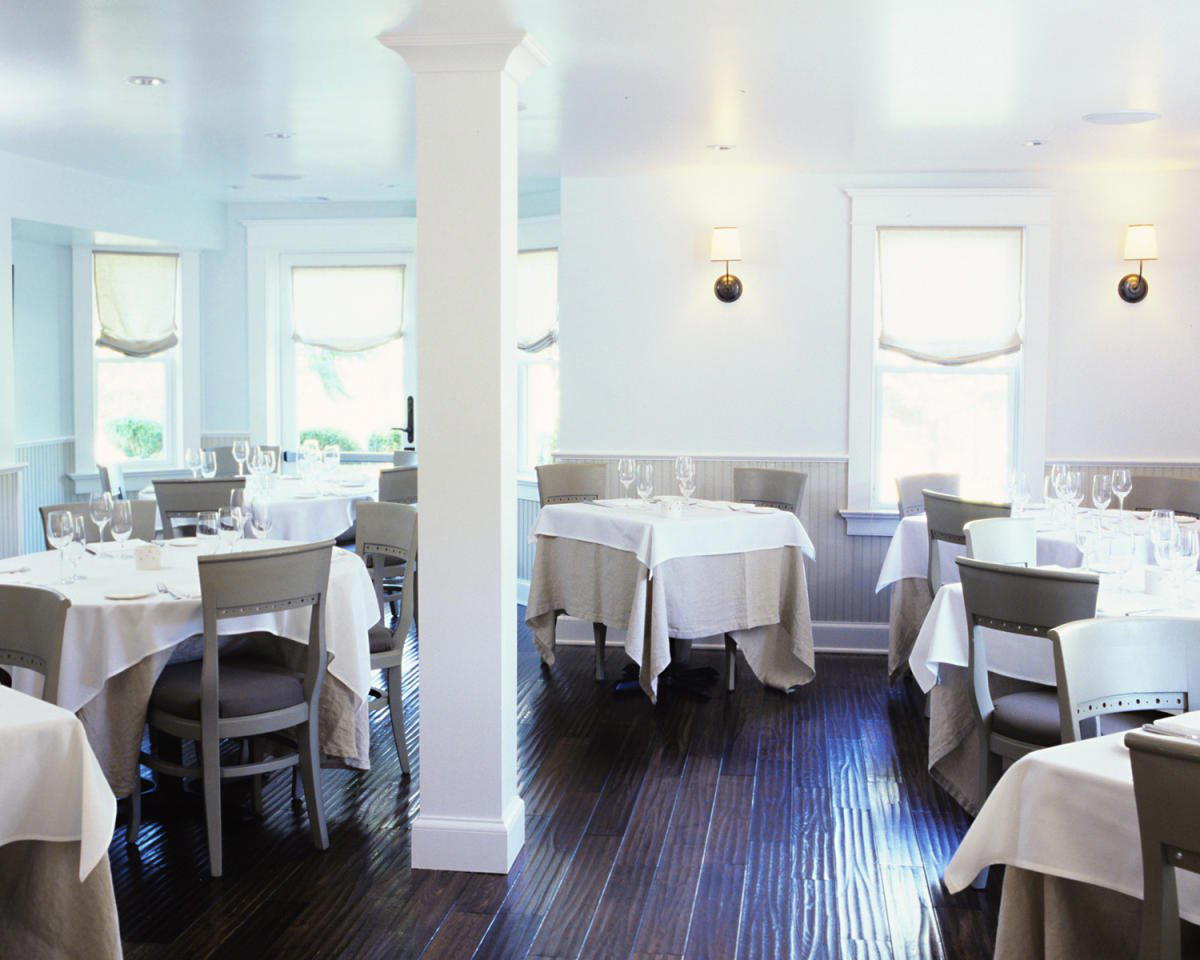
Bars in Greenport
Browse all →
Hotels in Greenport
Browse all →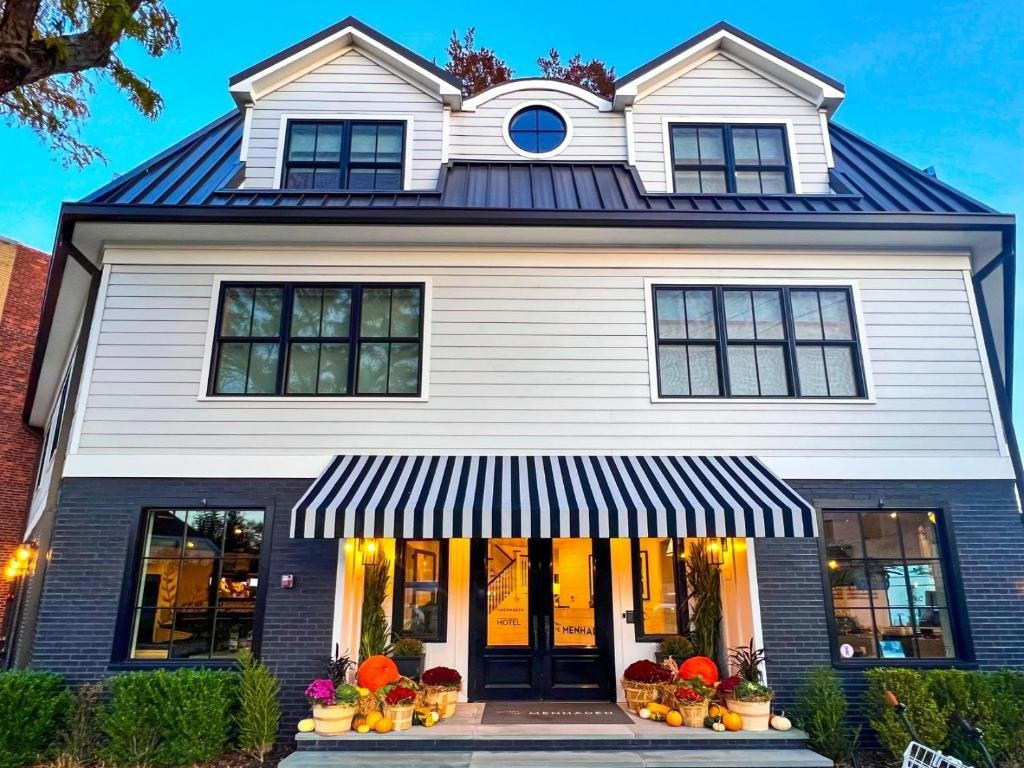
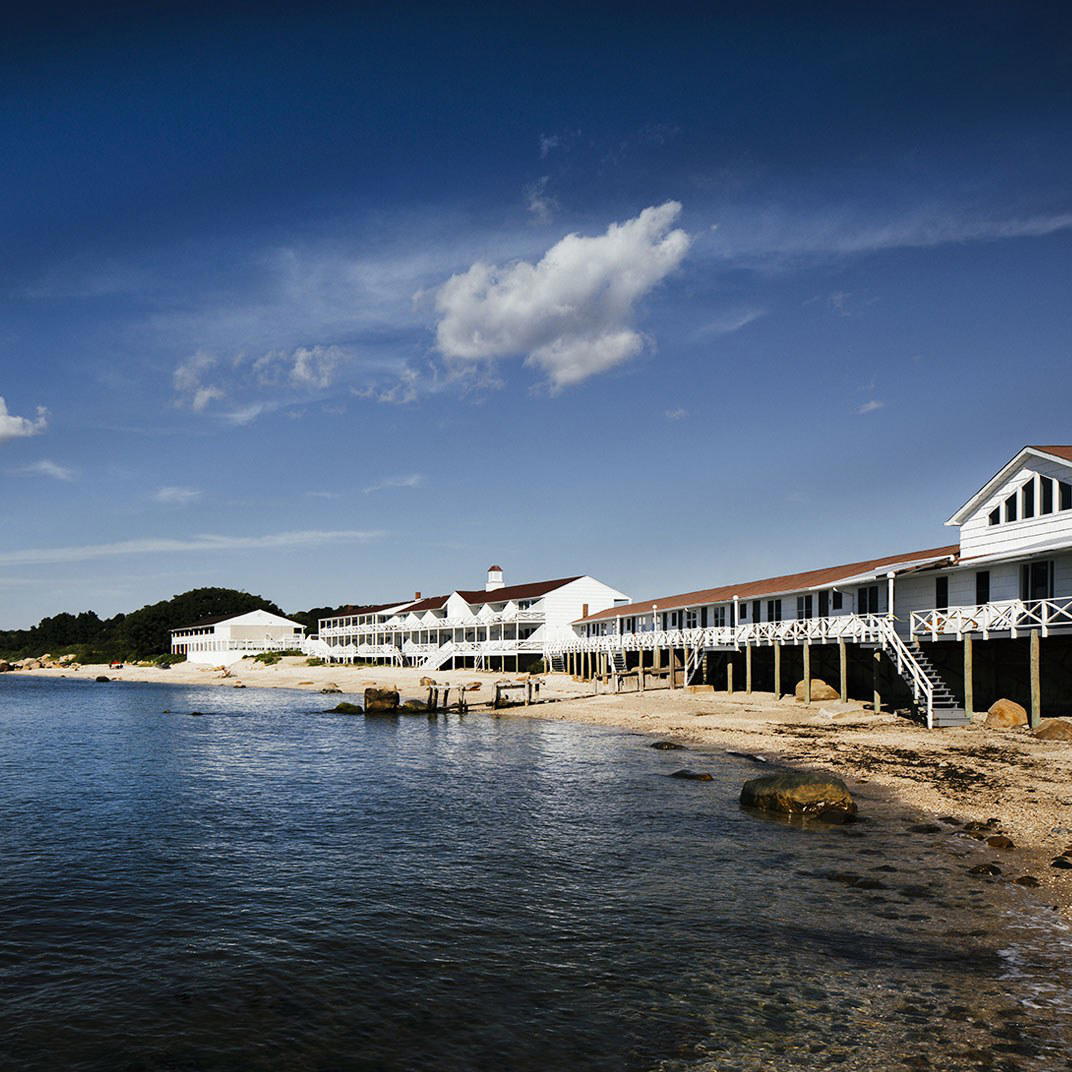
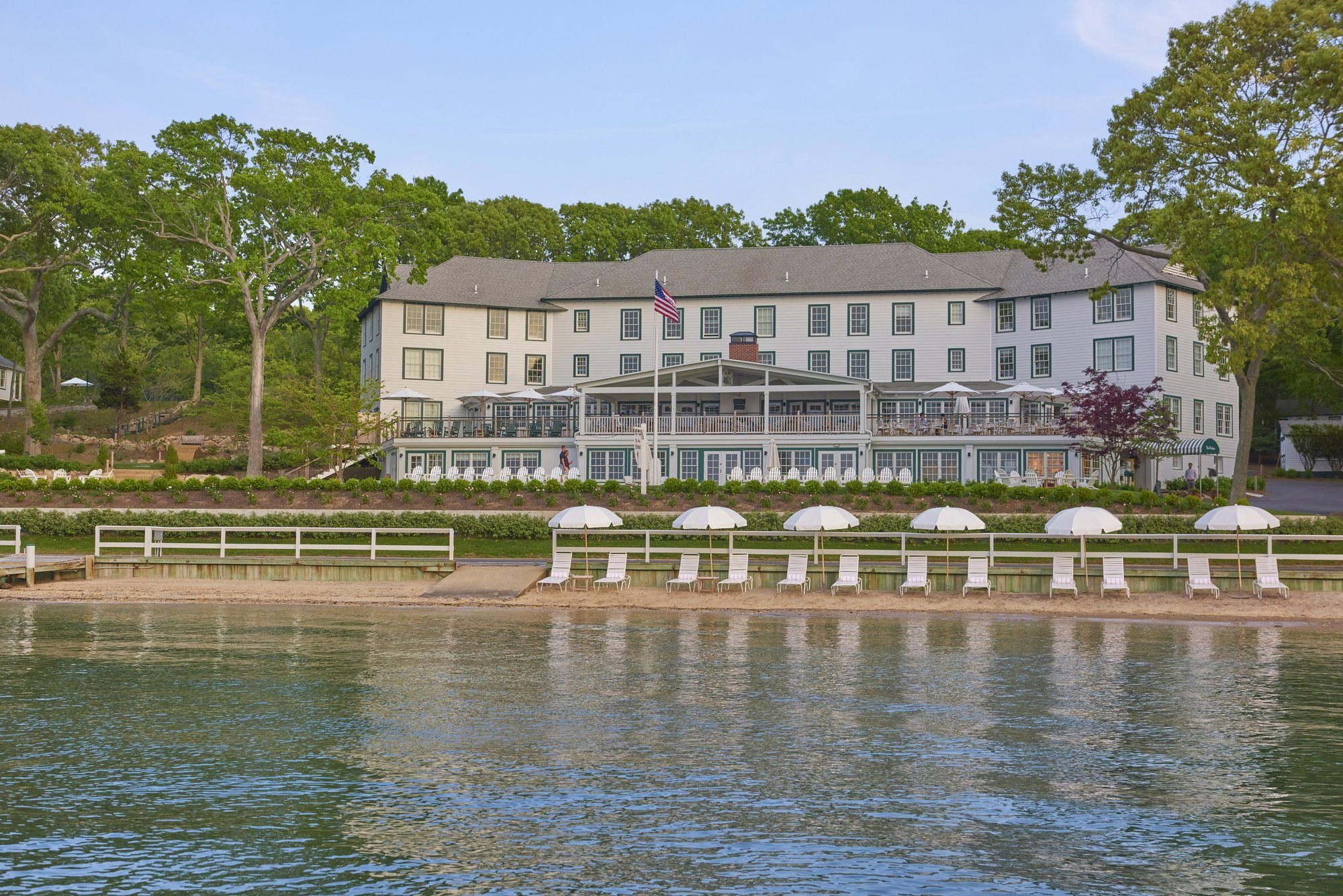
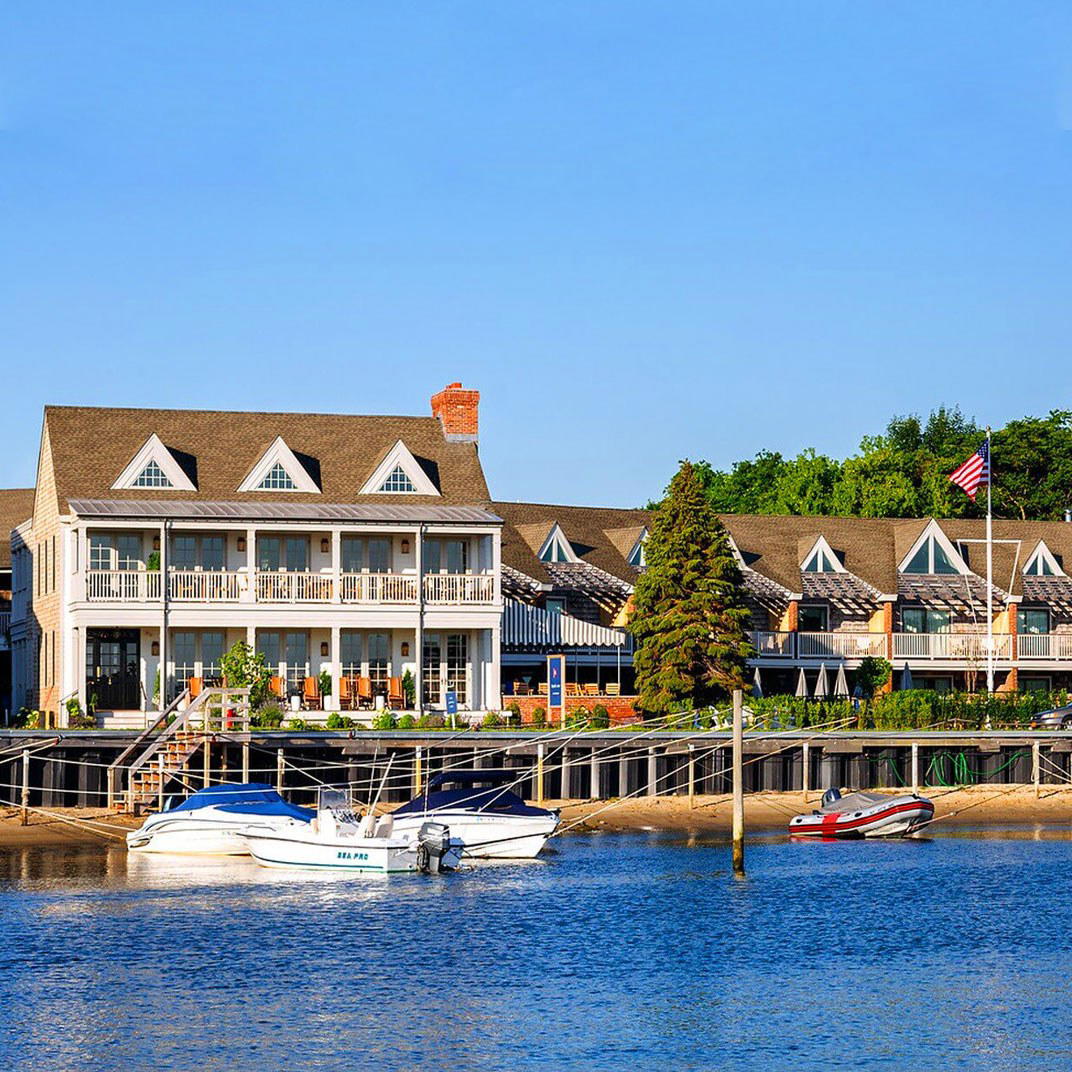

At a Glance
- Rustic
- Cozy
- Scenic
- Casual Hangout
- Waterfront
- Waterfront
Current opening hours
- Monday
- Closed
- Tuesday
- Closed
- Wednesday
- 5–9 PM
- Thursday
- 5–9 PM
- Friday
- 12–9 PM
- Saturday
- 12–9 PM
- Sunday
- 12–8 PM
Hours can change for holidays and private events. Last verified .
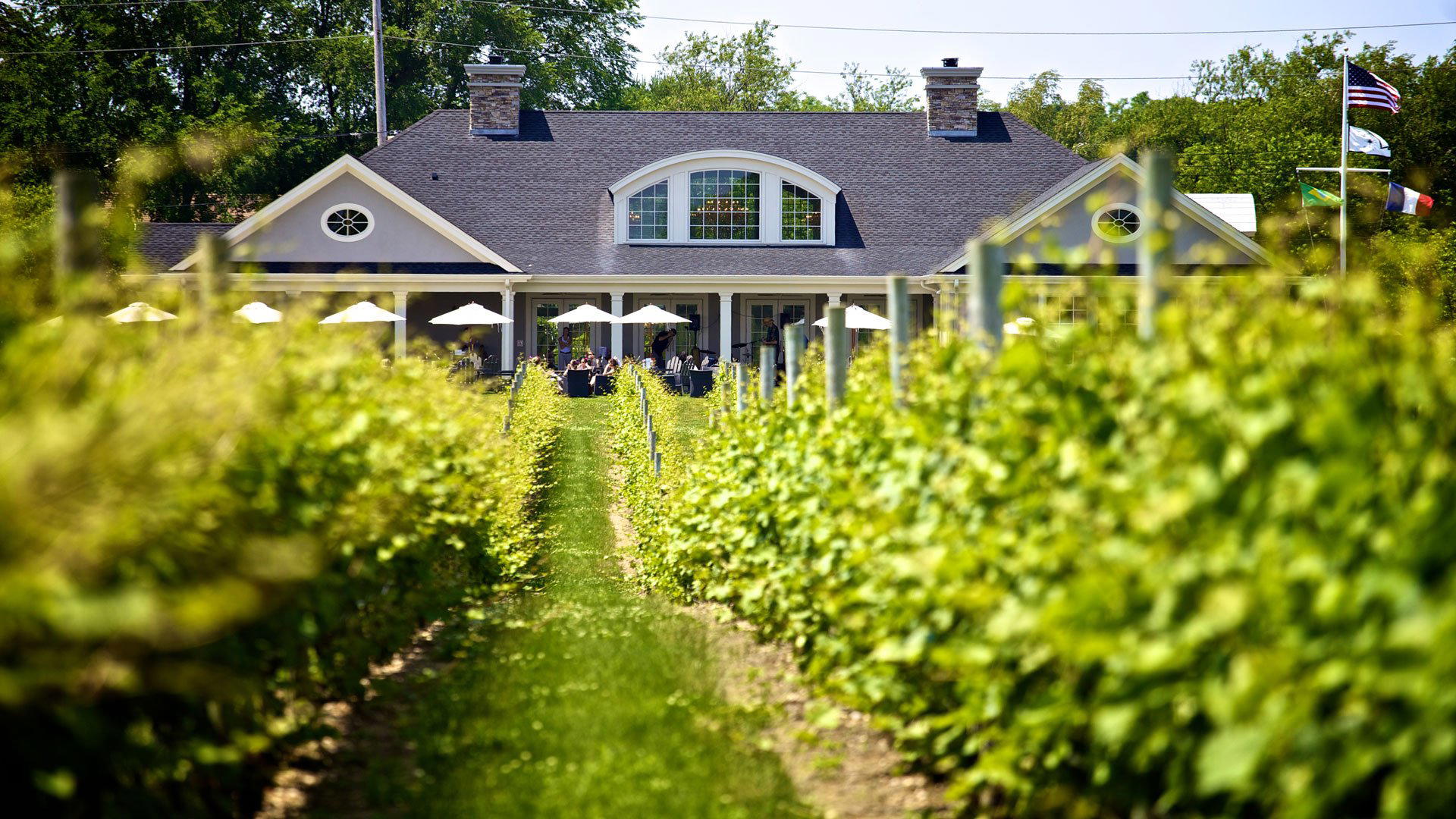
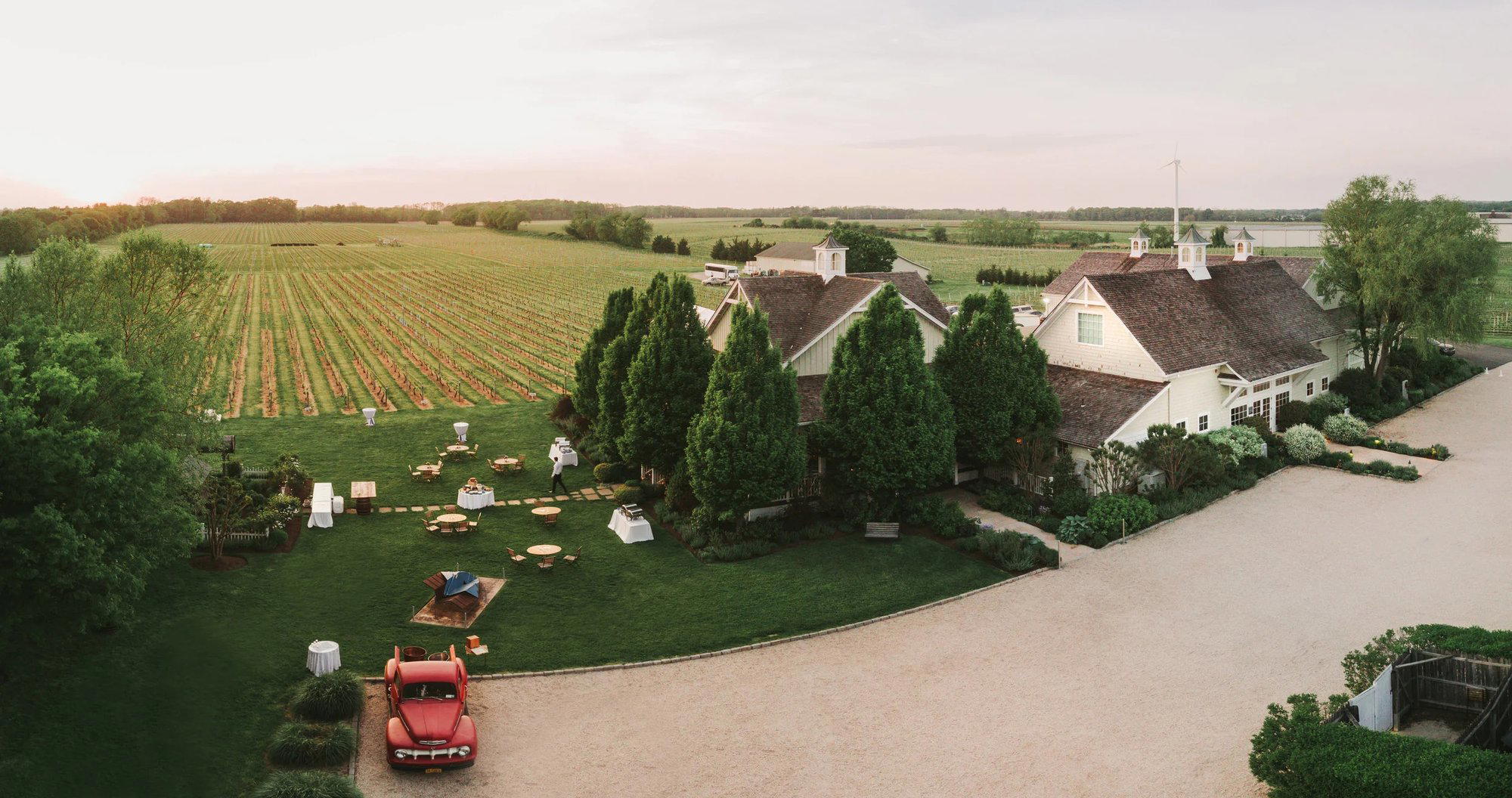
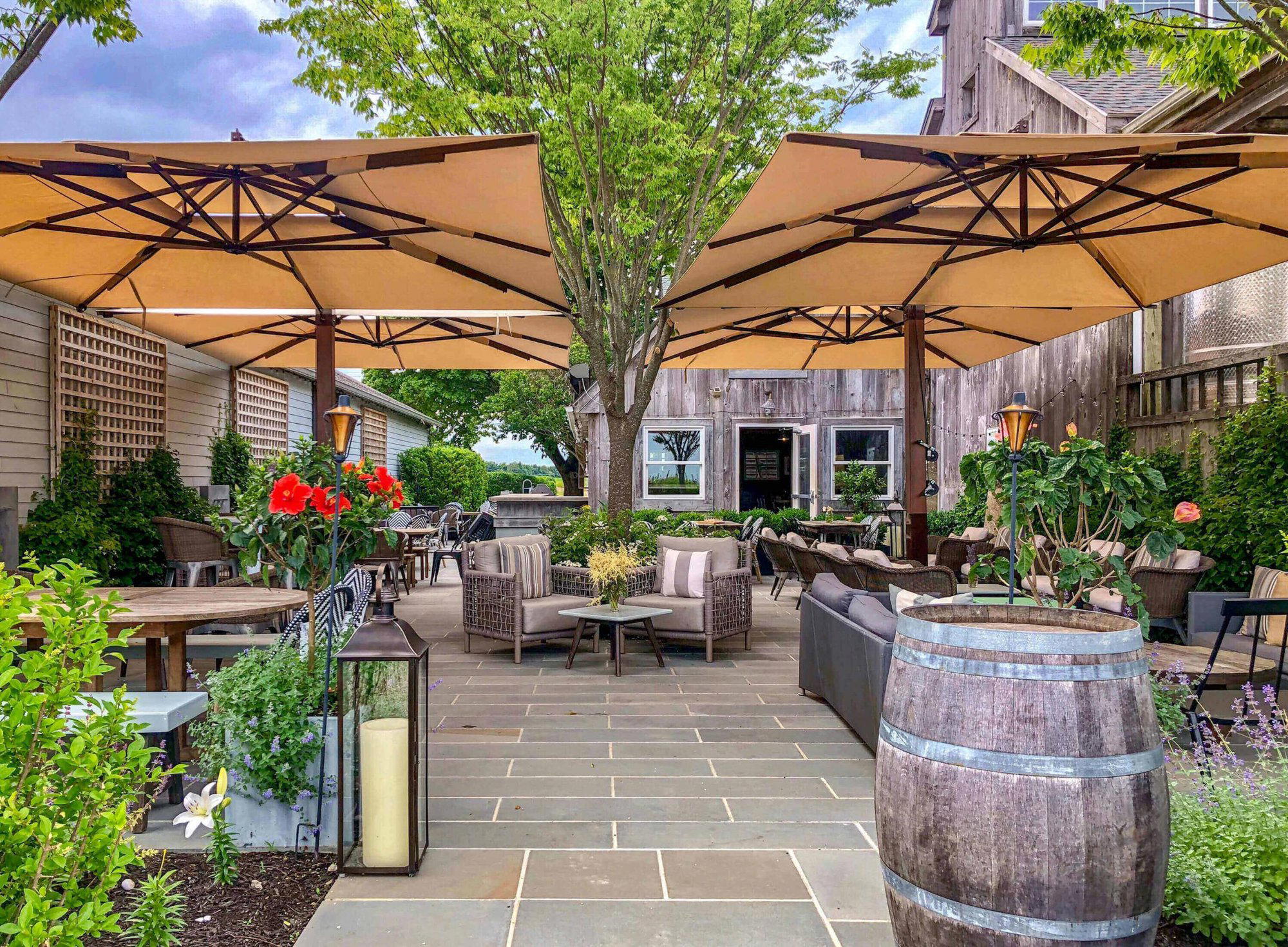
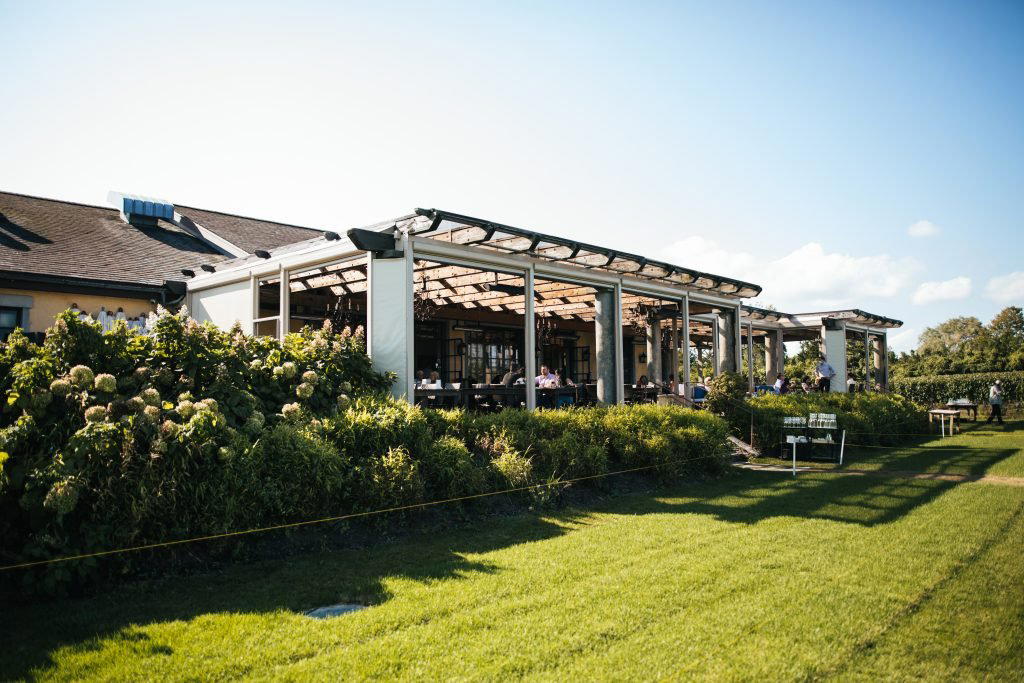
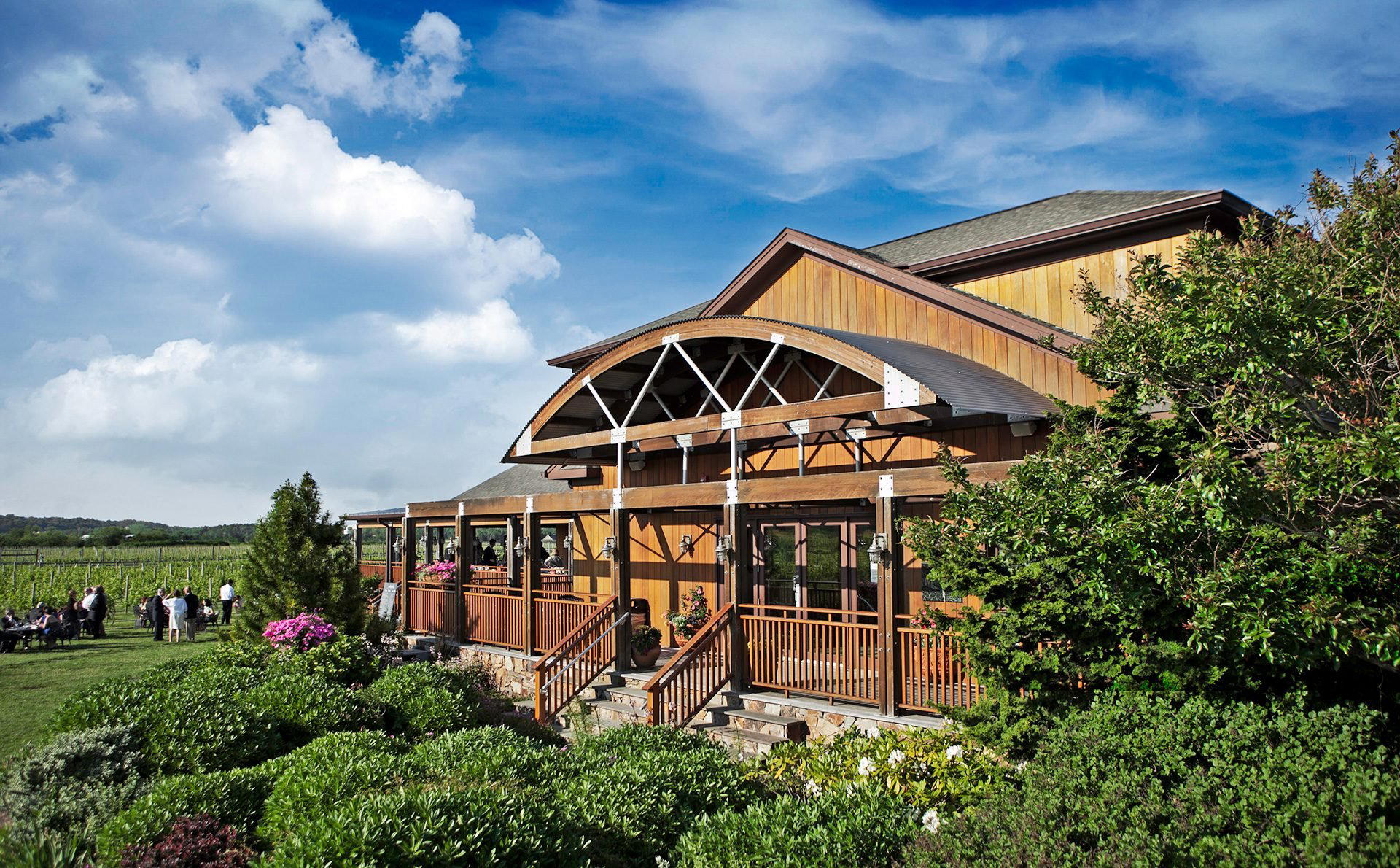
Laid-back harborside cottage atmosphere with pleasant outdoor seating and folksy charm.