Sparkling Pointe
On the North Fork of Long Island, Sparkling Pointe has carved out a distinct identity as one of the region's dedicated sparkling wine producers. The property sits within a wine corridor where maritime influence and glacially deposited soils shape every vintage. For visitors to Southold, it represents a focused, terroir-driven alternative to the broader North Fork tasting circuit.

Pearl is the En Primeur Club membership app — saves, bookings, and concierge access live there. Same editors, same standards.
- Address
- 39750 County Rd 48, Southold, NY 11971
- Phone
- (631) 765-0200
- Website
- sparklingpointe.com
- Directions
- Get directions
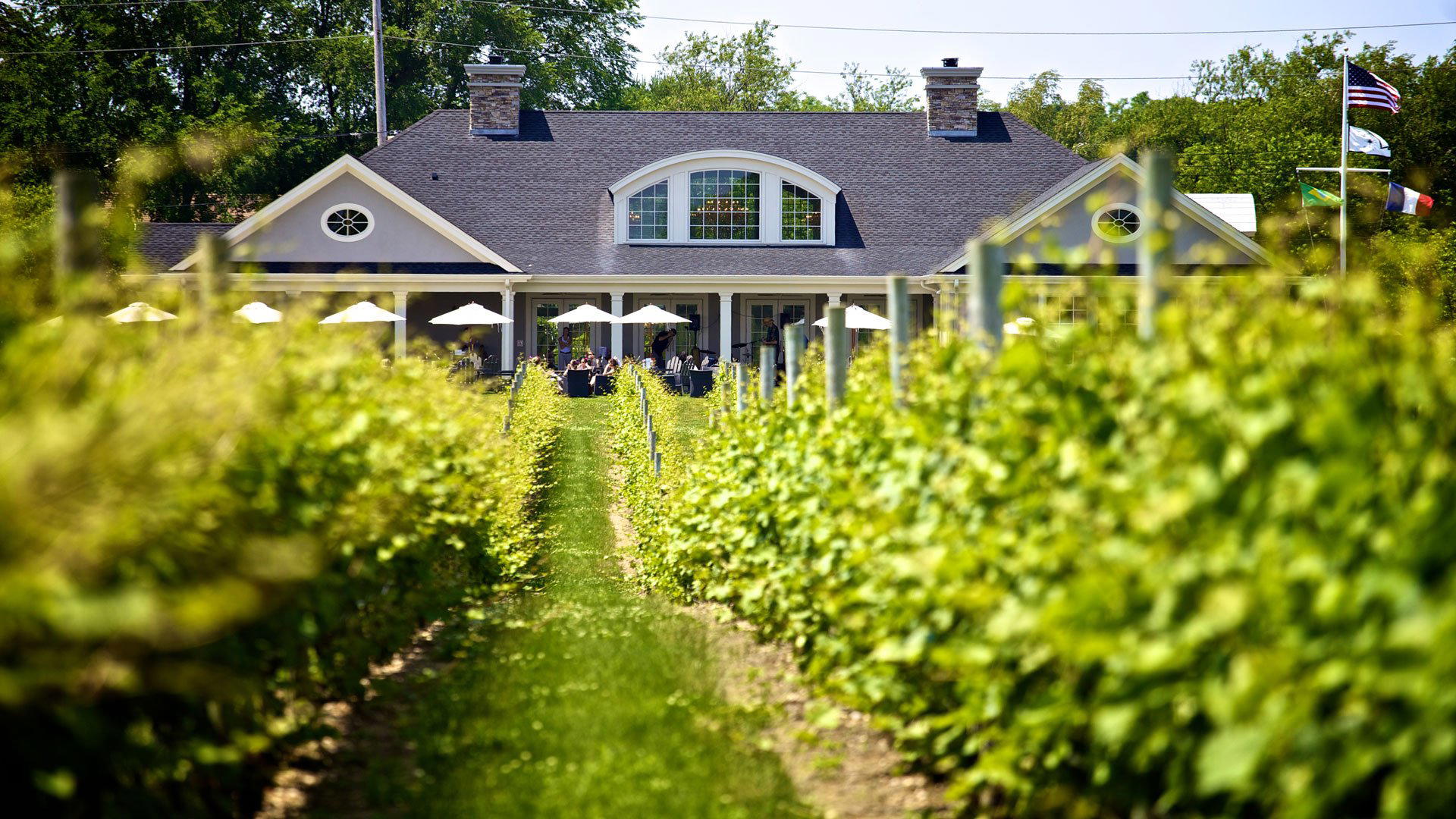
Where the Sound Shapes the Wine
The North Fork of Long Island occupies a narrow peninsula between Long Island Sound and Peconic Bay, and the effect of that water proximity on viticulture is not subtle. Cool maritime air moderates summer heat and delays the threat of autumn frost long enough to ripen grapes properly, while the well-drained, sandy loam soils — deposited during the last glacial retreat — drain quickly and force vines to work for their water. These are not the conditions that produce soft, heavy fruit. They produce wines with tension, acidity, and a structural backbone that suits sparkling production particularly well.
Among the North Fork's roughly three dozen wineries, the majority focus on still wines, Merlot and Cabernet Franc dominate red production, while Chardonnay and Sauvignon Blanc anchor the whites. A property dedicated to sparkling wine sits in a narrower category, one where the producer's commitment to a single format signals both conviction and risk. Producing quality sparkling wine from a cool-climate maritime region requires patience that still wine production does not demand in the same way: secondary fermentation in bottle, extended lees aging, and the assembly of base wines across multiple varieties and parcels before riddling, disgorgement, and release. The process is slower and more labor-intensive, and the margin for error at each stage is less forgiving. That Sparkling Pointe has sustained this focus long enough to earn prestige-level recognition is itself an editorial point about the North Fork's potential for the category.
Long Island Sparkling in Its Regional Context
American sparkling wine conversation tends to anchor immediately on California, the Anderson Valley, Carneros, and the Santa Cruz Mountains claim most of the critical attention, partly because of established producer histories and partly because of the presence of French Champagne houses that invested early in California Pinot Noir and Chardonnay. The East Coast has historically occupied a secondary position in that conversation, and New York has occupied a secondary position even within the East Coast. That ordering is beginning to shift. The Finger Lakes have attracted serious attention for Riesling, and the North Fork has quietly built a body of Merlot-based work that earns comparisons to Pomerol at its structural core.
For context on how dedicated sparkling producers operate within American wine geography, it helps to look westward. Properties like Artesa Vineyards and Winery in Napa and Au Bon Climat in Santa Barbara have demonstrated that commitment to a specific format or varietal focus, sustained over time, builds a recognizable identity that generalist producers rarely achieve. The same logic applies on the East Coast. Adelsheim Vineyard in Newberg and Alexander Valley Vineyards in Geyserville represent the kind of multi-decade focus that builds lasting reputations in their respective categories. Sparkling Pointe is building a parallel track in the sparkling format.
The Terroir Argument for North Fork Bubbles
The case for Long Island as a sparkling wine region comes down to the same variables that made Champagne viable in northeast France: moderate temperatures, adequate but not excessive sunshine, soils that prioritize drainage over fertility, and a growing season long enough to ripen grapes fully without pushing sugars to the levels that make high-acid sparkling base wines difficult to achieve. The North Fork's average growing season temperatures sit closer to Burgundy and Champagne than to California's central valleys, and the maritime influence introduces a consistency of cool nights that preserves natural acidity in the grape. Chardonnay and Pinot Noir, the varieties most associated with traditional-method sparkling wine, perform well in these conditions, showing the tension and citrus-forward character that makes good base wine.
Soil composition on the North Fork adds another layer. The glacial outwash creates profiles that vary block by block, mixing sandy loam with occasional clay lenses and gravel deposits. These variations produce measurable differences in vine stress and fruit concentration across a single property. Producers attentive to these distinctions can work with multiple parcels to build base wine assemblages with textural complexity that single-vineyard or single-variety sparkling wines rarely achieve. This is the kind of detail that separates sparkling producers who treat the format as secondary to their still wine program from those who have organized their viticulture around it from the ground up.
For visitors traveling from New York City, the North Fork is accessible via the Long Island Rail Road to Greenport or Riverhead, with the drive from Manhattan typically running two to two-and-a-half hours depending on traffic. Southold sits near the middle of the Fork, making it a reasonable base for covering the surrounding wine corridor. Our full Southold restaurants guide covers the broader dining and drinking options in the area. Tasting visits to properties like Sparkling Pointe are generally leading arranged in advance, particularly on weekends between May and October when North Fork visitor numbers are at their seasonal peak.
Placing Sparkling Pointe in the Prestige Tier
In the broader American wine recognition framework, prestige-level awards function as signals about consistency, technical quality, and the producer's capacity to deliver at a level that merits repeated attention rather than a single visit. Properties like Accendo Cellars in St. Helena, Aubert Wines in Calistoga, and Alpha Omega Winery in Rutherford operate within prestige tiers built on consistent critical recognition over time. Earning equivalent standing as a sparkling-focused producer in a region not historically associated with the category represents a specific kind of achievement. It suggests that the wine is being evaluated against the format's broader standards, not graded on a regional curve.
For the visiting enthusiast, this distinction matters practically. A prestige-tier sparkling producer on the North Fork is not a regional curiosity worth a quick pour, it is a producer whose wines merit the same quality of attention you would bring to a visit in Carneros or the Willamette Valley. Properties like Adelaida Vineyards in Paso Robles, Andrew Murray Vineyards in Los Olivos, Alban Vineyards in Arroyo Grande, Babcock Winery in Lompoc, B.R. Cohn Winery in Glen Ellen, and Aberlour each earned their reputations through consistent quality signals in their respective categories. Sparkling Pointe is generating a comparable signal in its own format within a region that rewards producers willing to work against type.
Planning Your Visit
The North Fork season runs from late spring through autumn, with the most active tasting room period falling between Memorial Day and Columbus Day. Arriving on a weekday morning gives you better access and more time for conversation at the tasting bar. The drive from Southold's village center to 39750 County Road 48 takes under ten minutes. Visitors combining Sparkling Pointe with other North Fork properties should plan for a half-day minimum to avoid rushing through the tasting experience. Checking the property's current offering in advance is advisable, as sparkling wine releases follow production timelines that differ from still wine programs. For broader context on where Sparkling Pointe fits within the wider Southold wine and dining circuit, our Southold guide provides neighborhood-level itinerary structure alongside references to properties like Achaia Clauss in Patras for comparative context on old-world sparkling traditions.
A Quick Peer Check
Comparable venues nearby, for context on price, style, and recognition.
| Venue | Cuisine | Price | Awards | Notes |
|---|---|---|---|---|
| Sparkling PointeThis venue — the venue you are viewing | Pinot Noir, Chardonnay | Not listed | Not listed | Not listed |
| Bedell Cellars | Merlot, Chardonnay | $10–20 | Falstaff Winery - Listed | Cutchogue |
| Macari Vineyards | Cabernet Franc, Sauvignon Blanc | $50–100 | Falstaff Winery - Listed | Mattituck |
| Widow Jane Distillery | Brooklyn | Not listed | Not listed | Red Hook |
| Wölffer Estate Vineyard | Merlot, Chardonnay | $30–50 | Falstaff Winery - Listed | Sagaponack |
| New York Distilling Company | New York | Not listed | Not listed | Williamsburg |
Continue exploring
More in Southold
Wineries in Southold
Browse all →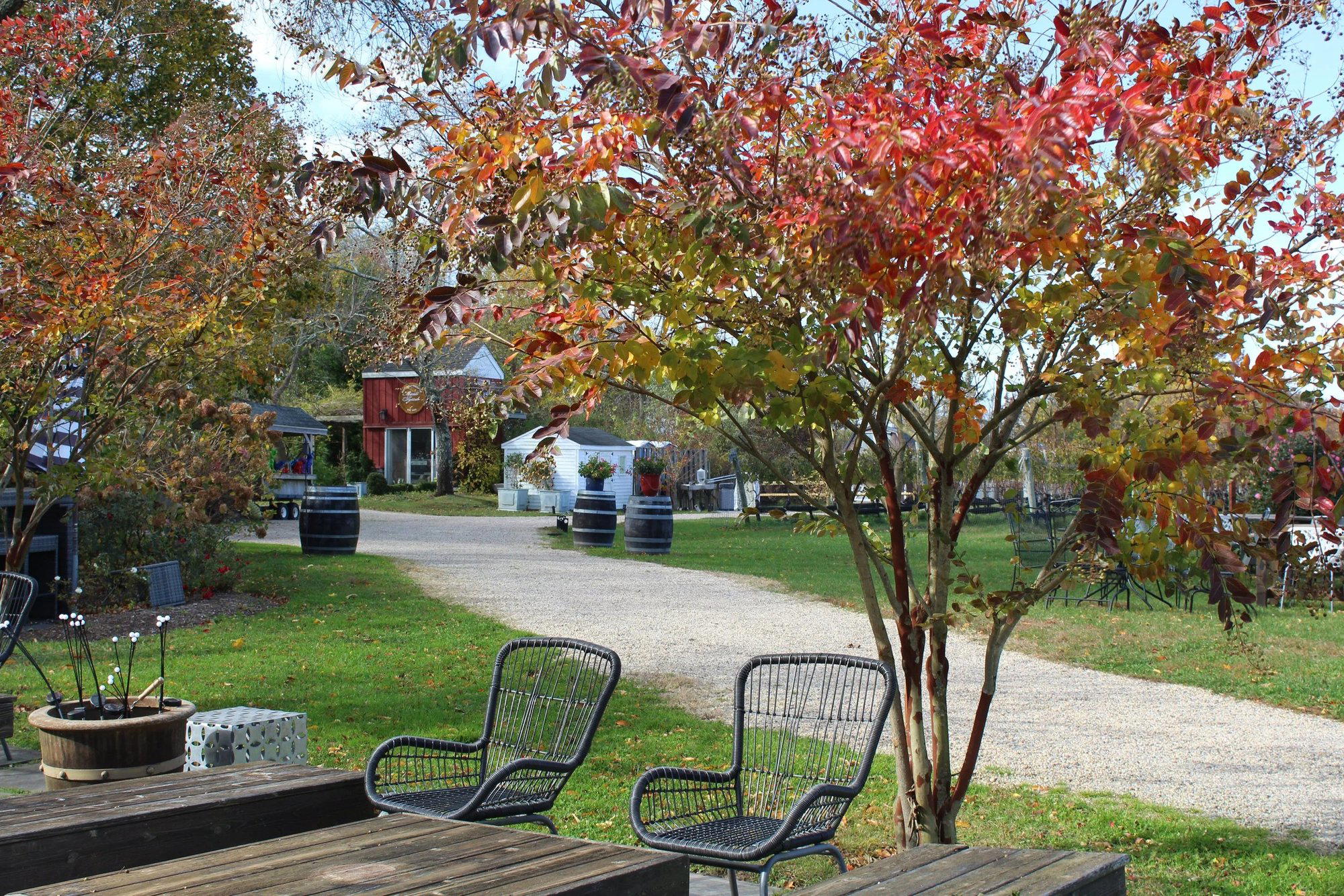

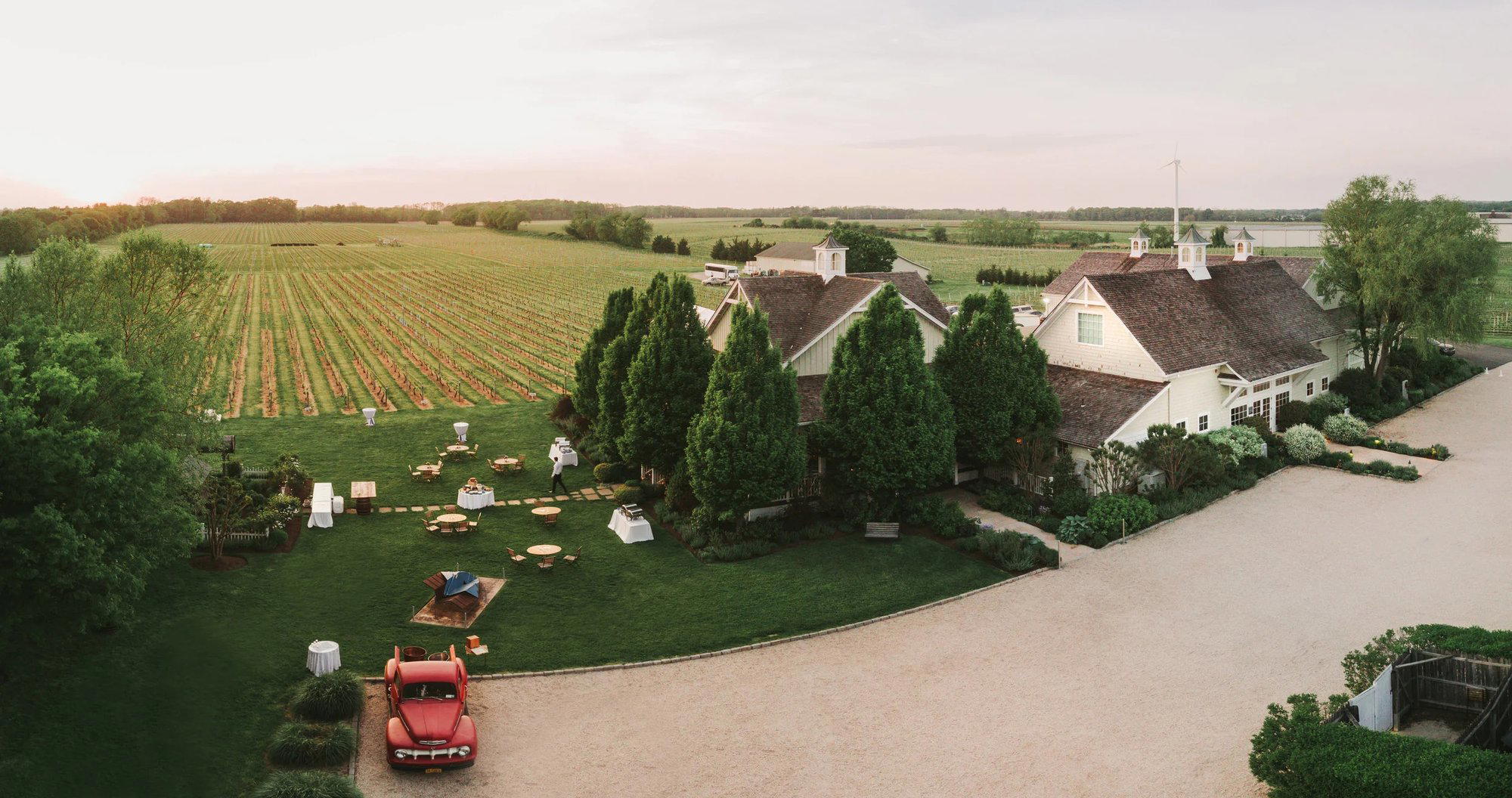
Bars in Southold
Browse all →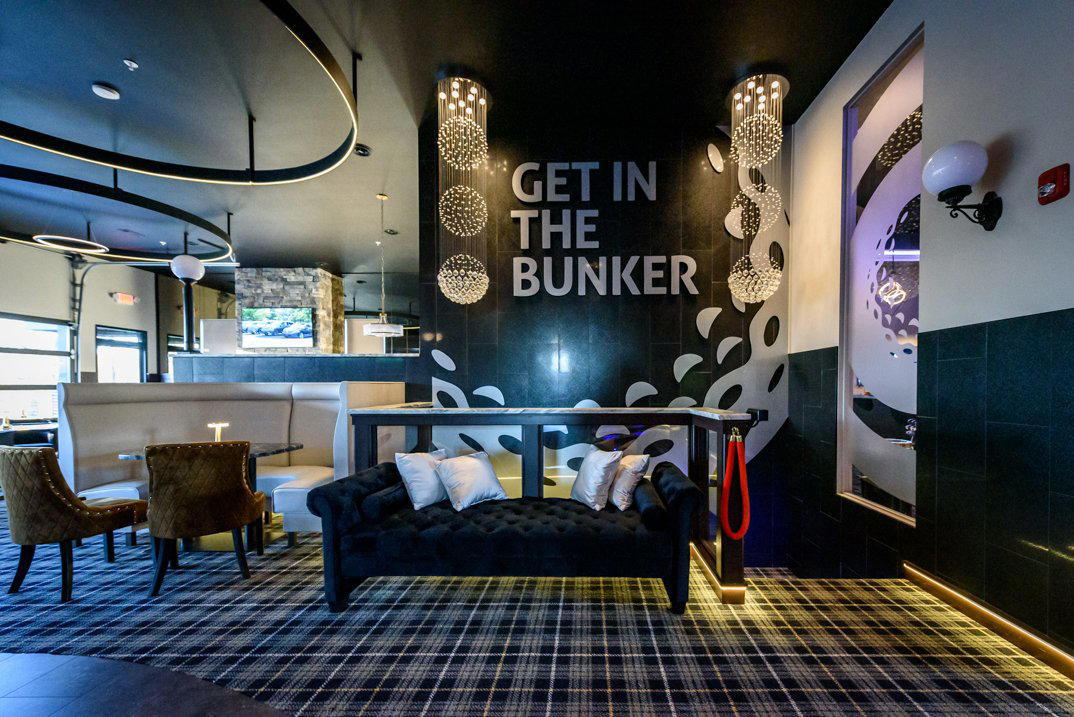
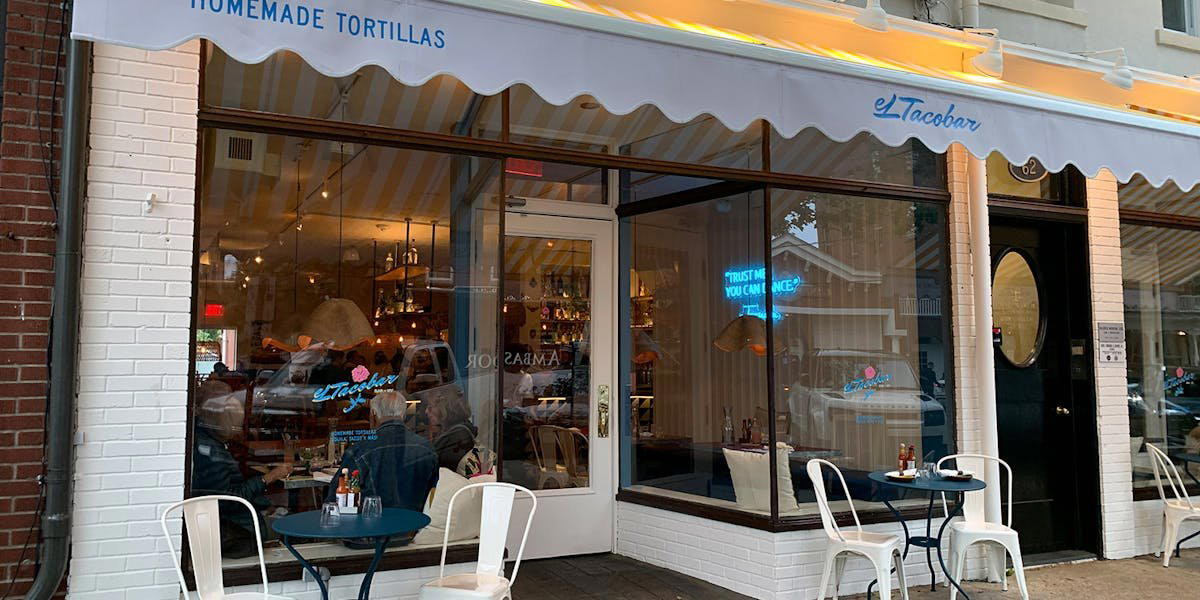
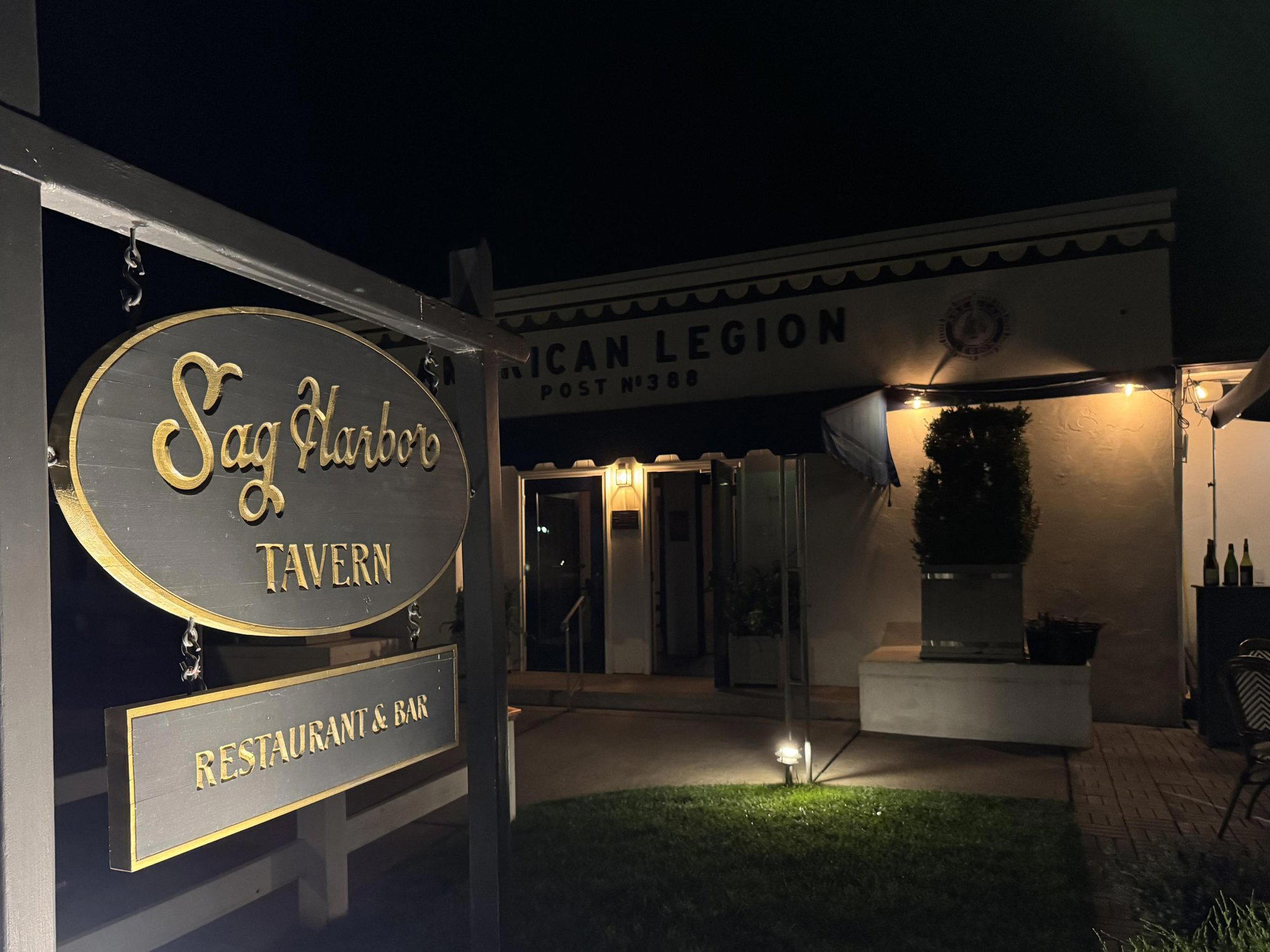
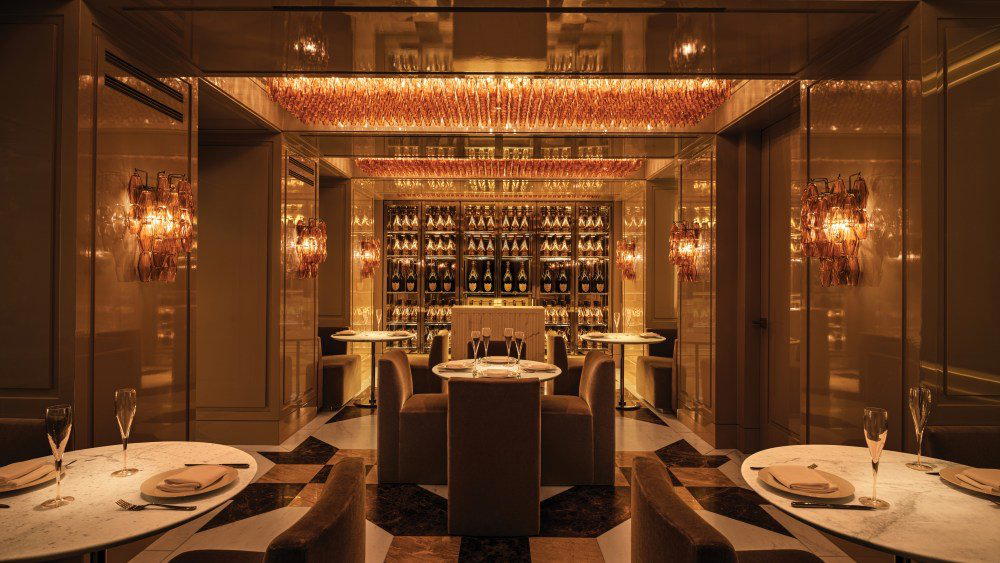
Restaurants in Southold
Browse all →
Details
- Elegant
- Sophisticated
- Scenic
- Romantic
- Romantic Getaway
- Celebration
- Special Occasion
- Terrace
- Panoramic View
- Sustainable
- Vineyard
- Pinot Noir
- Chardonnay
- Pinot Meunier
- Sparkling
- Seated Tasting
- Flight
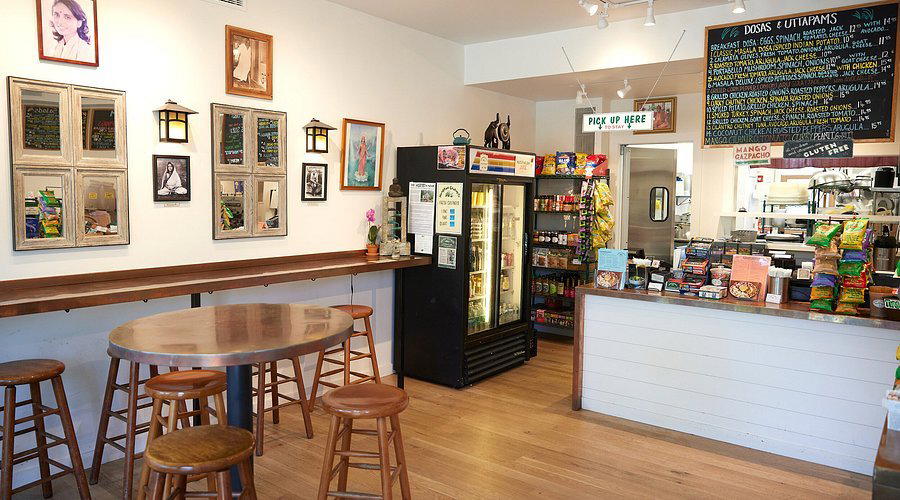
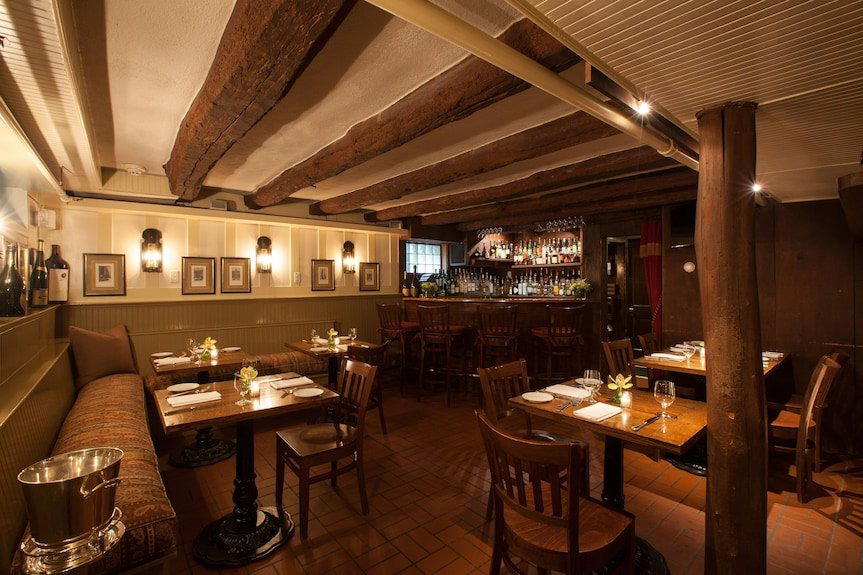
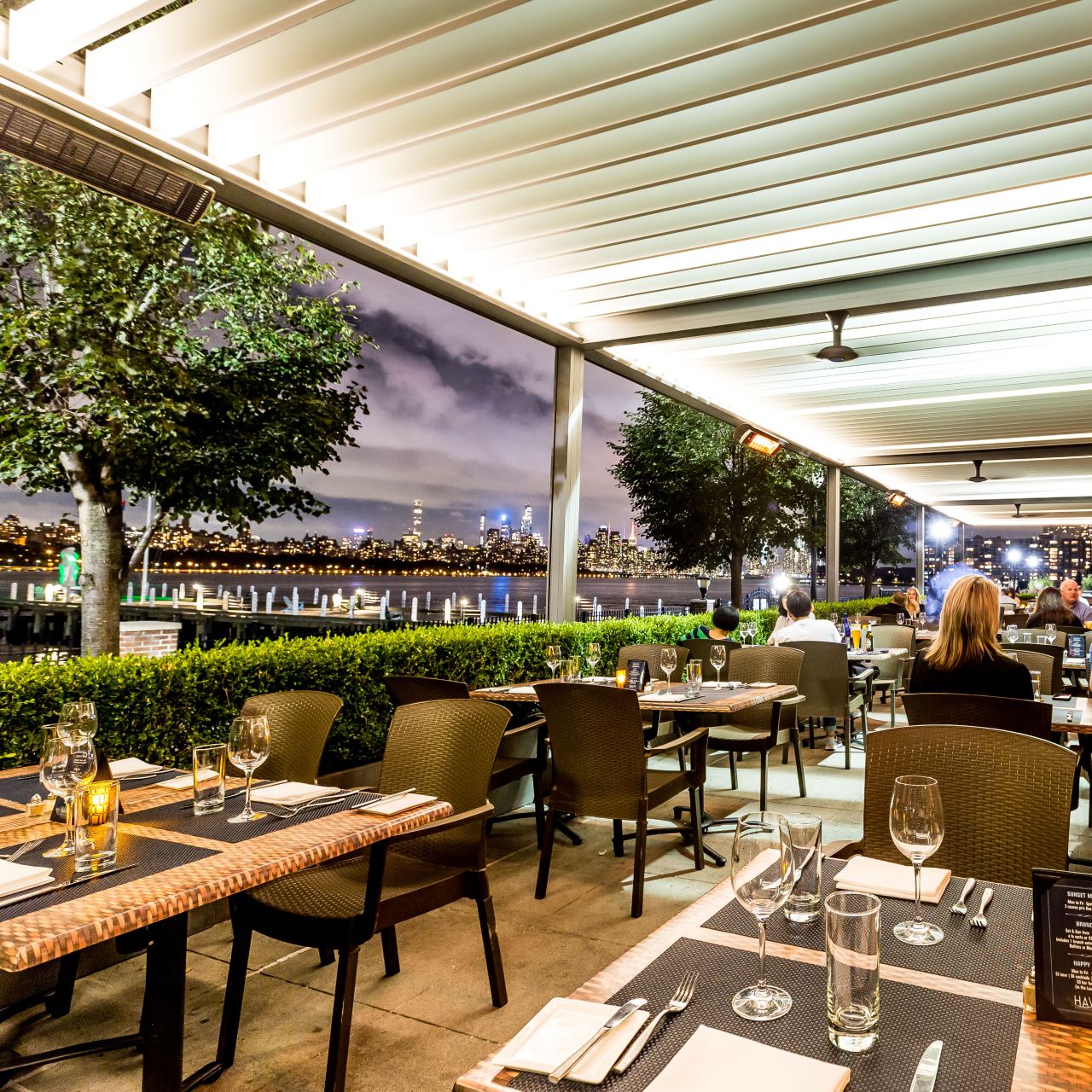
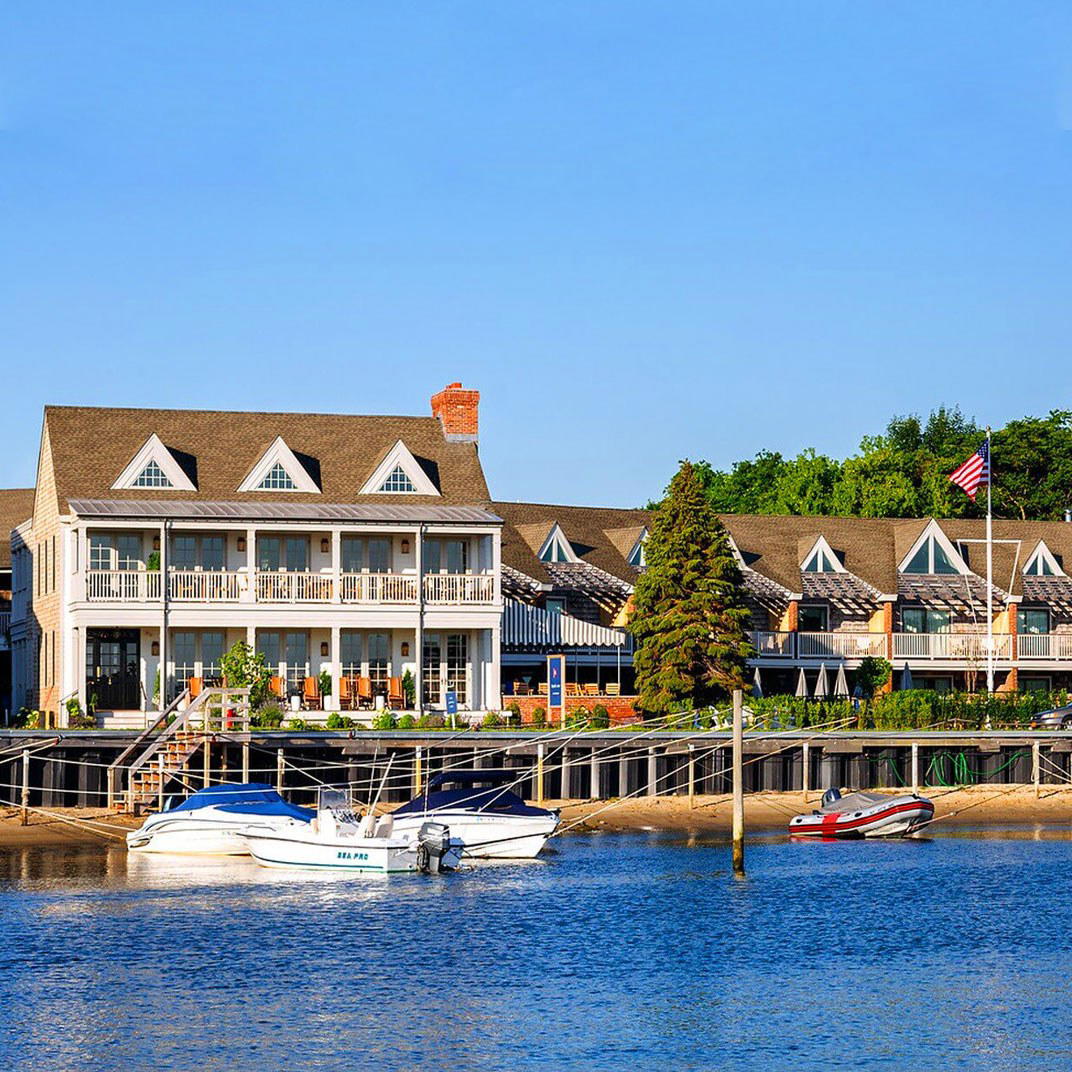
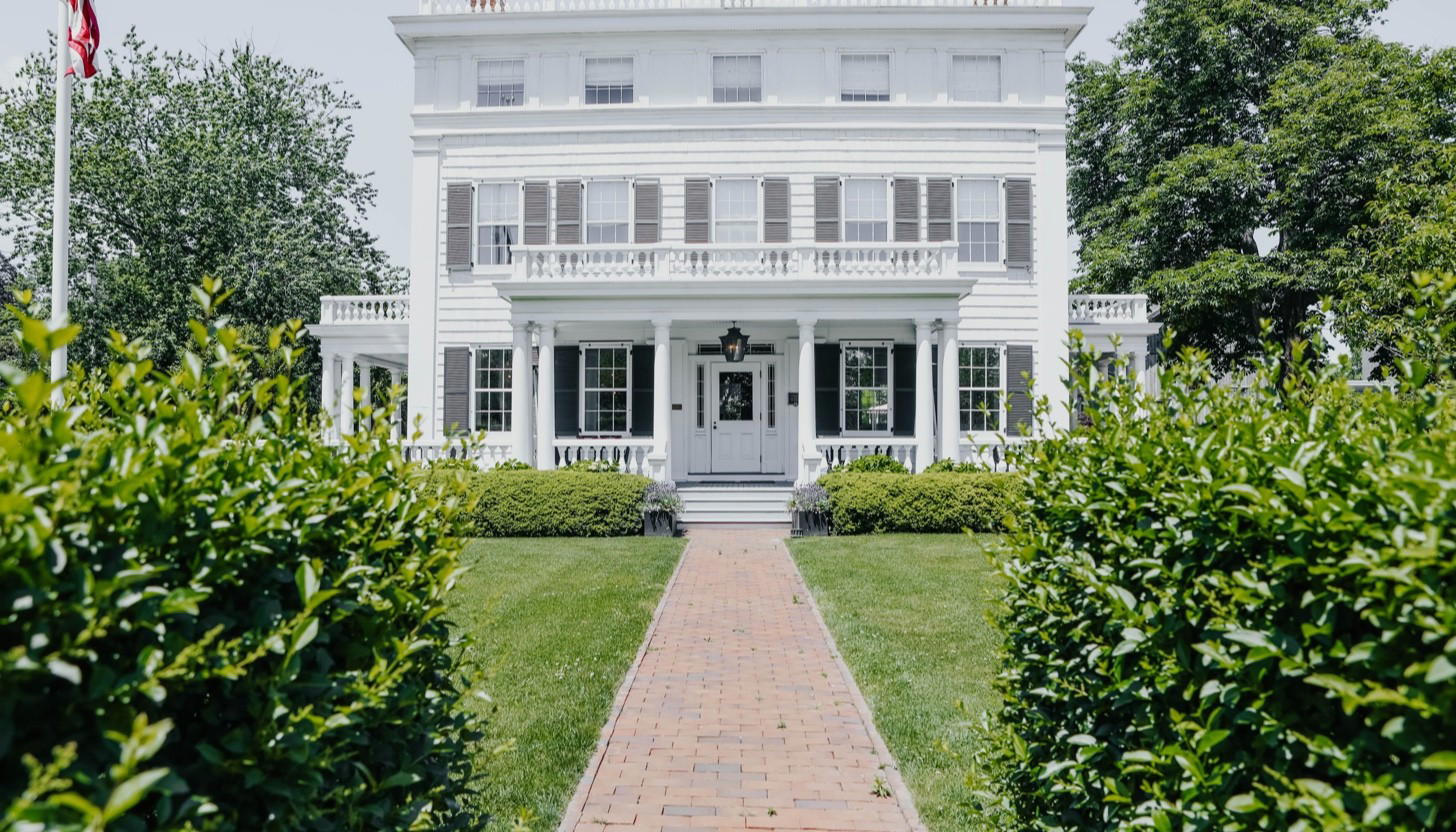
Elegant and comfortable indoor setting with natural light from large windows, Brazilian Carnaval art accents, terrace and lawn overlooking scenic vineyards; sophisticated yet festive atmosphere.