Noah's
On Front Street in Greenport, Noah's draws on the North Fork's proximity to the water and the farm fields that surround it. The kitchen works within a seasonal, sourcing-led framework that reflects the village's character as a small-boat fishing port and agricultural corridor. It occupies a specific niche in a town where ingredient provenance has become the dominant editorial conversation.
Pearl is the En Primeur Club membership app — saves, bookings, and concierge access live there. Same editors, same standards.
- Address
- 136 Front St, Greenport, NY 11944
- Phone
- +16314776720
- Website
- chefnoahs.com
- Directions
- Get directions
 Saves & bookings on Pearl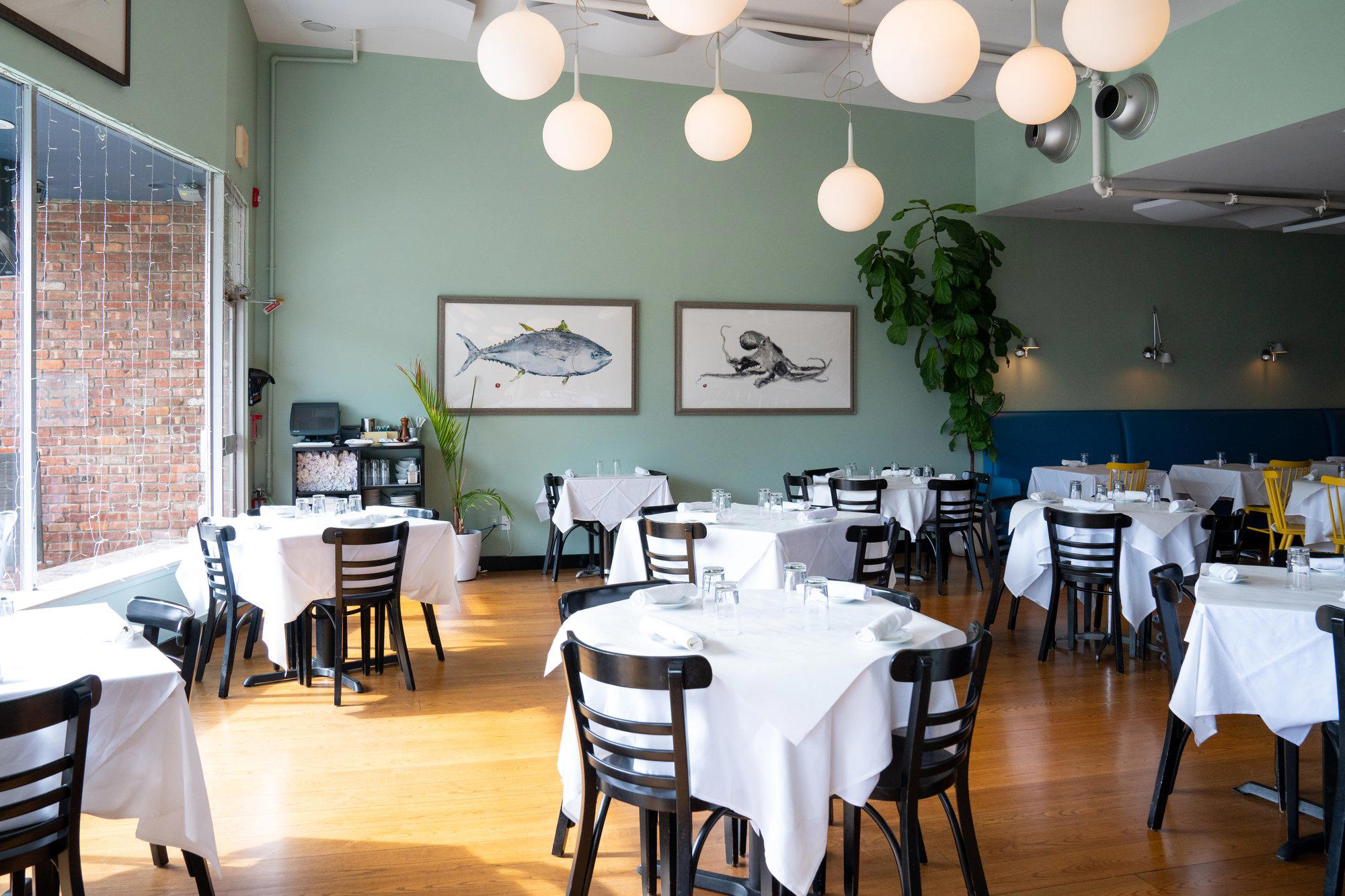
Front Street, the North Fork, and the Logic of Sourcing
Greenport sits at the eastern tip of Long Island's North Fork, where the Sound-facing shoreline and the surrounding farmland have produced one of the more coherent regional food identities in the Northeast. The village is small enough that supply chains are visible: the boats come in at the marina a few hundred metres from the main strip, the farm stands line Route 48, and the restaurants on and around Front Street are close enough to the source that the distance between field and plate is often measured in miles rather than supply-chain steps. Noah's, at 136 Front St, sits inside that geography, and the kitchen's output is leading understood through that lens.
The North Fork's culinary character differs from the Hamptons model to the south. Where the South Fork trades on imported prestige and seasonal celebrity, the North Fork has developed around working agriculture and commercial fishing. That distinction shapes what ends up on tables. Producers like Little Creek Oyster Farm and Market operate within walking distance, and the proximity means that restaurants in this corridor have a sourcing advantage that larger urban operations simply cannot replicate. The same logic that drives farm-to-table programs at places like Blue Hill at Stone Barns in Tarrytown or Single Thread Farm in Healdsburg applies here, but at a smaller, less institutionalised scale.
What the Address Signals
Front Street is Greenport's primary commercial and pedestrian corridor, running along the waterfront and concentrating most of the village's dining options within a short walk. The address places Noah's squarely in that cluster, accessible on foot from the ferry terminal and the marina, in a position where foot traffic from day visitors mixes with a more settled local and weekend-house crowd. The physical setting along this strip is characterised by low-slung buildings, water views within a short walk, and a pace that slows noticeably compared to the Hamptons or the North Fork's more visited entry points farther west.
That pedestrian quality is relevant to how the room functions. Greenport operates at a village scale, and the restaurants along Front Street reflect that: they tend toward mid-size operations rather than the large-format dining rooms that dominate resort markets. Reservations, for venues with a following, are advisable on weekends particularly through the summer and early autumn, when the North Fork's wine tourism and weekend traffic from New York City push demand well above what the village's modest capacity can absorb. The drive from Manhattan runs roughly two to two-and-a-half hours depending on traffic; the Long Island Rail Road reaches Greenport directly, making the village accessible without a car.
The Sourcing Frame
Coastal New York's most interesting restaurant kitchens have increasingly organised themselves around the question of provenance. At the upper register nationally, this is formalised: Le Bernardin in New York City operates with rigorous supplier relationships for its seafood program; Providence in Los Angeles and Addison in San Diego both anchor their menus to coastal and regional supply. At the neighbourhood and village scale, the same principle applies but with less infrastructure: the kitchen is closer to the producer, the menu changes more frequently because the supply changes, and the connection between what is available locally and what appears on the plate is more direct and less mediated.
The North Fork is one of the few places in the Northeast where this works structurally. The combination of a working waterfront, significant agricultural acreage, and an active wine-producing corridor means the raw material exists to build a genuinely regional menu. Greenport's dining scene, centred on Front Street and its immediate surroundings, has matured around this reality. The Frisky Oyster represents one point on that spectrum; Noah's occupies another position in the same local ecosystem. Between them, the village offers a range of approaches to the same fundamental question: how do you build a menu when the supply chain ends a few miles away?
Greenport in Context
Among American restaurants that prioritise regional sourcing at a serious level, the conversation tends to concentrate on a handful of well-documented programs: Lazy Bear in San Francisco, Alinea in Chicago, The Inn at Little Washington, Bacchanalia in Atlanta, Brutø in Denver, Causa in Washington, D.C., Atomix in New York City, and Emeril's in New Orleans. These are operations with the institutional weight and press infrastructure to sustain national recognition. A village kitchen in Greenport operates at a different register entirely, but the underlying logic, using the shortest possible supply chain to determine what the menu can be, is the same. The difference is scale and ambition, not principle.
For visitors approaching the North Fork as a dining destination, the relevant frame is regional, not national. The question is not how Noah's compares to The French Laundry in Napa or 8 1/2 Otto e Mezzo Bombana in Hong Kong. It is how the restaurant fits within a village ecosystem that has developed its own sourcing logic, and whether the kitchen is using the North Fork's agricultural and maritime advantages to produce food that reflects where it is. Our full Greenport restaurants guide maps the broader scene for visitors planning a day or a weekend on the North Fork.
Planning a Visit
Greenport's dining season concentrates between late spring and mid-autumn. Weekend demand in July and August is high relative to the village's dining room capacity, and booking ahead is the practical choice for any restaurant with an established following. Arriving by train is a viable option from New York Penn Station, with the LIRR's Ronkonkoma branch terminating at Greenport, placing the Front Street corridor within a short walk of the station. Those driving from the city should account for the Friday afternoon and summer weekend traffic that backs up on the Long Island Expressway and Route 25 through the North Fork's wine country towns. Mid-week visits in September and October offer the combination of harvest-season produce at its depth and noticeably lighter pressure on reservations.
How Noah's Greenport compares with similar nearby venues.
| Venue | Cuisine |
|---|---|
| Vine Street Café | American |
Continue exploring
More in Greenport
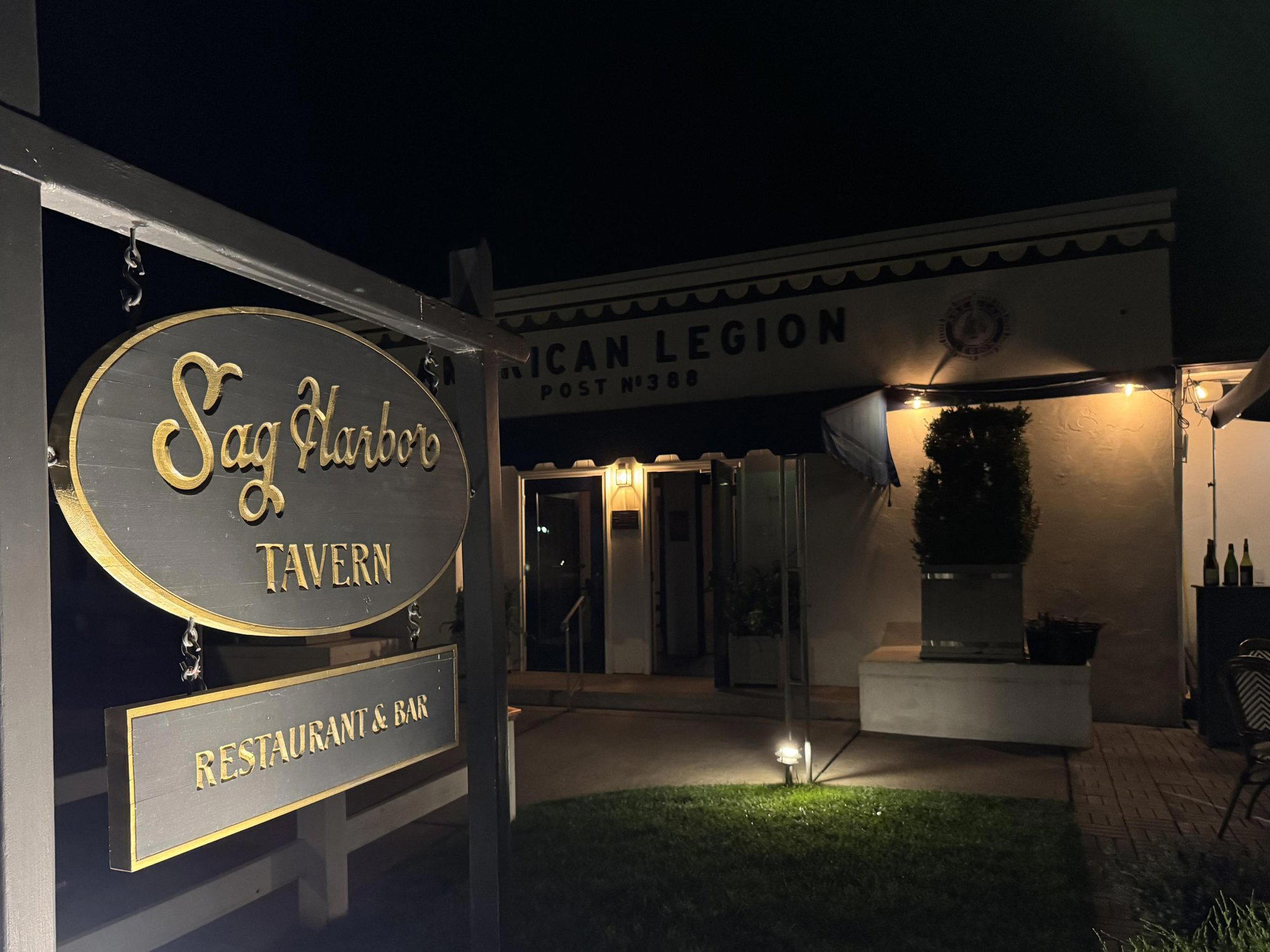
Restaurants in Greenport
Browse all →
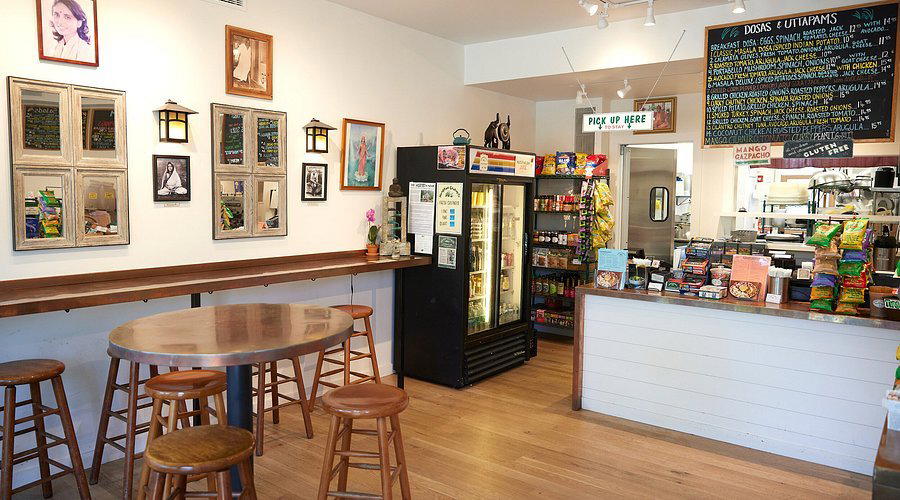
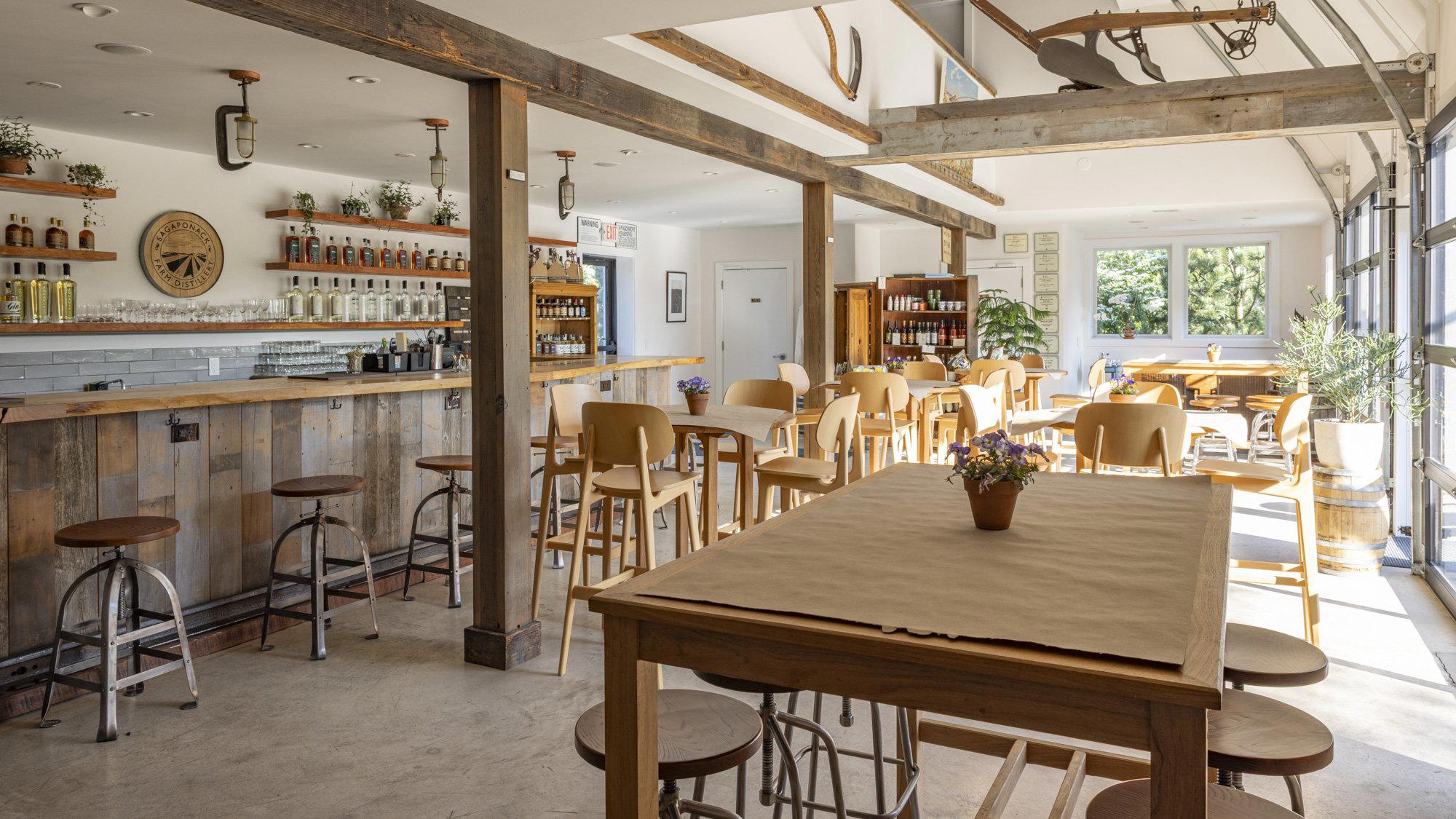
Bars in Greenport
Browse all →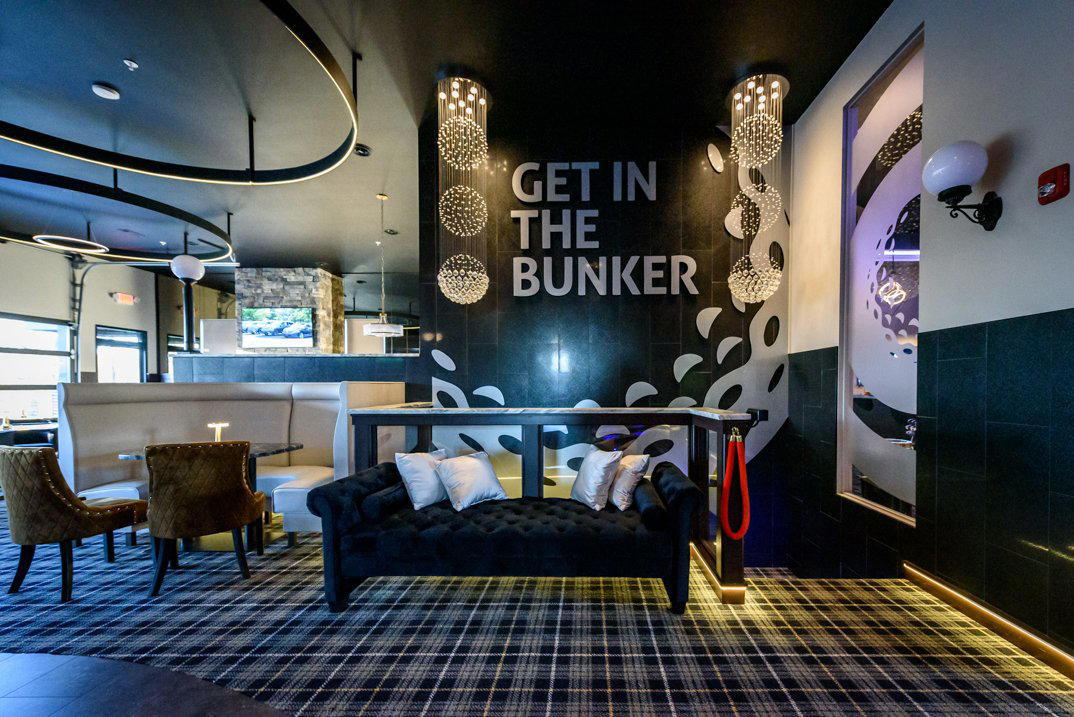
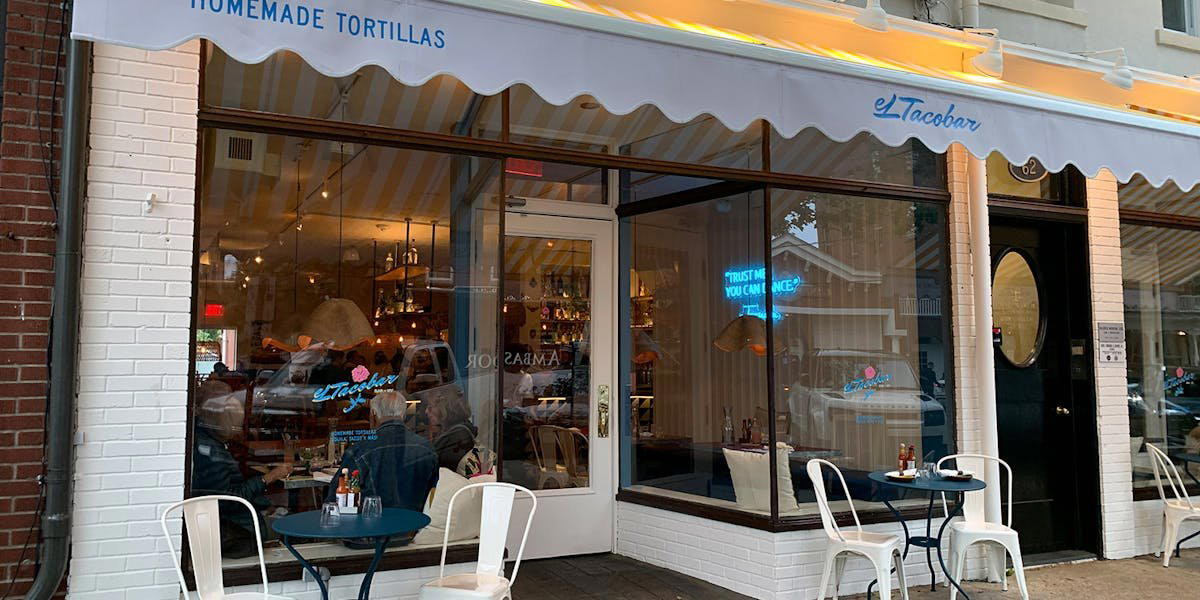
Hotels in Greenport
Browse all →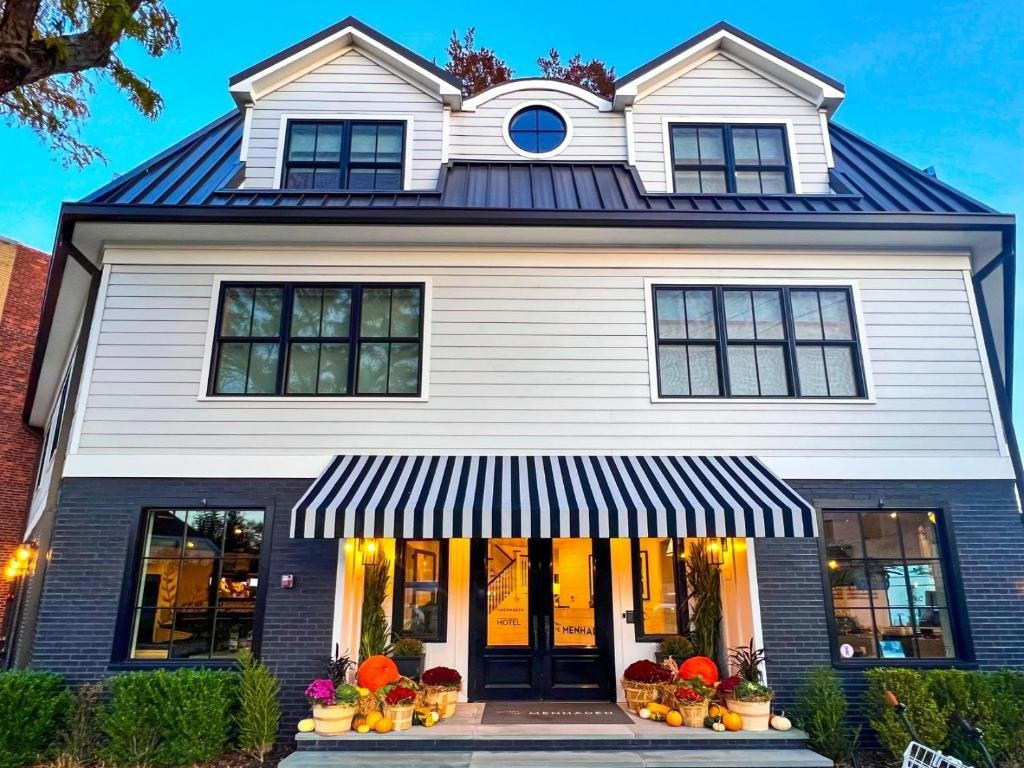
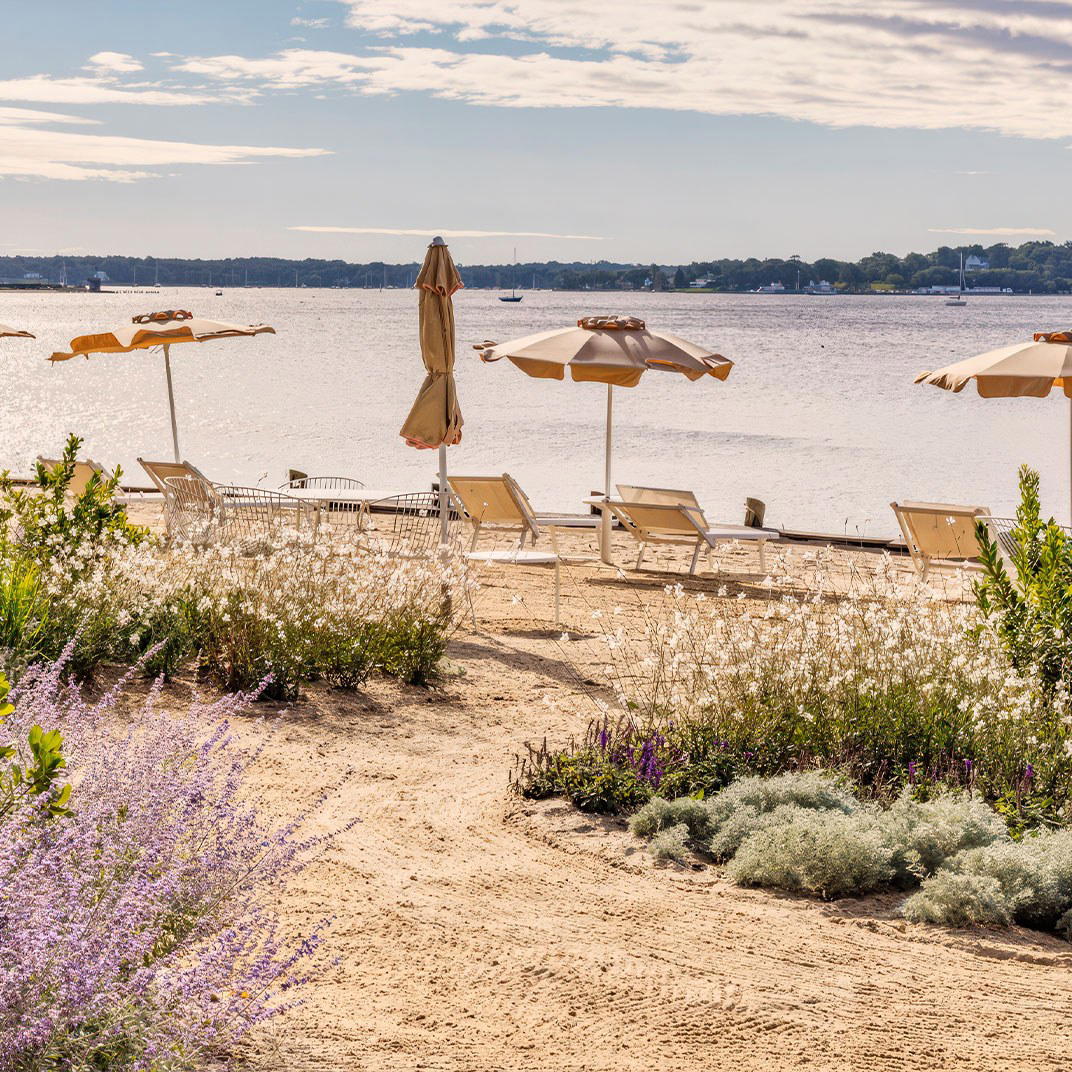

At a Glance
- Intimate
- Cozy
- Elegant
- Date Night
- Special Occasion
- Open Kitchen
- Private Dining
- Farm To Table
- Local Sourcing
- Street Scene
Current opening hours
- Monday
- 5–9 PM
- Tuesday
- 5–9 PM
- Wednesday
- Closed
- Thursday
- Closed
- Friday
- 5–9 PM
- Saturday
- 12–9 PM
- Sunday
- 12–9 PM
Hours can change for holidays and private events. Last verified .
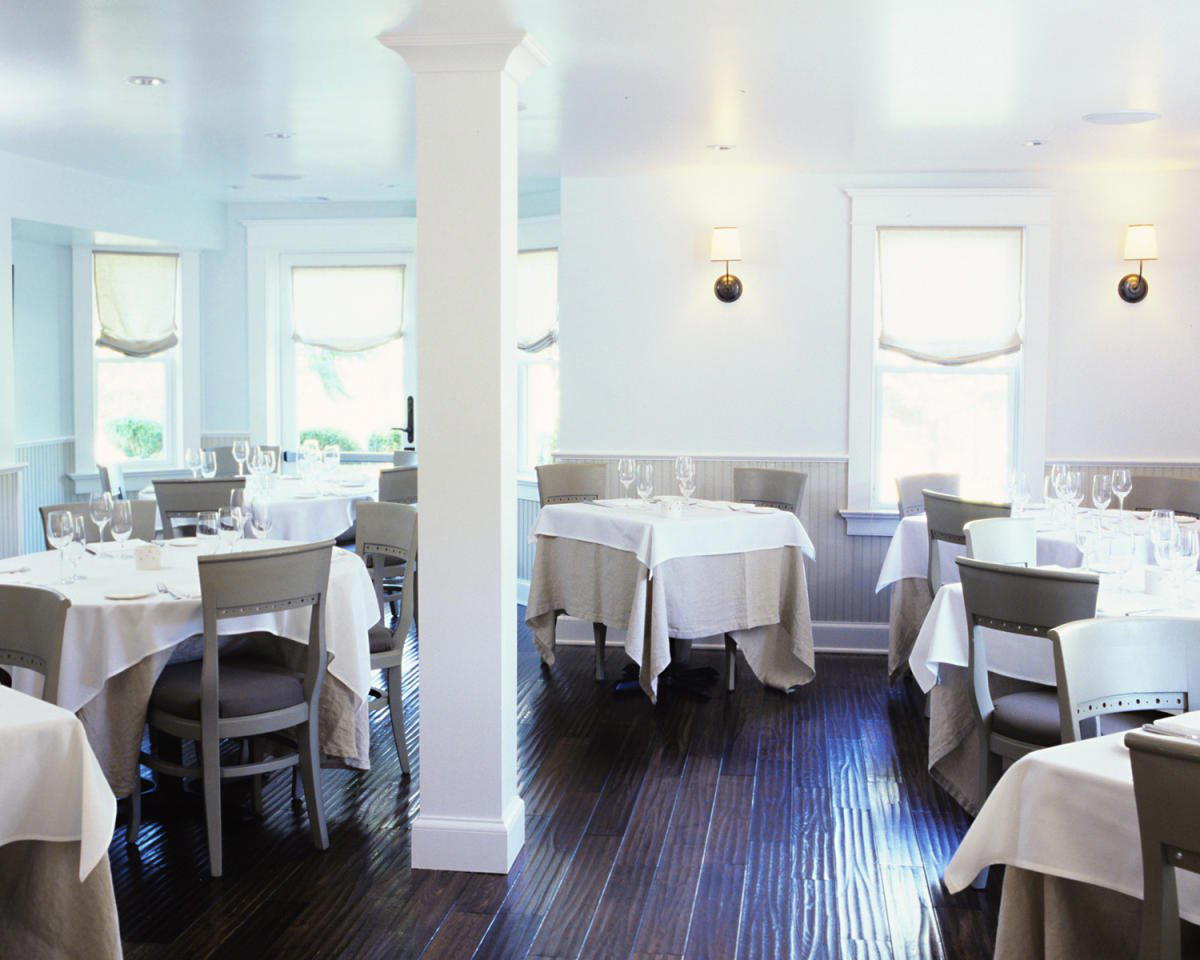
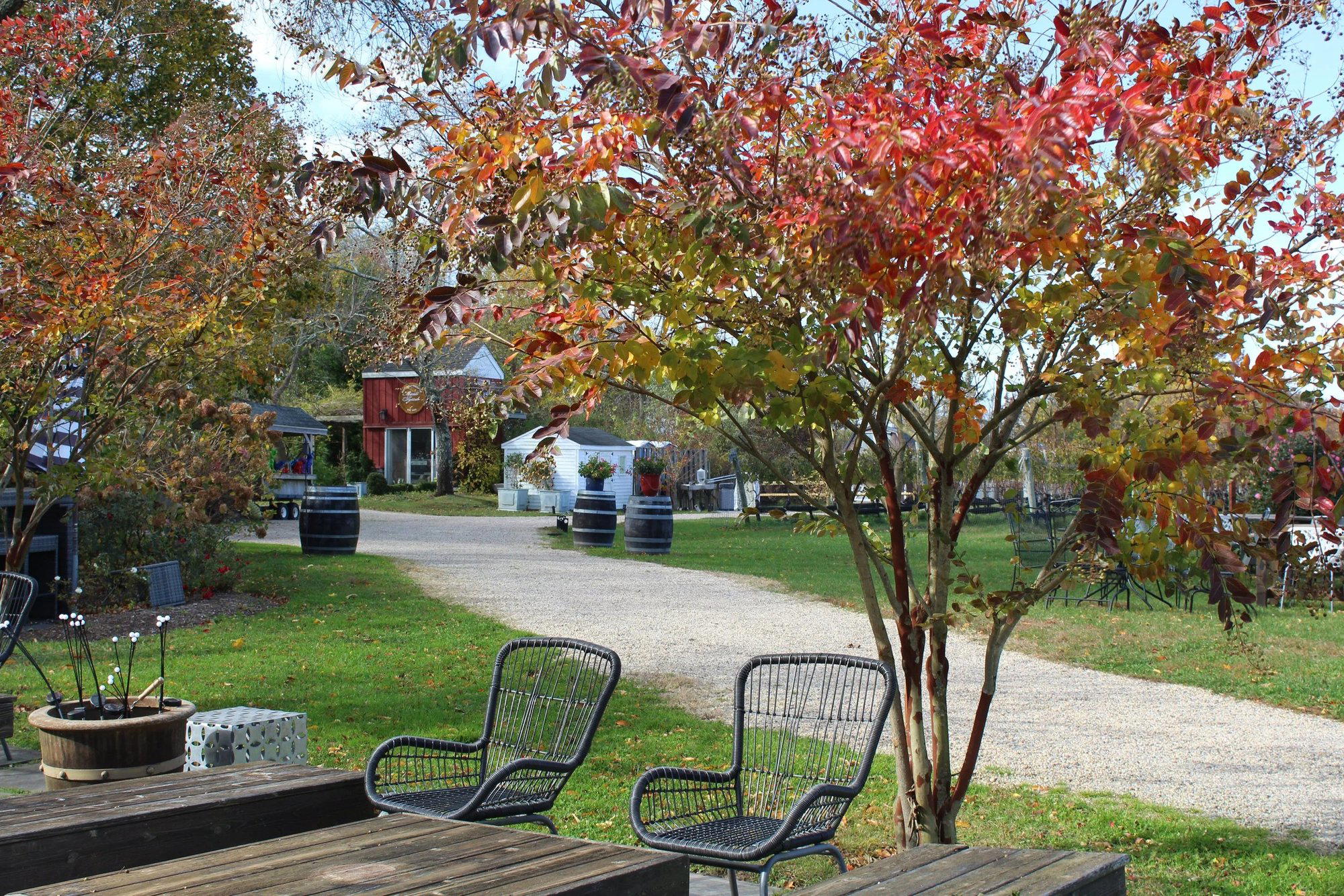
Intimate white tablecloth dining room with warm coastal lighting, ideal for dates, plus casual bar and outdoor carousel-view seating.
Know Before You Go
- Getting there
- 136 Front St, Greenport, NY 11944