The Folly
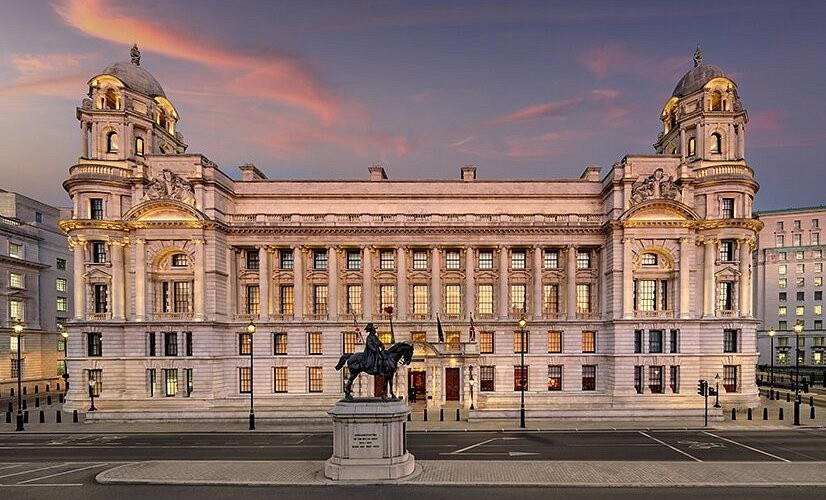
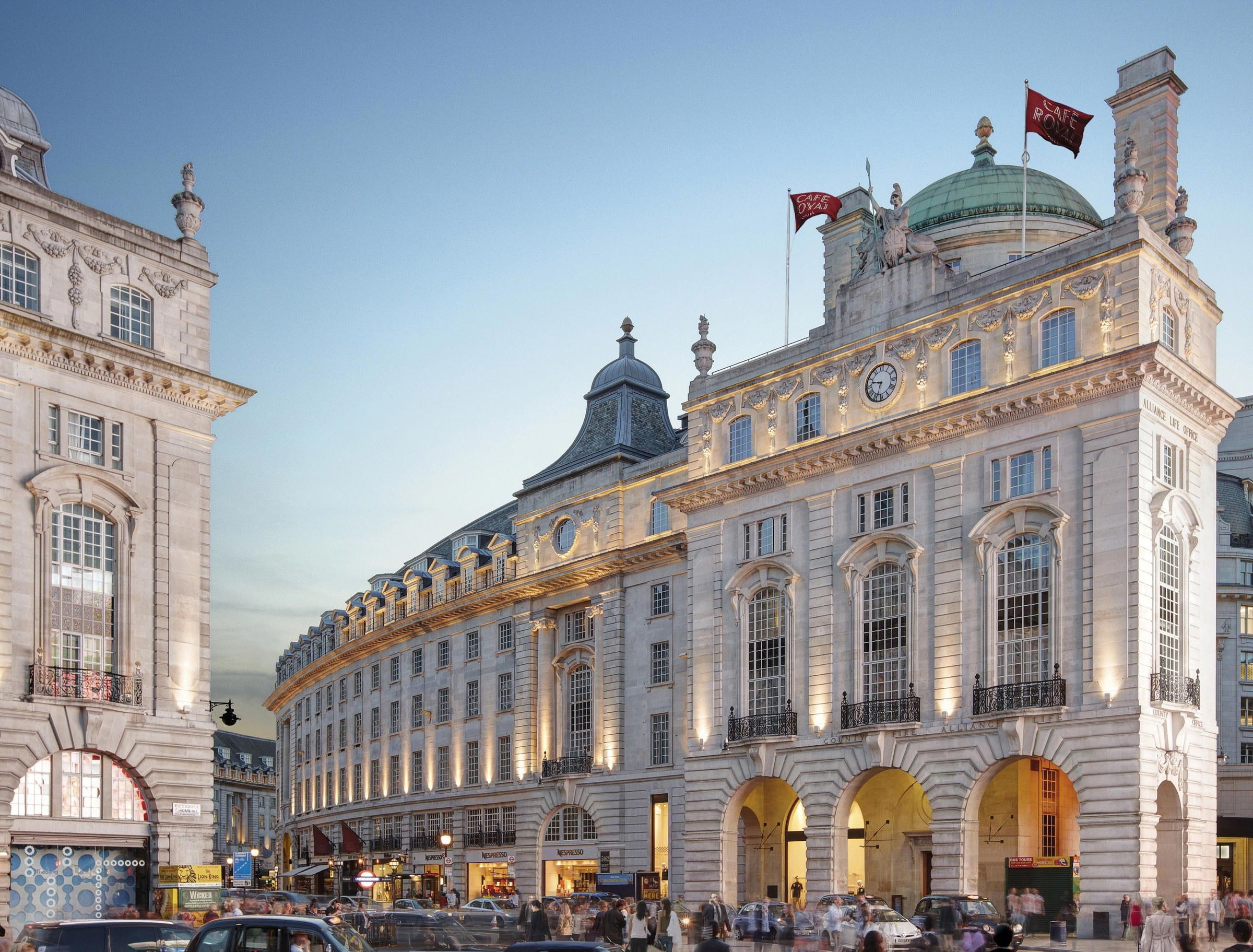
The Folly occupies a Grade II-listed Victorian building at 41 Gracechurch St in the heart of the City of London, placing it squarely in the tradition of grand dining rooms that have served the Square Mile for generations. With its proximity to Bank and Monument stations, it draws a professional crowd looking for something more considered than the average City lunch. The kitchen's sourcing approach and seasonal menu positioning set it apart from the purely transactional dining that surrounds it.
Pearl is the En Primeur Club membership app — saves, bookings, and concierge access live there. Same editors, same standards.
- Address
- 41 Gracechurch St, London EC3V 0BT, United Kingdom
- Phone
- +442072831880
- Website
- drakeandmorgan.co.uk
- Directions
- Get directions
 Saves & bookings on Pearl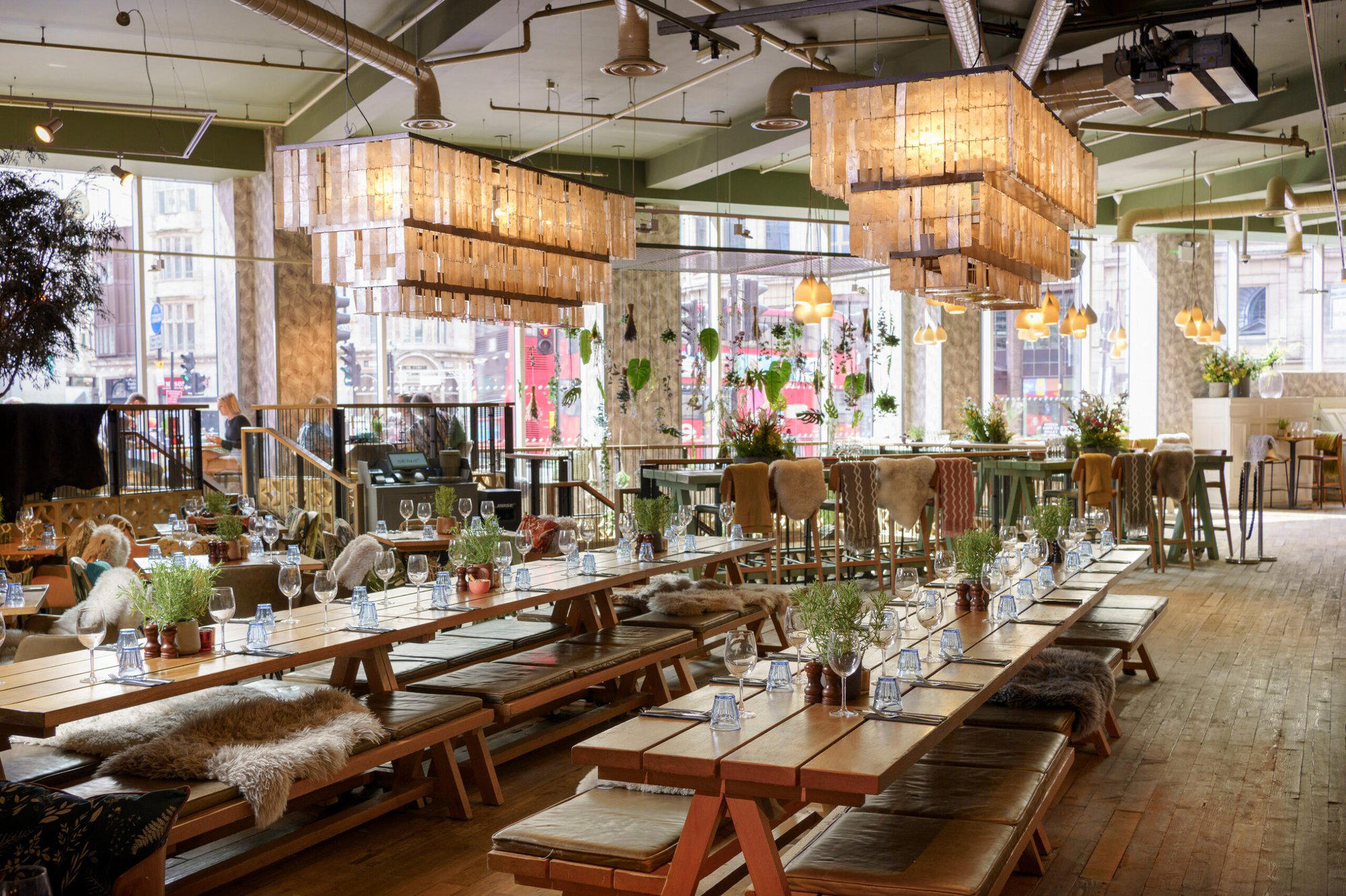
Dining in the Square Mile: What the City's History Demands
The City of London has always produced a particular kind of dining room: one that must justify itself against the pace and pressure of the financial district that surrounds it. Gracechurch Street, running south from Leadenhall Market toward London Bridge, sits at the commercial heart of this tradition. The area has hosted eating and drinking establishments since the Roman forum stood nearby, and the density of listed buildings along its length means that any serious hospitality operation here is working within architectural constraints that shape its identity as much as its kitchen does. The Folly, at number 41, occupies that kind of historically weighted space.
The City's dining scene has shifted considerably over the past two decades. Where once the lunch trade dominated and evening covers were sparse, a combination of residential development east of Aldgate and the growth of late-working culture in financial services has pushed several operators in EC3 and EC4 toward more considered evening programmes. The Folly sits within that broader repositioning, drawing from both the lunchtime professional trade and a dinner crowd that treats the neighbourhood as a destination.
Sourcing in Context: What the Kitchen Draws From
Ingredient provenance matters most for any serious City dining room today. London's premium restaurant tier, from CORE by Clare Smyth in Notting Hill to The Ledbury in the same neighbourhood, has built its credibility on traceable British supply chains: named farms, day-boat fisheries, and producers who appear on menus as co-authors of the dish rather than anonymous suppliers. This is not merely a marketing posture. It represents a structural shift in how London's serious kitchens operate, one that places sourcing discipline at the centre of menu development rather than at the end of it.
Folly's position on Gracechurch Street places it within walking distance of Borough Market to the south and Smithfield's wholesale infrastructure to the west, two of particularly supply-rich corridors in the city. Any kitchen operating in this geography has access to supplier relationships that many regional restaurants cannot replicate, and leading City operators use that proximity deliberately. The question for any dining room in this postcode is whether the kitchen is treating that access as a logistical advantage or as a creative one.
Across the UK, the sourcing-first model has produced particularly compelling regional dining in a generation. L'Enclume in Cartmel built its reputation on a kitchen garden that supplies a significant proportion of the menu. Moor Hall in Aughton operates within a similar philosophy of land-connected cooking. In London, Dinner by Heston Blumenthal has made historical British sourcing traditions the intellectual spine of its menu. The common thread is that ingredient origin is treated as meaning, not merely method.
The Gracechurch Street Setting
Finding a venue that takes its physical address seriously is rare in London. The stretch of EC3 between Bank and London Bridge is architecturally dense, with Victorian commercial buildings sitting alongside post-war office blocks and newer glass towers. A dining room that acknowledges this layering, rather than installing itself behind generic hospitality interiors, earns a different kind of authority in the neighbourhood. The leading comparator is the pub-dining tradition that persists in the City's back streets: establishments like the Jamaica Wine House on St Michael's Alley, which have survived multiple cycles of commercial development by becoming part of the fabric rather than decorating themselves against it.
For visitors arriving from outside the Square Mile, the logistics are direct. Monument station on the District and Circle lines is the closest underground stop, with Bank station serving the Central, Northern, and Waterloo and City lines a short walk north. Liverpool Street is accessible in under ten minutes on foot, which matters for those arriving by national rail. The City empties considerably after 7pm on weekdays and operates on reduced footfall on weekends, which affects the atmosphere of any dining room here but also means that weekend visits tend to be quieter and less pressured than the midweek lunch trade.
Placing The Folly in London's Broader Dining Picture
London's premium dining tier is concentrated in a handful of postcodes, with Mayfair, Notting Hill, and Chelsea holding the majority of Michelin-recognised addresses. Restaurant Gordon Ramsay in Chelsea and Sketch's Lecture Room and Library in Mayfair represent the established top end of that geography. The City, by contrast, has historically produced strong mid-market and business-dining operators rather than destination fine dining. That is partly a function of its demographic, partly a function of real estate costs that favour volume over precision, and partly a result of the City's working-hours rhythm, which makes the sustained evening trade that a tasting-menu format requires harder to build.
Venues that have succeeded in adjacent territory, such as Midsummer House in Cambridge or Hide and Fox in Saltwood, have done so by identifying a specific audience and building a programme around it rather than trying to compete directly with the capital's densest restaurant postcodes. The City's dining rooms that will matter over the next decade are likely to be those that find a similarly precise editorial point of view about who they are cooking for and why. Internationally, this question of identity within a commercially pressured neighbourhood is not distinctive to London. Le Bernardin in New York City built a decades-long reputation in Midtown Manhattan, a similarly transactional district, by treating ingredient sourcing and kitchen discipline as non-negotiable regardless of the surrounding commercial noise. Atomix, also in New York, took a different route, using a fixed counter format and rigorous seasonal sourcing to separate itself from the volume dining around it.
For more on what the broader London dining scene offers across neighbourhoods and price points, the EP Club London restaurants guide maps the city's current shape in detail. Those planning trips further afield might also consider the Waterside Inn in Bray, Le Manoir aux Quat'Saisons in Oxford, Gidleigh Park in Chagford, the Hand and Flowers in Marlow, Opheem in Birmingham, or Restaurant Andrew Fairlie in Auchterarder as part of a wider UK dining itinerary.
Planning Your Visit
The Folly is at 41 Gracechurch Street, London EC3V 0BT, in the heart of the City. Monument station is one direct underground approach. The City's weekday lunchtime period, roughly 12 to 2pm, is the busiest window across most EC3 and EC4 establishments, so those seeking a quieter atmosphere may find mid-afternoon or early evening visits more comfortable.
- Full Works Breakfast
- Fish and Chips
- Cheese Burger
- Seasonal Salads
- Chorizo Scotch Egg
- Skinny Hummingbird Cosmo
Pricing, Compared
Comparable venues nearby, for context on price, style, and recognition.
| Venue | Cuisine | Price | Notes |
|---|---|---|---|
| The FollyThis venue — the venue you are viewing | Not listed | $$ | Not listed |
| Tomtom Coffee House | Belgravia, British Cafe & Brunch | $$ | Not listed |
| Manson | Parsons Green, Modern British Gastropub | $$ | Not listed |
| City Barge | Not listed | $$ | River Thames, Traditional British Gastropub |
| Café Bloom | Angel, British Gastropub Comfort Food | $$ | Not listed |
| The Hackney Pearl | Hackney Wick, Modern British Café | $$ | Not listed |
Continue exploring
More in London
Restaurants in London
Browse all →
Bars in London
Browse all →
Hotels in London
Browse all →


At a Glance
- Lively
- Trendy
- Cozy
- Elegant
- Brunch
- Casual Hangout
- After Work
- Group Dining
- Celebration
- Private Dining
- Garden
- Standalone
- Craft Cocktails
- Extensive Wine List
- Beer Program
- Zero Proof
- Local Sourcing
Current opening hours
- Monday
- 7:30 AM–11 PM
- Tuesday
- 7:30 AM–11 PM
- Wednesday
- 7:30 AM–11 PM
- Thursday
- 7:30 AM–12 AM
- Friday
- 7:30 AM–12 AM
- Saturday
- 9 AM–12 AM
- Sunday
- 10 AM–10 PM
Hours can change for holidays and private events. Last verified .
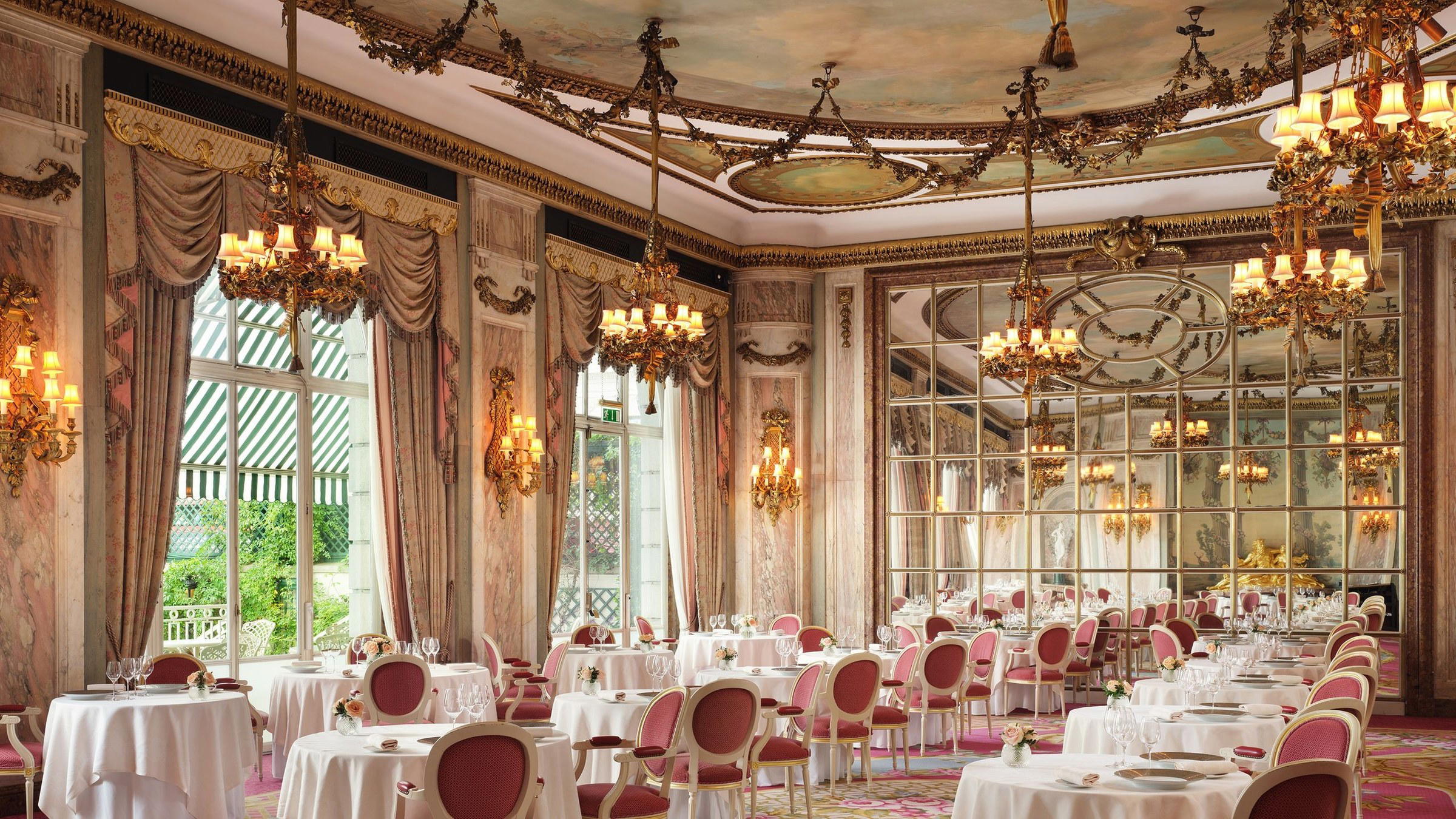
Lively and inviting with lush foliage and garden-inspired interiors; spacious two-floor layout with relaxed elegance; friendly atmosphere though can be noisy during peak times with large groups.