City Barge
City Barge occupies a riverfront position on Strand on the Green in Chiswick, one of the Thames-side stretches that London's west has quietly preserved from the pressures of densification. The pub draws a loyal local following that returns for the combination of water views, unhurried pace, and the kind of familiarity that west London's more destination-driven venues rarely offer. For visitors, it provides a credible alternative to the city-centre circuit.
Pearl is the En Primeur Club membership app — saves, bookings, and concierge access live there. Same editors, same standards.
- Address
- 27 Strand on the Green, Chiswick, London W4 3PH, United Kingdom
- Phone
- +44 20 8994 2148
- Website
- citybargechiswick.com
- Directions
- Get directions
 Saves & bookings on Pearl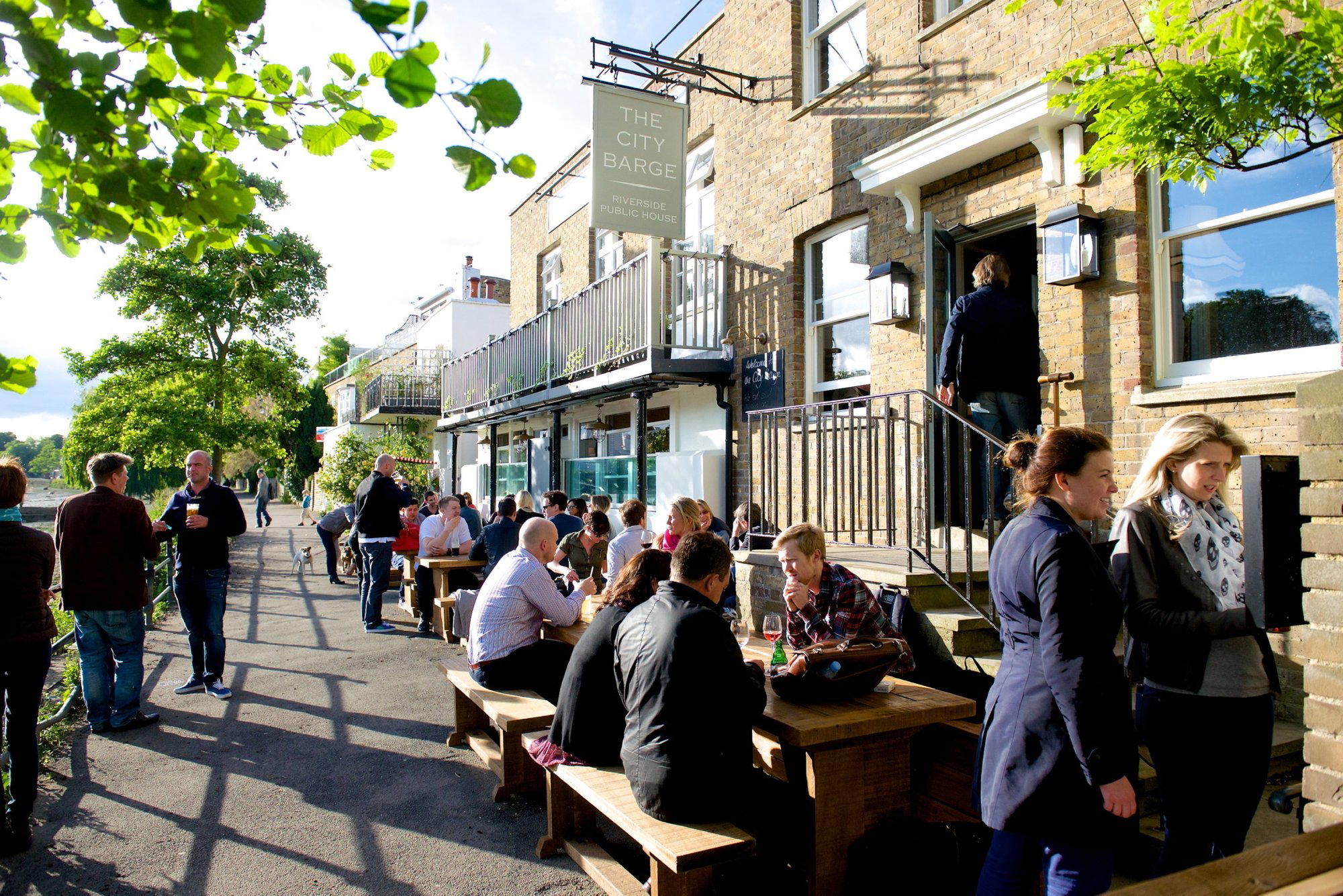
The Thames as a Dining Room: West London's Riverfront Pub Tradition
Strand on the Green is not the kind of address that appears on most London dining itineraries, and that relative obscurity is precisely what defines its appeal. The stretch of river between Kew Bridge and Chiswick runs past a row of Georgian and Victorian buildings that have faced the Thames for centuries, and the pubs along it occupy a different register from the destination restaurants that dominate conversations about London eating. City Barge, at 27 Strand on the Green, sits within this tradition, a riverfront pub on one of the few stretches of the Thames in west London that has resisted significant redevelopment.
London's pub culture has always had a geographic dimension. The riverfront houses, particularly west of the centre, developed a loyal clientele drawn as much by position as by what is served inside. These are not gastropubs in the contemporary sense, where the kitchen has absorbed the identity of the place. They are pubs that happen to serve food, and the distinction matters to the people who use them regularly. The social function of the riverside pub, a place for an unhurried afternoon, a pint at the rail watching the tide shift, a table taken without pressure to vacate, is something London's more competitive dining market cannot easily replicate.
What Regulars Are Actually Coming Back For
The loyal clientele at riverside pubs like City Barge are not driven primarily by menu rotation or kitchen ambition. They return because the place holds. The physical relationship with the Thames is a recurring draw: the water light changes with the season, the view is different at low tide than at high, and the proximity to the river gives the experience a texture that indoor venues in Chiswick's commercial centre cannot match. This is the kind of loyalty that has less to do with what's on the plate and more to do with what the place offers as a frame for time spent.
Strand on the Green's regulars tend to be Chiswick residents and visitors from the surrounding neighbourhoods who treat the strip as an extension of domestic life rather than a destination. In a city where CORE by Clare Smyth and The Ledbury operate at the level of institutional dining events, a place like City Barge represents the opposite end of the spectrum: a return visit measured in weeks rather than months of forward planning.
Chiswick in the Wider London Context
Chiswick sits at an interesting distance from London's concentration of Michelin-rated restaurants. London's most formal dining rooms are concentrated in Mayfair, Knightsbridge, and Chelsea, far from Chiswick's riverside pubs. West London's restaurant offer becomes progressively less formal as you move along the District and Overground lines toward Kew and Richmond. Chiswick itself has a reasonable neighbourhood dining scene, but it is not a destination for the kind of occasion that requires advance booking windows measured in months.
That geography is not a limitation for the restaurant's clientele. The pub's position on Strand on the Green places it in a micro-geography that operates on its own terms, comparable to the Thames-side pubs at Hammersmith or the river-facing houses further west toward Richmond. These venues compete with each other for the same loyal west London audience rather than with the central dining market. For those planning a day around Kew Gardens or following the Thames Path, the riverfront strip at Strand on the Green provides a natural stopping point.
Beyond London: The British Riverside Pub in a National Frame
The riverfront pub tradition the restaurant belongs to has counterparts across Britain, though the dining ambition varies considerably. Destination restaurants in rural settings, The Fat Duck in Bray, for instance, on the Thames in Berkshire, or Hand and Flowers in Marlow, occupy a similar waterside geography but with kitchens that have accumulated serious critical weight. Further north, L'Enclume in Cartmel and Moor Hall in Aughton demonstrate how rural settings can anchor destination dining at the highest level. Gidleigh Park in Chagford and hide and fox in Saltwood extend the picture into the West Country and Kent. The comparison is not competitive, the restaurant and these properties are addressing entirely different appetites, but it illustrates the range of what a river or rural setting can mean for a British dining venue.
Internationally, the neighbourhood pub model that restaurant represents has few real equivalents. The closest analogues are the wine bars and brasseries of Paris arrondissements or New York's neighbourhood restaurants, though the social contract of a British pub carries specific cultural freight that Le Bernardin in New York City or Atomix would never pretend to replicate. The London wineries guide covers the city's emerging urban wine production, a different angle on London's drinking culture worth tracking alongside the pub tradition.
Planning a Visit
Strand on the Green is accessible from Gunnersbury station on the District line and London Overground, or from Kew Bridge on the Overground. The strip is walkable from Kew Gardens, making it a natural end point for a day on the south side of the river. The riverside path along Strand on the Green is narrow in places, and the pub's river-facing position means outdoor seating is weather-dependent. Timing matters: the Thames at low tide exposes the foreshore in front of the buildings, which changes the visual character of the stretch considerably.
Price and Positioning
Comparable venues nearby, for context on price, style, and recognition.
| Venue | Cuisine | Price |
|---|---|---|
| City BargeThis venue — the venue you are viewing | Not listed | $$ |
| Hereford Road | Bayswater, Seasonal British Gastropub | $$ |
| Grumbles | Pimlico, Traditional British Bistro | $$ |
| Bistro Union | Clapham, British Bistro | $$ |
| Holloway Model Bakery | Lower Holloway, Sourdough Bakery | $$ |
| Tanner & Co | Borough, Modern British Gastropub | $$ |
Continue exploring
More in London
Restaurants in London
Browse all →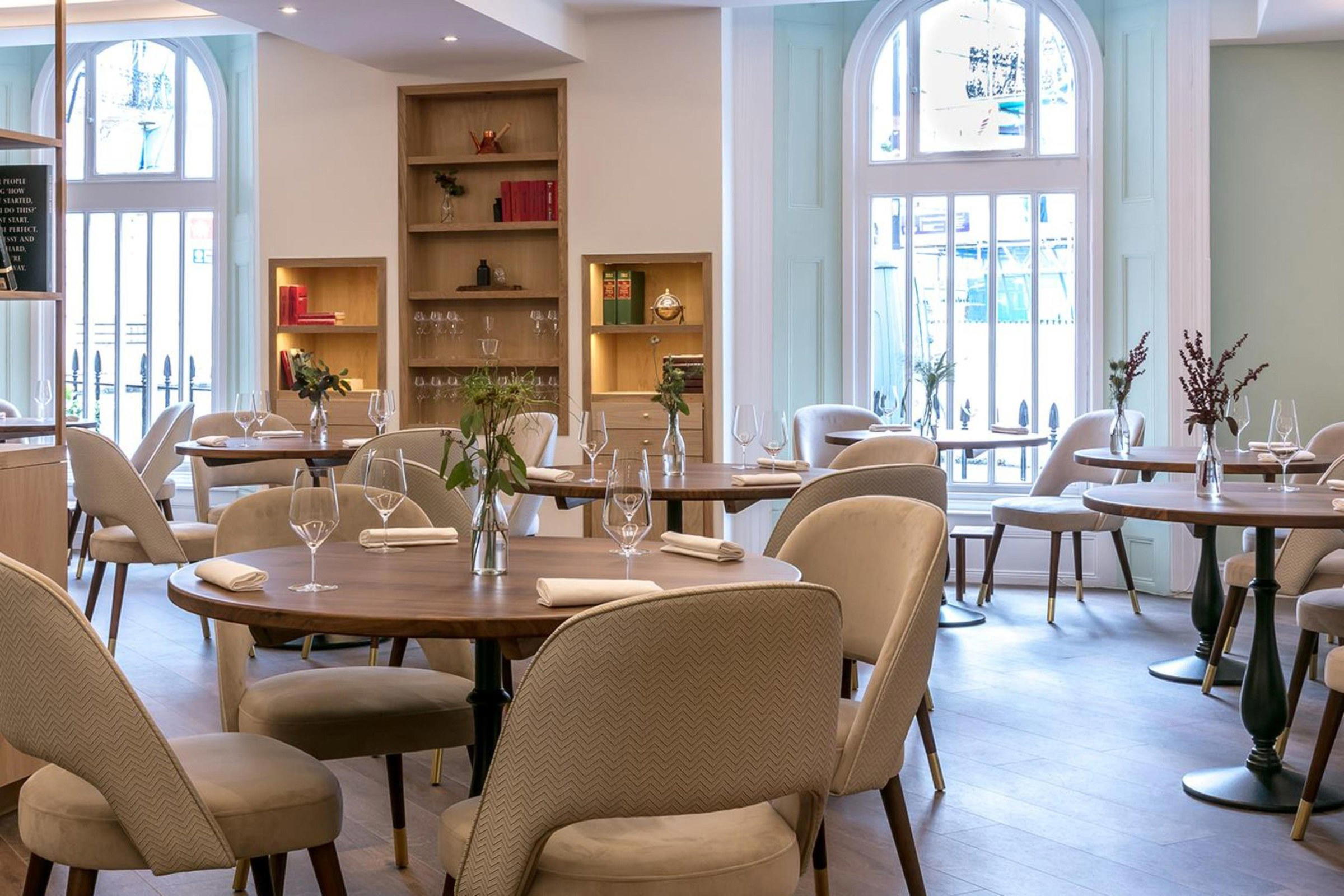
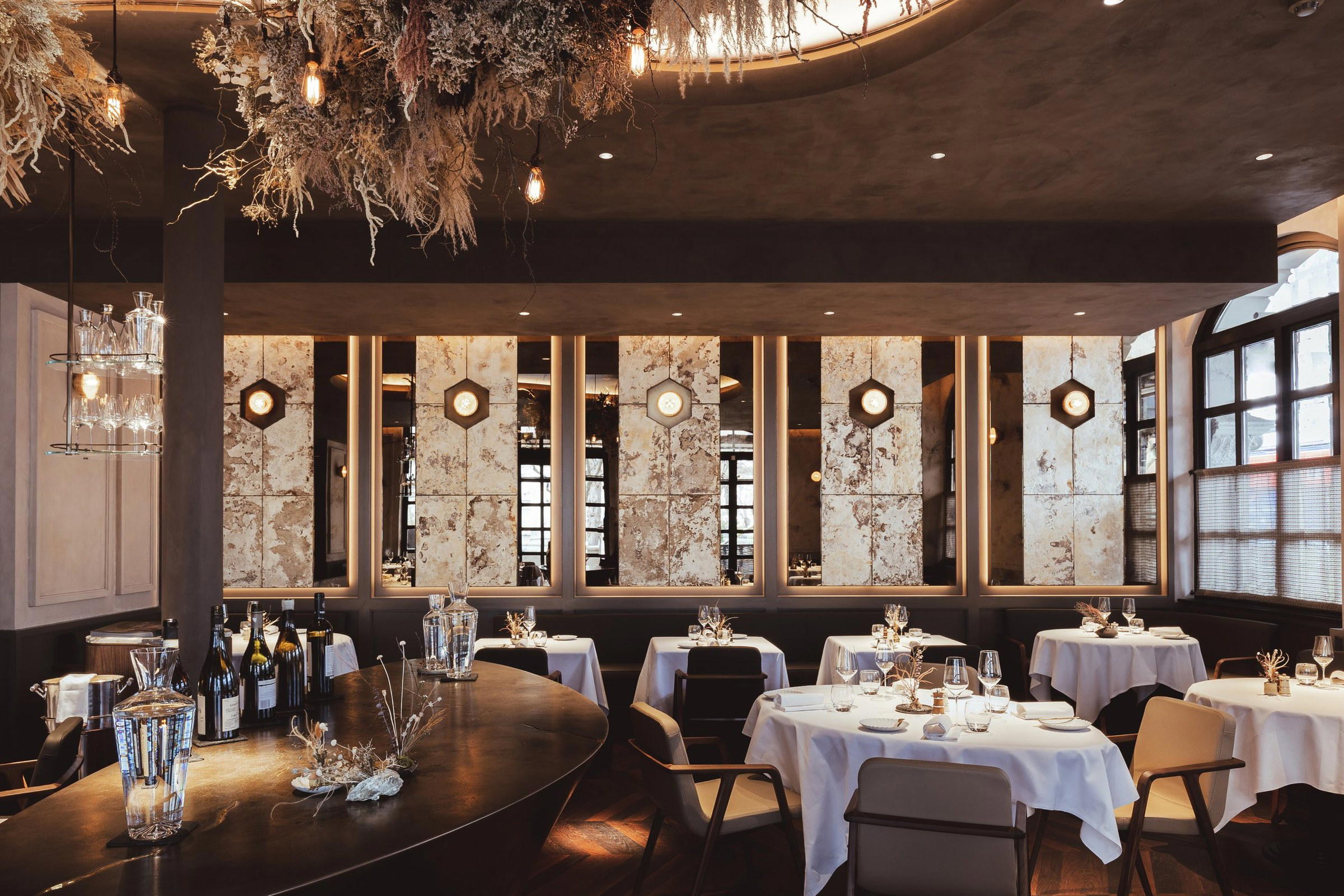
Bars in London
Browse all →
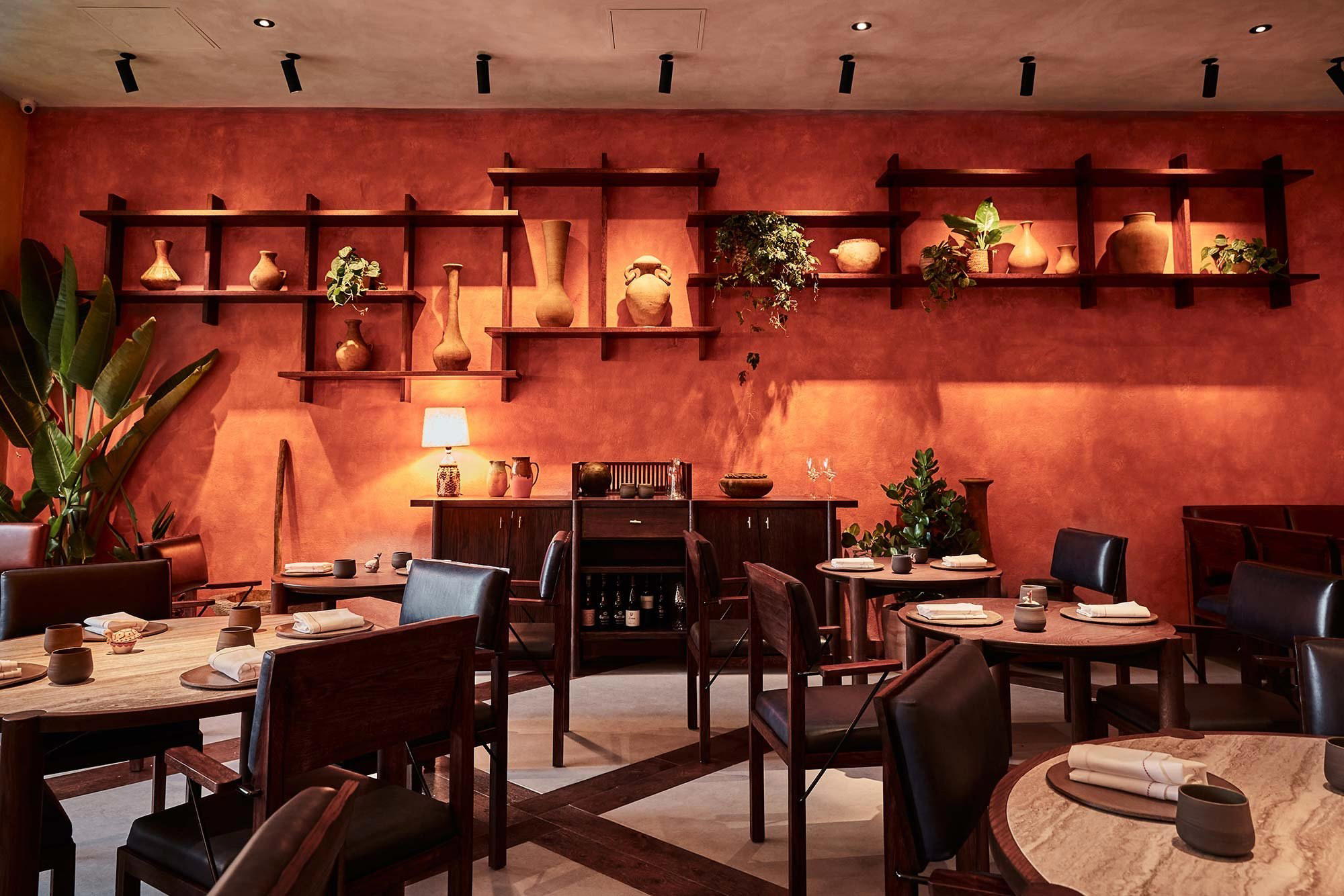
Hotels in London
Browse all →


At a Glance
- Cozy
- Classic
- Scenic
- Group Dining
- Family
- Casual Hangout
- Celebration
- Waterfront
- Historic Building
- Private Dining
- Terrace
- Beer Program
- Waterfront
Current opening hours
- Monday
- 12–10:30 PM
- Tuesday
- 12–10:30 PM
- Wednesday
- 12–10:30 PM
- Thursday
- 12–10:30 PM
- Friday
- 12–11 PM
- Saturday
- 11:30 AM–11 PM
- Sunday
- 11:30 AM–10:30 PM
Hours can change for holidays and private events. Last verified .
Warm, cozy, and convivial atmosphere with a friendly vibe enhanced by the charming riverside setting.