Skip to Main Content
← Collection
LocationNew York City, United States
We're Smart World

The Fat Radish was a Lower East Side restaurant that built its reputation on a British-inflected farm-to-table menu heavy with vegetables. Operating from a rustic Orchard Street space designed to evoke the feel of a London market, it bridged the gap between British culinary sensibility and New York's local-produce movement. The restaurant has since permanently closed.

The Fat Radish restaurant in New York City, United States
About

A British Lens on New York's Farm-to-Table Moment

The Lower East Side has long been one of New York's most contested dining territories — a neighbourhood where immigrant food traditions layer over each other decade by decade, and where newer restaurants have to earn their place against the weight of that history. When The Fat Radish opened on Orchard Street, it arrived with an unusual editorial proposition: a menu grounded in British culinary sensibility, filtered through the local-produce values that were reshaping American dining at the time.

Farm-to-table as a concept had already taken hold across the city by the time the restaurant found its audience. What distinguished the Lower East Side iteration from higher-priced expressions of the same idea — the kind of precision cooking you find at Per Se or the formality of Le Bernardin , was its commitment to a more casual register. The Fat Radish sat in a different tier entirely: neighbourhood-accessible, vegetable-forward, and shaped by the kind of British cooking that treats roots, brassicas, and alliums as the main event rather than the supporting cast.

The Room: Covent Garden Relocated to Orchard Street

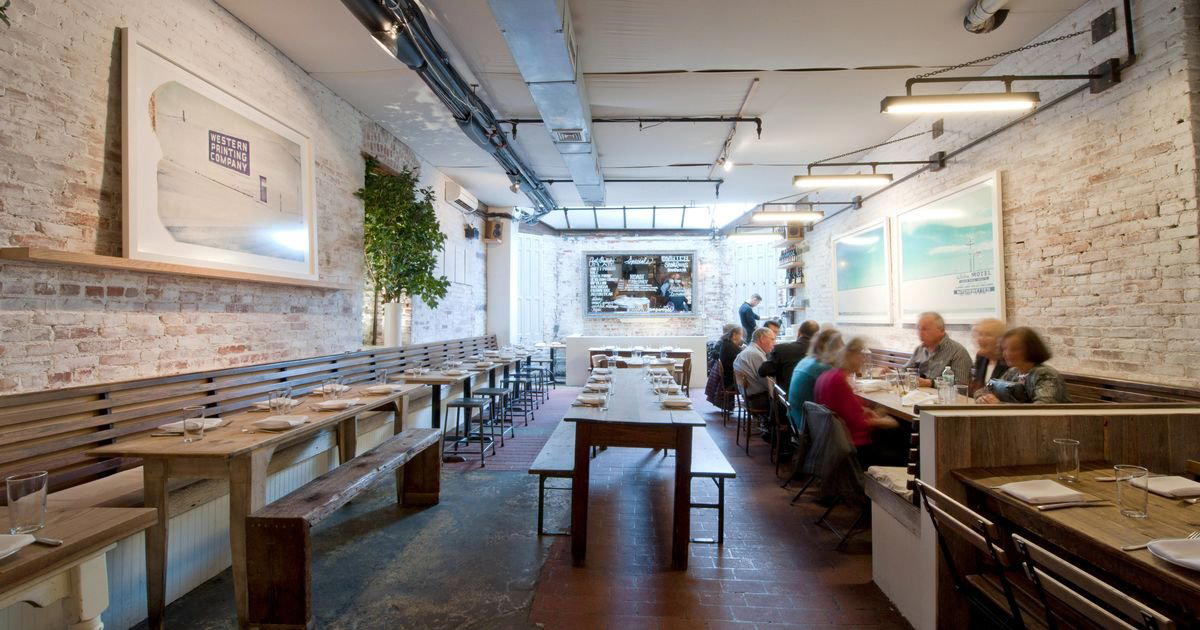
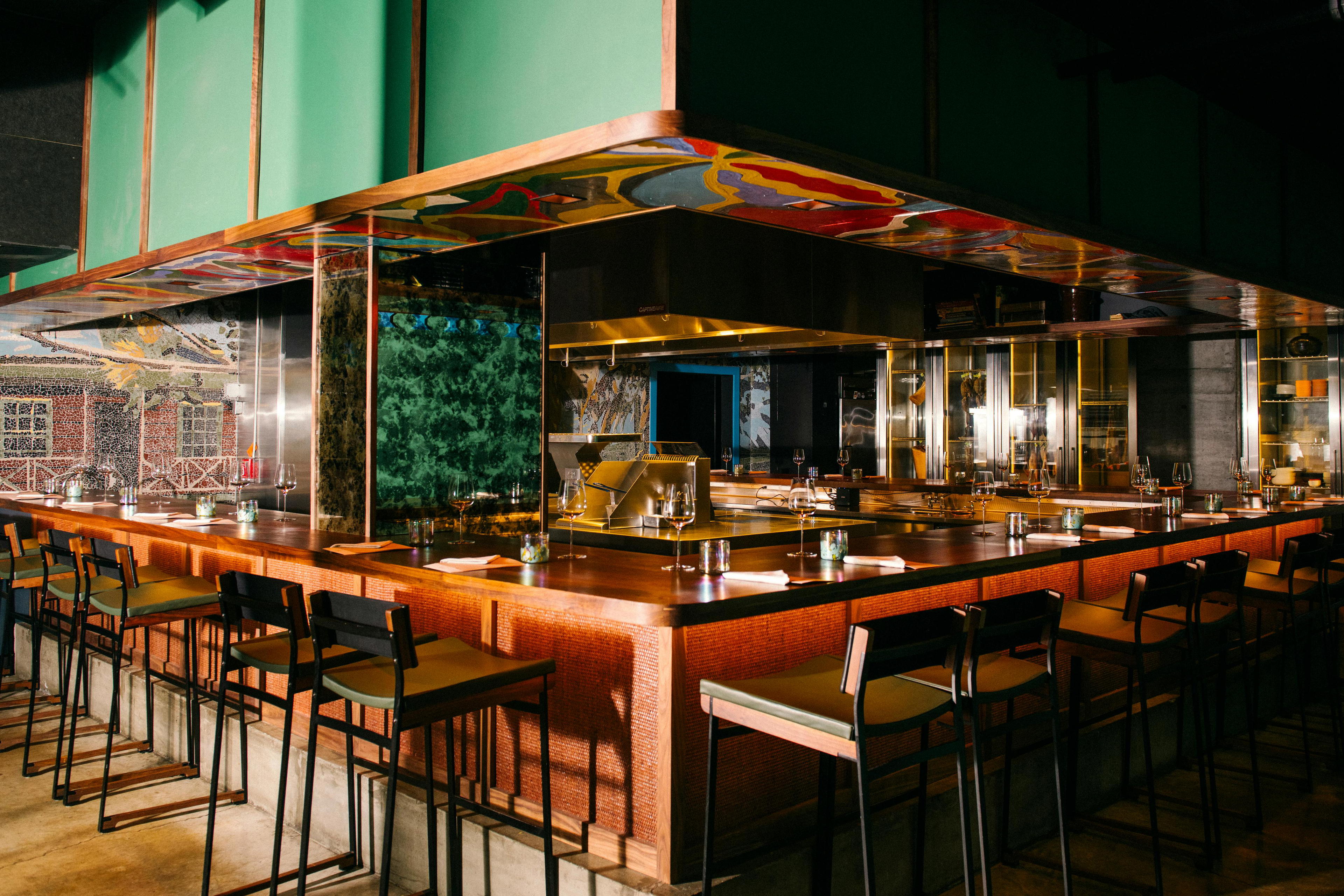
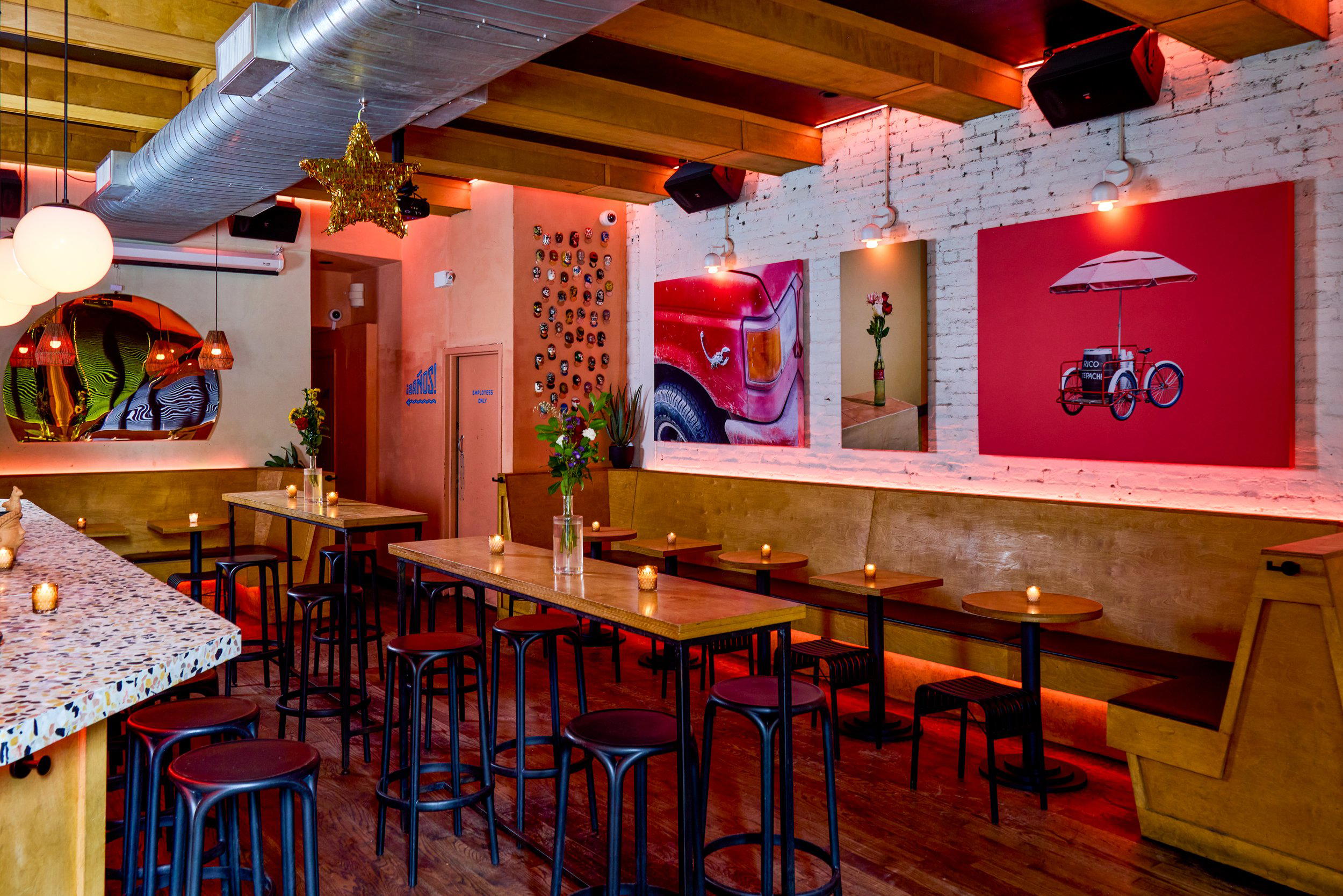
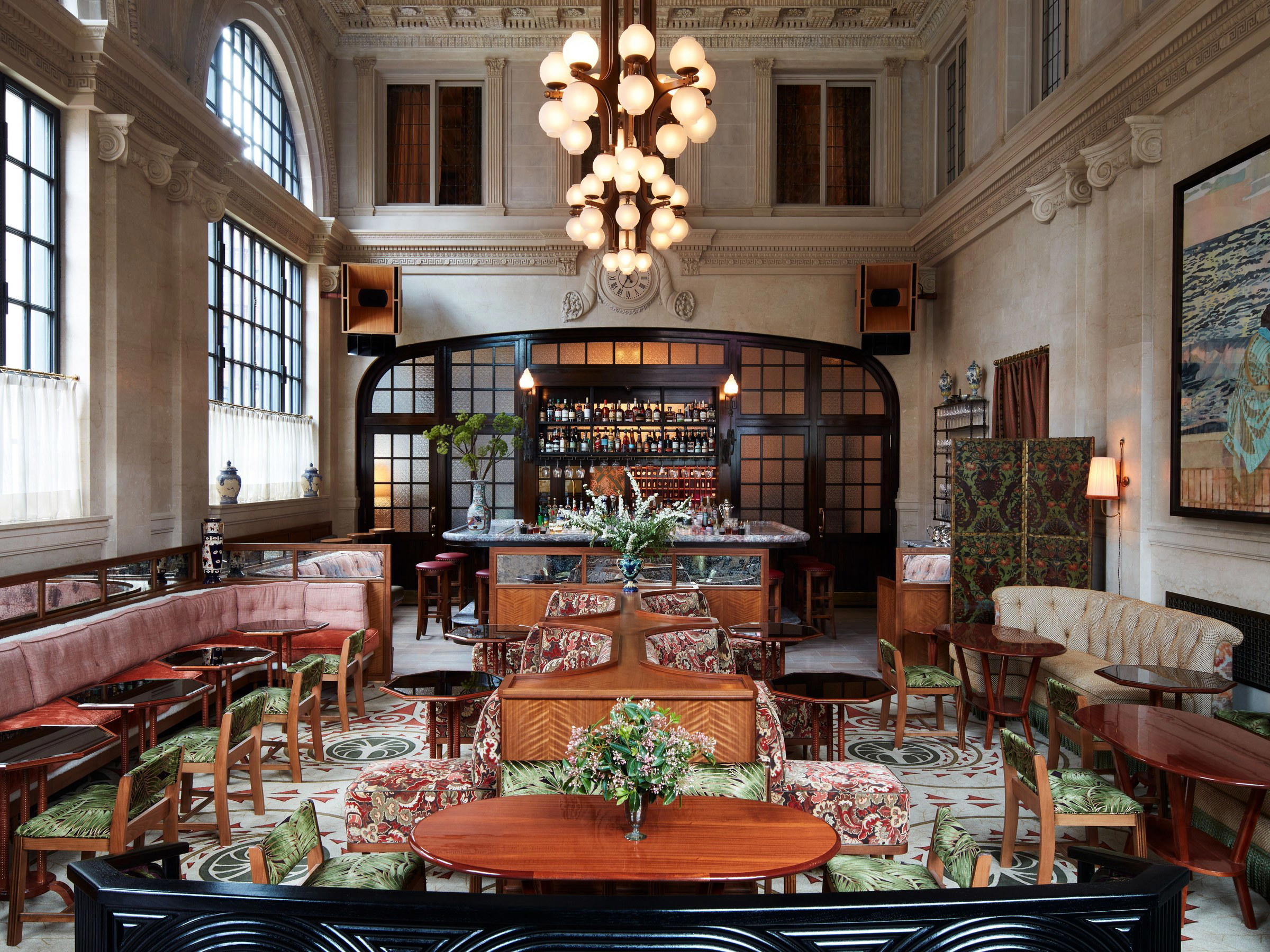
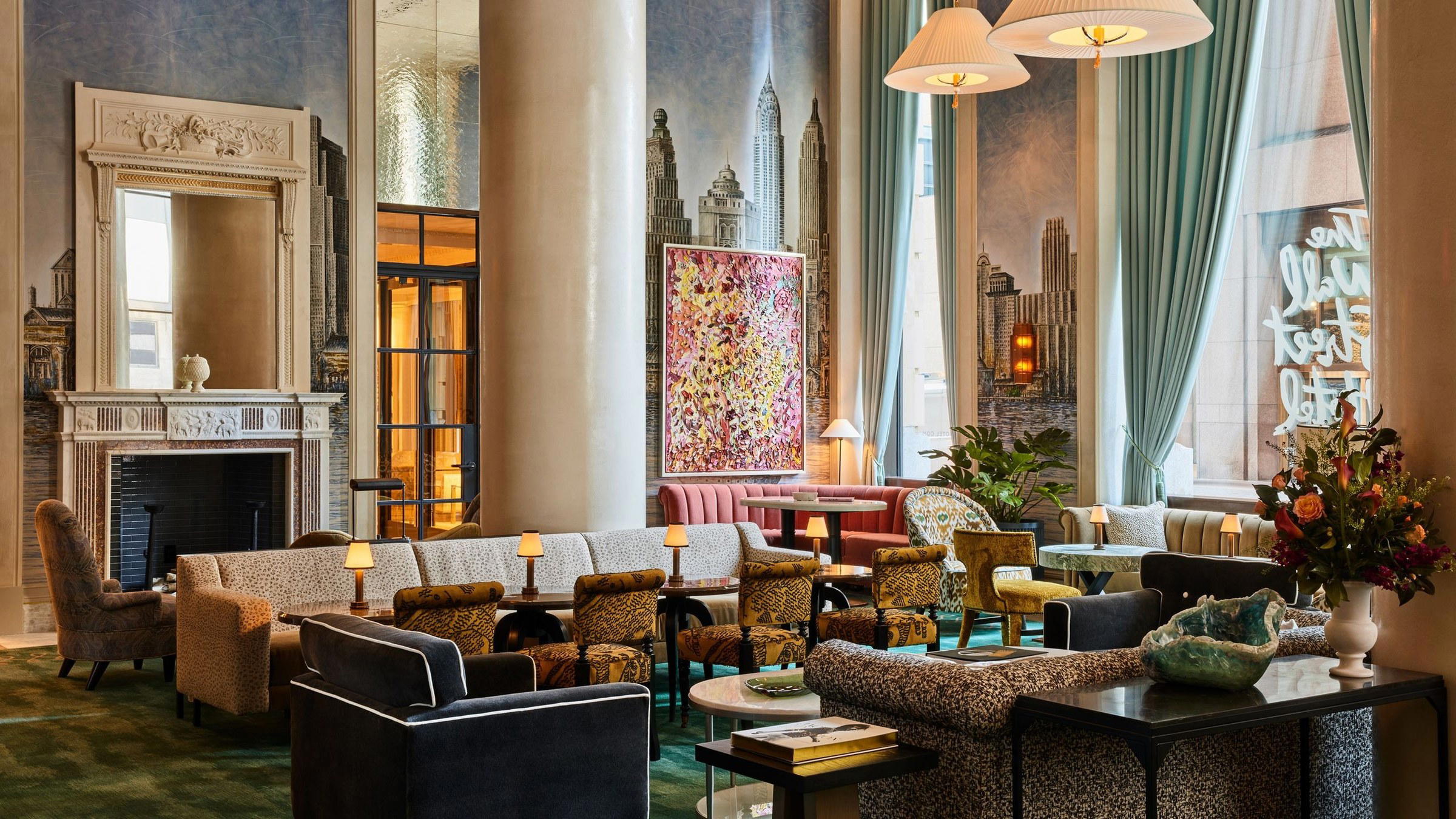
Atmospherically, the space drew a deliberate line between itself and the Manhattan dining rooms that treat interior design as theatre. The rustic interior was calibrated to evoke London's Covent Garden Market , exposed materials, unpretentious fittings, the sense that the food came first and the room accommodated it rather than the other way around. On Orchard Street, that approach read as a counterpoint to the sleek minimalism that had become the default for ambitious New York openings.

The effect was a dining room that felt legible without effort. It belonged to a category of spaces common in British cities , the kind of informal room where a serious approach to ingredients doesn't announce itself through ceremony , but that remained relatively rare in New York's mid-range dining tier at the time of its operation. For visitors already familiar with the London restaurant scene, the interior coding was immediately recognisable. For locals, it offered a specific texture that separated the restaurant from its immediate Lower East Side neighbours.

The Menu's Cultural Logic

British cooking's relationship with vegetables has a longer and more serious history than its international reputation suggests. The tradition that produced dishes like bubble and squeak, braised whole leeks, and roasted root preparations with proper fat and acid was always more vegetable-literate than the clichés implied. The Fat Radish used that lineage as the structural logic for a menu that was genuinely veggie-friendly without positioning itself as a vegetarian restaurant.

The menu held vegetarian preparations alongside sausage, roast chicken, and roasted lamb , a ratio that reflects how British cooking actually works in practice, where meat portions are often modest and the vegetable work on the plate is given equal weight. Local sourcing reinforced that structure: when the seasonal produce available in the Northeast is the starting point, a menu naturally shifts toward what's growing rather than what's always available. That seasonal discipline is what connects the restaurant's approach to broader farm-to-table movements documented across American dining, from Single Thread Farm in Healdsburg to Lazy Bear in San Francisco , though the register at The Fat Radish was considerably more casual than either of those.

The British inflection also separated it from the Mediterranean-leaning vegetable cooking that dominated downtown New York at the same moment. Where that tradition draws on olive oil, preserved lemon, and herb-forward preparations, the British approach relies more heavily on rendered fat, stock-based braises, and the kind of low-heat patience that transforms a turnip or a parsnip into something with genuine depth. Both traditions take vegetables seriously; they arrive at that seriousness through entirely different means.

Lower East Side Context

Orchard Street sits in a part of Manhattan where the dining scene has always been stratified differently from Midtown or the Upper West Side. The neighbourhood's density of cheap, specific, ethnically-grounded eating has historically kept rents and ambitions calibrated to a different scale than the rooms that chase four-star recognition. A restaurant like Masa operates in a different city, commercially and atmospherically, from anything on the Lower East Side.

That context made the farm-to-table positioning work. The neighbourhood didn't need another formal tasting menu; it needed what The Fat Radish was offering: a room where the cooking was serious about its sourcing without requiring the guest to treat dinner as an occasion. The same tension between accessibility and quality has produced interesting restaurants in comparable neighbourhoods in other cities , Emeril's in New Orleans operated at a different end of the formality register, but the underlying premise of anchoring ambitious cooking to a specific neighbourhood culture is recognisable across both.

For those mapping the broader New York dining scene, our full New York City restaurants guide covers the range from neighbourhood spots to the formal rooms at the leading of the market. The bars guide, hotels guide, wineries guide, and experiences guide offer the same depth across categories. Restaurants with a comparable neighbourhood-first sensibility in other cities include César and Saga within New York, and further afield, Providence in Los Angeles and Alinea in Chicago represent how different cities have resolved the question of ambitious cooking in accessible formats.

Permanently Closed

The Fat Radish has permanently closed. The Orchard Street address no longer operates under this name. Readers planning a Lower East Side visit should consult current listings, as the neighbourhood's restaurant composition changes frequently.

Know Before You Go

  • Status: Permanently closed
  • Former address: 17 Orchard St, Lower East Side, New York, NY 10002
  • Cuisine type: British-inflected farm-to-table; vegetable-forward with meat options
  • Neighbourhood: Lower East Side, Manhattan
  • For current Lower East Side options: See our New York City restaurants guide

Frequently Asked Questions

Does The Fat Radish work for a family meal?
The restaurant is permanently closed, so this is no longer a live consideration. When it was operating, the casual format and broad menu , spanning vegetarian preparations, roast chicken, and lamb , would have made it accessible for mixed groups, including families. The price point sat well below the formal rooms at the leading of the New York market, making it a lower-commitment option than, say, a tasting menu at Per Se. For current family-friendly options in New York, the NYC restaurants guide is the better reference.
What should I expect atmosphere-wise at The Fat Radish?
The room was designed to evoke a London market aesthetic: rustic, unpretentious, and weighted toward the food rather than the decor. It sat in deliberate contrast to the high-gloss dining rooms that characterise the city's formal tier. The Lower East Side location reinforced that register , this was neighbourhood dining with a specific cultural point of view, not a special-occasion room. The restaurant has permanently closed, so the atmosphere is no longer available to experience.
What do regulars order at The Fat Radish?
The menu's structure suggested that vegetable preparations were the anchor, with meat dishes , roast chicken, sausage, roasted lamb , present but supporting rather than dominating. The British farm-to-table approach typically emphasised seasonal roots and brassicas given serious treatment: the kind of cooking where a properly roasted carrot or a braised leek is as considered as the protein alongside it. Specific dish details and current menu items are not available, and the restaurant has permanently closed. For comparable cooking philosophies in active restaurants, our New York City guide covers current options across neighbourhoods and price tiers. International reference points for produce-led cooking at a higher price tier include Alain Ducasse's Louis XV in Monte Carlo and 8½ Otto e Mezzo Bombana in Hong Kong, both of which demonstrate how seriously European fine dining has come to treat the vegetable side of the plate.

Budget and Context

A short peer table to compare basics side-by-side.

Collector Access

Need a table?

Our members enjoy priority alerts and concierge-led booking support for the world's most difficult tables.

Get Exclusive Access