The Exchange
Our verdict
Located at 416 W 8th St in the heart of Downtown Los Angeles, The Exchange occupies a stretch of the city where early twentieth-century commerce has given way to a more considered dining culture. The address places it inside a neighbourhood that has spent the better part of two decades finding its modern identity, and the restaurant sits within that ongoing conversation.

Pearl is the En Primeur Club membership app — saves, bookings, and concierge access live there. Same editors, same standards.
- Address
- 416 W 8th St, Los Angeles, CA 90014
- Phone
- (213) 395-9531
- Hours
- Mon–Wed 11:30 AM–2:30 PMThu 11:30 AM–2:30 PM, 6–10 PMFri–Sat 6–10 PMSun Closed
- Website
- theexchangela.com
- Directions
- Get directions
- Booking
- Book on OpenTable
The menu
What to order
- Baba ghanoush
- Hummus
- Sweet potato
- Yellowtail collar
Downtown Los Angeles and the Buildings That Predate the Restaurants
The block on West 8th Street in Downtown Los Angeles carries more history than most dining rooms in the city. The area around Pershing Square and the old financial district was the commercial core of early twentieth-century Los Angeles, a grid of Beaux-Arts facades and terra-cotta cornices that survived the city's sprawl-ward expansion largely by being temporarily forgotten. What has happened in the last fifteen years is that forgetting has reversed: arts districts, residential conversions, and a new tier of restaurants have moved in alongside the law firms and the remaining garment trade. The Exchange at 416 W 8th St lands inside that longer arc, in a neighbourhood that rewards visitors who treat it as more than a destination address.
That context matters for how you read a restaurant in this part of the city. Downtown Los Angeles dining does not have the neighbourhood shorthand of, say, Silver Lake's casual-natural-wine circuit or Beverly Hills' power-lunch conventions. It draws from a wider radius and tends to attract a more deliberate diner, someone who has made a specific choice to come here rather than defaulted into a neighbourhood option. Comparable commitments drive the rooms at Somni, where progressive tasting menus require advance planning, and at Kato, where the New Taiwanese format and four-dollar-sign price tier signal a similarly intentional audience. The Exchange operates within that same register of deliberate dining.
The Cultural Weight of the Address
American dining culture has long assigned its most ambitious restaurants to specific urban geographies: the theatre-district corridor in New York, the waterfront in San Francisco, the converted-industrial zone in Chicago. Downtown Los Angeles is attempting something similar, and the concentration of serious restaurants along its east-west streets reflects a broader pattern visible in cities that have undergone comparable downtown revivals. Lazy Bear in San Francisco emerged from a neighbourhood in transition; Alinea in Chicago planted itself in Lincoln Park but drew citywide. The logic is consistent: when a restaurant commits to a neighbourhood identity, the neighbourhood eventually catches up.
West 8th Street in the 90014 zip code sits at the edge of what the city has been calling the Historic Core, and that designation carries culinary implications. Chefs and restaurateurs who open here are making a bet on density and walkability that runs counter to Los Angeles's default car-culture assumptions. It is a position that Hayato, with its Japanese kaiseki format in a compact Downtown space, has occupied with particular clarity. The Exchange shares the broader wager, whatever its specific format turns out to be.
How This Fits the Wider American Fine-Dining Conversation
At the top of the American fine-dining tier you find operations like The French Laundry in Napa, Le Bernardin in New York City, and Single Thread Farm in Healdsburg, all of which carry multi-decade track records and consistent critical recognition. A tier below that, but operating with comparable seriousness of intent, you find places like Addison in San Diego, Bacchanalia in Atlanta, and The Inn at Little Washington in Virginia. These restaurants succeed not by replicating a New York or Napa template but by anchoring themselves in local identity while meeting national technical standards.
Los Angeles has its own version of that second tier, and it is more varied than most cities. Providence has held its position at the top of the city's contemporary seafood conversation for nearly two decades. Osteria Mozza remains the reference point for Italian in the city. Atomix in New York City and 8 1/2 Otto e Mezzo Bombana in Hong Kong illustrate that the most durable restaurants in major cities tend to own a very specific cultural and culinary identity rather than attempting to be all things. Blue Hill at Stone Barns in Tarrytown and Emeril's in New Orleans each built identity from a defined point of view about sourcing and regional tradition. The Exchange, at this stage of its public profile, invites the same question about identity: what specific cultural or culinary argument is it making from its West 8th Street address?
Planning a Visit to West 8th Street
Reaching 416 W 8th St is direct by Downtown Los Angeles standards. The address is two blocks from Pershing Square station on the Metro B and D lines, which makes it accessible from Hollywood, Koreatown, and Union Station without a car. Street parking along 8th Street is limited on weekday evenings, and the surrounding blocks have attended lots that typically charge flat rates after 6pm. Visitors coming from the Westside should allow for the 10 or 110 freeway interchange, which compresses during early evening. For a broader read on where The Exchange sits relative to the city's dining circuit, the full Los Angeles restaurants guide maps the range from neighbourhood spots to destination tasting menus across the city's sprawl.
Downtown Los Angeles restaurants in this district have in some cases operated on reservation-only models, particularly for dinner service, given the area's limited walk-in foot traffic compared with more densely pedestrianised corridors like the Arts District two kilometres east.
Frequently asked questions
at The Exchange?
What we can say is that restaurants in the Downtown Los Angeles Historic Core operating at the four-dollar-sign tier tend to structure their menus around a defined point of view rather than a broad sweep of options. If the kitchen has a signature format, that format is almost always the right entry point. Cross-referencing with the EP Club Los Angeles guide for updated editorial notes before your visit is advisable.
Is The Exchange reservation-only?
In the Downtown Los Angeles market, particularly along the 8th Street corridor in the 90014 zip code, the majority of destination-tier restaurants operate on advance reservations for dinner, with limited bar or walk-in availability. Contacting the venue directly before arriving is the practical approach, particularly on weekends when the area draws both local and hotel-based diners.
How does The Exchange compare to other serious Downtown Los Angeles restaurants?
Downtown Los Angeles has developed a small but concentrated cluster of restaurants that take format and identity seriously, with Hayato and Somni representing the tasting-menu end of that spectrum. The Exchange at 416 W 8th St occupies the same general geography and draws from a similar audience of deliberate diners who have chosen Downtown over the city's more established restaurant corridors.
Cuisine Lens
Comparable venues nearby, for context on price, style, and recognition.
| Venue | Cuisine | Price | Notes |
|---|---|---|---|
| The ExchangeThis venue — the venue you are viewing | Israeli-Mediterranean Fusion | $30–50 | Not listed |
| Written Hand | Mediterranean-inspired Small Plates | $50–100 | Hollywood |
| Carmel | Modern Israeli-Levantine Mediterranean | $50–100 | Melrose |
| Dahlia | Afternoon Tea Lounge | Not listed | Downtown |
| Hojokban | Modern Korean | $50–100 | Arts District |
| Taylor's Steakhouse | Classic American Steakhouse | $50–100 | Wilshire Center |
Continue exploring
More in Los Angeles
Restaurants in Los Angeles
Browse all →
Bars in Los Angeles
Browse all →

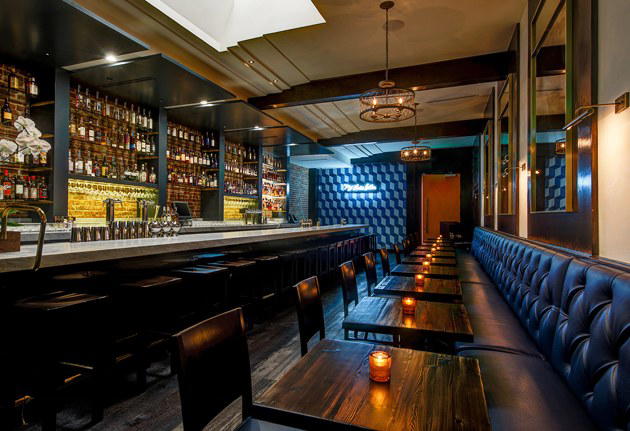
Hotels in Los Angeles
Browse all →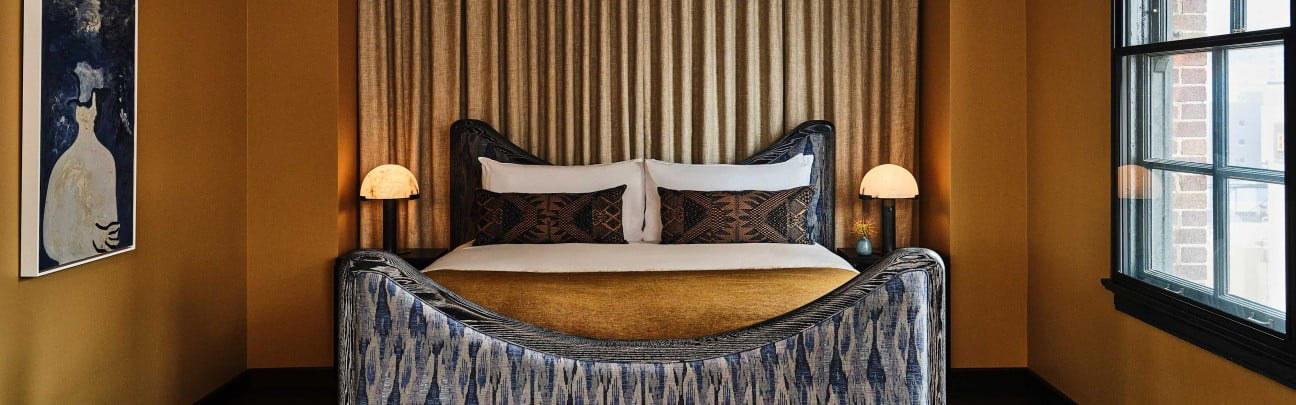
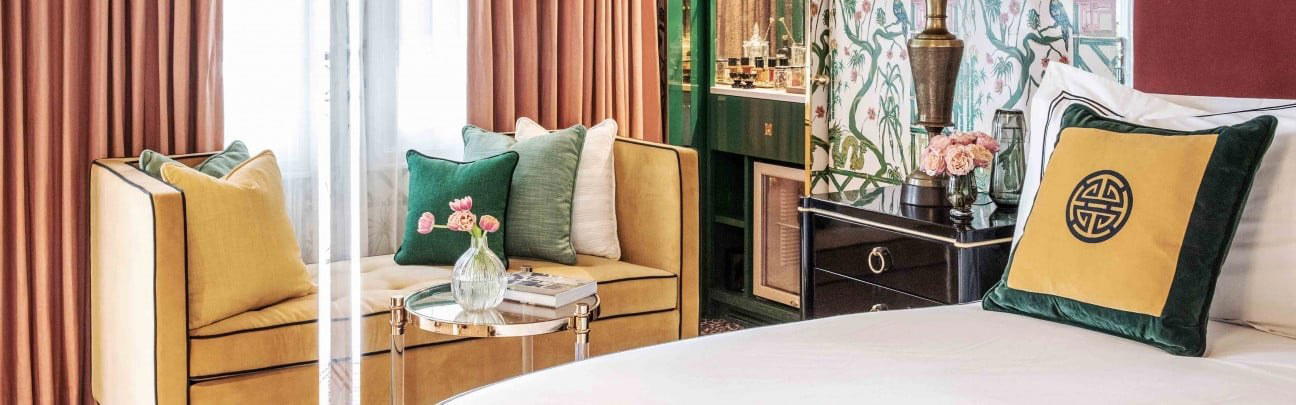
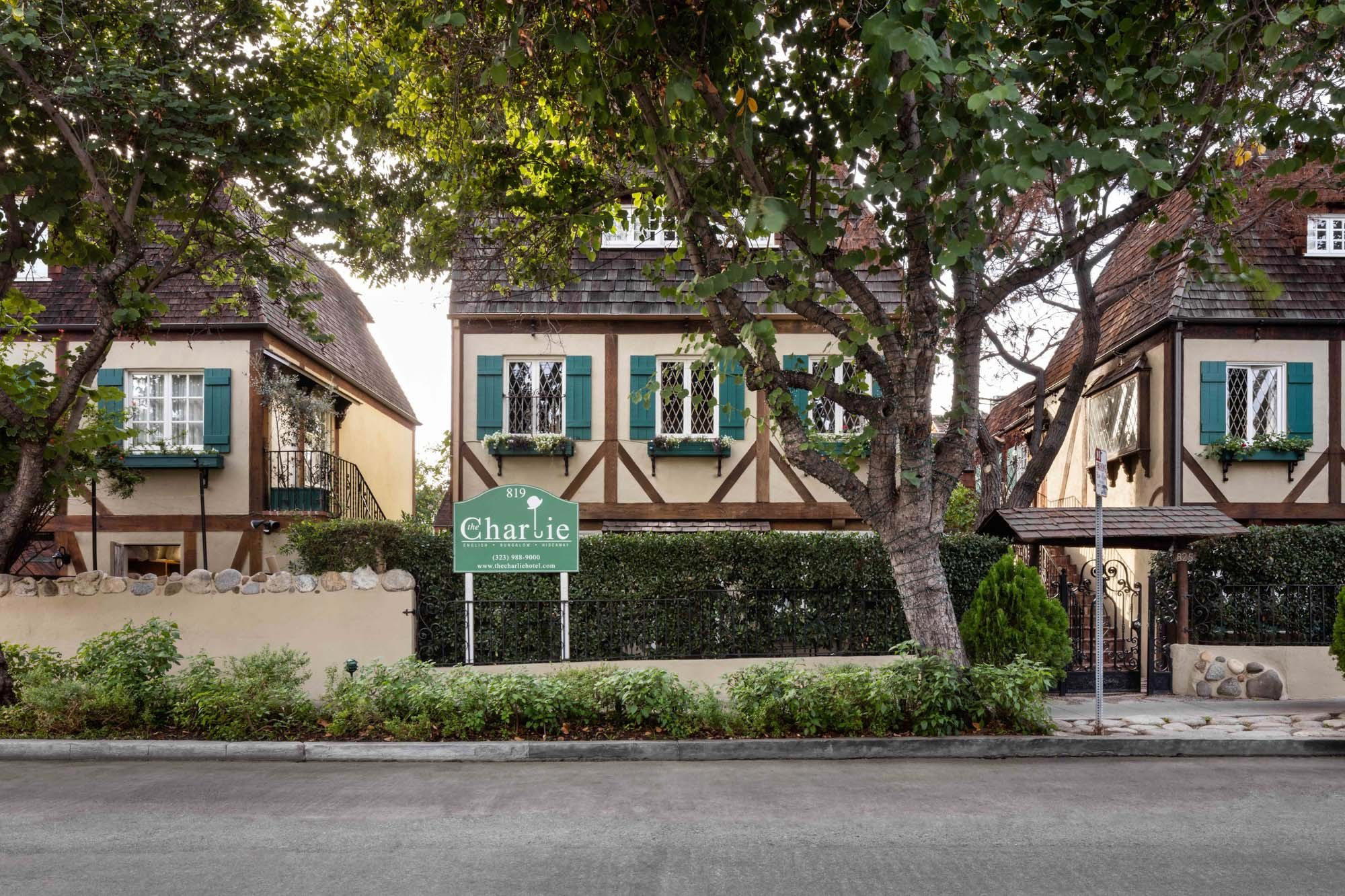
Wineries in Los Angeles
Browse all →
Details
- Trendy
- Modern
- Industrial
- Date Night
- Casual Hangout
- Brunch
- Hotel Restaurant
- Open Kitchen
- Natural Wine
- Craft Cocktails
- Local Sourcing
- A La Carte
- Small Plates
- Natural Wine
- Craft Cocktails
- Vegetarian Friendly
- Vegan Options
Current opening hours
- Monday
- 11:30 AM–2:30 PM
- Tuesday
- 11:30 AM–2:30 PM
- Wednesday
- 11:30 AM–2:30 PM
- Thursday
- 11:30 AM–2:30 PM, 6–10 PM
- Friday
- 6–10 PM
- Saturday
- 6–10 PM
- Sunday
- Closed
Hours can change for holidays and private events. Last verified .
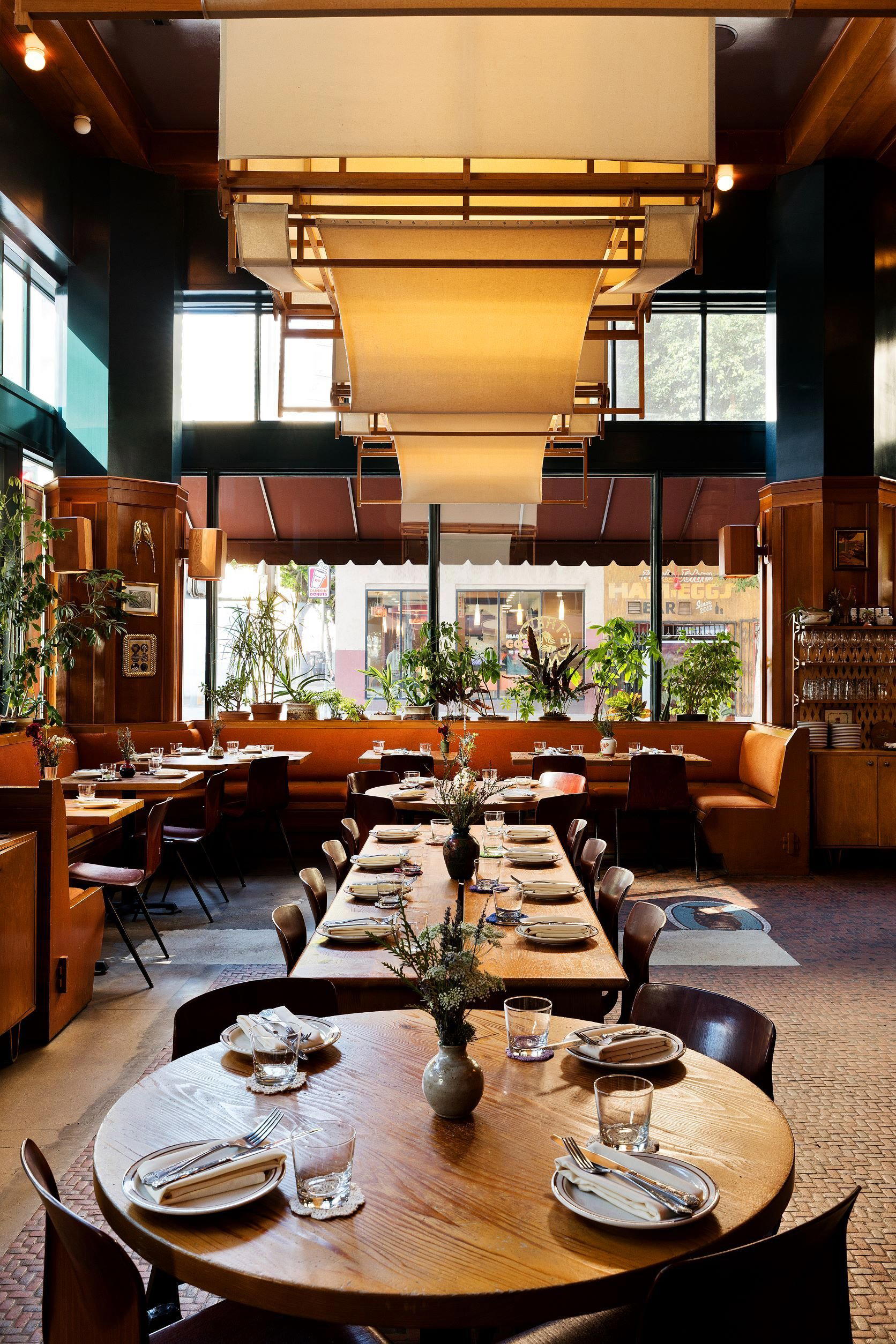
Trendy hotel restaurant atmosphere with moderate noise, modern industrial design, and lively lighting complementing the diverse culinary offerings.