On Steendam in central Ghent, The Drifter occupies a city that takes its sourcing seriously, where the market culture runs deep and the gap between farm and plate is measured in kilometres, not food-miles rhetoric. The address places it inside a neighbourhood where independent kitchens have been quietly redefining what Belgian cooking looks like without the white-tablecloth formality of the Flemish fine-dining circuit.
Pearl is the En Primeur Club membership app — saves, bookings, and concierge access live there. Same editors, same standards.
- Address
- Steendam 53, 9000 Gent, Belgium
- Phone
- +32456070904
- Website
- thedrifter.be
- Directions
- Get directions
 Saves & bookings on Pearl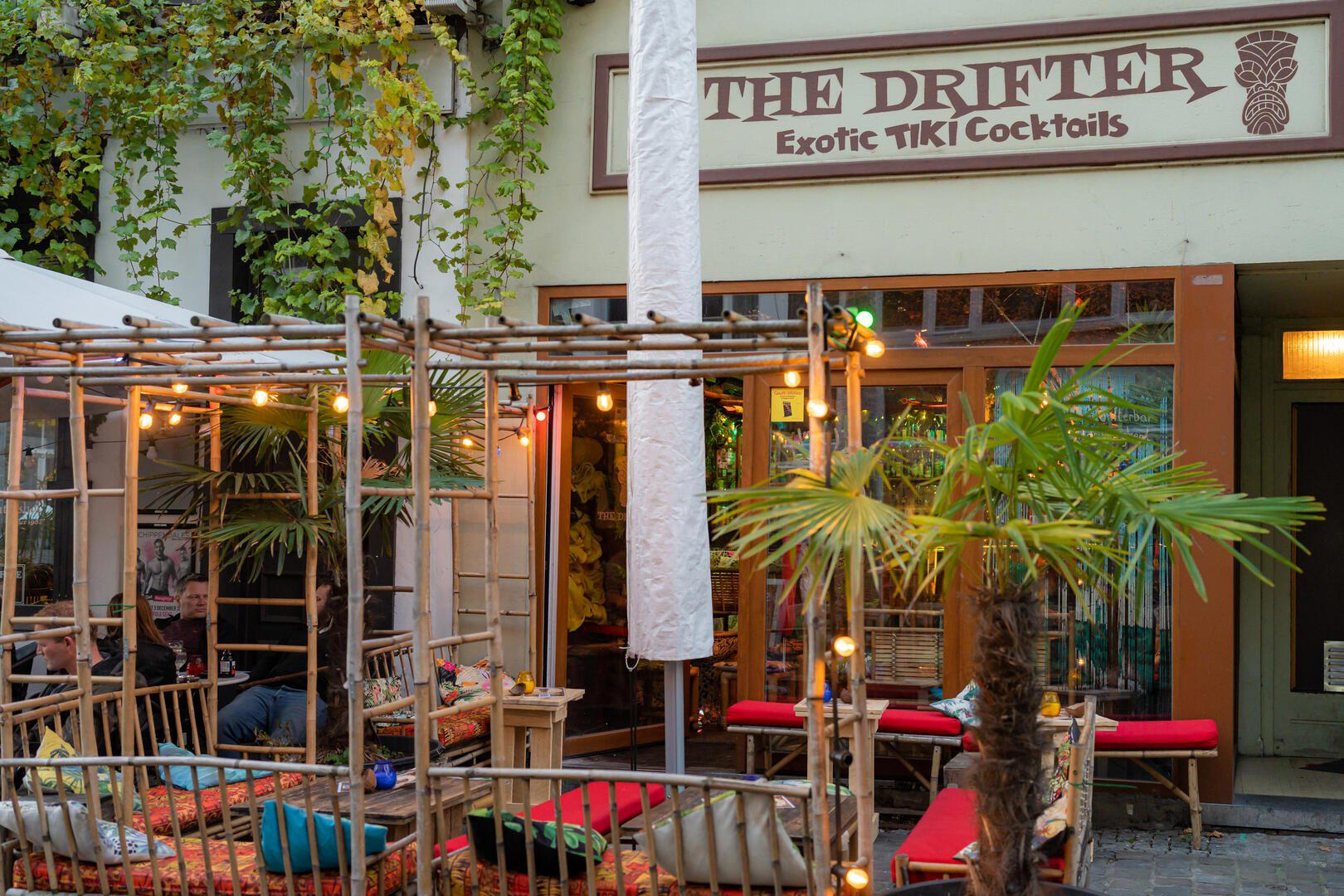
Steendam and the Sourcing Ethos Behind Ghent's Independent Kitchens
Steendam is one of those Ghent streets that resists easy categorisation. It sits close enough to the Vrijdagmarkt to carry the hum of the city's market tradition, yet far enough from the tourist-facing canal belt that the clientele skews local. The buildings are narrow and practical, the storefronts unhurried. It is the kind of address where a kitchen can afford to operate with a point of view rather than a crowd-pleasing mandate, and that context matters when reading what The Drifter is doing at number 53.
Ghent's food culture has a sourcing story that predates any recent farm-to-table marketing wave. The city's Thursday market on the Vrijdagmarkt, the cluster of independent butchers and cheese traders in the Patershol quarter, and the proximity to the Flemish polders and coastal agricultural belt have historically given Ghent kitchens access to supply chains that larger Belgian cities have to work harder to maintain. For a kitchen on Steendam, that geography is not a talking point, it is the operating condition.
Where The Drifter Sits in the Ghent Dining Picture
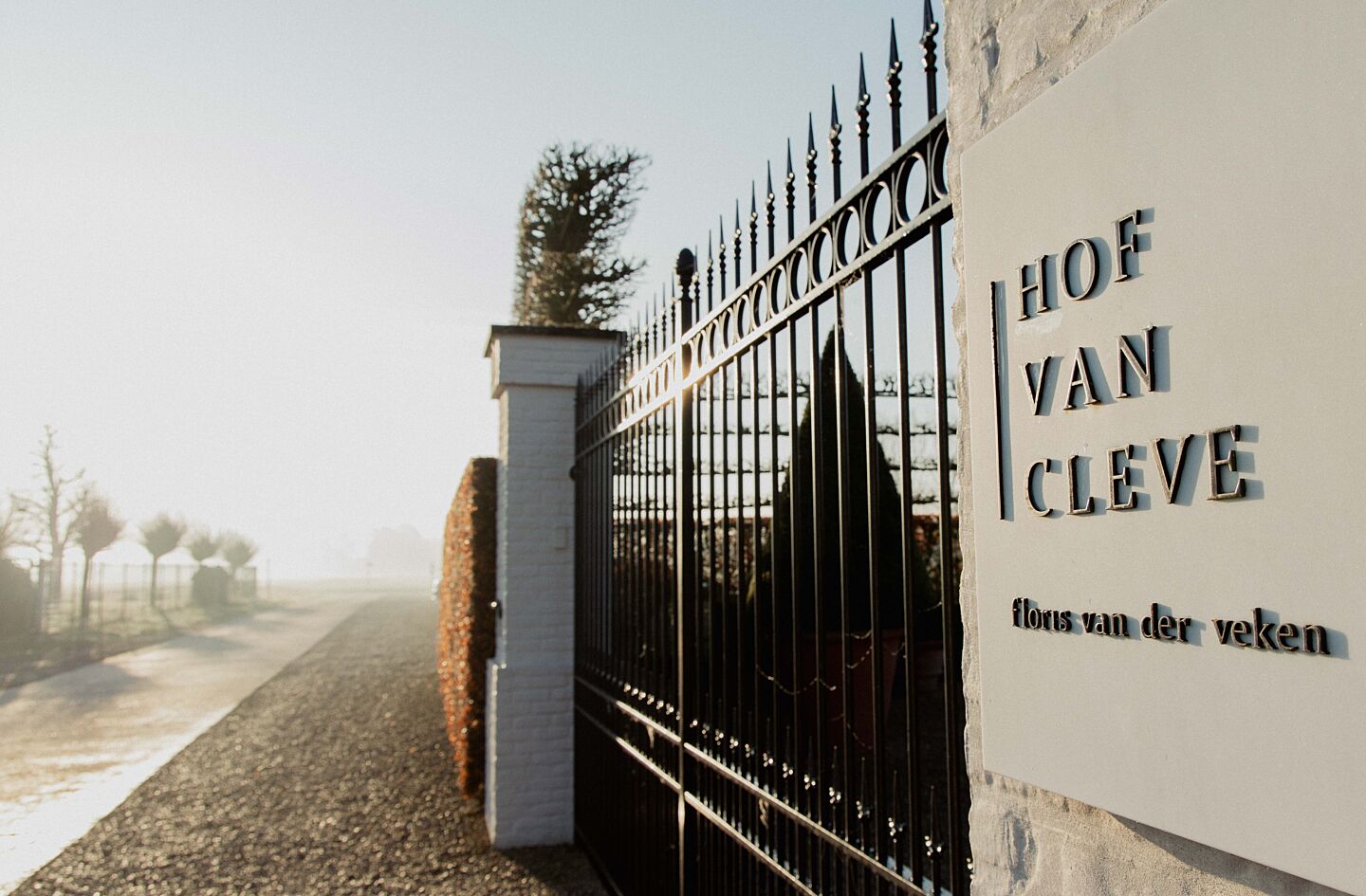
Ghent's restaurant scene in the 2020s has split into two recognisable tiers. The first is the formal Flemish fine-dining tradition, tasting menus, Michelin recognition, long wine lists, represented across the region by addresses like Hof van Cleve in Kruishoutem, Boury in Roeselare, and Zilte in Antwerp. The second tier, and the one that has been generating more interest among younger diners, is a looser, more ingredient-led format: smaller rooms, shorter menus that shift with what is available, and a deliberate rejection of the ceremony that surrounds the first tier.
The Drifter operates in that second register. It belongs to a cohort of Ghent independents, alongside Arbane, Astro Boy, and BABÚ, where the editorial instinct in the kitchen is expressed through what gets sourced rather than through technique display. In that context, the name carries a certain logic: drifting, in food terms, often means following the season rather than the menu.
The Sourcing Argument in Flemish Cooking
Belgium's coastal and agricultural geography gives its kitchens a sourcing range that is easy to underestimate. The North Sea coast, reachable within an hour from Ghent, produces day-boat fish and shellfish that inform the menus at precision-driven addresses like Bartholomeus in Heist and Willem Hiele in Oudenburg. The Flemish interior provides game, root vegetables, and dairy from a patchwork of small producers whose output rarely reaches export markets. A kitchen that has the relationships to access that supply chain is working with materially different ingredients than one buying from a national wholesaler.
That sourcing infrastructure is not distinctive to any single address in Ghent, it is the shared foundation on which the city's more ingredient-conscious kitchens build. What separates them is how they translate the supply into a plate. Some, like Beiruti, bring an additional cultural lens to Flemish ingredients. Others, like Bij Den Wijzen en Den Zot, anchor the approach in a more classical Flemish register. The restaurant's Steendam address puts it in proximity to both impulses without being fully committed to either, which is what the name suggests.
For comparison points beyond Belgium, the sourcing-first format has produced particularly discussed menus in recent years at addresses like L'air du Temps in Liernu and d'Eugénie à Emilie in Baudour, both of which have built significant reputations around the integrity of their supply chains rather than the elaborateness of their technique. That is the critical tradition the restaurant is working within, even if its register is less formal.
Ghent as a Dining City: The Broader Pattern
Ghent receives considerably less international dining attention than Brussels or Antwerp, which has the practical effect of keeping its better independents genuinely embedded in the local market rather than angled toward culinary tourism. Bozar Restaurant in Brussels and the more internationally profiled addresses in the capital operate in a different visibility economy. Ghent's kitchens tend to find their audiences through word of mouth and repeat local custom, which creates a different set of pressures on quality consistency.
The city's restaurant geography has been shifting toward the Dampoort and Muide quarters in recent years, but Steendam and the area around the Vrijdagmarkt remain the gravitational centre for the kind of mid-format, ingredient-led cooking that restaurant represents. The street has enough residential density to support a kitchen that is not chasing tourist spend, and enough foot traffic from the adjacent market days to give a seasonally driven menu a natural audience.
For those cross-referencing against Belgium's wider fine-dining tier, addresses like Castor in Beveren and De Jonkman in Sint-Kruis offer useful calibration points. And for a sense of what sourcing-obsessed kitchens look like at the highest international register, the tasting programs at Le Bernardin in New York City and Atomix in New York City represent the end of the same spectrum that starts in rooms like this one.
Planning a Visit
The restaurant is located at Steendam 53, 9000 Gent. Steendam is walkable from Ghent's central rail station in under fifteen minutes, and the street sits within easy reach of the city's tram network.
Recognition, Side-by-Side
Comparable venues nearby, for context on price, style, and recognition.
| Venue | Cuisine | Price | Notes |
|---|---|---|---|
| The DrifterThis venue — the venue you are viewing | Tiki Cocktail Bar | $$ | Not listed |
| Yalla Yalla | Lebanese Mezze | $$ | Binnenstad |
| HD Ghent - by Hilde DeVolder Chocolatier | Artisanal Belgian Chocolatier | $$ | Elisabethbegijnhof - Prinsenhof - Papegaai - Sint-Michiels |
| Petit Thai | Authentic Everyday Thai | $$ | Binnenstad |
| Le Botaniste | Plant-Based Organic Global Bowls | $$ | Binnenstad |
| Happy Thai | Real Thai Streetfood | $$ | Stationsbuurt-Noord |

At a Glance
- Whimsical
- Lively
- Casual Hangout
- Date Night
- After Work
- Group Dining
- Standalone
- Live Music
- Craft Cocktails
- Beer Program
Current opening hours
- Monday
- 5–11:30 PM
- Tuesday
- Closed
- Wednesday
- 5–11:30 PM
- Thursday
- 5–11:30 PM
- Friday
- 5 PM–12:30 AM
- Saturday
- 5 PM–12:30 AM
- Sunday
- 5–11:30 PM
Hours can change for holidays and private events. Last verified .
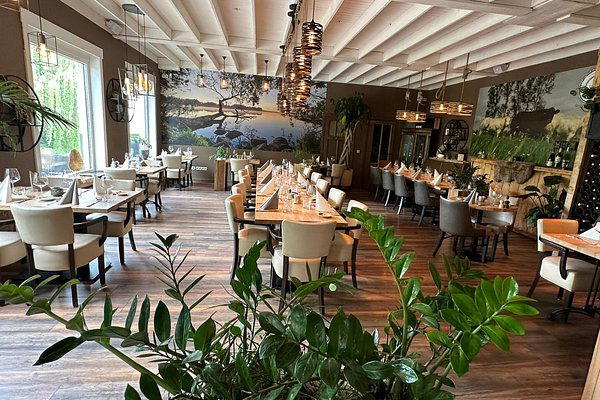
Immersive 1960s tiki atmosphere with carefully curated jungle-themed decor extending to the restrooms, warm lighting, and lively tropical aesthetics that transport guests to a Caribbean and Polynesian escape.