The Dressing Room
Our verdict
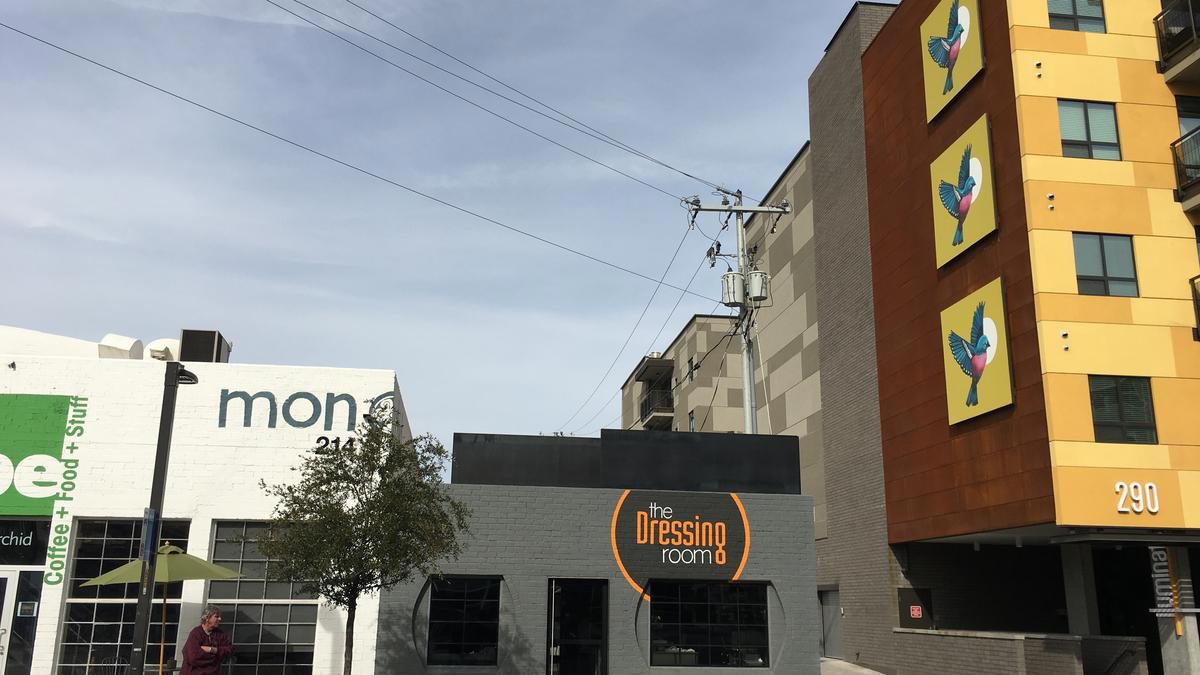
Located at 95 Pine St in Seattle's Pike Place Market district, The Dressing Room occupies a corner of the city where the line between bar program and full dining experience blurs deliberately. With Seattle's wine culture evolving rapidly alongside its restaurant scene, it sits inside a neighbourhood where serious drinking and serious eating increasingly share the same table. Confirm details directly before visiting, as operational specifics remain limited in public records.

Pearl is the En Primeur Club membership app, where members save venues, book tables and use the concierge.
The menu
What to order
- Can Can Beignets
- Prosciutto Benedict
Where Pike Place's Edge Meets the Glass
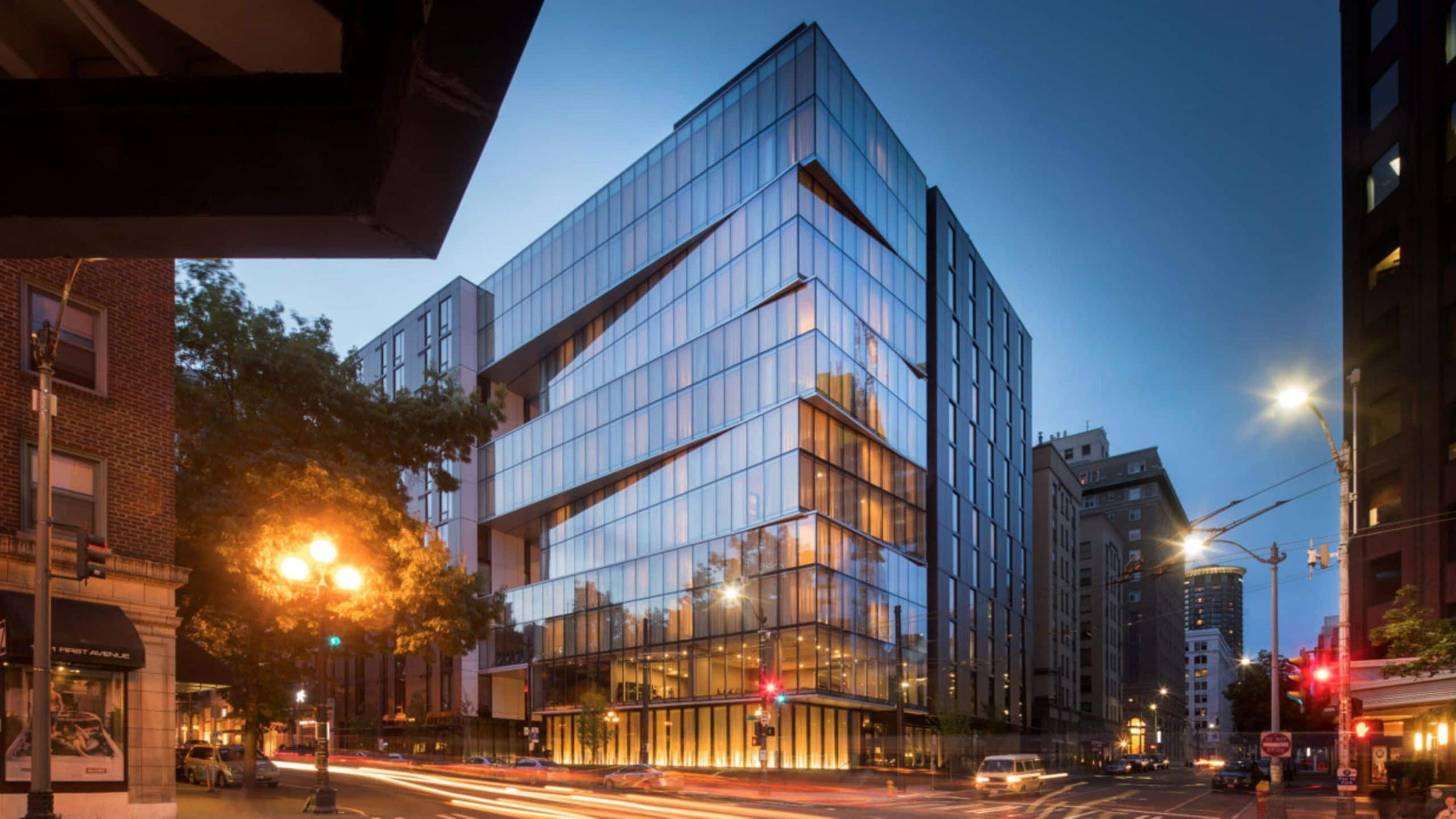
95 Pine Street sits at one of Seattle's more loaded addresses. A short block from Pike Place Market, the building exists inside a neighbourhood that has spent the last decade resolving a tension between tourist-facing commerce and genuinely local dining culture. That tension has largely been productive: the market district now supports some of the city's most considered wine programs and bar formats, drawing from the same Pacific Northwest producer networks that supply the better dining rooms a few blocks east and south. The Dressing Room occupies a position inside that shift, at an address where foot traffic runs high but the clientele willing to slow down and drink thoughtfully has grown considerably.
Seattle's drinking culture has moved in a direction familiar to anyone who has watched similar transitions in Portland or San Francisco: away from high-volume pours toward programs built around thoughtful list development, regional identity, and floor-level expertise. The venues that have anchored that shift share a common trait, they treat the glass as a decision, not a default. At the premium end of that tier, you find spaces where the cellar functions as editorial argument, where what's on the list signals a point of view about Washington State, the Pacific Northwest, and how domestic production sits relative to European benchmarks.
The Wine Program as the Room's Primary Language
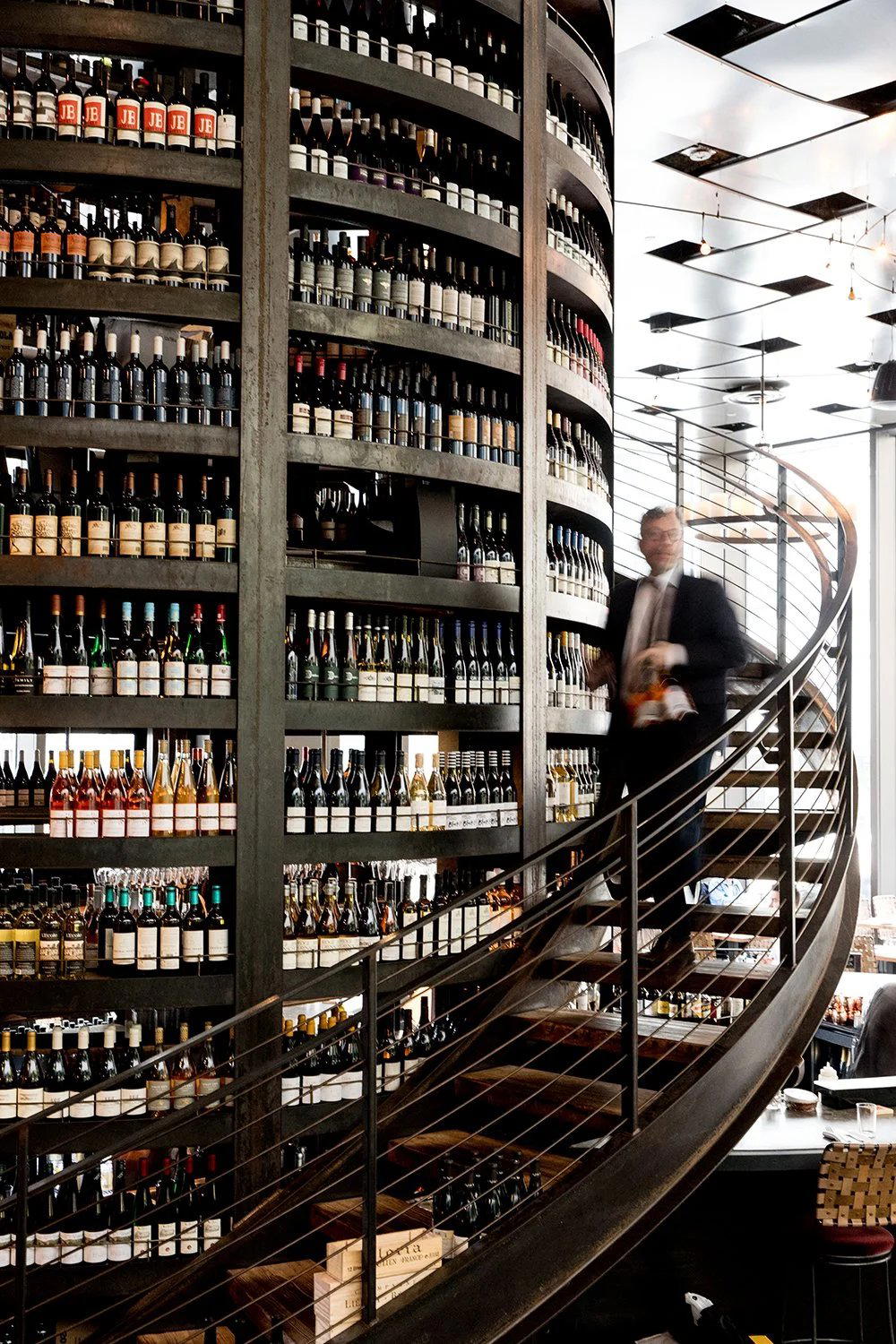
In Seattle's current dining scene, wine list depth has become one of the cleaner signals of a venue's ambitions. A short, rotating list organized by producer relationship reads very differently from a deep cellar with vertical representation and serious Old World coverage alongside domestic bottles. The latter demands more from the floor staff, requires longer-term purchasing commitments, and generally reflects a higher overall investment in the guest experience as something anchored around the table rather than the kitchen alone.
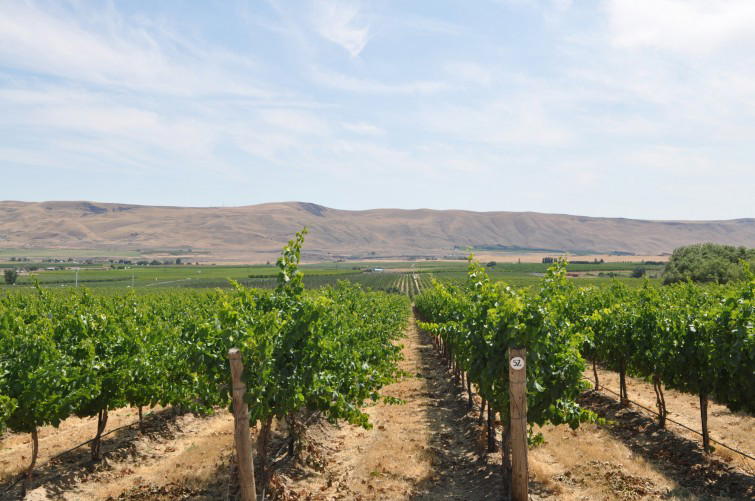
Washington State has given Seattle restaurants an unusually strong regional argument to make. Walla Walla, the Columbia Valley, and Yakima Valley producers have matured considerably since the early 2000s, and the best of them now sit in serious national conversations alongside California equivalents. A thoughtfully assembled Seattle wine program in 2024 will typically make that regional case while also holding room for Burgundy, Northern Rhône, and Champagne references that contextualize the domestic bottles. The comparison is honest rather than promotional: when a Columbia Valley Syrah from a small producer shares a list with Cornas or Crozes-Hermitage, the implication is that the room takes both seriously.
For reference, venues at the upper tier of Seattle's wine-forward dining, places like Canlis and Joule, have demonstrated that the city's appetite for serious wine programs extends well beyond what the tourist-facing market would suggest. The Dressing Room, at its Pine Street address, operates inside the same pull of that appetite without sitting in either of those rooms' exact competitive tier.
The Pike Place District as Dining Context
Understanding what The Dressing Room is requires understanding where it sits. The Pike Place district is one of Seattle's most contested dining zones: high rents, high foot traffic, and a guest mix that ranges from first-time visitors to daily market regulars who have been eating and drinking in the neighbourhood for decades. The venues that survive there over time tend to be the ones that serve the latter more deliberately than the former, building a local base that sustains the room when tourism thins out seasonally.
The broader First Hill and Belltown edges of this district have seen notable openings in recent years, 1415 1st Ave sits nearby on the avenue that runs parallel to the market, and 1744 NW Market St anchors another node of the area's more considered dining. Further south, 2963 4th Ave S represents the kind of neighbourhood-specific format that has migrated further from the tourist core. Taken together, these addresses describe a city where serious dining has spread across a much wider geographic footprint than the market district alone, but where the market district itself remains a productive if complicated home base for the right kind of room.
Seattle in National Perspective
Seattle's restaurant scene is often framed, outside the city, as a secondary tier below New York, San Francisco, and Chicago. That framing has become increasingly difficult to defend. The city has built a legitimate cohort of serious dining rooms that compare directly with peer venues in larger markets. Le Bernardin in New York City, Alinea in Chicago, and The French Laundry in Napa represent a tier of dining that defines national benchmarks; Lazy Bear in San Francisco, Providence in Los Angeles, and Single Thread Farm in Healdsburg illustrate how regional identity and ingredient sourcing have become organizing principles at the premium level. Seattle's leading rooms now make the same kind of argument from a Pacific Northwest position, with access to Dungeness crab, Copper River salmon, regional mushrooms, and a wine region that has been producing serious bottles for thirty-plus years.
At a somewhat different scale, venues like Blue Hill at Stone Barns in Tarrytown, Addison in San Diego, Atomix in New York City, The Inn at Little Washington, and Emeril's in New Orleans each demonstrate a version of the same principle: that serious dining outside the two or three primary markets has become the norm rather than the exception. Even internationally, rooms like 8 1/2 Otto e Mezzo Bombana in Hong Kong reflect how far the conversation about serious wine programs and considered cuisine has traveled. Seattle operates within that same conversation, not outside it.
Planning Your Visit
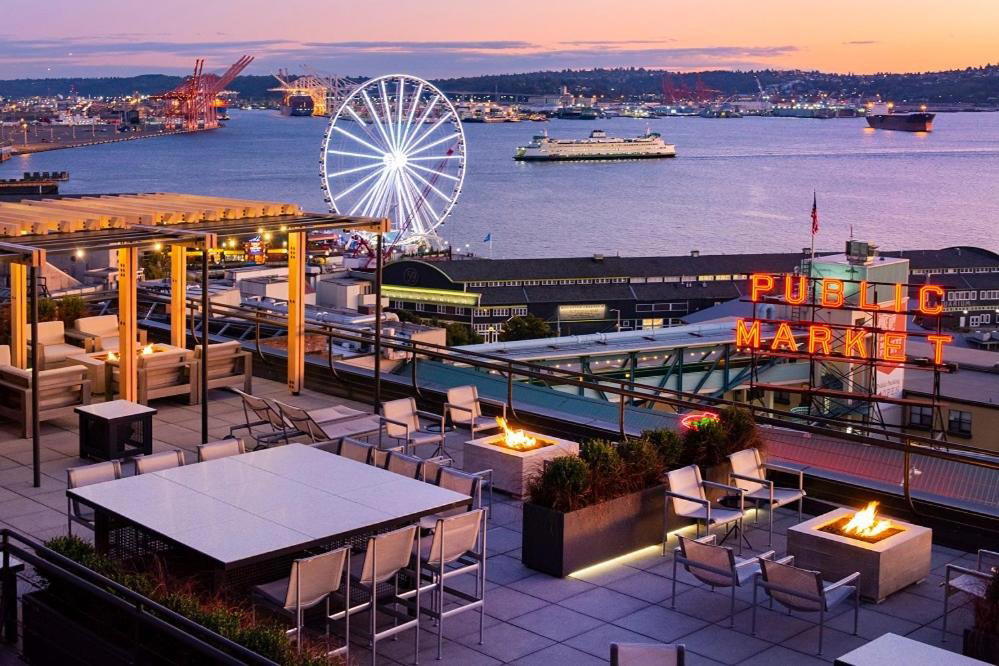
Verify directly before visiting, particularly for weekend evenings when the Pike Place district runs at its highest volume and availability at any serious room compresses quickly. The address at 95 Pine St places the venue within walking distance of the central waterfront and the bulk of the market's activity, making it accessible from most downtown Seattle hotels without requiring a car. For a broader map of where The Dressing Room fits among Seattle's dining options, see our full Seattle restaurants guide.
Frequently asked questions
What kind of setting is The Dressing Room?
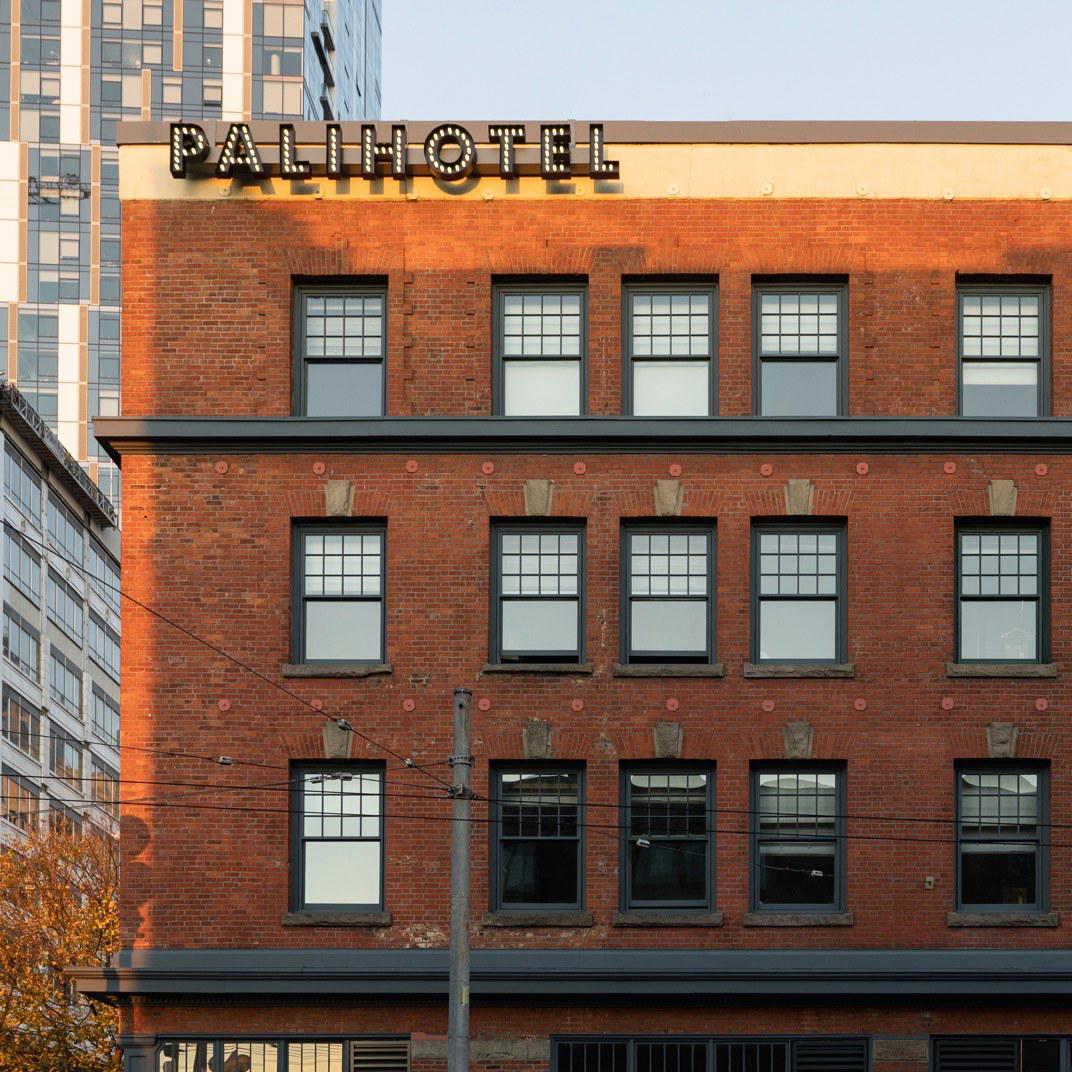
The Dressing Room occupies 95 Pine St in Seattle's Pike Place Market district, placing it inside one of the city's highest-traffic dining corridors. Verify the current format directly, particularly if you're making a reservation-dependent visit.
Is The Dressing Room reservation-only?
In Seattle's mid-to-upper dining tier, reservation systems vary significantly: some rooms at the Pine Street price level operate on walk-in models for bar seating while requiring reservations for the main room, while others have moved to fully ticketed formats.
at The Dressing Room?
In the Pike Place district context, venues that take their wine programs seriously tend to align their food offering around cellar-friendly preparations rather than destination dishes in isolation. Ask the floor staff for direction on pairing; in rooms where the wine list is the primary editorial statement, that conversation usually produces the most useful answer.
Would The Dressing Room be comfortable with kids?
In Seattle's Pike Place district, venues in the mid-to-upper price tier tend to be adult-oriented in practice, even when not explicitly policy-driven. If the primary program is wine-led, the atmosphere typically skews toward quieter, conversation-pace dining rather than family-casual formats.
Does The Dressing Room have a focus on Pacific Northwest wines specifically?
The Pike Place address places The Dressing Room inside a neighbourhood where Washington State wine is a natural point of reference, Walla Walla, Yakima Valley, and Columbia Valley producers all have strong distribution relationships with Seattle venues at this address tier. Verify the current list directly for specifics.
Where the Accolades Land
Comparable venues nearby, for context on price, style, and recognition.
| Venue | Cuisine | Price | Notes |
|---|---|---|---|
| The Dressing RoomThis venue (the venue you are viewing) | French Pacific Northwest Bistro | $30–50 | Not listed |
| Red Cow | French Steakhouse Bistro | $50–100 | Madrona |
| Ivar's Acres of Clams | Classic Seattle Seafood | $20–30 | Seattle Waterfront |
| Limoncello Belltown | Italian Pasta & Pizza | $30–50 | Belltown |
| The Wandering Goose | Southern-Inspired American Cafe | Not listed | Broadway |
| Pablo y Pablo | Modern Mexican Fusion | $20–30 | Wallingford |
Continue exploring
More in Seattle
Restaurants in Seattle
All restaurants in Seattle →
Bars in Seattle
All bars in Seattle →

Details
- Romantic
- Elegant
- Intimate
- Cozy
- Trendy
- Date Night
- Brunch
- Special Occasion
- Open Kitchen
- Terrace
- Craft Cocktails
- Local Sourcing
- Waterfront
- A La Carte
- Small Plates
- Craft Cocktails
Current opening hours
- Monday
- Closed
- Tuesday
- Closed
- Wednesday
- Closed
- Thursday
- 5–9 PM
- Friday
- 9:30 AM–3 PM, 4 PM–12 AM
- Saturday
- 9:30 AM–3 PM, 4 PM–12 AM
- Sunday
- 9:30 AM–3 PM, 4–9 PM
Hours can change for holidays and private events. Hours as of .
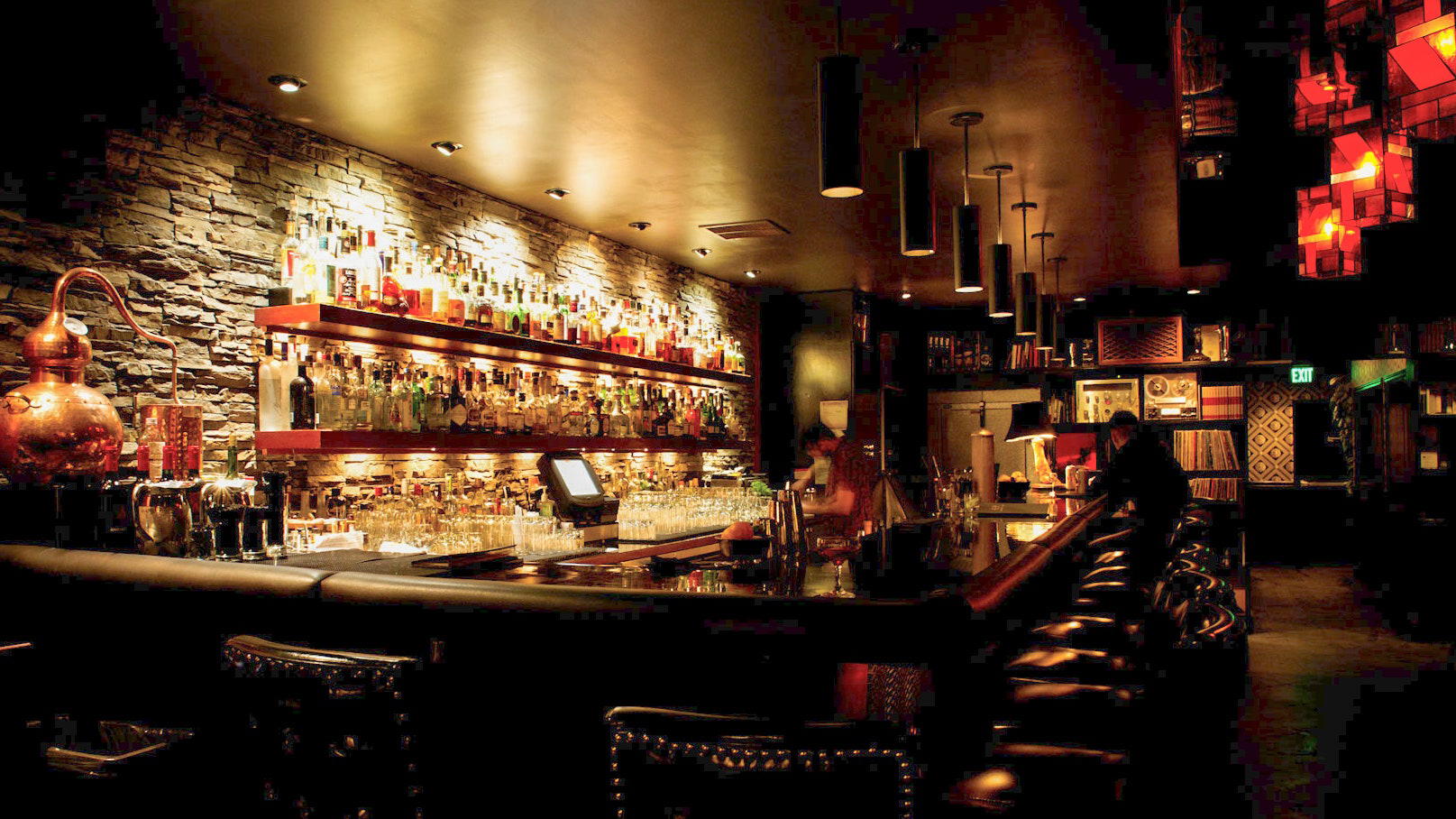
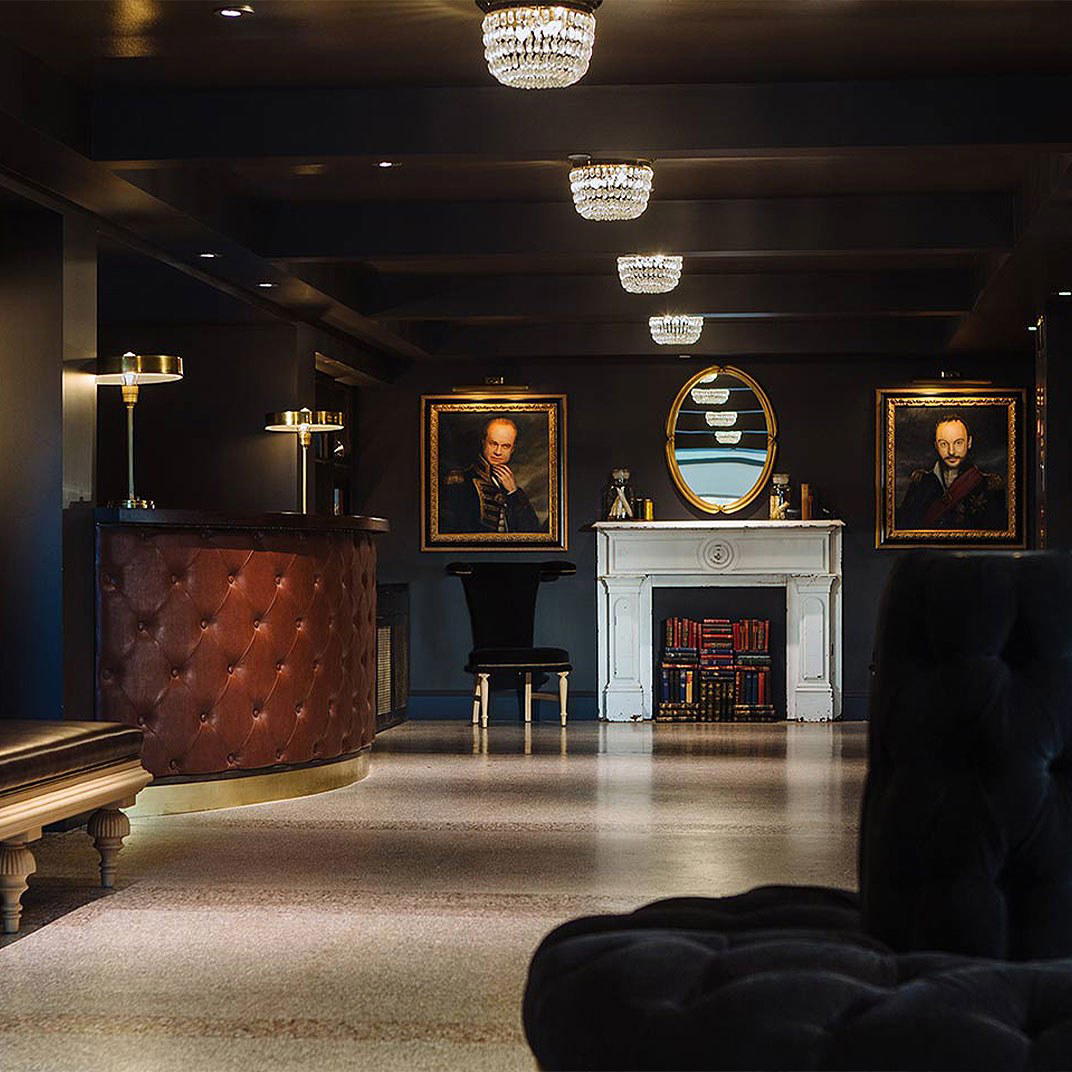
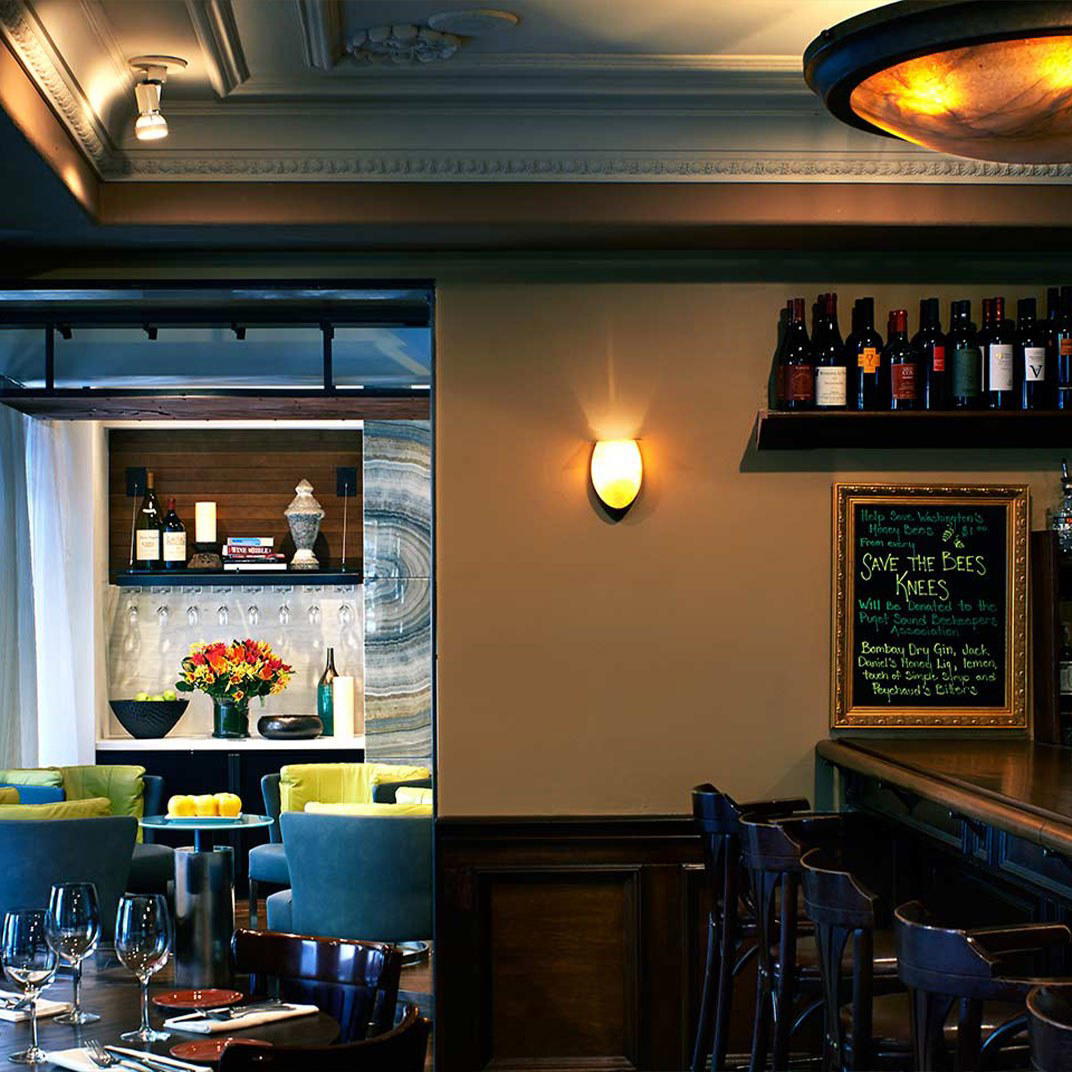
Romantic indoor space with lush booth seating in velvety reds and satin pinks, art-filled walls with cabaret memorabilia, and a warm glow.