Ivar's Acres of Clams
Ivar's Acres of Clams has anchored Seattle's waterfront dining since the mid-twentieth century, operating from Pier 54 on Alaskan Way as one of the Pacific Northwest's most recognized seafood institutions. The restaurant sits at the intersection of regional ingredient tradition and casual waterfront dining, drawing on Puget Sound's shellfish culture in a setting that has outlasted multiple generations of Seattle's restaurant scene.
Pearl is the En Primeur Club membership app — saves, bookings, and concierge access live there. Same editors, same standards.
- Address
- 1001 Alaskan Wy Ste. 102, Seattle, WA 98104
- Phone
- +1 206 624 6852
- Website
- ivars.com
- Directions
- Get directions
 Saves & bookings on Pearl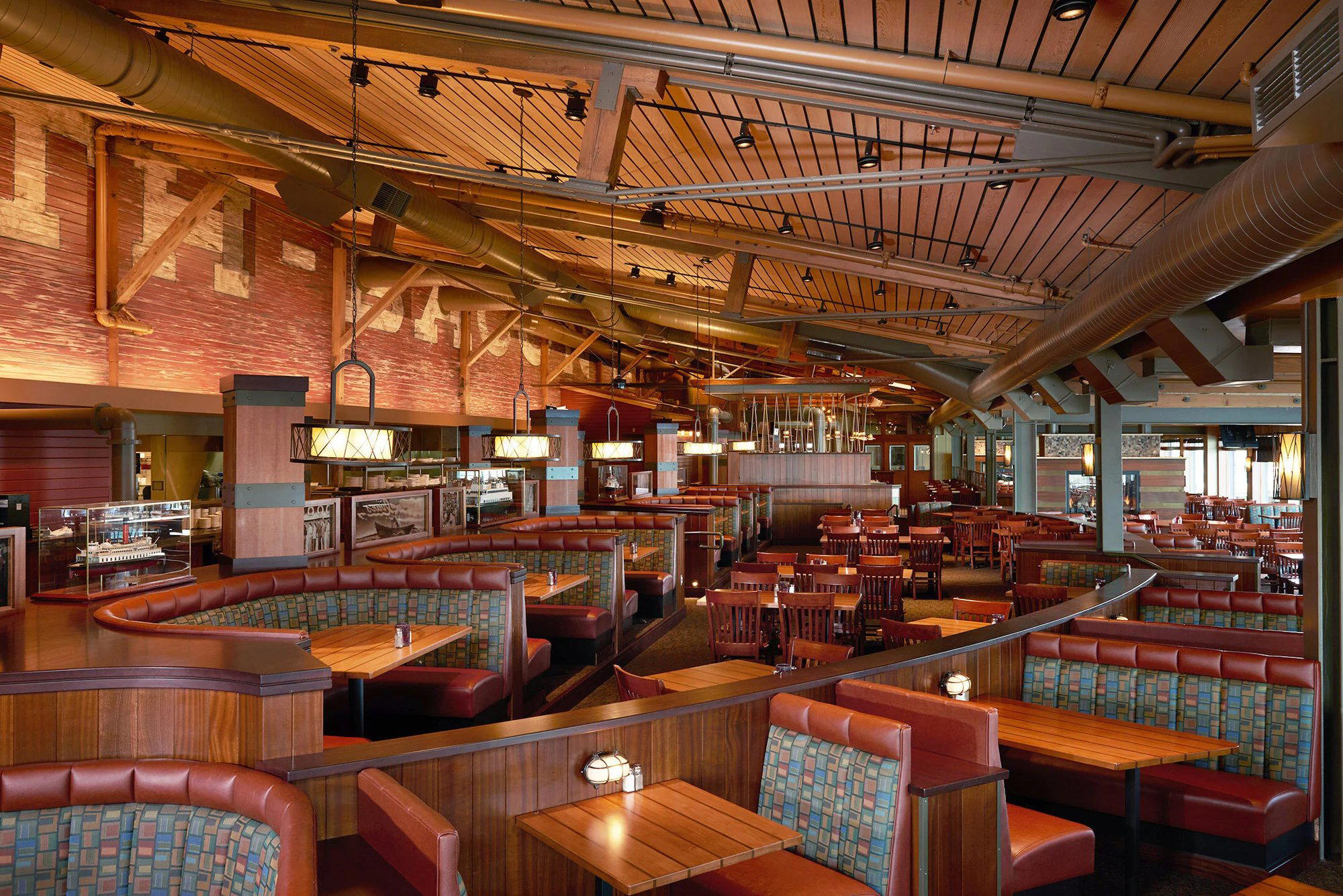
Where the Sound Meets the Table
Standing at the edge of Alaskan Way, with Elliott Bay pressing gray-green against the pier pilings and the Olympic Mountains sketching the horizon on clear days, you understand immediately why Seattle's waterfront became the city's first serious dining address. The smell of salt water and steamed shellfish arrives before the menu does. Ivar's Acres of Clams is a casual Seattle seafood restaurant at 1001 Alaskan Way, known for classic seafood at an estimated $25 per person. It occupies Pier 54, a location that puts it inside one of the Pacific Northwest's most direct arguments for ingredient-driven seafood cooking: proximity to the source is not a marketing claim here, it is a geographic fact. Puget Sound shellfish has always defined what this stretch of waterfront serves, and that tradition runs deeper than any single restaurant's tenure.
Puget Sound's Shellfish Economy and Why It Shapes the Menu
The Pacific Northwest sits atop one of North America's most productive shellfish ecosystems. Puget Sound's cold, nutrient-dense waters support Manila clams, Dungeness crab, geoduck, Pacific oysters, and several oyster varieties that carry distinct regional salinity profiles depending on their growing bay. Washington State is consistently among the country's leading shellfish-producing states, and the infrastructure connecting harvesters to Seattle restaurants is shorter and more direct than nearly anywhere else on the West Coast. That supply chain matters in a way that goes beyond freshness. When a waterfront restaurant has operated in this city long enough, the relationship between kitchen and local fishery becomes structural rather than incidental.
This is the tradition Ivar's Acres of Clams inhabits. Restaurants like Blue Hill at Stone Barns in Tarrytown and Single Thread Farm in Healdsburg have built their identities around hyperlocal sourcing in agricultural contexts; Seattle's waterfront venues do something structurally parallel, but through a maritime lens rather than a pastoral one. The ingredient argument here is water-based: what grows in the Sound, how it is harvested, and how quickly it reaches the table. Ivar's long tenure on the waterfront places it inside that sourcing conversation by default.
The Waterfront Dining Category in Seattle
Seattle's waterfront restaurant tier operates differently from the city's interior dining scene. Venues along Alaskan Way and the adjacent piers compete less on tasting-menu refinement and more on accessibility, volume, and the capacity to deliver regionally sourced seafood at a pace that serves both local regulars and the substantial visitor traffic the waterfront generates. This is a distinct category from the city's higher-end progressive kitchens and it is better understood on its own terms rather than measured against them.
Across the country, waterfront seafood institutions occupy a particular position in regional food culture. Emeril's in New Orleans built its identity around Gulf Coast sourcing in an urban setting. Providence in Los Angeles translates West Coast seafood into a refined tasting format. Le Bernardin in New York City operates at the far end of that spectrum, where French technique applied to Atlantic seafood commands a price point that reflects the kitchen's ambition. Ivar's sits at a different coordinate on that map: casual, waterfront, and rooted in the specific shellfish tradition of the Pacific Northwest rather than in any imported culinary framework.
What the Clam Tradition Signals
Clams are not a neutral choice for a flagship menu item in this part of the country. Manila clams and steamer clams harvested from Puget Sound and the broader Washington coast carry a traceable regional identity. The Dungeness crab season, which typically runs from late fall through winter, is a calendar event in Seattle restaurants; the arrival of local crab on menus is treated with the same seasonal seriousness that inland restaurants apply to asparagus in April or stone fruit in August. A waterfront venue that has operated across multiple decades accrues institutional memory of those seasonal rhythms in ways that newer entrants cannot replicate.
Regional seafood sourcing at this scale also involves relationships with the tribal fisheries and commercial harvesters who control much of Washington's shellfish output. The Quinault, Muckleshoot, and other treaty tribes hold significant harvest rights across the Sound and its tributaries. Long-standing Seattle seafood venues operate within that context whether or not they make it explicit, and the durability of any waterfront restaurant's ingredient supply depends partly on the stability of those relationships over time.
Positioning in the Broader Pacific Northwest Scene
The Pacific Northwest's restaurant scene has shifted considerably over the past two decades. A cohort of technically serious kitchens has emerged in Seattle, drawing comparison to places like Smyth in Chicago, Lazy Bear in San Francisco, and Addison in San Diego in terms of format ambition and ingredient sourcing rigor. Separately, produce-driven and sustainability-focused operations have gained ground, with parallels to Oyster Oyster in Washington, D.C. and The Wolf's Tailor in Denver. Ivar's occupies neither of those positions. It operates in the waterfront institution category, where longevity, location, and regional seafood access define the competitive set rather than tasting-menu architecture or wine program depth.
That positioning is not a limitation. Waterfront institutions carry a different kind of authority in their cities. Frasca Food and Wine in Boulder and Bacchanalia in Atlanta have built lasting reputations through consistency and regional rootedness rather than format innovation. Ivar's version of that argument is written in shellfish and saltwater rather than wine lists and farm partnerships.
Planning Your Visit
Ivar's Acres of Clams sits at 1001 Alaskan Way, Suite 102, on Pier 54 in Seattle's central waterfront district. The location is accessible on foot from the downtown core and from the waterfront streetcar stops. The pier setting means weather is a variable worth accounting for; the covered interior provides a reliable fallback when the Seattle marine layer makes outdoor seating impractical.
A Quick Peer Check
Comparable venues nearby, for context on price, style, and recognition.
| Venue | Cuisine | Price | Notes |
|---|---|---|---|
| Ivar's Acres of ClamsThis venue — the venue you are viewing | Classic Seattle Seafood | $$ | Not listed |
| The White Swan Public House | Rustic Seafood Gastropub | $$ | Lake Union |
| The Fisherman's Restaurant Seattle | Northwest Seafood | $$ | Seattle Waterfront |
| RIDER | Pacific Northwest Seafood & Wood-Fired Grill | $$$ | Central Business District |
| Anchovies & Olives | Italian-Influenced Seafood and Pasta | $$$ | Stevens |
| Salty's on Alki | Pacific Northwest Seafood and Steakhouse | $$$ | West Industrial District |
Continue exploring
More in Seattle
Restaurants in Seattle
Browse all →
Bars in Seattle
Browse all →
Hotels in Seattle
Browse all →

At a Glance
- Classic
- Well Known
- Scenic
- Family
- Casual Hangout
- Celebration
- Waterfront
- Historic Building
- Beer Program
- Sustainable Seafood
- Local Sourcing
- Waterfront
Current opening hours
- Monday
- 11 AM–8 PM
- Tuesday
- 11 AM–8 PM
- Wednesday
- 11 AM–8 PM
- Thursday
- 11 AM–8 PM
- Friday
- 11 AM–8 PM
- Saturday
- 11 AM–8 PM
- Sunday
- 11 AM–8 PM
Hours can change for holidays and private events. Last verified .
Charming waterfront setting with views of the bay, blending quirky Seattle history and nautical charm.