The Cameron sits on Cameron Avenue in Ottawa's Glebe-adjacent pocket, representing the quieter, neighbourhood-rooted side of the city's dining conversation. Where Ottawa's better-known progressive tables draw national attention, this address operates closer to the ground — a reference point for the city's interest in technique-led cooking anchored to local supply.
Pearl is the En Primeur Club membership app — saves, bookings, and concierge access live there. Same editors, same standards.
- Address
- 176 Cameron Ave, Ottawa, ON K1S 0X5, Canada
- Phone
- +16137307207
- Website
- cameronottawa.com
- Directions
- Get directions
 Saves & bookings on Pearl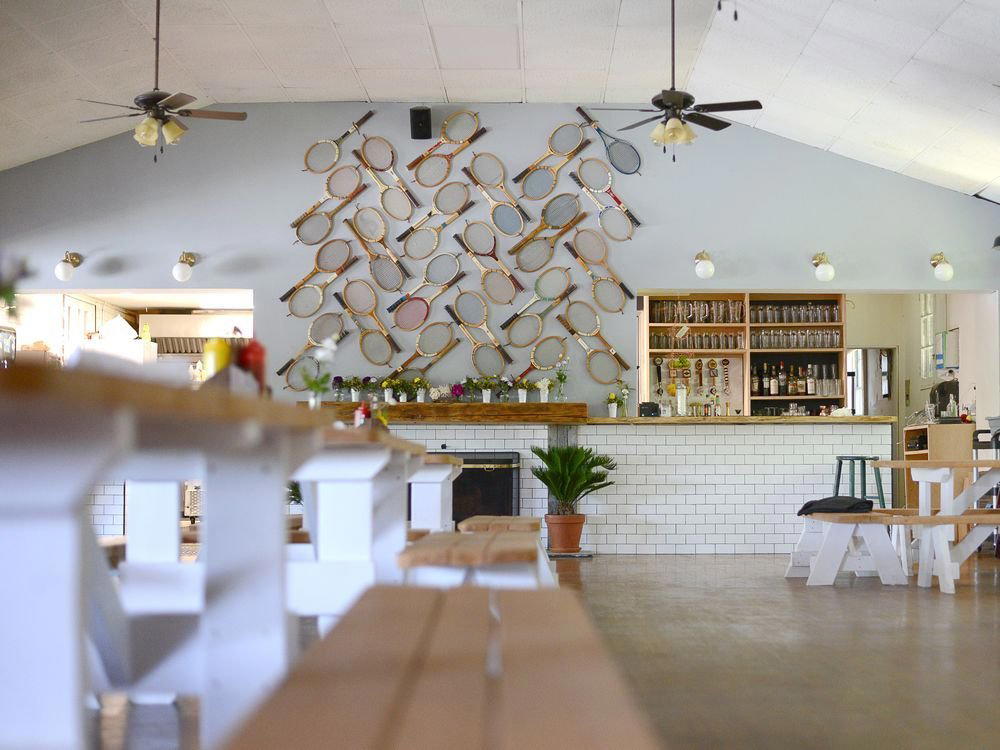
Ottawa's Neighbourhood Table and the Local-Global Cooking Argument
Cameron Avenue runs through one of Ottawa's older residential corridors, the kind of street where corner restaurants become fixtures before they become destinations. The broader dining conversation in the capital has, over the past decade, pulled steadily toward a model familiar across Canadian cities: kitchens sourcing from regional farms and producers, then applying technique drawn from European and East Asian traditions. The result is not fusion in the loose sense, but something more deliberate — a cooking posture where the ingredient carries origin and the method carries ambition. The Cameron sits inside that local argument, in a neighbourhood where dining expectations have risen without the dining-district noise that comes with Centretown or the ByWard Market.
The Ottawa Scene: Where Local Meets Imported Method
Canadian restaurant culture has spent the last fifteen years working through the tension between indigenous product and imported technique. In Quebec City, Tanière³ has turned that tension into a full philosophy, building menus almost entirely around pre-colonial and hyper-regional Quebec ingredients while using contemporary European frameworks to present them. In Toronto, Alo approaches the same question from the French fine-dining end, integrating Ontario produce into a tasting format with strong Parisian structural DNA. Vancouver's AnnaLena has done something similar on the West Coast, threading Pacific ingredients through globally-informed technique at a neighbourhood scale.
Ottawa's version of this conversation is less consolidated than Montreal or Toronto, but no less serious. Absinthe has long operated in the French bistro mode with local sourcing credibility. Atelier, Ottawa's most formally progressive table, runs a multi-course format that treats Canadian ingredients as subject matter in their own right. Aiana Restaurant works through a different cultural lens, while Alice has built a reputation for produce-driven cooking with genuine technical depth. The city also holds contrasting reference points: Al's Steakhouse anchors the classic end of the spectrum, and A La Istanbul Turkish Cuisine represents the city's meaningful immigrant-kitchen tradition alongside its European-influenced fine dining.
The Cameron occupies a distinct position in this spread — a neighbourhood-scale address that carries the posture of a destination kitchen without the formal dining-district infrastructure around it. That positioning has precedent across Canada. The Pine in Creemore and Eigensinn Farm in Singhampton both demonstrate that serious cooking in Canada does not require a city-centre address. Narval in Rimouski has made the same argument at the edge of the St. Lawrence. Residential-street restaurants, when they hold their standard, often develop a loyalty that downtown rooms rarely achieve, regulars who return not because the address is convenient, but because the cooking earns it.
Technique, Territory, and What Ottawa's Kitchens Are Arguing About
The local-ingredients-global-technique framework is not a novel concept, but the Canadian version of it has specific characteristics worth understanding. The country's agricultural geography is unusually varied, cold-climate root vegetables, wild forage from boreal corridors, freshwater fish from the Great Lakes and northern rivers, lamb and beef from the prairies, and a Pacific seafood supply that rivals most of the world's premium coasts. The chef who knows how to source within a given province has access to material that kitchens in Paris or Tokyo would import at significant cost.
What imported technique adds to this equation is structural confidence. Whether the reference point is French classical, Japanese kaiseki, or the Nordic forager model that spread from Copenhagen after the early 2010s, international training frameworks give kitchens a disciplined grammar for presenting what regional supply provides. Restaurant Pearl Morissette in Lincoln has demonstrated this in Ontario wine country, where Burgundy-informed winemaking and a kitchen with serious technique have created a property that feels simultaneously rooted and internationalist. Jérôme Ferrer's Europea in Montreal applies French classical structure to Quebec's larder at a different scale and register.
Ottawa's geography gives its kitchens access to Eastern Ontario's farms, the Ottawa Valley's agricultural output, and proximity to Quebec producers across the river. For a restaurant on Cameron Avenue, that supply network is as relevant as anything a kitchen might source from further afield. The interesting question for any Ottawa table working in this mode is not whether local ingredients are available, but how deliberately the kitchen is engaging with them, whether the sourcing is a headline or a working method.
Peer Context and Where The Cameron Sits
Across Canada's mid-tier and neighbourhood restaurant segment, the most credible rooms have moved away from broad descriptors and toward specificity, a named farm, a particular growing method, a supplier relationship that shows up on the menu in traceable ways. Barra Fion in Burlington and Aux Anciens Canadiens in Quebec both operate with strong regional identity as a foundation, though through very different cultural frameworks. Internationally, rooms like Le Bernardin in New York City and Atomix in New York City represent the high end of the technique-first argument, where precision and sourcing discipline have made both addresses reference points across their respective categories.
The Cameron operates at a neighbourhood scale and without the formal recognition infrastructure of those rooms. That is not a criticism, it is a category distinction. Ottawa has its formal-dining benchmark in Atelier; it has its classic-bistro anchor in Absinthe; it has its produce-forward contemporary voice in Alice. The neighbourhood table that complements that spread by offering serious cooking without the tasting-menu apparatus plays a different but legitimate role in the city's dining ecology. A full picture of that ecology is available in our full Ottawa restaurants guide.
Planning a Visit
The Cameron is located at 176 Cameron Avenue in Ottawa, in a residential corridor that sits between the Glebe and Centretown. Given the venue's neighbourhood positioning and the general pattern for serious Ottawa tables operating at this scale, checking directly for current hours and reservations availability before visiting is the sensible approach. Ottawa's dining scene rewards those who plan ahead, the city's smaller, quality-focused rooms tend to run tighter on capacity than their informal addresses might suggest, and weekend demand at neighbourhood-rooted restaurants can outpace what the room can absorb without advance booking.
Recognition Snapshot
| Venue | Cuisine | Awards |
|---|---|---|
| The CameronThis venue — the venue you are viewing | Not listed | This venue |
| Atelier | Progressive Canadian | Progressive Canadian |

At a Glance
- Cozy
- Rustic
- Classic
- Family
- Casual Hangout
- Group Dining
- Date Night
- Special Occasion
- Terrace
- Historic Building
- Garden
- Beer Program
- Craft Cocktails
- Local Sourcing
- Farm To Table
- Garden
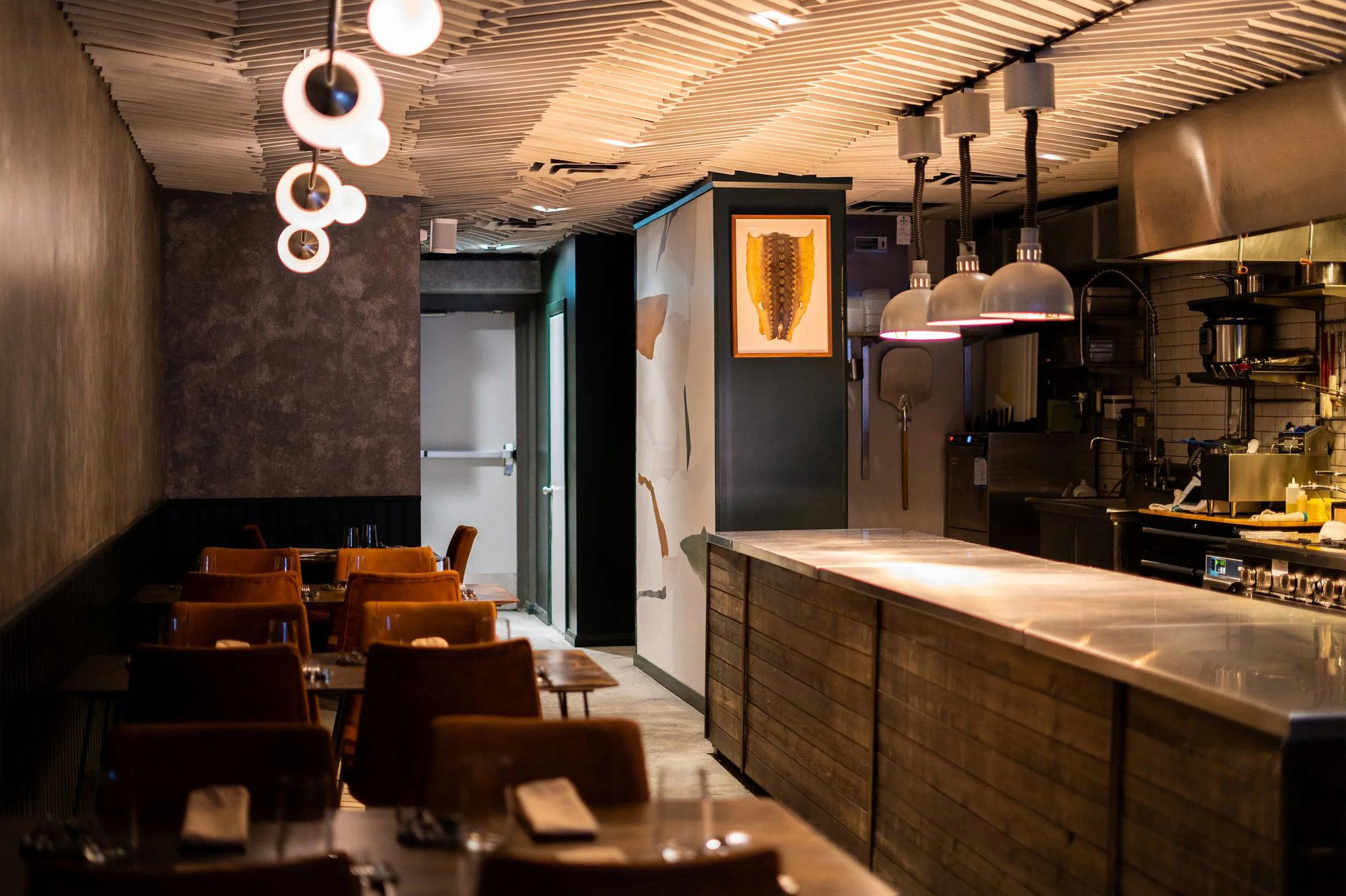
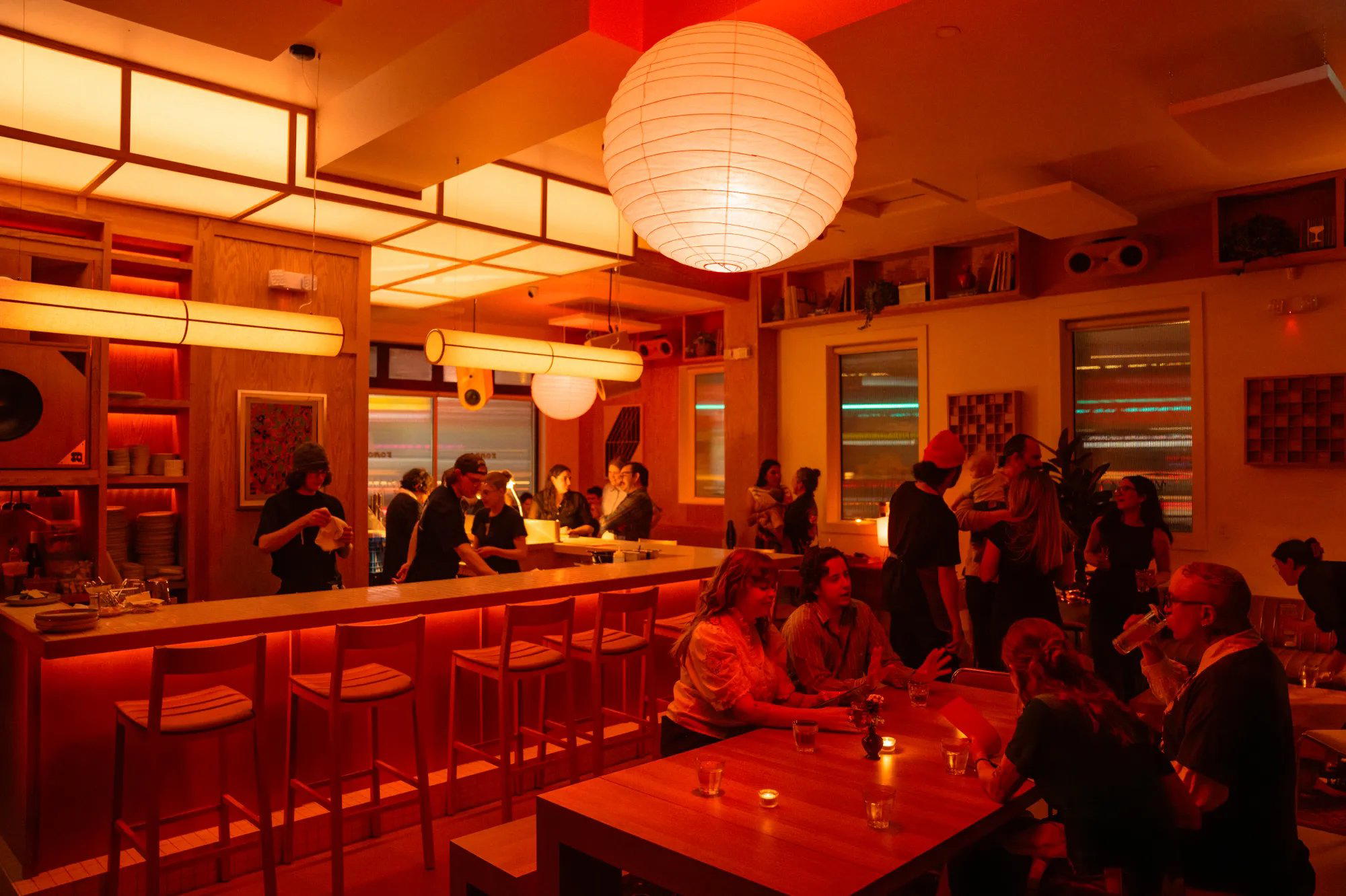
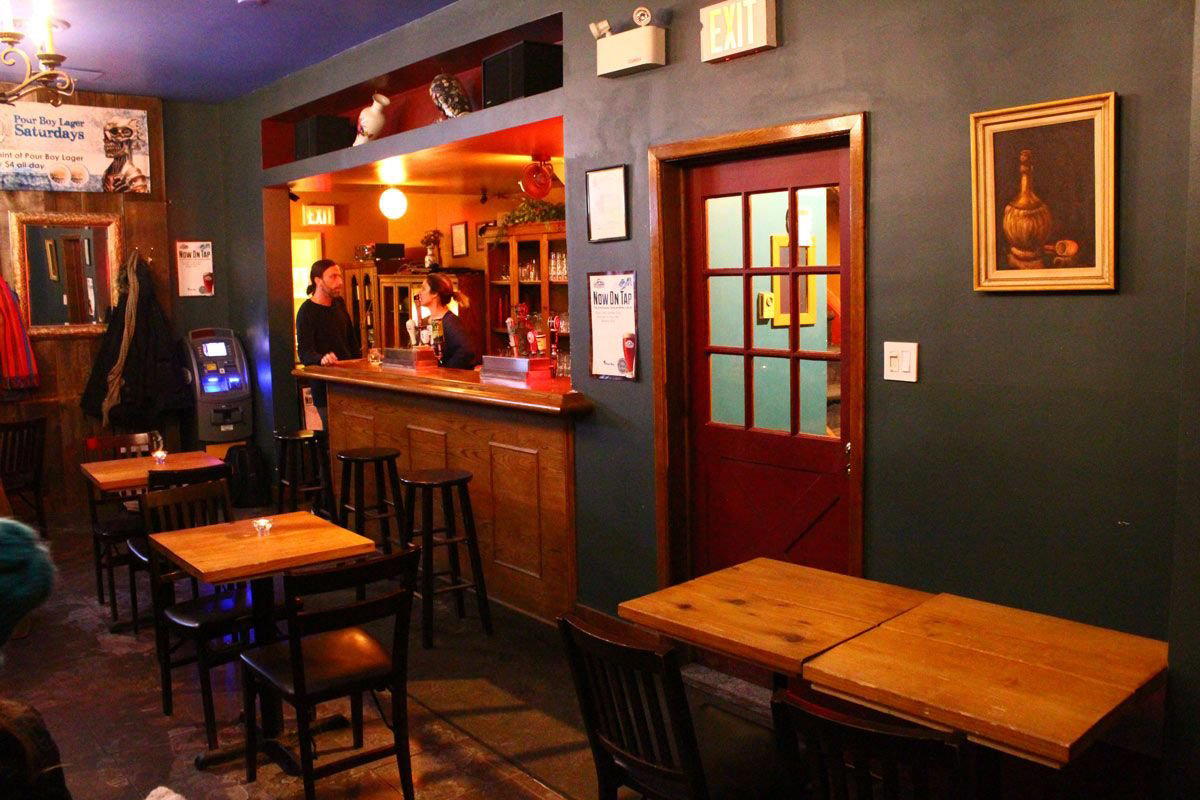
Warm, relaxed cottage-style interior with picnic tables and retro music; newly upgraded veranda with natural light overlooking tennis courts; described as feeling like a 1950s private club meets a summer cottage.
Know Before You Go
- Getting there
- 176 Cameron Ave, Ottawa, ON K1S 0X5, Canada