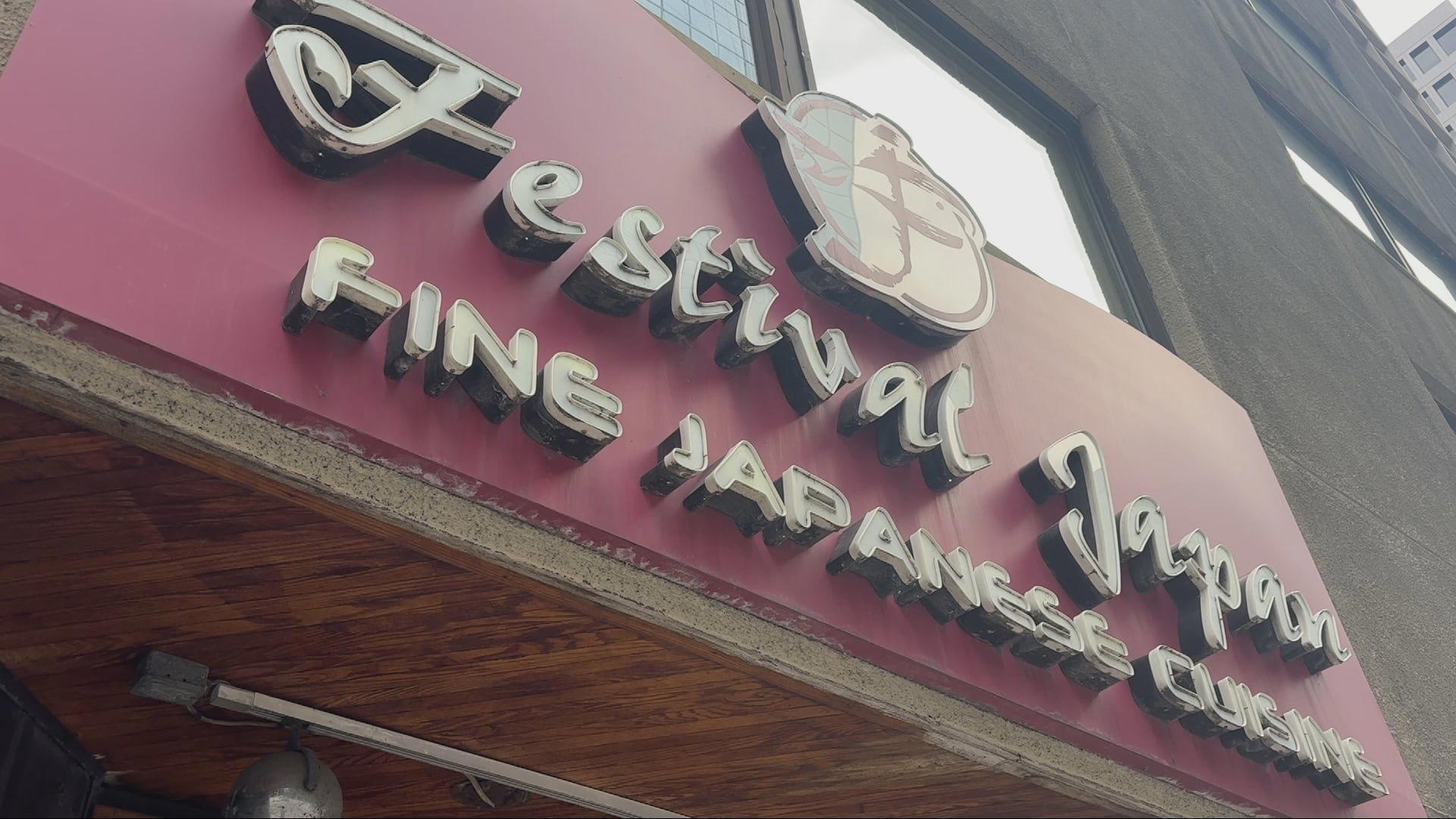
Festival Japan occupies a mid-century address on Kent Street in downtown Ottawa, placing Japanese dining within easy reach of Parliament Hill and the city's financial core. Ottawa's Japanese restaurant scene is smaller and less stratified than Toronto or Vancouver, which makes any serious contender for the format worth tracking. Booking details and current hours are best confirmed directly with the venue before visiting.
- Address
- 149 Kent St, Ottawa, ON K1P 5P3, Canada
- Phone
- +16132341224
- Website
- festivaljapan.ca
- Directions
- Get directions
Japanese Dining in Ottawa's Core: What the Scene Looks Like Now
Ottawa's restaurant scene has been consolidating around a clearer set of specialities over the past decade. French-influenced tasting menus hold the prestige tier, represented by rooms like Absinthe and Aiana Restaurant, while neighbourhood-format dining — the kind built around a specific cuisine and a loyal local following — fills in the mid-market. Japanese cooking occupies a particular position in that mid-market: it rewards repeat visits, it punishes inconsistency, and its cost structure (quality fish, trained labour, specialist ingredients) tends to push serious operators toward higher price points than the surrounding competition.
Festival Japan sits at 149 Kent Street, a location that puts it squarely in Ottawa's downtown professional core, a short walk from Parliament Hill and within the orbit of the government and legal offices that dominate this part of the city. That geography matters for understanding the room's likely rhythm: lunch traffic from nearby offices, dinner bookings that skew toward planners rather than walk-ins. Comparable addresses in this corridor, the kind that house Al's Steakhouse and similar institutions, tend to operate on a working-week calendar, with weekends requiring more deliberate effort to fill.
Planning Your Visit: What to Know Before You Go
The practical reality of visiting Festival Japan begins with a problem common to many Ottawa dining rooms that lack a visible online booking infrastructure: information is harder to confirm in advance than it should be. No website or central reservation system is currently indexed for this address, which means walk-in visits carry real risk. For a cuisine where the kitchen's daily fish deliveries and prep cycles dictate what's available, arriving without any prior contact is a gamble. The sensible approach is a phone call before the visit, not just to confirm hours, but to understand whether the kitchen is operating at full capacity on your chosen date.
This kind of booking friction is not unusual for independently operated Japanese restaurants in mid-sized Canadian cities. The venues that have invested most heavily in online booking infrastructure tend to be the larger casual chains or, at the opposite end, destination-tier operators like Alo in Toronto or Tanière³ in Quebec City, where the reservation system itself signals the seriousness of the enterprise. Festival Japan operates in neither of those categories, which means the planning process requires more direct contact and more flexibility from the visitor.
For visitors arriving from outside the city, or travelling with a fixed itinerary, it is worth cross-referencing the Kent Street address with the broader downtown hotel cluster before committing to this as a primary dinner reservation. The area is walkable from most central accommodation, but without confirmed hours, building an evening around Festival Japan carries scheduling risk that a confirmed booking at Alice or a similarly bookable Ottawa address would not.
The Broader Context: Japanese Restaurants in Canada's Mid-Tier Cities
Canada's Japanese restaurant scene is heavily concentrated in Vancouver and Toronto, where the combination of large Japanese-Canadian communities, established import networks for specialist ingredients, and a critical mass of trained kitchen staff has produced some of the most technically serious Japanese cooking outside Japan itself. AnnaLena in Vancouver reflects the kind of Japanese-influenced technical ambition that the west coast has nurtured, while eastern Canada has developed its own quieter version of that tradition in cities from Montreal (see Jérôme Ferrer - Europea for the French end of that spectrum) to the Maritimes.
Ottawa sits between those poles. It is a city where the dining scene has been shaped more by its political and bureaucratic character than by any immigrant-driven food culture, and where Japanese restaurants have generally occupied a practical rather than destination-oriented niche. The city has no documented omakase counter operating at the price point and format discipline you would find in a comparable Canadian city of similar population density. That gap is not a failure of the scene so much as a reflection of demand patterns: Ottawa's dining public tends to concentrate its high-spend evenings at French or contemporary Canadian addresses rather than at specialist Asian formats.
Against that backdrop, a downtown Japanese restaurant on Kent Street serves a genuine function. The question is always what level of the format it is attempting: sushi and izakaya-style small plates, which require less specialist sourcing and broader menu range; or a more focused approach built around quality fish, precise rice temperature, and a shorter, more deliberate menu. Independent Japanese operators in comparable Canadian markets, cities like Winnipeg, Quebec City, or Halifax, tend to cluster at the former end, with the latter approach reserved for the very few addresses that have built a reputation strong enough to support allocation-style purchasing and premium pricing.
Ottawa's Competitive Set and Where This Fits
Ottawa's current dining conversation is dominated by a handful of addresses that have earned national attention. Progressive Canadian cooking at Atelier has long held the city's most serious tasting-menu position. Restaurants like A La Istanbul Turkish Cuisine and Gitanes represent the city's appetite for serious ethnic-specific cooking that does not attempt to compete on the fine-dining axis but on culinary authenticity and neighbourhood loyalty. Festival Japan fits within that second category by geography and format type, operating in a zone where the competition is other independent specialists rather than the progressive tasting-menu tier.
For comparison outside Ottawa: the kind of careful, independently operated Japanese cooking that earns lasting reputations in smaller Canadian markets shares DNA with the craft-focused approach you see at destination restaurants like Eigensinn Farm in Singhampton or Fogo Island Inn Dining Room in Joe Batt's Arm, both built on sourcing discipline and a clear point of view rather than on scale or spectacle. Japanese cooking rewards exactly that approach, and the operators who have built lasting businesses in mid-tier Canadian cities are generally the ones who have resisted broadening the menu to chase volume.
See our full Ottawa restaurants guide for the wider context on where this neighbourhood fits within the city's dining geography.
Credentials Lens
A small set of peers for context, based on recorded venue fields.
| Venue | Cuisine |
|---|---|
| Festival JapanThis venue — the venue you are viewing | Not listed |
| Atelier | Progressive Canadian |
At a Glance
- Classic
- Cozy
- Business Dinner
- Date Night
- Live Music
- Sake Program
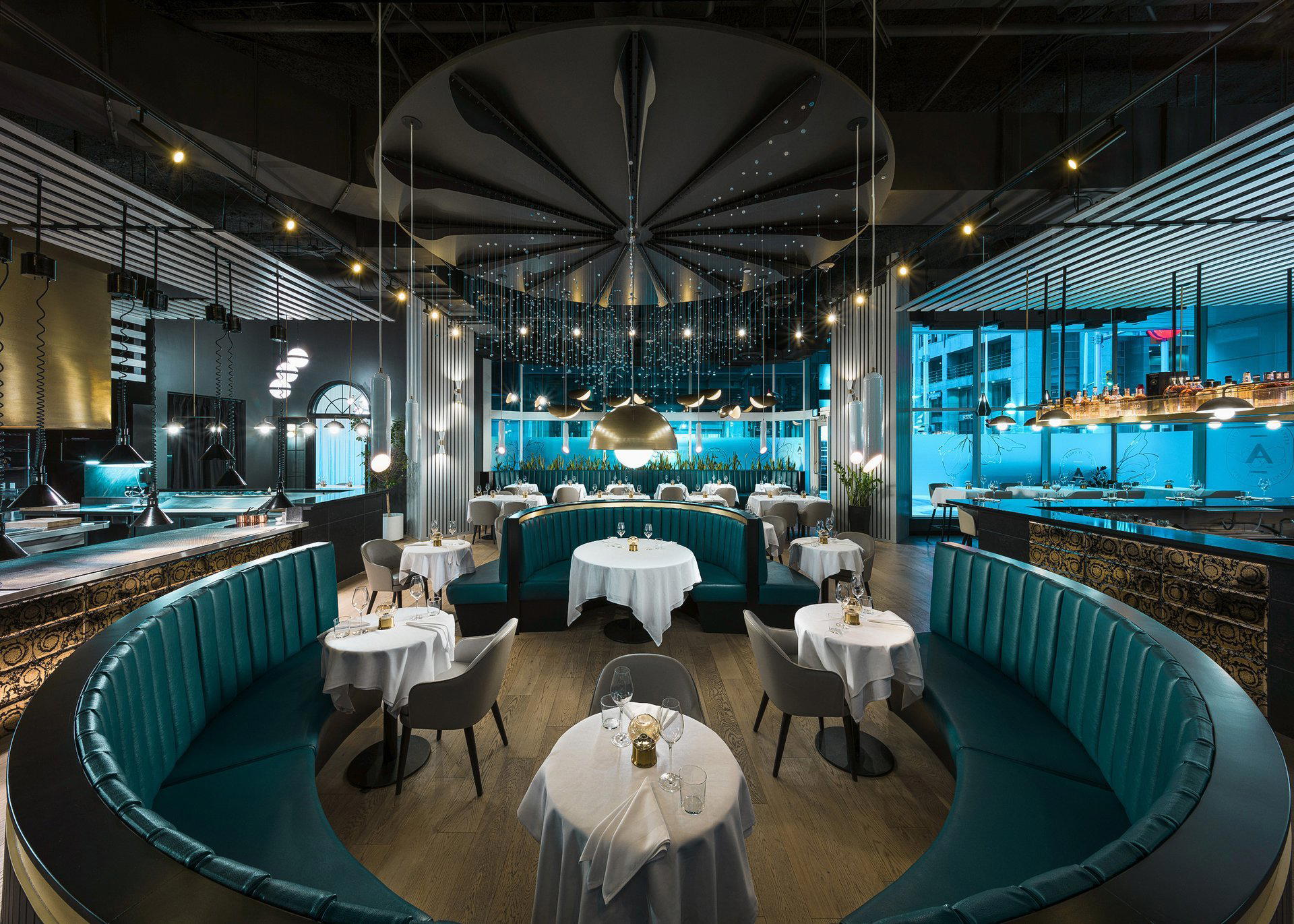
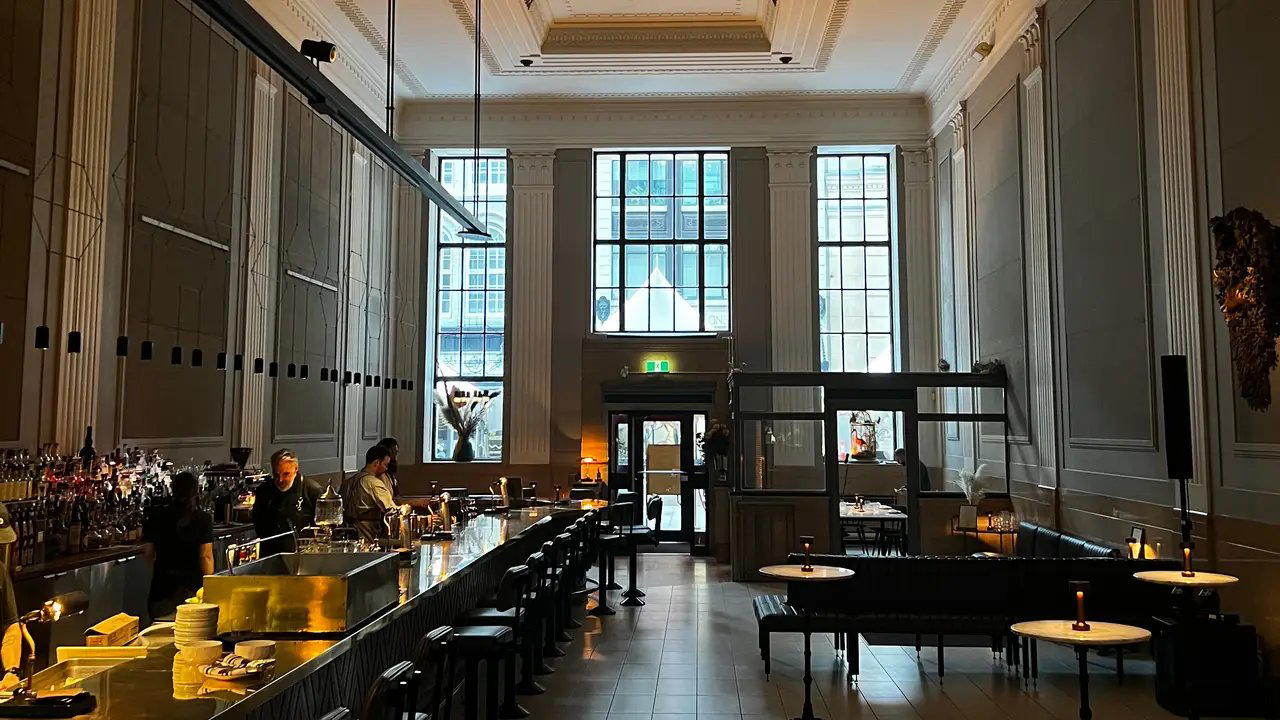
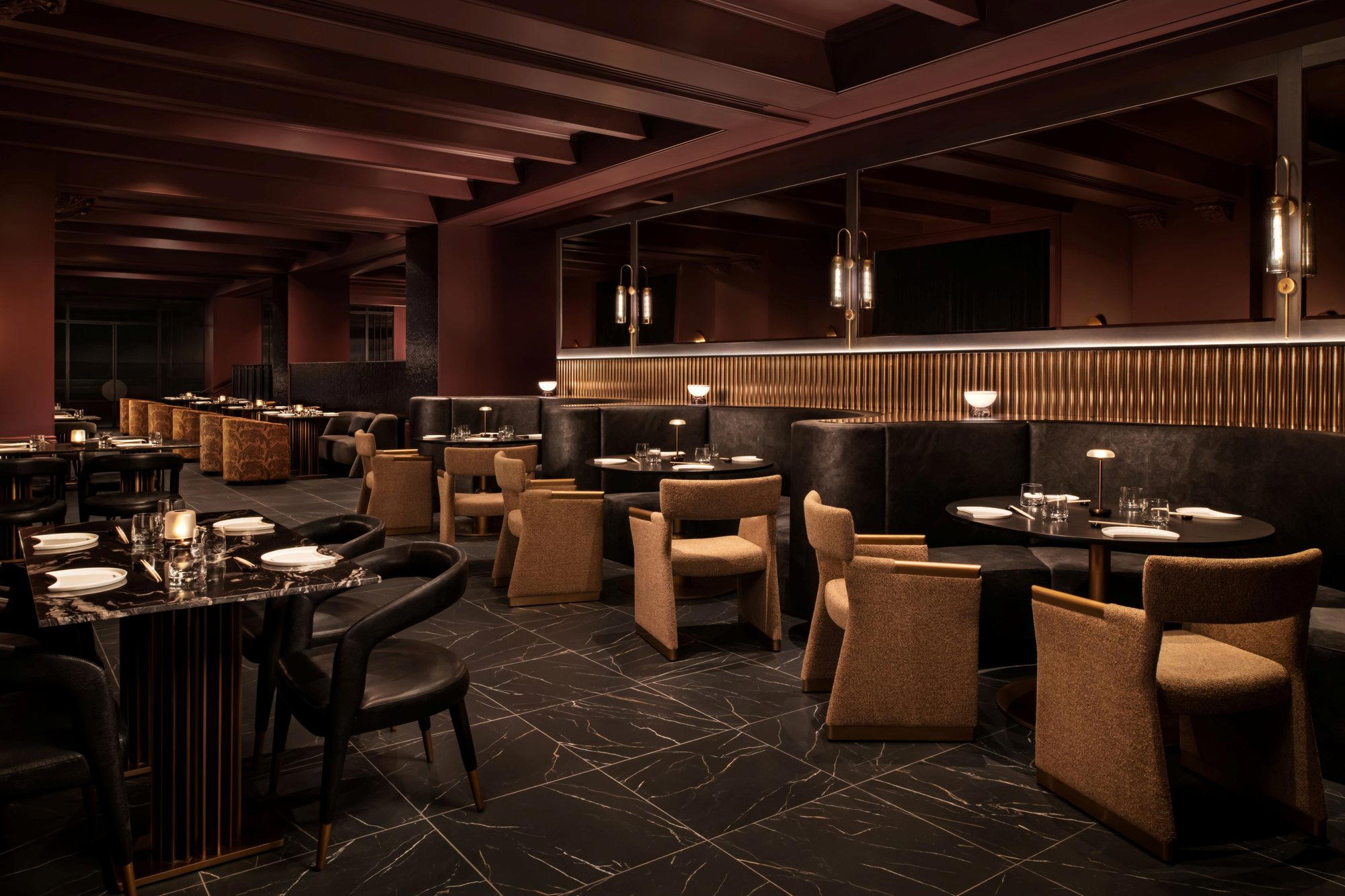
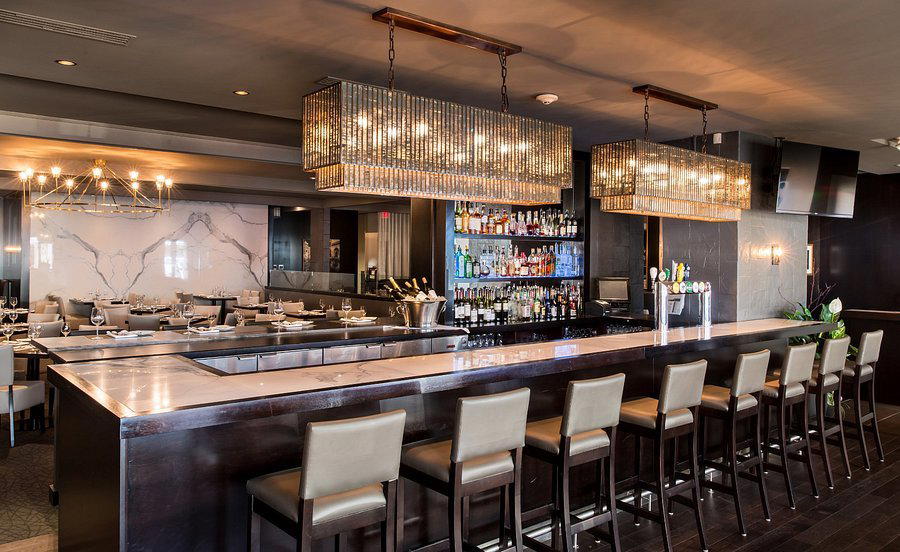
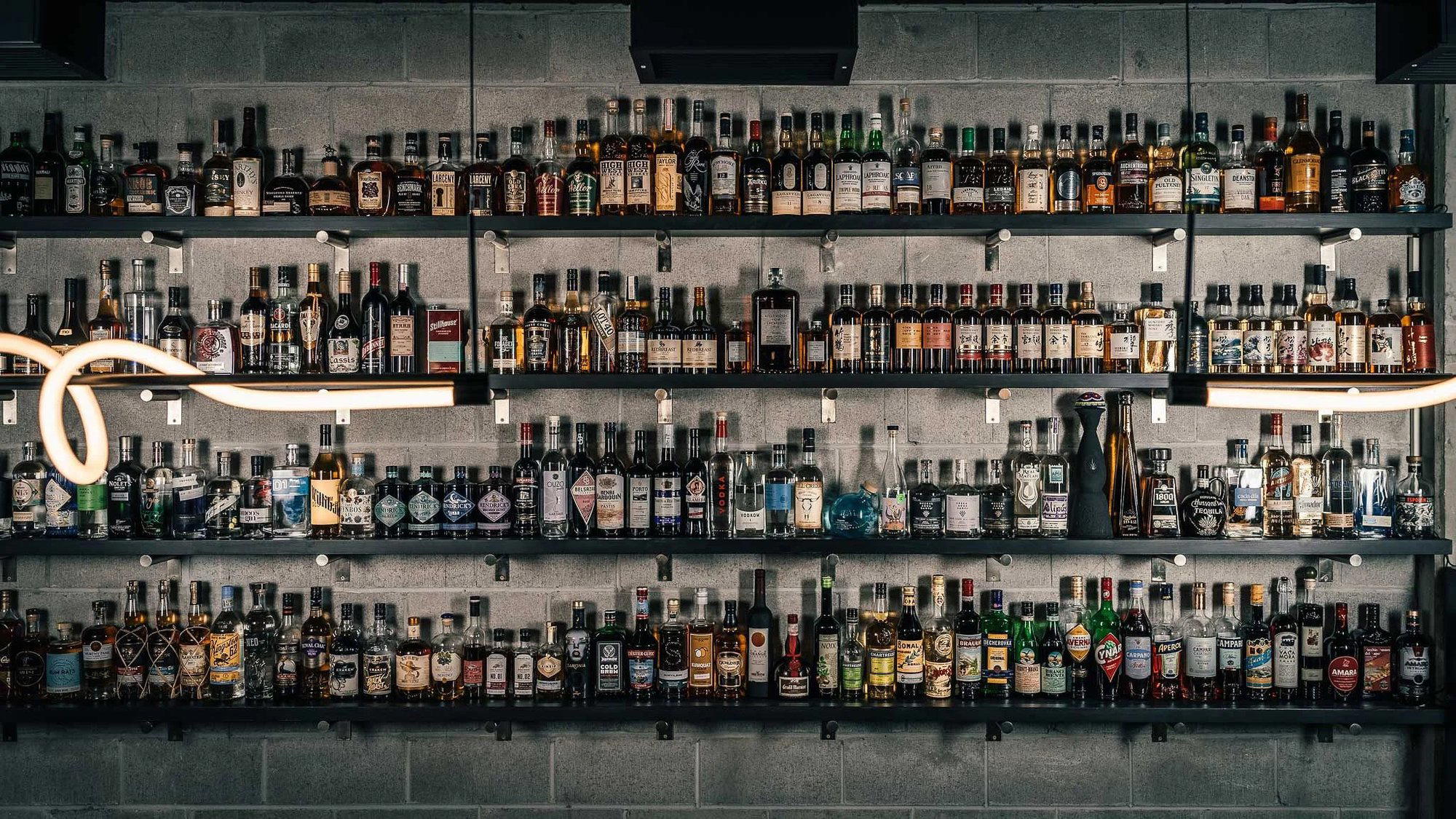
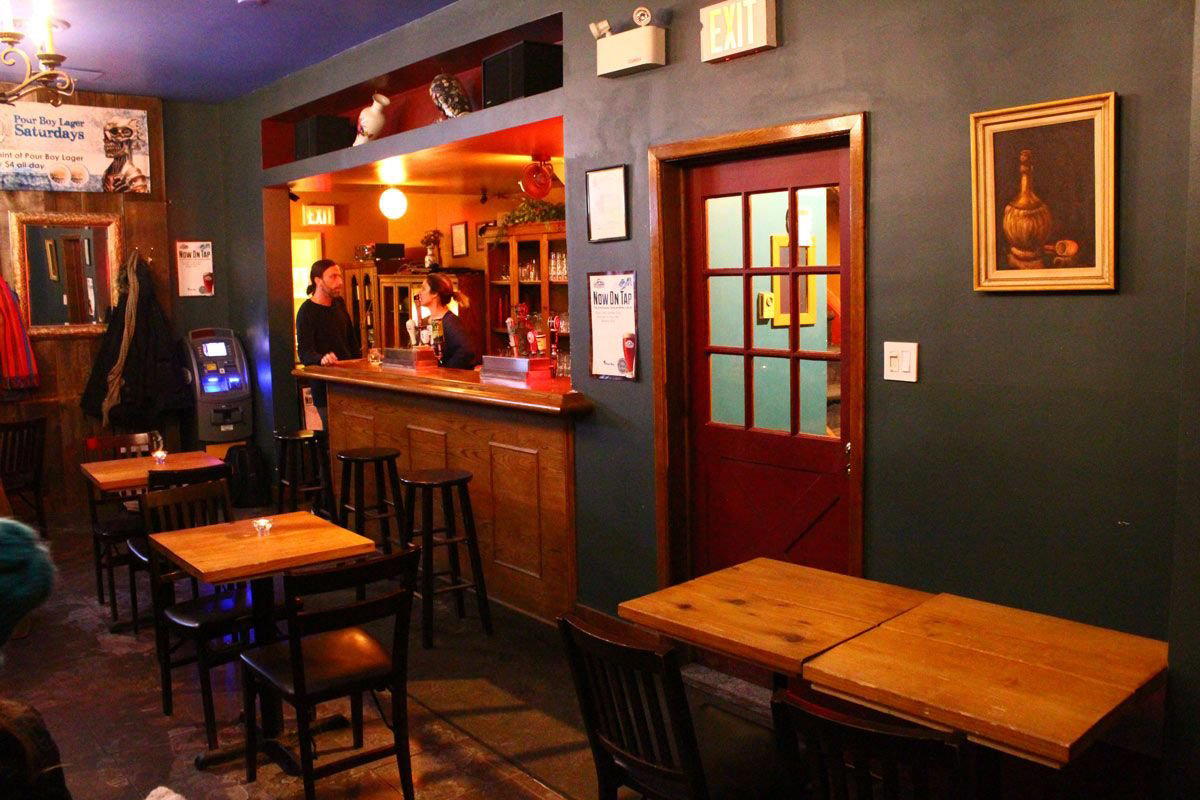
Dim lighting with an inviting, authentic Japanese atmosphere featuring private tatami booths and warm, welcoming service.
Know Before You Go
- Getting there
- 149 Kent St, Ottawa, ON K1P 5P3, Canada