The Black Ant
Located on Second Avenue in Manhattan's East Village, The Black Ant brings Mexican cuisine into a neighborhood defined by its dense, competitive dining culture. The address places it within walking distance of some of downtown's most debated restaurant tables, making it a useful reference point for how regional Mexican cooking sits within New York's broader dining geography.
Pearl is the En Primeur Club membership app — saves, bookings, and concierge access live there. Same editors, same standards.
- Address
- 60 2nd Ave, New York, NY 10003
- Phone
- +12125980300
- Website
- theblackantnyc.com
- Directions
- Get directions
 Saves & bookings on Pearl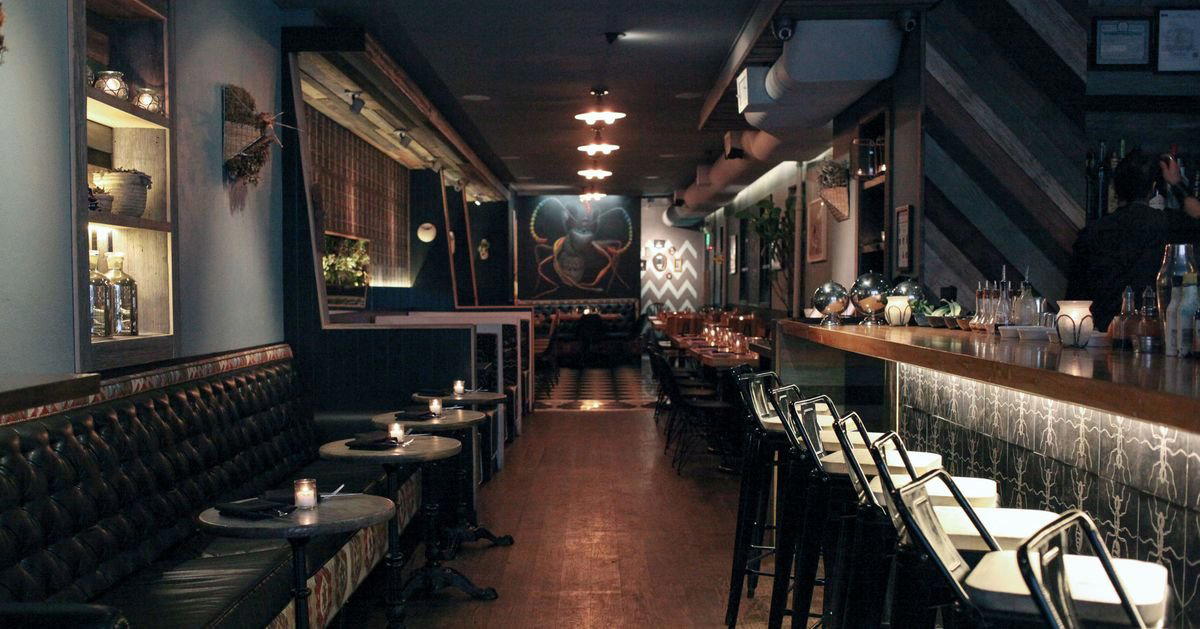
East Village, Second Avenue, and the Context That Shapes the Table
Second Avenue in the East Village has long operated as one of Manhattan's more contested dining corridors. The stretch between Houston and 14th Street concentrates an unusually dense mix of formats: ramen counters, neighborhood wine bars, long-standing Ukrainian diners, and a rotating set of concept-driven restaurants that open, recalibrate, and occasionally close with the rhythm that defines downtown Manhattan dining. The Black Ant, a casual modern Mexican restaurant in New York's East Village at 60 Second Avenue, sits inside this churn rather than above it, which is precisely what makes its address worth reading carefully.
The East Village occupies a different position than the high-formality zones uptown or in Midtown where restaurants like Le Bernardin, Per Se, and Masa command prix-fixe spend and a more formalized dining posture. Downtown neighborhoods have generally rewarded a looser format, where cuisine identity and atmosphere carry more weight than ceremony. Mexican cooking, in particular, has found a productive foothold in that environment: it spans enough price points, regional variations, and presentation styles that it can anchor a serious restaurant without requiring the scaffolding of a tasting-menu format to signal ambition.
Mexican Cuisine in New York: Where Ambition Lives Now
New York's relationship with Mexican food has shifted considerably over the past decade. The earlier pattern concentrated quality at the informal end, with taquerias and regional specialists drawing serious attention while sit-down Mexican restaurants occupied a murkier middle. That gap has narrowed. A cohort of restaurants taking Mexican technique and ingredient sourcing seriously has emerged across downtown and Brooklyn, placing more pressure on mid-tier and upper-casual Mexican concepts to differentiate through specificity: specific regions, specific preparations, specific sourcing decisions.
That competitive recalibration is the background against which any serious Mexican restaurant in New York now operates. The Korean fine-dining wave, represented in New York by Atomix and Jungsik New York, demonstrated that non-European cuisines could occupy the city's most demanding tier on their own terms. Mexican cooking is a logical candidate for a similar trajectory, given the depth of its regional traditions, the ingredient complexity of its indigenous pantry, and the fermentation and aging techniques that serious practitioners bring to it.
It is worth noting that Mexican restaurants operating at the serious end of the market nationally have generally moved away from the combination-plate model entirely, working instead with formats that foreground sourcing, preparation technique, and regional specificity in ways that reward attentive eating. That shift is visible across American cities with active Mexican restaurant scenes, from the tasting-room formats gaining ground in California to the chef-driven Mexican concepts attracting attention in Texas and Chicago. For context on how other American cities have developed their high-ambition restaurant cultures, Alinea in Chicago, Lazy Bear in San Francisco, and Emeril's in New Orleans each represent a distinct model for how regional identity can be formalized without sacrificing it.
What the Address Signals About Format and Audience
A restaurant at 60 Second Avenue is not making a statement about exclusivity in the way that a West 51st Street address does. The East Village rewards authenticity of concept and reliability of execution over prestige signaling. The dining room format, price tier, and reservation culture of a restaurant in this location tend to reflect a neighborhood audience that is experienced, comparative, and resistant to being oversold. That is, in some respects, a more demanding audience than the one that fills destination restaurants uptown, because there is less tolerance for a mismatch between premise and delivery.
Across American fine and serious-casual dining, comparably ambitious restaurants have found that coherence between cuisine identity, physical environment, and service register matters as much as any individual element. Blue Hill at Stone Barns in Tarrytown, Single Thread Farm in Healdsburg, and The French Laundry in Napa each built their authority partly through the alignment of location, format, and cuisine philosophy. Downtown Manhattan restaurants work within tighter physical constraints, but the principle holds: the address and the concept need to speak the same language.
Planning Your Visit
The Black Ant is located at 60 Second Avenue in the East Village, a neighborhood well-served by the L train at First Avenue and the 6 train at Astor Place. For a broader orientation to Manhattan's restaurant scene across price tiers and cuisine types, the EP Club New York City restaurants guide maps the full range from neighborhood-level dining to the high-formality tier. Internationally, serious Mexican cooking as a fine-dining proposition has parallels in markets like Hong Kong, where 8 1/2 Otto e Mezzo Bombana demonstrates how cuisine identity and technique can carry a restaurant to stronger examples from a demanding market, and in European settings like Alain Ducasse's Louis XV in Monte Carlo, where regional grounding underpins a global reputation. Other US reference points include Providence in Los Angeles, Addison in San Diego, The Inn at Little Washington, and Bacchanalia in Atlanta, each of which illustrates how regional specificity and format discipline build durable restaurant reputations.
Reservations are recommended. Dress is casual. Location: 60 2nd Ave, New York, NY 10003.
- Smoky Jalapeño Margarita
- Fish Tacos
- Octopus
- Crispy Roast Duck Dumplings with Mole Negro
- Ant and Pomegranate Guacamole
- Cod Cheek Tacos
- Free-range Goat Barbacoa
A Credentials Check
Comparable venues nearby, for context on price, style, and recognition.
| Venue | Cuisine | Price | Notes |
|---|---|---|---|
| The Black AntThis venue — the venue you are viewing | Modern Mexican with Edible Insects | $$$ | Not listed |
| Xolo | Contemporary Mexican | $$$ | Williamsburg |
| Sinigual | Contemporary Mexican | $$$ | Murray Hill-Kips Bay |
| Toloache | Contemporary Mexican Bistro | $$$ | Hell's Kitchen |
| Cocina Consuelo | Modern Mexican | $$$ | Hamilton Heights-Sugar Hill |
| El Camion Cantina | Casual Mexican Cantina | $$ | East Village |
Continue exploring
More in New York City
Restaurants in New York City
Browse all →
Bars in New York City
Browse all →
Hotels in New York City
Browse all →






At a Glance
- Trendy
- Modern
- Lively
- Energetic
- Casual Hangout
- Group Dining
- Date Night
- After Work
- Late Night
- Open Kitchen
- Standalone
- Craft Cocktails
- Extensive Wine List
- Local Sourcing
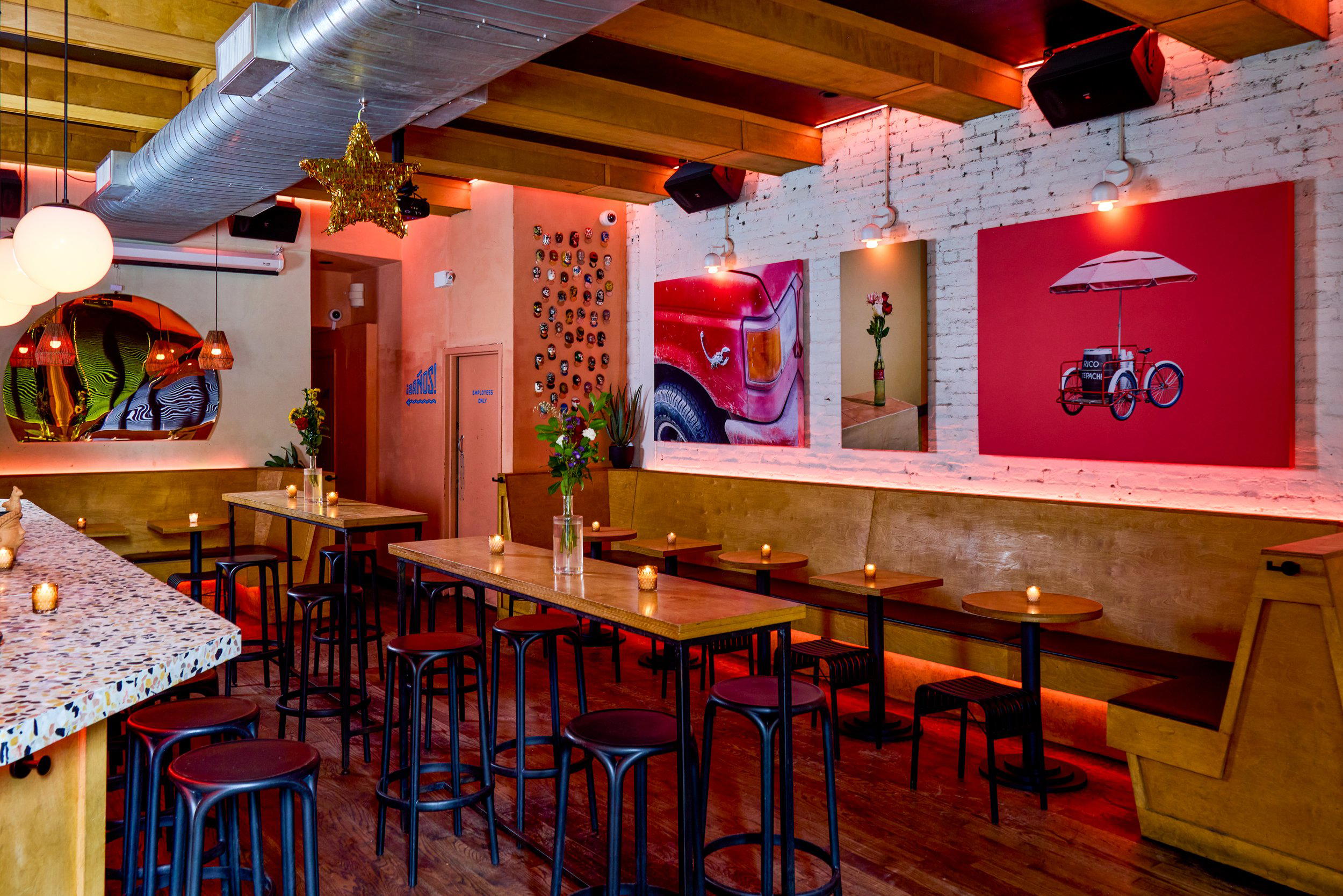
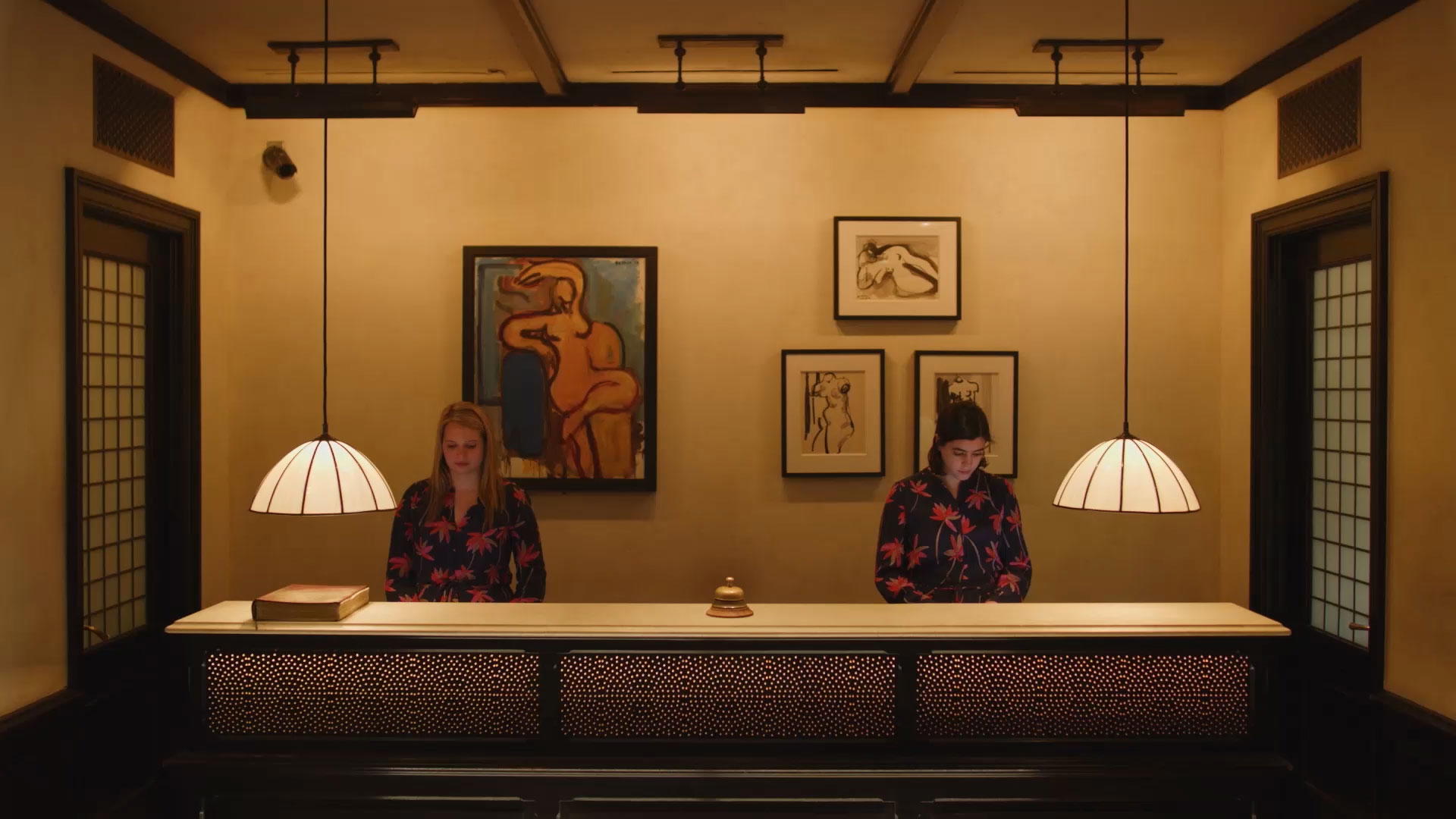
Dark, funky, clubby interior with ant-themed decor and sexy house music; intimate yet energetic atmosphere in a classic East Village walkup.