Skip to Main Content
American Diner
← Collection
Minneapolis, United States

The Bad Waitress

Dress CodeCasual
ServiceCounter Service
NoiseLively
CapacitySmall

A Whittier neighborhood fixture at 2 E 26th St, The Bad Waitress occupies a particular niche in Minneapolis dining: the kind of all-day spot where a birthday brunch, a post-funeral gathering, or a low-key anniversary feels equally at home. Its name signals self-aware humor rather than apology, and that tone carries through the experience, unpretentious, direct, and reliably consistent for the occasions that matter most.

Pearl is the En Primeur Club membership app — saves, bookings, and concierge access live there. Same editors, same standards.

Plan your visit on PearlPlan Your Visit
Address
2 E 26th St, Minneapolis, MN 55404
Phone
+1 612 872 7575
The Bad Waitress restaurant in Minneapolis, United States
About

Where Minneapolis Eats When the Occasion Calls for Comfort

There is a category of dining that formal restaurant guides tend to undervalue: the place where real life happens. Not the tasting-menu milestone or the anniversary reservation at Spoon & Stable, but the morning-after brunch with out-of-town family, the birthday lunch that needs to work for six people with six different preferences, or the Saturday where the only requirement is that everyone leaves satisfied. The Bad Waitress is a casual American Diner at 2 E 26th St in Minneapolis's Whittier neighborhood. It is the kind of diner-adjacent spot that a city needs more of and produces less reliably than it should.

The name is the first signal. Self-deprecating and deliberately unheroic, it sets expectations accurately: this is not a place positioning itself as aspirational. What it offers instead is something arguably harder to find in a dining scene increasingly oriented toward chef-driven concepts and tasting formats, consistent, accessible food served in a room where the mood is determined by the people at your table, not the room's own ambitions.

The Whittier Address and What It Tells You

Whittier sits south of Downtown Minneapolis, a dense residential neighborhood with a dining character shaped more by its residents than by hospitality investment. It is not the neighborhood that draws out-of-towners the way the North Loop or Eat Street does. That means the clientele at places like The Bad Waitress skews local and repeat, which in turn shapes the experience: staff recognize faces, tables turn at a pace set by the guests, and the pressure to perform for first-timers is absent. For occasion dining of the informal kind, the kind where what matters is the company, this neighborhood dynamic is an asset.

For visitors wanting a broader read on the city's dining range, Minneapolis dining ranges from neighborhood spots like this one up through more ambitious destinations, including Hai Hai, the Indigenous-focused Owamni, and the late-night stalwart 112 Eatery.

Occasion Dining Without the Occasion Format

The American dining market has developed two dominant models for milestone meals. The first is the high-investment tasting format: fixed menus, extended seatings, price points that signal the gravity of the event. Restaurants like Le Bernardin in New York City, The French Laundry in Napa, Lazy Bear in San Francisco, or Smyth in Chicago operate in this register. The second, less discussed but more frequently used, is the reliable neighborhood anchor: the place with a broad menu, reasonable flexibility, and zero friction. The Bad Waitress functions in the second category, and that category is genuinely harder to execute than it looks.

Flexibility matters for group occasions in ways that are easy to underestimate. A table celebrating a birthday often includes someone who does not eat meat, someone else avoiding gluten, and a third person who just wants pancakes. A restaurant that handles that spread without theater or complaint is performing a logistical service that tightly edited menus cannot. All-day diners with wide-ranging menus carry that load, and they do it without the reservation pressure or investment anxiety that attaches to formal occasion dining.

For comparison, consider the planning overhead that attaches to a dinner at Blue Hill at Stone Barns, Providence in Los Angeles, or Addison in San Diego. Those experiences are deliberately high-commitment by design. The Bad Waitress operates at the opposite end of that spectrum, where the commitment is low and the room accommodates what the occasion actually requires rather than what a format prescribes.

What the Name Signals About the Room

Restaurant naming has become its own form of positioning. The ironic, self-aware name, The Bad Waitress, does specific work. It disarms the transactional anxiety that attaches to service-dependent dining and signals that the room will not take itself too seriously. In a Minneapolis scene that includes the studied refinement of 4801 S Minnehaha Dr and the formal ambition of destination restaurants like Single Thread Farm in Healdsburg or Atomix in New York City, there is real value in a room that opts out of that register entirely.

That tonal positioning also aligns with the occasion dining use case. Milestone meals do not always call for reverence. A fortieth birthday brunch, a graduation lunch, a going-away gathering, these events need a room that accommodates noise, lingering, and the occasional table reshuffle. Formal dining rooms are structurally resistant to that kind of flexibility. All-day neighborhood spots are built for it.

Hai Hai for Southeast Asian-influenced cooking and Owamni for Indigenous-focused cuisine, both of which represent what the city's more forward-looking dining scene looks like. For those curious how Minneapolis compares to the broader Midwest and national tasting-menu tier, Smyth in Chicago and destinations like The Inn at Little Washington or Atelier Moessmer Norbert Niederkofler in Brunico illustrate what the high-investment end of the occasion-dining market looks like globally. Emeril's in New Orleans offers a useful parallel for how a restaurant can anchor neighborhood identity over time without chasing tasting-menu formats.

Frequently asked questions

Quick Comparison

Comparable venues nearby, for context on price, style, and recognition.

At a Glance
Vibe
  • Trendy
  • Energetic
  • Cozy
  • Whimsical
Best For
  • Brunch
  • Casual Hangout
  • Late Night
Experience
  • Open Kitchen
Drink Program
  • Beer Program
Sourcing
  • Organic
  • Local Sourcing
Dress CodeCasual
Noise LevelLively
CapacitySmall
Service StyleCounter Service
Meal PacingStandard

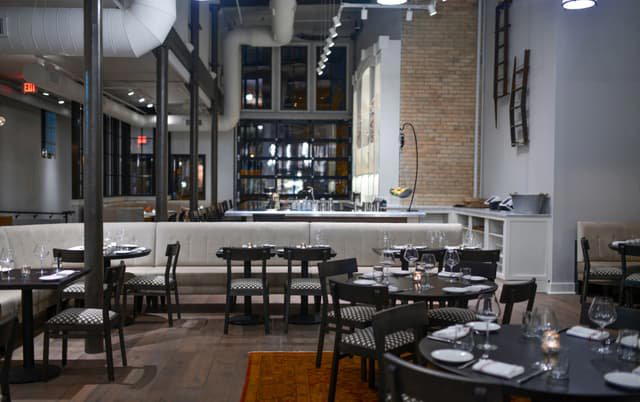
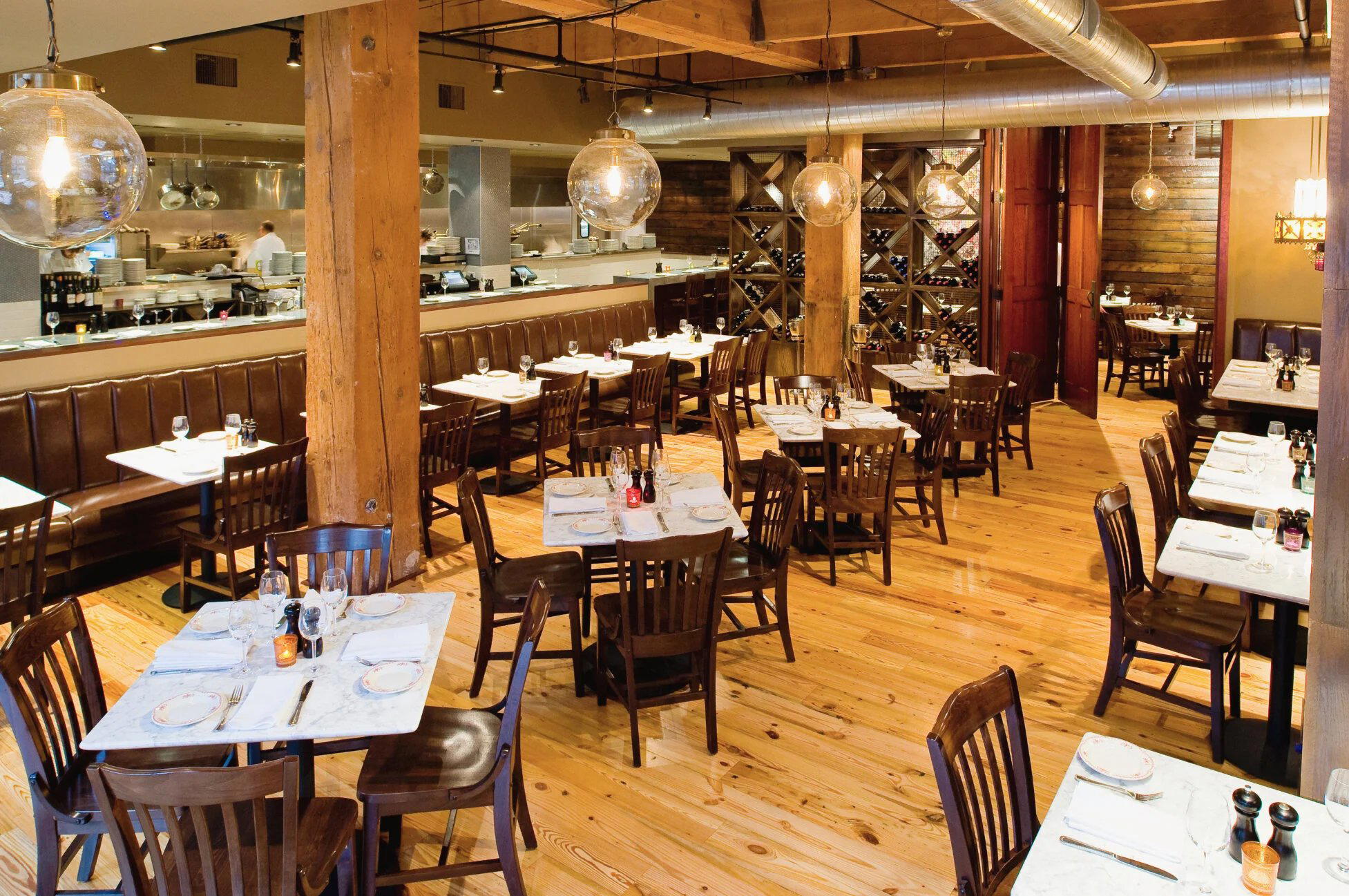
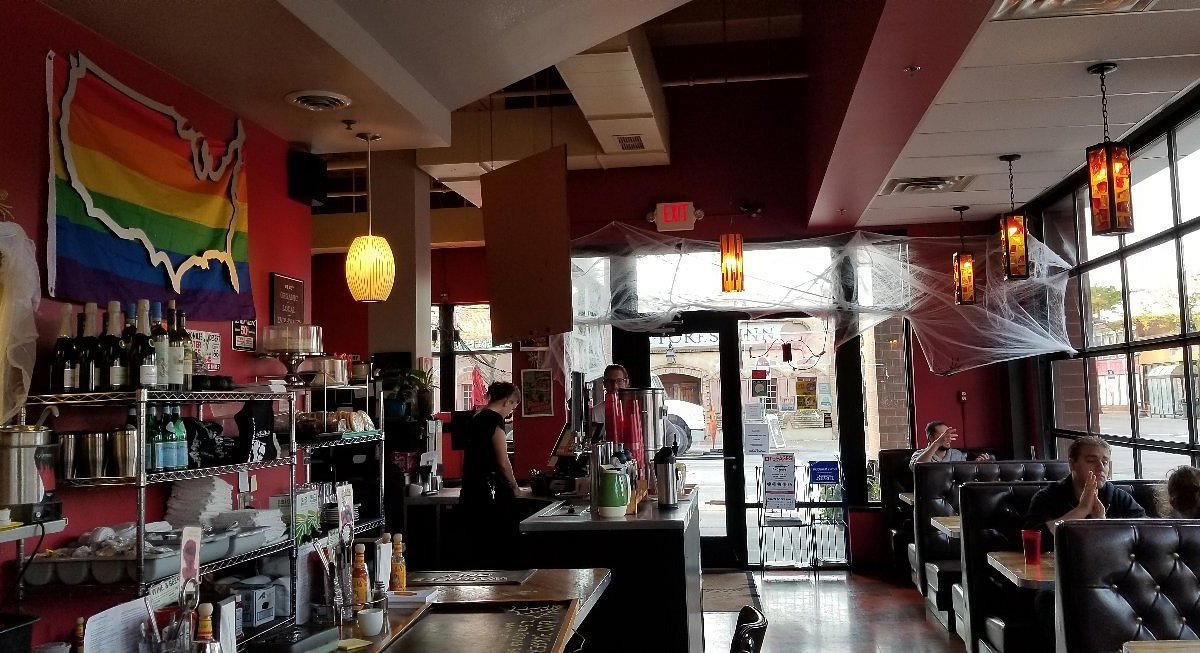
Bright, pulpy, and energetic with superhero tags on tables, vintage movie posters on walls, and a central jukebox for 80s tunes.