The Amalfi Llama - San Diego
Our verdict
The Amalfi Llama occupies a La Jolla Village Drive address that sits at an interesting crossroads in San Diego's evolving dining scene. With an identity still coming into focus for many readers, it rewards those willing to look past the name and consider what the broader University City dining corridor has to offer alongside established San Diego destinations.

Pearl is the En Primeur Club membership app, where members save venues, book tables and use the concierge.

The menu
What to order
- Positano Pizza
- Truffle Tagliatelle
- Prime New York Strip
Where La Jolla's Commercial Strip Meets an Evolving Dining Identity
University City's La Jolla Village Drive has long functioned as a utilitarian corridor, the kind of address that serves UCSD students, tech-park lunch crowds, and residents of the surrounding neighbourhoods rather than destination diners arriving from across the city. That context matters when assessing The Amalfi Llama, which holds an address at 4575 La Jolla Village Drive, Suite 1155. In San Diego's dining conversation, location signals intent, and this one situates the venue within a commercial-centre format that has historically favoured accessibility over ceremony.
San Diego's wider dining scene has spent the past decade in genuine transition. The city once occupied a comfortable mid-tier position in the national conversation, respected for its produce access and coastal ingredients, underestimated relative to Los Angeles, and largely absent from the kind of critical attention that venues like Addison (French, Contemporary) eventually forced onto the map. Addison's Michelin recognition changed the framing around what San Diego kitchens could achieve, and that shift has had downstream effects across the city's neighbourhoods, including areas like University City that were not previously considered part of the fine-dining conversation.
The Evolution of the Venue, and What It Signals
The editorial angle that matters most with The Amalfi Llama is not a static snapshot but a question of direction. Venues at this address type, commercial-centre units in suburban San Diego, have historically cycled through concepts at a higher rate than neighbourhood spots with genuine foot traffic and community identity. That churn reflects the difficulty of building loyalty in a location defined more by parking convenience than by a dining culture with its own momentum.
The name itself deserves a moment's consideration. Pairing an Italian coastal reference (Amalfi) with a South American animal (llama) is a naming choice that signals either a cross-cultural menu concept, a brand-forward approach to identity, or both. That kind of naming convention has become more common in American casual dining over the past five years, particularly in markets where operators are trying to distinguish themselves in dense commercial environments. Whether the concept has followed through on what the name implies, or pivoted since opening, is not something the available record clarifies with precision, but the pattern of evolution at this kind of venue is itself instructive.
For comparison, consider how San Diego's more firmly established dining addresses have managed identity over time. Soichi (Japanese) has built its reputation through consistency and a defined cuisine category. 1450 El Prado benefits from a Balboa Park address that carries its own cultural weight. The 94th Aero Squadron and its San Diego counterpart represent an older model of themed dining that has maintained audiences through nostalgia and spectacle rather than cuisine-first credibility. Each of these venues has a defined relationship with its location and its audience. The Amalfi Llama's current positioning in that broader map is still being written.
The Broader San Diego Context
Understanding any individual San Diego venue requires a working knowledge of the city's dining tiers. At the leading sits a small cohort of destination restaurants that draw visitors willing to plan their meals weeks in advance. Below that sits a much larger middle tier of neighbourhood-focused operators whose quality-to-price proposition drives most of the city's actual dining activity. University City has historically belonged to that middle tier, with a population that is educated, internationally diverse, and reasonably price-conscious given the UCSD proximity.
That demographic shapes what succeeds in the corridor. Venues that have found durable audiences in similar suburban San Diego locations tend to offer clear value signals: a recognizable cuisine category, consistent execution, and prices that reflect the neighbourhood rather than the destination-dining market. The venues that struggle are often those trying to occupy an ambiguous position, neither clearly casual nor clearly special-occasion, neither firmly in one cuisine tradition nor committed to a point of view.
The national conversation around what American dining can be has expanded considerably. Venues like Lazy Bear in San Francisco, Alinea in Chicago, The French Laundry in Napa, and Providence in Los Angeles have established what the ceiling looks like in the American West. Further afield, Le Bernardin in New York City, Blue Hill at Stone Barns in Tarrytown, The Inn at Little Washington, Atomix in New York City, and Bacchanalia in Atlanta represent how regional commitment to a clear culinary identity builds lasting reputations. Internationally, 8 1/2 Otto e Mezzo Bombana in Hong Kong and Emeril's in New Orleans show how a strong concept anchors itself across different markets. These examples matter not as direct comparators but as evidence of what clarity of identity does for a venue's longevity. The same principle applies at every price tier, including the mid-range commercial-centre segment where The Amalfi Llama operates.
For a fuller map of where San Diego's dining scene is heading, our full San Diego restaurants guide tracks both the destination tier and the neighbourhood operators worth following. Single Thread Farm in Healdsburg also offers a useful regional reference point for how Northern California's farm-driven model has influenced Southern California operators over the past decade.
Planning Your Visit
| Detail | The Amalfi Llama | Addison | Soichi |
|---|---|---|---|
| Location type | Commercial centre, University City | Resort, Del Mar | Neighbourhood, Ocean Beach |
| Price tier | Not confirmed | $$$$ | $$$$ |
| Cuisine category | Not confirmed | French, Contemporary | Japanese |
| Booking lead time | Weeks in advance | Weeks in advance | |
| Format | Not confirmed | Tasting menu | Omakase |
Frequently asked questions
What's The Amalfi Llama - San Diego's location?
The Amalfi Llama - San Diego is located at 4575 La Jolla Village Dr St 1155, San Diego, CA 92122, San Diego.
Does The Amalfi Llama fit a specific cuisine tradition, or is it more concept-driven?
Based on the venue name and its San Diego address, The Amalfi Llama sits in the concept-driven category rather than a single-origin tradition. Pairing an Italian coastal reference with a South American one is a move found in a growing number of American restaurants that treat both as tonal influences rather than strict culinary frameworks. San Diego's dining scene has seen this approach gain traction outside its coastal fine-dining core, particularly in University City and Mission Valley.
What's the best thing to order at The Amalfi Llama - San Diego?
The venue name pairs Italian coastal references with South American motifs, which in San Diego typically signals a menu built around crossover plates rather than a strict regional tradition.
What's the best way to book The Amalfi Llama - San Diego?
The venue is located at Suite 1155, 4575 La Jolla Village Dr, San Diego, CA 92122, which is a commercial retail corridor served by several third-party reservation and delivery platforms.
What makes The Amalfi Llama - San Diego worth seeking out?
The La Jolla Village Drive corridor has historically been a utilitarian dining address serving UCSD's campus and nearby tech parks, which means any venue here building a distinct culinary identity is working against type. The Amalfi Llama's name alone signals a deliberate concept, Italian and South American references don't overlap accidentally, placing it in a small category of San Diego restaurants attempting cross-regional menus outside the city's established dining districts. That positioning, if executed consistently, is what separates it from the surrounding corridor's standard options.
Awards and Standing
Comparable venues nearby, for context on price, style, and recognition.
| Venue | Cuisine | Price | Awards | Notes |
|---|---|---|---|---|
| The Amalfi Llama - San DiegoThis venue (the venue you are viewing) | Mediterranean-Patagonian Live-Fire Fusion | $50–100 | Not listed | Not listed |
| Fairouz Cafe & Gallery | Lebanese & Mediterranean | $10–20 | Not listed | Midway-Pacific Highway |
| VULTURE | Vegan American Continental Fine Dining | Not listed | Not listed | Uptown |
| CAVA | Mediterranean Fast-Casual | $10–20 | Not listed | Downtown |
| Mister A's | Contemporary American Fine Dining | $100–150 | Wine Spectator Best of Award of Excellence | Uptown |
| Cellar Hand | Hyper-Local Coastal California & Mediterranean | $50–100 | Wine Enthusiast Best Wine Restaurants | Uptown |
Continue exploring
More in San Diego
Restaurants in San Diego
All restaurants in San Diego →
Bars in San Diego
All bars in San Diego →

Details
- Modern
- Elegant
- Energetic
- Rustic
- Date Night
- Group Dining
- Special Occasion
- Open Kitchen
- Terrace
- Live Music
- Craft Cocktails
- A La Carte
- Wine
- Cocktails
Current opening hours
- Monday
- 11:30 AM–10 PM
- Tuesday
- 11:30 AM–10 PM
- Wednesday
- 11:30 AM–10 PM
- Thursday
- 11:30 AM–10 PM
- Friday
- 11:30 AM–11 PM
- Saturday
- 11:30 AM–11 PM
- Sunday
- 11:30 AM–10 PM
Hours can change for holidays and private events. Hours as of .
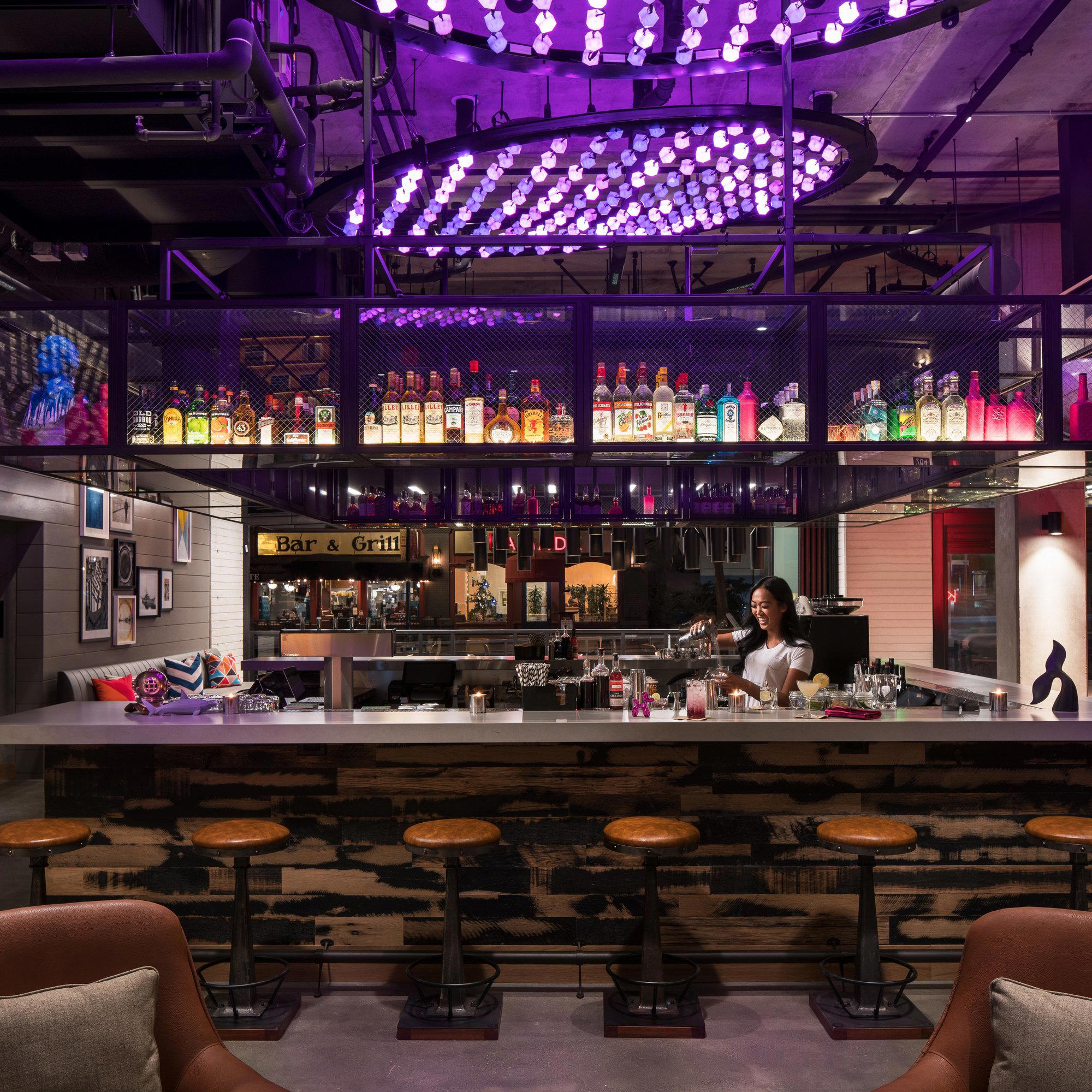
Warm, stylish and energetic modern farmhouse vibe with wood-fire warmth, vintage Italian touches, and live music.