Nine-Ten



Inside La Jolla's century-old Grande Colonial Hotel, Nine-Ten runs a farm-to-table Californian kitchen with a wine list of 3,000 bottles and a Michelin Plate to its name. A two-course dinner lands in the $40–$65 range, with the option to hand the menu decisions entirely to the chef. The 350-selection wine program, directed by Chris Russo, draws from California, France, and Italy.
Pearl is the En Primeur Club membership app — saves, bookings, and concierge access live there. Same editors, same standards.
- Address
- 910 Prospect St, La Jolla, CA 92037
- Phone
- (858) 964-5400
- Website
- nine-ten.com
- Directions
- Get directions
 Saves & bookings on Pearl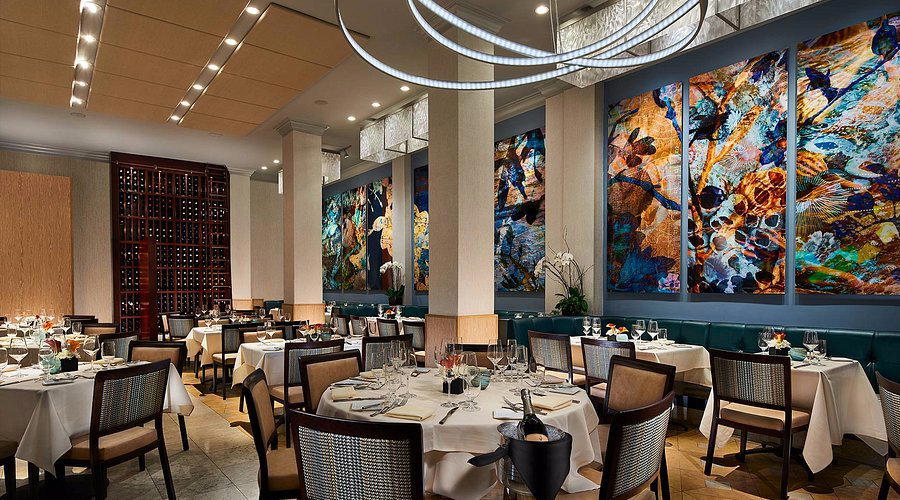
A Hotel Dining Room That Earns Its Own Audience
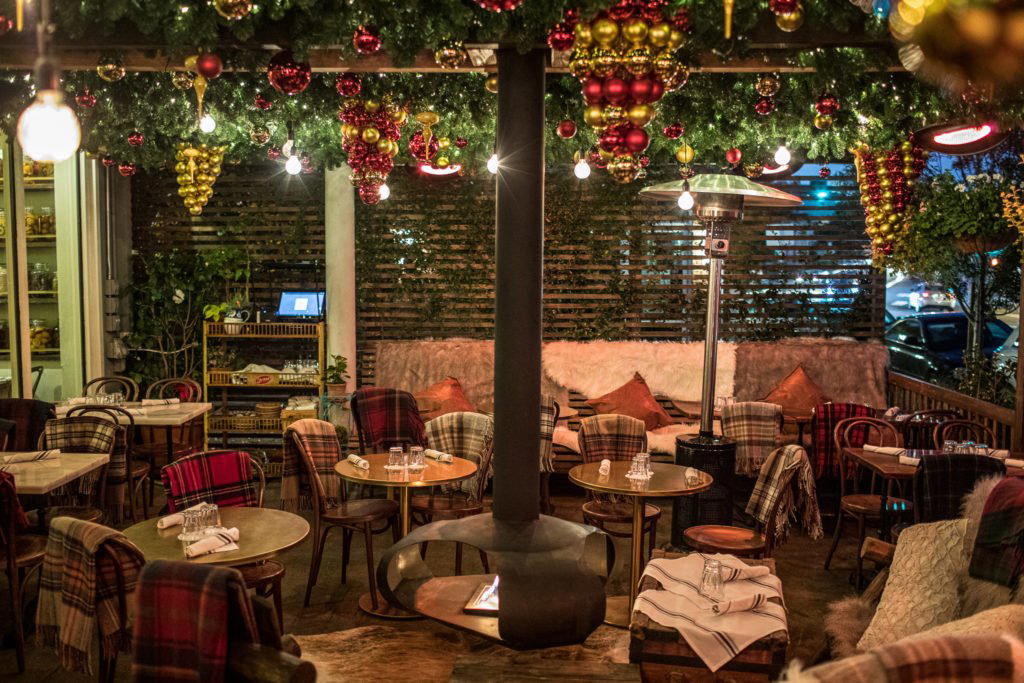
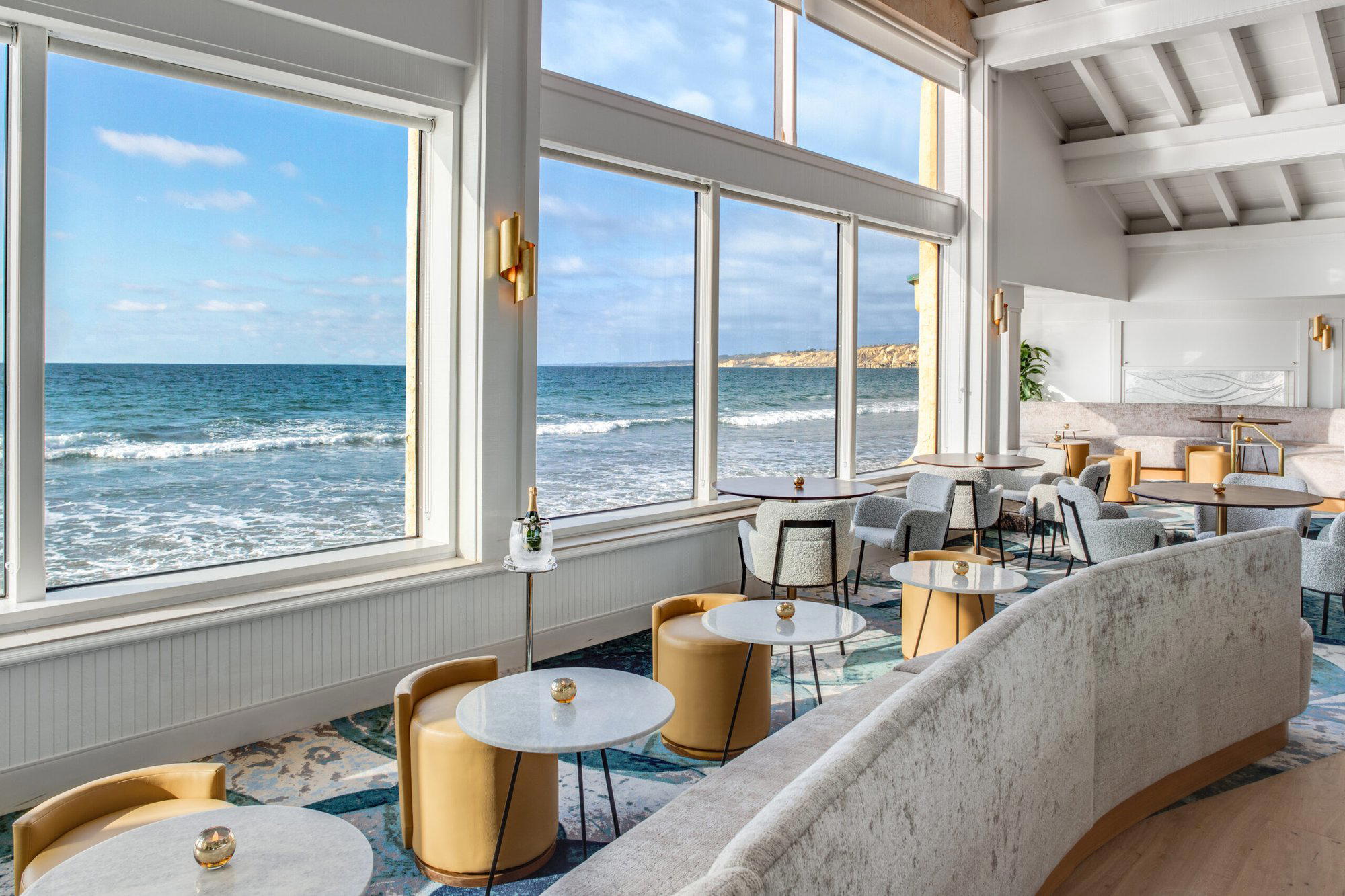
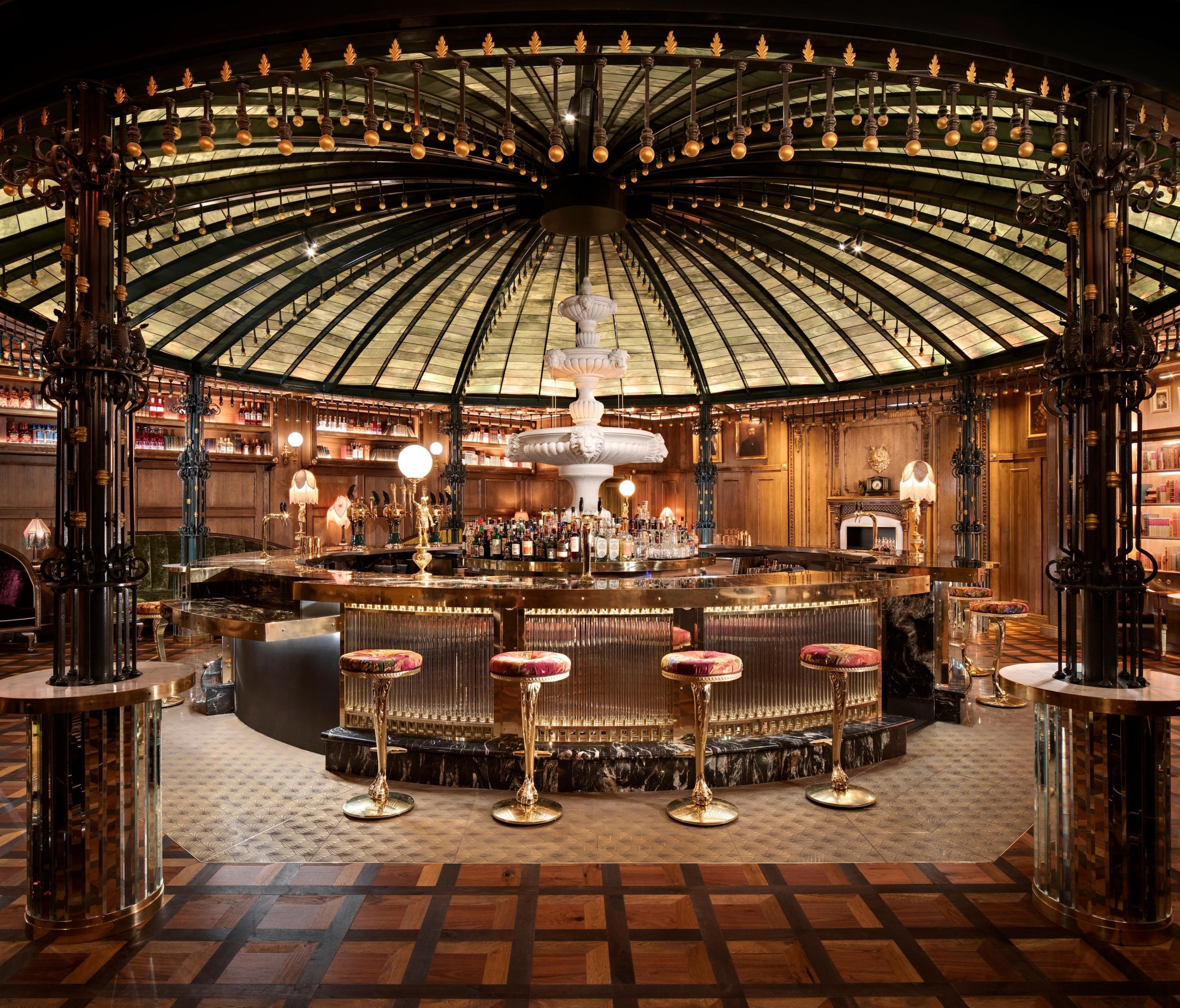
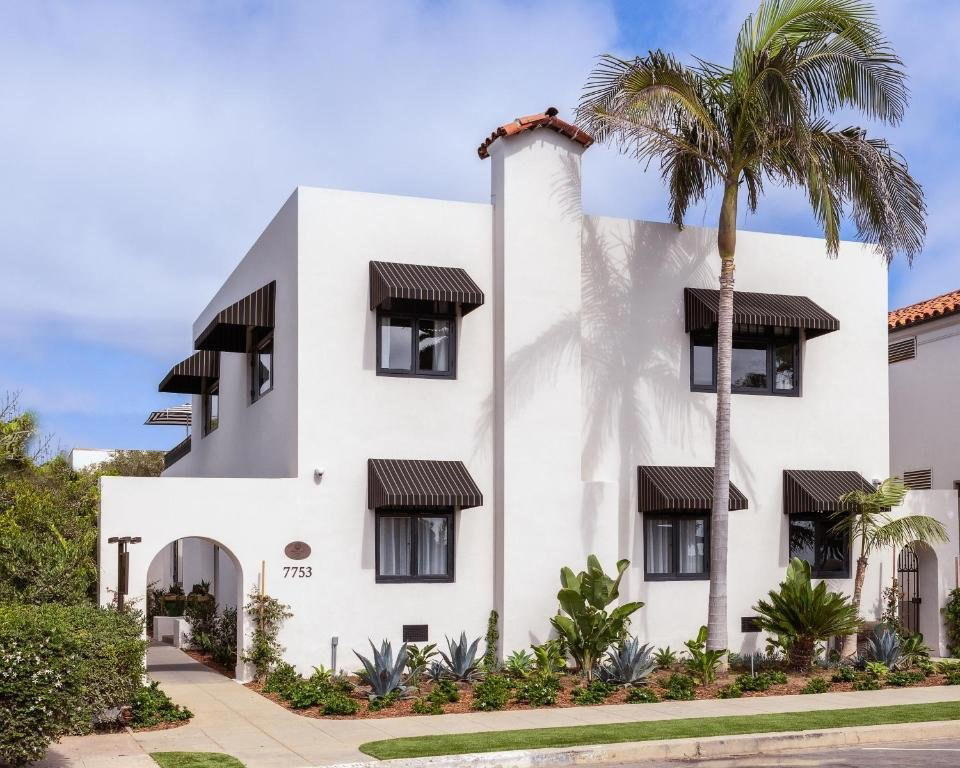
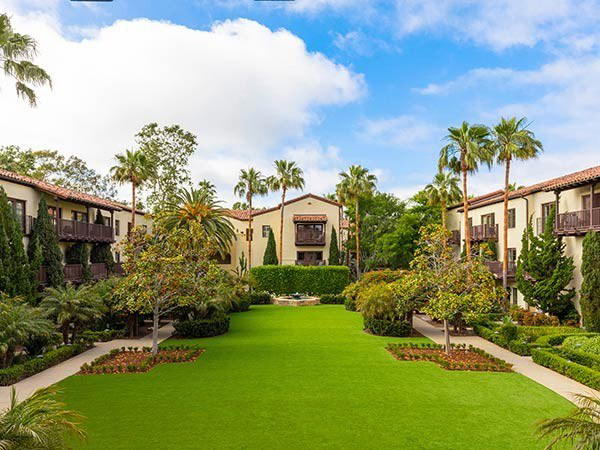
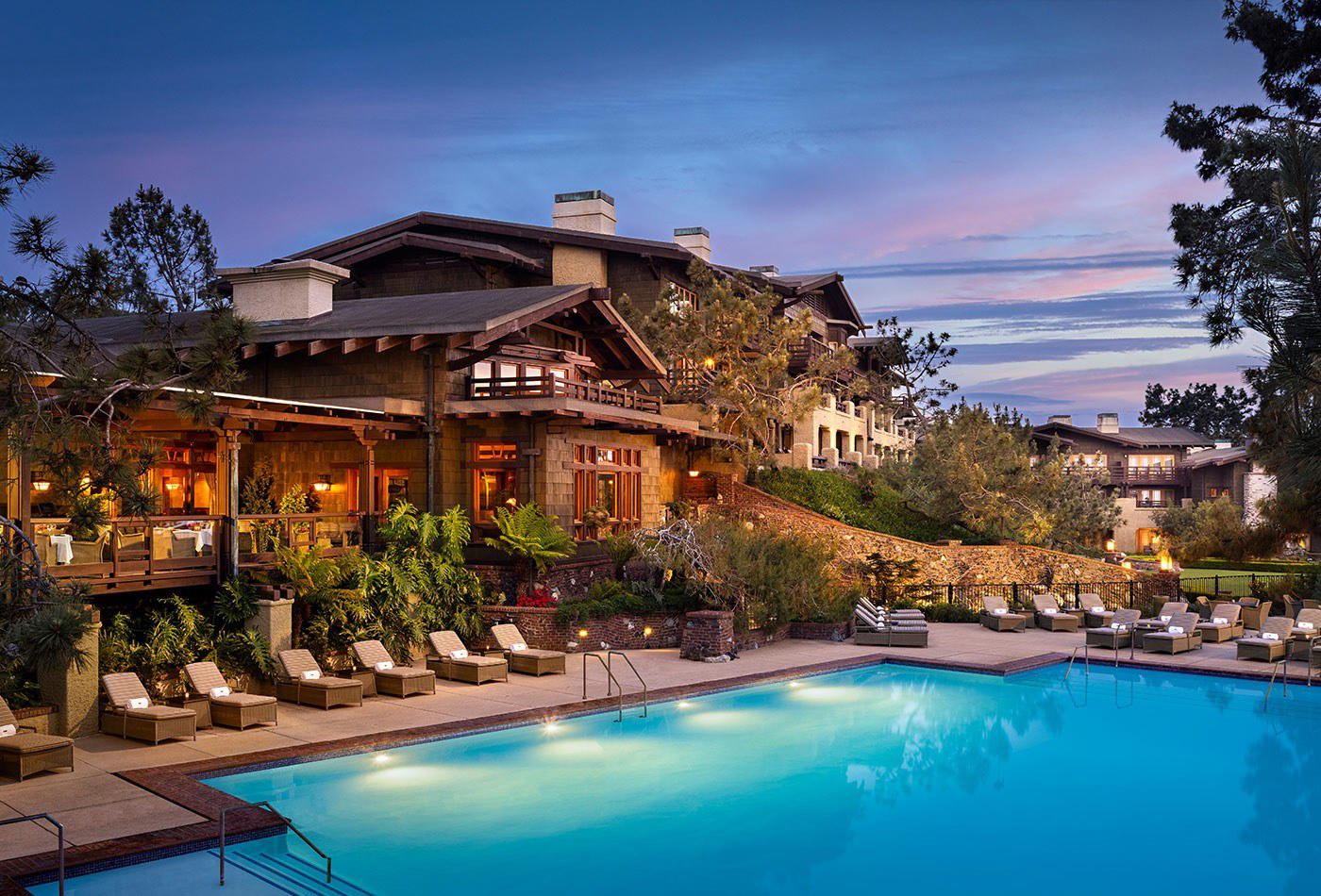
Hotel restaurants in resort towns tend to follow a predictable logic: safe menus, tourist-facing pricing, and a room that exists primarily to serve guests who don't want to walk far after check-in. Nine-Ten, inside La Jolla's Grande Colonial Hotel on Prospect Street, is a Modern California Fine Dining restaurant in La Jolla. The building dates back a century, and the dining room carries that age without leaning on it, the atmosphere is relaxed rather than grand, populated on most evenings by a local crowd as much as hotel guests. The vibe is coastal California.
That positioning matters when reading the value equation. At the $$$ price tier for the broader venue, Nine-Ten lands in the premium end of La Jolla dining, where comparable contemporary kitchens like Georges at the Cove or A.R. Valentien operate at similar or higher price points. The distinction at Nine-Ten is that the kitchen, helmed by Chef Jason Knibb, earns a 2025 Michelin Plate, a recognition that signals consistent cooking quality without the starred tier's price premium.
What the Kitchen Is Actually Doing
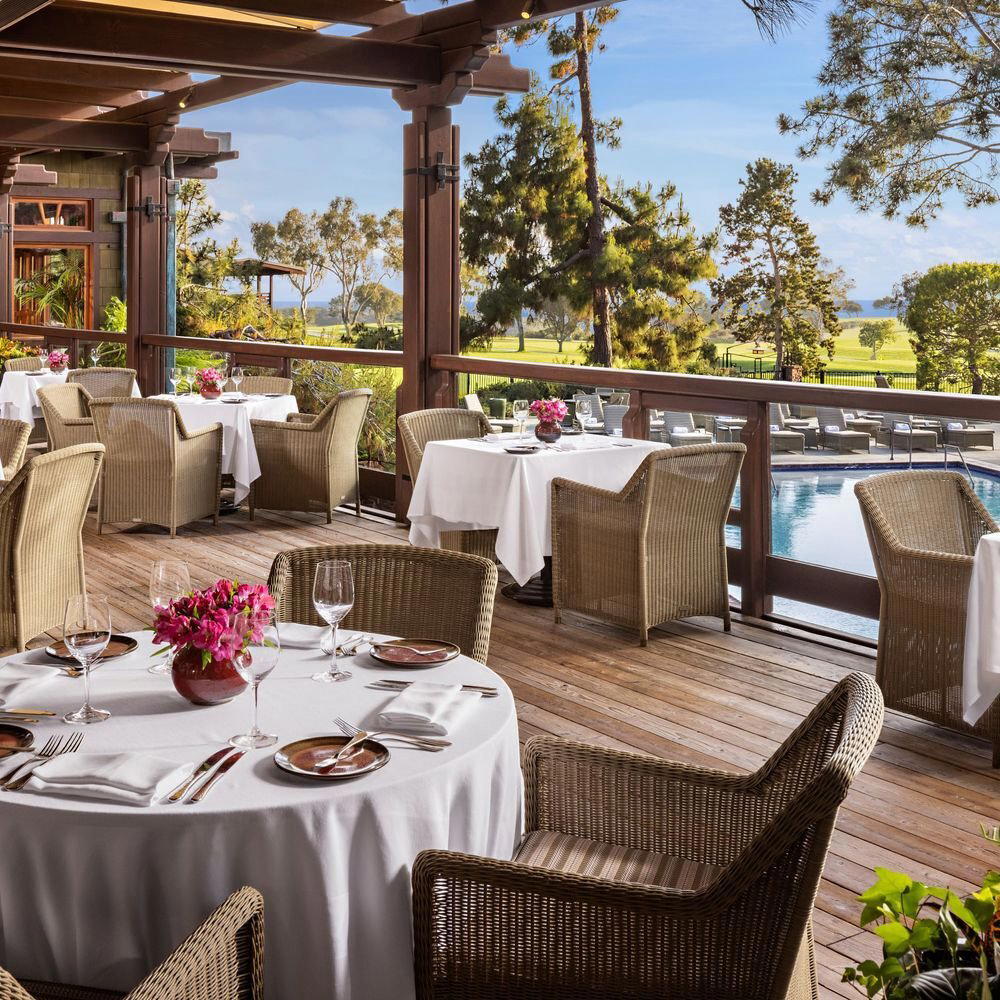
The menu reads as Californian and farm-to-table in orientation, which in La Jolla means produce-driven plates and the kind of cross-cultural inflection the Southern California coast has absorbed over decades. A dish like Jamaican jerk pork belly on the dinner menu signals something about how this kitchen approaches flavor: there's range here, not the timid localism that farm-to-table branding sometimes produces. The kitchen handles both casual register and technical ambition within the same service, lunch runs to sandwiches and salads, with the front sidewalk and pool-adjacent back patio providing settings appropriate to the hour.
Dinner shifts registers. For guests willing to cede control, the restaurant offers what the restaurant calls putting yourself at the "mercy of the chef", a tasting menu format that delivers the kitchen's current priorities rather than a fixed printed selection. This format sits at the more committed end of the value calculation: you're paying for the chef's judgment rather than a specific dish list, which works well when you trust the kitchen's range. Given the Michelin Plate recognition, that's a reasonable trust to extend.
The pastry program functions as a genuine department rather than an afterthought. Freshly baked pastries anchor the brunch service, and the dessert menu includes constructions like a "creamsicle" built from citrus cake, coconut ice cream, and orange sherbet. In the broader California contemporary category, strong pastry programs are still less common than strong savory programs, which makes the restaurant's approach worth noting. Pastry-forward kitchens in the state's fine-casual tier tend to draw regulars who return specifically for the sweet courses, which affects the booking rhythm.
The Wine Program as a Separate Asset
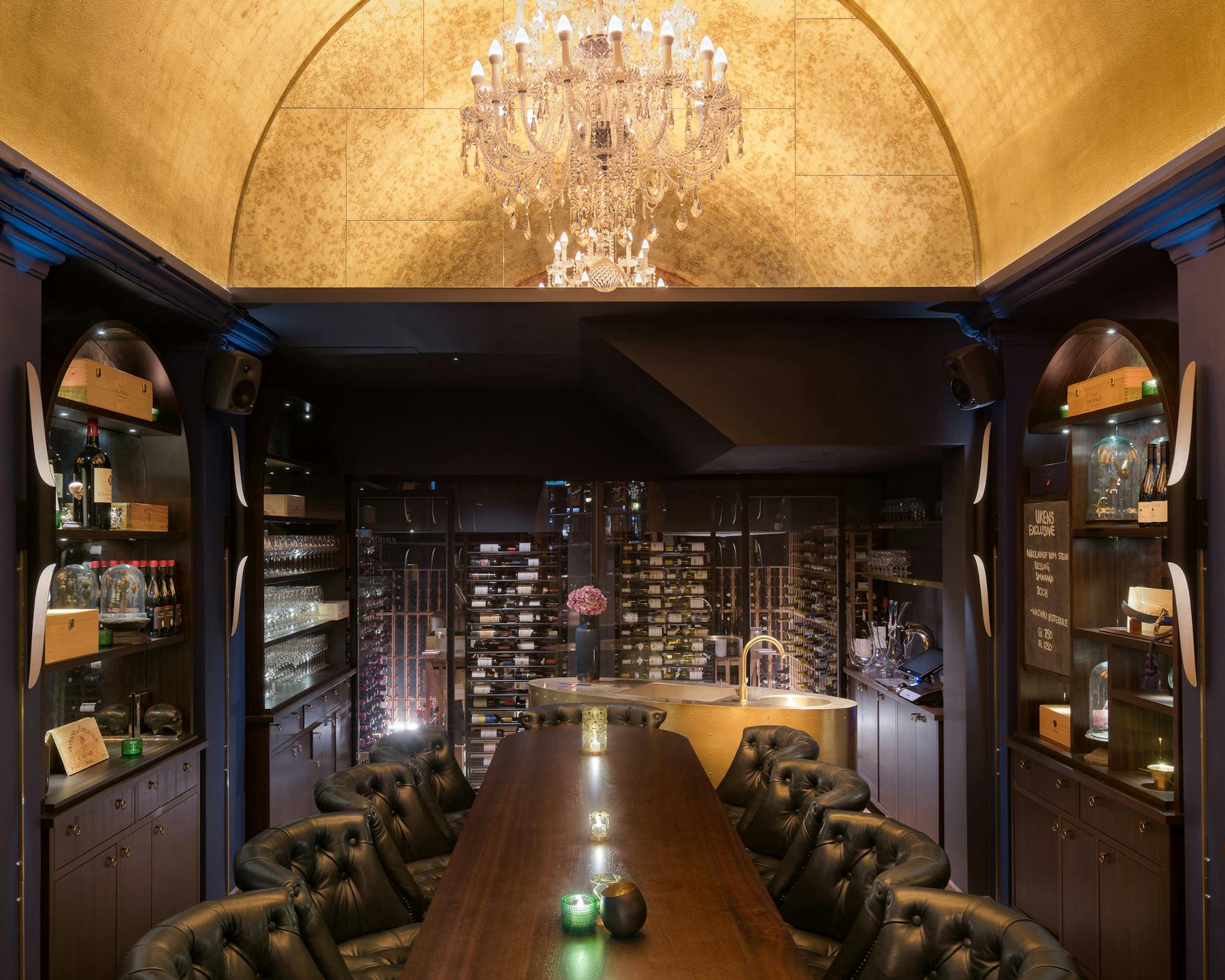
The restaurant's wine operation would be worth attention even if the food program didn't exist. With 3,000 bottles in inventory and 350 selections on the active list, the program has the depth that most standalone wine bars in California's mid-size cities don't reach. Wine Director Chris Russo focuses on California, France, and Italy, a classic California wine bar trifecta, but the execution here is backed by a Star Wine List White Star recognition published in July 2022, which signals credibility beyond self-promotion.
The wine pricing is indexed at $$ within the list, meaning there's genuine range between entry-level bottles and premium selections, rather than a list that clusters entirely at the high end. The corkage fee sits at $38, which is on the higher side for La Jolla but reflects the strength of what's already on the list. Bringing a bottle from outside works better when there's a gap in what the restaurant offers; given the 3,000-bottle inventory here, that gap is hard to find.
To place the restaurant's wine program in national context: California contemporary restaurants with comparable bottle counts tend to sit in a different price tier altogether. Consider that kitchens like The French Laundry in Napa or Single Thread Farm in Healdsburg operate wine programs of this depth, but at two or three times the food cost. At the restaurant's price point, the wine-to-food ratio is unusual. This is where the value argument becomes clearest.
How Nine-Ten Fits the La Jolla Contemporary Scene
La Jolla's restaurant scene has consolidated around a few distinct tiers. At the casual end, you have the beach-adjacent operators running shortened menus toward a tourist audience. At the formal end, hotel restaurants and standalone fine-dining rooms compete on tasting menus and name-chef credibility. The restaurant operates in the space between: it holds a Michelin Plate, serves a chef's tasting option, and runs a serious wine program, while keeping the room relaxed and the dinner pricing in a range that doesn't require a special occasion to justify. That positioning is harder to hold than it looks. Most kitchens drift toward one end or the other.
Against the La Jolla contemporary comparable set, the closest comparison points are Catania and Himitsu, both operating at the $$ food-price tier with more focused cuisine mandates. The restaurant's broader California contemporary range, combined with a deeper wine program, positions it differently, more of a full-evening proposition than either a cuisine-specialist or a wine-bar-first operation. In national terms, the model resembles what kitchens like Providence in Los Angeles or Lazy Bear in San Francisco do at higher price points: integrate serious wine programs with cooking that has genuine technical ambition, inside a room that doesn't feel ceremonial.
Planning a Visit
The restaurant sits at 910 Prospect Street in La Jolla, the building is the Grande Colonial Hotel, which is worth knowing because parking and approach logistics follow hotel conventions rather than standalone restaurant ones. The kitchen serves both lunch and dinner, which makes it one of the few Michelin-recognized options in the area available for a midday meal. Lunch runs casual; dinner runs the full range including the chef's tasting format. General Manager Kim Avant oversees operations, and Owner Roger Joseph has positioned the venue to serve both hotel guests and the local dining public.
Recognition Snapshot
Comparable venues nearby, for context on price, style, and recognition.
| Venue | Cuisine | Price | Awards | Notes |
|---|---|---|---|---|
| Nine-TenThis venue — the venue you are viewing | Modern California Fine Dining | $$$$ | Michelin Plate | Not listed |
| A.R. Valentien | California Regional Farm-to-Table Fine Dining | $$$$ | Michelin Plate | La Jolla |
| Harry's Coffee Shop | Classic American Diner | $$ | Not listed | La Jolla |
| The Marine Room | Modern Seafood Fine Dining | $$$$ | Not listed | La Jolla Shores |
| Le Coq | French Asian Steakhouse | $$$$ | Not listed | La Jolla |
| Cafe Milano | Northern Italian | $$$ | Not listed | La Jolla |
Recognition history
Dated appearances from independent guides and award organizations, with the underlying list record or original source where available.
Michelin Plate
Michelin · 2026 Michelin Plate
Star Wine List
Star Wine List
Wine Spectator Best of Award of Excellence
Wine Spectator
Michelin Plate
Michelin
Wine Spectator Best of Award of Excellence
Wine Spectator
Michelin Plate
Michelin
At a Glance
- Elegant
- Sophisticated
- Intimate
- Date Night
- Special Occasion
- Brunch
- Hotel Restaurant
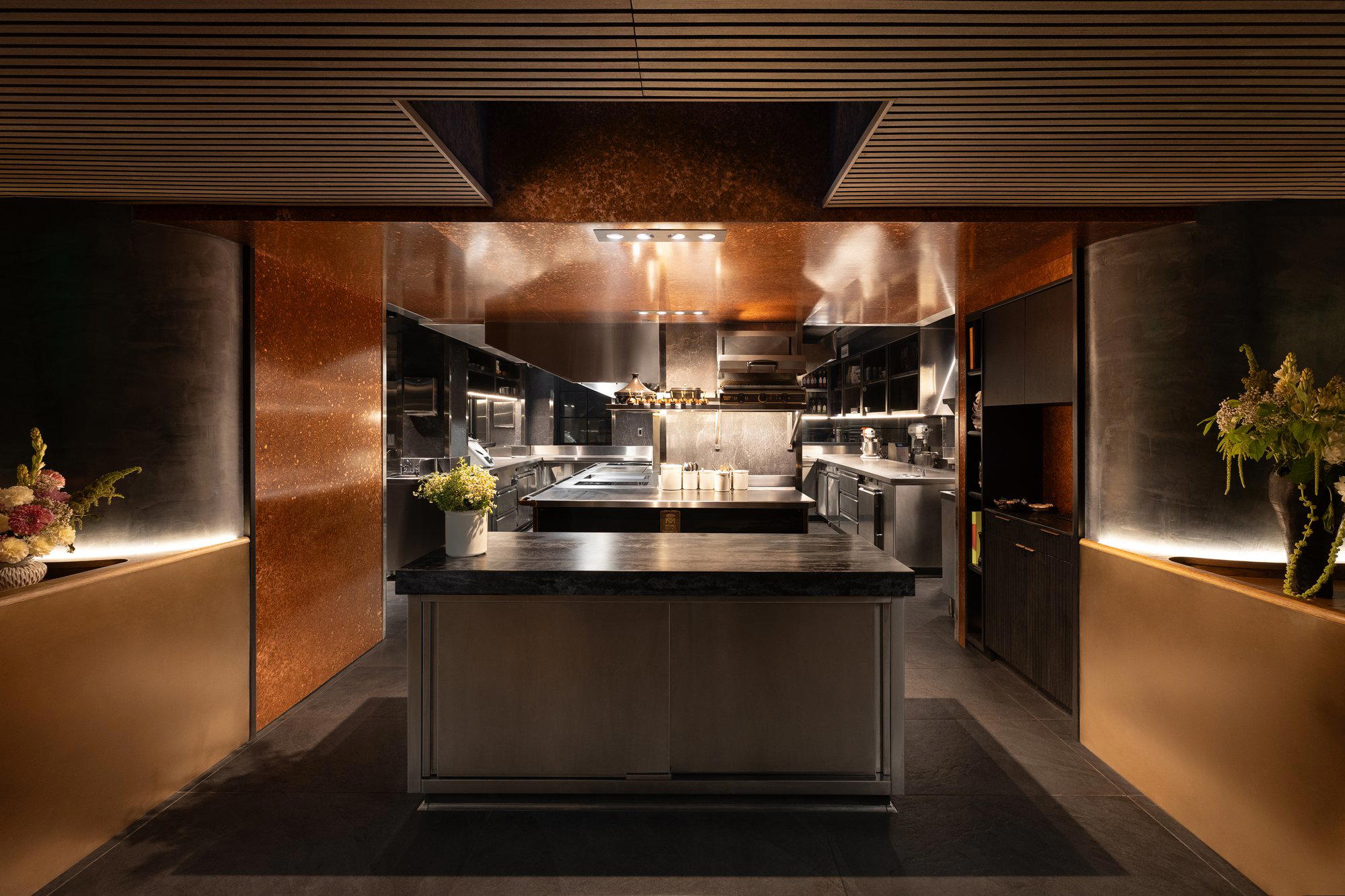
- Open Kitchen
- Extensive Wine List
- Local Sourcing
- Farm To Table
- Street Scene
Current opening hours
- Monday
- 7 AM–9 PM
- Tuesday
- 7 AM–9 PM
- Wednesday
- 7 AM–9 PM
- Thursday
- 7 AM–9 PM
- Friday
- 7 AM–9 PM
- Saturday
- 7 AM–9 PM
- Sunday
- 7 AM–9 PM
Hours can change for holidays and private events. Last verified .
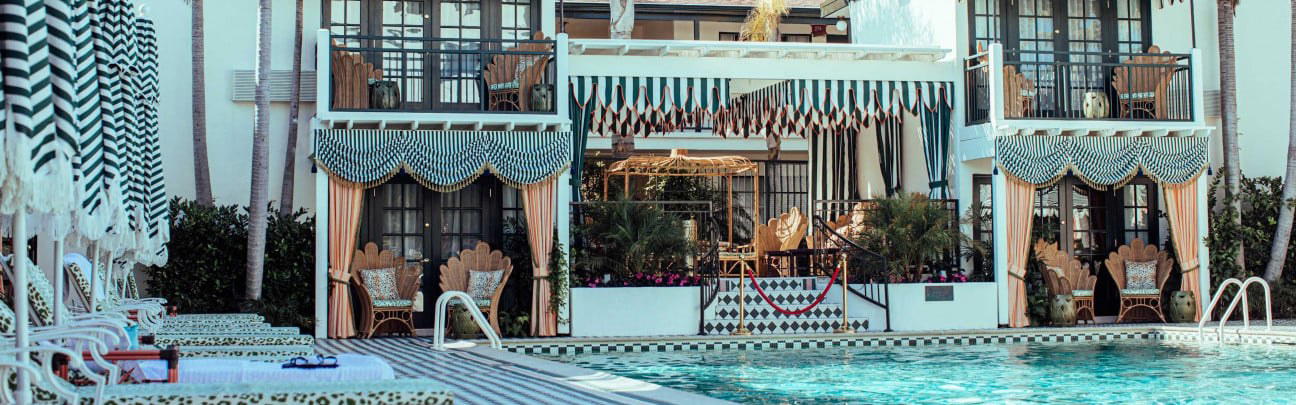
Dim, mood-setting lighting with light poppy music, relaxed yet elegant atmosphere overlooking the pool or street.