The Alchemist
The Alchemist on St Martin's Lane sits at the intersection of cocktail theatre and accessible dining in one of London's most visited cultural corridors. Positioned differently from the Covent Garden fine-dining tier, it draws a crowd that values atmosphere and inventive drinks over tasting-menu formality. For those plotting an evening in the West End, it functions as a credible anchor rather than an afterthought.
Pearl is the En Primeur Club membership app — saves, bookings, and concierge access live there. Same editors, same standards.
- Address
- 63-66 St Martin's Ln, London WC2N 4JS, United Kingdom
- Phone
- +442072402002
- Website
- thealchemistbars.com
- Directions
- Get directions
 Saves & bookings on Pearl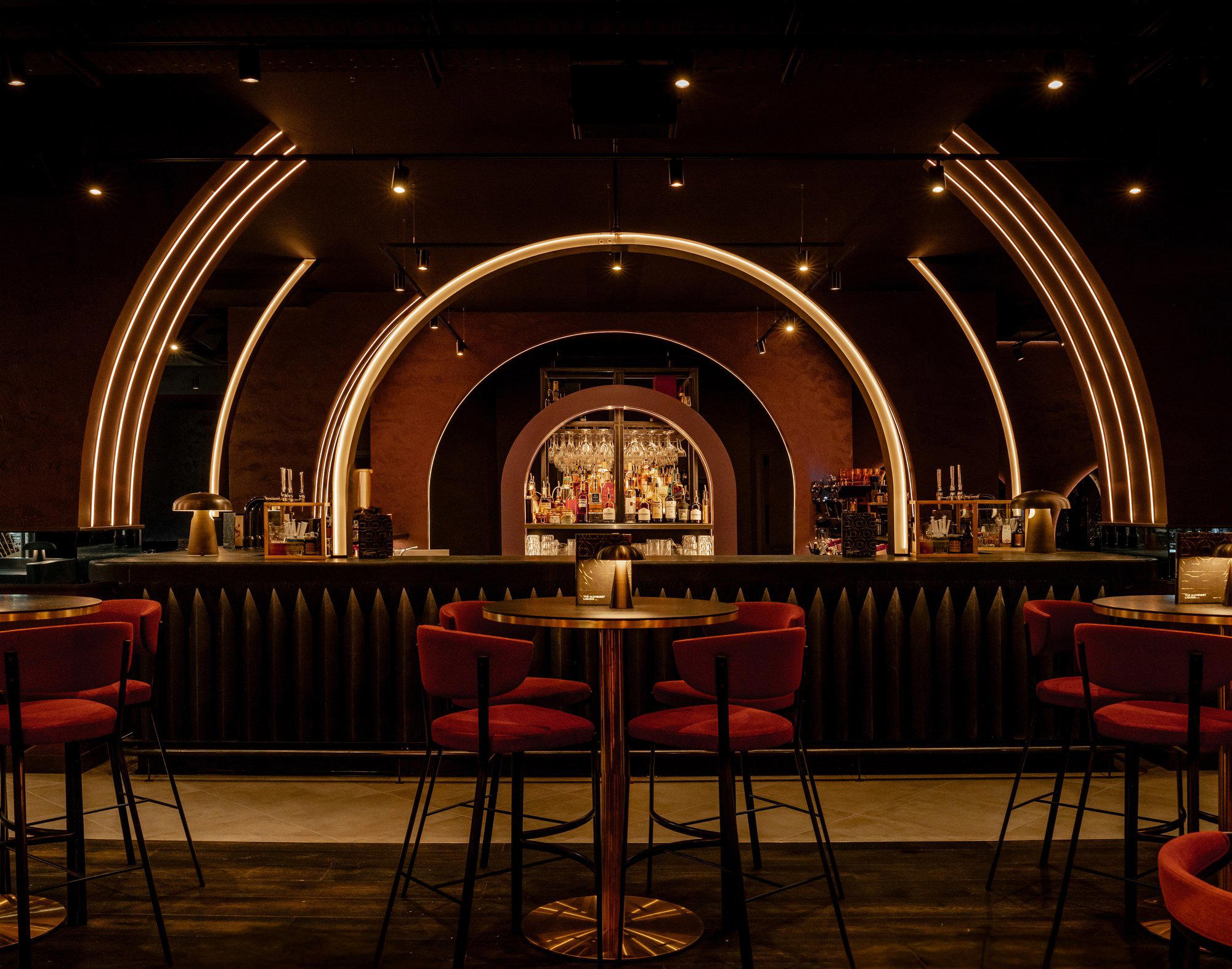
St Martin's Lane and the West End Drinks Scene
The stretch of St Martin's Lane running north from Trafalgar Square has always operated as a transitional zone between the formal theatre district and the looser energy of Covent Garden. Venues here compete for a specific type of visitor: someone with a theatre ticket or a gallery visit already in the diary, looking for a room that can absorb a long evening without demanding the attentiveness that a tasting menu requires. The Alchemist, a restaurant in London at 63-66 St Martin's Lane, is a smart-casual venue with reservations recommended and an average spend of about $60 per person. The Alchemist, at 63-66 St Martin's Lane, occupies that position deliberately. It is part of a UK-wide group that built its identity around cocktail showmanship and an all-day format, and this central London address places it squarely in competition with the neighbourhood's more casual bar-restaurant hybrids rather than with the fine-dining tier anchored by venues like CORE by Clare Smyth or Sketch, The Lecture Room and Library.
That distinction matters when calibrating expectations. London's West End now supports two clearly separated dining registers: the destination-led, Michelin-recognised tier that includes Restaurant Gordon Ramsay and The Ledbury, and a broader, more accessible layer of bars and brasseries where the drink programme carries as much weight as the kitchen. The Alchemist was built for the second category, and assessing it against the first would be a category error.
The Cocktail Programme as Editorial Statement
Across the UK bar scene over the past decade, cocktail menus have moved in two directions simultaneously: one track has gone deep into technical minimalism, with single-ingredient clarity and near-silent preparation; the other has leaned into spectacle, smoke, and theatrical presentation as the main draw. The restaurant has consistently sat in the second camp. The group made its name on drinks that arrive with visual hooks, dry ice mist, edible garnishes, colour-changing liquids, and the St Martin's Lane site carries that same programme into a high-footfall London context.
This is worth understanding as a scene dynamic rather than a venue quirk. In cities where bar tourism is a genuine category, and London qualifies, venues that can produce a shareable, visually arresting drink have a structural advantage in attracting first-time visitors and pre-theatre crowds. The restaurant's format was designed around exactly this audience, and the West End location is the logical extension of a strategy that has worked in Manchester, Edinburgh, and Leeds before reaching central London.
Team Dynamic: How the Floor Carries the Concept
In a venue where the drink is the spectacle, the collaboration between bartender, server, and the wider floor team becomes the actual product. The restaurant's format relies on front-of-house staff who can explain preparation methods without interrupting the pace of a pre-theatre table, and on bar teams whose technical delivery is consistent enough to support a high-volume service without losing the visual quality that differentiates the menu. This is a different skill set from the sommelier-led, course-by-course choreography you would find at Dinner by Heston Blumenthal, but it is not a lesser one, it is simply calibrated to a different pace and a different audience expectation.
Venues of this type succeed or fail on floor consistency rather than kitchen creativity. A cocktail that arrives with a smoke dome but no explanation of its construction lands differently than the same drink accompanied by a thirty-second description that gives the table something to talk about. The restaurant's training model, applied across multiple UK sites, is built around that communicative layer. In the London context, where competition for the pre-theatre slot is dense, that floor discipline is what separates a credible evening anchor from a venue that simply happens to be nearby.
Positioning Against the Broader UK Fine-Dining Map
For visitors structuring a trip around serious eating, the context is worth stating plainly. The UK's Michelin-recognised tier extends well beyond London, taking in Waterside Inn in Bray, Le Manoir aux Quat'Saisons in Oxford, L'Enclume in Cartmel, Moor Hall in Aughton, Gidleigh Park in Chagford, Hand and Flowers in Marlow, hide and fox in Saltwood, Midsummer House in Cambridge, Opheem in Birmingham, and Restaurant Andrew Fairlie in Auchterarder. Internationally, the bar-focused comparison points shift: the technical ambition of Le Bernardin in New York City or the precision of Atomix in New York City operate in a completely separate register. The restaurant does not compete with any of these venues, and its value proposition does not require it to.
What it offers is access to a specific West End experience: a room with energy, a drinks list designed to generate conversation, and a format flexible enough to accommodate a group with mixed priorities. That is a real category, and London's visitor population creates genuine demand for it.
Planning a Visit: What to Know
The St Martin's Lane address places the restaurant within walking distance of major West End theatres including the London Coliseum and the Noel Coward Theatre, which makes it a practical pre-show option for those who want a full drinks-and-food stop rather than a quick bar snack. The area is served by Charing Cross and Leicester Square stations, both within a few minutes on foot, which simplifies arrival from most parts of central London. Given the pre-theatre demand in this corridor, booking ahead for Friday and Saturday evenings is advisable, particularly for groups larger than four.
The Essentials
Comparable venues nearby, for context on price, style, and recognition.
| Venue | Cuisine | Price | Notes |
|---|---|---|---|
| The AlchemistThis venue — the venue you are viewing | Not listed | $$$ | Not listed |
| Kaia | Not listed | $$$ | Cheapside, Asian-Pacific Poke and Robata Grill |
| MBER | Monument, Pan-Asian Tapas | $$$ | Not listed |
| Ting | Not listed | $$$$ | Borough, Modern British with Asian Influences |
| The Providores | Marylebone, New Zealand Fusion | $$$ | Not listed |
| Jikoni | Marylebone, No Borders Fusion Kitchen | $$ | Not listed |
Continue exploring
More in London
Restaurants in London
Browse all →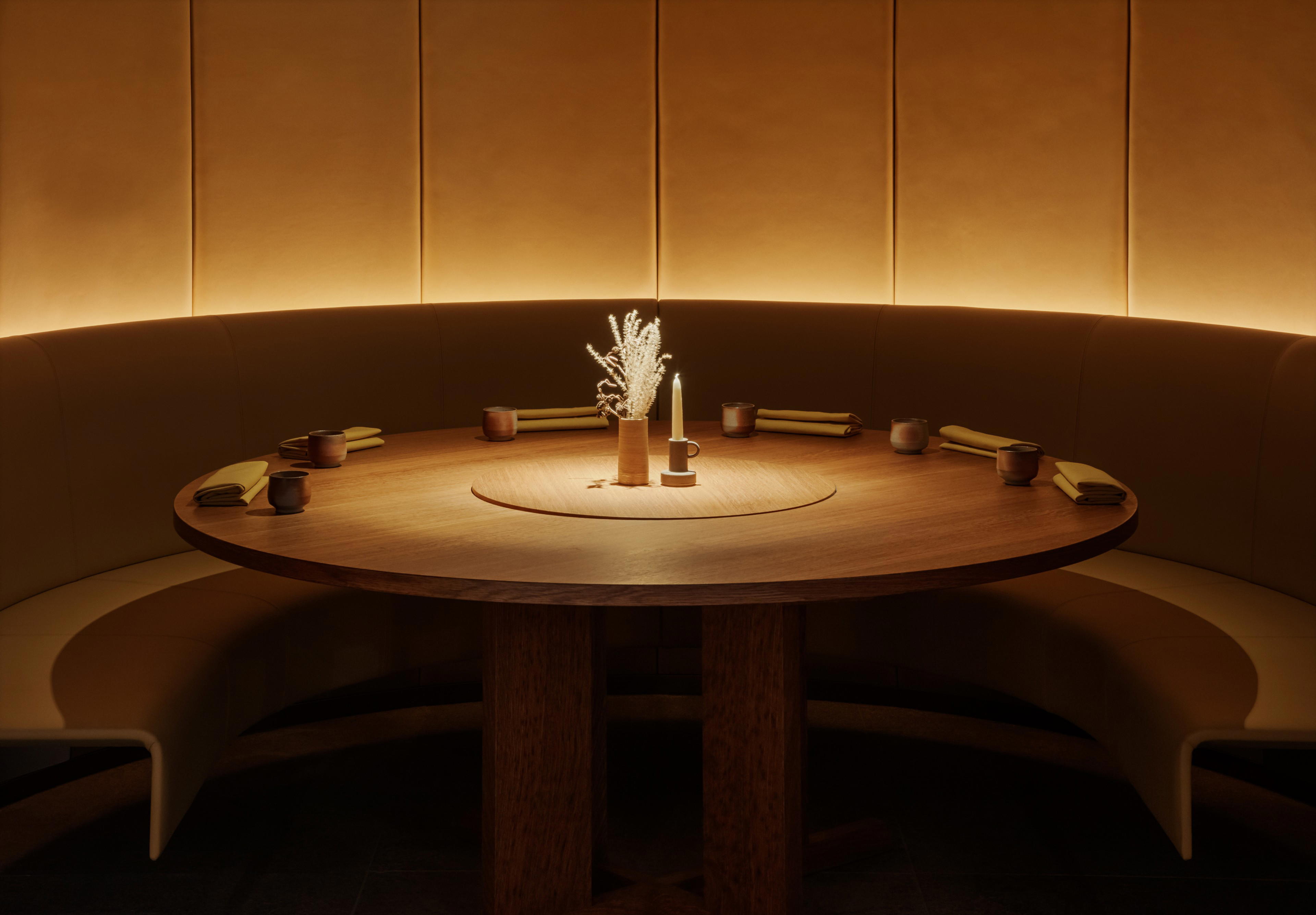
Bars in London
Browse all →
Hotels in London
Browse all →



At a Glance
- Lively
- Modern
- Trendy
- Energetic
- Date Night
- Group Dining
- Casual Hangout
- After Work
- Celebration
- Open Kitchen
- Design Destination
- Standalone
- Craft Cocktails
- Zero Proof
- Waterfront
Current opening hours
- Monday
- 12 PM–12 AM
- Tuesday
- 12 PM–12 AM
- Wednesday
- 12 PM–12 AM
- Thursday
- 12 PM–12 AM
- Friday
- 12 PM–12 AM
- Saturday
- 10 AM–12 AM
- Sunday
- 10 AM–12 AM
Hours can change for holidays and private events. Last verified .
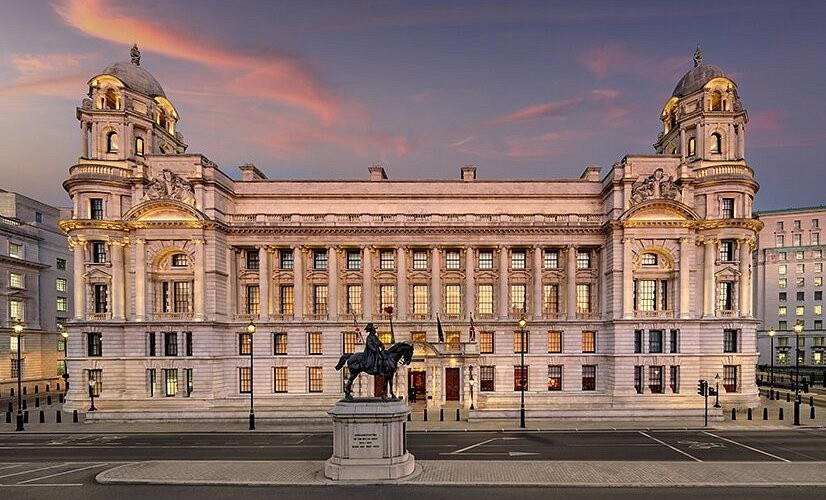
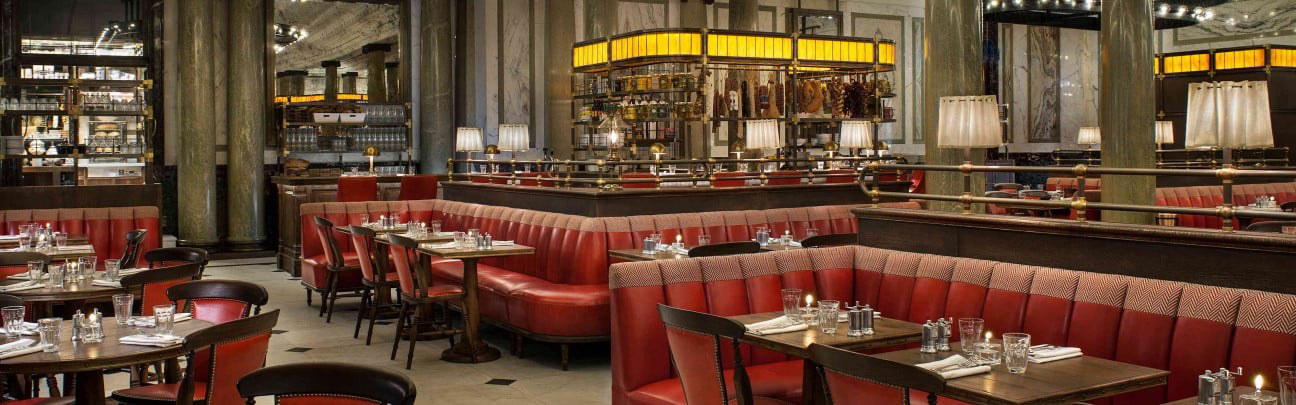
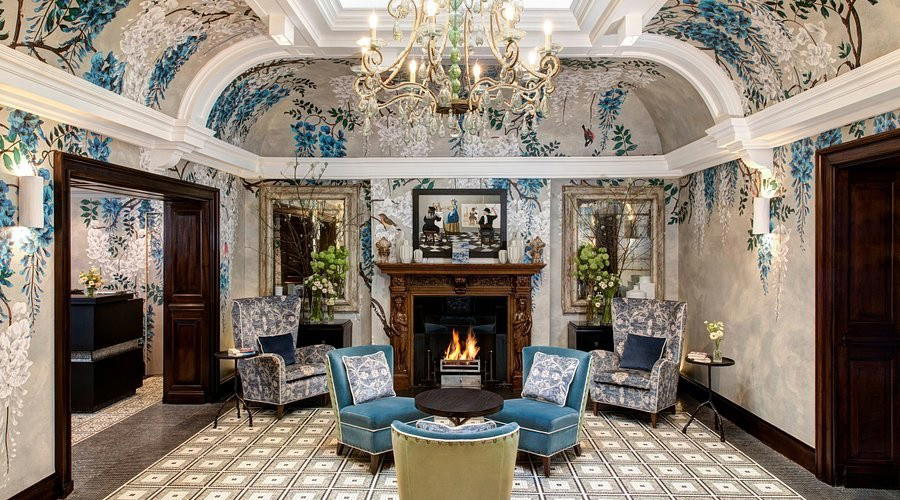
Contemporary with retro touches, lively and theatrical atmosphere with dramatic lighting and visual cocktail presentations designed to bedazzle guests.