Oia's Position in Santorini's Dining Structure Santorini's restaurant scene splits along a predictable fault line: caldera-view terraces priced for the sunset photograph, and quieter, more rooted spots that draw on the island's actual culinary...
 Discover on Pearl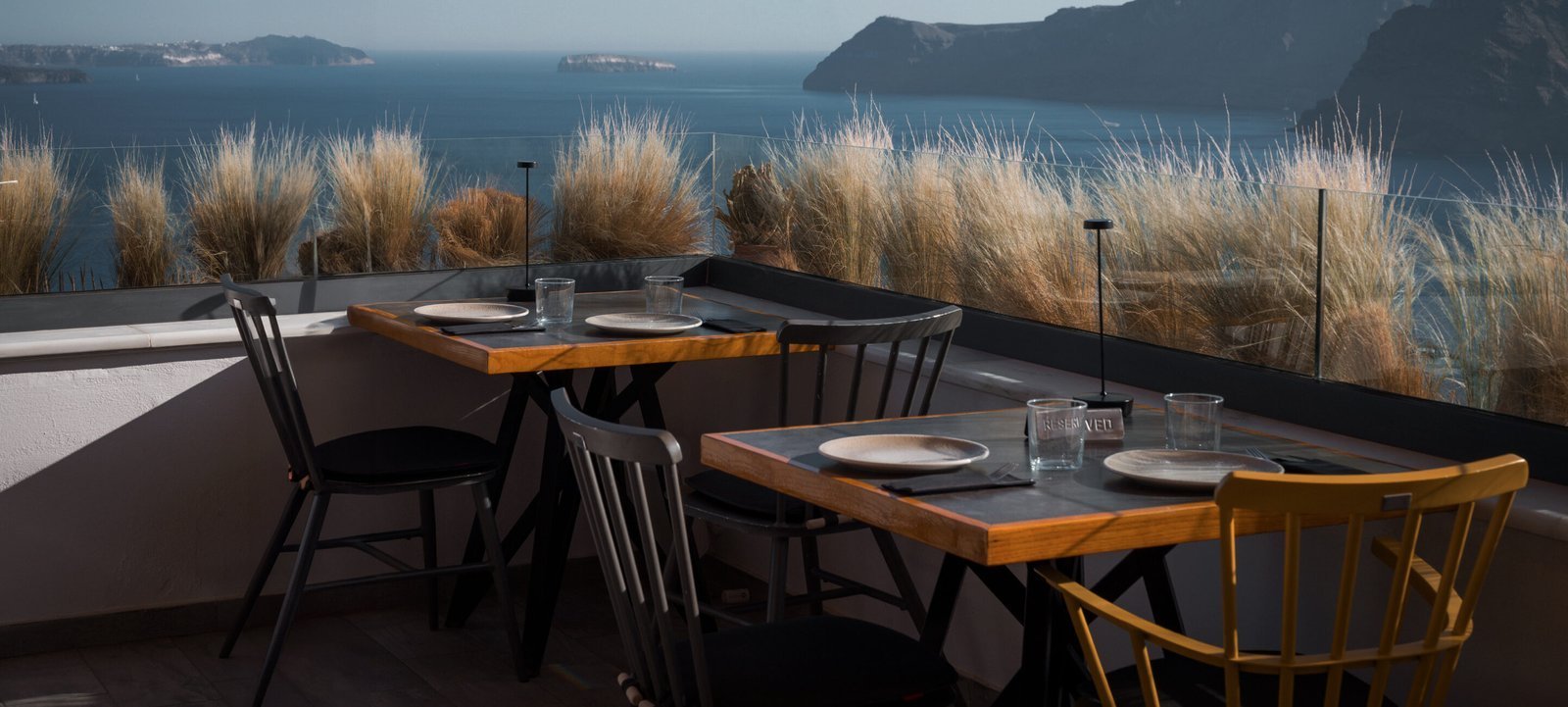
Oia's Position in Santorini's Dining Structure
Santorini's restaurant scene splits along a predictable fault line: caldera-view terraces priced for the sunset photograph, and quieter, more rooted spots that draw on the island's actual culinary traditions. Oia sits at the northwestern tip of the island, a village that has tilted heavily toward the former category over the past two decades. The whitewashed lanes above the volcanic cliff attract a concentration of visitors for whom the view is the primary transaction. Within that context, finding a place where the food carries the weight rather than the panorama is a different kind of search. Thalami occupies the Oia address — 847 02, in the Cyclades — and sits within that charged environment.
What the Oia Setting Actually Means
The village of Oia is not a neutral backdrop. It is one of the most visited spots in the Aegean, which means its hospitality infrastructure has been shaped by volume tourism even as individual operators try to resist that pressure. The streets narrow to the point where two people passing must turn sideways; the architecture is Cycladic cave-house style, built into and along the volcanic caldera rim. Restaurants here operate in close proximity to one another, and the competitive peer set ranges from tavernas serving grilled octopus to multi-course tasting operations targeting the international luxury traveller. For context on how other operators in the Santorini orbit handle this tension, the Lure Restaurant in Oia and Aktaion in Firostefani both sit within the same caldera-facing corridor and represent different points on that spectrum. Further afield, Bony Fish Santorini in Imerovigli shows how the island's middle village handles a similar positioning question.
The shortlist, unlocked.
Hard-to-book tables, cellar releases, and concierge-planned trips.
Get Exclusive Access →The physical character of Oia dining is worth describing precisely because it conditions the experience at every table in the village. Spaces here tend to be compact, carved into volcanic rock or terraced along the cliff face. Acoustics are intimate by architecture rather than design choice. Natural light in the late afternoon moves across stone surfaces in a way that makes the hour before sunset the most atmospheric time to be seated anywhere along the rim. These are the conditions Thalami works within, not exceptional to it but significant to how any meal here is experienced.
The Cycladic Taverna Tradition as Context
Greek island dining has two registers that visitors often conflate: the tourist-oriented taverna, which offers familiar dishes at accessible prices in high-turnover settings, and the more considered operation that draws on Cycladic ingredient traditions, seasonal availability from local producers, and a format closer to the mezze model of shared, sequenced eating. Santorini has its own particular larder: the island's volcanic soil produces cherry tomatoes, white eggplant, and fava (yellow split peas) that differ noticeably from mainland equivalents due to the mineral-rich, low-water growing conditions. Any kitchen in Oia working with those ingredients occupies a different position from one sourcing standard Greek produce.
For comparison, the dining approaches across the island's various villages reveal how differently operators interpret the same local ingredient base. Cacio e Pepe in Thira Municipality represents one departure from the Cycladic frame entirely, while operations like Feredini, Mama's House, Blue Note, and Salt & Pepper (Αλάτι & Πιπέρι) each move through the question of how traditional versus contemporary to pitch their offer.
Placing Thalami Against Its Peer Set
Without confirmed awards data, chef credentials, or a published price range in the record, positioning Thalami requires working from what is verifiable: the Oia address and the accumulated character of that village as a dining destination. Oia operates at the premium end of Santorini's price tiers by default, partly because of property costs and partly because the visitor profile skews toward travellers willing to pay for the caldera experience. Operations in this postcode are not competing primarily on value; they are competing on quality of product and quality of setting.
That places Thalami in a peer set that includes other Oia dining rooms rather than the more workaday tavernas of Fira or the harbour-level spots at Ammoudi. The relevant comparison points are restaurants where a meal for two runs at a level consistent with Aegean island premium dining. For readers who track how Greek cooking translates at the upper register in other contexts, Delta in Athens represents the metropolitan version of that ambition, and the contrast between island and capital approaches to the same ingredient traditions is instructive.
Planning a Visit to Oia
The logistics of visiting any Oia restaurant involve a few consistent realities. The village is accessible from Fira by bus along the northern road, by ATV or car on the caldera-rim road, or on foot via the approximately 10-kilometre path that runs along the leading of the island. Parking near Oia's central lanes is limited; most visitors arrive by the public bus that runs frequently during high season. Oia crowds peak in the hour before sunset, when visitors position along the castle ruins to watch the sun drop below the volcanic rim. Tables at rim-facing restaurants during this window are in higher demand than at any other time of day, and reservations become correspondingly important in July and August. Shoulder season, particularly May and early October, offers the same caldera light with considerably thinner crowds and more flexibility. Visitors planning a broader sweep of the island's dining scene should consult the full Σαντορίνη restaurants guide for a mapped view of the options across all villages.
For readers who connect Santorini visits with wider Aegean or Greek itineraries, the dining character shifts considerably once you move to the mainland. Jimy's Fish in Piraeus, Lake Vouliagmeni in Vouliagmeni, and Alykes in Palaio Faliro each show how the coastal Attica register differs from island dining, useful framing if Santorini forms part of a longer Greece visit. At the other end of the geographic spectrum, operations like Beauvoir in Katakolo and Knossos Greek Taverna Gouves in Gouves illustrate the range of registers across regional Greek hospitality. For reference points entirely outside the Greek frame, Le Bernardin in New York City and Atomix in New York City represent the tasting-counter model at its most structured, a useful contrast to the more relaxed format typical of Cycladic dining. Cash in Kifisia rounds out the Athens suburban picture for those combining a Santorini trip with a capital stay.
Frequently Asked Questions
- Is Thalami (Θαλάμι) good for families?
- Oia's compact lanes and caldera-edge restaurants are not typically configured for large family groups with young children, and the village's premium pricing bracket makes it a better fit for adult dining occasions than casual family meals.
- What is the atmosphere like at Thalami (Θαλάμι)?
- Oia sets the atmospheric baseline for any restaurant in the village: volcanic rock architecture, intimate spaces, and caldera light that shifts dramatically in the late afternoon. Santorini's concentrated tourism season means the atmosphere is busy and charged during peak summer months, quieter and more local-feeling in May and October. No awards data is on record for Thalami, but its Oia address places it in a premium dining tier where the setting is a core part of the offer regardless of price point.
- What should I order at Thalami (Θαλάμι)?
- Without confirmed menu data in the record, specific dish recommendations are not possible here. In general, Santorini kitchens that work with local produce focus on the island's fava, cherry tomatoes, and white eggplant, ingredients whose character is shaped by the volcanic soil and low-rainfall growing conditions. Ask the kitchen directly what is in season and locally sourced on the day you visit.
- How does dining at Thalami compare to other Oia restaurants for a special-occasion meal?
- Oia's dining scene is dense enough that special-occasion choices come down to fine differences in format, view access, and how a particular kitchen handles Cycladic ingredients versus imported produce. Thalami's village-centre Oia address places it within walking distance of the caldera rim and the castle viewpoint, which is the geographic and experiential core of a Santorini occasion dinner. Without published awards or critic recognition in the current record, it sits in the broader Oia peer set rather than a verified upper tier, which means the visit warrants direct inquiry about reservations, current menu format, and seasonal availability before committing.
A Lean Comparison
A compact peer snapshot based on similar venues we track.
| Venue | Notes | Price |
|---|---|---|
| Thalami (Θαλάμι) | This venue | |
| Feredini | ||
| Mama's House | ||
| Blue Note | ||
| Salt & Pepper (Αλάτι & Πιπέρι) |
Need a table?
Our members enjoy priority alerts and concierge-led booking support for the world's most difficult tables.
Get Exclusive AccessThe shortlist, unlocked.
Hard-to-book tables, cellar releases, and concierge-planned trips.
Get Exclusive Access →