


Tetsu occupies a quiet stretch of Salamanca with a proposal that few Madrid restaurants attempt: Western teppanyaki with a weekly-changing menu and an omakase option, driven by two young chefs with demonstrable technical range. The griddle anchors everything, and the kitchen's instinct for Spanish-Asian fusion, scallop with corn soup and black garlic among the early standouts, keeps the room fully booked.
Pearl is the En Primeur Club membership app — saves, bookings, and concierge access live there. Same editors, same standards.
- Address
- C. del Marqués de Villamagna, 1, Salamanca, 28001 Madrid, Spain
- Phone
- +34 810 51 08 91
- Website
- restaurantetetsu.es
- Directions
- Get directions
 Saves & bookings on Pearl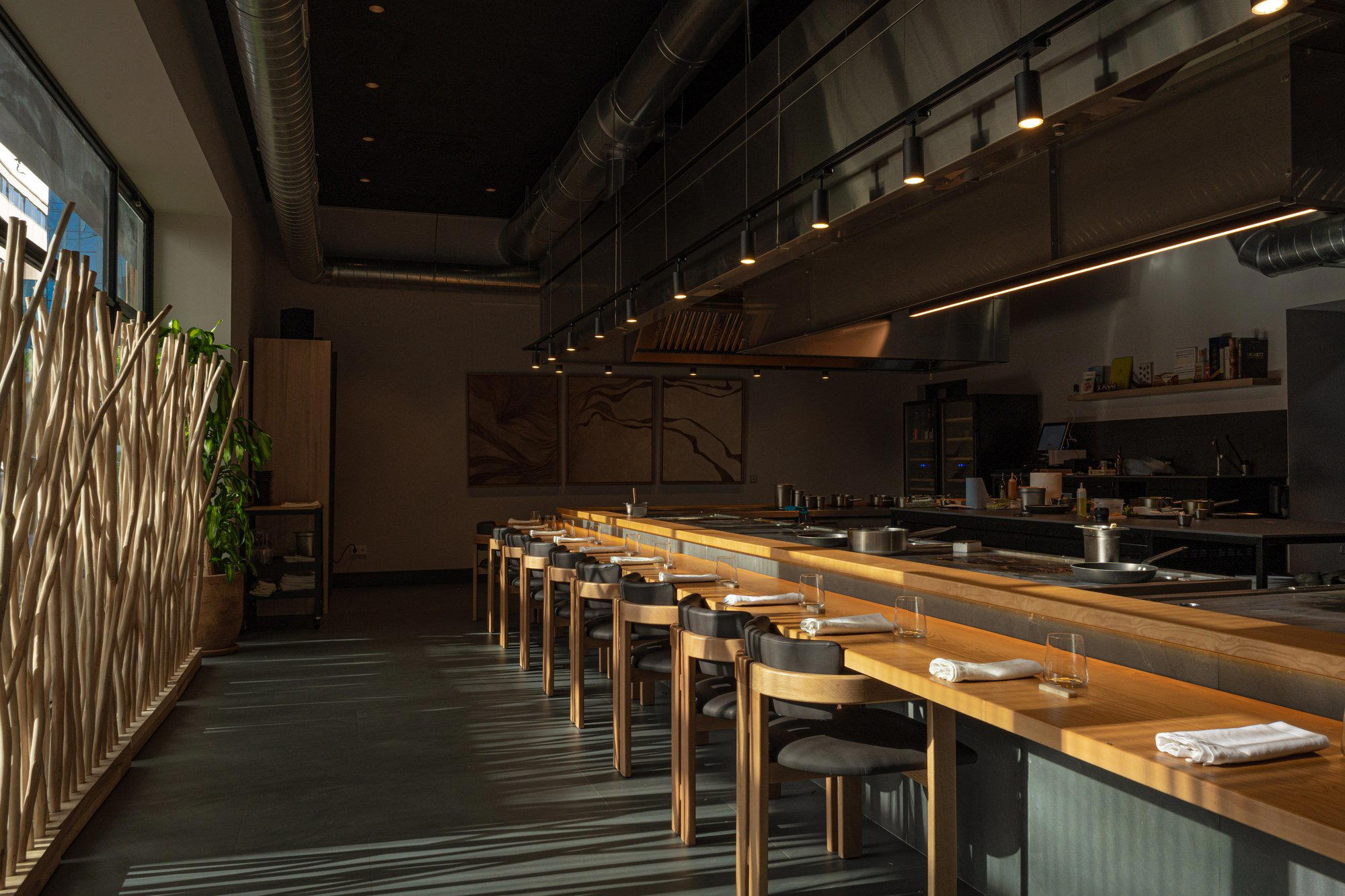
Salamanca's Quiet Bet on Teppanyaki
Madrid's Salamanca district has long operated as the city's most composed dining neighbourhood, wide pavements, conservative money, and a dining culture that trends toward French-influenced Spanish classicism. What it has not historically been is a testing ground for teppanyaki. That makes Tetsu's presence on Calle del Marqués de Villamagna more interesting as a neighbourhood signal than as a simple restaurant opening. Tetsu is a modern Japanese teppanyaki restaurant in Madrid, priced at about $45 per person. When a format as specific as Western teppanyaki fills its room every service in this postcode, it says something about how Madrid's appetite for technical, ingredient-led cooking has broadened beyond the Michelin-circuit flagships.
The address places it at the composed edge of Salamanca, where the grid begins to soften toward the Retiro. It is not a high-traffic corner in the way that Chueca or Malasaña deliver foot traffic, which means the room is filled by intention rather than impulse.
The Griddle as Gastronomic Centre
Teppanyaki in Japan functions as theatre as much as cooking method: the flat iron surface governs temperature, timing, and the sequence of the meal. Most Western adaptations of the format flatten it into a showmanship exercise. What Tetsu attempts is to use the griddle as a genuine culinary instrument rather than a prop. The gastronomic epicentre of the experience is the cooking surface itself, and the menu is structured around what that surface can do rather than around European plating conventions grafted onto Japanese technique.
This places Tetsu in a small but growing cohort of Madrid restaurants that treat Asian culinary traditions as a primary language rather than an accent. DiverXO has occupied the progressive Asian-Spanish axis at the leading price tier for years. Tetsu operates at a different register, less baroque in its ambitions, more focused on the discipline of a single cooking format, but the underlying logic of treating Asian and Spanish flavour traditions as genuinely equal partners is shared.
A Weekly Menu and the Logic Behind It
The menu at Tetsu changes each week. That rhythm is not unusual among Madrid's market-committed kitchens, but it carries specific implications for a teppanyaki-format restaurant. Weekly changes mean the kitchen is constantly recalibrating what works on the griddle, which requires a level of technical fluency that young chefs at this stage of their careers do not always have. The kitchen is meeting that standard consistently.
Alongside the weekly menu, an omakase option is available, a structure that invites direct comparison with the omakase counters of Tokyo and New York, where the chef's discretion governs the entire sequence. At venues like Atomix in New York City or the kaiseki-adjacent counters that have shaped the global omakase format, the format depends entirely on the precision and range of the kitchen team. Tetsu's version is adapted for a Western teppanyaki context, but the commitment to a chef-directed sequence, rather than a fixed printed menu, signals the same underlying ambition.
Among the dishes that have drawn specific attention: a scallop preparation paired with corn soup and black garlic. On the teppanyaki surface, scallop requires precise heat management to achieve the right caramelisation without overcooking the interior. The combination of corn's sweetness and black garlic's fermented depth alongside it suggests a kitchen that thinks about flavour architecture rather than novelty pairing.
Two Young Chefs, One Serious Kitchen
Miguel de Aguilar and João Kather are both under thirty, and both came through the MOM Culinary Institute, a training programme whose graduates have begun appearing at serious addresses across Spain. Youth in a kitchen of this ambition is usually a liability; here, it reads differently. The proposal they have built, teppanyaki format, weekly rotation, omakase option, Spanish-Asian fusion axis, is not a simplified one. It requires technical range and the confidence to rotate a menu at pace without losing consistency. The execution matches the concept.
Spain's broader creative cooking scene has produced a generation of chefs who trained under internationally recognised kitchens before launching independently, from the teams behind Disfrutar in Barcelona to the lineages traceable through Arzak in San Sebastián and El Celler de Can Roca in Girona. Aguilar and Kather fit a different template: institute-trained rather than apprenticed at a named flagship, and working a format with almost no direct precedent in Madrid. That makes their trajectory harder to map against peers, which is itself a point of editorial interest.
Where Tetsu Sits in Madrid's Creative Dining Picture
Madrid's upper tier of creative restaurants, Coque, Deessa, DSTAgE, Paco Roncero, is Michelin-dense and operates at price points that position dining as occasion spending. Tetsu is not competing at that tier, at least not in the same signalling terms. Its competitive set is more accurately the mid-to-upper creative restaurants that attract a younger, more format-curious clientele without requiring the full apparatus of a tasting-menu evening.
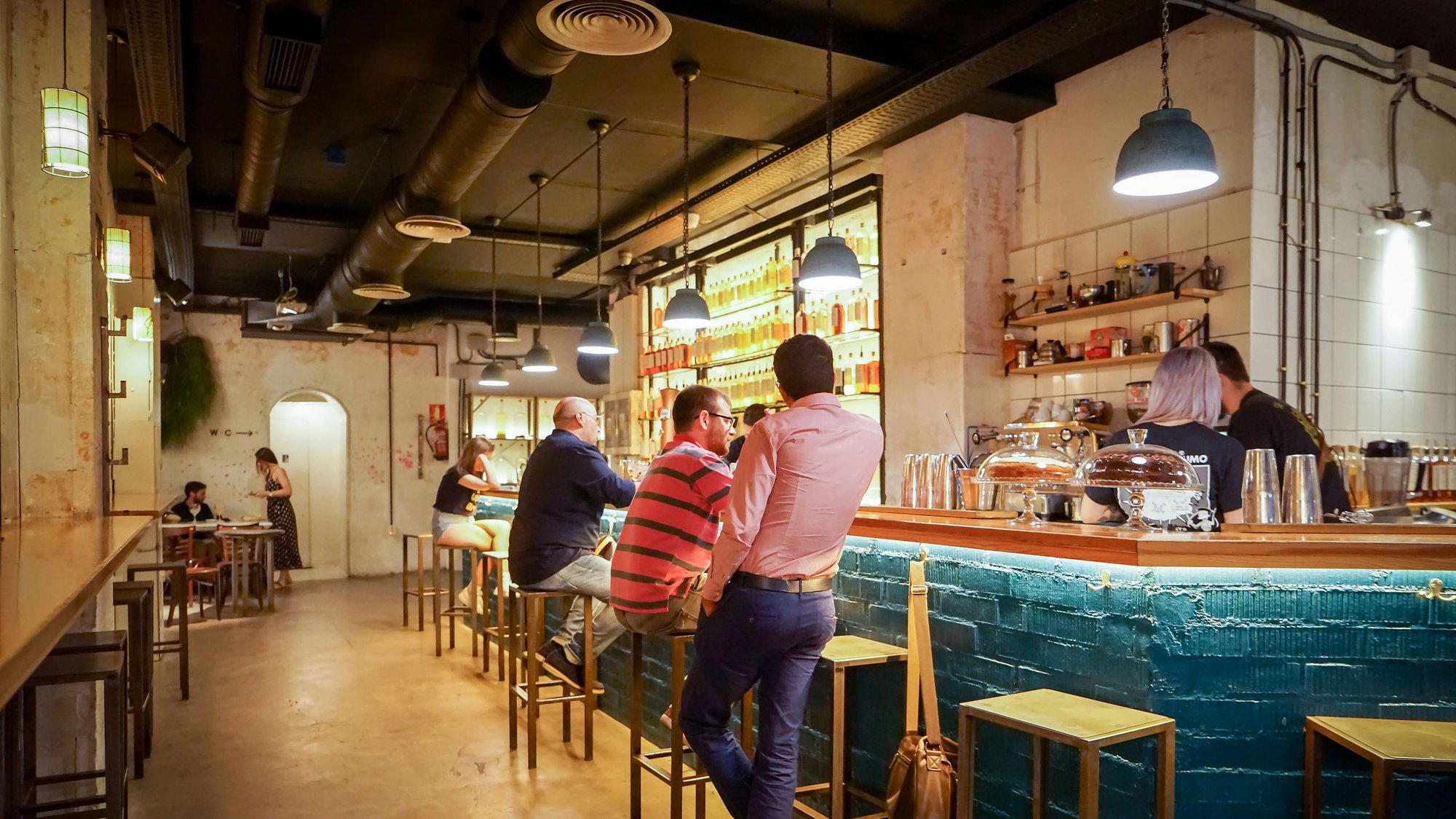
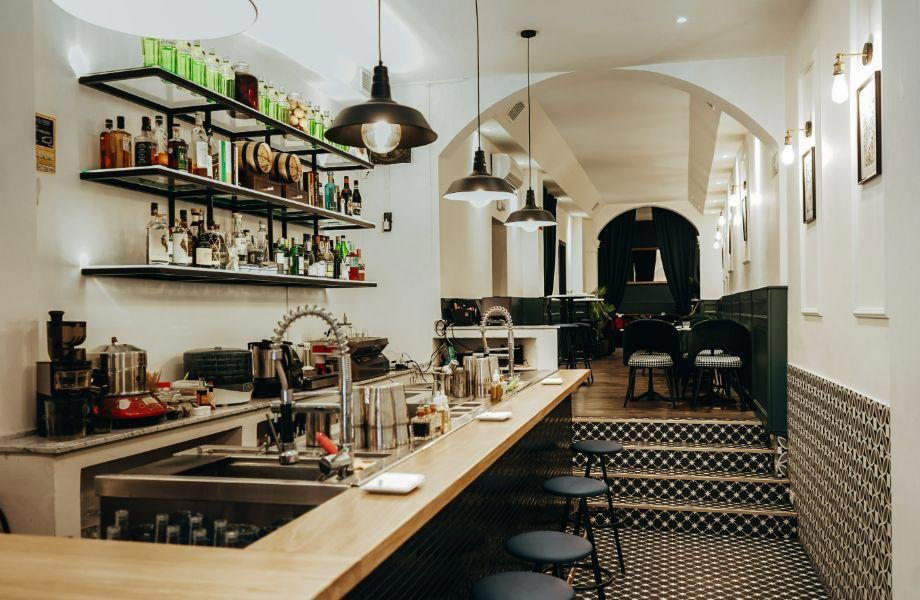
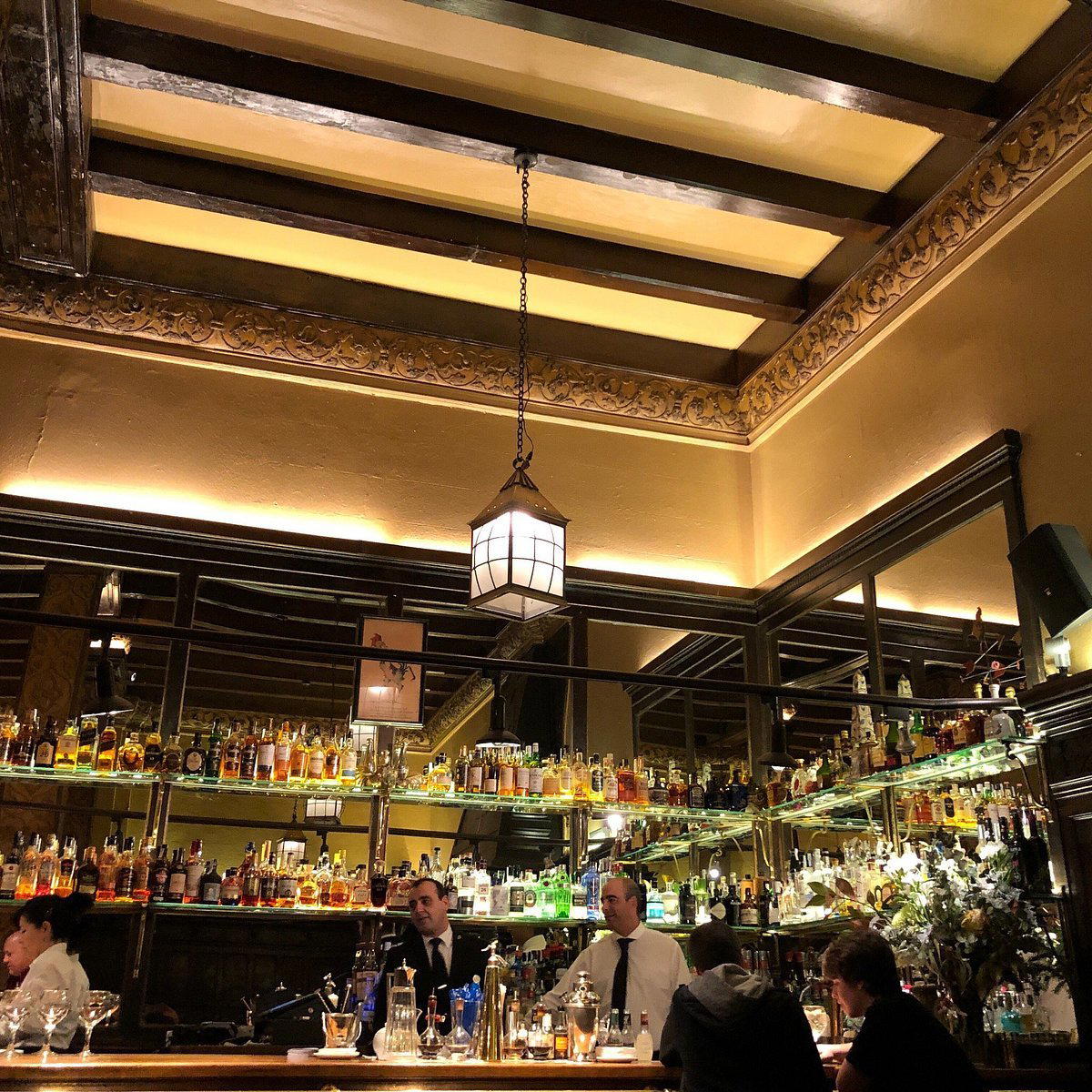
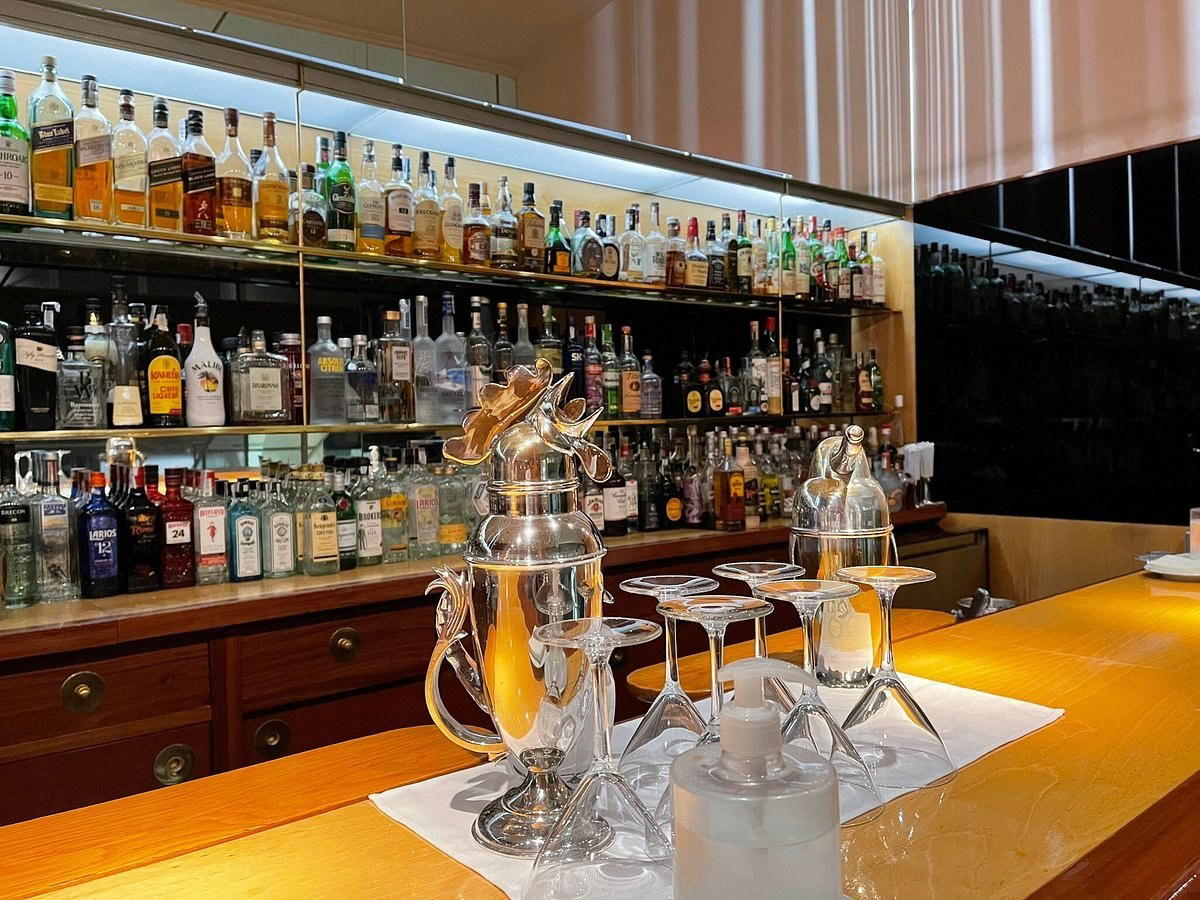
The Japanese-style bar is a feature worth noting separately: it provides a counter format that suits solo diners and couples who want proximity to the cooking rather than a full table experience. In Madrid, where bar dining at serious restaurants remains less developed than in San Sebastián or Tokyo, this is a considered structural choice.
For context on where Spain's most decorated kitchens sit outside Madrid, Aponiente in El Puerto de Santa María, Quique Dacosta in Dénia, and Azurmendi in Larrabetzu define the broader national picture, and help calibrate what it means for a young teppanyaki kitchen in Salamanca to hold its room every service.
Spring Timing and Practical Considerations
Madrid's spring months, April through June, represent the city's strongest dining period, when the outdoor terraces reopen and the market calendar shifts toward the ingredients that teppanyaki handles most compellingly: spring vegetables, shellfish, early-season produce. For a kitchen running weekly menu rotations tied to market availability, spring is when the supply chain is most generous and the creative possibilities widen accordingly. Booking ahead during this window is advisable, given that the room runs full across services.
Quick reference: Tetsu, C. del Marqués de Villamagna, 1, Salamanca, 28001 Madrid. Modern Japanese teppanyaki with a weekly-changing menu and omakase option.
Just the Basics
Comparable venues nearby, for context on price, style, and recognition.
| Venue | Cuisine | Price | Notes |
|---|---|---|---|
| TetsuThis venue — the venue you are viewing | Castellana, Modern Japanese Teppanyaki | $$$ | Not listed |
| Sushi Bar Tottori | Recoletos, Modern Japanese Omakase | $$$$ | Not listed |
| Ikigai Flor Baja | Palacio, Fusion Japanese Sushi | $$$ | Not listed |
| Asiakō | Almagro, Japanese-Basque Fusion | $$$ | Not listed |
| La Maruca - Velázquez | Not listed | $$$ | Recoletos, Modern Cantabrian Spanish Tapas |
| Ikigai | Salamanca, Contemporary Japanese Sushi | $$$ | Not listed |
Recognition history
Dated appearances from independent guides and award organizations, with the underlying list record or original source where available.
Macarfi 7.5 Food Rating
Macarfi
Michelin Plate
Michelin
Opinionated About Dining Newly Added European Restaurants
Opinionated About Dining
Opinionated About Dining Top New Restaurants in Europe Ranked #25
Opinionated About Dining
Opinionated About Dining Top Restaurants in Europe Recommended
Opinionated About Dining


At a Glance
- Intimate
- Modern
- Elegant
- Quiet
- Date Night
- Special Occasion
- Open Kitchen
- Chefs Counter
- Extensive Wine List
- Local Sourcing
Current opening hours
- Monday
- Closed
- Tuesday
- Closed
- Wednesday
- 1–3 PM, 8–10 PM
- Thursday
- 1–3 PM, 8–10 PM
- Friday
- 1–3 PM, 8–10 PM
- Saturday
- 1–3 PM, 8–10 PM
- Sunday
- 1–3 PM, 8–10 PM
Hours can change for holidays and private events. Last verified .
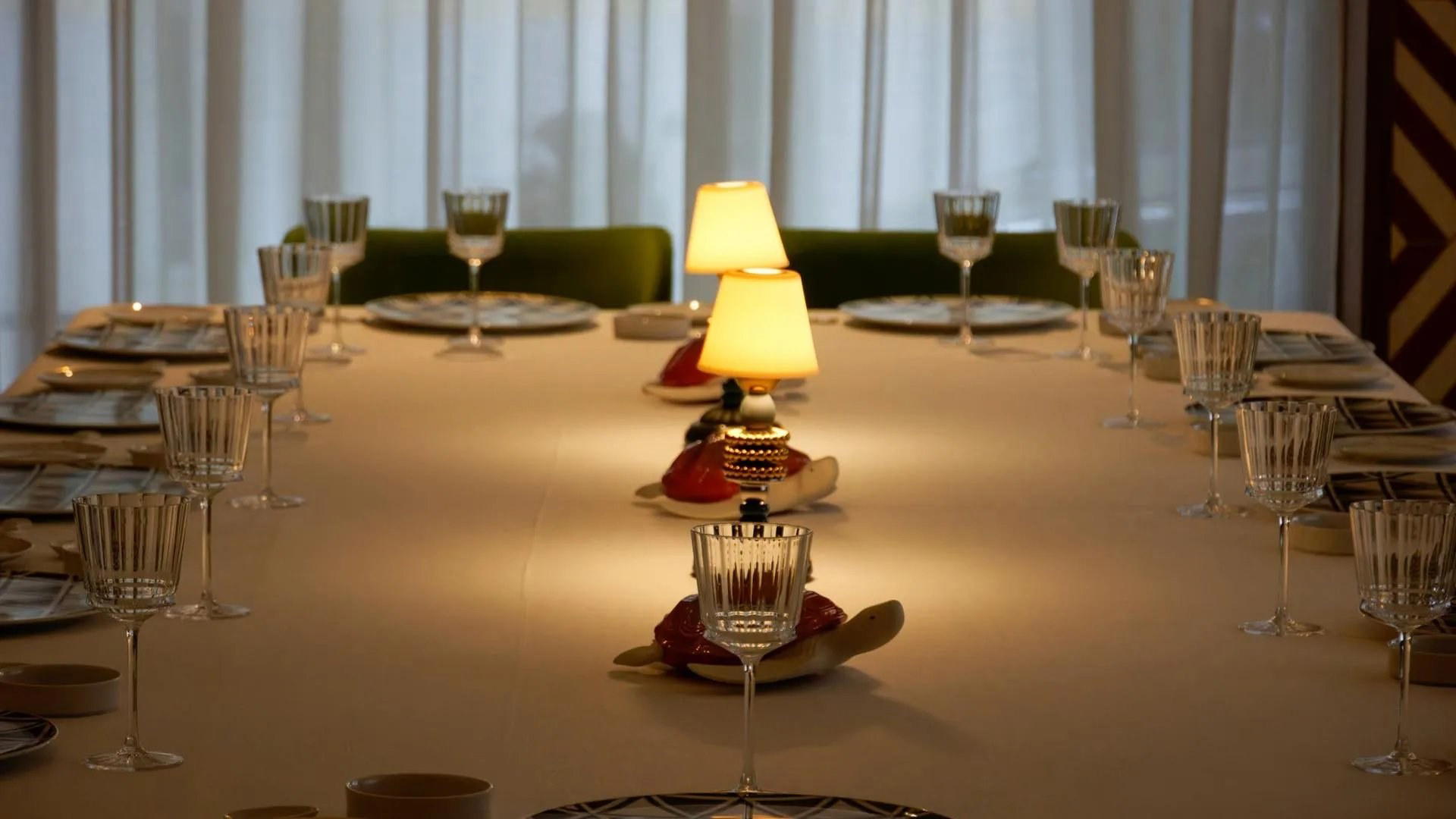
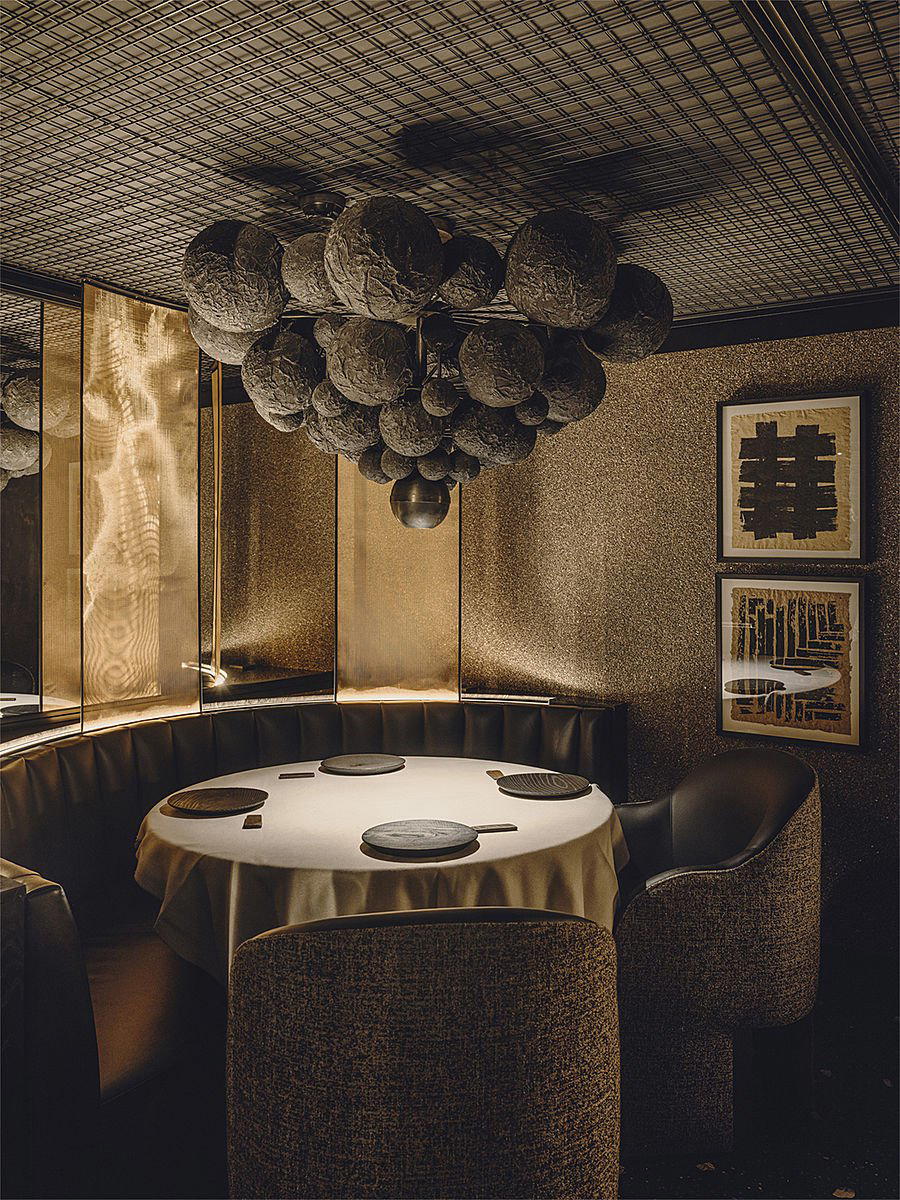
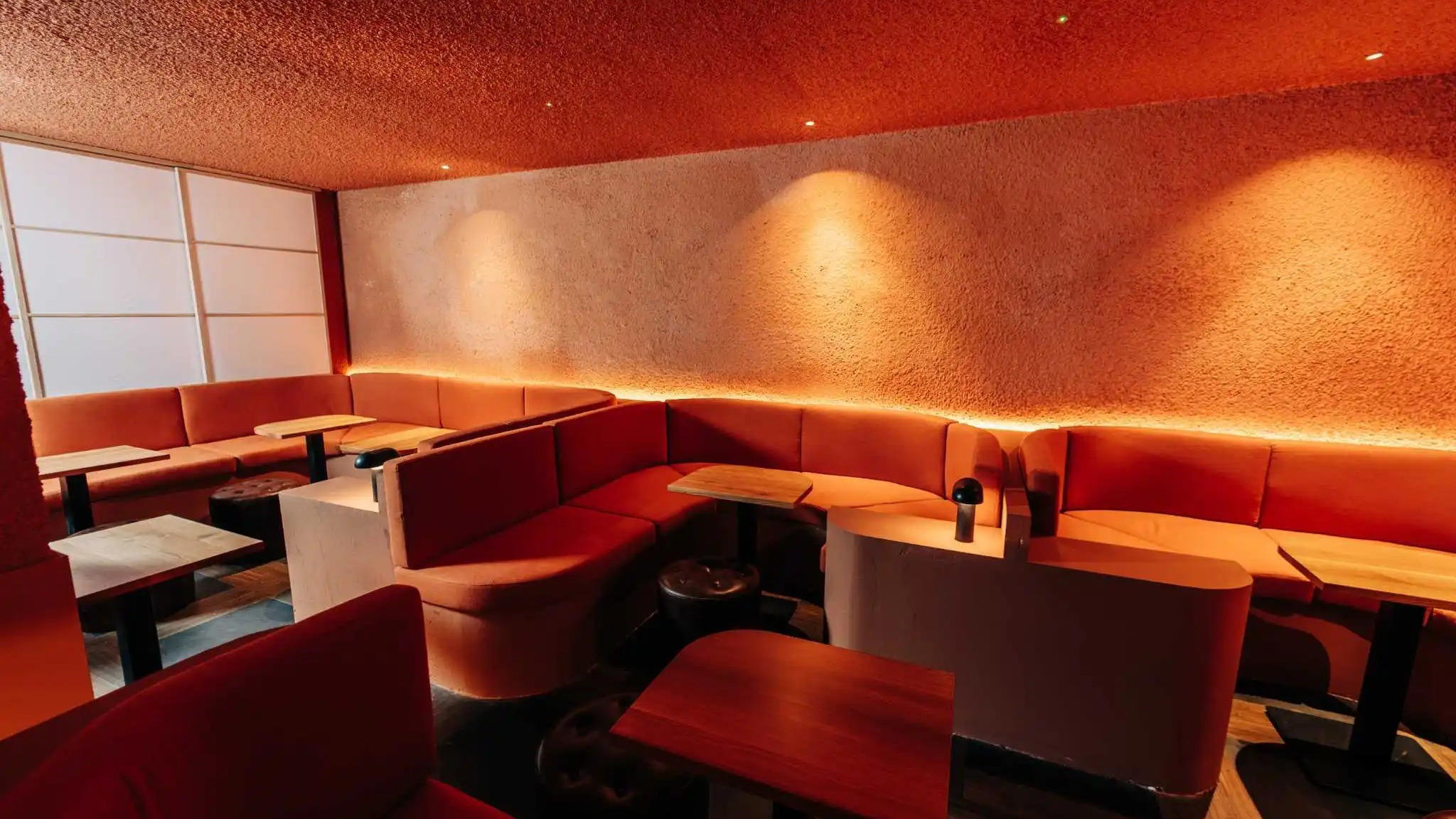
Intimate counter-style setting with open kitchen where diners interact directly with chefs; quiet, conversational atmosphere ideal for focused dining.