Terre à terre

We're Smart World 3 Radishes
Our verdict
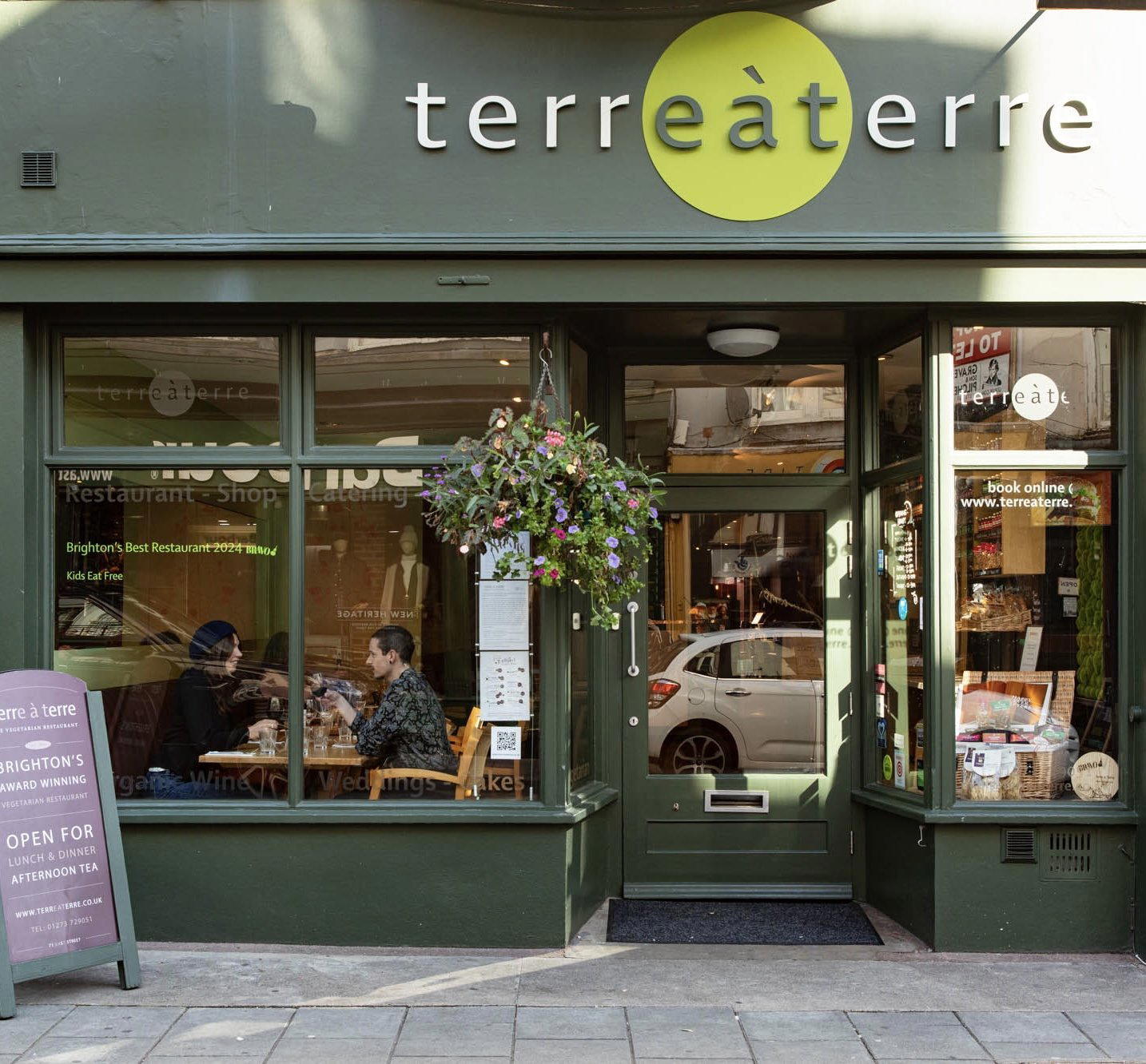
Brighton's longest-running vegetarian restaurant, Terre à Terre has occupied its East Street address for over 25 years under founders Amanda Powley and Philip Taylor. The kitchen works entirely within vegetarian and vegan parameters, treating sustainability and waste reduction as operational defaults rather than marketing positions. It occupies a specific tier in Brighton's dining scene: serious, technically considered, and not easily compared to anything else in the city.

Pearl is the En Primeur Club membership app, where members save venues, book tables and use the concierge.
The menu
What to order
- Terre a Tapas
- Teriyaki Tofu
- Snap Crackle and Choc
Brighton's Vegetarian Fine Dining Tradition, Anchored on East Street
Brighton has long carried a reputation as the UK's most plant-forward dining city, and that reputation did not emerge from nowhere. The city's concentration of independent restaurants, its progressive food culture, and its distance from London's more convention-bound dining scene created conditions in which vegetarian cooking could develop genuine technical depth rather than remaining a dietary accommodation. Terre à Terre, open on East Street for over 25 years, is the clearest evidence of what that environment can produce at its most sustained.
The restaurant sits on East Street in the centre of Brighton, a few minutes from the seafront and the lanes. The address places it within easy reach of the city's main visitor corridors, but the restaurant has never positioned itself as a casual drop-in. It operates in the bracket of restaurants where a booking is advisable, where the menu requires attention, and where the kitchen is making considered choices rather than assembling dishes from standard vegetarian templates. For context on how it sits within the wider city, our full Brighton restaurants guide maps the full range.
The Collaborative Engine Behind the Kitchen
The editorial angle on Terre à Terre that tends to get overlooked in favour of its longevity is the collaborative structure that has kept it coherent over decades. Founders Amanda Powley and Philip Taylor have maintained operational continuity across a period that has seen most of the UK's independent restaurant landscape turn over several times. That kind of stability in a restaurant is not simply a function of goodwill, it reflects a shared operational philosophy that runs from sourcing decisions through to service and waste management.
In restaurants that operate at this level of ethical specificity, the front-of-house and kitchen teams need to communicate the same set of values without the conversation feeling scripted. The staff need to explain why an ingredient was sourced from a particular place, why a dish is constructed the way it is, and what the kitchen's approach to seasonality means in practice, all without the explanation becoming a lecture. At Terre à Terre, that balance has been a feature of the restaurant's identity for long enough that it now reads as institutional knowledge rather than a briefing document.
For comparison, Brighton's vegetarian and plant-focused options span a wide range of register and ambition. Food for Friends and Foodilic both operate in the plant-forward space, and No No Please brings a different cultural frame to vegetable-led cooking. Terre à Terre sits in a distinct tier from all of them, more technically ambitious, more deliberately paced, and more invested in the idea that vegetarian cooking requires the same level of craft as any other kitchen discipline.
Ethical Sourcing as an Operational Default
The language around sustainability in restaurant marketing has become so degraded by repetition that it is now almost meaningless as a descriptor. At Terre à Terre, the relevant signal is not the language but the operational record. Amanda Powley and Philip Taylor have been making documented choices around ingredient sourcing, food waste reduction, and recycling practices for the full span of the restaurant's 25-year history, a period that predates the current industry-wide interest in these issues by a considerable margin.
That longevity matters because it changes the nature of the claim. A restaurant that introduced a sustainability policy in the last five years is responding to market pressure. A restaurant that has been operating on those principles since the late 1990s established them as structural rather than reactive. The sourcing decisions at Terre à Terre are therefore more deeply embedded in the kitchen's logic than in most comparable operations, and they show up in the way dishes are composed: working with what is available and in season rather than engineering a fixed menu around ingredients that require importing out of season.
This is a more demanding way to run a kitchen, and it places a high premium on the collaboration between the people managing procurement and the people executing service. It is also the framework that has produced a kitchen capable of achieving the balance between taste and texture that the restaurant's founders describe as the core objective of every dish.
Brighton's Plant-Forward Scene in Context
The UK's wider dining conversation has shifted considerably in the direction of vegetable-led cooking over the past decade. Restaurants such as Moor Hall in Aughton and L'Enclume in Cartmel have incorporated produce-driven menus at the highest award levels, while establishments like The Ledbury in London have pushed vegetable cookery into genuinely complex technical territory. Internationally, chefs at Le Bernardin in New York City have demonstrated that a single-focus kitchen operating at the top of its category can sustain critical recognition for decades.
Terre à Terre occupies a comparable position within its specific category in the UK: a restaurant that chose a focused, principled approach to a single dietary framework before the mainstream caught up, and that has maintained that position through consistent execution rather than periodic reinvention. Brighton's food culture is well-served at multiple registers, from the Bincho Yakitori format to the broader Mediterranean approach at Med, but Terre à Terre does not have a direct equivalent in the city. The combination of its tenure, its ethical operating framework, and its technical ambition within the vegetarian and vegan space makes it a specific and non-interchangeable part of what Brighton's dining scene has to offer.
For anyone arriving in Brighton with an interest in the city's wider hospitality offering beyond restaurants, our guides to Brighton hotels, Brighton bars, Brighton wineries, and Brighton experiences cover the full range. Comparable destination-driven dining at this level of focus can be found at properties like Gidleigh Park in Chagford, Hand and Flowers in Marlow, Waterside Inn in Bray, and internationally at Emeril's in New Orleans, each representing a long-running independent operation with a clearly defined culinary identity.
Planning a Visit
Terre à Terre is located at 71 East Street, Brighton BN1 1HQ, in the heart of the city centre. The restaurant has been operating for over 25 years, and its reputation means that booking ahead is the sensible approach, particularly on weekends and during peak season in summer when Brighton's visitor numbers are at their highest. The kitchen works within entirely vegetarian and vegan parameters, so the menu is the same frame for all guests regardless of dietary preference, this is not a restaurant with a plant-based section alongside a conventional menu. Contact and booking details are best confirmed directly through the restaurant's current channels.
Frequently asked questions
What awards or recognition does Terre à terre have?
Terre à terre has received recognition including: Amanda Powley and Philip Taylor started this restaurant some 25 years ago and make ethical and sustainable choices in collecting their ingredients, recycling and avoiding food wastage. Their dishes are vegetarian and vegan and seek a perfec….
What's the address for Terre à terre?
Terre à terre is located at 71 East St, Brighton and Hove, Brighton BN1 1HQ, United Kingdom, Brighton.
What should I eat at Terre à terre?
The kitchen operates entirely within vegetarian and vegan parameters, with dishes built around the balance of taste and texture rather than meat substitution. The approach, consistent across more than 25 years of service, prioritises sourcing discipline and craft at a level more commonly associated with omnivore fine dining. Booking in advance is advisable, as the menu shifts with seasonal and ethical sourcing decisions.
Should I book Terre à terre in advance?
Yes. Terre à Terre has held a consistent position in Brighton's dining scene for over 25 years, and its reputation as the city's most technically serious vegetarian and vegan restaurant means tables fill reliably. Walk-ins at peak times are a risk not worth taking, particularly on weekends. Reservations made ahead of your visit are the straightforward way to guarantee a seat at 71 East Street.
What's the defining dish or idea at Terre à terre?
The defining idea, established by founders Amanda Powley and Philip Taylor and sustained across more than two decades, is that vegetarian and vegan cooking demands the same craft rigour and textural thinking as any other kitchen discipline. The menu is not structured around absence, it is built on the positive case for plant-based ingredients prepared with precision. That philosophical clarity is what separates Terre à Terre from trend-driven plant-based openings.
Can Terre à terre accommodate dietary restrictions?
The entire menu at Terre à Terre is vegetarian and vegan, so the kitchen is already operating within parameters that most plant-based diners require by default.
How long has Terre à Terre been operating, and why does that matter for a vegetarian restaurant in Brighton?
Terre à Terre was founded by Amanda Powley and Philip Taylor approximately 25 years ago, placing it among the longest-running independent vegetarian restaurants in the UK. That longevity matters because it predates the current wave of plant-based dining by well over a decade, meaning the kitchen's approach to ethical sourcing, texture-led cooking, and waste reduction was not adopted as a trend but built as an operational default. In Brighton, a city with a well-documented history of plant-forward eating, Terre à Terre sits at the origin of that reputation rather than riding it.
Cuisine Context
Comparable venues nearby, for context on price, style, and recognition.
| Venue | Cuisine | Price | Awards | Notes |
|---|---|---|---|---|
| Terre à terreThis venue (the venue you are viewing) | Modern Vegetarian Small Plates | $50–100 | We're Smart World 3 Radishes | Not listed |
| Food for Friends | Global Vegetarian with Vegan Focus | $30–50 | We're Smart World 4 Radishes | The Lanes |
| Thewitchez Restaurant | Pan-European Eastern European | $20–30 | Not listed | Brighton |
| Planet India | Authentic Gujarati Vegetarian | $10–20 | We're Smart World 1 Radish | Richmond Parade |
| Korpan | Japanese-Korean Noodle Cafe | $1–10 | Not listed | London Road Open Market |
| Plateau | Modern European Small Plates | $30–50 | The Good Food Guide GFG Good | The Lanes |
Recognition history
Dated appearances from independent guides and award organizations, with the underlying list record or original source where available.
We're Smart World 3 Radishes
We're Smart World
Continue exploring
More in Brighton
Restaurants in Brighton
All restaurants in Brighton →
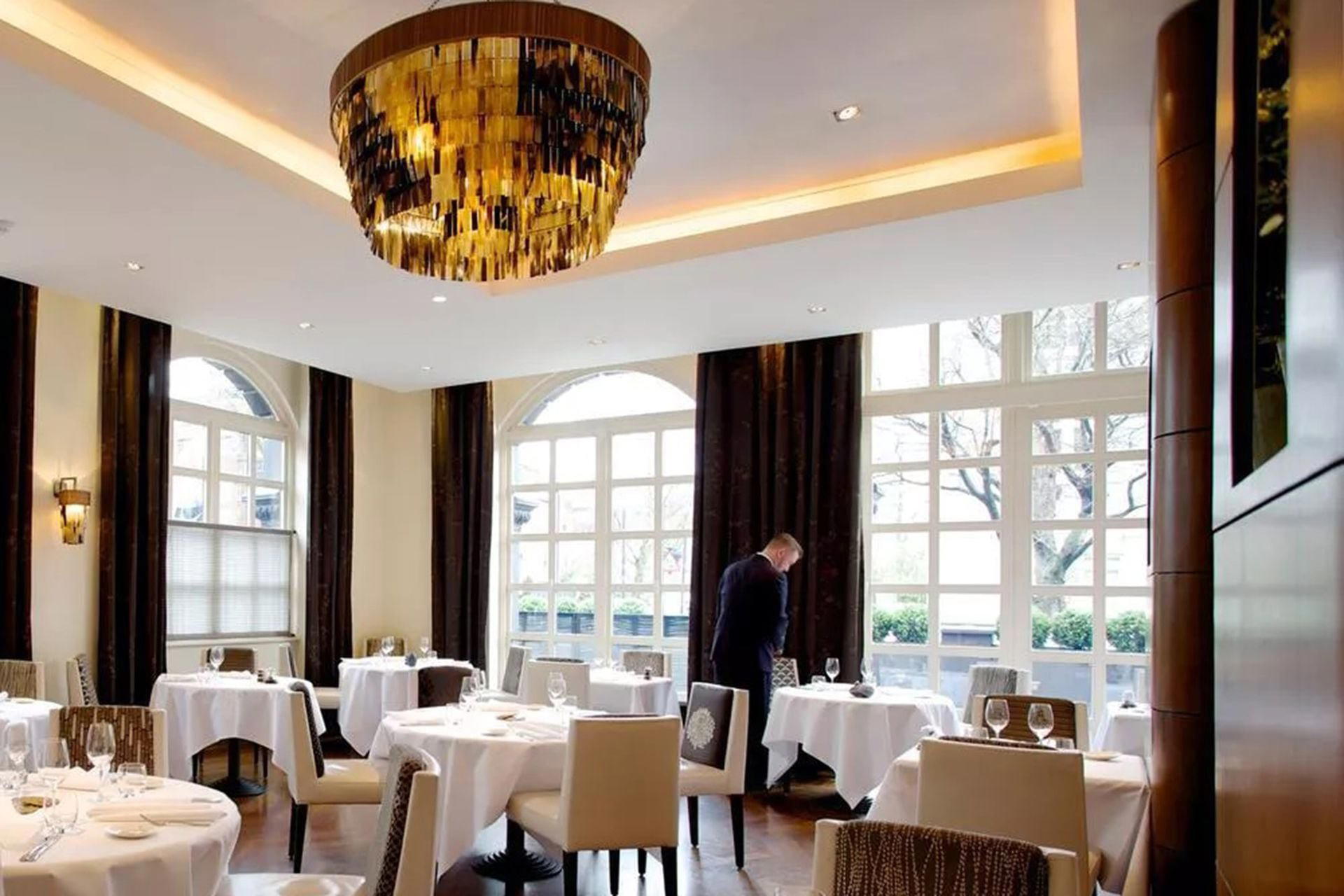
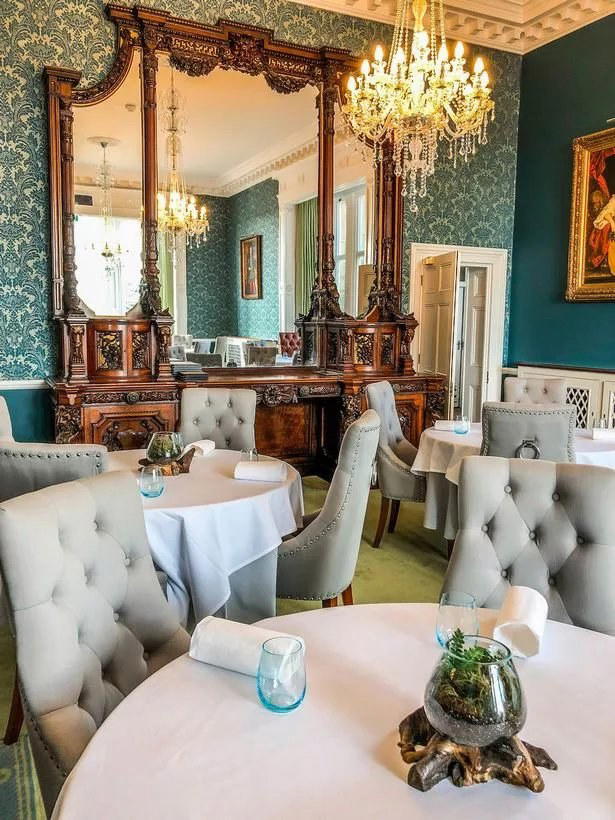
Bars in Brighton
All bars in Brighton →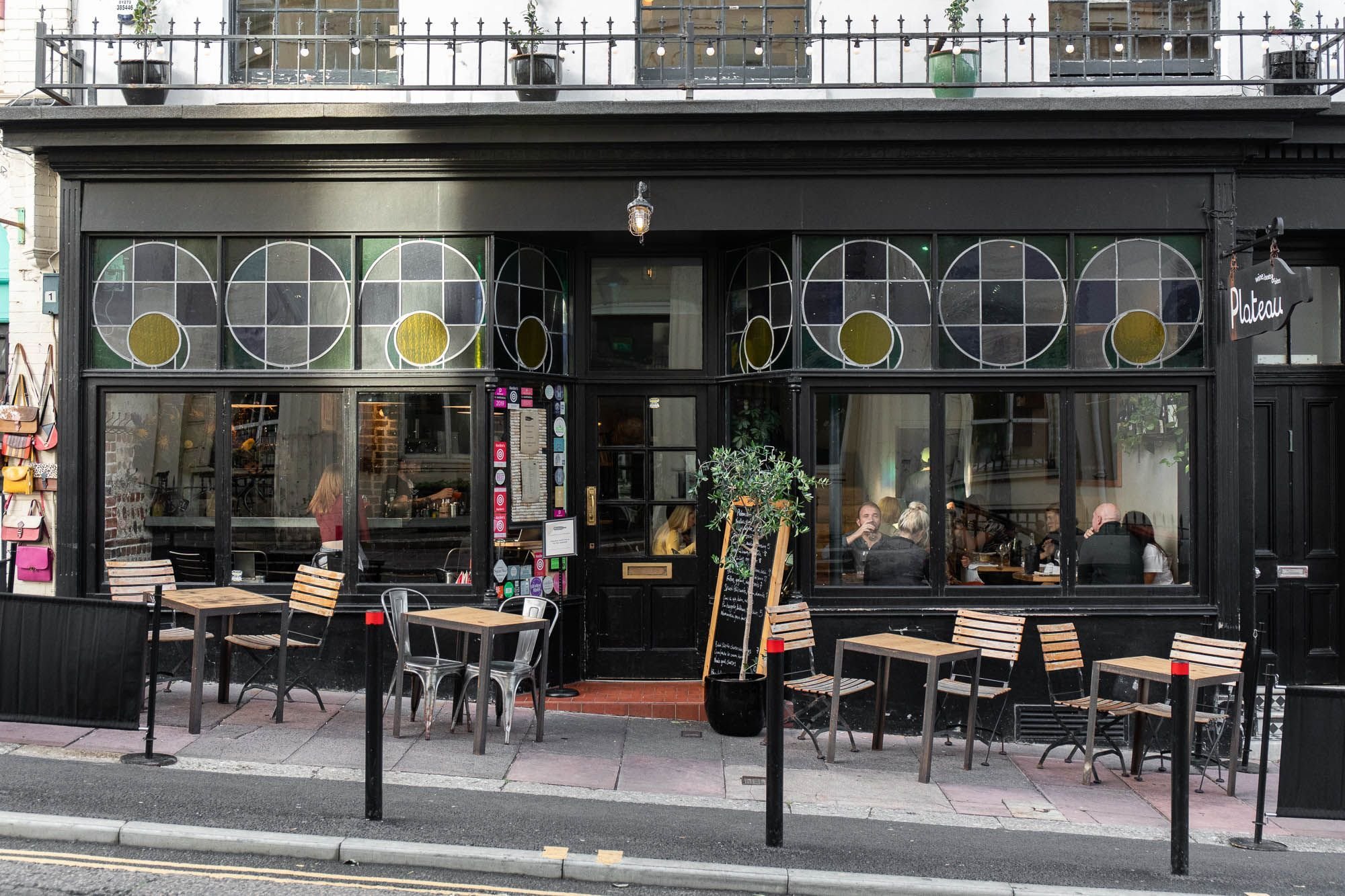
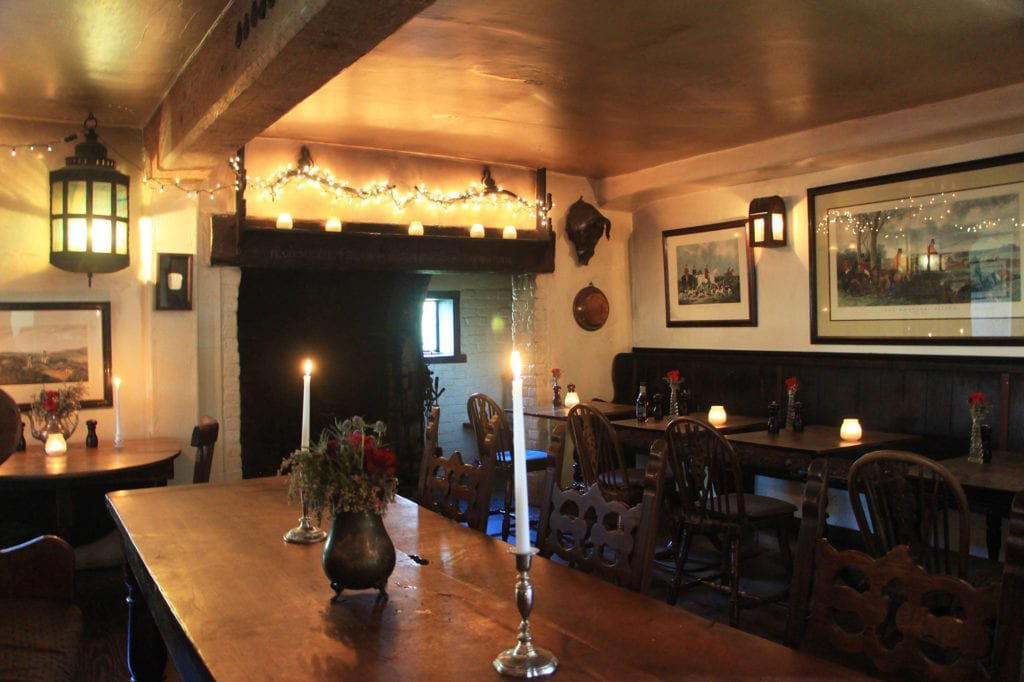

Details
- Modern
- Cozy
- Elegant
- Intimate
- Date Night
- Special Occasion
- Celebration
- Open Kitchen
- Extensive Wine List
- Craft Cocktails
- Local Sourcing
- Street Scene
- Small Plates
- Tasting Menu
- Vegetarian Friendly
- Vegan Options
- Gluten Free Options
- Allergy Accommodating
Current opening hours
- Monday
- 5–8:30 PM
- Tuesday
- 5–8:30 PM
- Wednesday
- 12–3 PM, 5–8:30 PM
- Thursday
- 12–3 PM, 5–8:30 PM
- Friday
- 12–3 PM, 5–9:30 PM
- Saturday
- 12–9:30 PM
- Sunday
- 12–9 PM
Hours can change for holidays and private events. Hours as of .
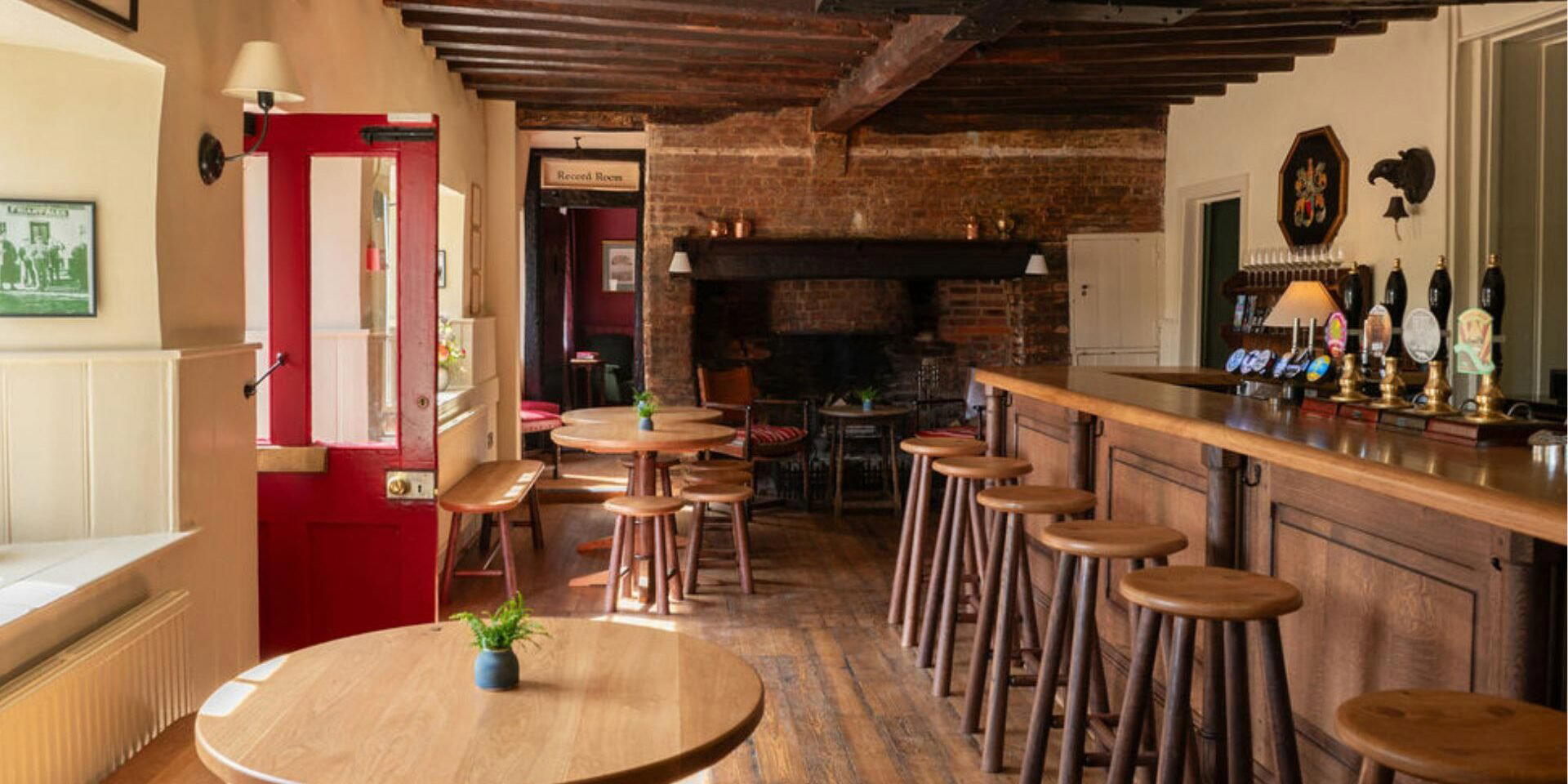
Clean, modern, sleek interior with warm, relaxed, buzzy atmosphere, lively yet conversational.