Terraforte

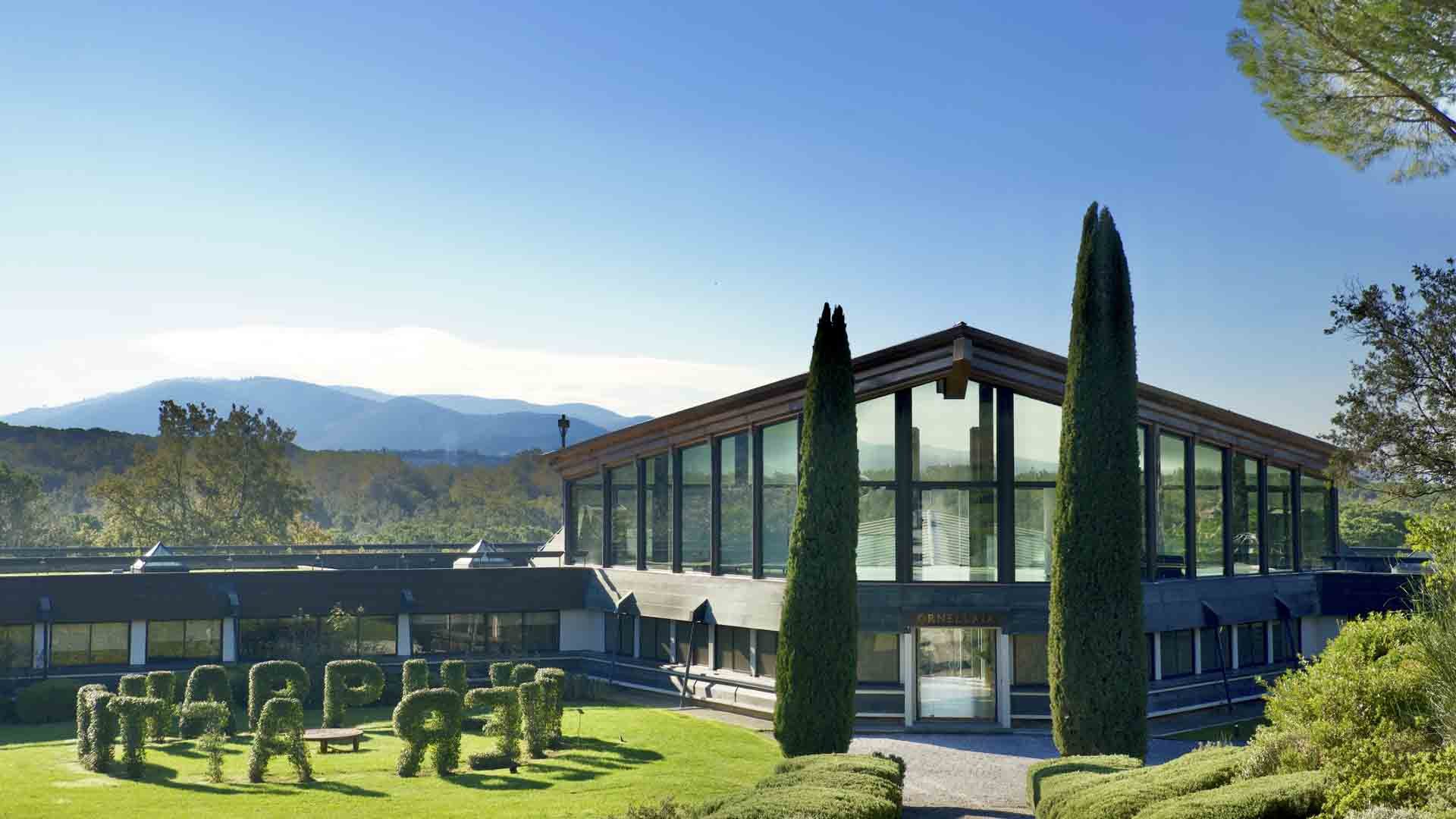
Set inside a converted hay barn on the sprawling 1,500-hectare Il Terriccio estate in coastal Tuscany, Terraforte operates on a strict zero-mile sourcing model: beef, game, chicken, vegetables, herbs, and wine all come from the estate itself. Two menu formats (three or seven courses) translate that agricultural depth into contemporary dishes with a Michelin Plate recognition (2025). Staying at the La Marrana villa completes the picture.
Pearl is the En Primeur Club membership app — saves, bookings, and concierge access live there. Same editors, same standards.
- Address
- Via Bagnoli, 16, 56040 Castellina Marittima PI, Italy
- Phone
- +39 345 876 6179
- Website
- ristoranteterraforte.it
- Directions
- Get directions
 Saves & bookings on Pearl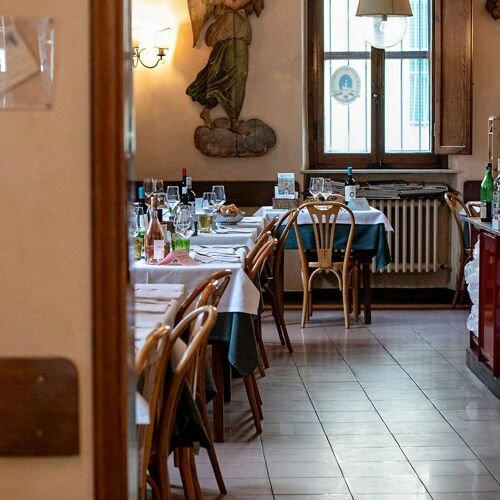
A Barn, an Estate, and 1,500 Hectares of Intention
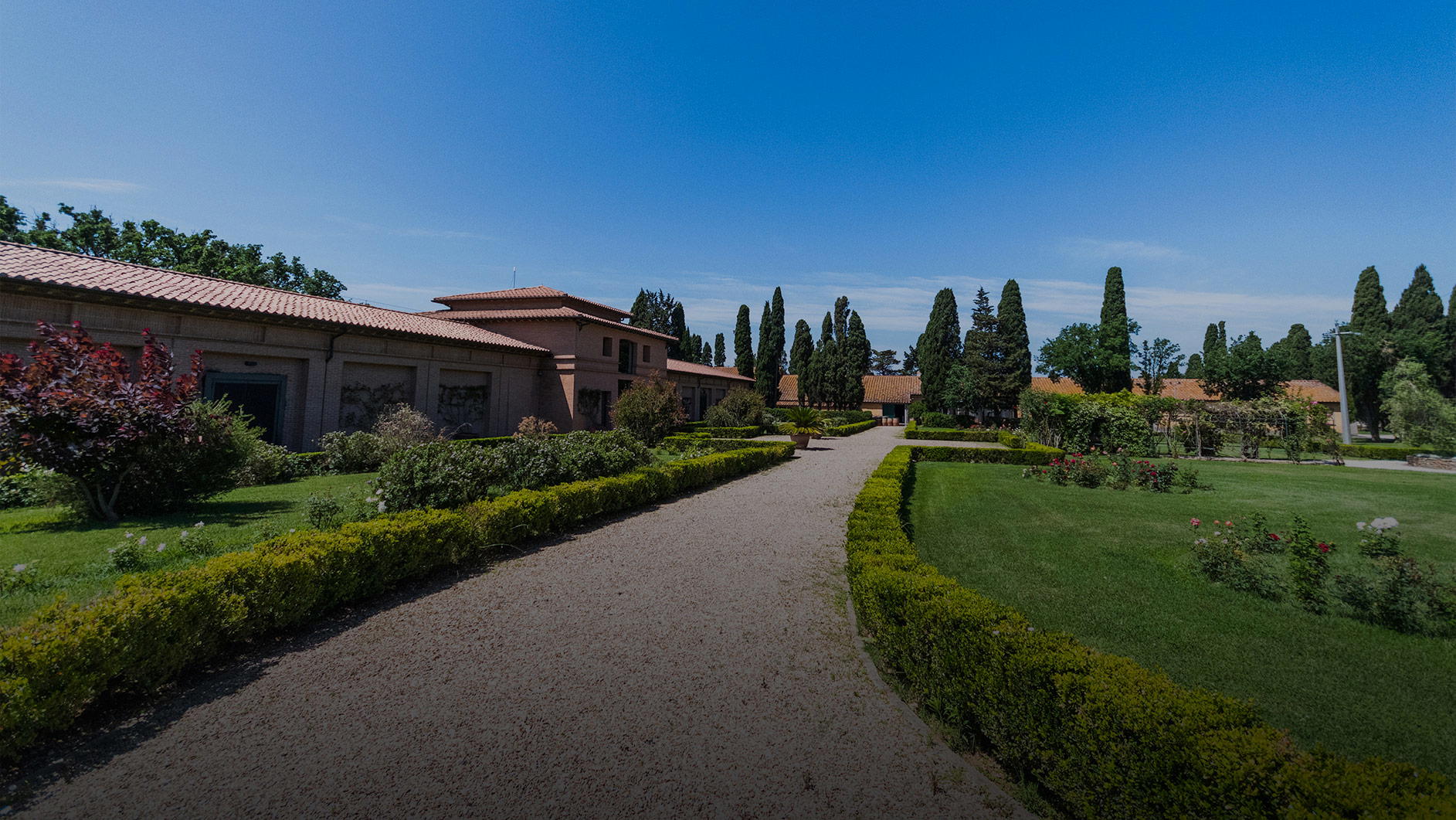
The approach to Terraforte sets the terms before you reach the door. The road onto the Il Terriccio estate in Castellina Marittima passes through working land: olive groves, horse paddocks, and the vineyards that produce Lupicaia, one of the Maremma coast's better-regarded reds. By the time the old hay barn comes into view, the framing is already agricultural, not decorative. The restaurant's setting is not an aesthetic choice layered onto a conventional dining operation. It is the operation, a kitchen positioned at the centre of its own supply chain across a property that spans 1,500 hectares of southern Tuscan countryside.
This corner of Tuscany, in the hills above the Tyrrhenian coast near Pisa, sits outside the better-publicised dining circuits of Florence and Siena. That geographic distance from the region's mainstream restaurant scene is, the point. For the dining model Terraforte operates, where sourcing exclusivity rather than culinary celebrity is the draw, remoteness is a credential, not a drawback.
Zero-Mile as Structure, Not Slogan
The phrase "zero-mile dining" has become shorthand for a certain kind of marketing in contemporary Italian cuisine, but at Terraforte it functions as a structural constraint rather than a positioning statement. Every protein on the menu, beef, game, chicken, comes from Il Terriccio's own land. Vegetables, aromatic herbs, and the wine poured at the table are sourced exclusively from the estate. This level of supply-chain closure is unusual even among farm-to-table operations, most of which rely on a network of local producers rather than a single landholding.
The discipline this imposes on the kitchen is considerable. The menu cannot drift toward fashionable imports or off-season produce because the sourcing boundary is fixed. What the estate grows and raises in any given season is, in effect, the menu's ceiling. Italian restaurants operating at the €€€€ price tier, from Osteria Francescana in Modena to Enoteca Pinchiorri in Florence, typically source premium ingredients from across the country and beyond. Terraforte inverts that logic: the estate sets the brief, and the kitchen answers it. The result, according to Michelin's 2025 Plate recognition, is cooking that preserves the clean, decisive flavours of its source material while demonstrating genuine compositional thought.
That Michelin Plate signals competent, well-prepared food within a defined framework. It places Terraforte in a different category from the multi-starred Italian contemporaries like Le Calandre in Rubano, Piazza Duomo in Alba, or Reale in Castel di Sangro. The comparison set is not maximalist tasting-menu restaurants. It is, more accurately, estate dining operations where the total experience, land, produce, table, is the proposition, and the kitchen's role is to realise that proposition without complication.
The Menu Format and What It Suggests
Two menu lengths are available: three courses and seven courses. The gap between them is significant. At the shorter end, the format suits guests visiting as part of a broader estate day, wine touring, riding, walking the property. At seven courses, Terraforte is asking for a different kind of attention: a full evening built around what the land produces, with the meal operating as a kind of inventory of the estate's current output. Both formats, per Michelin's assessment, maintain the kitchen's commitment to ingredient-led balance rather than technique-for-its-own-sake elaboration.
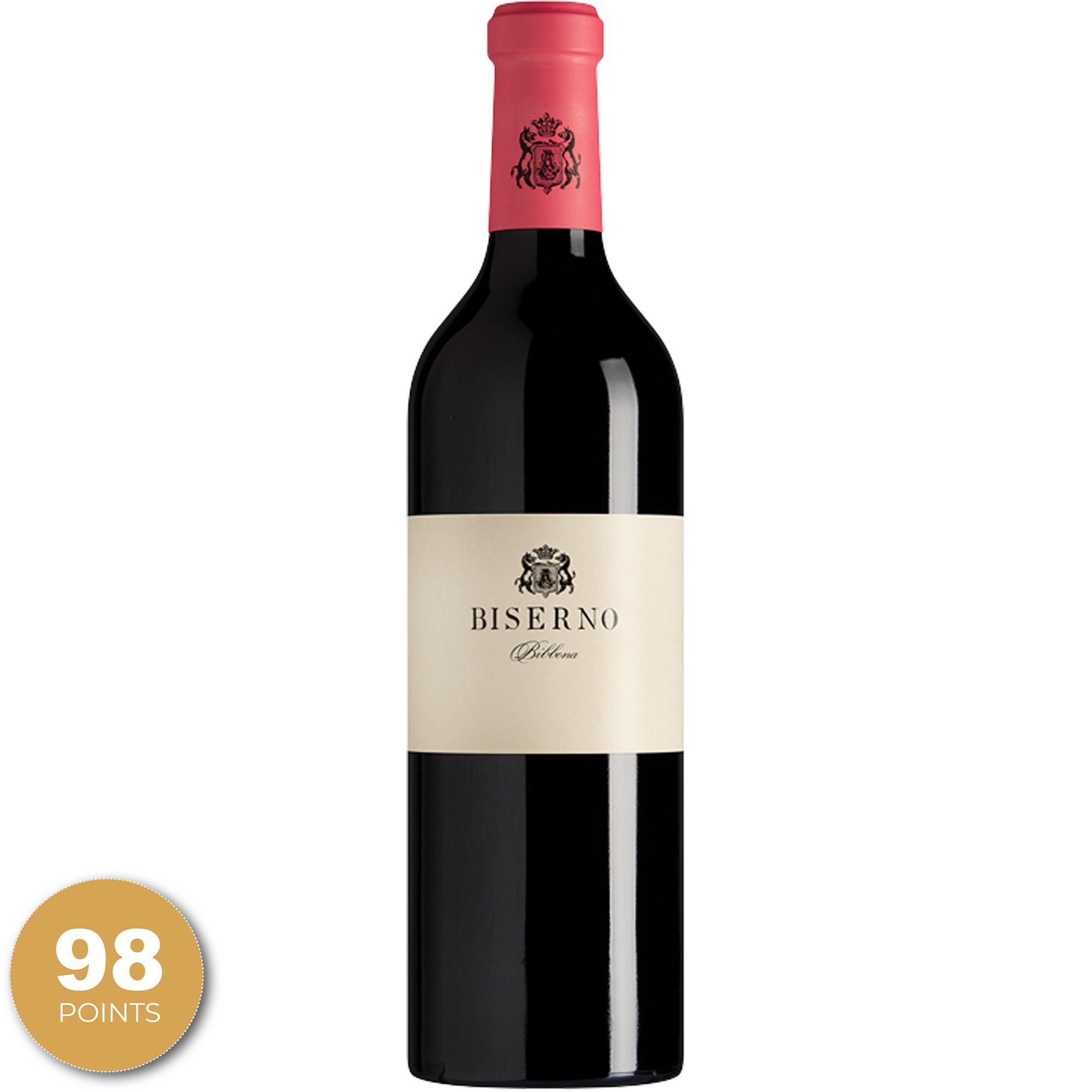
The wine programme runs on Lupicaia and the estate's other labels, which means the pairing logic follows the same closed-loop principle as the food. Lupicaia itself has received consistent critical attention as one of the more serious Super Tuscan-influenced reds from this stretch of coast, and its presence throughout the meal reinforces the sense that the table is, in a specific and literal way, a product of the surrounding land.
The Outdoor Setting and La Marrana
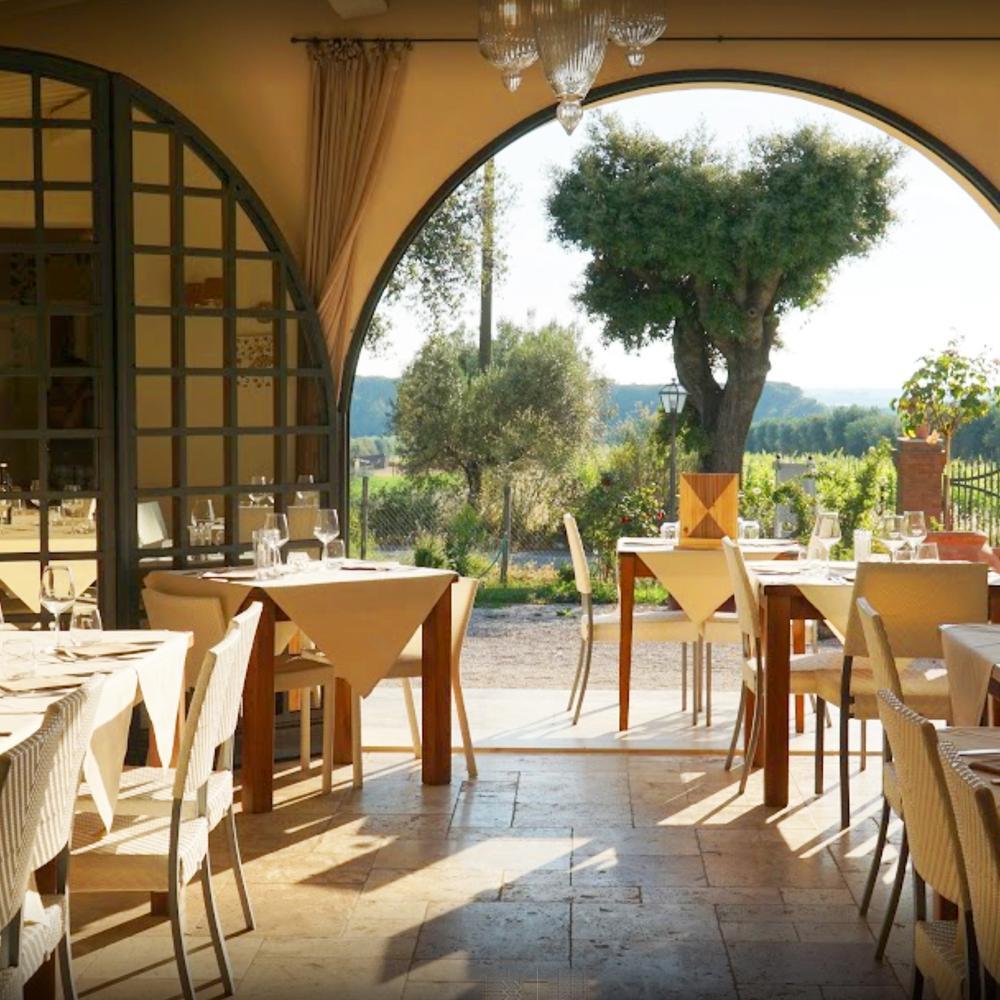
In warmer months, the restaurant extends to an outdoor space that uses the estate's scale to genuine effect. Eating outside here is not a terrace overlooking a car park or a courtyard surrounded by neighbouring buildings. The view is of working Tuscan land. The Michelin entry specifically notes this as a contextual recommendation: when weather allows, the outdoor setting makes the sourcing story visible in a way the interior cannot fully replicate.
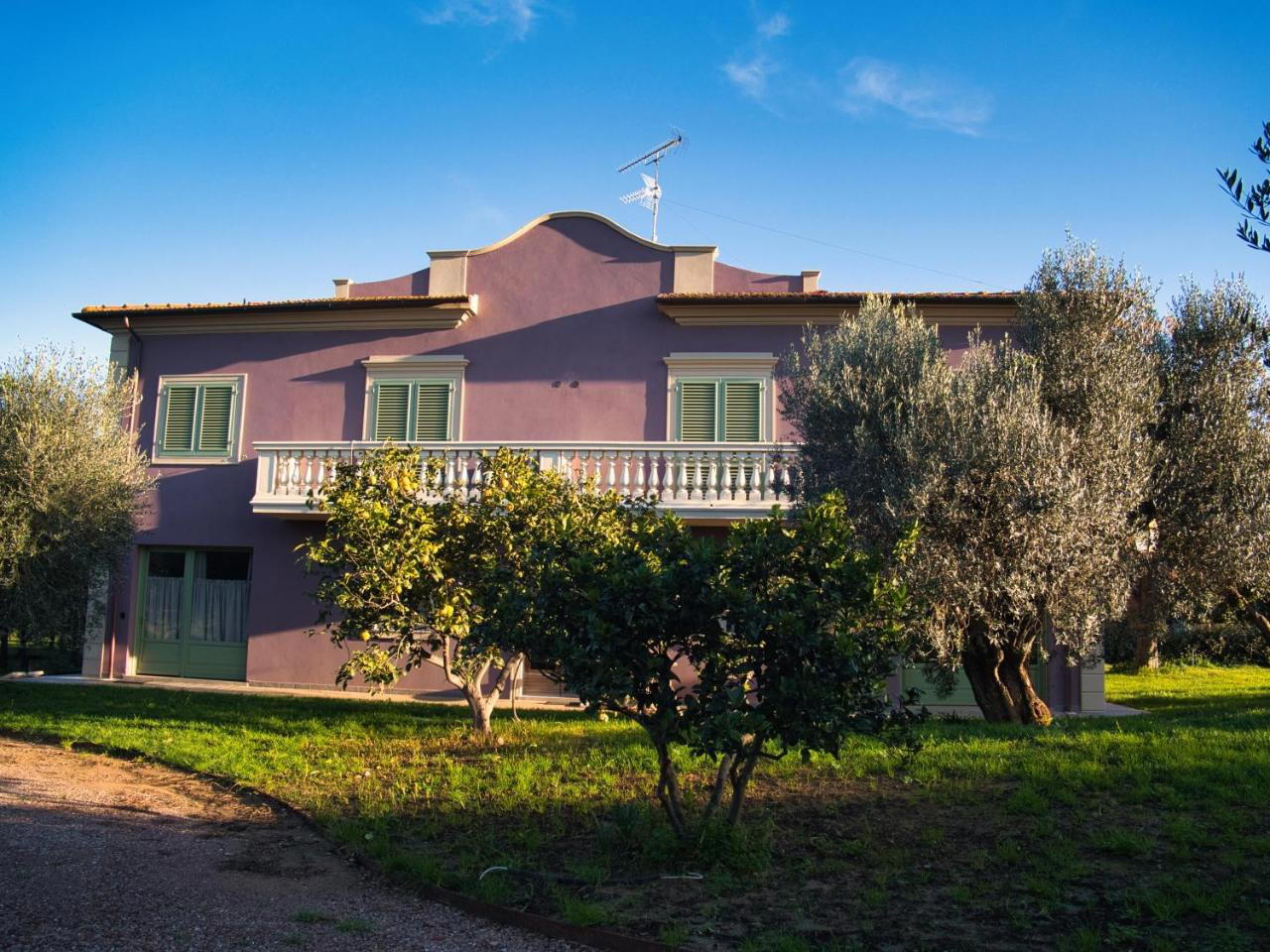
For guests who want the complete estate experience, accommodation is available at La Marrana, a villa on the property. This option is rare in the Castellina Marittima area and positions Terraforte within a small cohort of Italian dining destinations, comparable in format, if not in scale, to estate-stay experiences elsewhere in the country, where the meal is embedded in an overnight itinerary rather than a stand-alone reservation.
Where Terraforte Sits in the Italian Contemporary Scene
Italy's contemporary restaurant tier has, over the past decade, split into recognisably distinct sub-categories. There are the technically ambitious urban flagships, Enrico Bartolini in Milan, Casa Perbellini 12 Apostoli in Verona, where the kitchen's creative programme is the primary draw. There are legacy houses like Dal Pescatore in Runate, where multi-generational continuity and regional depth are the pull. And there is a smaller, less publicised cohort of estate-anchored restaurants where the sourcing model itself carries the editorial weight, and the cooking's job is principally not to get in the way. Terraforte belongs to this third group.
For context at the international level, the estate-dining model that Terraforte represents has parallels in other cuisines: the farm-restaurant combinations emerging in Nordic and Alpine contexts, or the agriturismo-to-fine-dining trajectory visible across central Italy. What distinguishes Terraforte from most agriturismo operations is price positioning and presentation, the €€€€ bracket and Michelin recognition separate it from casual farm-table eating without pushing it into the register of destination fine dining in the way that Atelier Moessmer Norbert Niederkofler in Brunico occupies. It is a specific and deliberate middle register, and one that the current dining moment, with its sustained appetite for traceable, terroir-grounded cooking, rewards.
The restaurant's address is Via Bagnoli, 16, 56040 Castellina Marittima, Pisa.7 from 51 ratings.
How It Stacks Up
Comparable venues nearby, for context on price, style, and recognition.
| Venue | Cuisine | Price | Awards | Notes |
|---|---|---|---|---|
| TerraforteThis venue — the venue you are viewing | Modern Tuscan Estate Cuisine | $$$$ | Michelin Plate | Not listed |
| Il Convito di Curina | Contemporary Tuscan | $$$$ | Michelin Plate | Castelnuovo Berardenga |
| La Bottega del 30 | Authentic Tuscan Fine Dining | $$$$ | Michelin Plate | Villa a Sesta |
| Boccon DiVino | Modern Tuscan Trattoria | $$$$ | Michelin Plate | Montalcino |
| Pepenero | Modern Tuscan with White Truffle Specialties | $$$ | Michelin Plate | Piazza del Duomo, San Miniato |
| DaV by Da Vittorio Louis Vuitton | Modern Italian Fine Dining | $$$$ | Michelin Plate | Duomo |
Recognition history
Dated appearances from independent guides and award organizations, with the underlying list record or original source where available.
Michelin Plate
Michelin
Michelin Plate
Michelin
Continue exploring
More in Castellina Marittima
Restaurants in Castellina Marittima
Browse all →
Bars in Castellina Marittima
Browse all →
Hotels in Castellina Marittima
Browse all →
At a Glance
- Rustic
- Elegant
- Cozy
- Scenic
- Intimate
- Date Night
- Special Occasion
- Celebration
- Terrace
- Historic Building
- Extensive Wine List
- Sommelier Led
- Farm To Table
- Local Sourcing
- Vineyard
Current opening hours
- Monday
- Closed
- Tuesday
- Closed
- Wednesday
- 12:30–2:30 PM, 7:30–10 PM
- Thursday
- 12:30–2:30 PM, 7:30–10 PM
- Friday
- 12:30–2:30 PM, 7:30–10 PM
- Saturday
- 12:30–2:30 PM, 7:30–10 PM
- Sunday
- 12:30–2:30 PM, 7:30–10 PM
Hours can change for holidays and private events. Last verified .
Warm, soft lighting in a rustic converted hay barn with exposed beams, reclaimed wood, rough stone walls, and tables spaced for private conversation, creating a calm, unpretentious atmosphere focused on food and wine.