Our verdict
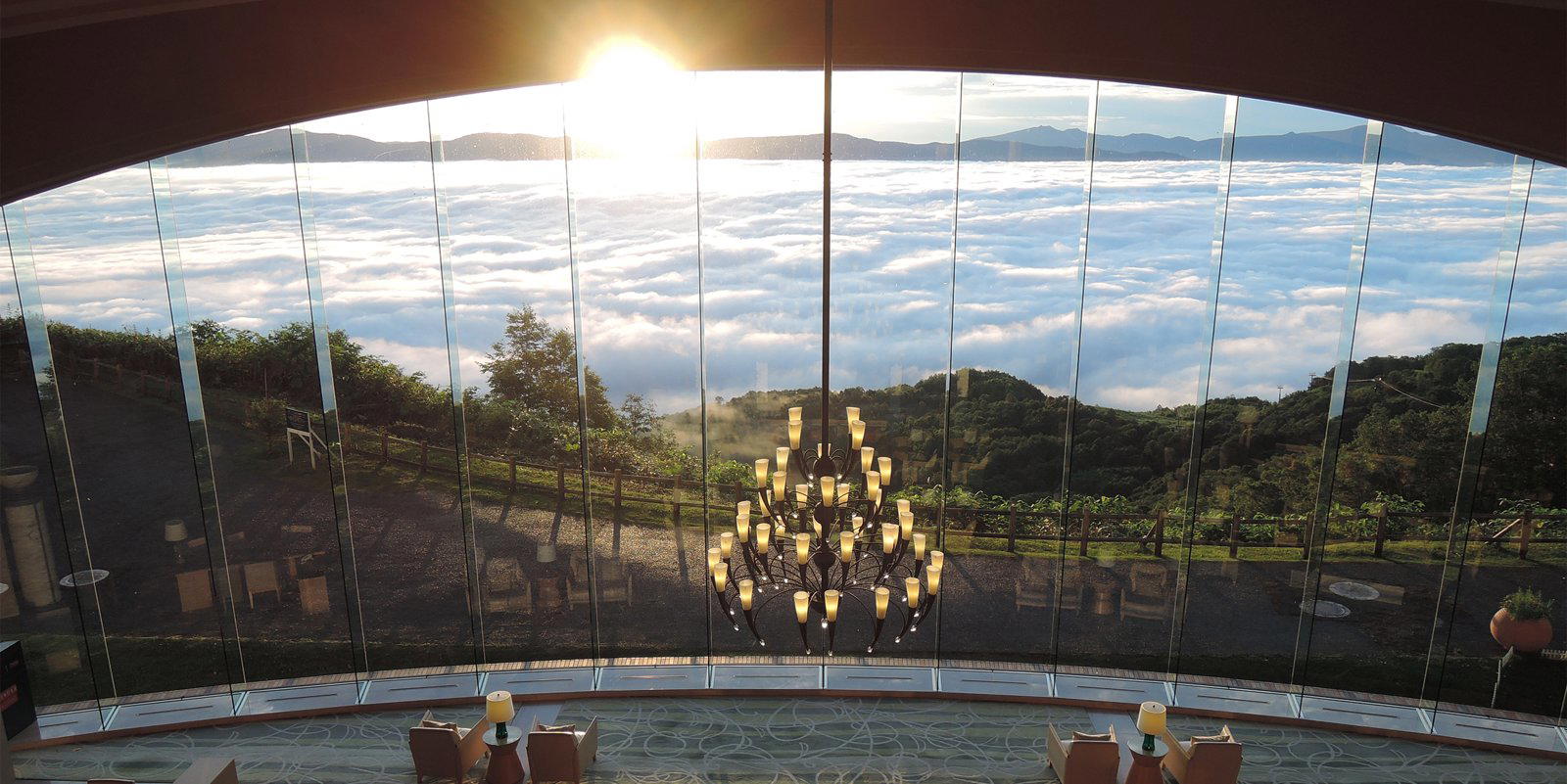
Chinese Cuisine La voûte brings Chinese cooking into Toya’s resort-hotel dining circuit, where Lake Toya, Hokkaido produce, and multi-restaurant planning shape the meal as much as the room itself. Its position inside The Windsor Hotel TOYA makes it less a stand-alone city restaurant than part of a destination dining cluster, useful for travellers comparing Japanese, French, sushi, pizza, and Chinese formats in one mountain-lake setting.

Pearl is the En Primeur Club membership app — saves, bookings, and concierge access live there. Same editors, same standards.
- Address
- Japan, 〒049-5722 Hokkaido, Abuta District, Toyako, Shimizu, 336 11F The Windsor Hotel TOYA, Vignette Collection
- Phone
- +81 142-73-1111
- Hours
- Mon 5:30–9 PMTue ClosedWed–Sun 5:30–9 PM
- Website
- windsor-hotels.co.jp
- Directions
- Get directions
The menu
What to order
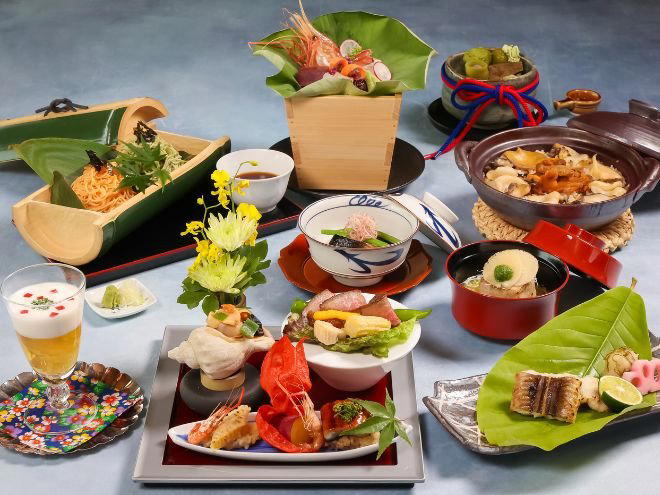
- Silk Road dinner course
- La Voûte dinner course
- China Blue dinner course
- Peking duck La Voûte style
- Shark fin soup
- Braised abalone
- Mapo tofu
Arriving for dinner in Toya changes the terms of Chinese dining before a menu appears. Toya is not a dense urban restaurant district; it is a resort town where meals often sit inside hotels, inns, and destination properties. In that setting, Chinese Cuisine La voûte belongs to a specific local pattern: international formats filtered through the expectations of a resort stay, with seasonality and a slower travel rhythm doing quiet work in the background.
That matters because Chinese cooking in resort Japan can split in two directions. One side leans toward banquet familiarity, the other toward a calmer, ingredient-led reading of technique: stock, heat control, texture, and restraint. In Toya, the second approach makes more sense. The town is built around destination travel and a slower rhythm than larger city dining. A Chinese restaurant here is judged less by urban spectacle than by how well it translates ingredients into a cuisine whose grammar was developed elsewhere.
Chinese technique in a Toya resort setting
The useful way to read La voûte is not as an isolated Chinese address, but as part of Toya’s broader dining ecosystem. The same destination can send travellers toward French structure at French Dining Gilligan's Island, Japanese formality at Japanese Restaurant Toji sanka, casual Italian comfort at Pizzeria, or counter-led sushi at Sushi Shoan Kogetsu. Chinese Cuisine La voûte fills a different role: a meal built around Chinese seasoning logic in a place where the setting is unmistakably Toya.
Toya changes the dining calculation because sweetness, fat, freshness, and pacing may be read through a resort lens rather than a city-restaurant lens. Seasonal cooking, considered service, and the broader expectations of destination dining are part of the local vocabulary. Even when a menu does not spell out every producer, the expectation is clear: dining in Toya is expected to acknowledge the place around it. The stronger rooms in this category use technique to frame ingredients rather than bury them under sauce.
Public information for La voûte is limited, so the more reliable measure is format and setting. A restaurant in a Toya destination-dining context competes for a guest who may be choosing dinner only once during a stay. That creates a different pressure from a neighbourhood Chinese restaurant: the meal has to read as considered, calm, and aligned with the wider standard of the trip.
Where it sits in Toya's dining map
Toya rewards planning by category. A traveller building a short stay should not treat every dinner as interchangeable. French dining here tends to emphasize pacing and atmosphere; Japanese restaurants carry a strong link to seasonality; sushi narrows the focus to rice, fish, and counter timing; Chinese cuisine gives the itinerary warmth, texture, and shareable structure without leaving the resort orbit. La voûte is useful for that reason: it broadens the local dining sequence rather than duplicating it.
The restaurant’s strongest editorial case is for guests who want Chinese technique without moving back into a city frame. In larger Japanese cities, the category is crowded with specialist rooms and chef-led counters. In Toya, scarcity changes the calculation. A serious Chinese option in a resort setting has practical value, especially when weather, transport, and multi-night itineraries make nearby dining more appealing than longer movement between meals.
For broader planning, compare the restaurant against the town rather than against national Chinese dining capitals. Start with our full Toya restaurants guide, then place dinner decisions alongside our full Toya hotels guide, our full Toya bars guide, our full Toya wineries guide, and our full Toya experiences guide. The right booking depends on the shape of the trip: one night calls for a focused choice; two or three nights allow a Japanese dinner, a French meal, and Chinese cooking to sit side by side.
How to read the meal choice
La voûte makes the most sense when the decision is about balance. After a formal French dinner or a precise sushi counter, Chinese cooking can bring a looser table rhythm: more texture, more heat, more shared pacing. That does not make it casual by default. In a resort environment, service and room tone usually sit closer to composed destination dining than street-level Chinese restaurants, which suits travellers who want a polished evening without committing to another tasting-menu frame.
The Toya setting also helps explain its audience. Toya is not a place where diners casually walk past ten alternatives before choosing one. Meals are often tied to where guests sleep, what transport is available, and how much energy remains after sightseeing. That gives nearby restaurants real weight. Choosing La voûte is less about chasing a trophy table than selecting the right cuisine for a particular night in a tightly planned Toya stay.
Travellers extending the comparison beyond Toya can read it against other Japan dining formats in the EP Club archive, from city grill rooms and casual seafood spots to cafés, regional counters, and curry specialists. For a wider Pacific comparison, the archive also shows how Japanese formats shift when transplanted abroad. La voûte works in the opposite direction: Chinese cuisine interpreted within a Toya resort context.
Frequently asked questions
Is Chinese Cuisine La voûte a family-friendly restaurant?
Its Toya setting points to a hotel-style dining room rather than a strict counter format. That usually makes it easier to fit into a family stay in Toya, especially when dining plans need to work around a wider travel schedule.
What is the atmosphere like at Chinese Cuisine La voûte?
Chinese Cuisine La voûte is tied to Toya’s resort-dining map rather than a standalone urban restaurant crawl. Expect a composed hotel-restaurant mood shaped by the Toya location.
Where is Chinese Cuisine La voûte located?
Toya.
Is Chinese Cuisine La voûte reservation-only?
The listing gives Toya but no booking policy, so the safest approach is to treat it as a planned meal. Advance booking is a sensible assumption for dinner service in a resort destination.
What makes Chinese Cuisine La voûte worth seeking out?
Its appeal is location first: Chinese cuisine in Toya puts it in a resort-dining setting that is different from the usual city model. For travellers building a meal sequence in Toya, it adds another style to a dining map shaped by destination stays.
How does Chinese Cuisine La voûte handle allergies?
Those details are not published. Chinese restaurant service may involve common allergens, so clear communication matters. Check the venue's official channels for the latest details.
Snapshot
Comparable venues by cuisine and price in the same metro.
| Venue | Cuisine | Price |
|---|---|---|
| Chinese Cuisine La voûteThis venue — the venue you are viewing | Chinese Fine Dining | $100–150 |
| French Dining Gilligan's Island | Casual French hotel dining with panoramic lake views | $100–150 |
| Japanese Restaurant Toji sanka | Seasonal Japanese Kappo Kaiseki | $50–100 |
| Pizzeria | Italian Pizzeria with Hokkaido Cuisine | $20–30 |
| Sushi Shoan Kogetsu | Luxury Hokkaido Sushi Omakase | $150–200 |
| TEPPANYAKI Windsor Out of Africa | Luxury Japanese Teppanyaki | $200–300 |
Continue exploring
More in Toya
Restaurants in Toya
Browse all →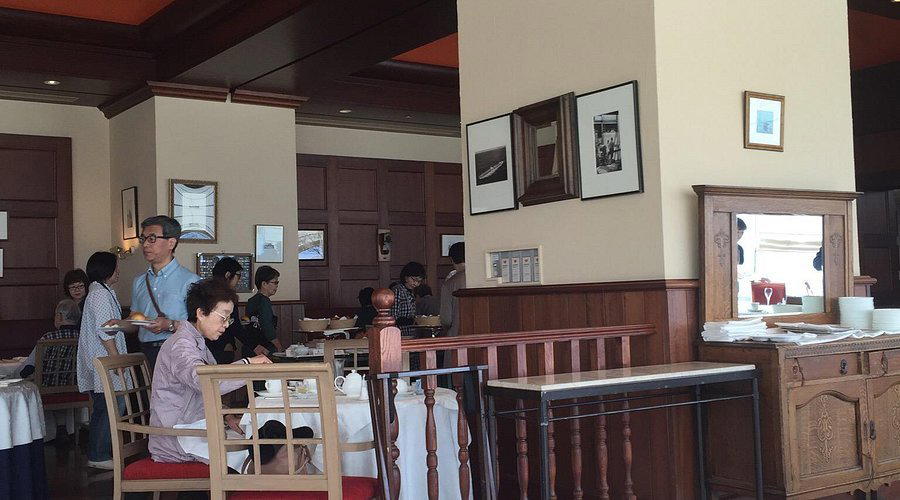

Details
- Elegant
- Sophisticated
- Modern
- Family
- Group Dining
- Special Occasion
- Celebration
- Business Dinner
- Design Destination
- Hotel Restaurant
- Extensive Wine List
- Local Sourcing
- Mountain
- Set Menu
- A La Carte
- Wine
- Vegetarian Friendly
Current opening hours
- Monday
- 5:30–9 PM
- Tuesday
- Closed
- Wednesday
- 5:30–9 PM
- Thursday
- 5:30–9 PM
- Friday
- 5:30–9 PM
- Saturday
- 5:30–9 PM
- Sunday
- 5:30–9 PM
Hours can change for holidays and private events. Last verified .
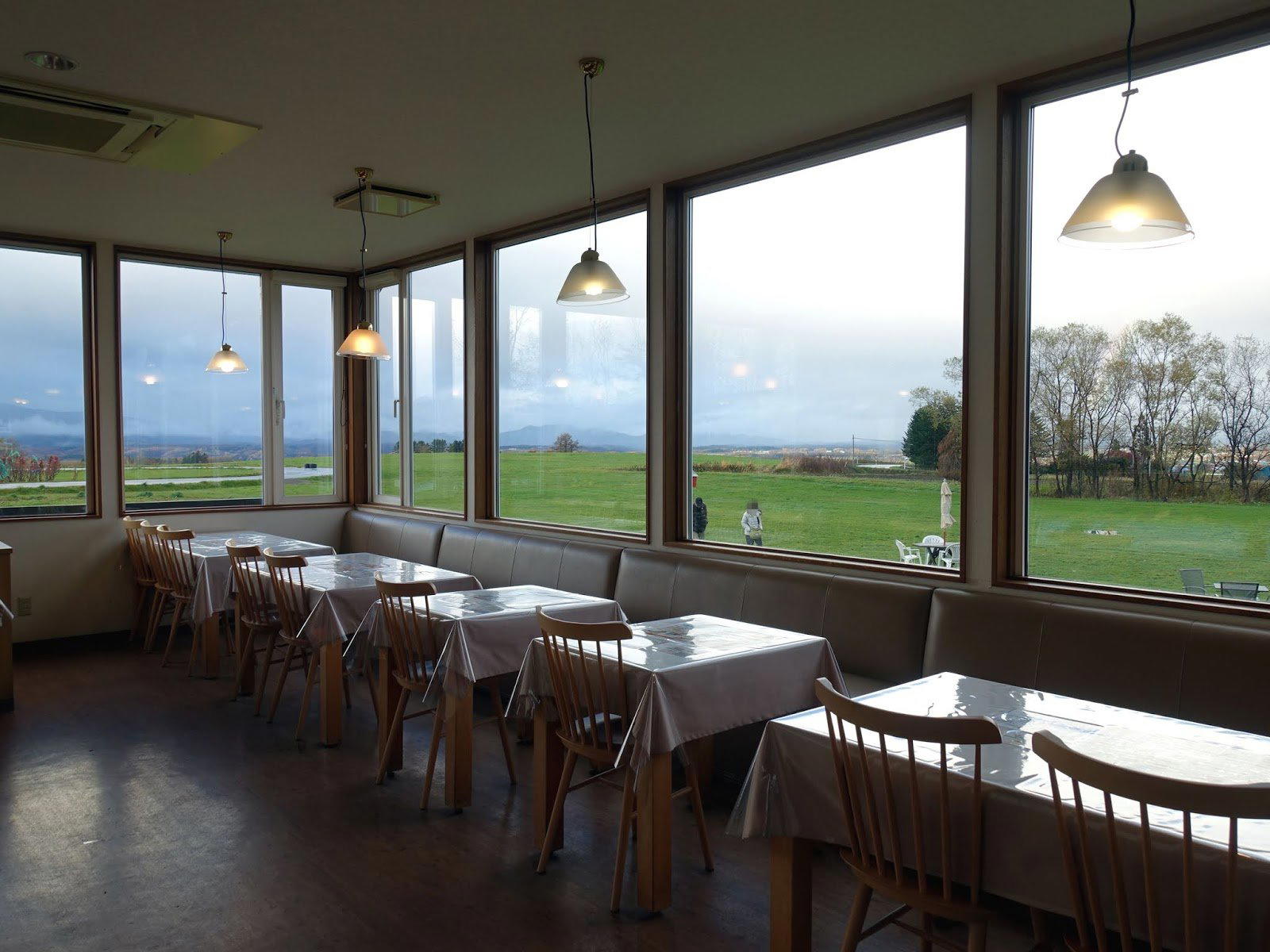
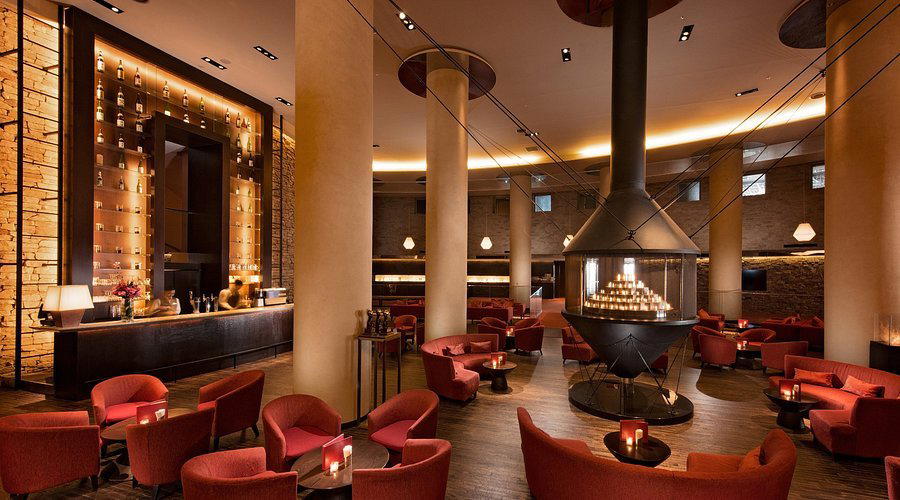
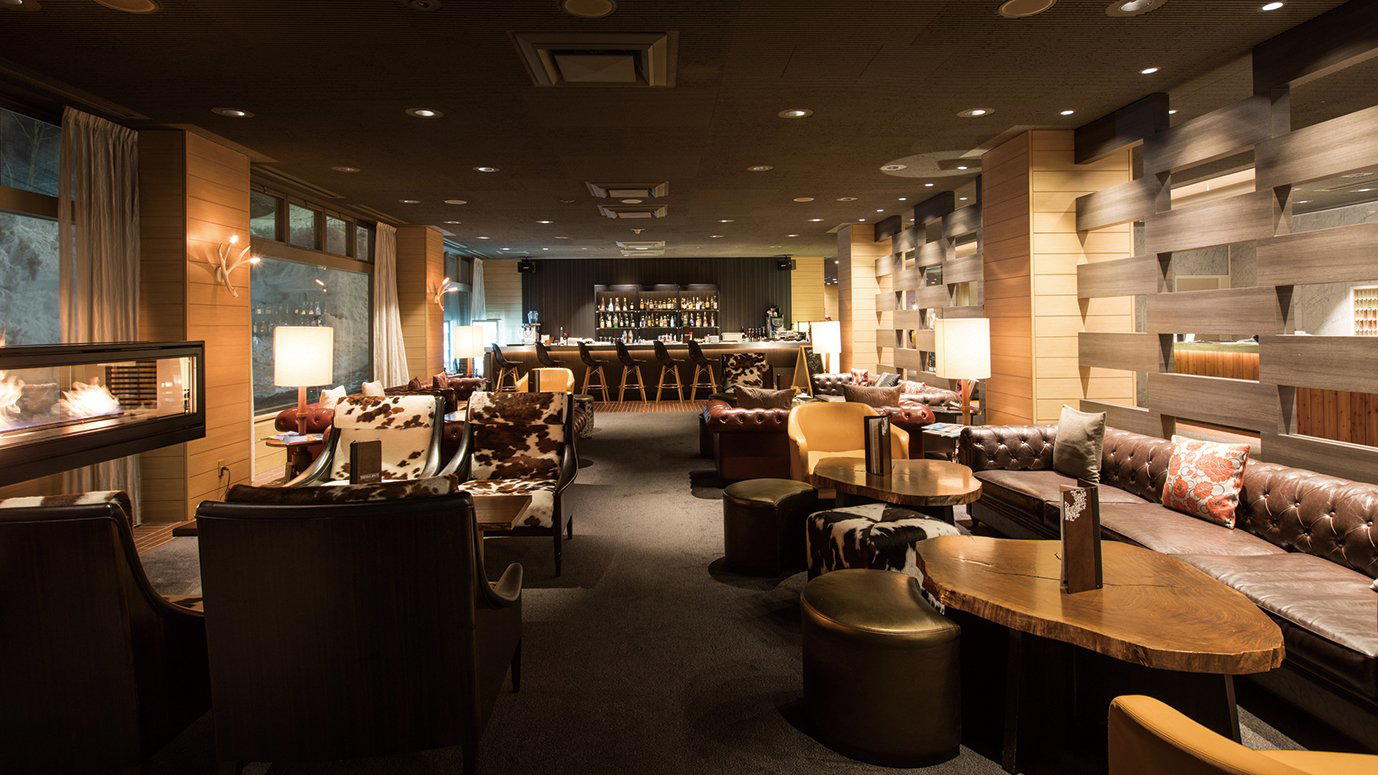
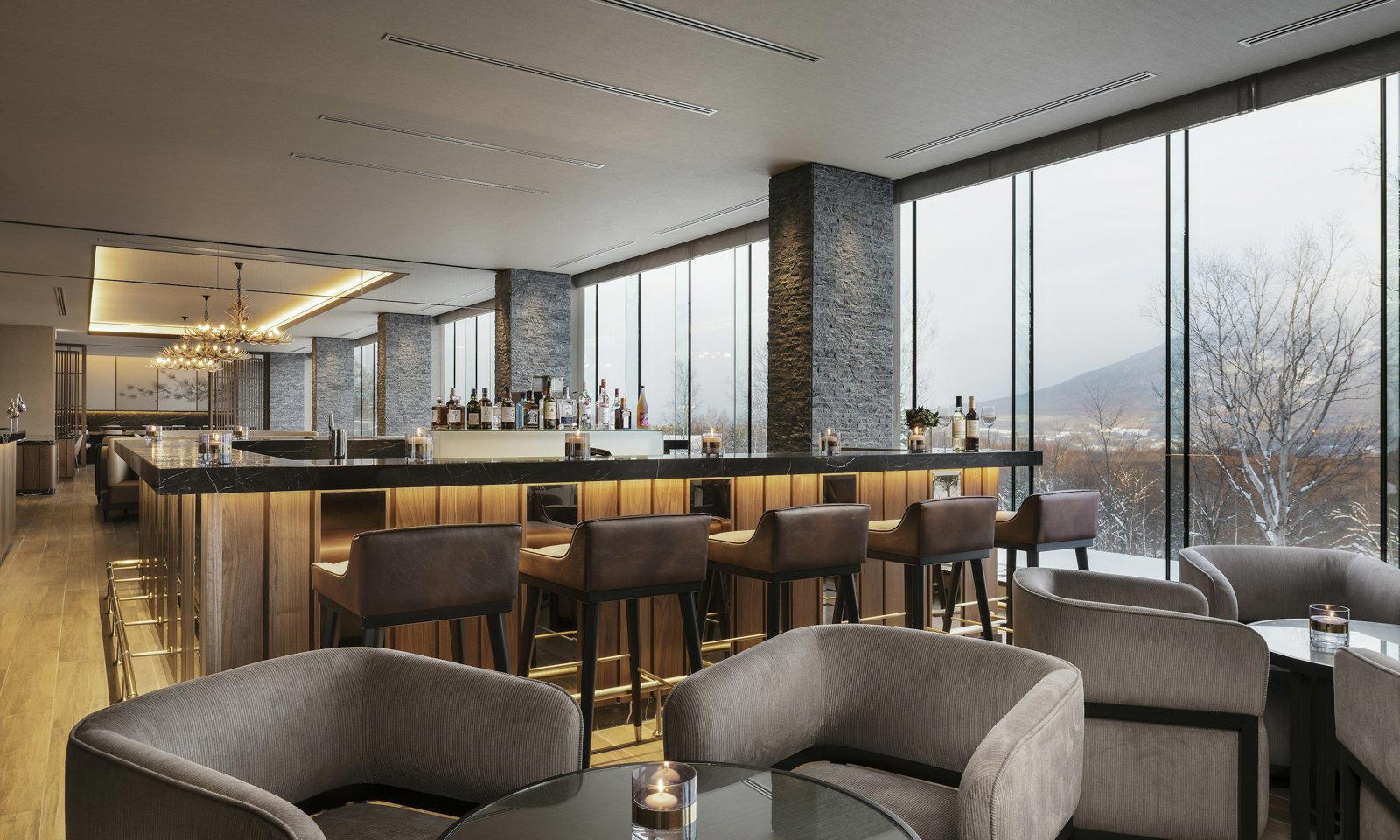
Blue-toned, design-forward hotel dining room with a Silk Road / exotic-blue theme, tunnel-like entrance, pendant lights, lattice partitions, and sculptural wall art creating an elegant, refined atmosphere.