Our verdict
Olivio sits in Kutchan, the Hokkaido town at the base of Niseko's ski terrain, where the dining scene has matured well beyond resort-standard fare. The restaurant draws from a broader northern Japan tradition in which the pacing and ritual of the meal carry as much weight as the food itself. For visitors to the area, it represents a more considered alternative to the après-ski circuit.

Pearl is the En Primeur Club membership app, where members save venues, book tables and use the concierge.
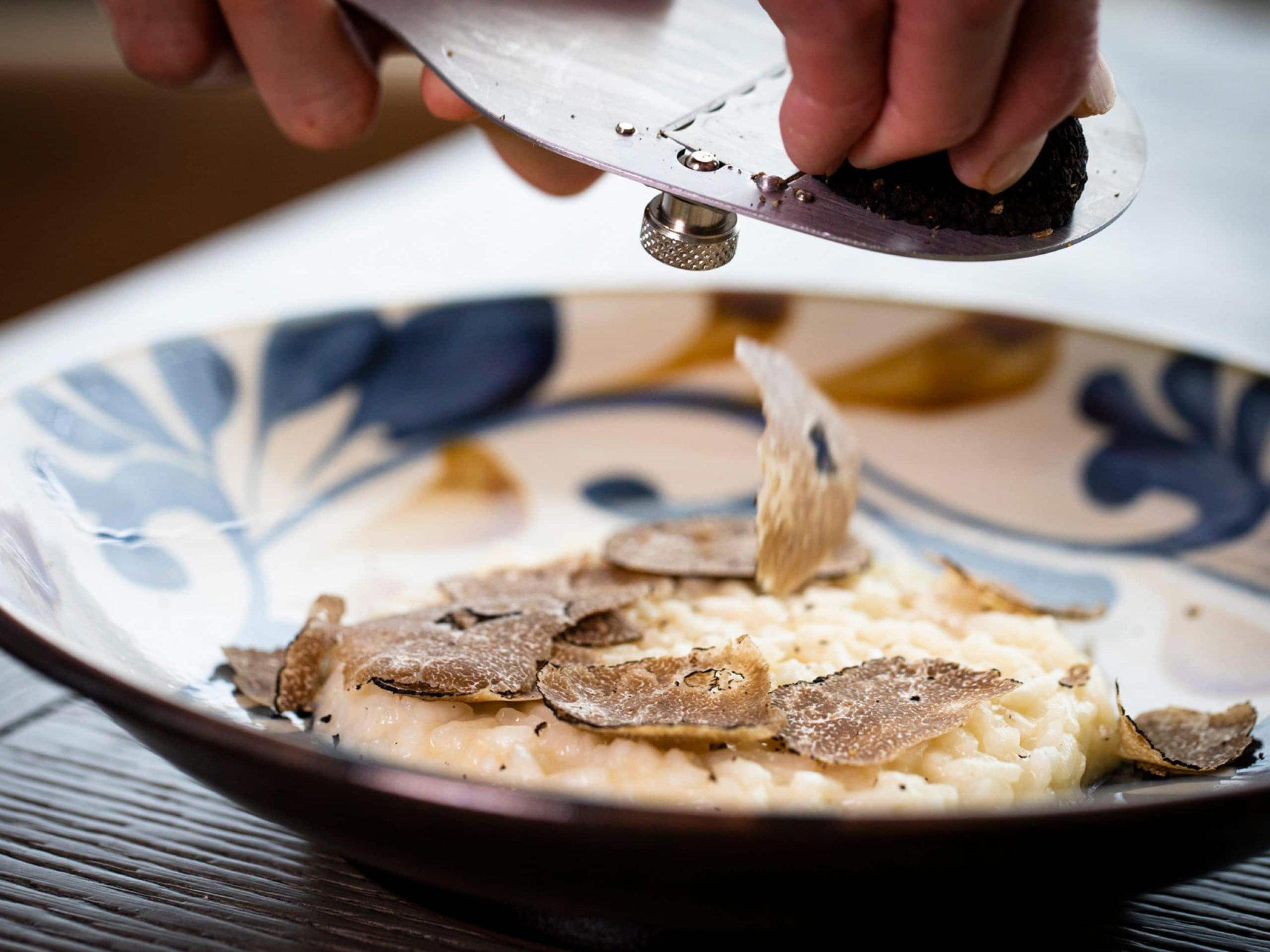
The menu
What to order
- Homemade pasta
- Tiramisu
- Vongole pasta with pistachio paste and bottarga
- Bollito Misto
- Truffle risotto
Where the Snow Town Sits Down to Eat
Kutchan is not a resort village in the conventional sense. It is a working Hokkaido town that happens to sit at the foot of one of Japan's most-visited ski areas, and its dining scene reflects that dual character. The international money that poured into Niseko over the past two decades brought with it demand for something more than hotel buffets and ramen counters, and a quiet tier of restaurant has grown to meet it. Olivio, at 328-47 Aza Iwaobetsu, occupies that middle ground between destination-resort dining and everyday local eating, a position that defines some of the more interesting tables in Hokkaido's mountain towns.
Getting to Kutchan from Sapporo takes roughly two hours by road or by the JR Hakodate Main Line to Kutchan Station, a journey that sharpens the sense of arrival. The town itself is compact enough to cover on foot in winter boots, and the address places Olivio on the Iwaobetsu edge of the settlement, slightly removed from the main commercial strip. That physical distance from the resort cluster sets the tone before you reach the door.
The Ritual of the Meal in Hokkaido's Mountain Towns
One of the more instructive things about dining in inland Hokkaido is the way the meal's pacing carries cultural weight independent of cuisine type. The island's agricultural and fishing traditions produce ingredients with strong seasonal signatures, winter crab, late-autumn venison, early-spring mountain vegetables, and the better restaurants in the region have built their service rhythms around those cycles rather than against them. A meal is not hurried. Courses arrive with the kind of deliberate spacing that allows the room temperature to shift, the wine to open, the table conversation to develop. This is not slow service; it is considered sequencing, and it is one of the most consistent pleasures of eating seriously in northern Japan.
That dining culture sits in contrast to the après-ski tempo that dominates much of the Niseko circuit, where speed and volume tend to govern. Restaurants that hold to a more formal pacing in this environment occupy a specific niche: they are chosen for occasions, for evenings when the skiing is finished and the group wants to shift registers. Olivio appears to operate within that niche, in a town where several distinct dining formats now coexist. Alongside Olivio, the Kutchan scene includes Kumo, Molière Montagne, China Kitchen, Kitchen, and Robata, a spread that covers Japanese grilling traditions, European alpine influences, and Chinese cooking within a single small town.
Hokkaido at the Table: What the Region Brings
The case for taking Hokkaido's dining seriously beyond Sapporo's ramen lanes and izakaya has been building for years. The island's dairy, produce, and seafood form the supply base that many of Japan's most celebrated kitchens depend on, and some of the most focused cooking in the country now happens in smaller Hokkaido towns rather than in the capital. This is a pattern visible in other prefectures too: 湖畔荘 in Takashima and 庄羽屋 in Nishikawa Machi both represent the kind of regionally grounded cooking that earns recognition precisely because it refuses to migrate to urban centres.
Within Hokkaido specifically, the dining corridor running from Sapporo south and west through Otaru and into the Niseko basin has developed a density of serious restaurants that would have seemed improbable a decade ago. 古代山乃 in Sapporo anchors the prefectural capital's more considered end of the market, while the ski-adjacent towns have drawn European-trained chefs and international investors who brought different culinary traditions with them. The result is a stretch of Hokkaido where a visitor can eat across several distinct traditions inside a single winter week.
For reference points at the furthest edge of Japanese fine dining, HAJIME in Osaka and Gion Sasaki in Kyoto represent the national standard against which regional ambition is measured. Closer in format to what mountain-town dining typically offers, akordu in Nara and Goh in Fukuoka show how regional settings outside Tokyo can sustain high-craft cooking with distinct local character. See our full 倶知安町 restaurants guide for the broader picture of where Kutchan sits in that national conversation.
Planning a Meal at Olivio
The most reliable approach for planning is to check directly with your accommodation concierge in the Niseko-Kutchan area, as local hotels typically maintain current relationships with nearby restaurants and can facilitate reservations that are not publicly listed. The winter season, running from December through March, brings peak demand to all serious tables in this area, and advance planning by several weeks is advisable for that period. The shoulder months of late spring and early autumn tend to offer more flexibility.
For visitors building an extended Hokkaido itinerary that reaches beyond the ski season, comparison with the broader Japanese dining circuit is worth considering. Harutaka in Tokyo and 一本木 布川制 in Nanao illustrate the range of formats available across the country, from the tightly choreographed Tokyo counter to the more expansive regional kaiseki pace. Birdland in Sakai and the New York anchors Le Bernardin and Atomix extend the frame further, useful reference points for international visitors calibrating what a considered meal at the regional level represents relative to global standards.
Frequently asked questions
Is Olivio suitable for children?
Kutchan is a working Hokkaido town with a practical, community-facing dining culture rather than a high-concept scene, which generally means a more relaxed environment around families. The address at 328-47 Aza Iwaobetsu places it away from the busiest resort corridors, which tends to mean quieter surroundings.
Is Olivio better for a quiet night or a lively one?
Kutchan operates on a different register from the resort villages closer to the Niseko lifts, it is a functioning town, not a party strip, so the baseline energy skews toward the unhurried end. Olivio's position in the Iwaobetsu district reinforces that. Expect a neighbourhood pace rather than a high-turnover après-ski atmosphere.
Is Olivio a good dinner option when visiting the Niseko area from outside Japan?
Olivio is located in Kutchan proper, the administrative town that anchors the wider Niseko ski region, rather than in the resort-facing villages of Hirafu or Hanazono. For international visitors, that positioning means a more local, less tourist-oriented dining environment. No cuisine type or chef details are publicly listed for Olivio at this time, so checking current status before visiting from abroad is advisable.
What do people recommend at Olivio?
Specific dish recommendations for Olivio are not catalogued in current public records, which is consistent with many independently run venues in inland Hokkaido towns that rely on local word-of-mouth rather than online menus. The broader regional context is worth noting: Hokkaido's dairy, produce, and seafood supply is among the strongest in Japan, meaning kitchens in Kutchan have access to materially better ingredients than most mainland counterparts at equivalent price points.
What's the address for Olivio?
Olivio is located at 328-47 Aza Iwaobetsu, 倶知安町, 北海道, 044-0082, 倶知安町.
Cuisine and Credentials
| Venue | Cuisine | Price | Awards |
|---|---|---|---|
| OlivioThis venue (the venue you are viewing) | Italian Classics and Homemade Pasta | Not listed | Not listed |
| Kumo | Hokkaido Izakaya | Not listed | Not listed |
| Molière Montagne | French fine dining in the Hokkaido mountains | $200–300 | Tabelog 100 #5 |
| China Kitchen | Cantonese & Sichuan Chinese with Dim Sum Brunch and Hot Pot | $50–100 | Not listed |
| Kitchen | Contemporary Japanese-Western Fine Dining | $150–200 | Not listed |
| Robata | Japanese Robata Grill | Not listed | Not listed |
Continue exploring
More in Kutchan
Restaurants in Kutchan
All restaurants in Kutchan →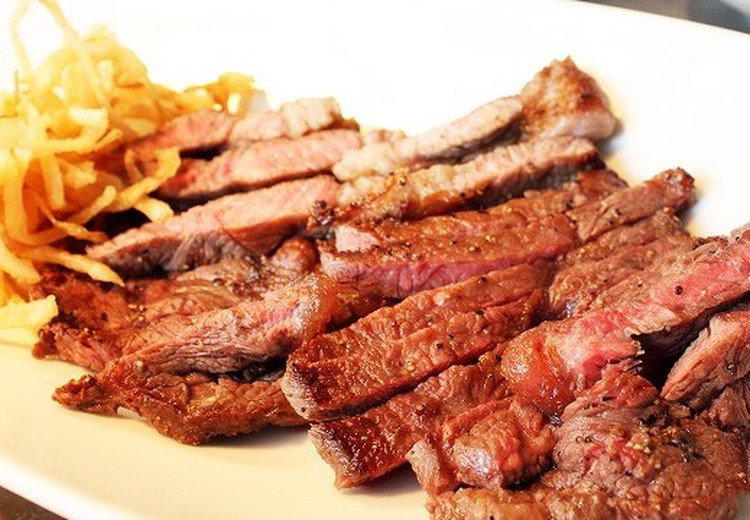
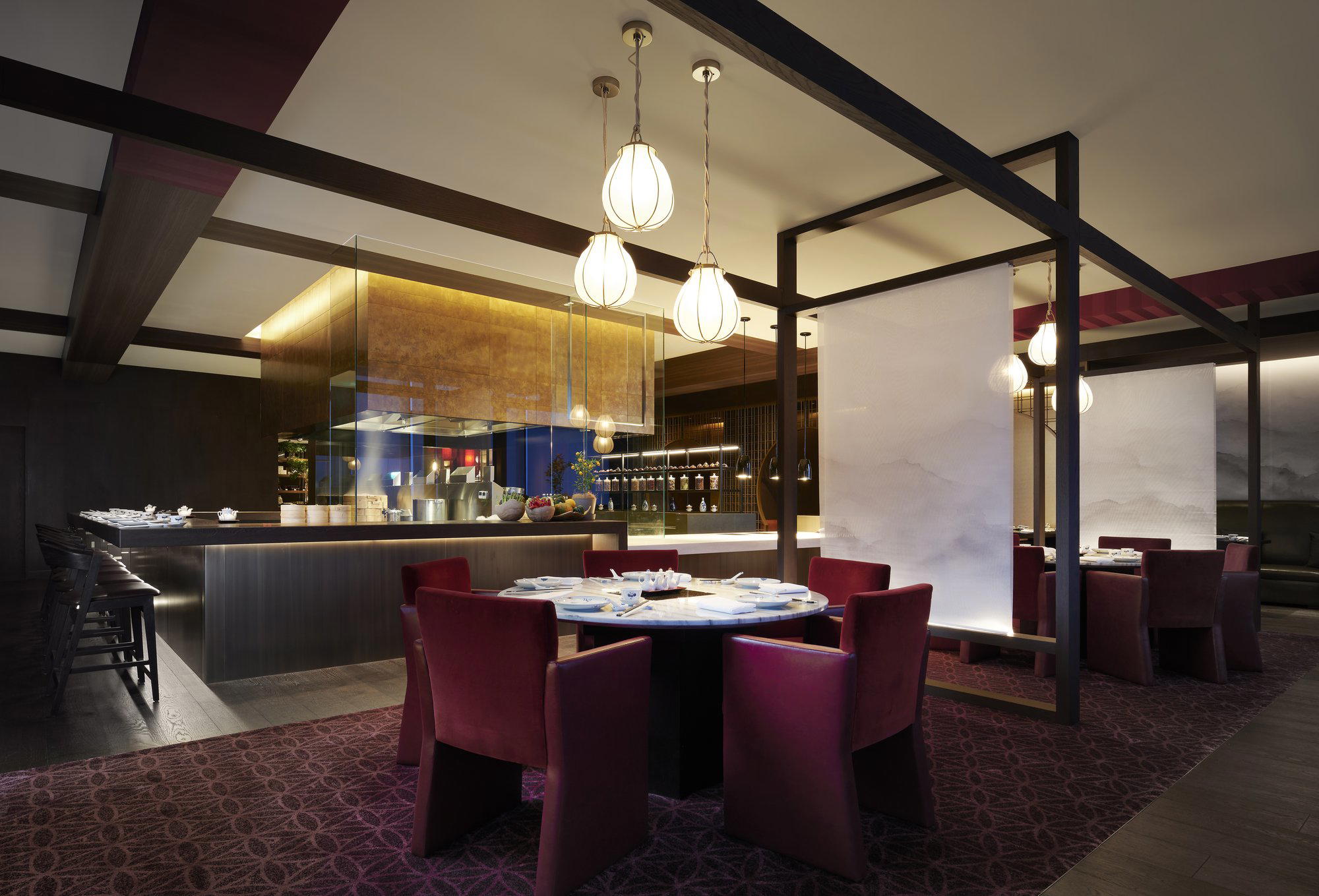
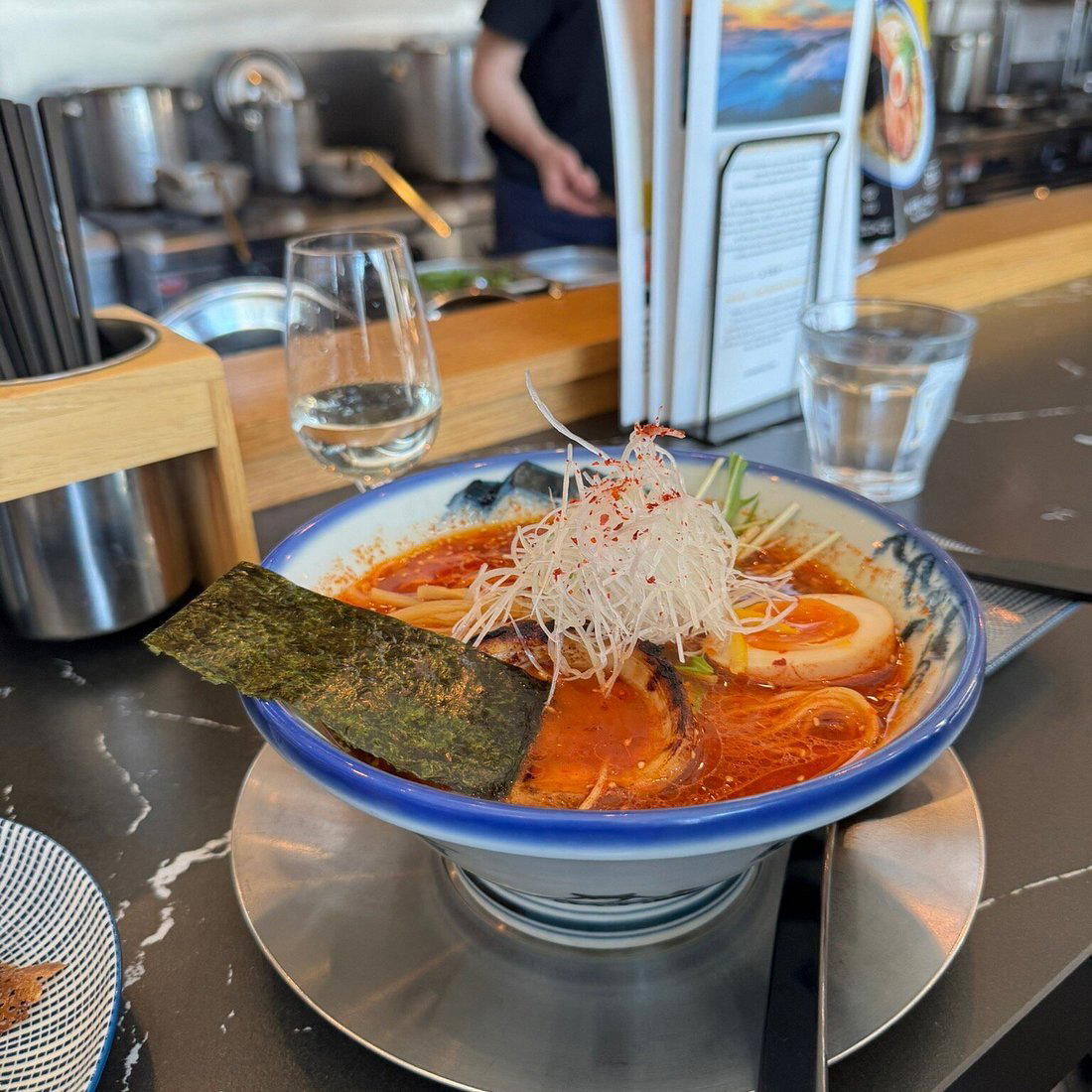
Hotels in Kutchan
All hotels in Kutchan →
Wineries in Kutchan
Browse all →
Details
- Cozy
- Elegant
- Sophisticated
- Family
- Group Dining
- Date Night
- Special Occasion
- Hotel Restaurant
- Local Sourcing
- A La Carte
- Vegetarian Friendly
- Vegan Options
Relaxed and cozy hotel-restaurant setting suited to families and friends, with a polished smart-casual atmosphere.