
Tabelog 100 #35
Our verdict
Tenpa brings Korean imperial cuisine into Osaka’s high-end dining conversation, with a 12-seat counter format and recognition in Tabelog 100 Asian cuisine / Ethnic cuisine WEST 2024. The experience sits in a rarefied tier defined less by casual access than by controlled capacity, formal pacing, and a category that remains relatively narrow in Japan’s luxury restaurant scene.

Pearl is the En Primeur Club membership app, where members save venues, book tables and use the concierge.
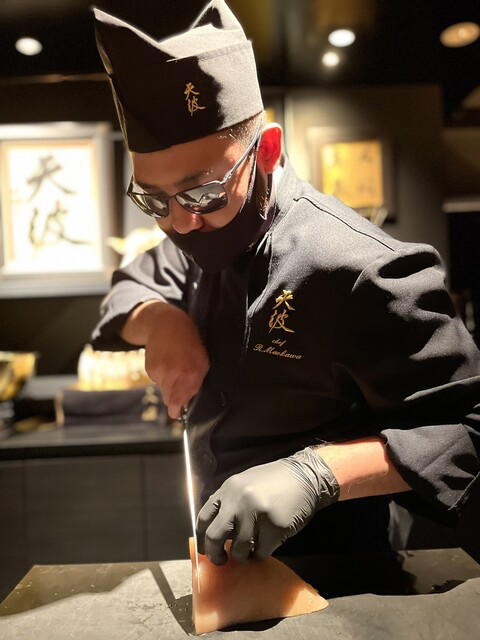
In Osaka, the mood can shift quickly from the city’s public appetite for noise and speed to a quieter register of private dining. A focused room changes the social contract: guests are not simply drifting through a dining room but entering a setting where timing, etiquette, and attention carry as much weight as appetite. Tenpa belongs to that smaller Osaka category where the meal is framed less as a casual night out than as a controlled appointment with a particular culinary point of view.
Korean dining in Japan is often read through barbecue, spice, and late-night conviviality. Tenpa’s public category is Korean, but its placement in Osaka’s higher-end dining conversation asks for a more careful reading than that shorthand allows. That distinction matters in Osaka, a city better known internationally for street-level pleasure than for formal, high-budget dining. The interest here is not novelty for its own sake, but how a Korean restaurant can sit within the small-room discipline familiar to Japan’s upper dining tier.
Korean dining in Osaka's small-room dining tier
Tenpa’s public category is Korean, and its dinner budget places it firmly in a serious dining bracket. Those details place it closer to specialist destination dining than to the broad middle of Osaka restaurant life. In Japan, a tightly managed room changes everything: pacing becomes stricter, guest behavior is more visible, and service has less margin for drift. The format also explains why the restaurant is discussed through access and planning as much as through cuisine.
The price band sits at JPY 30,000 to JPY 39,999 for dinner. In Osaka, that bracket moves a restaurant out of casual ethnic dining and into the same decision set as serious high-end counters and destination restaurants. For Korean cuisine, that positioning is notable. It asks diners to judge the meal not against a neighborhood Korean restaurant, but against the city’s broader luxury dining grammar: pacing, beverage seriousness, ceremony, and how convincingly the room sustains a formal arc.
Recognition gives the format external weight. Tenpa was selected for Tabelog Hyakumeiten in 2024, with a listed score of 3.66 and a dinner budget of JPY 30,000 to JPY 39,999. Tabelog’s Hyakumeiten lists are not Michelin stars, and they should not be read as the same kind of signal, but in Japan they matter because they identify restaurants that have achieved sustained attention within tightly defined categories. For a Korean restaurant in Osaka, that placement says something specific: this is being evaluated within a regional dining conversation, not merely treated as a curiosity.
The access model shapes the experience before the first course
The defining fact is focus. A small, tightly run dining room can create intimacy, but it also creates scarcity. Tenpa’s upper-end positioning makes planning part of the dining experience rather than an administrative afterthought. That is increasingly common at Japan’s higher end, where scarcity is not only a byproduct of demand but part of how restaurants protect rhythm, staffing, and guest mix. The risk for diners is obvious: desire does not always equal access. The reward, when it works, is a room engineered around a limited number of guests and a controlled service.
This is where Osaka’s reputation can mislead visitors. The city is often sold as Japan’s democratic food capital, a place of takoyaki stalls, okonomiyaki counters, kushikatsu, and late trains home. That version is real, but incomplete. Osaka also has another register: controlled, expensive, and increasingly aligned with the reservation culture that defines Japan’s hardest tables. Tenpa fits that second Osaka, especially because Korean dining is less common than some Japanese formats at this price level.
The broader context also points to a hybrid room rather than a narrow casual template. A Korean restaurant in a Japanese luxury setting needs more than a default dining script. The question is how the restaurant broadens the meal’s register, especially when the food tradition is not built around the same assumptions as better-known Japanese fine-dining formats.
How to place it within an Osaka itinerary
For travelers building a food-focused stay, Tenpa belongs on the controlled end of the schedule, not the spontaneous one. The better rhythm is to treat it as an anchor meal and use the rest of Osaka for contrast: bakeries, casual counters, bars, and regional specialties that show why the city’s range is larger than any single dinner can carry. EP Club’s broader Osaka coverage is useful for that calibration, from our full Osaka restaurants guide to our full Osaka hotels guide, our full Osaka bars guide, our full Osaka wineries guide, and our full Osaka experiences guide.
That contrast can be built locally or nationally without forcing Tenpa into a false comparison. Osaka’s casual and specialist spectrum includes many unnamed rooms, counters, bakeries, and bars that serve a very different purpose from a high-budget Korean dinner. For wider Japan context, the useful comparison is not a list of unrelated venues, but the way specialist formats travel across cities: small rooms, focused menus, and tightly managed access can make a meal feel as much like an appointment as a restaurant reservation.
The editorial verdict is narrow but clear: Tenpa is for diners who understand that access, formality, and category rarity are part of the value proposition. It is not the broadest introduction to Osaka eating, nor the easiest way to encounter Korean food in Japan. Its relevance lies in a more specific proposition: Korean cuisine interpreted through the rules of Osaka’s higher-budget dining culture.
Frequently asked questions
How much does it cost to eat at Tenpa?
Pricing at Tenpa is listed as JPY 30,000 - JPY 39,999.
What's the address for Tenpa?
Osaka.
Should I book Tenpa in advance?
Yes. Tenpa sits in a high-budget Osaka dining category, so planning ahead is the safer approach. Specific booking conditions should be confirmed through the restaurant’s current official channels.
What is Tenpa known for?
Tenpa is listed in Osaka as a Korean restaurant. It was selected for Tabelog Hyakumeiten in 2024, with a listed score of 3.66 and dinner pricing of JPY 30,000 - JPY 39,999.
What if I have allergies at Tenpa?
The provided venue information does not list a dedicated allergy policy, so any restrictions should be communicated before booking. With a price range of JPY 30,000 - JPY 39,999, the safest approach is to flag ingredients early and confirm how the kitchen can respond.
Comparable venues nearby, for context on price, style, and recognition.
| Venue | Cuisine | Price | Awards | Notes |
|---|---|---|---|---|
| TenpaThis venue (the venue you are viewing) | Korean Royal Cuisine (Members-Only) | Not listed | Tabelog 100 #35 | Not listed |
| Kakigori Laboratory | Modern Kakigori (Shaved Ice) | $10–20 | Not listed | Nishi-ku |
| DINING | Japanese Kaiseki and Teppanyaki | Not listed | Not listed | Osaka |
| Rakuraku Udon | Handmade Udon | $10–20 | Not listed | Katano |
| Toyo (とよ) | Traditional Japanese Izakaya | $20–30 | Tabelog 100 #66 | Miyakojima Ward |
| Menya JouRoku (麺屋 丈六) | Takaida-style ramen counter | $10–20 | Tabelog 100 #58 | Namba |
Recognition history
Dated appearances from independent guides and award organizations, with the underlying list record or original source where available.
Tabelog 100 #35 · No. 35
Tabelog · Tabelog 100 - Asian cuisine / Ethnic cuisine - WEST - 2024
Continue exploring
More in Osaka
Restaurants in Osaka
All restaurants in Osaka →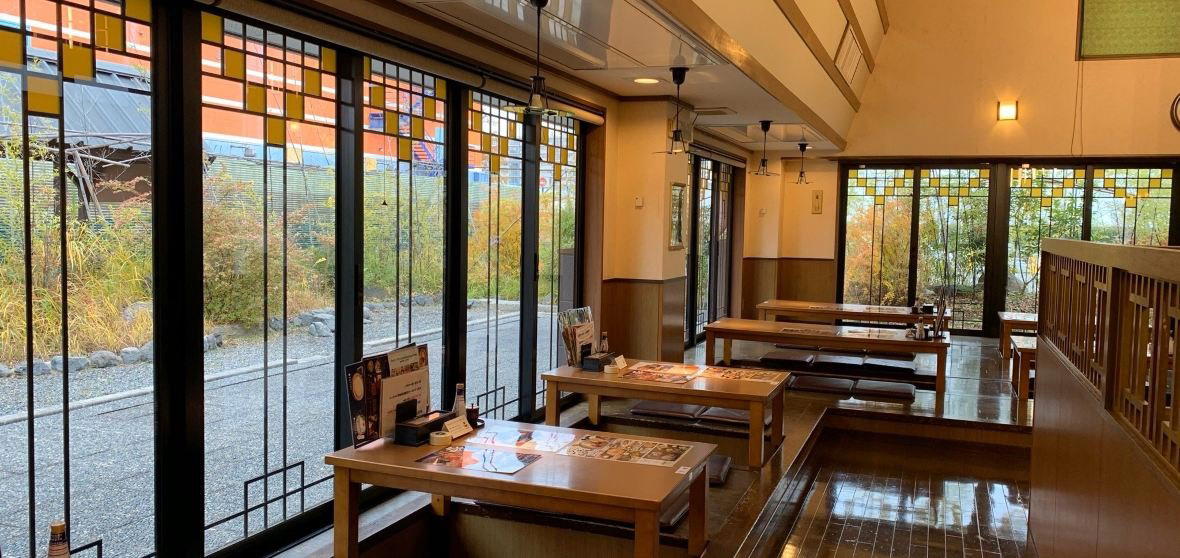


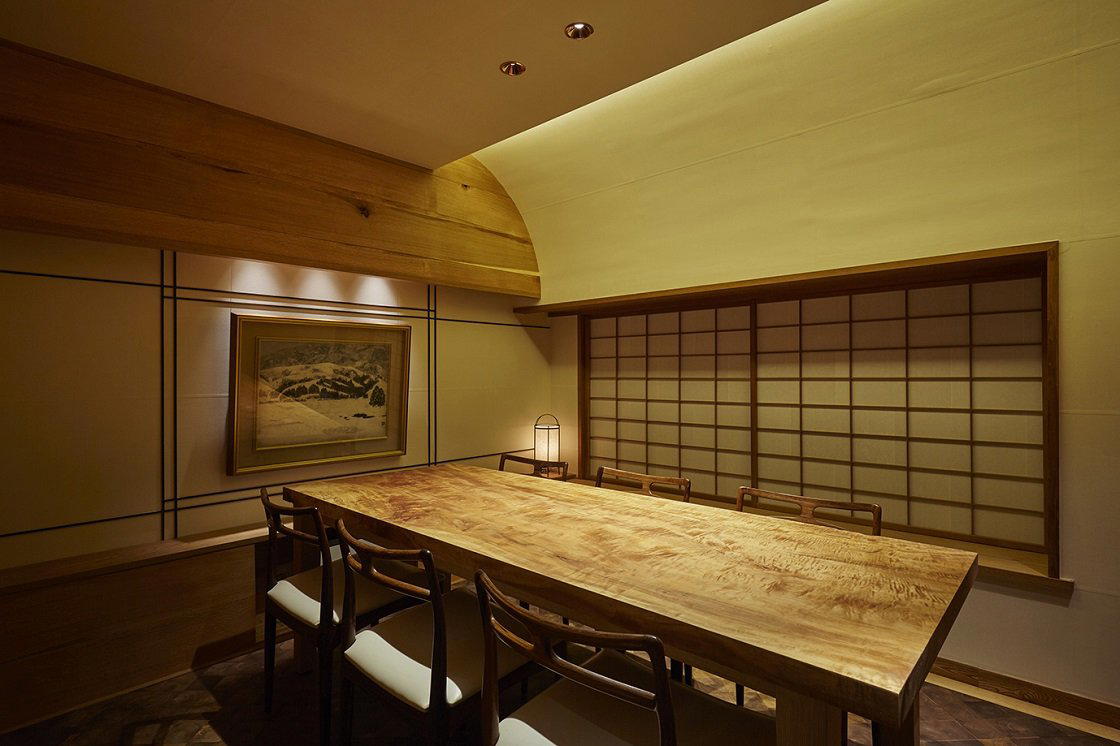
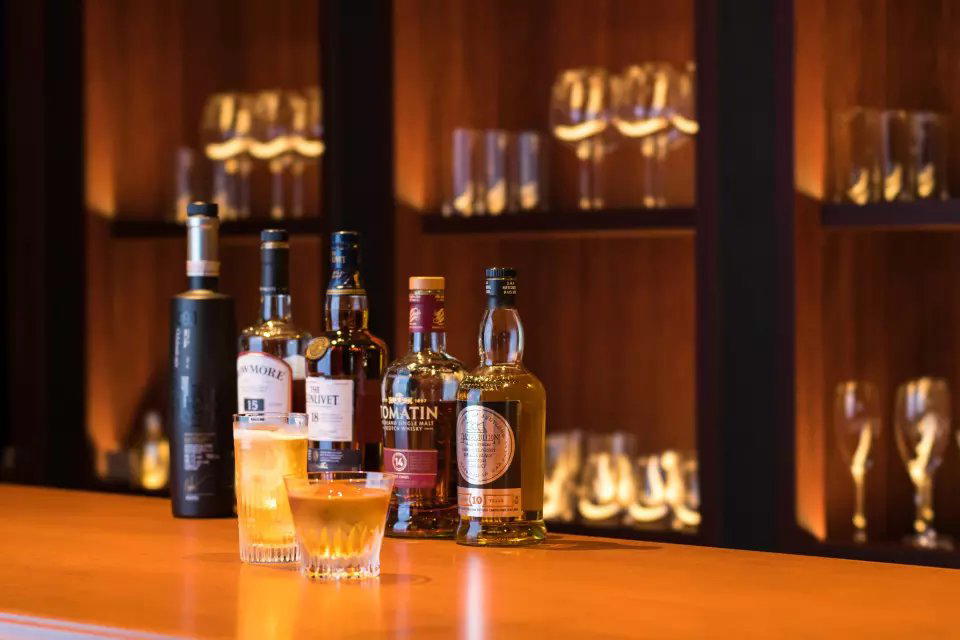
Bars in Osaka
All bars in Osaka →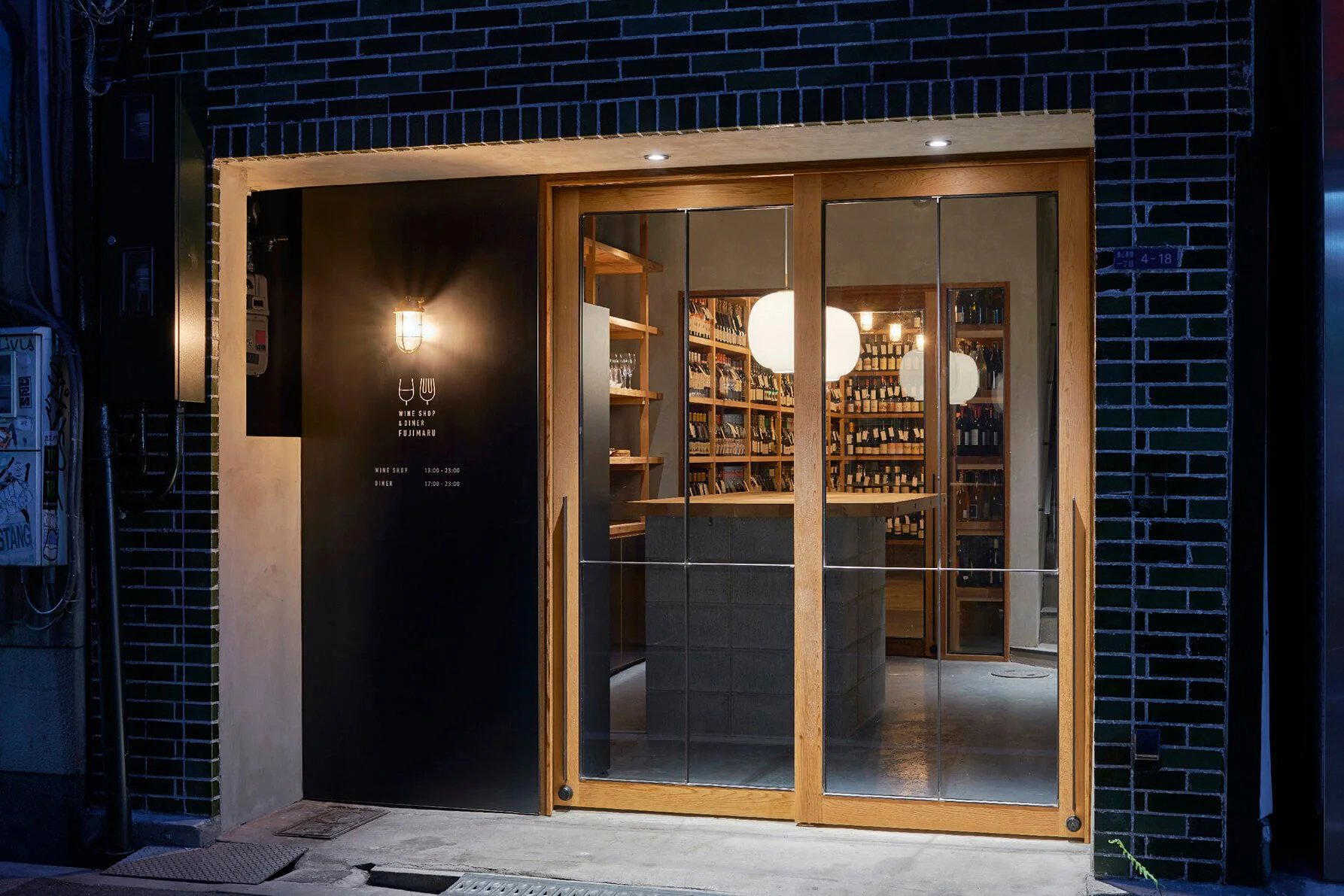
Hotels in Osaka
All hotels in Osaka →


Wineries in Osaka
Browse all →
Details
- Elegant
- Intimate
- Sophisticated
- Special Occasion
- Date Night
- Business Dinner
- Chefs Counter
- Standalone
- Private Dining
- Design Destination
- Tasting Menu
- Set Menu
An exclusive, quietly luxurious dining room in Osaka’s Kitashinchi district, designed for unhurried, course-based Korean imperial cuisine with attentive, personalized service and a calm, refined atmosphere.